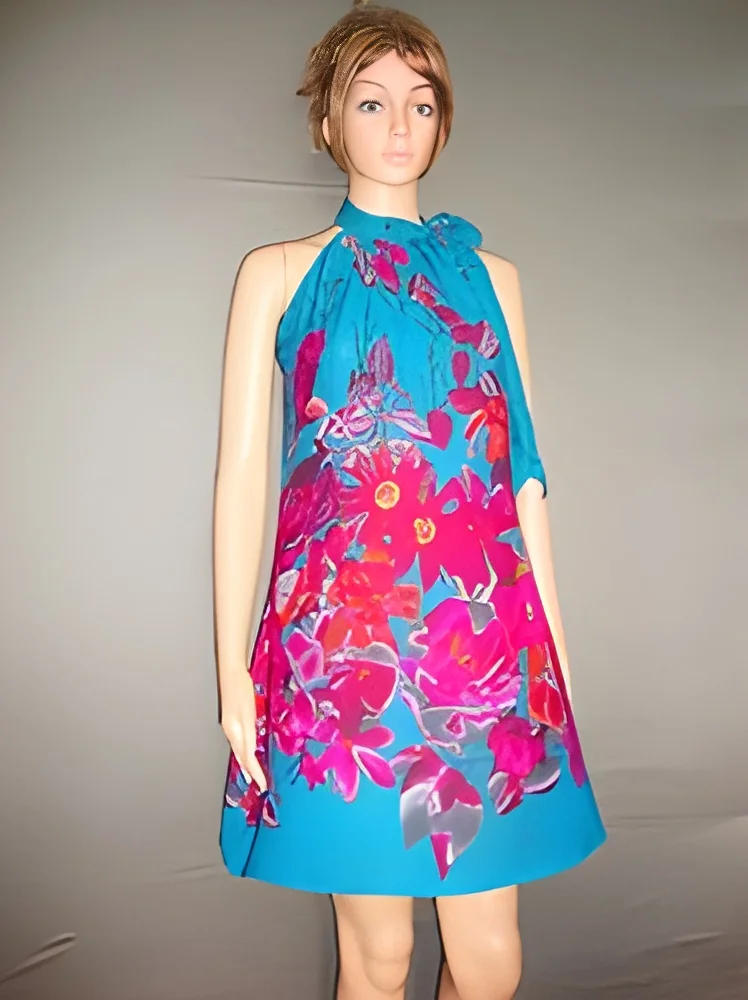
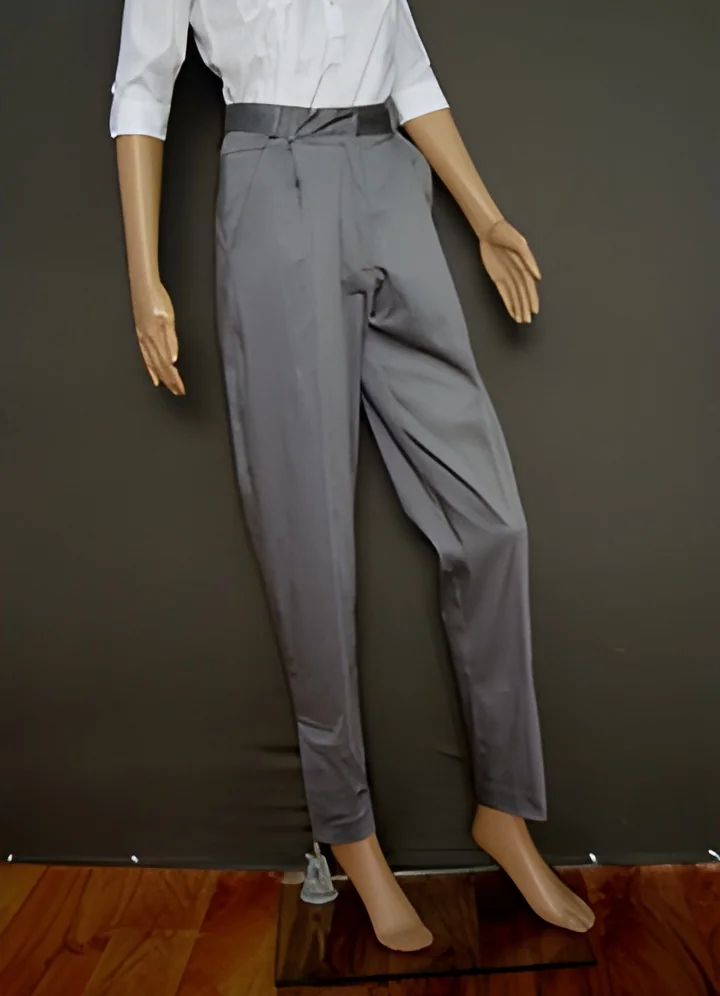
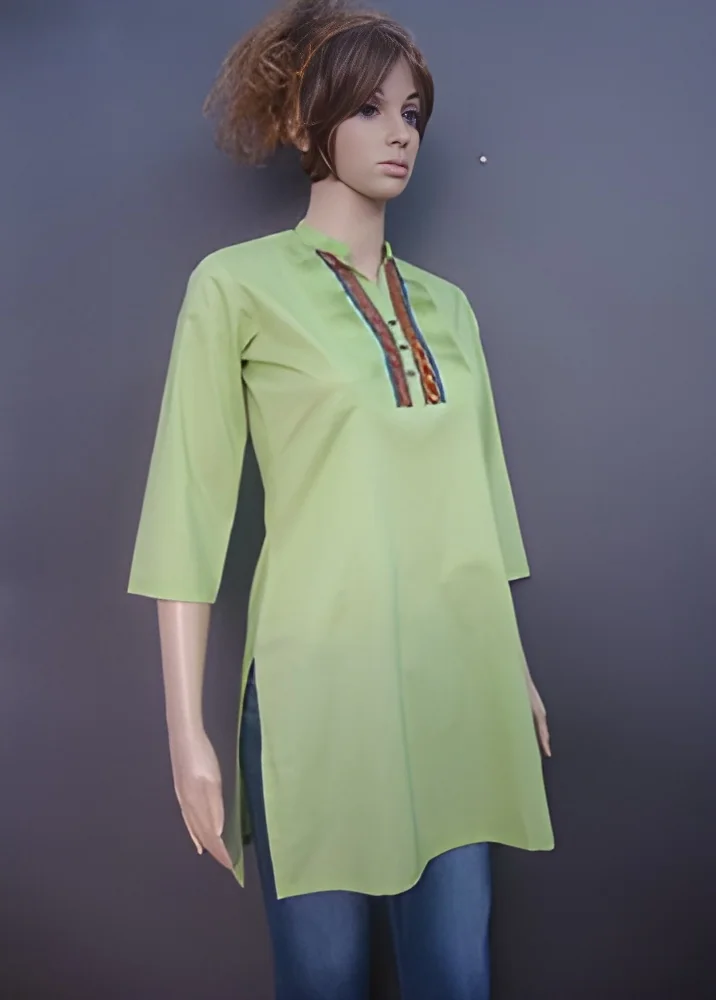
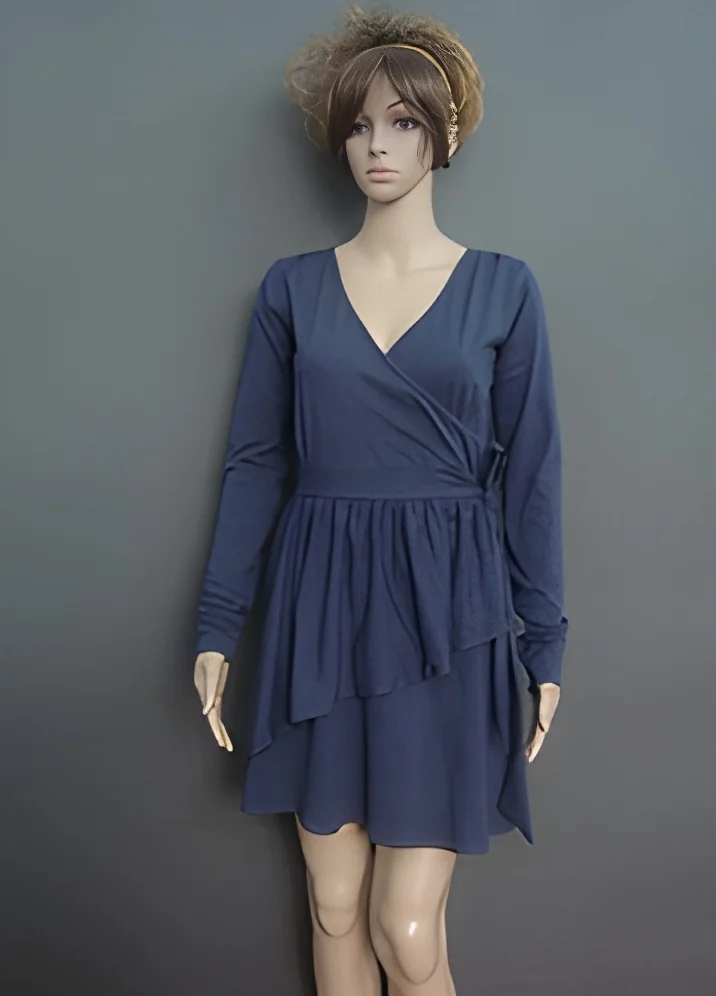
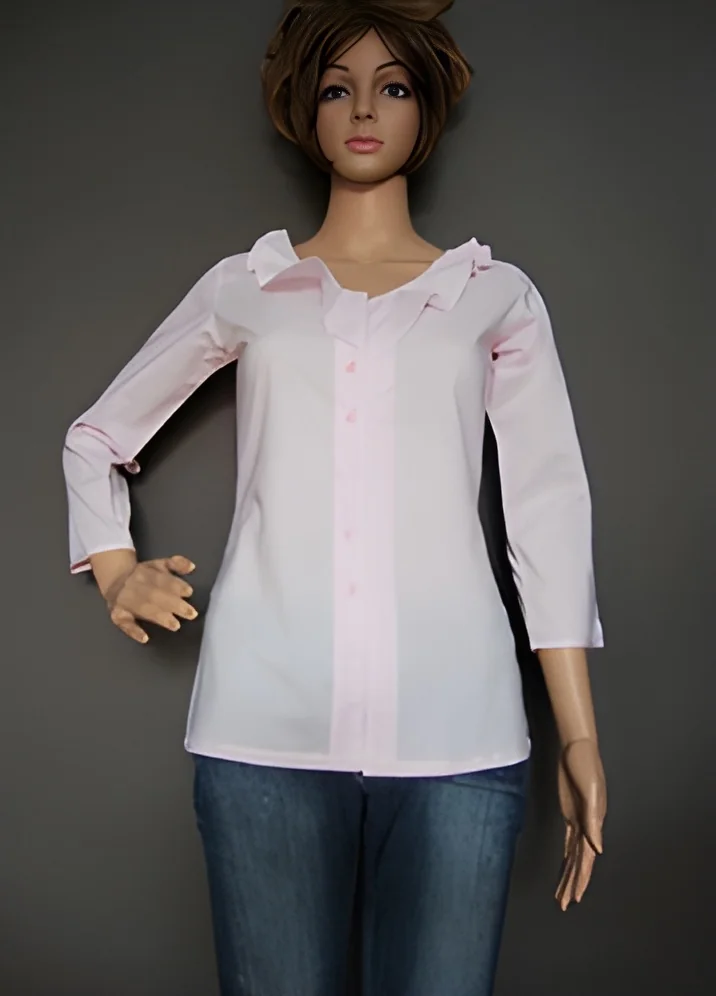
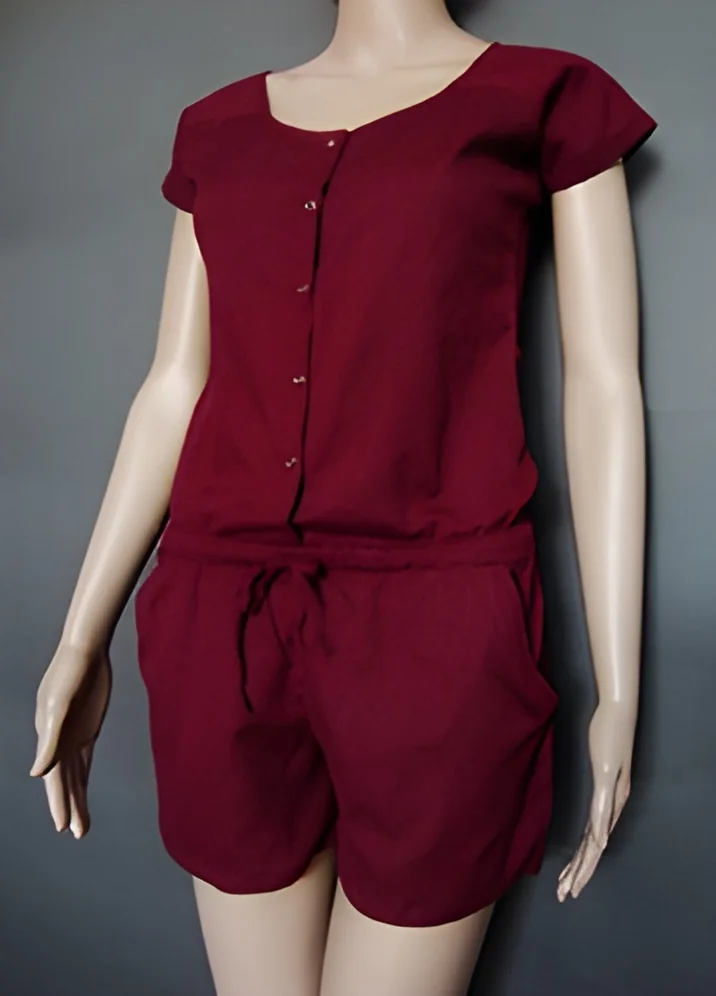
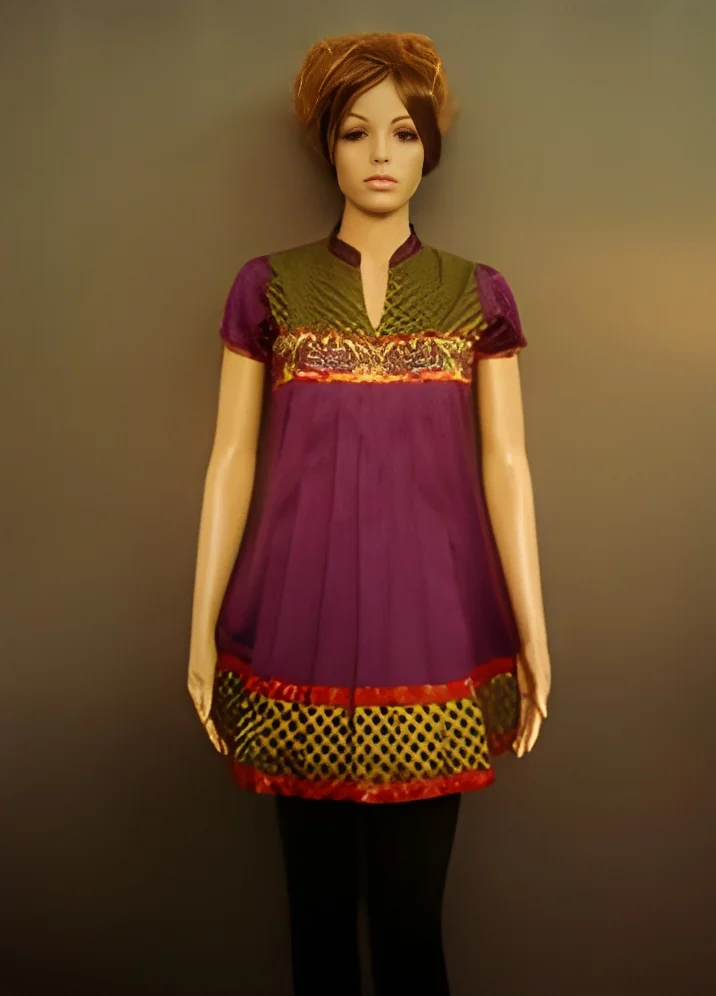
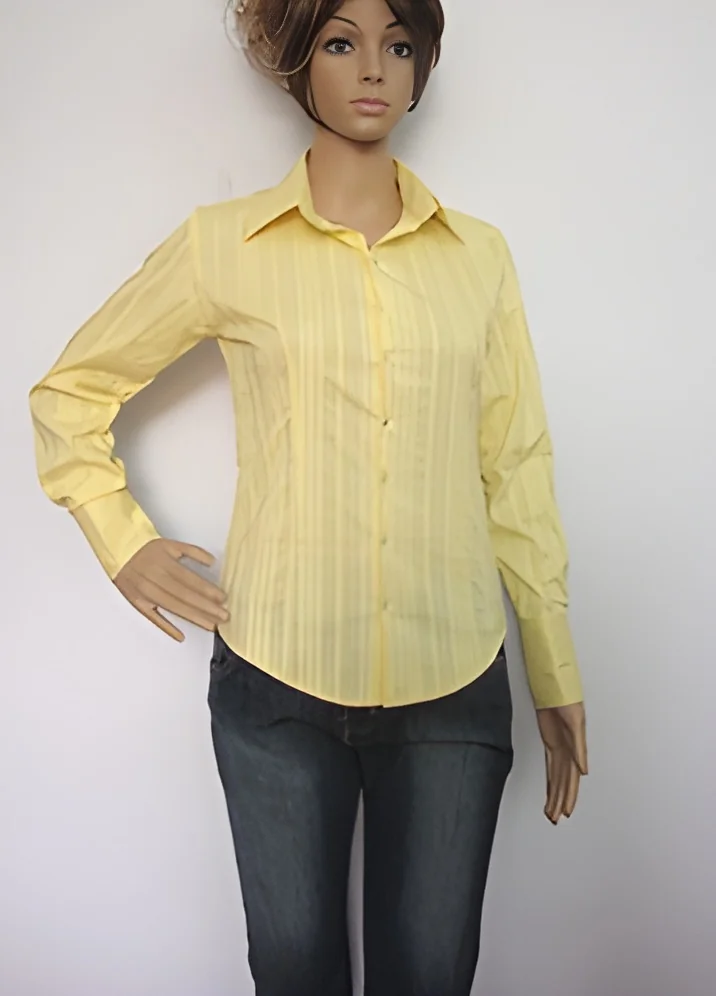
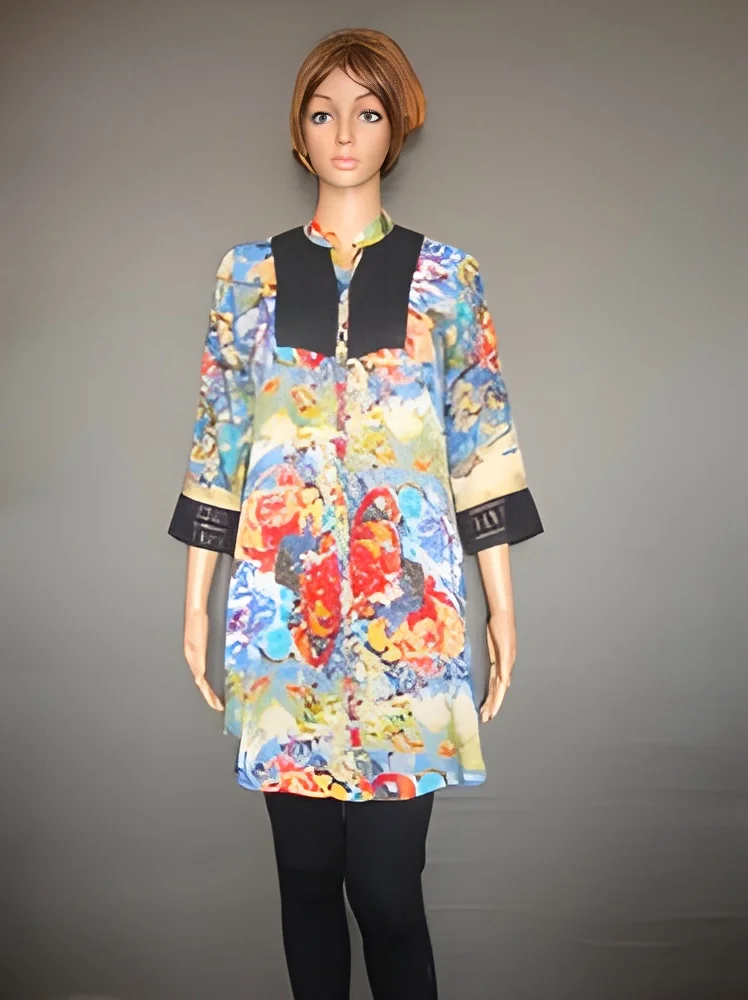
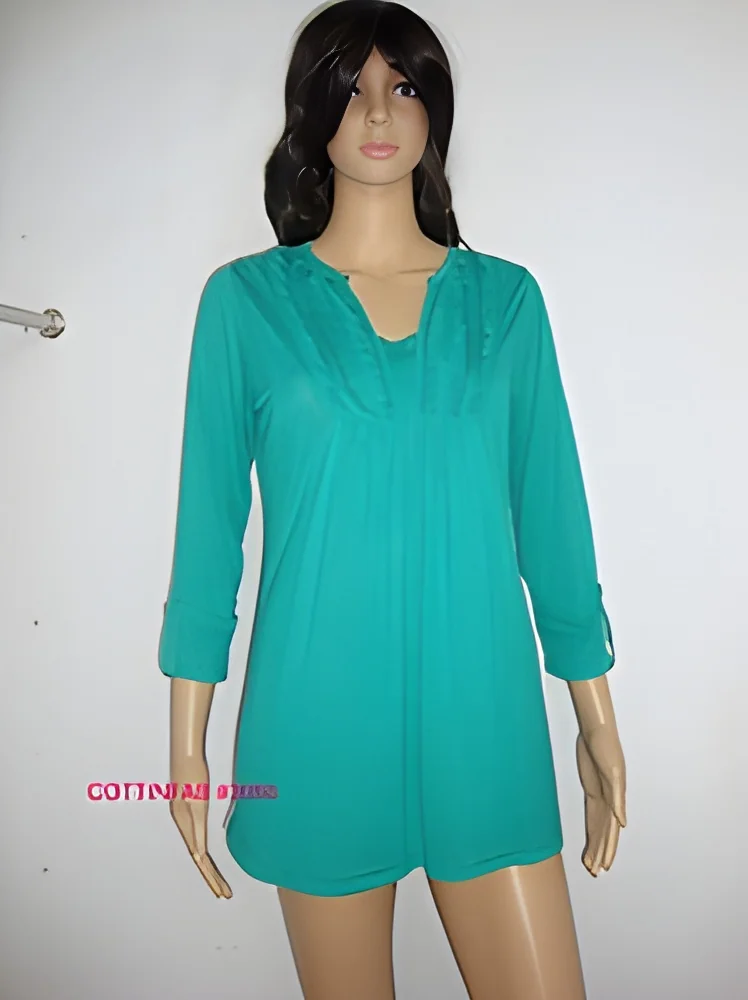
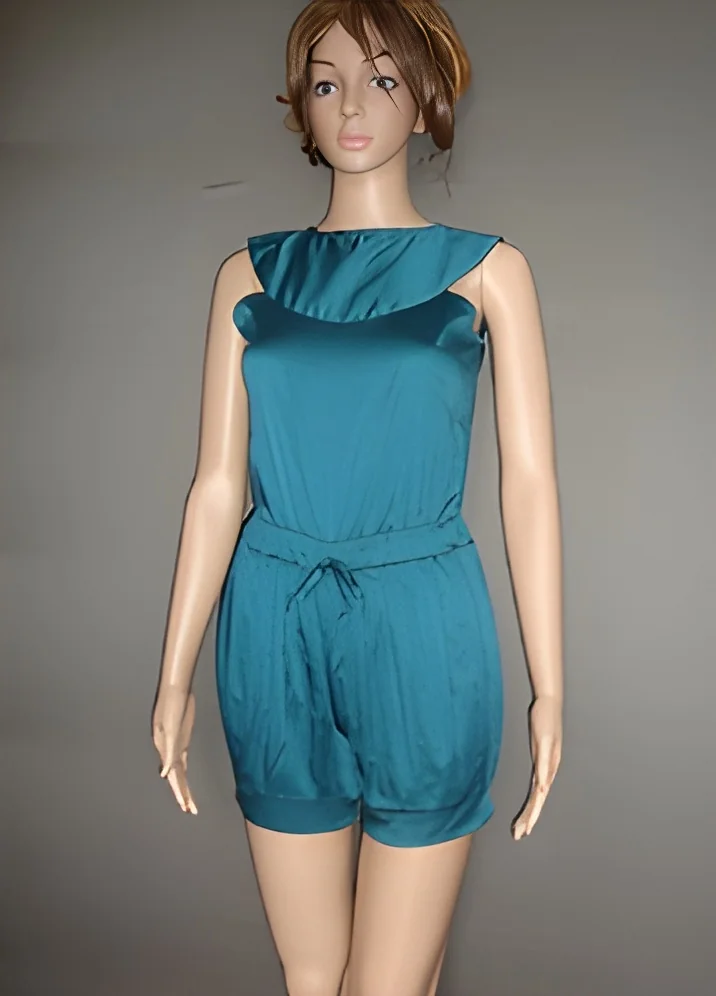
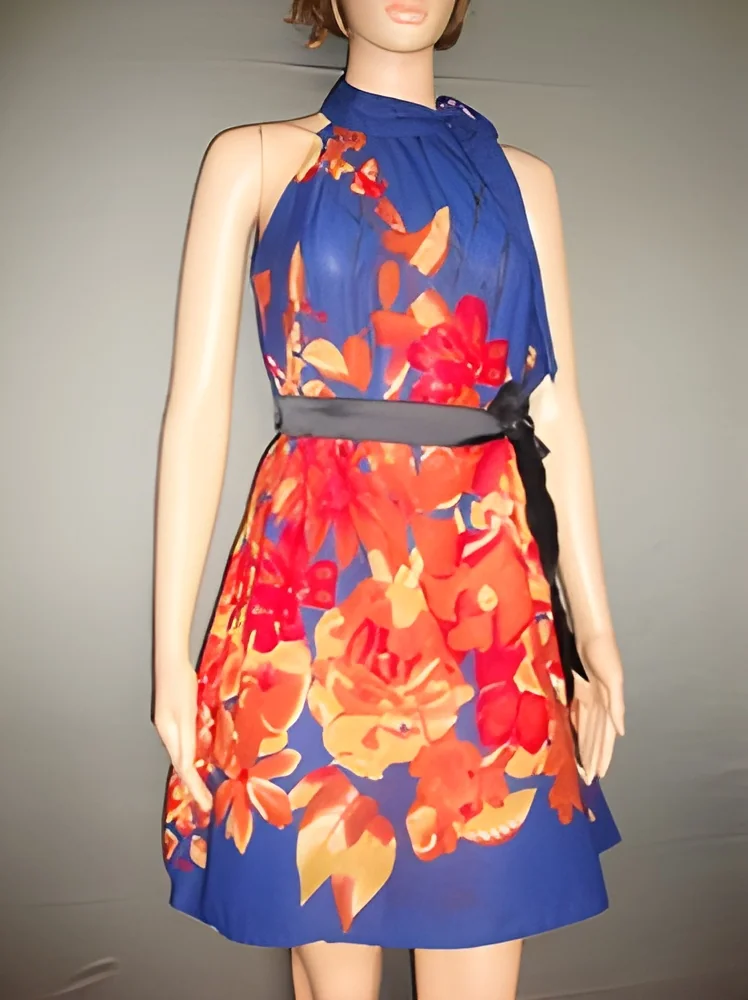
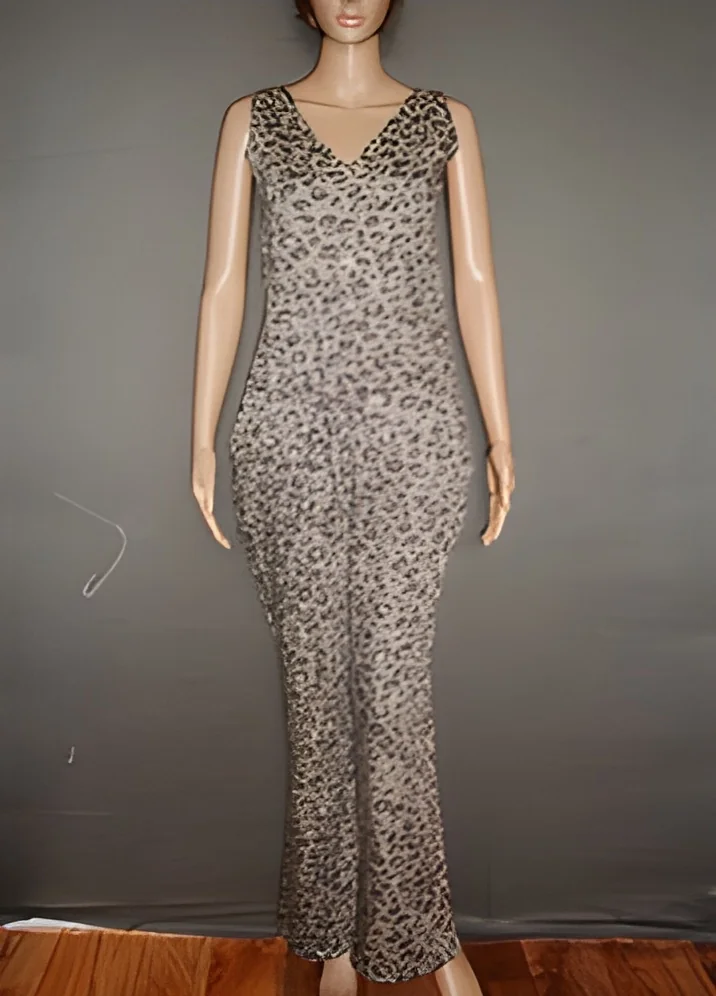
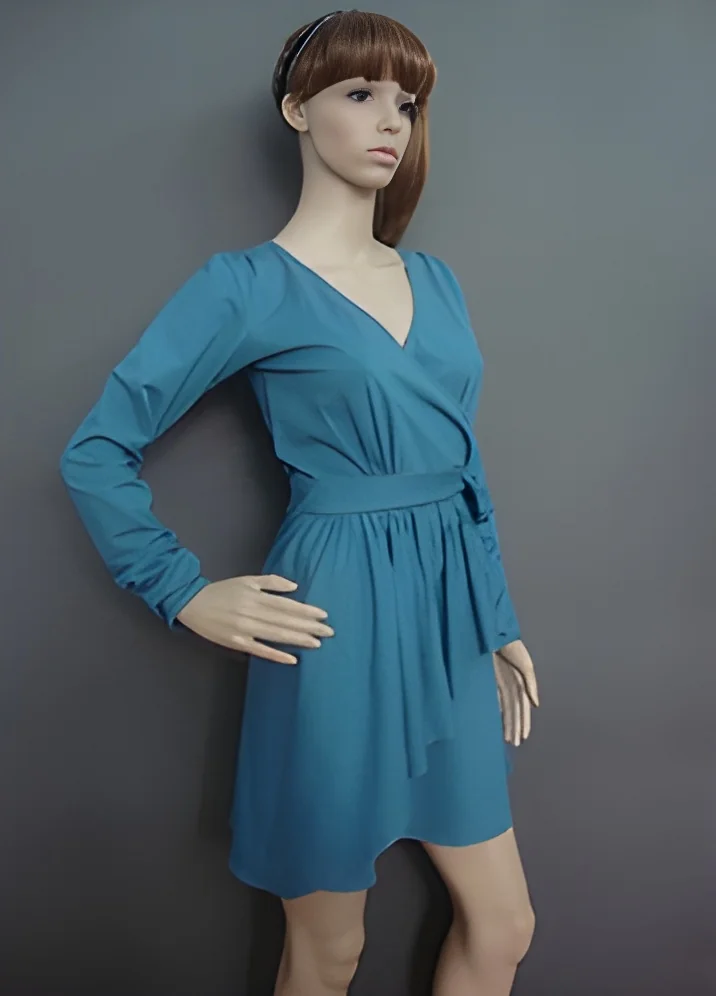
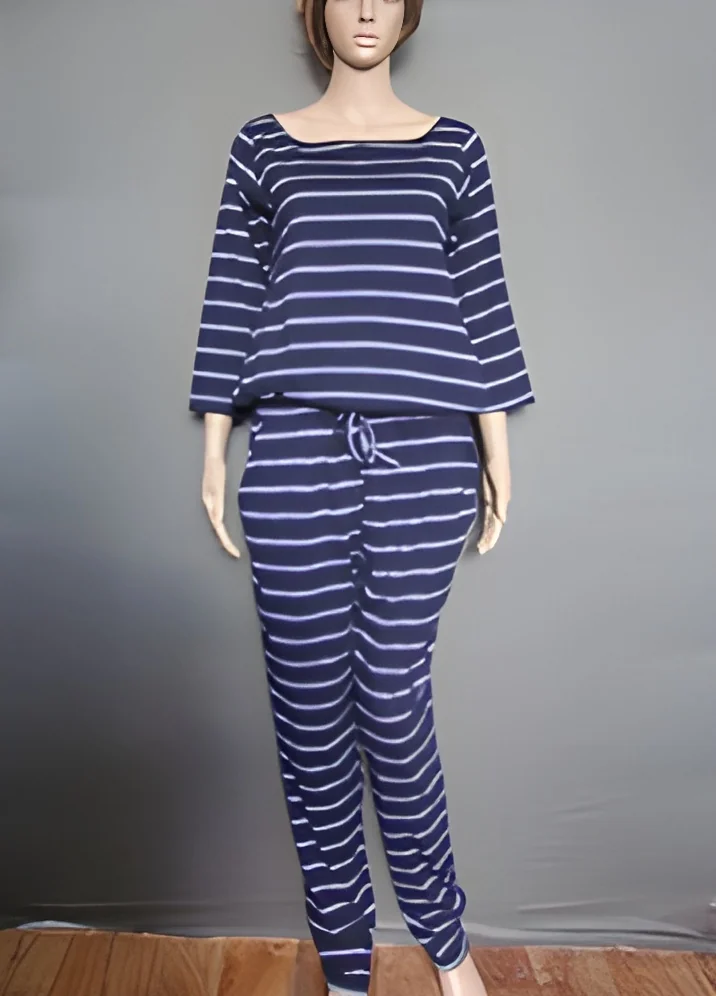
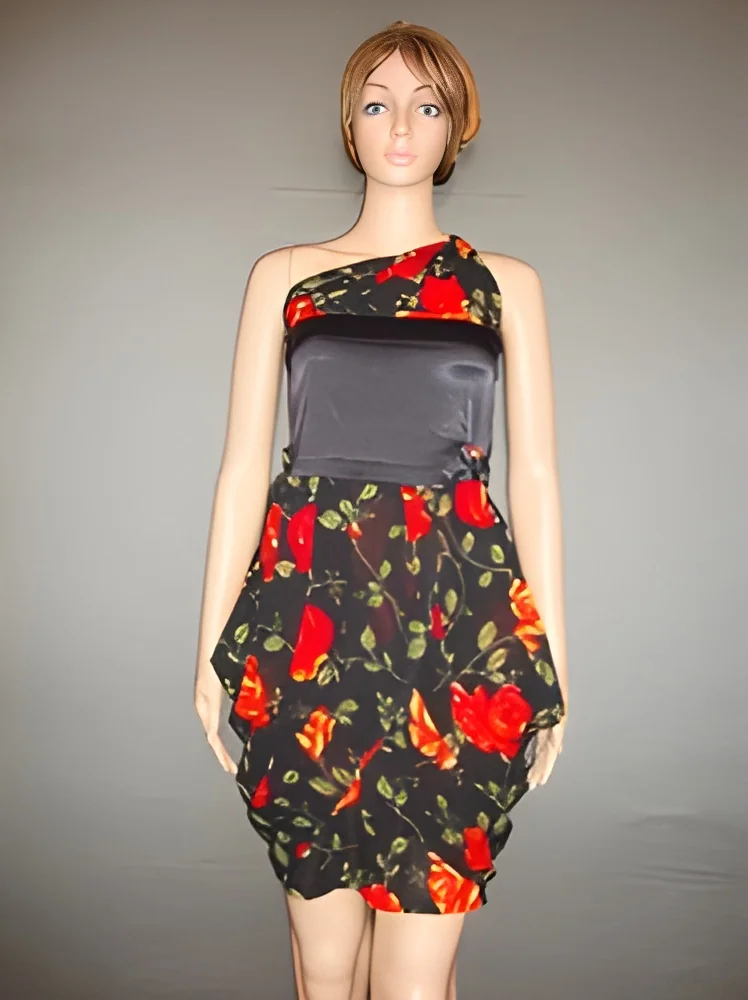
What are Women's Clothing Distributors?
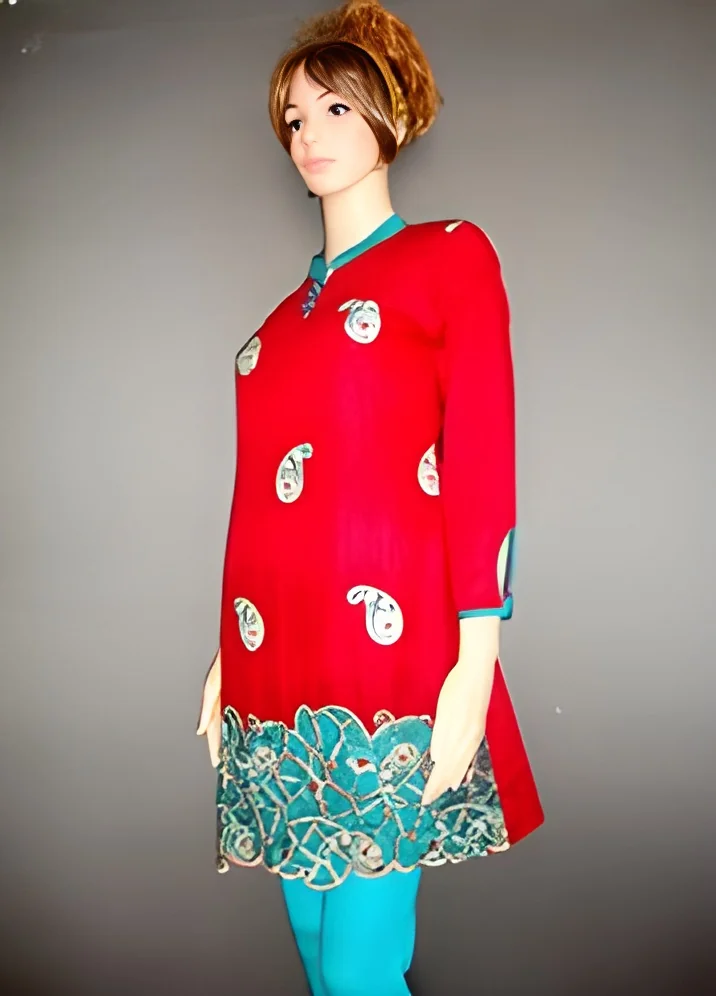
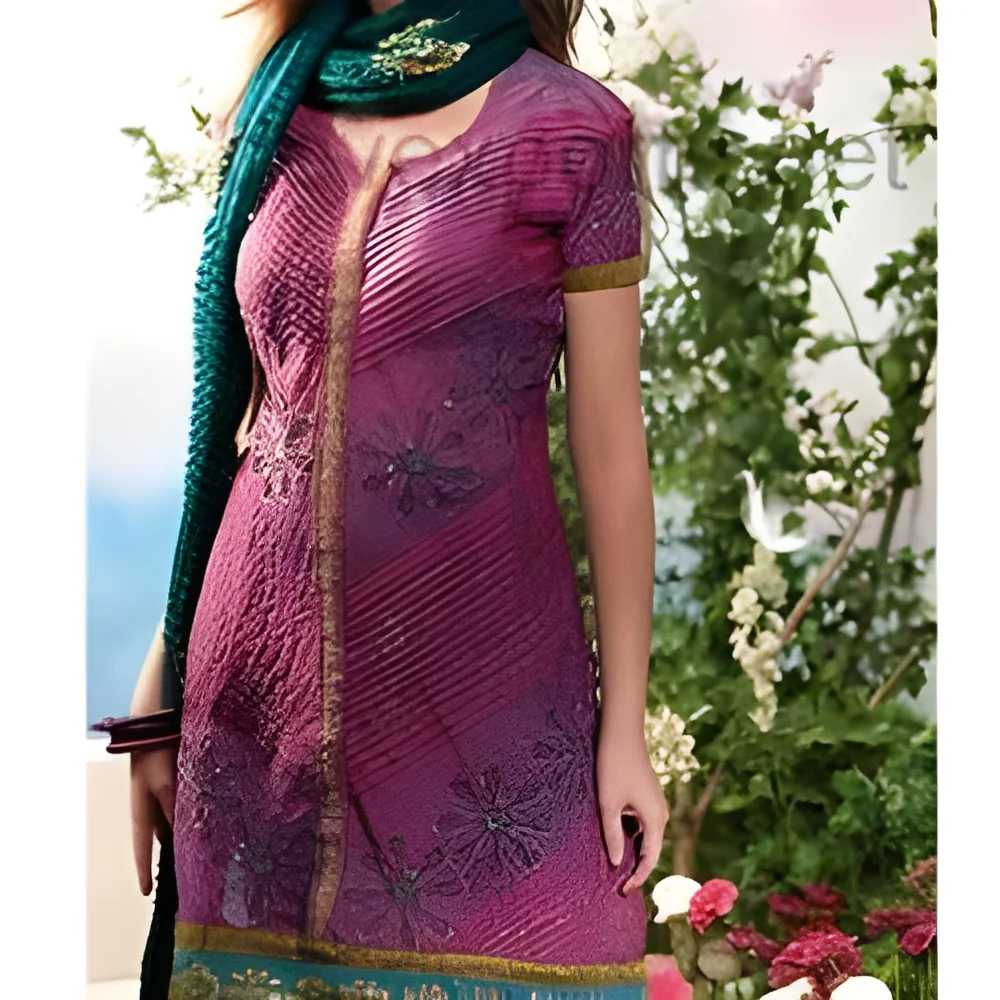
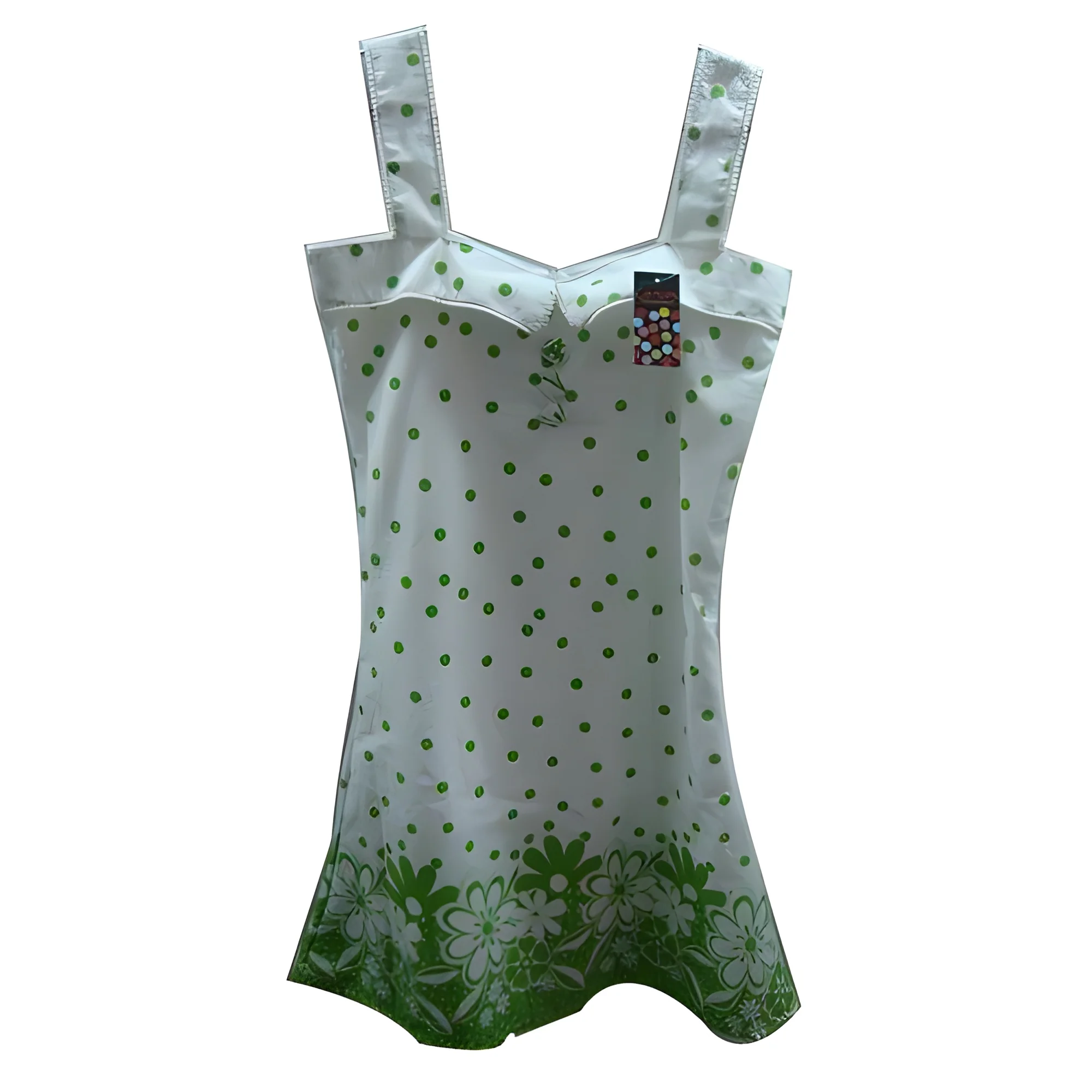
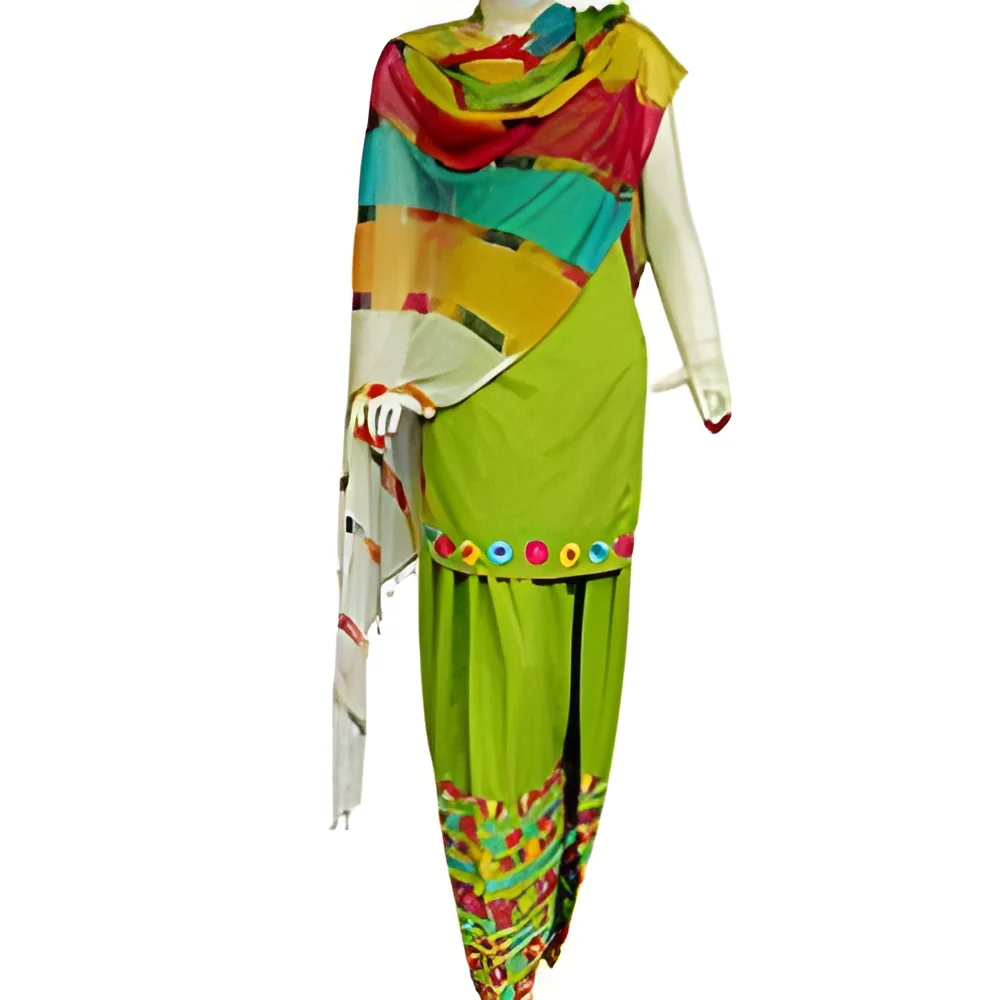
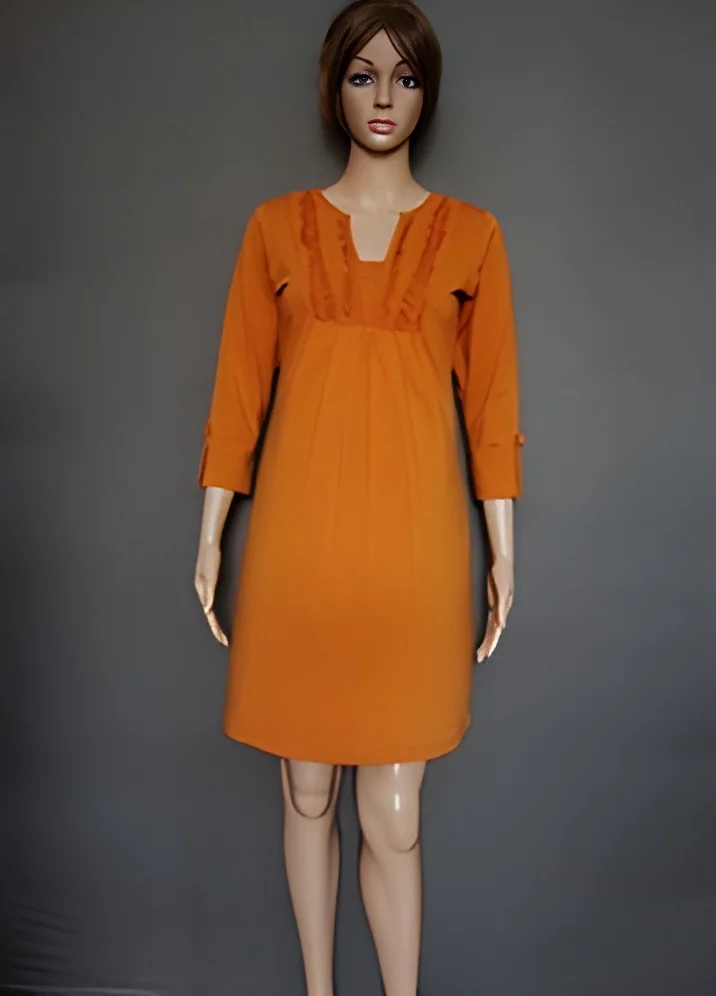
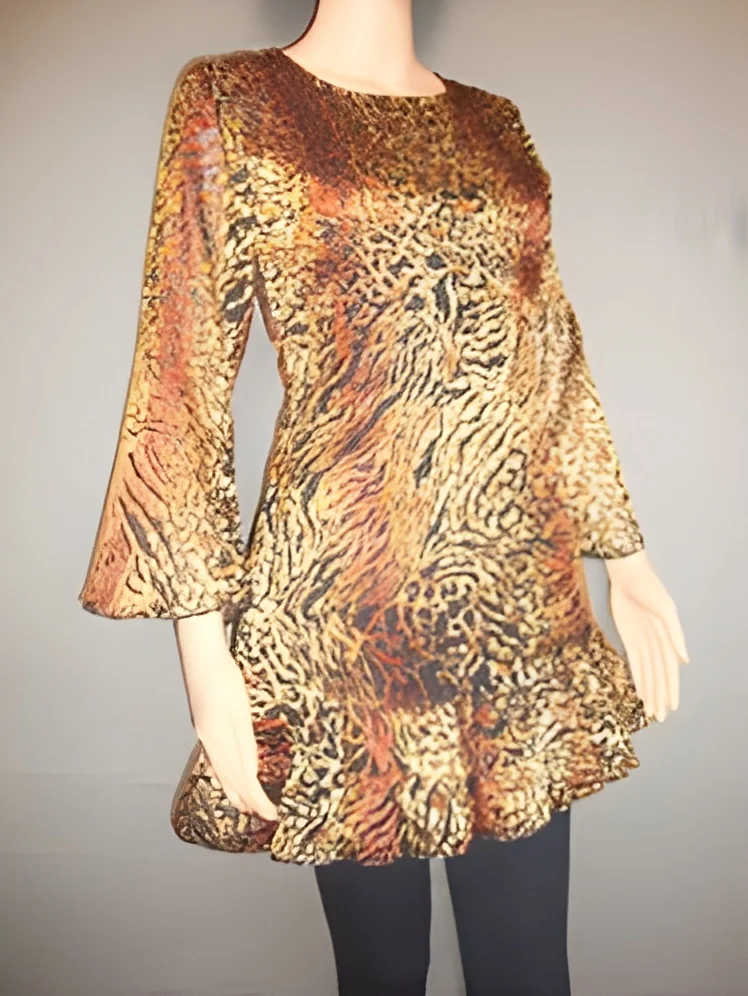
Women's clothing distributors serve as vital intermediaries in the fashion industry, specializing in the wholesale distribution of women's apparel. They connect manufacturers and retailers, ensuring that the latest styles and trends are readily available to businesses. Distributors often handle a range of tasks, including inventory management, logistics, and customer service, to streamline the supply chain for their clients.
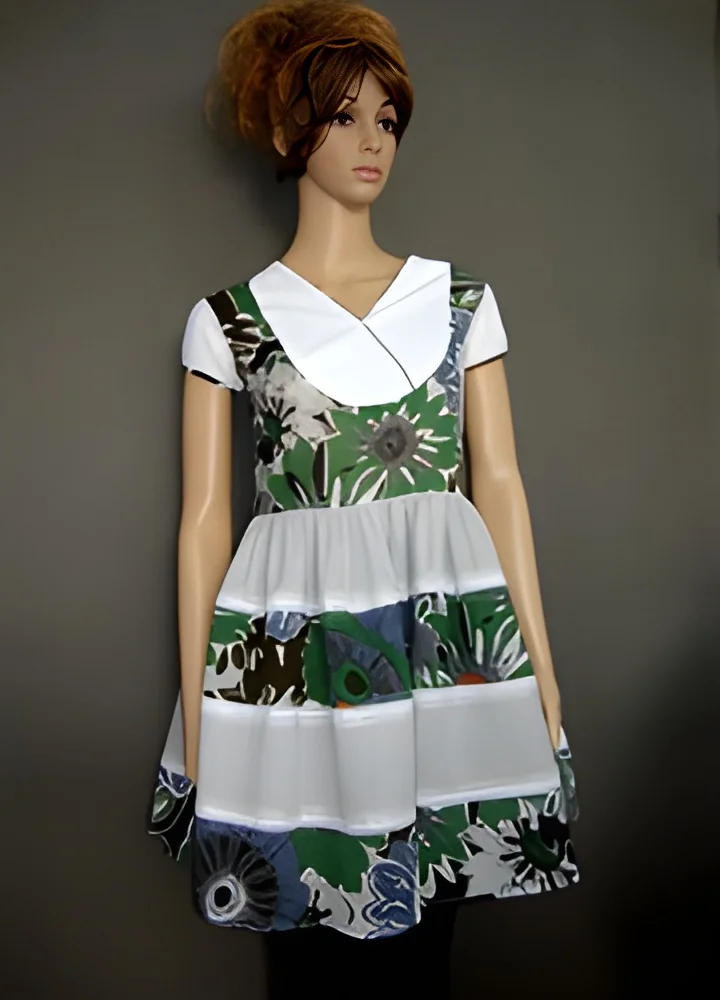
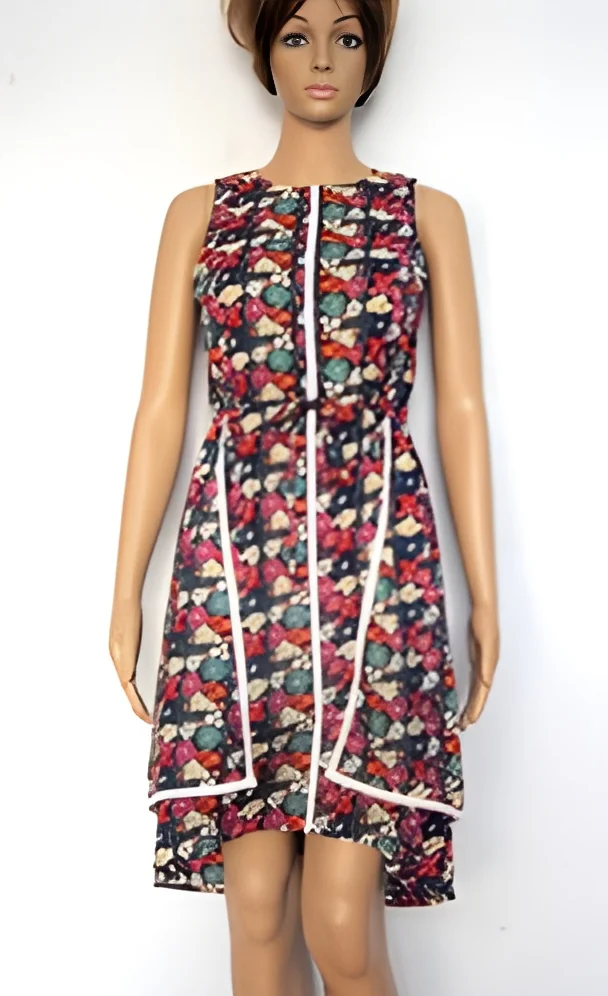
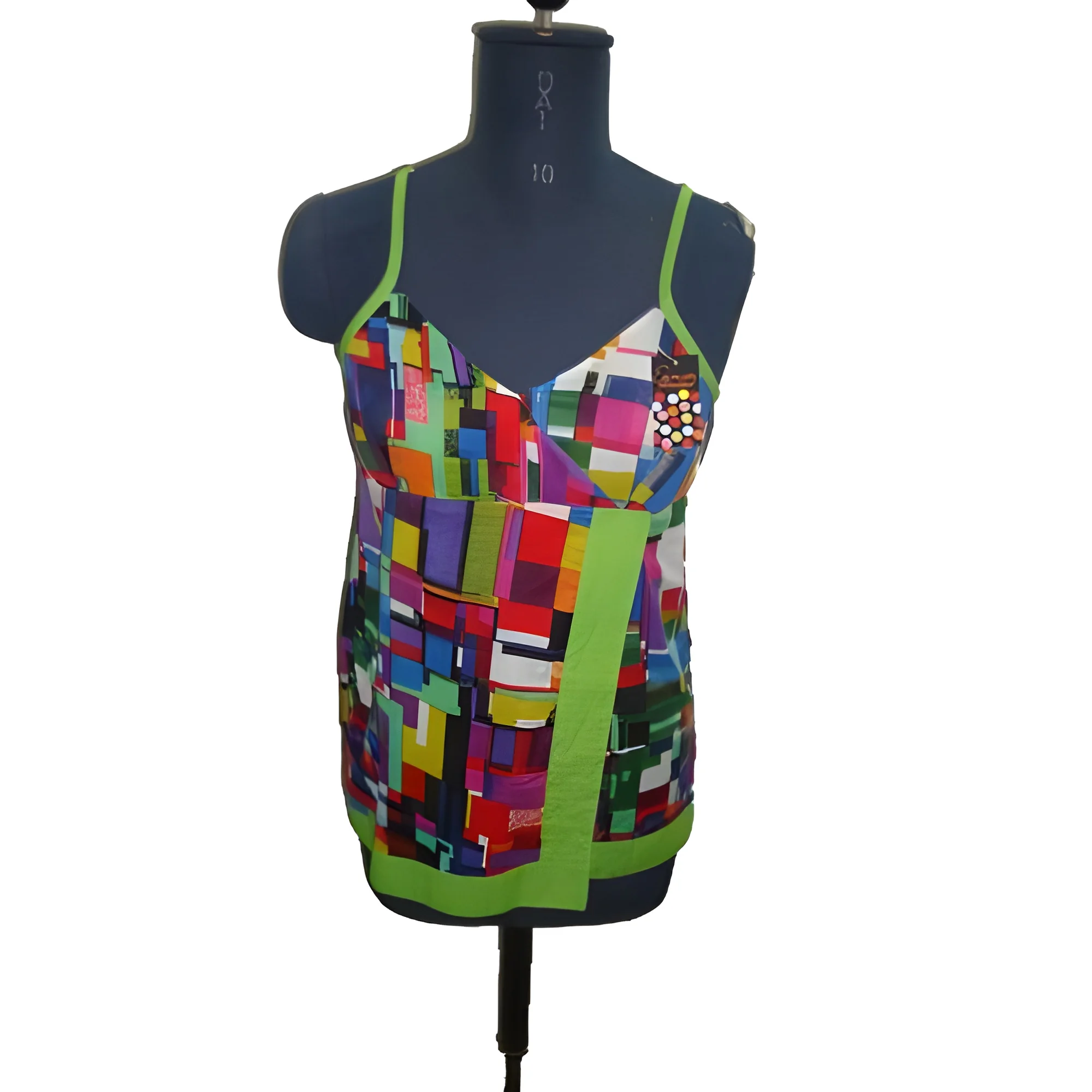
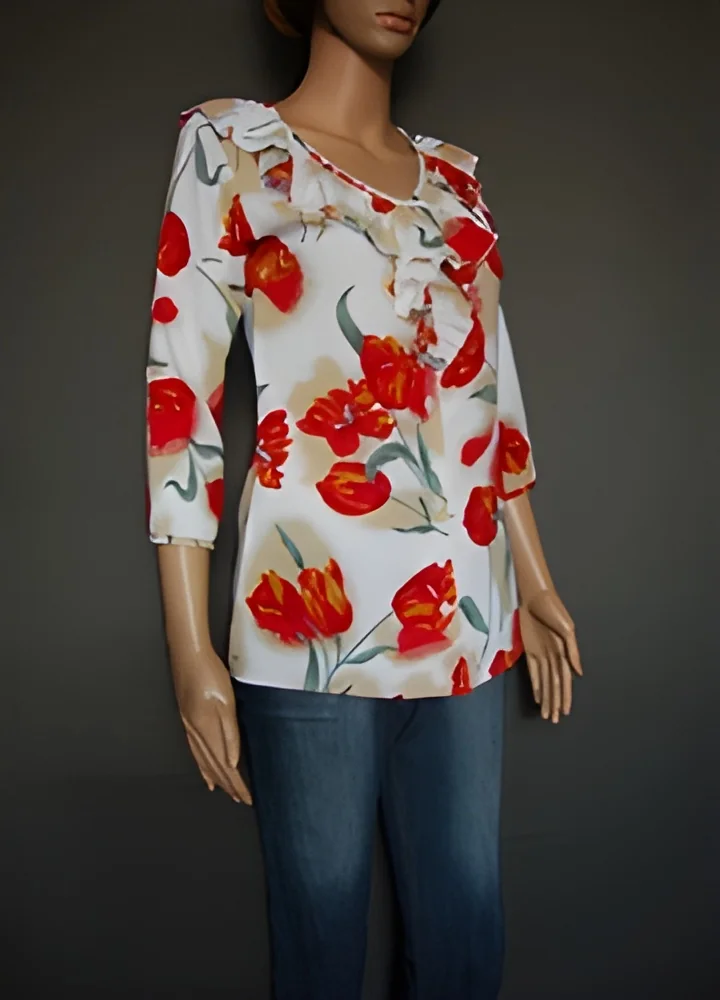
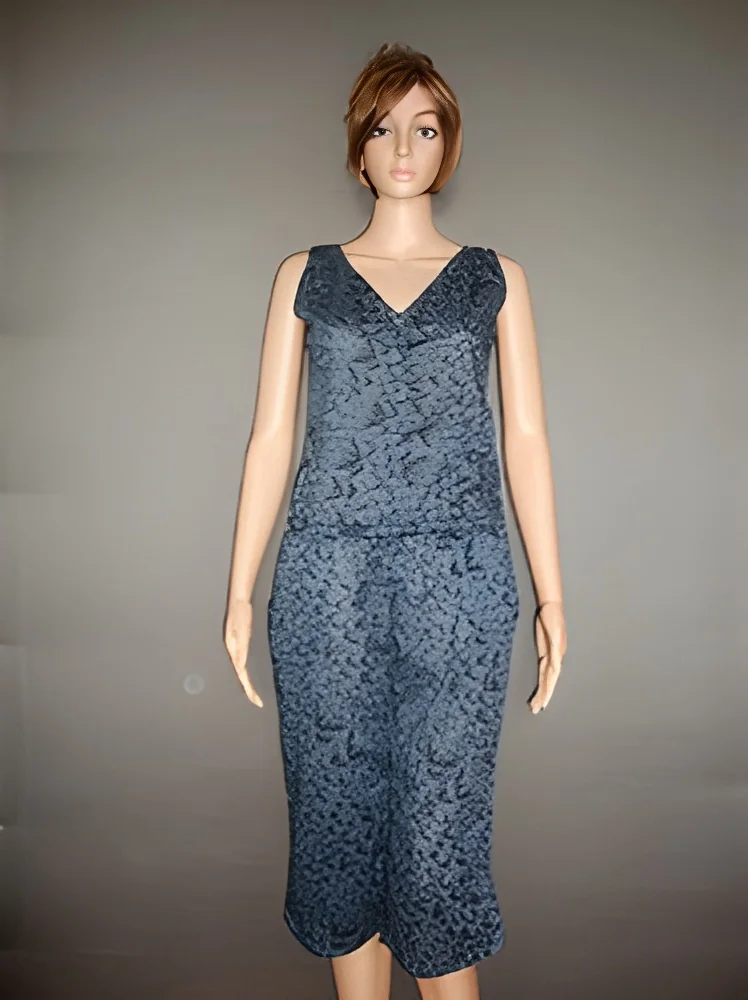
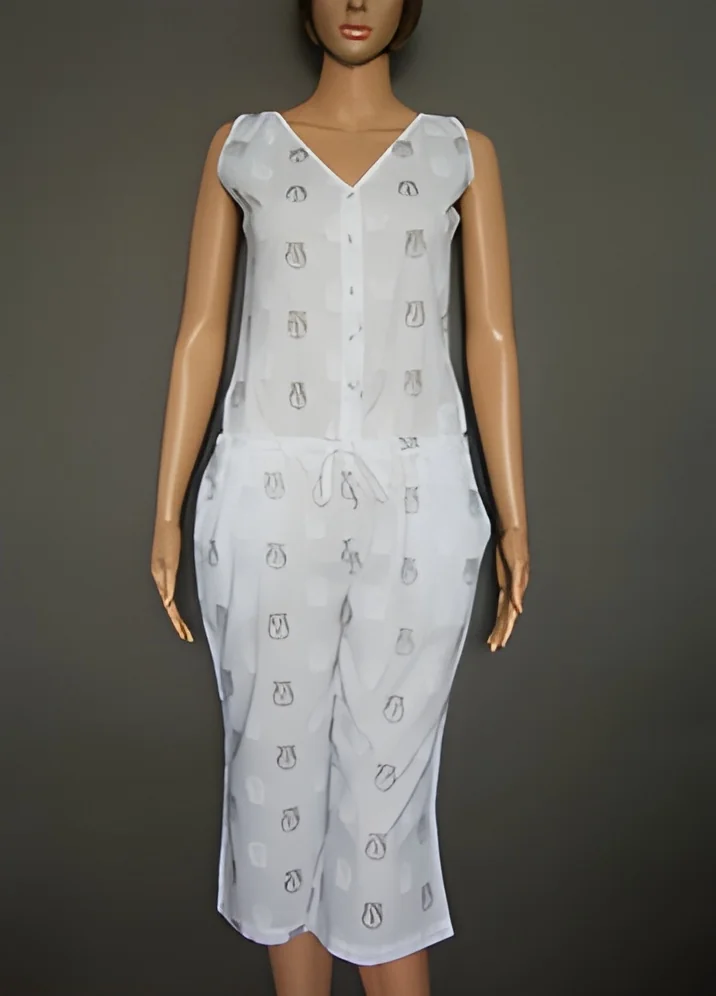
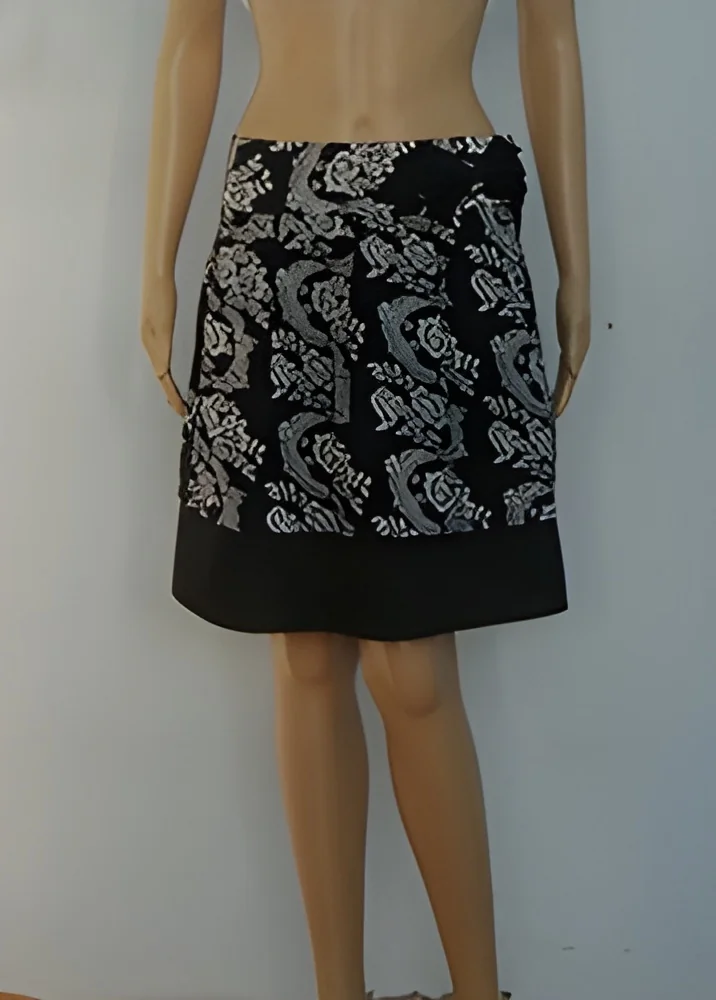
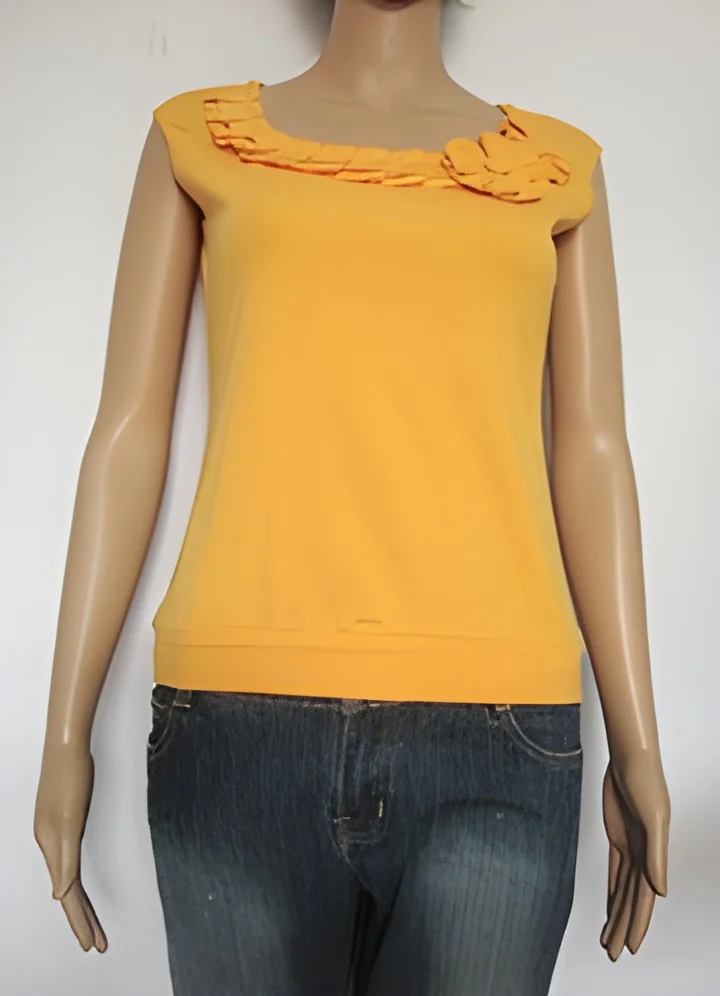
These distributors cater to various business applications, from boutique retailers to large department stores. They provide access to a diverse assortment of women's clothing, ranging from casual wear to formal attire. By working with multiple suppliers, distributors can offer a broad selection of products, which helps retailers meet the demands of their customers effectively.
In the current market landscape, women's clothing distributors play a crucial role in facilitating the flow of goods, especially in a rapidly changing industry where trends can shift quickly. The relevance of these distributors is underscored by the increasing demand for fast fashion and the need for retailers to adapt to consumer preferences while managing inventory costs.
Key Features and Specifications
Women's clothing distributors come with a variety of features and specifications to enhance their functionality and service offerings. These specifications ensure that they meet the diverse needs of retailers and manufacturers.
Key specifications include:
1. Product Range
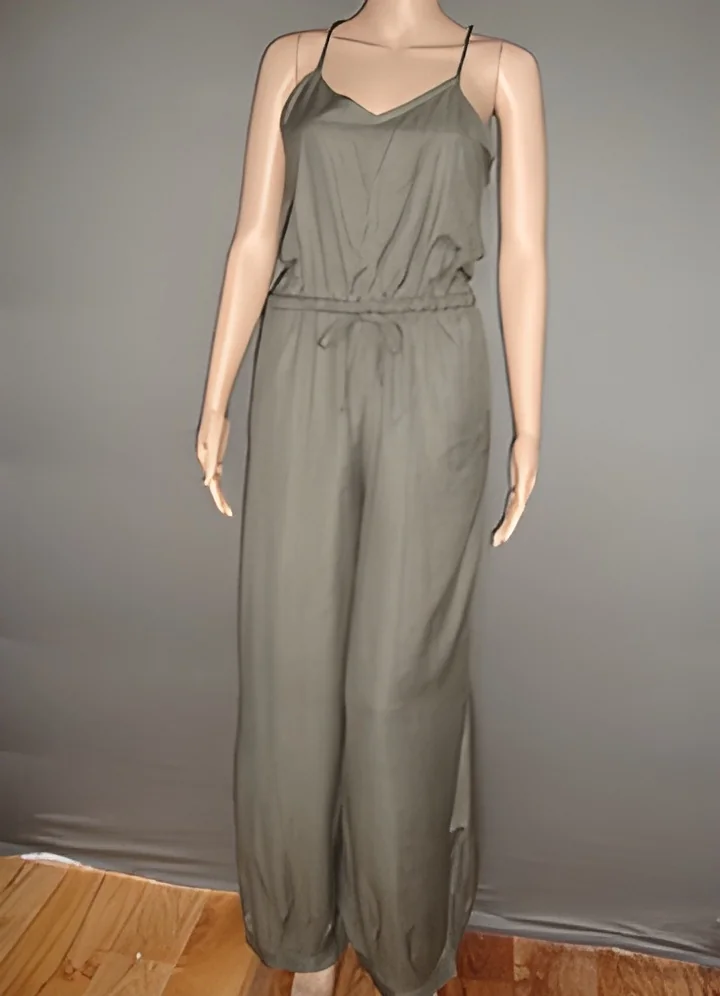
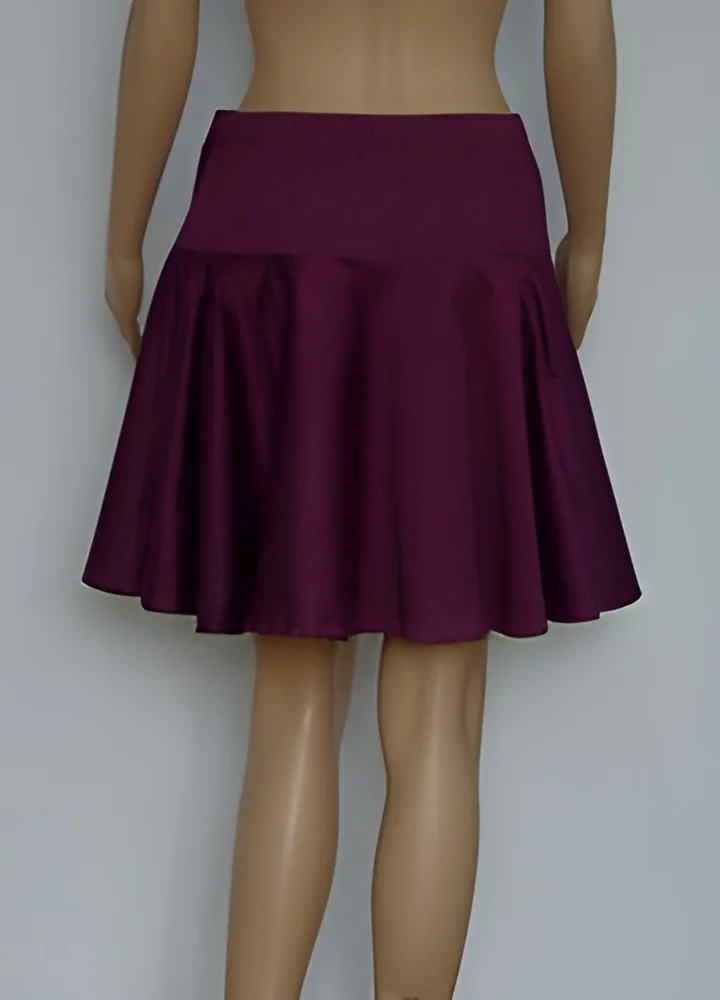
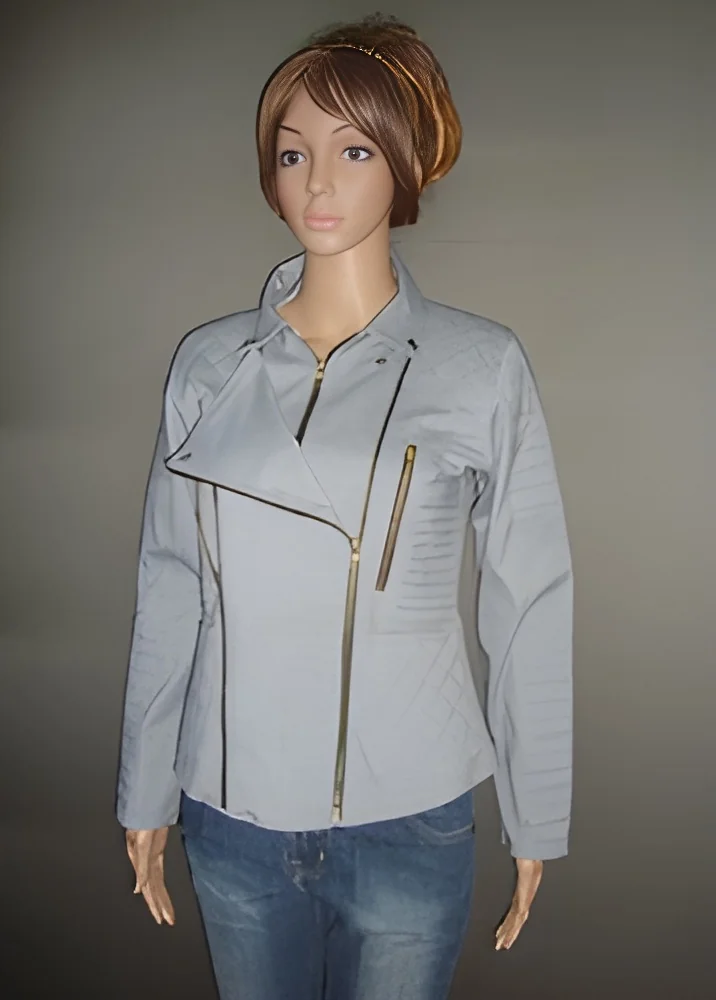
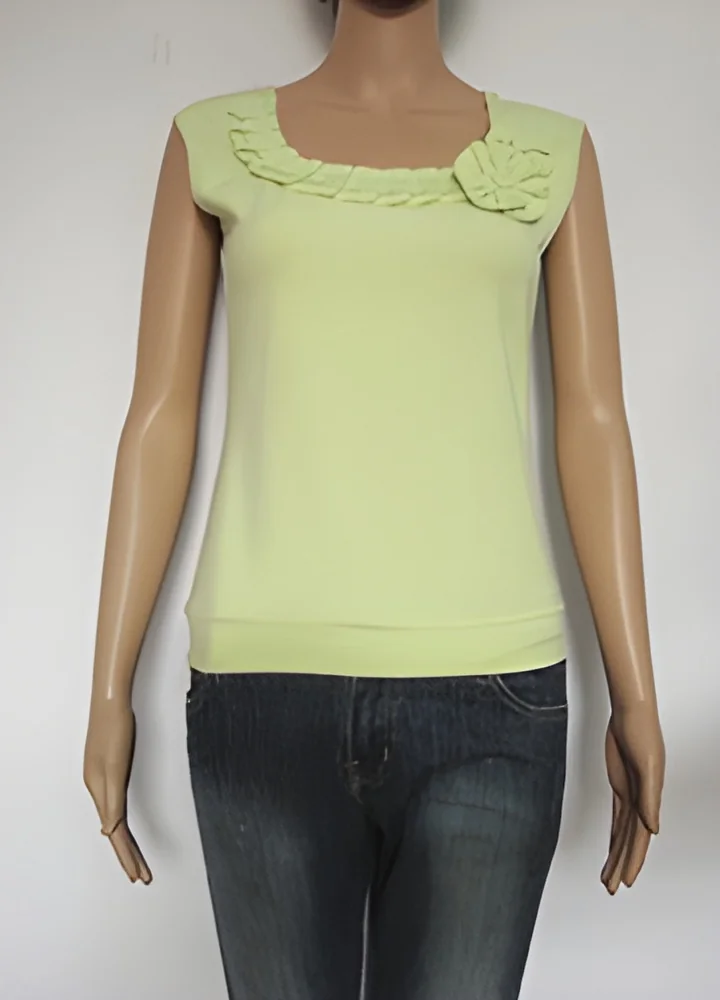
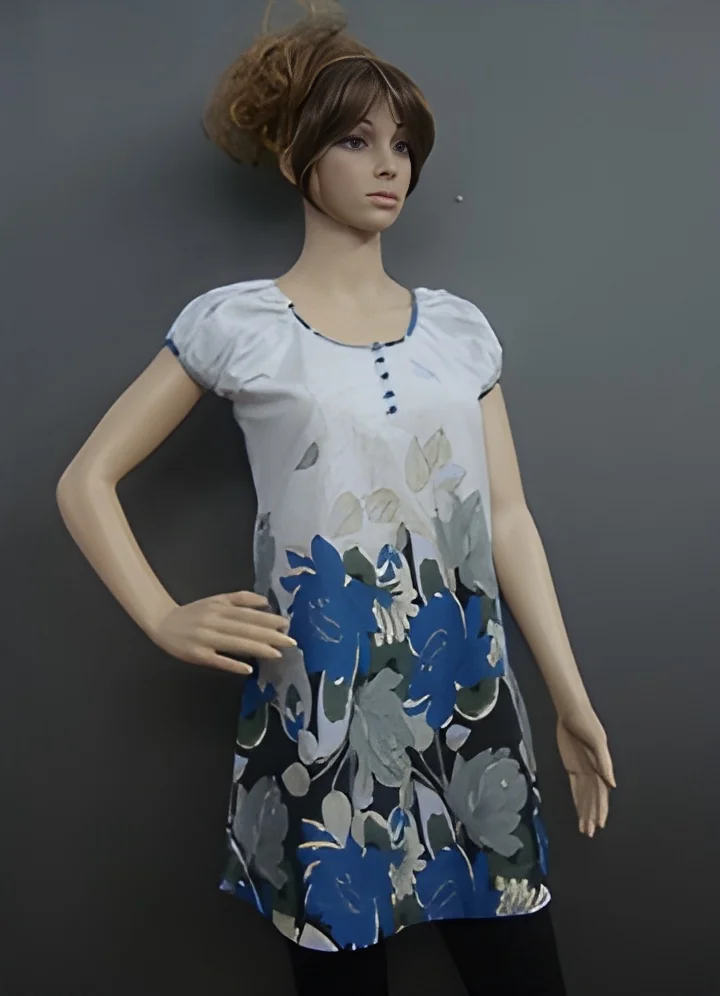
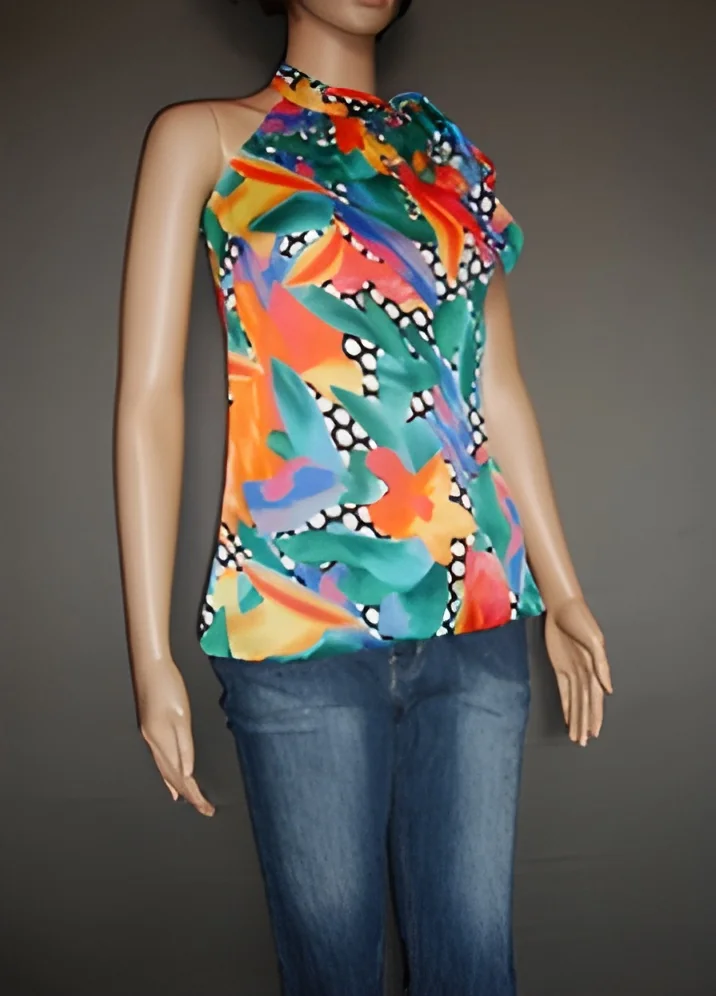
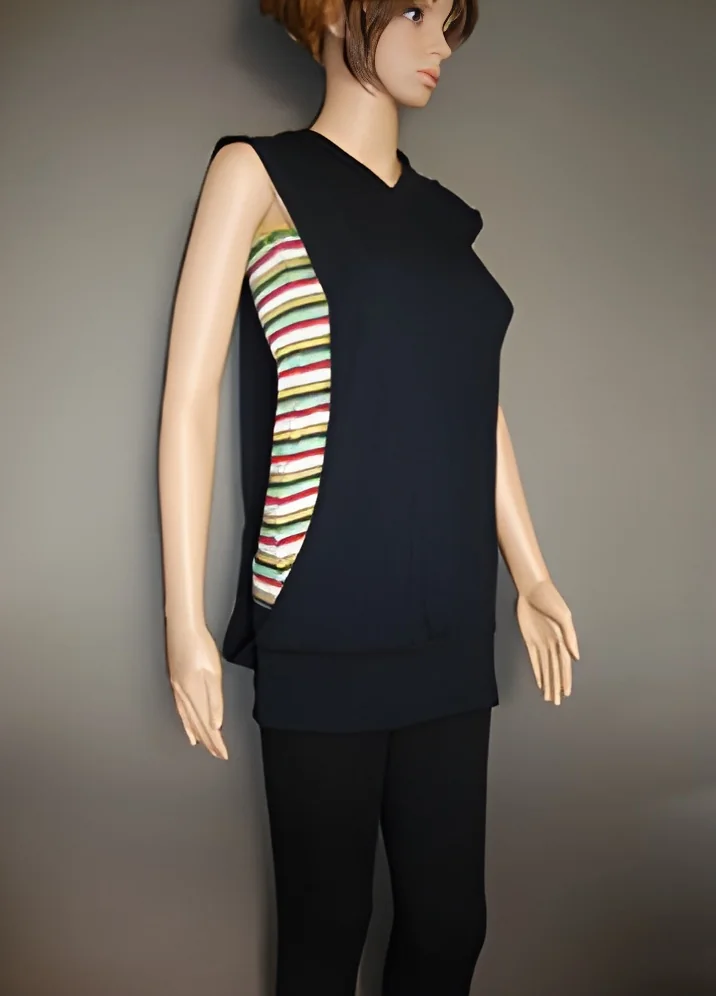
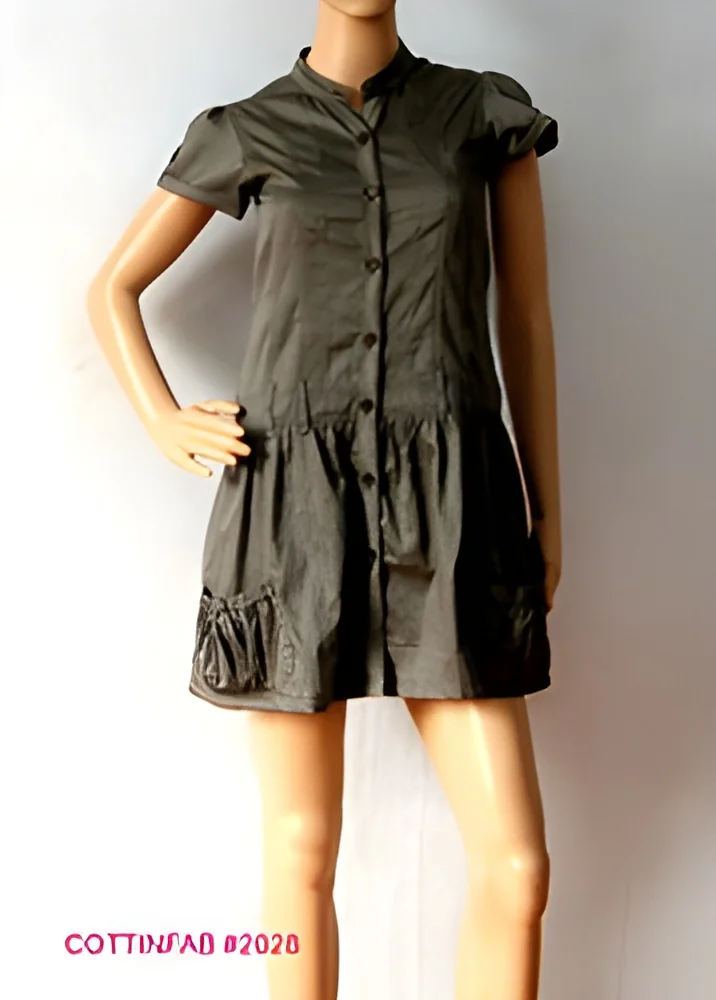
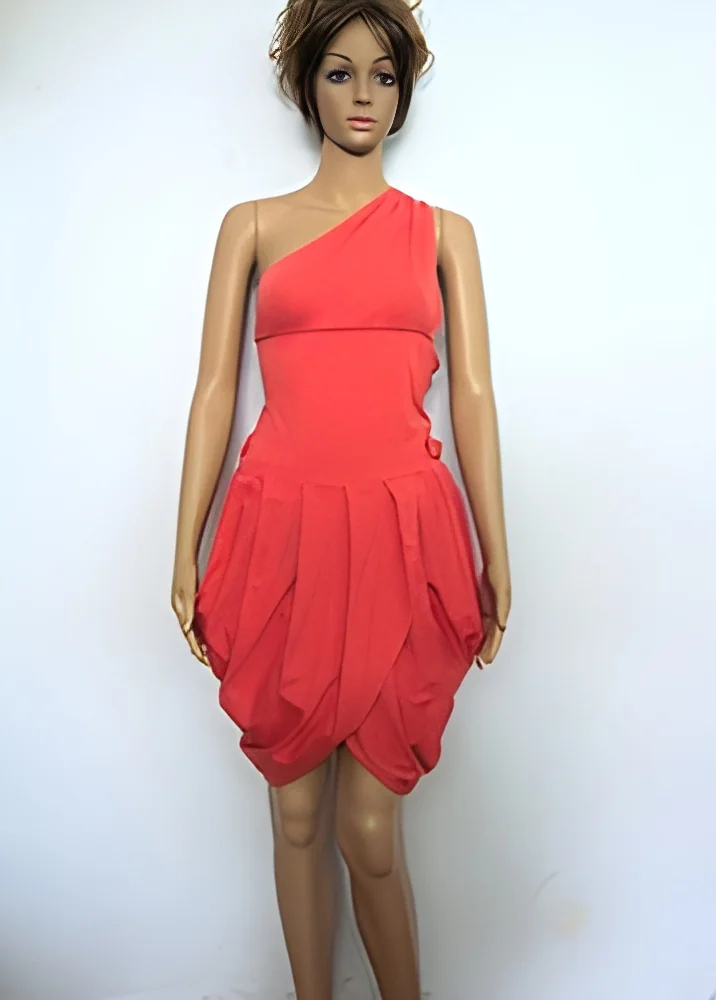
- A wide selection of women's apparel including dresses, tops, bottoms, and outerwear.
- Availability of various styles and sizes to cater to different consumer preferences.
2. Inventory Management Systems
- Advanced software solutions for tracking stock levels and order fulfillment.
- Real-time data access for better decision-making and efficiency.
3. Logistics Support
- Reliable shipping and delivery options to ensure timely product availability.
- Partnerships with logistics companies for efficient distribution.
4. Customer Support Services
- Dedicated teams to assist retailers with inquiries and order issues.
- Services such as returns processing and exchange management.
5. Pricing Flexibility
- Competitive pricing models tailored to meet the needs of various retailers.
- Volume discounts for bulk purchases.
6. Compliance with Industry Standards
- Adherence to relevant safety and quality standards.
- Certifications such as CE for compliance assurance.
7. Market Insights
- Access to trend analysis and market research to inform purchasing decisions.
- Regular updates on new arrivals and seasonal collections.
Distributors prioritize these features to ensure they meet market demands and maintain strong relationships with their retail partners.
Common Applications and Use Cases
Women's clothing distributors serve multiple industries, each benefiting from their extensive product offerings.
1. Retail Fashion: Distributors supply boutique stores and large retailers with the latest women's fashion trends to attract customers.
2. E-commerce: Online retailers rely on distributors for access to a wide variety of products that can be quickly listed and marketed to consumers.
3. Specialty Stores: Niche shops, such as maternity or plus-size boutiques, utilize distributors to find specialized items that cater to specific demographics.
4. Event Planning: Distributors often provide formal attire and special occasion wear for businesses involved in event planning and coordination.
5. Wardrobe Services: Personal stylists and wardrobe consultants source clothing from distributors to create tailored looks for clients.
6. Hospitality: Hotels and resorts may partner with distributors to provide staff uniforms that align with their brand image.
7. Non-profit Organizations: Charitable organizations sometimes collaborate with distributors for clothing donations and fundraising efforts.
These applications demonstrate the versatility of women's clothing distributors in supporting various sectors of the economy.
Product Variants and Subcategories
Women's clothing distributors offer a diverse array of products to meet the varied needs of their clients. Each variant serves specific market segments and customer preferences.
Casual Wear
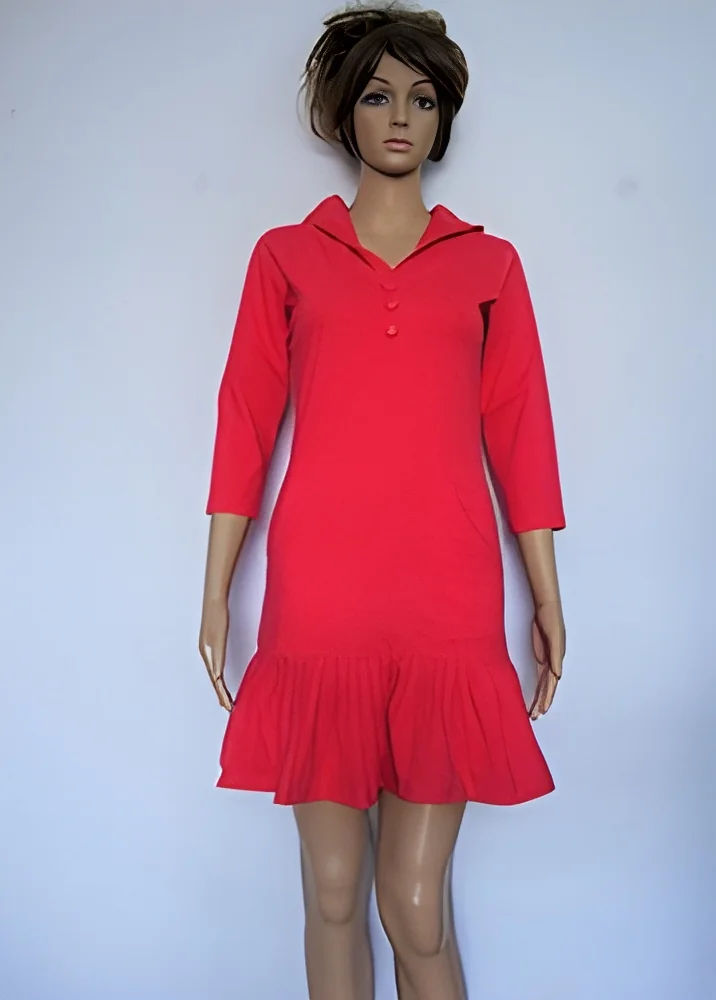
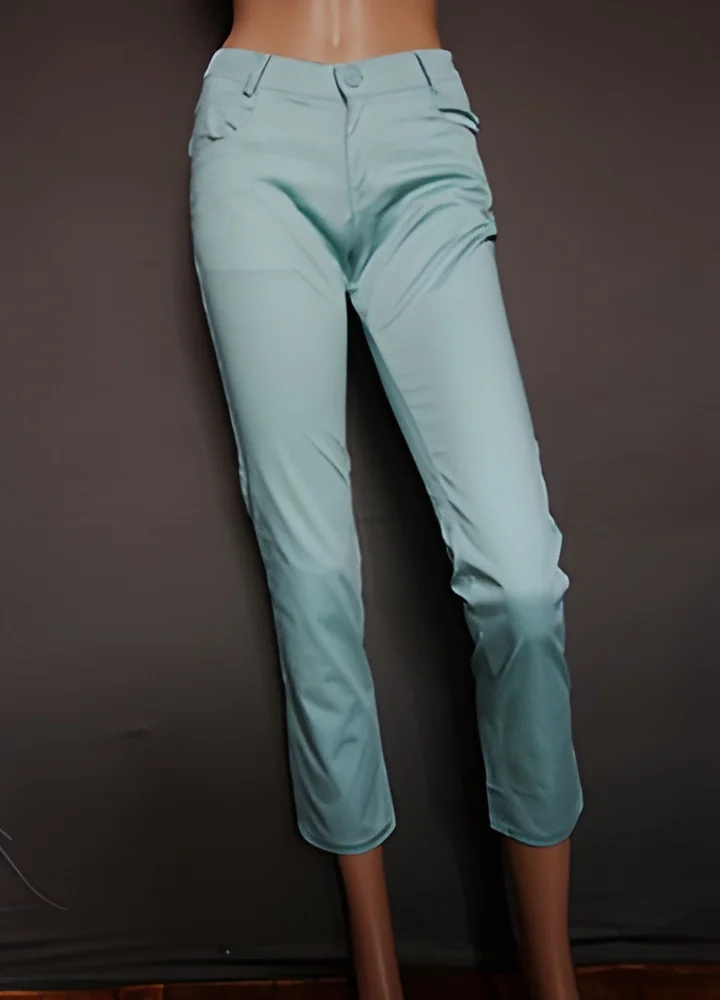
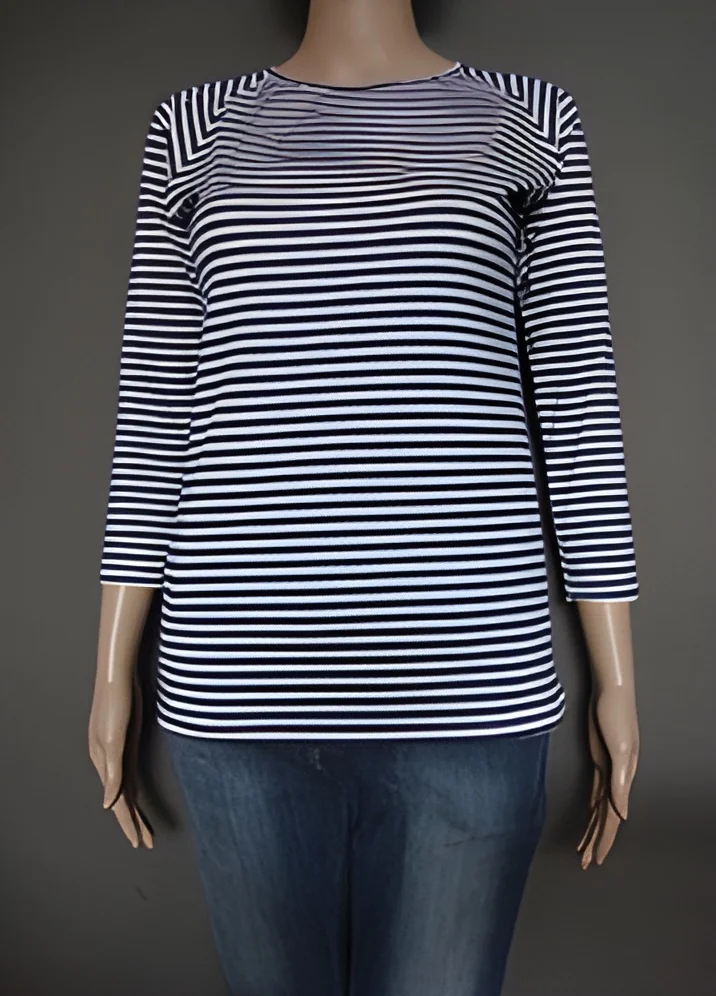
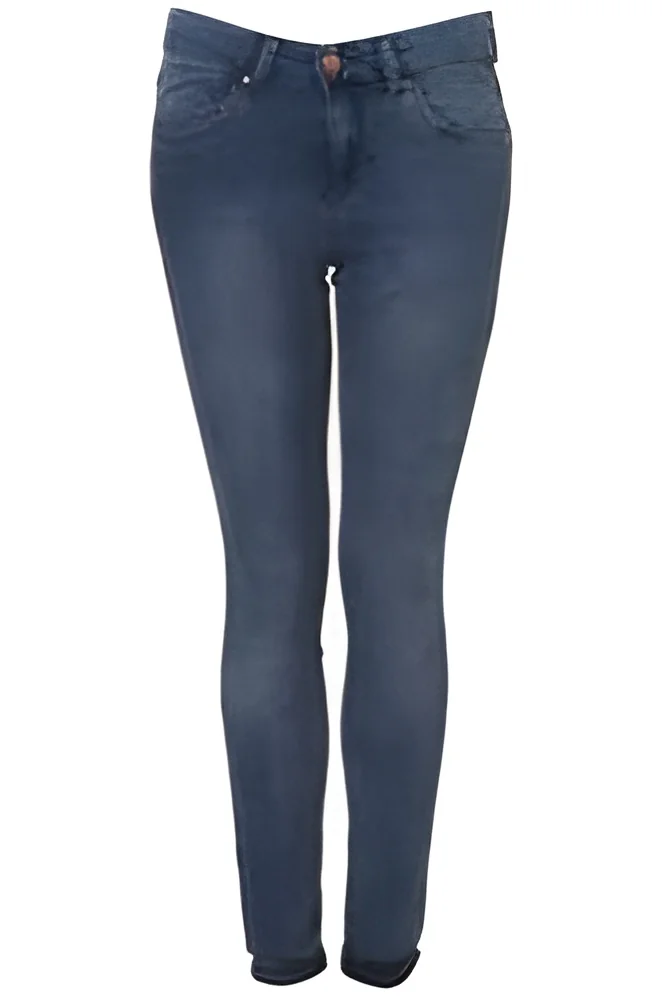
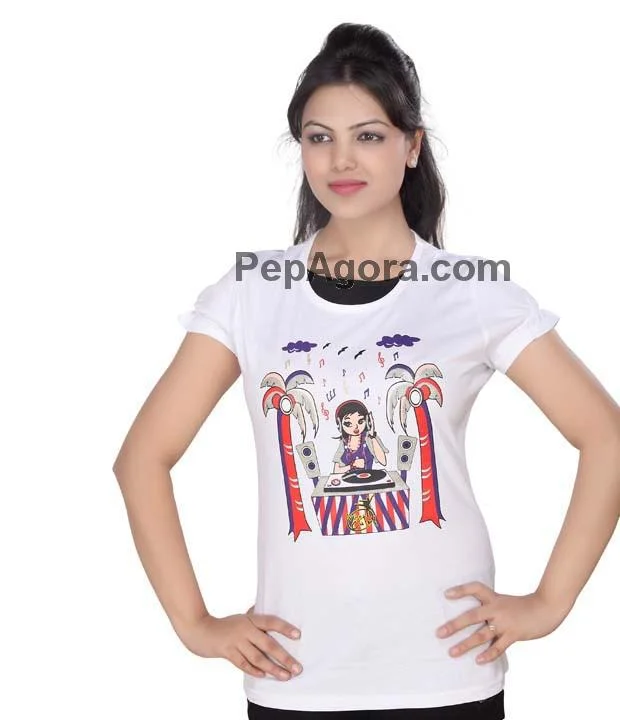
Casual wear includes everyday clothing items such as t-shirts, jeans, and leggings. This variant is popular among retailers looking to provide comfortable and trendy options for consumers.
Formal Wear
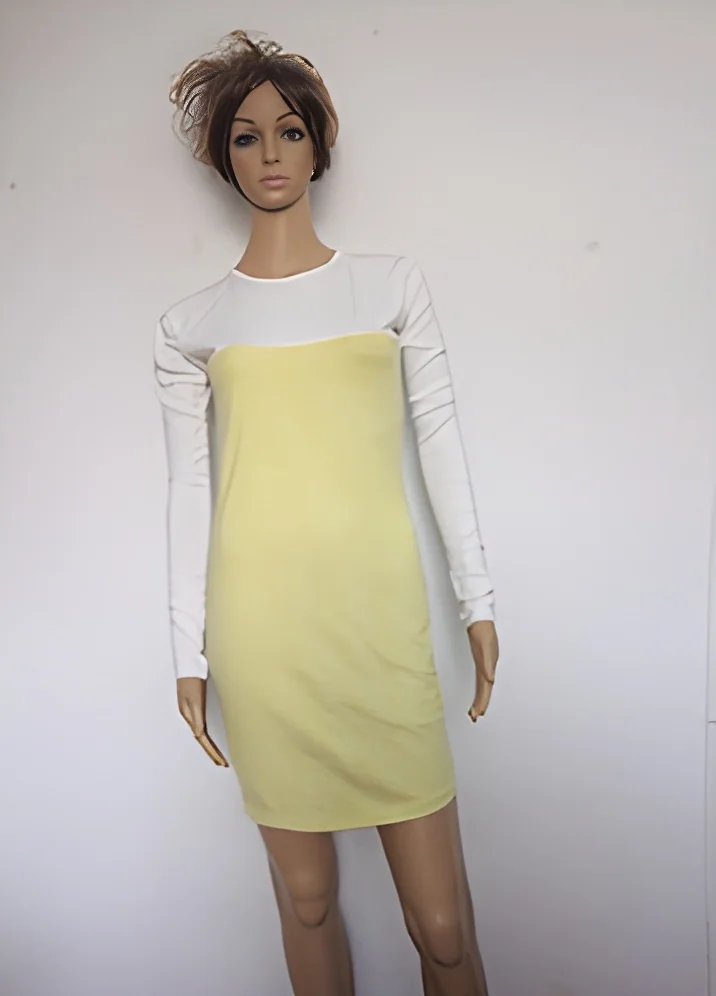
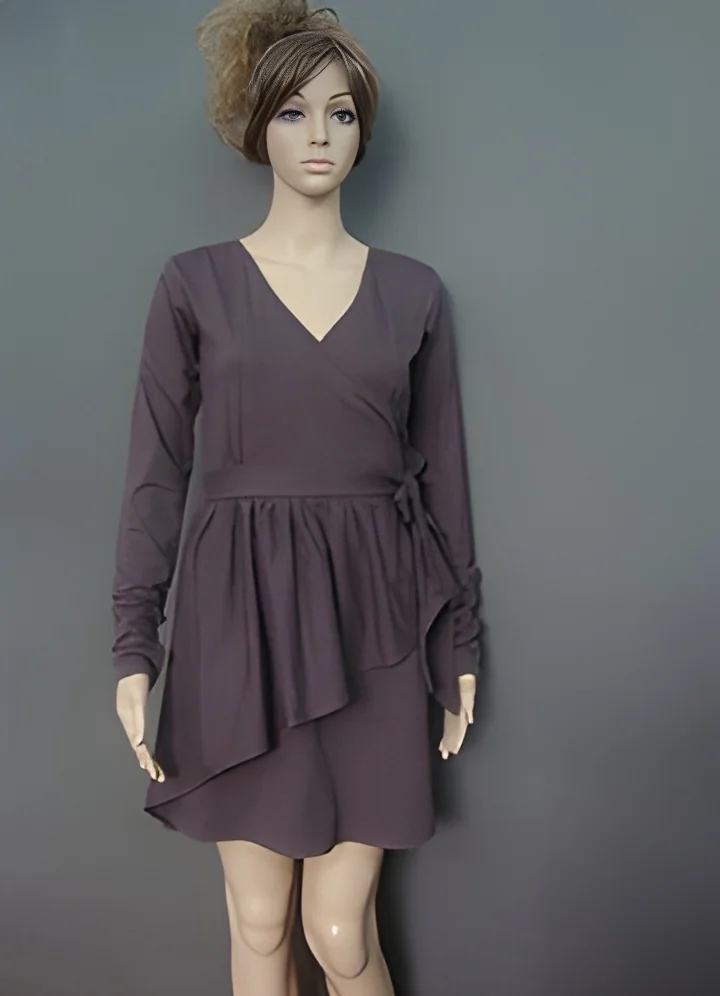
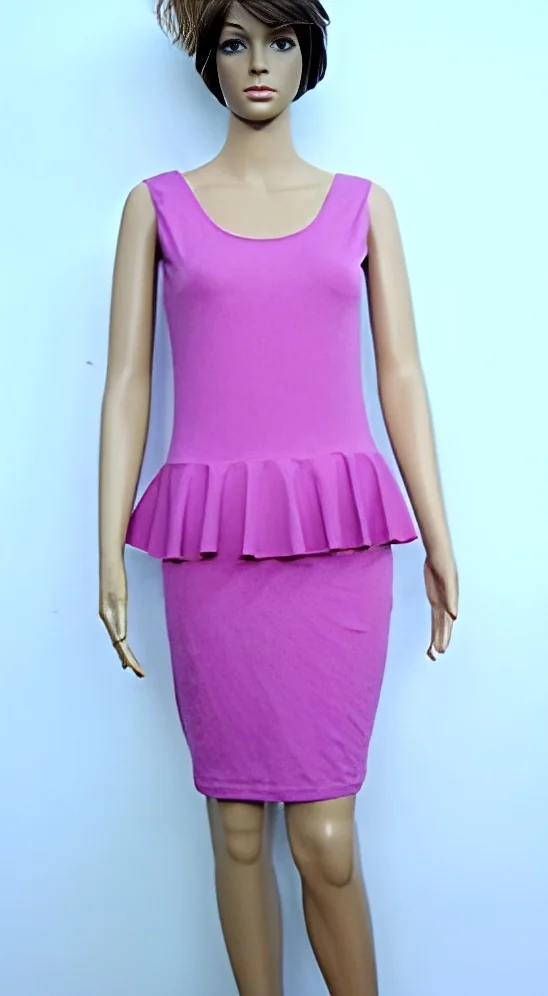
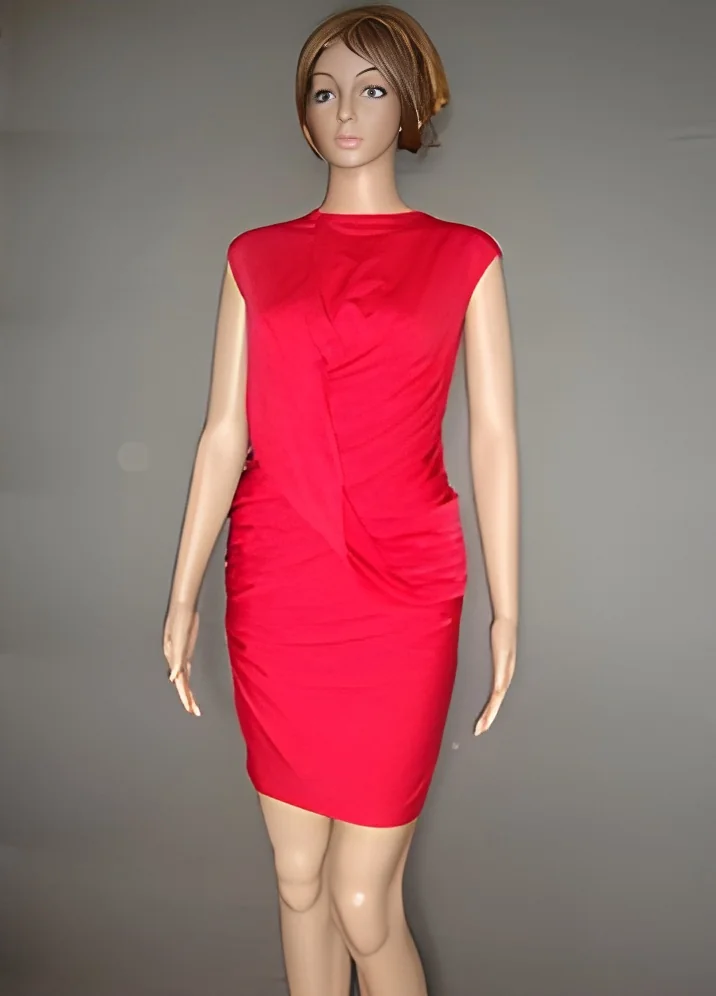
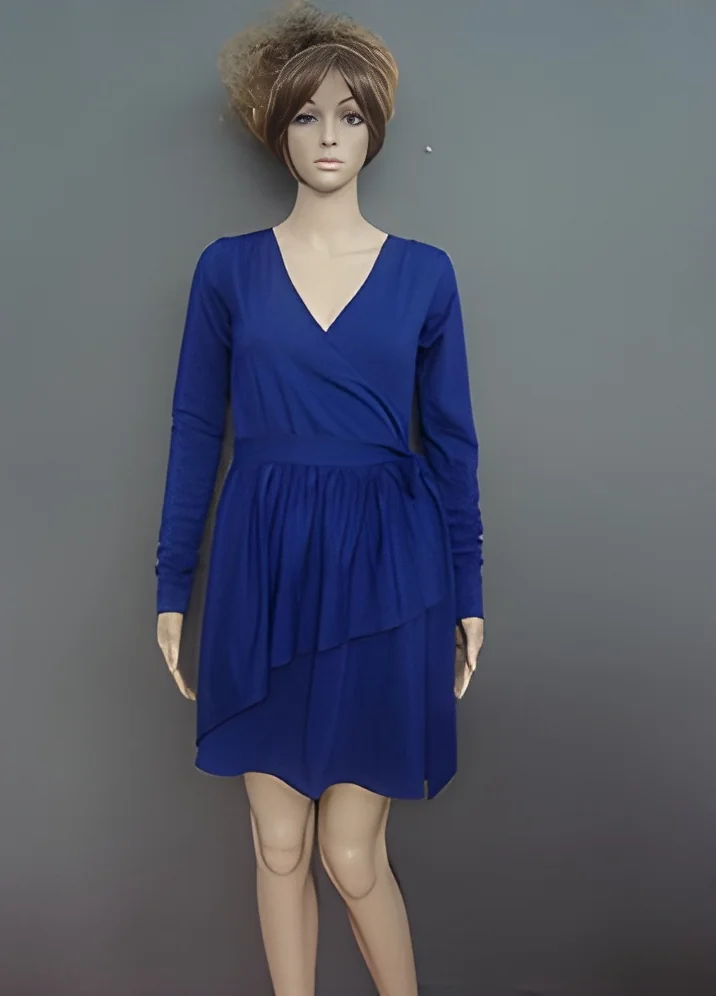
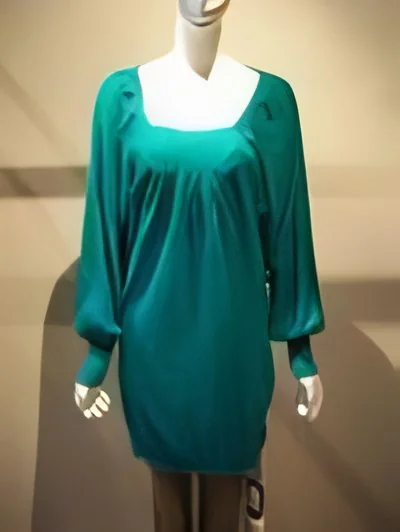
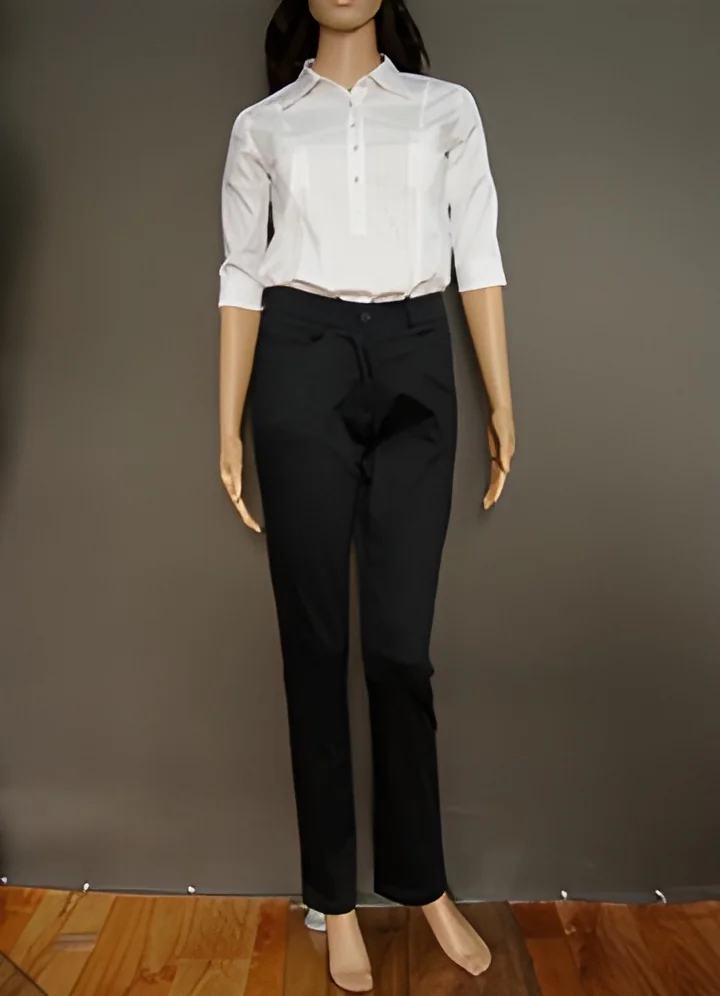
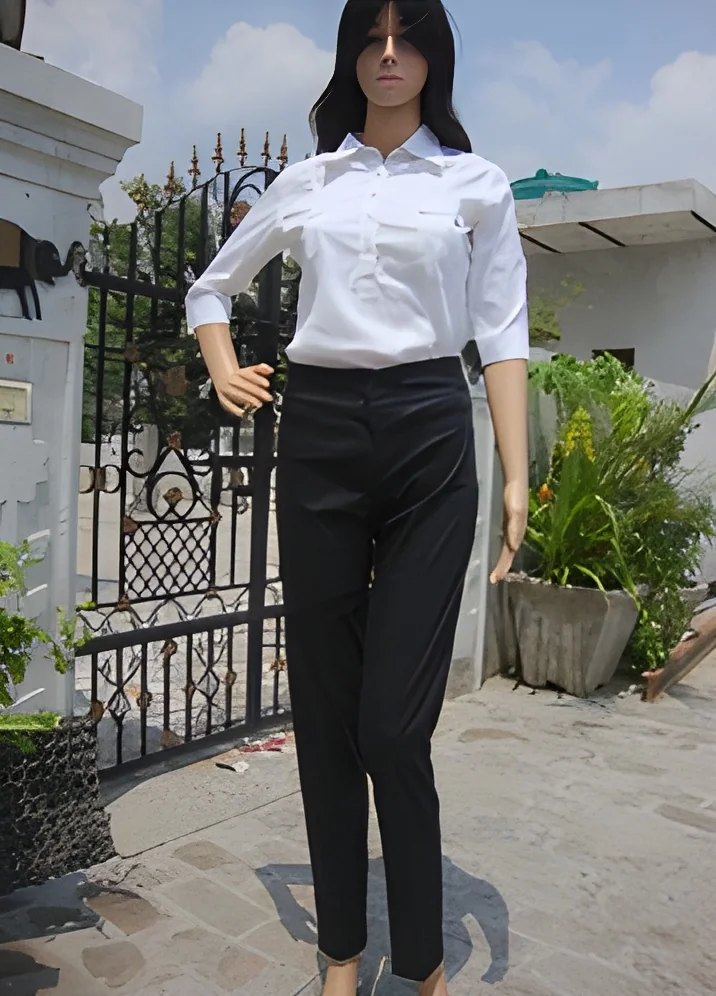
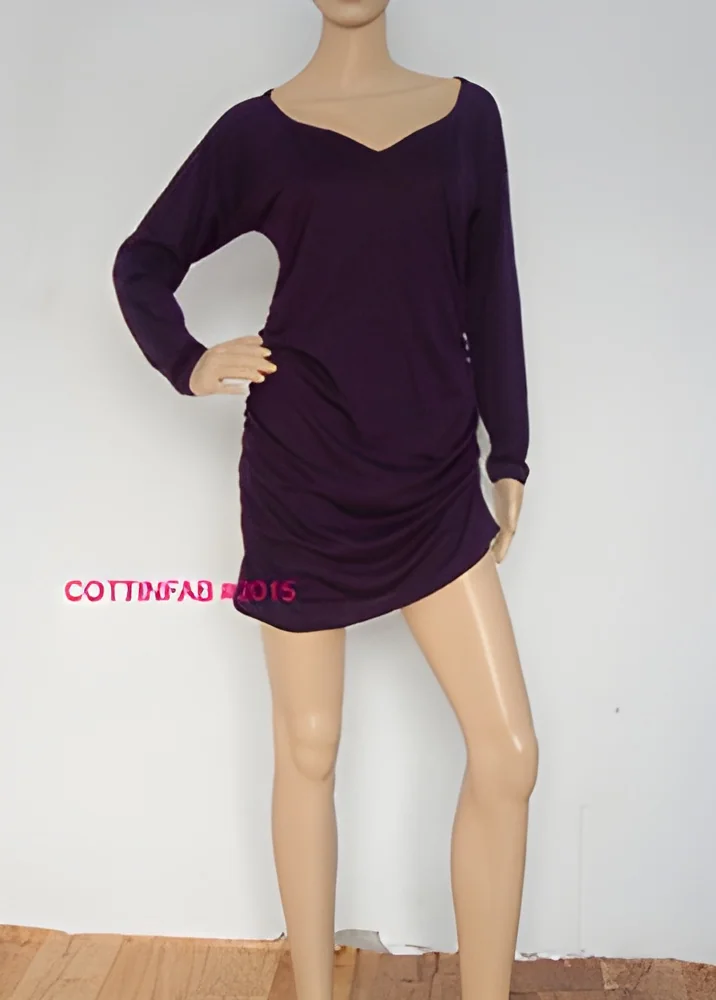
Formal wear encompasses dresses, suits, and other attire suitable for events such as weddings and corporate functions. Distributors often carry a range of styles to cater to different occasions and preferences.
Athleisure
Athleisure combines athletic and leisure apparel, appealing to the growing trend of wearing workout clothes in casual settings. This variant includes yoga pants, sports bras, and stylish workout tops.
Seasonal Collections
Distributors frequently rotate their offerings based on seasonal trends, providing retailers with the latest styles for spring, summer, fall, and winter. This ensures that shops can continuously refresh their inventory.
Benefits and Advantages
Sourcing from women's clothing distributors presents several key benefits for retailers and businesses.
1. Diverse Product Selection: Distributors offer a wide range of clothing options, allowing retailers to cater to various customer preferences and styles.
2. Cost Efficiency: By purchasing in bulk from distributors, retailers can reduce costs and increase their profit margins.
3. Time Savings: Distributors handle logistics and inventory management, freeing retailers to focus on sales and customer engagement.
4. Market Adaptability: Access to the latest trends and insights allows retailers to adjust their offerings quickly in response to consumer demand.
5. Quality Assurance: Reputable distributors adhere to safety and quality standards, ensuring that products meet customer expectations.
6. Strong Supplier Relationships: Working with distributors fosters partnerships that can lead to better terms and exclusive access to new products.
These advantages make sourcing from women's clothing distributors an attractive option for businesses in the fashion industry.
Buying Guide for B2B Buyers
When sourcing women's clothing distributors, B2B buyers should consider several critical factors to ensure a successful partnership.
1. Quality Assessment: Evaluate the quality of products offered by the distributor. Request samples to verify fabric quality, stitching, and overall finish.
2. Supplier Verification: Verify the legitimacy of the distributor. Check for references, reviews, and any relevant certifications that confirm their reliability.
3. Pricing and MOQ: Understand the pricing structure and minimum order quantities (MOQ) required by the distributor. This helps in budgeting and determining potential profitability.
4. Delivery and Lead Times: Assess the distributor's logistics capabilities. Inquire about average lead times for order fulfillment to ensure timely product availability.
5. Compliance Requirements: Ensure that the distributor adheres to legal and regulatory requirements. This may include certifications and safety standards relevant to the clothing industry.
Taking these factors into account will help B2B buyers make informed decisions when partnering with women's clothing distributors.
Compliance and Certifications
Compliance and certifications play a crucial role in the operation of women's clothing distributors. Adherence to industry standards ensures product safety and quality, which is essential for maintaining customer trust.
Relevant quality standards include ISO 9001, which sets criteria for quality management systems. This certification helps distributors demonstrate their commitment to quality in their processes and products.
Additionally, distributors may hold the CE mark, indicating that their products meet European safety, health, and environmental protection standards. This certification is particularly important for distributors supplying to markets that require CE compliance.
Safety and testing requirements are also vital. Distributors must ensure that their clothing products are free from harmful substances and comply with regulations regarding flammability and durability.
Regional compliance considerations can vary, as different countries may have specific regulations governing textile and clothing imports. Distributors must stay informed about these regulations to ensure they operate within legal parameters.
Why Source Women's Clothing Distributors from Pepagora?
Pepagora offers a comprehensive platform for sourcing women's clothing distributors, providing several key advantages for B2B buyers.
Verified Supplier Network: Pepagora has a robust system for verifying suppliers, ensuring that buyers work with reputable distributors. This verification process helps mitigate risks associated with sourcing.
Streamlined RFQ Process: The platform simplifies the request for quotation (RFQ) process, allowing buyers to receive competitive quotes from multiple distributors quickly. This efficiency helps buyers make timely decisions.
Trade Assurance and Support: Pepagora provides trade assurance, offering buyers protection on their purchases. This support builds confidence in transactions and fosters long-term relationships.
Regional Coverage: With a focus on markets in India, the Gulf Cooperation Council (GCC), and Southeast Asia, Pepagora enables buyers to access a wide range of distributors across key regions. This geographic reach enhances sourcing possibilities and product availability.
By choosing Pepagora for sourcing women's clothing distributors, businesses can leverage a reliable and efficient platform to meet their apparel needs.

 IN
IN