𝗪𝗵𝗮𝘁 𝗮𝗿𝗲 𝗖𝗼𝘂𝗿𝗶𝗲𝗿 & 𝗣𝗮𝗰𝗸𝗮𝗴𝗶𝗻𝗴 𝗦𝘂𝗽𝗽𝗹𝗶𝗲𝘀?
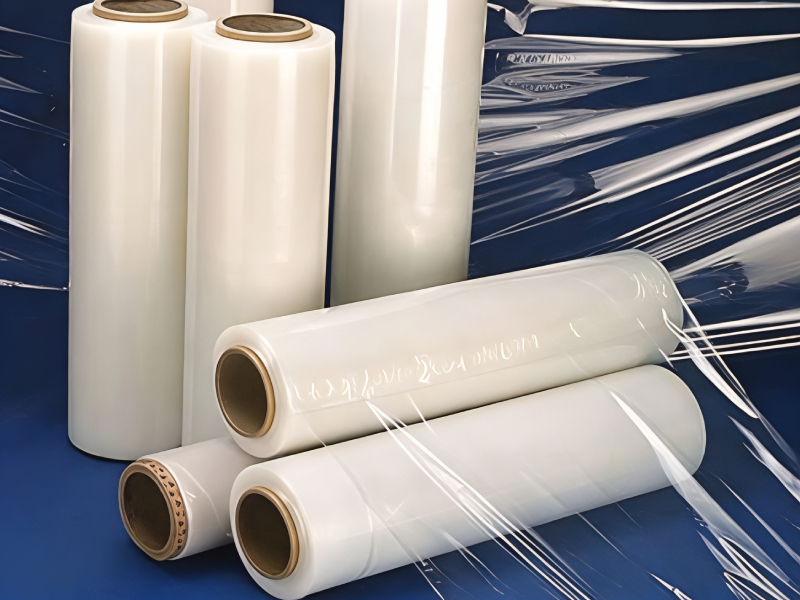
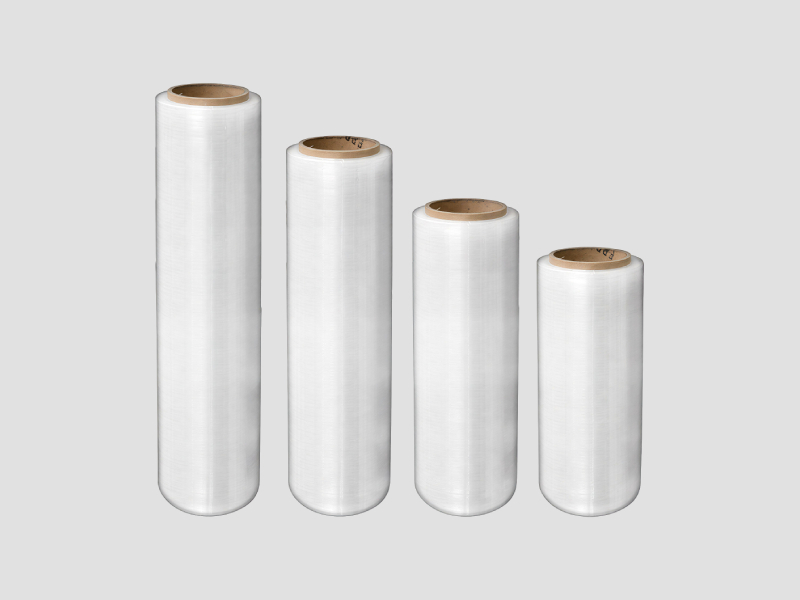
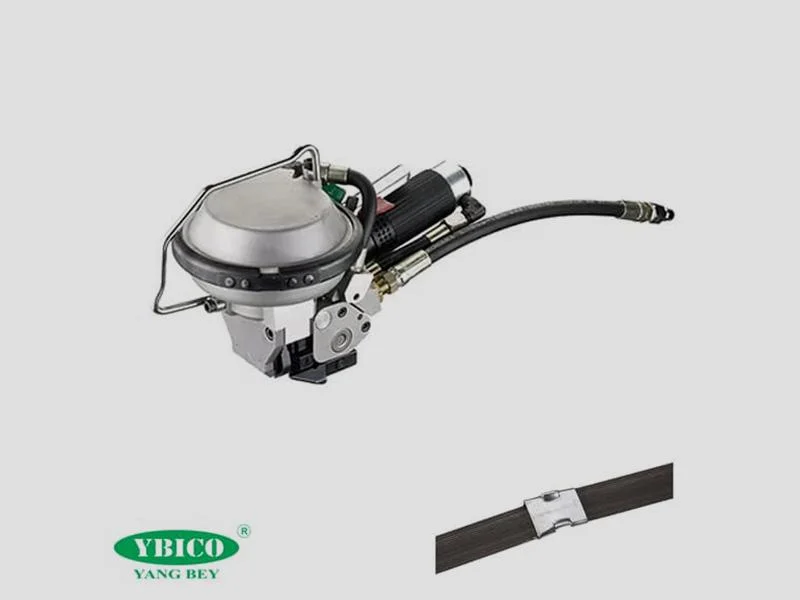
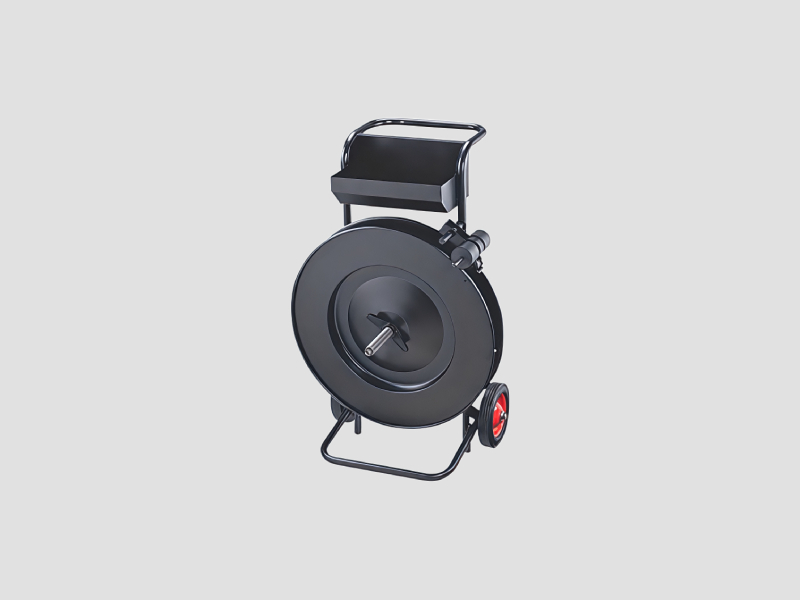
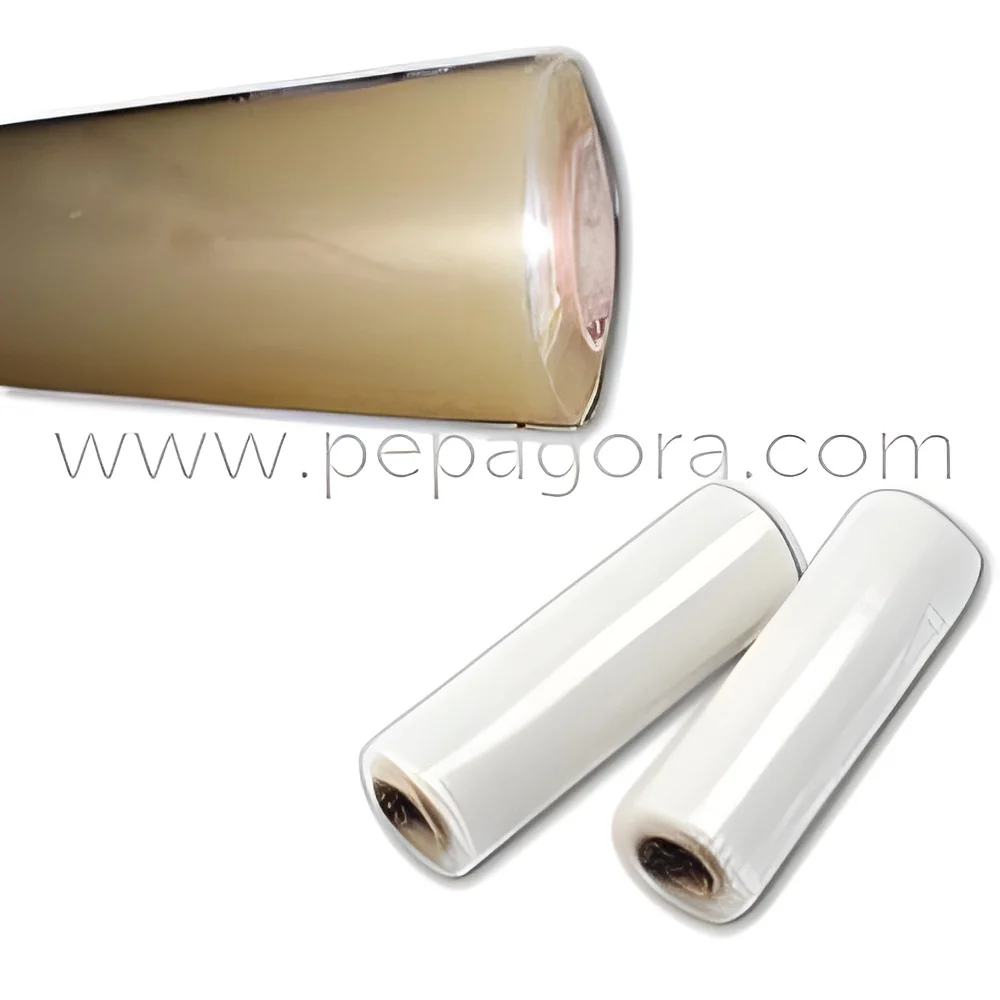
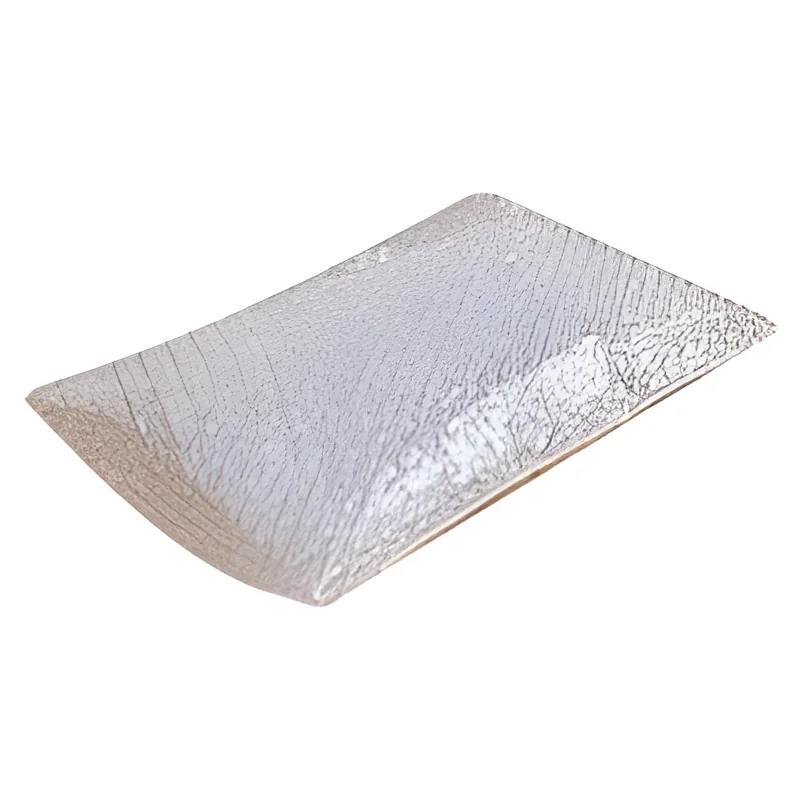
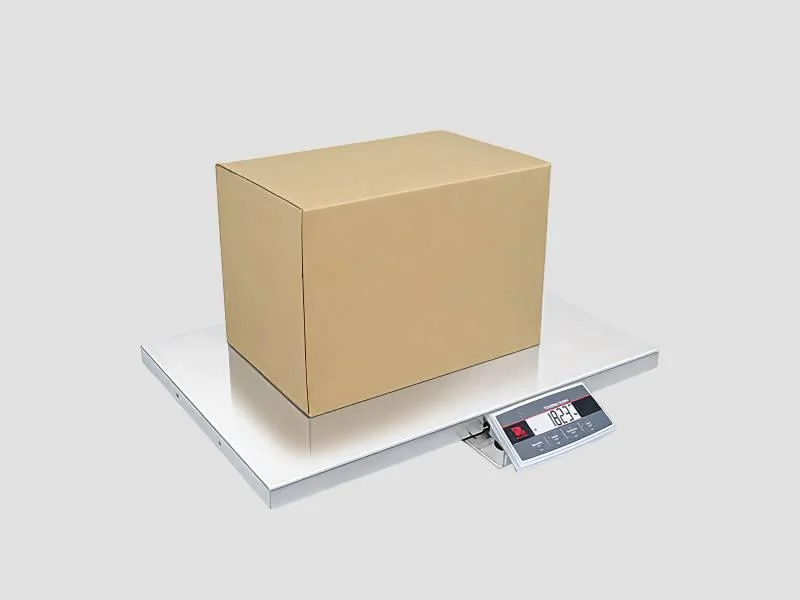
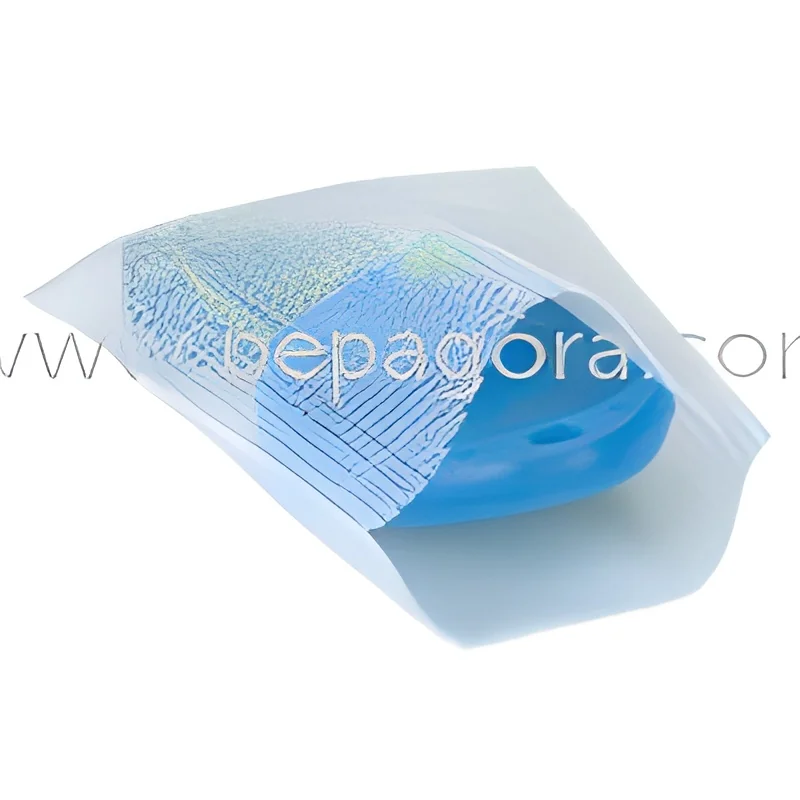
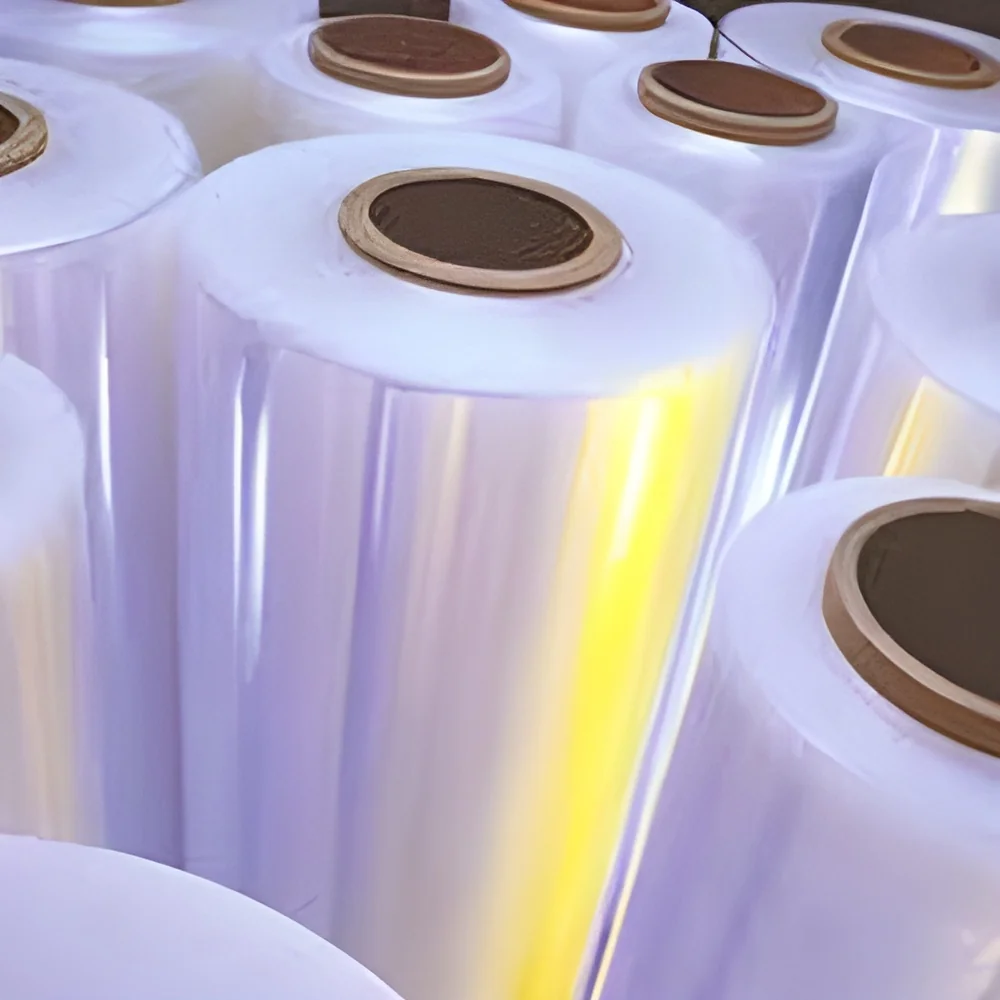
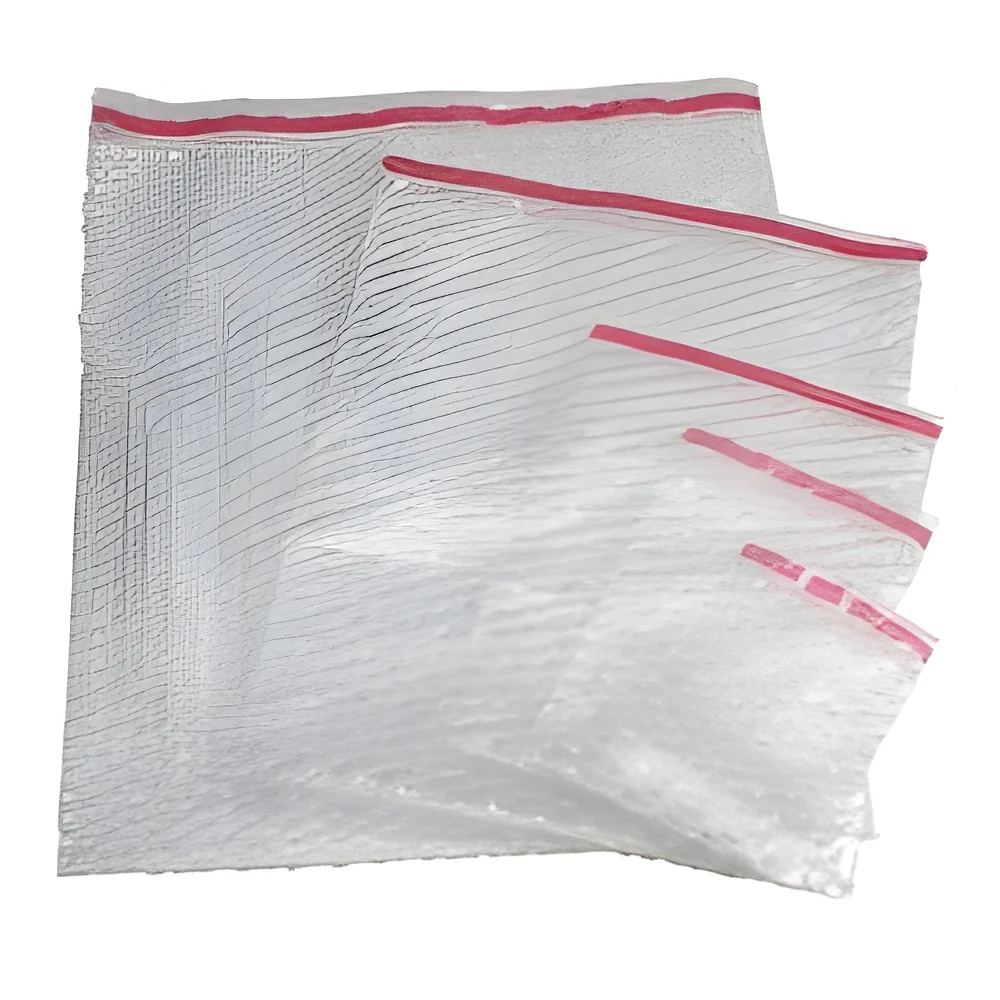
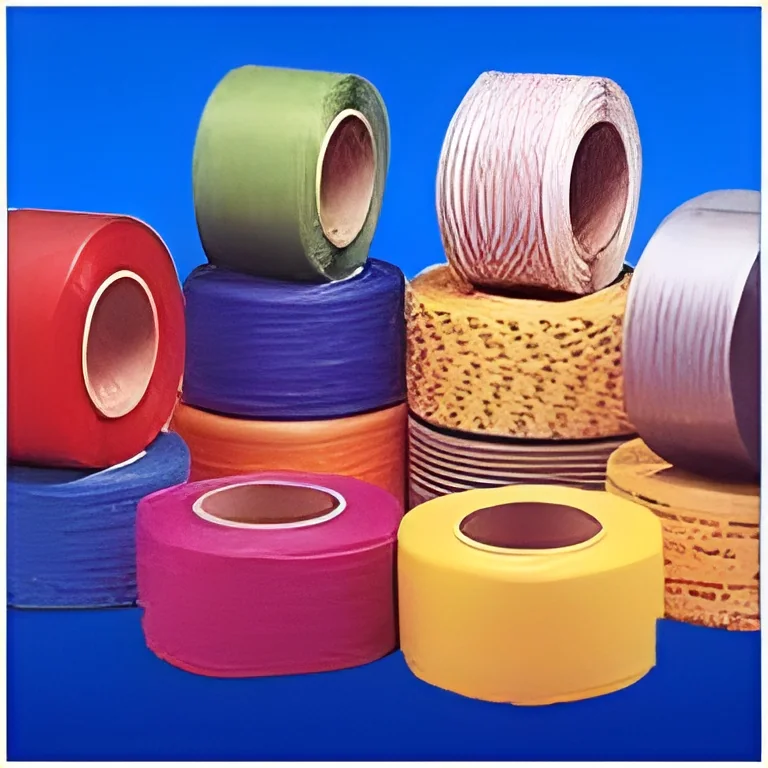
Courier and packaging supplies refer to the materials and products used to ensure safe and efficient transport of goods. This includes a wide range of items such as boxes, envelopes, tape, cushioning materials, and labels. These supplies are vital in protecting items from damage during transit and are essential for businesses that rely on shipping products to customers or between locations.
Businesses across various sectors utilize courier and packaging supplies to streamline their logistics operations. They often serve as a crucial component in the supply chain, facilitating the movement of goods while maintaining product integrity. Whether it is a small startup shipping handmade products or a large corporation distributing industrial equipment, the right packaging supplies can greatly enhance operational efficiency and customer satisfaction.
In the current market, the demand for reliable courier and packaging supplies is growing. As e-commerce expands and global trade increases, businesses are seeking high-quality solutions that can adapt to changing shipping requirements. This trend highlights the importance of selecting appropriate packaging materials that comply with industry standards and meet environmental considerations.
𝗞𝗲𝘆 𝗙𝗲𝗮𝘁𝘂𝗿𝗲𝘀 𝗮𝗻𝗱 𝗦𝗽𝗲𝗰𝗶𝗳𝗶𝗰𝗮𝘁𝗶𝗼𝗻𝘀
When considering courier and packaging supplies, several key features and specifications are essential for ensuring performance and reliability. Understanding these specifications helps businesses make informed purchasing decisions.
Key specifications include:
1. Material Type
- Common materials include cardboard, plastic, and biodegradable options.
- Each material has unique properties affecting durability and environmental impact.
2. Size and Dimensions
- Packaging supplies come in various sizes to accommodate different products.
- Custom sizes may also be available for unique shipping needs.
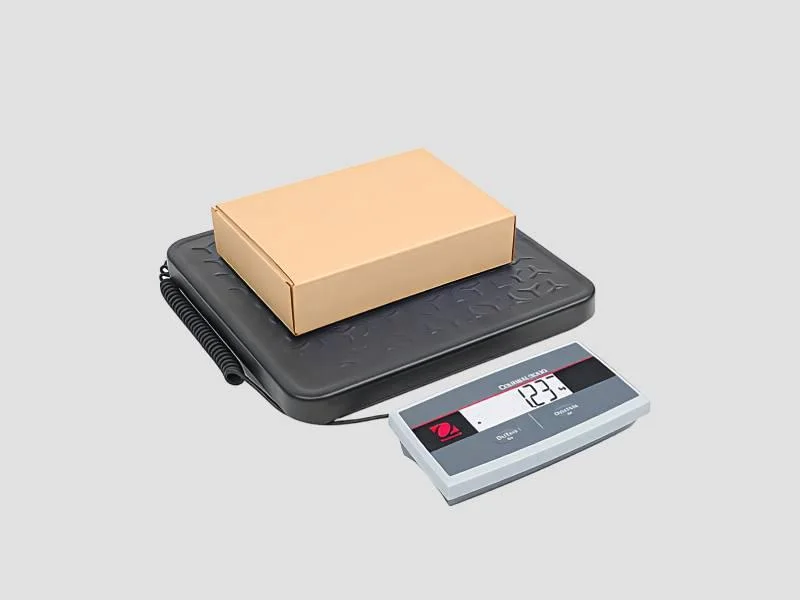
3. Weight Capacity
- Packaging must be able to support the weight of the items being shipped.
- Specifications often detail maximum weight limits for different packaging types.
4. Barrier Properties
- Some materials provide moisture or vapor barriers to protect goods.
- Important for items sensitive to environmental conditions.
5. Closure Type
- Various closure methodologies such as adhesive, ziplock, or heat sealing.
- Ensures contents remain secure during transport.
6. Customization Options
- Availability of branding and printing on packaging materials.
- Enhances brand visibility and customer recognition.
7. Compliance Standards
- Adherence to relevant regulations such as CE certification.
- Ensures safety and reliability in packaging solutions.
In summary, understanding these features and specifications can significantly influence the effectiveness of courier and packaging supplies, impacting both cost and operational efficiency.
𝗖𝗼𝗺𝗺𝗼𝗻 𝗔𝗽𝗽𝗹𝗶𝗰𝗮𝘁𝗶𝗼𝗻𝘀 𝗮𝗻𝗱 𝗨𝘀𝗲 𝗖𝗮𝘀𝗲𝘀
Courier and packaging supplies find application in numerous industries. Their versatility allows businesses to choose the right materials tailored to their specific shipping needs.
1. E-commerce: Online retailers depend on reliable packaging to ensure products arrive undamaged. High-quality boxes and protective materials are essential for safeguarding items during transit.
2. Manufacturing: Manufacturers often ship components and finished goods. Durable packaging materials are required to withstand rough handling and long-distance transportation.
3. Pharmaceuticals: The pharmaceutical industry requires specialized packaging to ensure compliance with safety standards. Temperature control and tamper-evident features are critical in this sector.
4. Food and Beverage: Food packaging must meet health regulations. Materials must be safe for food contact and can include insulation for temperature-sensitive items.
5. Electronics: Packaging for electronic devices must provide anti-static properties and cushioning to prevent damage from shocks or vibrations during shipping.
6. Automotive: The automotive industry requires robust packaging for parts and accessories. Heavy-duty materials are often utilized to support weight and prevent damage.
7. Retail: Retail businesses use packaging for shipping bulk orders and promotional items. Custom branding options enhance customer engagement and brand presence.
𝗣𝗿𝗼𝗱𝘂𝗰𝘁 𝗩𝗮𝗿𝗶𝗮𝗻𝘁𝘀 𝗮𝗻𝗱 𝗦𝘂𝗯𝗰𝗮𝘁𝗲𝗴𝗼𝗿𝗶𝗲𝘀
Courier and packaging supplies come in various forms to cater to diverse shipping needs. Each variant offers unique features suited for specific applications.
Boxes
Standard boxes are available in numerous sizes and strengths. They are designed for general shipping needs and can be customized for branding.
Envelopes
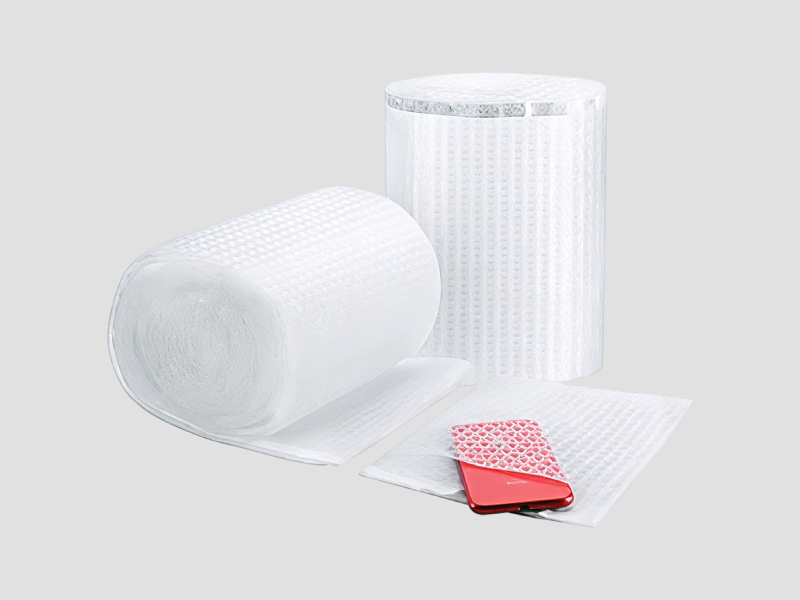
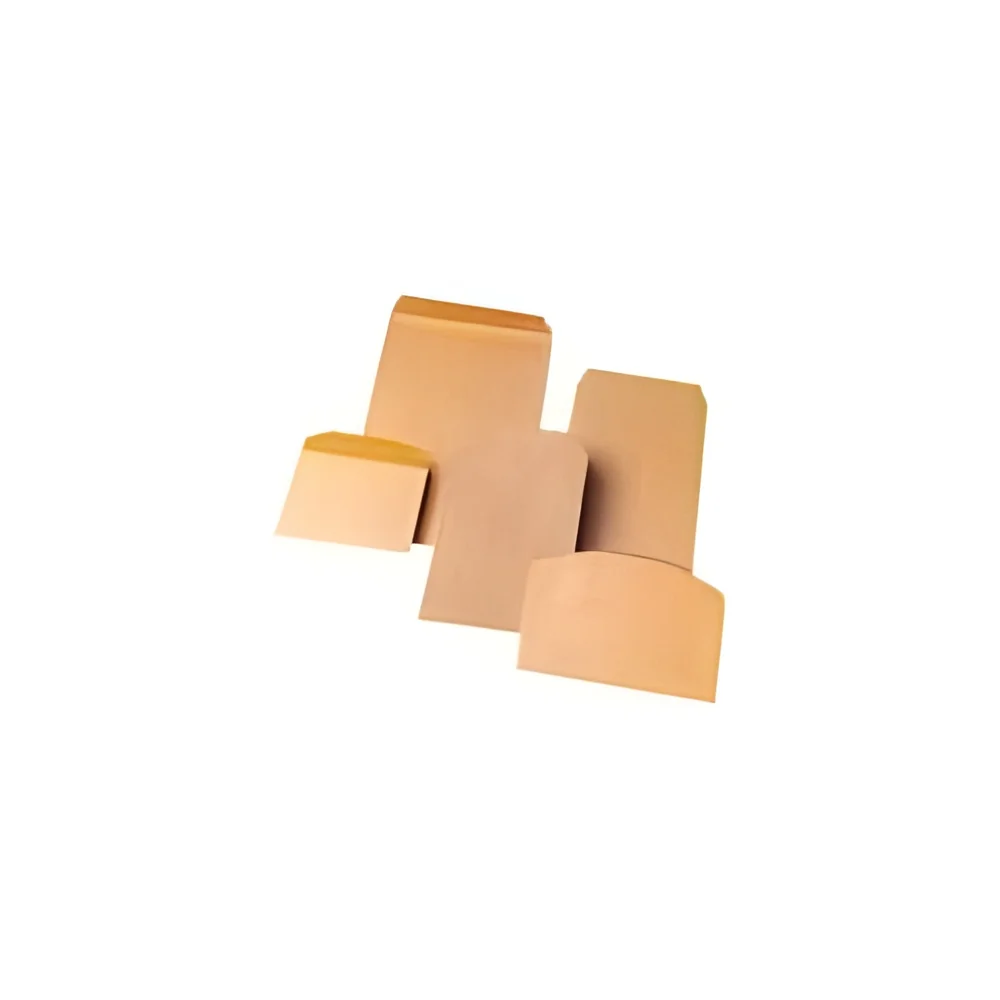
Padded and bubble envelopes provide added protection for smaller items. Ideal for documents or fragile goods, they ensure safe delivery.
Tape
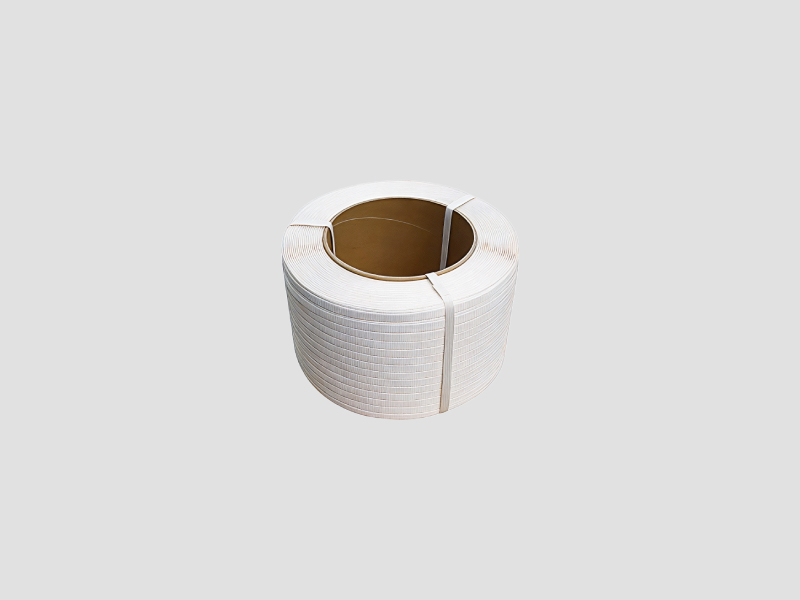
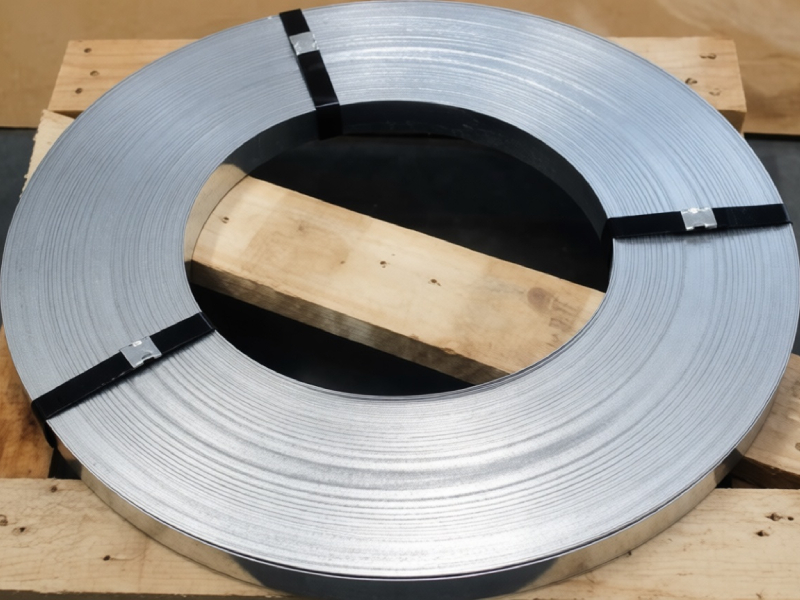
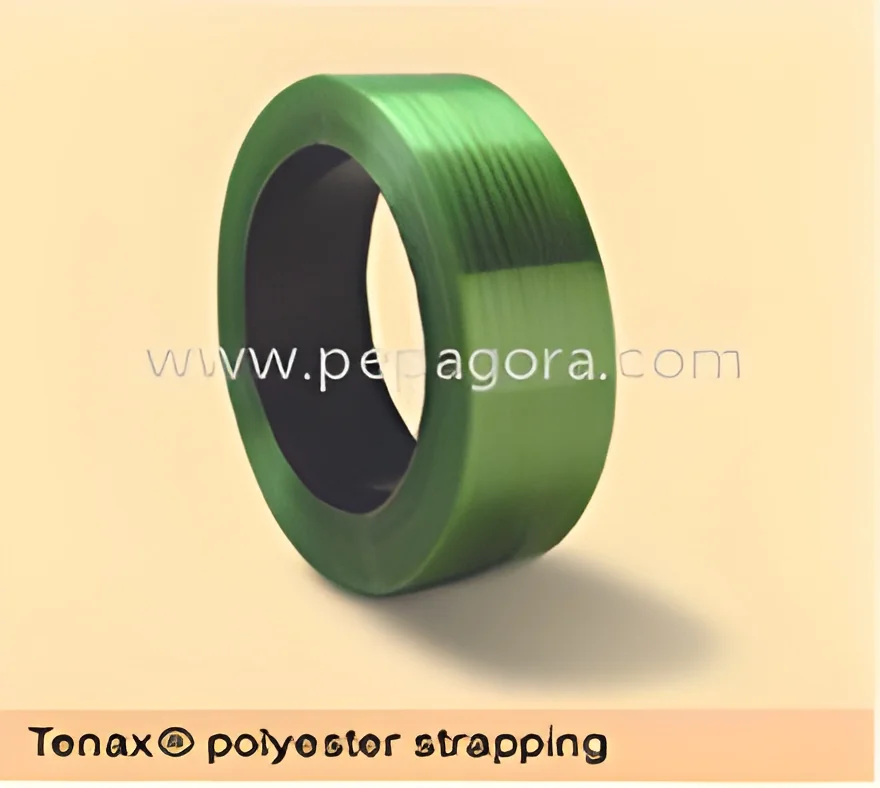
Packaging tape is essential for securing packages. Options include standard, reinforced, and water-activated tapes, each suited for different packaging requirements.
Labels
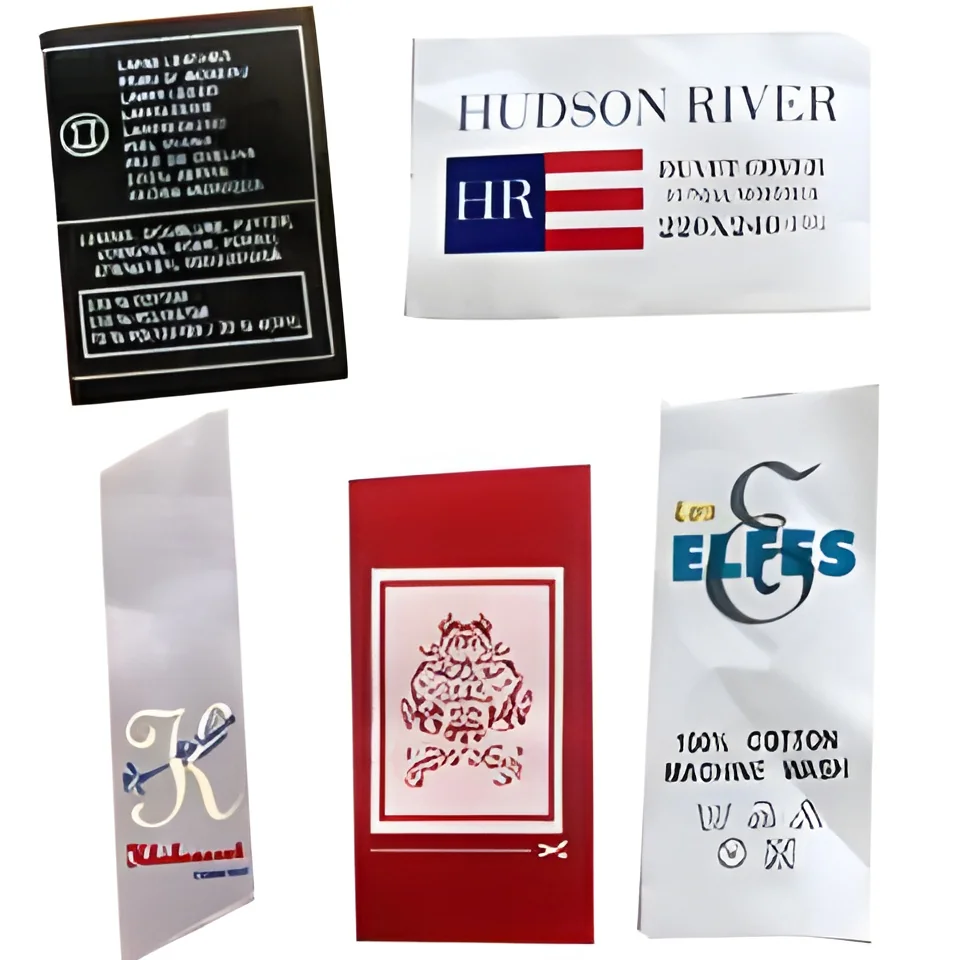
Shipping labels are vital for tracking and organization. Customizable options allow businesses to include branding elements and important shipping information.
Cushioning Materials
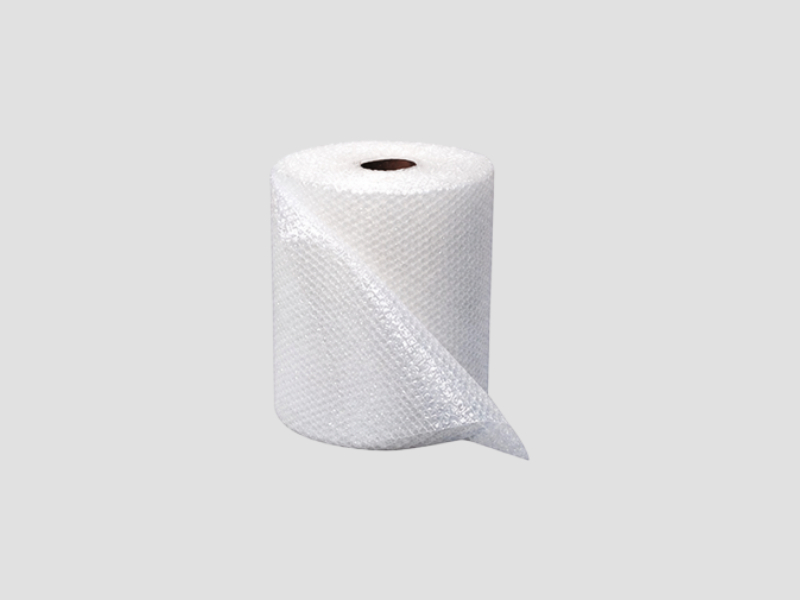
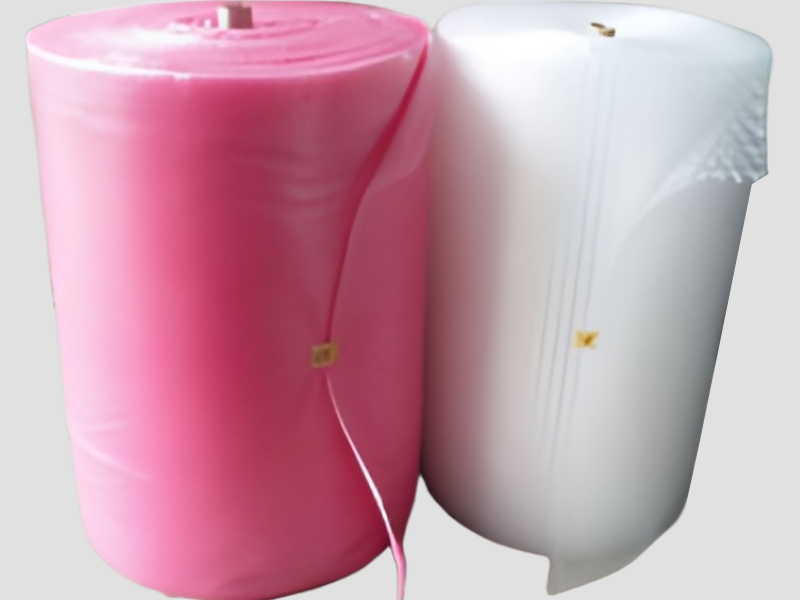
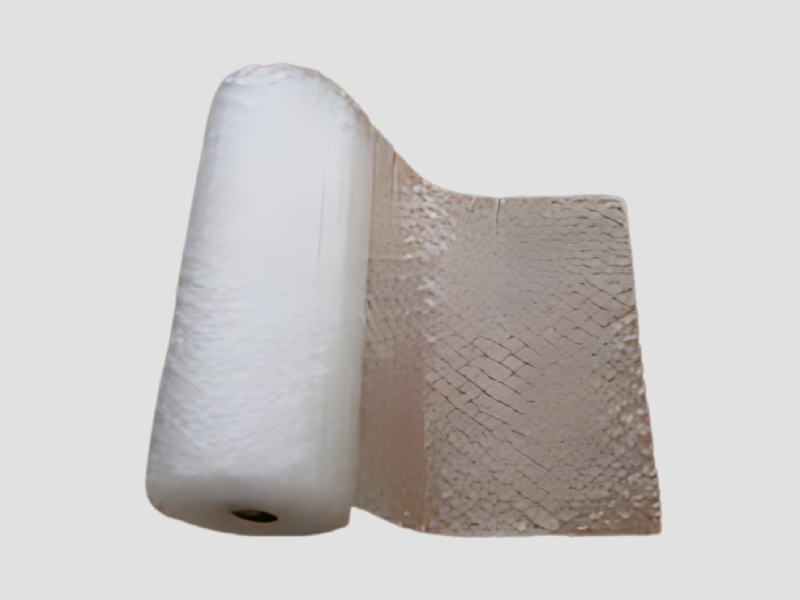
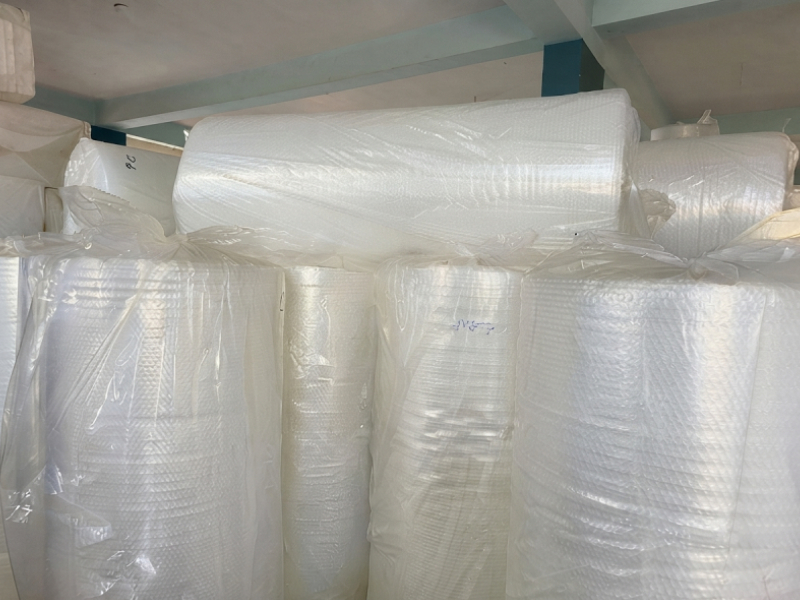
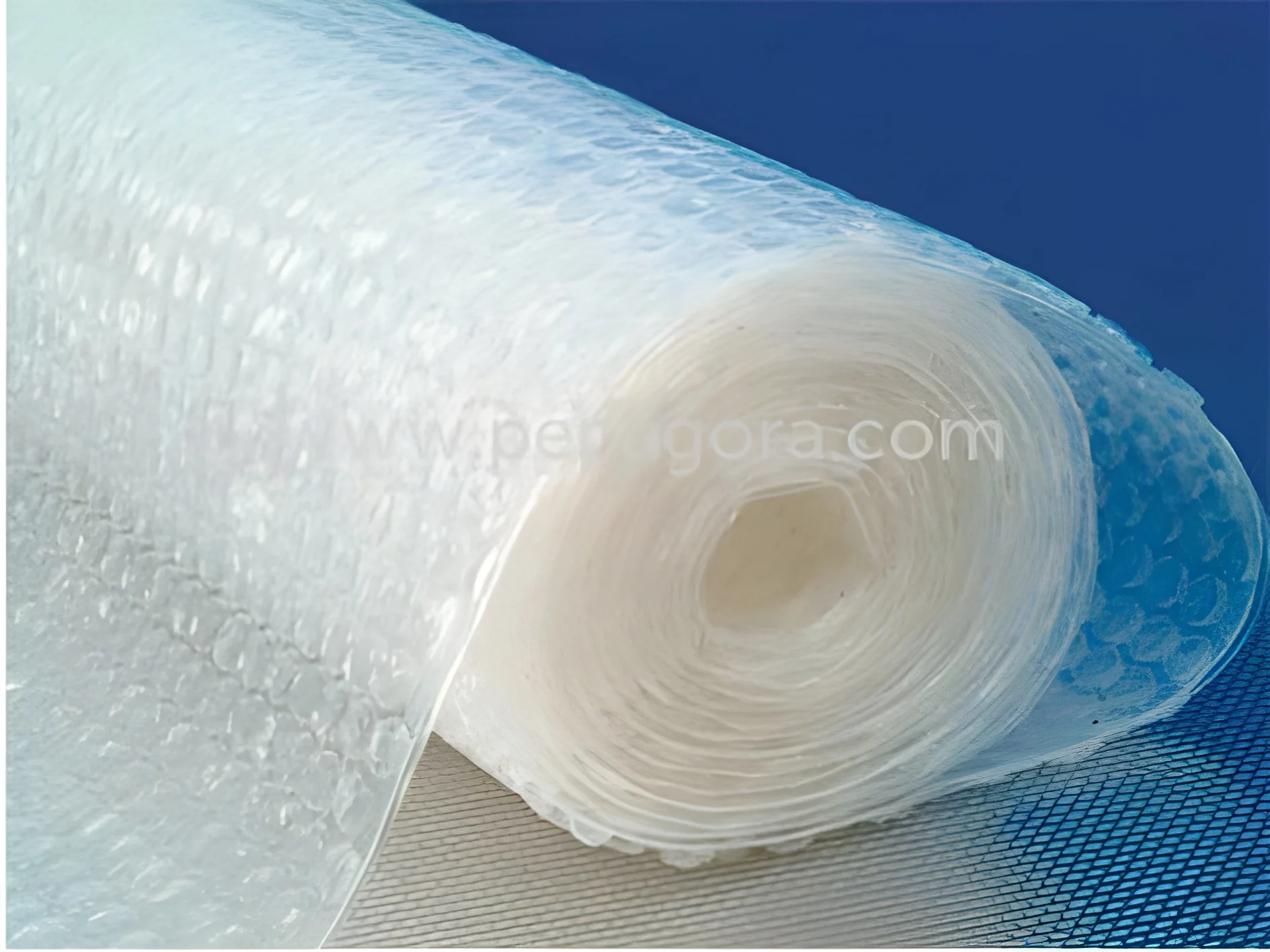
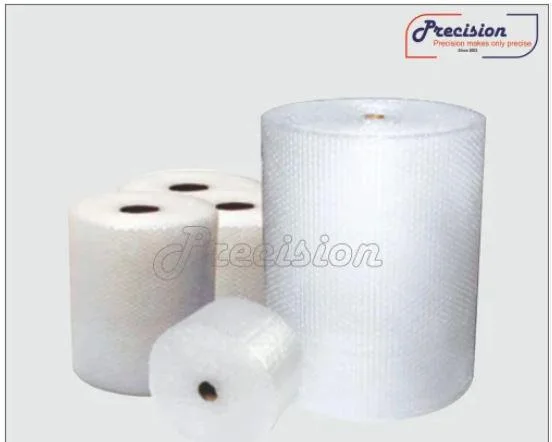
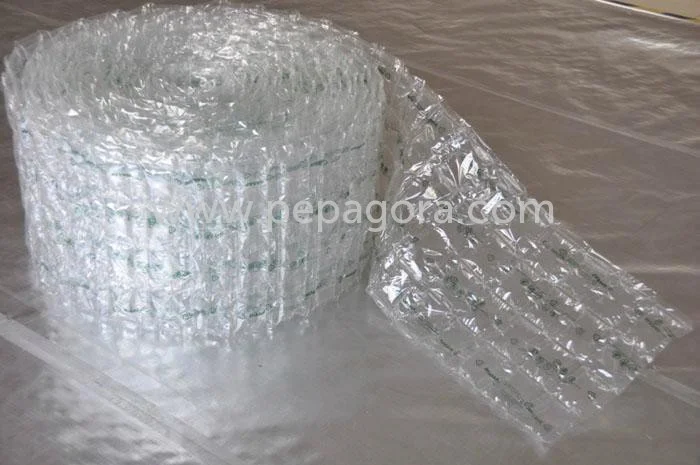
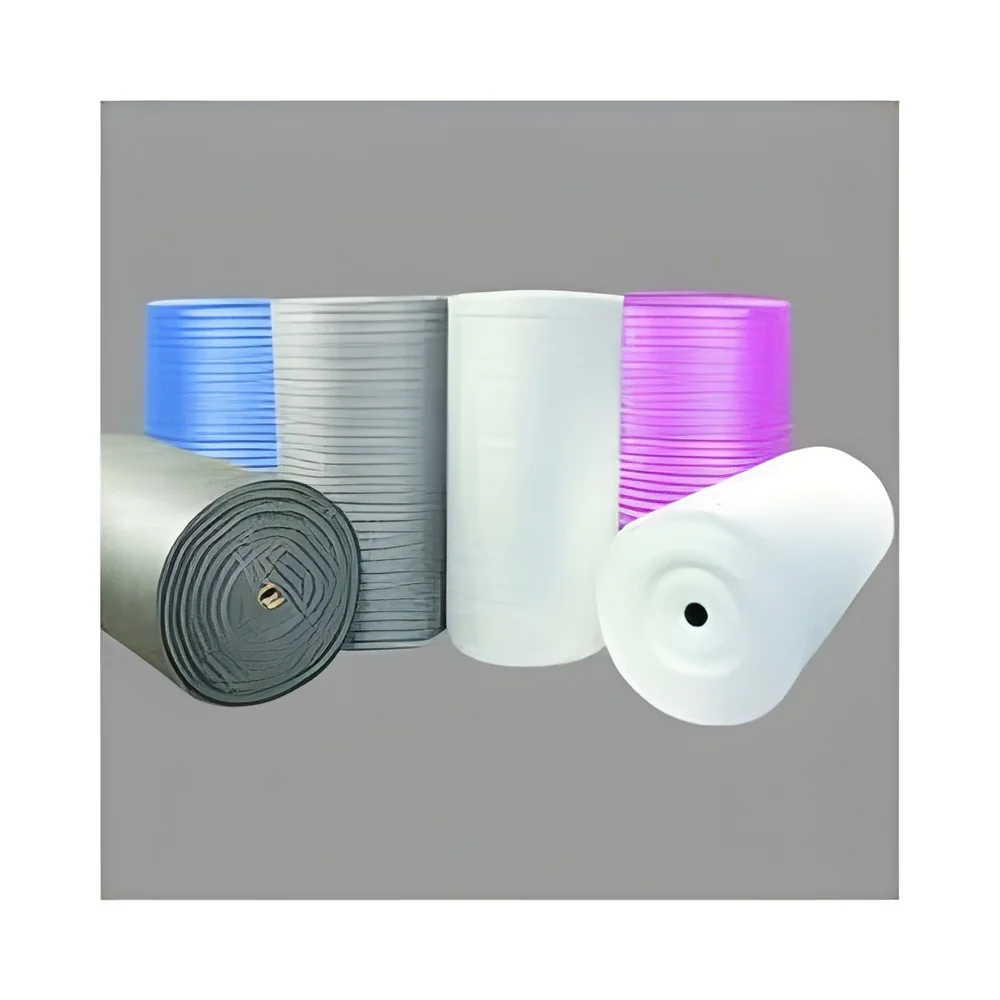
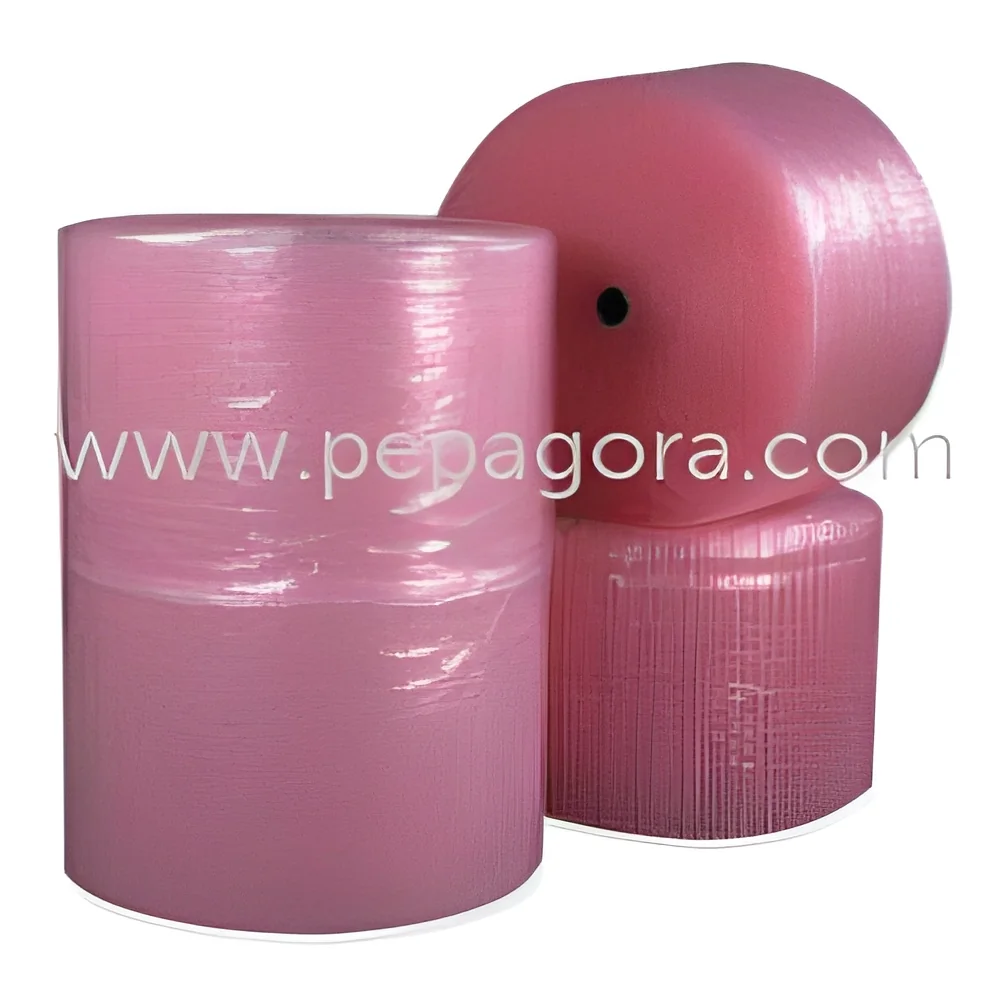
Materials such as foam, bubble wrap, and packing peanuts protect items within boxes. They absorb shock and prevent movement during transit.
𝗕𝗲𝗻𝗲𝗳𝗶𝘁𝘀 𝗮𝗻𝗱 𝗔𝗱𝘃𝗮𝗻𝘁𝗮𝗴𝗲𝘀
Choosing the right courier and packaging supplies offers numerous advantages for businesses. These benefits directly impact efficiency and customer satisfaction.
Key benefits include:
1. Enhanced Protection: Quality packaging materials safeguard products from damage during shipping, reducing returns and losses.
2. Improved Efficiency: Streamlined packaging solutions facilitate faster packing and shipping processes, enhancing overall operational efficiency.
3. Brand Visibility: Customizable packaging options allow businesses to showcase their brand, increasing recognition and customer loyalty.
4. Cost-Effectiveness: Using appropriate materials can reduce shipping costs by optimizing package sizes and minimizing weight.
5. Compliance Assurance: Reliable packaging helps businesses meet regulatory requirements, particularly in sensitive industries like food and pharmaceuticals.
6. Eco-Friendly Options: Many suppliers offer sustainable packaging solutions, appealing to environmentally conscious consumers and businesses.
𝗕𝘂𝘆𝗶𝗻𝗴 𝗚𝘂𝗶𝗱𝗲 𝗳𝗼𝗿 𝗕𝟮𝗕 𝗕𝘂𝘆𝗲𝗿𝘀
When sourcing courier and packaging supplies, it is essential for B2B buyers to consider several key factors to ensure effective procurement.
1. Quality Assessment: Look for materials that meet industry standards for strength and durability. Conduct tests if possible to confirm quality before bulk purchasing.
2. Supplier Verification: Vet suppliers thoroughly to ensure they are reputable and can deliver consistently. Check references and reviews from other businesses.
3. Pricing and MOQ: Understand the pricing structure and minimum order quantities (MOQ) required by suppliers. This helps in budgeting and inventory planning.
4. Delivery and Lead Times: Inquire about shipping options and lead times. Timely delivery is critical to maintaining supply chain efficiency.
5. Compliance Requirements: Ensure that the selected packaging meets all necessary regulatory standards. This is particularly important in industries with strict safety and quality regulations.
𝗖𝗼𝗺𝗽𝗹𝗶𝗮𝗻𝗰𝗲 𝗮𝗻𝗱 𝗖𝗲𝗿𝘁𝗶𝗳𝗶𝗰𝗮𝘁𝗶𝗼𝗻𝘀
In the courier and packaging supplies industry, adherence to quality standards and certifications is crucial.
Relevant quality standards include ISO 9001, which focuses on quality management systems. This certification ensures that suppliers maintain high levels of quality in their products and services.
Additionally, the Hazard Analysis and Critical Control Points (HACCP) standard is important for food packaging. It emphasizes food safety and risk management throughout the supply chain.
Good Distribution Practice (GDP) guidelines are also relevant, particularly in pharmaceuticals. These regulations ensure that products are stored and transported under suitable conditions.
Safety and testing requirements must be met to ensure packaging materials are suitable for their intended use. This includes testing for durability, moisture resistance, and other critical factors.
Regional compliance considerations vary by location. Buyers should be aware of specific regulations that apply in their operating regions to ensure full compliance.
𝗪𝗵𝘆 𝗦𝗼𝘂𝗿𝗰𝗲 𝗖𝗼𝘂𝗿𝗶𝗲𝗿 & 𝗣𝗮𝗰𝗸𝗮𝗴𝗶𝗻𝗴 𝗦𝘂𝗽𝗽𝗹𝗶𝗲𝘀 𝗳𝗿𝗼𝗺 𝗣𝗲𝗽𝗮𝗴𝗼𝗿𝗮?
Pepagora stands out as a trusted platform for sourcing courier and packaging supplies, offering several key advantages to businesses.
Verified Supplier Network: Pepagora has a robust system for verifying suppliers, ensuring that buyers can trust the quality and reliability of their products. This network helps mitigate risks associated with sourcing from unknown suppliers.
Streamlined RFQ Process: The platform provides a simple and efficient request for quotation (RFQ) process. This allows buyers to easily compare offers from multiple suppliers, simplifying decision-making.
Trade Assurance and Support: Pepagora offers trade assurance, providing buyers with protection on their purchases. This support helps to build confidence in transactions and fosters long-term relationships.
Regional Coverage: With a broad geographic reach across India, the GCC, and Southeast Asia, Pepagora connects buyers with suppliers that can meet their specific needs. This regional focus ensures that businesses can find suitable packaging solutions tailored to their local market conditions.

 IN
IN