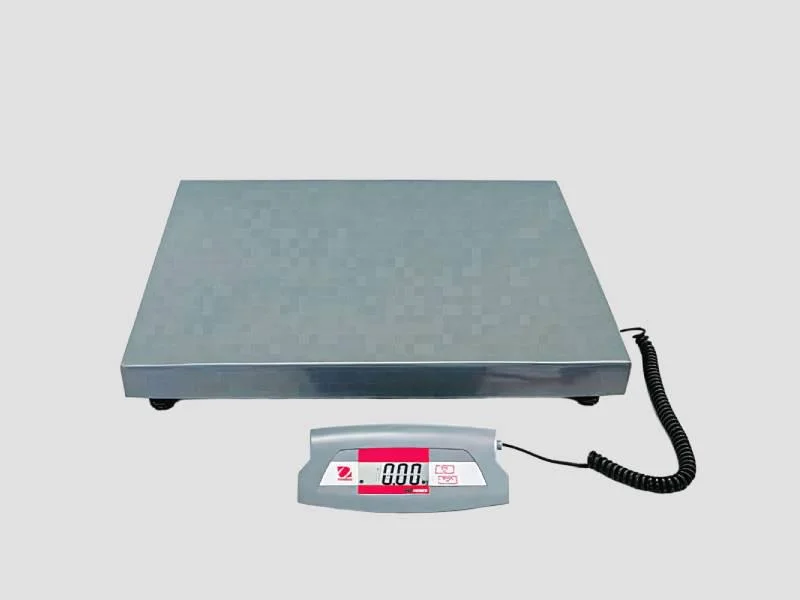
What are Weighing Scales for Packaging?
Weighing scales for packaging are precision instruments designed to measure the weight of products before they are packaged for distribution. These scales are essential in various industries, ensuring that products meet specified weight requirements and comply with regulatory standards. They help maintain product consistency and quality while reducing waste and overpackaging.
The primary uses of weighing scales in packaging include verifying product weights, ensuring compliance with industry regulations, and optimizing packaging processes. Businesses utilize these scales to enhance operational efficiency and accuracy, which is crucial in sectors like food and beverage, pharmaceuticals, and logistics. As regulations around product labeling and weight accuracy become increasingly stringent, the importance of reliable weighing scales in packaging continues to grow.
In today's competitive market, weighing scales for packaging are vital for businesses aiming to streamline operations and improve customer satisfaction. With a focus on quality and compliance, these scales contribute significantly to operational success across various sectors.
Key Features and Specifications
Weighing scales for packaging offer numerous features tailored to meet the demands of different industries. Understanding these specifications helps businesses choose the right equipment for their needs.
Key specifications include:
1. Capacity
- Maximum weight the scale can measure
- Common ranges: 0 to 100 kg, 0 to 300 kg
2. Accuracy
- Precision of weight measurement
- Typically within ±0.01 kg to ±0.1 kg
3. Display Type
- Type of display for weight readings
- Options include digital and analog displays
4. Power Source
- Source of energy for operation
- Battery-operated or mains-powered options
5. Calibration
- Method for ensuring measurement accuracy
- Manual or automatic calibration features
6. Platform Size
- Dimensions of the weighing surface
- Sizes vary to accommodate different packaging types
7. Connectivity
- Options for data transfer and integration
- USB, Bluetooth, or Ethernet connectivity
8. Compliance
- Adherence to industry standards
- Common certifications include CE and ISO
These key features ensure that weighing scales for packaging not only meet operational requirements but also comply with necessary industry standards.
Common Applications and Use Cases
Weighing scales for packaging are utilized across various industries, each having specific applications that enhance efficiency and accuracy.
1. Food and Beverage: In this industry, scales are used to ensure precise weight measurements for products like packaged snacks, beverages, and bulk ingredients. Accurate weighing is crucial for labeling compliance and inventory management.
2. Pharmaceuticals: Scales in drug packaging are vital for measuring active ingredients and ensuring dosage accuracy. Compliance with regulatory standards is essential for maintaining product safety and efficacy.
3. Logistics and Warehousing: Weighing scales facilitate inventory control and shipping processes by providing accurate weight data for packages. This helps optimize shipping costs and ensures compliance with weight restrictions.
4. Chemicals: In the chemical industry, scales are used for measuring raw materials and finished products. Precision is critical to maintain safety standards and regulatory compliance.
5. E-commerce: Online retailers use weighing scales to ensure accurate measurements for shipping. This prevents overcharging customers and maintains operational efficiency.
6. Agriculture: Scales are employed to weigh produce before packaging, ensuring that quality and weight standards are met for market distribution.
7. Manufacturing: In manufacturing, scales are used for quality control, ensuring that components meet specified weights for assembly processes.
Product Variants and Subcategories
Weighing scales for packaging come in various forms to cater to different business needs. Each variant is designed with specific features suitable for its intended application.
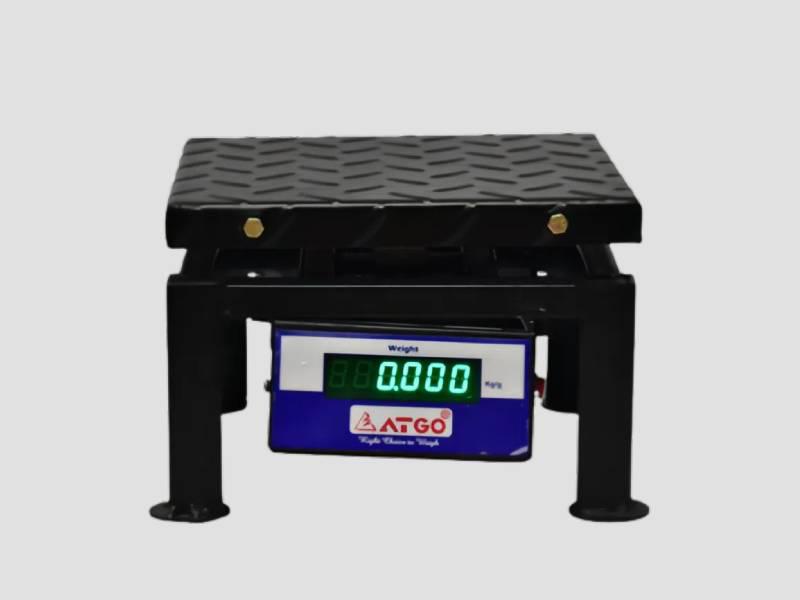
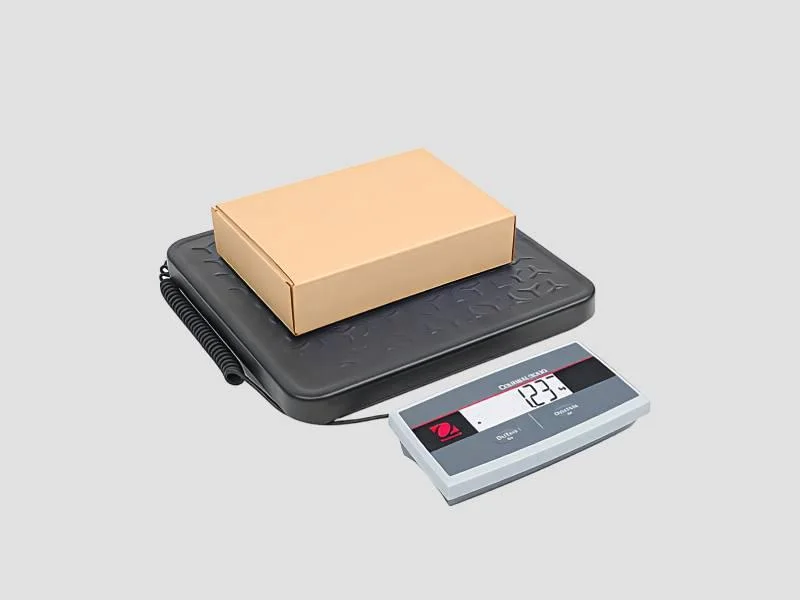
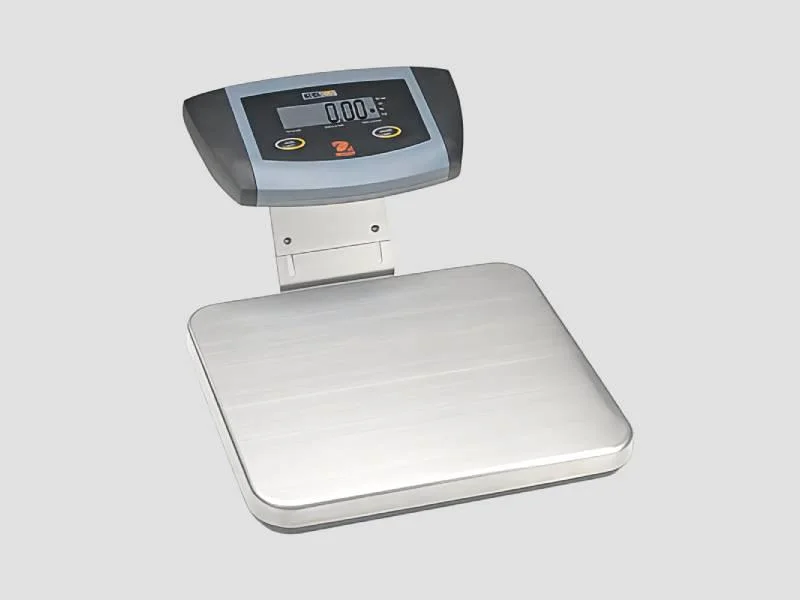
Digital Bench Scales: These scales are compact and provide quick, accurate readings. They are ideal for small to medium-sized packages and often feature a user-friendly interface.
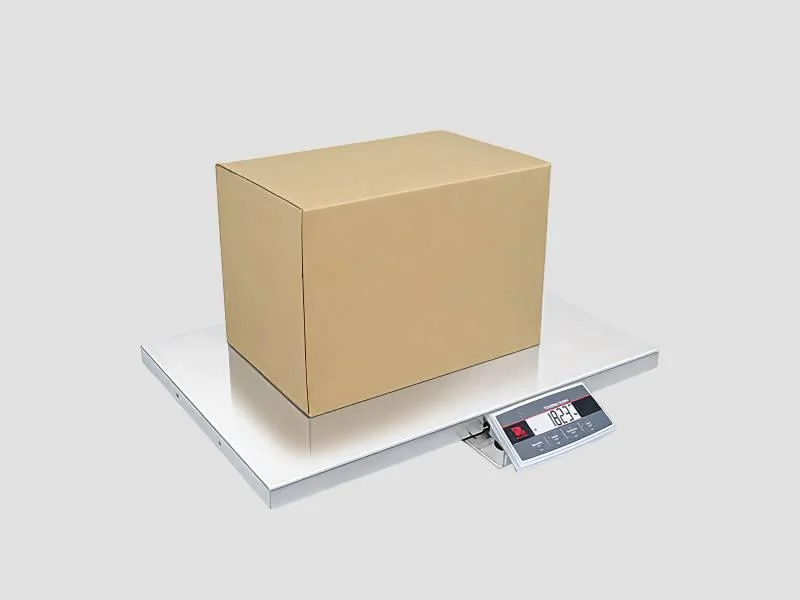
Industrial Floor Scales: Designed for heavy-duty applications, these scales can handle large loads and are commonly used in warehouses and shipping areas. They often include advanced features like remote displays and connectivity options.
Portable Weighing Scales: These battery-operated scales are designed for flexibility and can be used in various locations. They are ideal for businesses that require weighing on the go.
High-Precision Scales: These scales are built for industries that demand utmost accuracy, such as pharmaceuticals. They often have advanced calibration features and compliance with strict regulations.
Benefits and Advantages
Weighing scales for packaging provide numerous benefits that contribute to operational efficiency and product quality.
1. Enhanced Accuracy: These scales ensure precise weight measurements, reducing the risk of overpackaging and product wastage.
2. Compliance Assurance: Using reliable weighing scales helps businesses adhere to industry regulations, minimizing legal risks.
3. Increased Efficiency: Automating the weighing process streamlines operations, allowing for faster packaging and shipping.
4. Cost Savings: Accurate weight measurements prevent overcharges in shipping and reduce material costs associated with excess packaging.
5. Improved Quality Control: Regular use of weighing scales helps maintain consistent product quality and standards, leading to higher customer satisfaction.
6. Versatility: Weighing scales can be adapted for various packaging types and industries, making them a valuable asset for diverse businesses.
Buying Guide for B2B Buyers
When sourcing weighing scales for packaging, businesses should consider several important factors to ensure they make informed purchasing decisions.
1. Quality Assessment: Evaluate the build quality and reliability of the scales. Look for certifications and compliance with industry standards to ensure durability and performance.
2. Supplier Verification: Vet suppliers by checking their reputation, customer reviews, and product offerings. Established suppliers often provide better support and product reliability.
3. Pricing and MOQ: Consider pricing structures and minimum order quantities (MOQ). Ensure that the costs align with your budget and volume needs.
4. Delivery and Lead Times: Assess logistics and delivery options. Reliable suppliers should provide clear timelines for order fulfillment to avoid disruptions in operations.
5. Compliance Requirements: Understand the regulatory landscape that applies to your industry. Ensure that the scales you select meet all necessary compliance standards.
Compliance and Certifications
Compliance and certifications are critical for weighing scales, especially in regulated industries. Common certifications include CE, which indicates conformity with health, safety, and environmental protection standards set by the European Union.
Additionally, adhering to quality standards such as ISO 9001 ensures that manufacturing processes meet necessary quality management criteria. Industries like food and pharmaceuticals may also require compliance with HACCP and GDP guidelines for safety and quality assurance.
Safety and testing requirements must also be considered, as weighing scales must operate reliably under various conditions. Businesses should ensure that their equipment meets regional compliance standards, which may vary by country or region.
Why Source Weighing Scales for Packaging from Pepagora?
Pepagora provides a trusted platform for sourcing weighing scales for packaging, with several key advantages that benefit B2B buyers.
Verified Supplier Network: Pepagora offers a network of verified suppliers, ensuring that businesses can access quality products from reputable manufacturers. This verification helps eliminate risks associated with unreliable suppliers.
Streamlined RFQ Process: The Request for Quotation (RFQ) process on Pepagora allows buyers to compare multiple suppliers quickly. This system simplifies the sourcing process and helps businesses make informed decisions.
Trade Assurance and Support: Pepagora provides trade assurance, protecting buyers from potential issues during transactions. Additionally, their dedicated support team is available to assist throughout the purchasing process.
Regional Coverage: With a focus on markets in India, the GCC, and Southeast Asia, Pepagora offers extensive regional reach, connecting buyers with suppliers that can meet their specific logistical and operational needs.

 IN
IN