What are Thermal Shipping Labels & Printers?
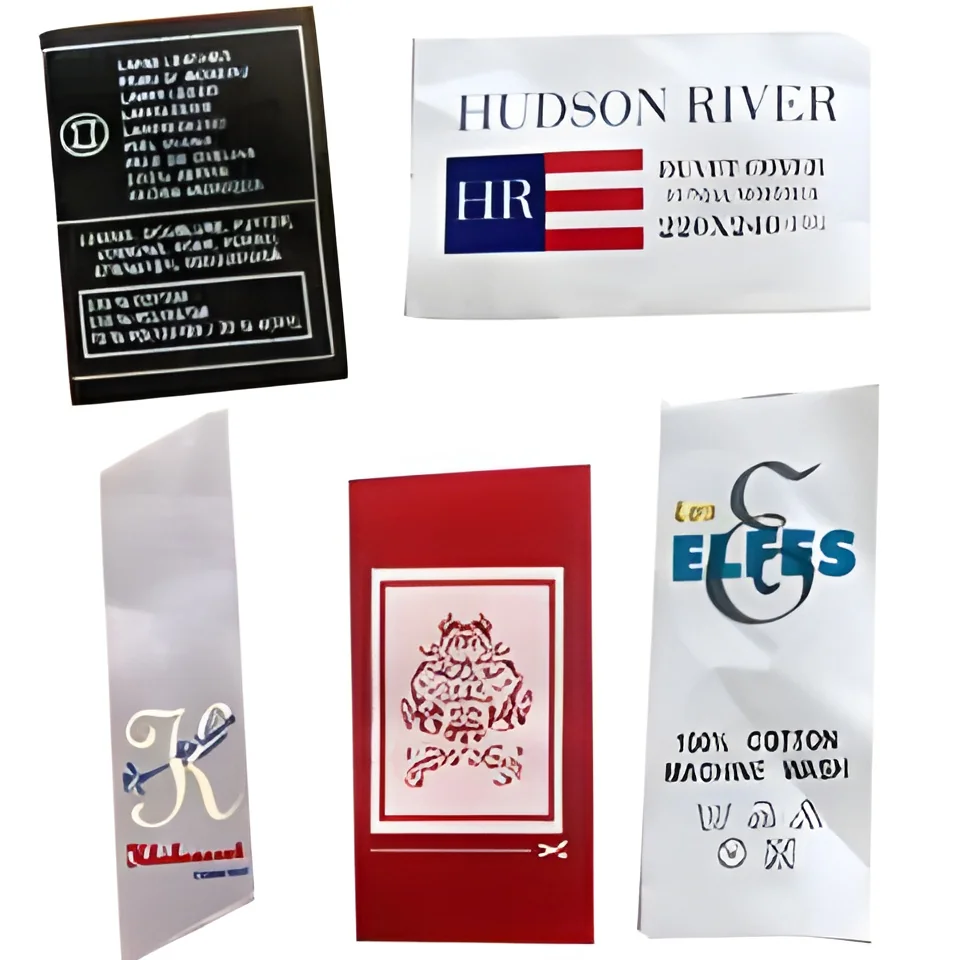
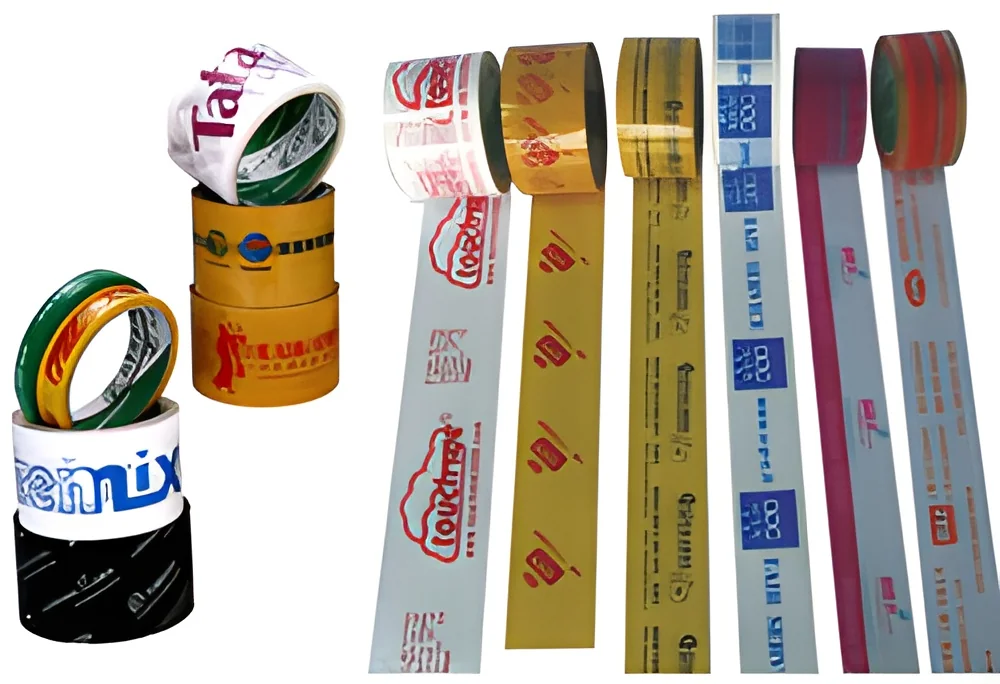
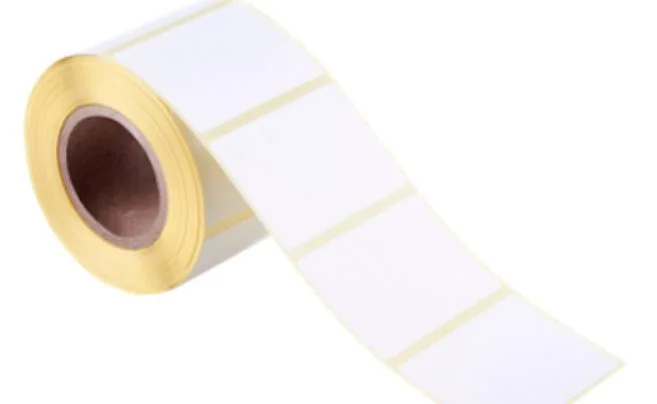
Thermal shipping labels and printers are specialized devices designed for the efficient printing of shipping labels used in logistics and supply chain management. These products utilize heat to transfer ink onto label materials, enabling high-speed printing with minimal maintenance. Unlike traditional ink-based printers, thermal printers offer a cost-effective solution for businesses that require quick and accurate labeling. They are particularly valued for their durability, as the printed labels are resistant to smudging and fading.
The primary applications of thermal shipping labels and printers include parcel shipping, inventory management, and product labeling in various sectors such as retail, manufacturing, and warehousing. These products are essential for businesses that require consistent label quality and reliability, especially in high-volume shipping environments. As e-commerce continues to grow, the demand for efficient labeling solutions has increased significantly, making thermal printing technology a vital component of modern logistics operations.
In the current market, thermal shipping labels and printers are relevant across multiple industries, given their ability to improve operational efficiency. Companies are increasingly adopting these solutions to enhance their shipping processes and ensure compliance with shipping regulations. With the rise of online shopping and global trade, thermal printing technology has become a standard in the logistics and supply chain sectors.
Key Features and Specifications
Thermal shipping labels and printers come equipped with a variety of features designed to enhance performance and usability. Understanding these specifications can help businesses choose the right products for their needs.
Key specifications include:
1. Print Speed
- Determines how quickly labels can be produced, typically measured in inches per second (IPS).
- Ranges commonly from 2 to 12 IPS.
2. Print Resolution
- Indicates the clarity of the printed labels, usually measured in dots per inch (DPI).
- Standard resolutions range from 203 DPI to 600 DPI.
3. Connectivity Options
- Various ways to connect the printer to devices, including USB, Ethernet, and Bluetooth.
- Flexibility in connectivity allows for integration with existing systems.
4. Label Width Compatibility
- The range of label sizes that the printer can accommodate, typically from 1 inch to 4 inches in width.
- Important for ensuring the right fit for various shipping labels.
5. Media Types Supported
- Types of label media that can be used, such as direct thermal and thermal transfer labels.
- Compatibility with different materials enhances versatility.
6. Durability Rating
- Indicates the printer's ability to withstand various environmental conditions.
- Important for use in warehouse or outdoor settings.
7. User Interface
- Features such as LCD screens or touch panels that enhance usability.
- Intuitive interfaces can streamline the printing process.
8. Energy Consumption
- Assessing power efficiency can lead to significant cost savings.
- Energy-efficient models often consume less than 100 watts.
In summary, the features and specifications of thermal shipping labels and printers play a crucial role in determining their effectiveness for business applications. By carefully considering these factors, companies can select the most suitable products for their operational needs.
Common Applications and Use Cases
Thermal shipping labels and printers are used across various industries to streamline operations and enhance productivity.
1. Retail: Retail businesses utilize thermal labels for price tagging, product labeling, and shipping. This ensures accurate inventory management and timely deliveries.
2. Logistics: In the logistics sector, these printers are essential for printing shipping labels that comply with carrier requirements, facilitating smooth order fulfillment.
3. Manufacturing: Manufacturers use thermal printing for labeling products, components, and packaging, ensuring traceability and compliance with industry standards.
4. Healthcare: In healthcare, thermal labels are used for patient identification, medication labeling, and tracking medical supplies, enhancing safety and efficiency.
5. Food and Beverage: Companies in this industry rely on thermal printing for labeling products with essential information such as expiration dates and nutritional facts.
6. E-commerce: Online retailers leverage thermal shipping labels for efficient order processing, ensuring that products are labeled accurately before shipping.
7. Warehousing: Warehouses use thermal printers for inventory management, allowing for quick identification and tracking of stock levels.
Product Variants and Subcategories
Thermal shipping labels and printers come in various forms to meet specific business needs.
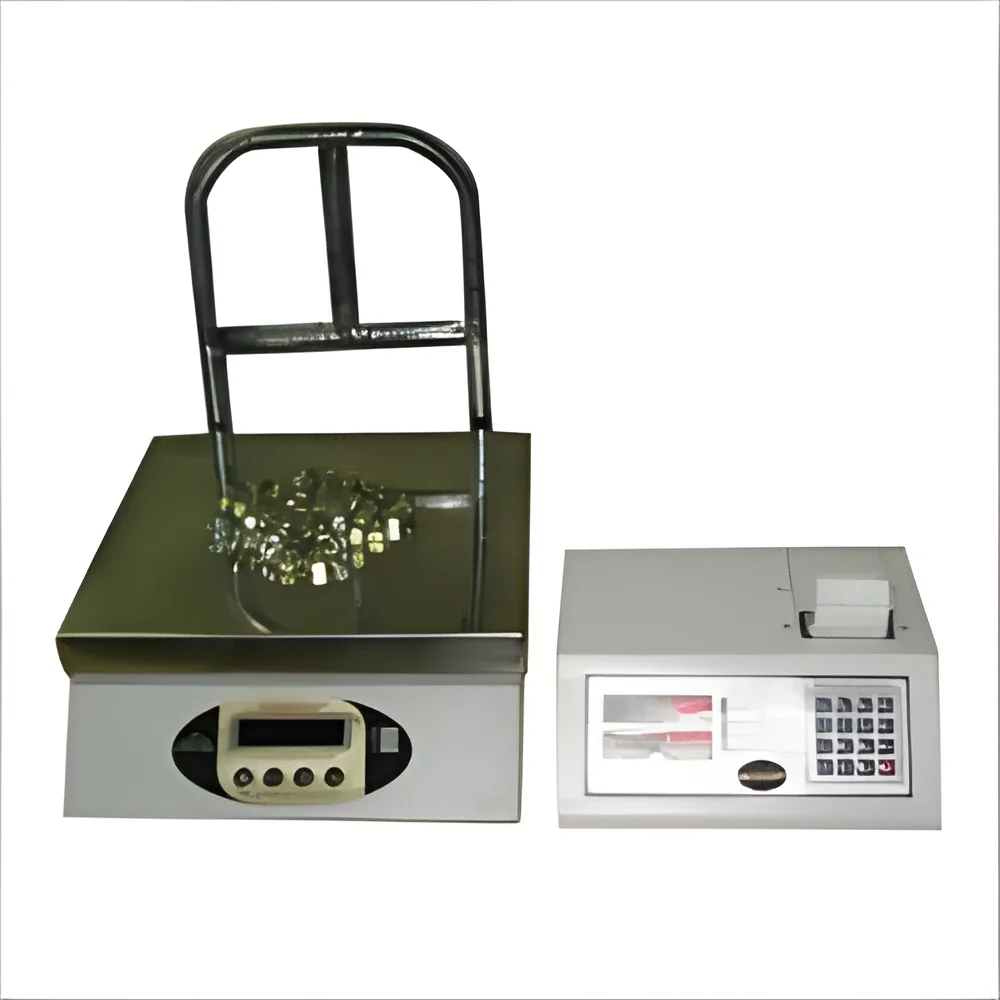
Desktop Thermal Printers: These compact printers are designed for low to medium volume printing. They are ideal for small businesses and can easily be integrated into existing workspaces.
Industrial Thermal Printers: Built for high-volume printing, these robust printers can handle large batches of labels. They are suitable for warehouses and manufacturing environments.
Mobile Thermal Printers: These portable devices enable on-the-go printing, ideal for field operations and delivery drivers. They are lightweight and often connect via Bluetooth.
Benefits and Advantages
Thermal shipping labels and printers offer numerous benefits that enhance operational efficiency.
1. Cost-Effectiveness: These printers reduce costs by eliminating the need for ink or toner, leading to lower overall printing expenses.
2. Speed: Thermal printers are capable of producing labels quickly, which is critical for businesses that operate in a fast-paced environment.
3. Durability: Labels printed using thermal technology are resistant to smudging and fading, ensuring that they remain readable throughout the shipping process.
4. Versatility: These printers can handle a variety of label sizes and types, making them suitable for diverse applications across different industries.
5. Ease of Use: Many thermal printers feature user-friendly interfaces that simplify the printing process, reducing training time for staff.
6. Reliability: With fewer moving parts than traditional printers, thermal shipping printers tend to require less maintenance, resulting in increased uptime.
Buying Guide for B2B Buyers
When sourcing thermal shipping labels and printers, several factors should be considered to ensure the best fit for your business needs.
1. Quality Assessment: Evaluate the print quality and durability of the labels produced. Look for printers that meet industry standards for reliability and performance.
2. Supplier Verification: Ensure that suppliers are reputable and have a track record of providing high-quality products. Check for customer reviews and references.
3. Pricing and MOQ: Understand the pricing structure and minimum order quantities (MOQ) required by suppliers. This can impact your budget and inventory management.
4. Delivery and Lead Times: Assess the supplier's ability to meet your delivery needs. Timely delivery is crucial for maintaining operational efficiency.
5. Compliance Requirements: Be aware of any regulatory requirements that may apply to your industry. Select printers that comply with necessary standards and certifications.
Compliance and Certifications
Thermal shipping labels and printers must adhere to certain quality standards and certifications to ensure their effectiveness and safety in various applications.
ISO 9001 is a widely recognized standard that indicates a commitment to quality management systems. Adhering to this standard assures buyers of consistent product quality and process efficiency.
CE certification is crucial for products sold within the European market, signifying that they meet health, safety, and environmental protection standards. This certification ensures that thermal printers are safe to use in various environments.
Additionally, compliance with industry-specific standards such as HACCP (Hazard Analysis Critical Control Point) may be necessary for food and healthcare sectors. This ensures that labeling processes meet safety regulations.
Regional compliance considerations are also important. Different countries may have specific regulations that affect labeling and printing standards, and it is essential for businesses to be aware of these to avoid compliance issues.
Why Source Thermal Shipping Labels & Printers from Pepagora?
Pepagora provides a trusted platform for sourcing thermal shipping labels and printers, offering numerous advantages to B2B buyers.
Verified Supplier Network: The platform connects buyers with a network of verified suppliers, ensuring that all products meet high-quality standards and regulatory compliance.
Streamlined RFQ Process: Pepagora simplifies the request for quotation (RFQ) process, allowing buyers to easily compare pricing and specifications from multiple suppliers.
Trade Assurance and Support: Buyers are protected through trade assurance measures that provide confidence in transactions. Support services are available to assist with any inquiries or issues.
Regional Coverage: Pepagora has a geographic reach that includes India, the GCC, and Southeast Asia, making it an advantageous choice for businesses looking to source products in these regions.
Through these features and services, Pepagora positions itself as a reliable partner for businesses seeking thermal shipping labels and printers, enhancing their operational capabilities.

 IN
IN