What are Void Fill Packaging Materials?
Void fill packaging materials are essential components in the packaging industry, designed to fill empty spaces within shipping containers. Their primary function is to prevent movement of the packaged items during transit, thereby reducing the risk of damage. These materials can be made from various substances, including foam, paper, and air-filled products, each tailored to meet specific packing needs for different types of goods.
These materials are commonly used in a variety of business applications, including e-commerce, manufacturing, and logistics. They play a vital role in protecting fragile items, such as glassware, electronics, and delicate machinery, ensuring that products arrive at their destination in perfect condition. The significance of void fill materials extends across multiple industries, highlighting their importance in maintaining product integrity and customer satisfaction.
In today's competitive market, companies are increasingly prioritizing safe and efficient packaging solutions. This trend is driven by the rise of online shopping and the need for reliable shipping methods. As businesses seek to enhance their packaging strategies, void fill materials have become a critical consideration for suppliers and manufacturers alike.
Key Features and Specifications
Void fill packaging materials come with several key features that enhance their effectiveness and usability. Understanding these specifications helps businesses select the right materials for their specific needs.
Key specifications include:
1. Material Composition
- Common materials include foam, paper, and air-filled products
- Each material offers different levels of cushioning and protection
2. Density
- Measured in grams per cubic centimeter (g/cm³)
- Higher density materials provide better protection for heavier items
3. Cushioning Performance
- Ability to absorb shock and impact during transit
- Evaluated through drop tests and compression tests
4. Environmental Considerations
- Options for biodegradable and recyclable materials
- Impact on sustainability and eco-friendliness
5. Customization Options
- Ability to tailor size and shape to specific products
- Flexibility in design to meet brand requirements
6. Cost Efficiency
- Pricing structures based on material type and quantity
- Consideration of minimum order quantities for bulk purchases
7. Storage and Handling
- Ease of storage due to space-efficient designs
- Lightweight options for reduced shipping costs
8. Compliance with Industry Standards
- Adherence to safety and quality regulations
- Relevant certifications, such as CE, to ensure reliability
In summary, selecting the right void fill packaging materials involves understanding their key specifications, which directly impact their performance and suitability for diverse applications.
Common Applications and Use Cases
Void fill packaging materials are versatile and serve various industries, ensuring safe transportation of products.
1. E-commerce: Online retailers commonly use void fill materials to protect fragile items during shipping. Proper cushioning helps prevent breakage, enhancing customer satisfaction.
2. Electronics: Manufacturers of electronic devices rely on void fill packaging to safeguard sensitive components from shock and vibration during transit. This ensures that products function correctly upon delivery.
3. Food and Beverage: In the food industry, void fill materials help maintain the integrity of packaged items, preventing spoilage or damage during shipping. Compliance with safety standards is crucial.
4. Pharmaceuticals: Packaging for pharmaceuticals requires specialized void fill solutions to protect sensitive items from damage and contamination. Compliance with regulatory requirements is essential.
5. Automotive Parts: Automotive suppliers use void fill materials to protect parts from damage during shipping. The materials help prevent movement and potential breakage.
6. Furniture: In the furniture industry, void fill packaging ensures larger items remain stable and protected during transport. Proper cushioning is vital for avoiding damage.
7. Home Appliances: Appliances require robust void fill solutions to protect against impact and ensure they arrive in perfect working condition.
Product Variants and Subcategories
Void fill packaging materials are available in various forms to meet different business needs. Each variant offers distinct features that cater to specific applications.
Air Pillows
Air pillows are lightweight, inflatable packaging solutions that provide excellent cushioning. They are ideal for void filling in boxes and can be customized to fit various shapes and sizes.
Peanut Foam
Peanut foam is a versatile option made from expanded polystyrene. It is commonly used in shipping fragile items, providing effective shock absorption and protection during transit.
Paper Crumple
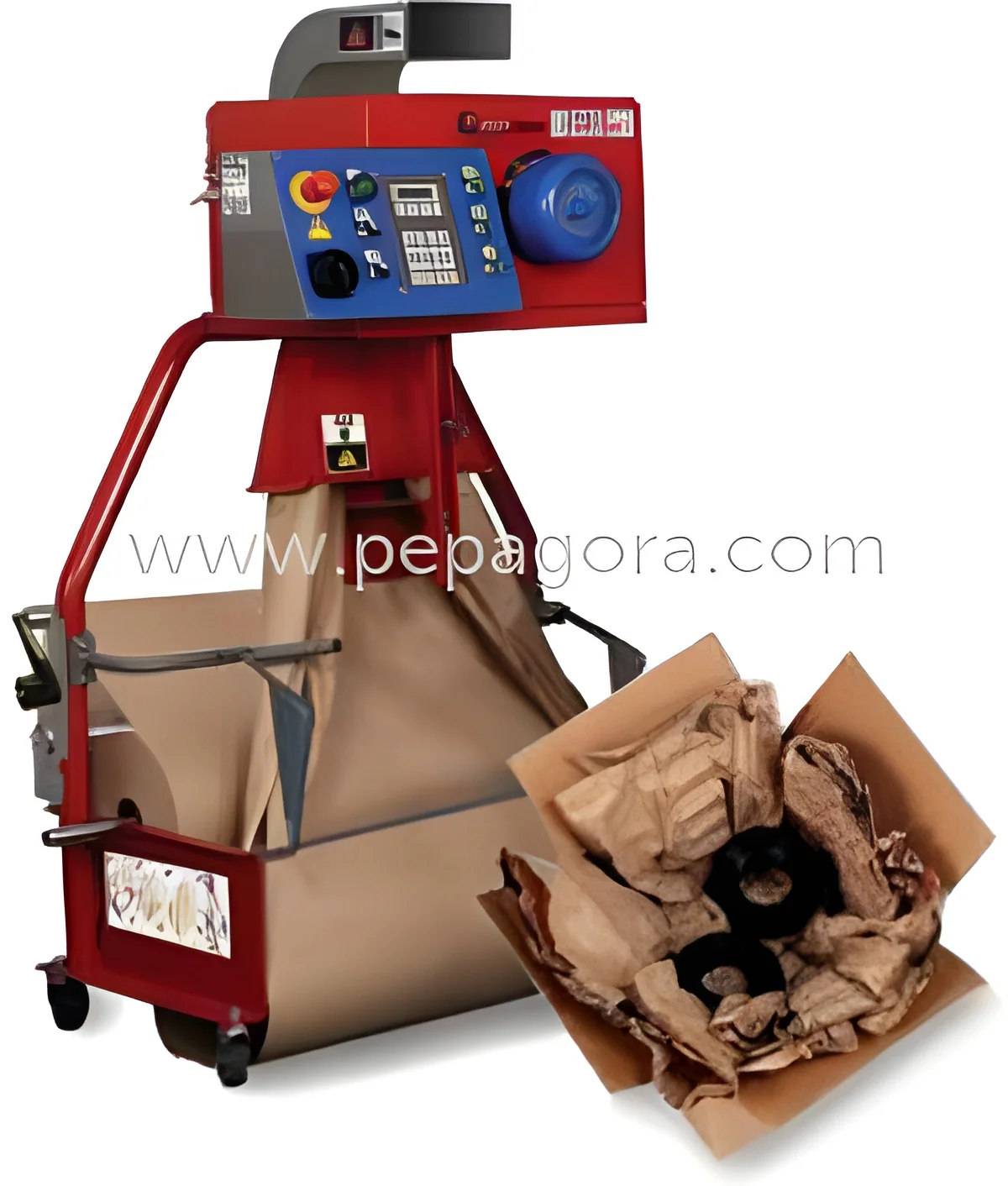
Paper crumple is an eco-friendly option made from recycled paper. It is effective for filling voids and offers a sustainable alternative for businesses focused on reducing their environmental footprint.
Bubble Wrap
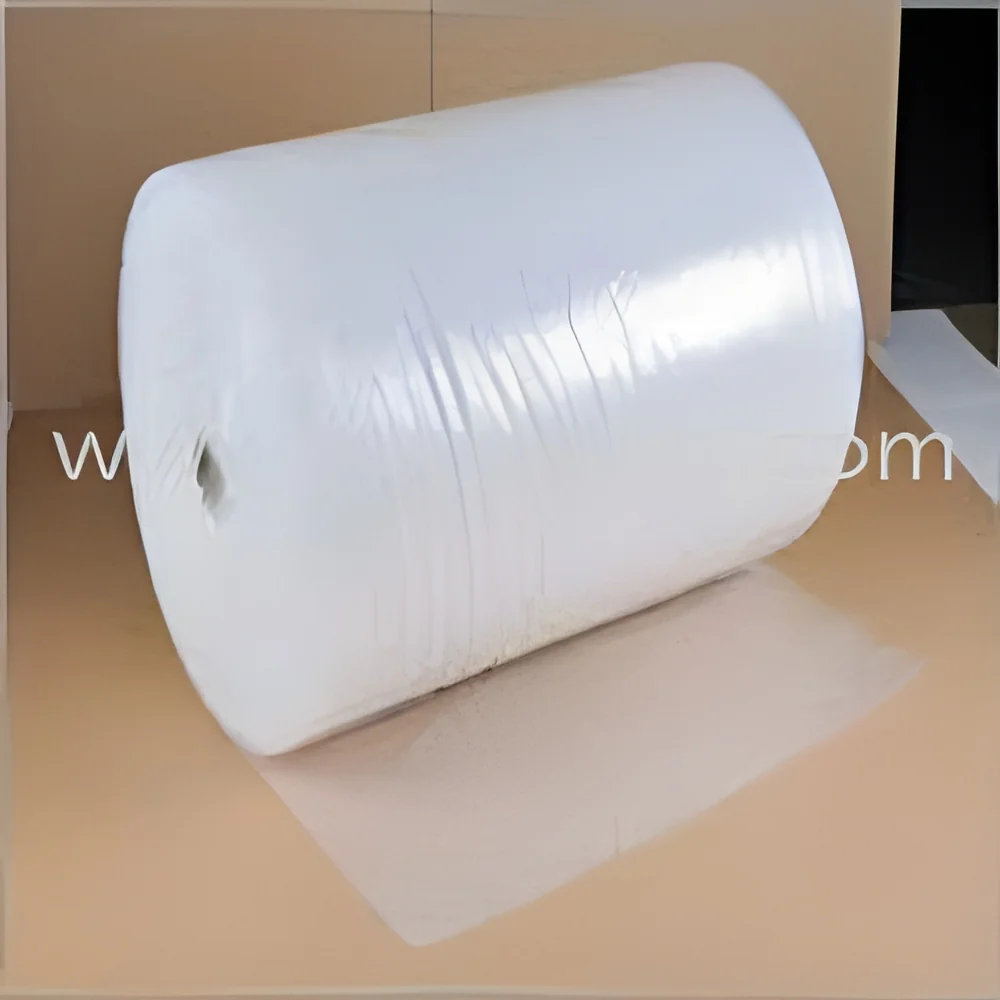
Bubble wrap is a well-known packaging material that provides excellent cushioning. It is widely used in various industries for protecting delicate items during shipping.
Foam Inserts
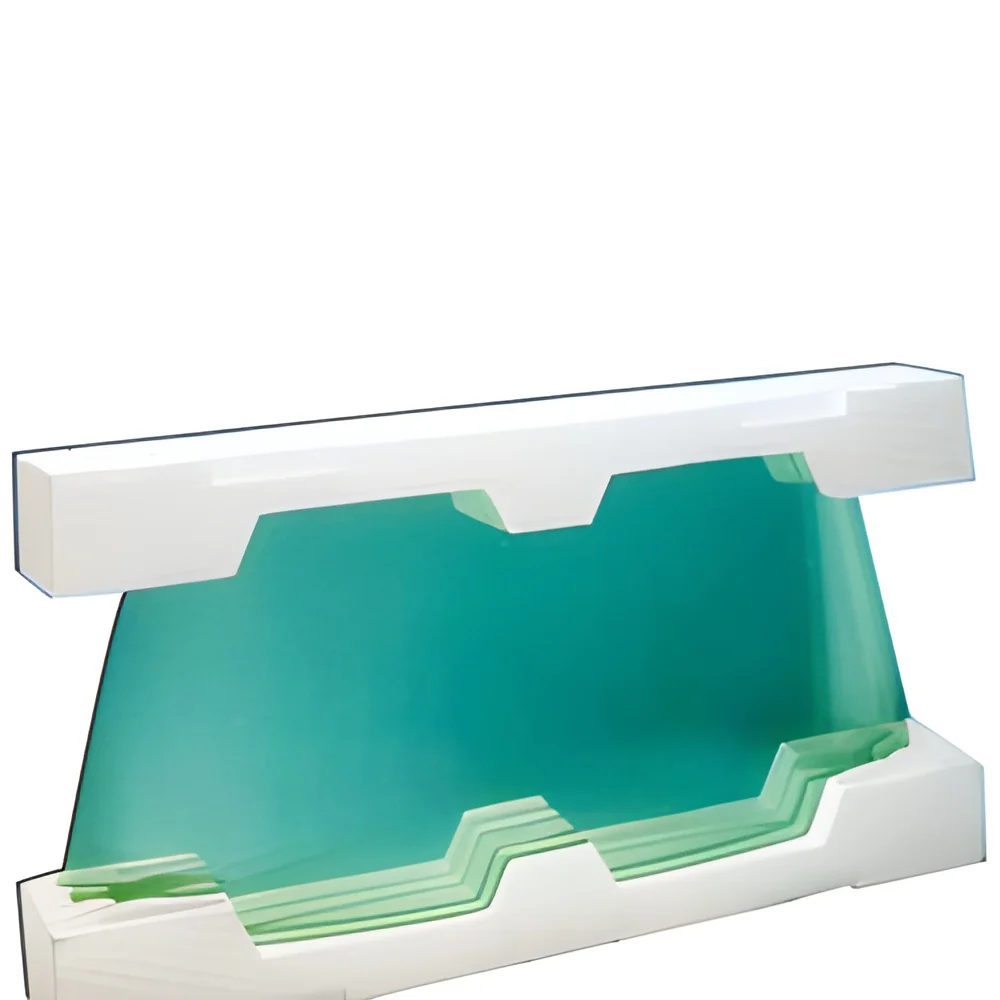
Foam inserts are custom-cut to fit specific products. They provide a tailored solution for securing items, making them ideal for high-value or fragile goods.
Benefits and Advantages
Using void fill packaging materials offers numerous benefits for businesses looking to enhance their shipping processes.
Key benefits include:
1. Damage Prevention: Void fill materials effectively reduce the risk of product damage during transit, ensuring items arrive in good condition.
2. Cost Efficiency: By preventing damage, businesses can save on replacement costs and maintain customer satisfaction.
3. Versatility: These materials can be used across various industries and for different types of products, making them a flexible packaging solution.
4. Customization: Many void fill options can be tailored to fit specific products, ensuring optimal protection.
5. Environmental Impact: Sustainable options are available, allowing businesses to reduce their carbon footprint and appeal to eco-conscious consumers.
6. Easy Handling: Lightweight materials facilitate easier handling and lower shipping costs, contributing to overall efficiency.
Buying Guide for B2B Buyers
When sourcing void fill packaging materials, businesses should consider several important factors to ensure they select the right products.
1. Quality Assessment: Evaluate the quality of materials based on cushioning performance and durability. Look for products that pass industry-standard tests for safety and effectiveness.
2. Supplier Verification: Vet suppliers by checking their credentials, customer reviews, and industry experience. A reliable supplier will provide consistent quality and timely delivery.
3. Pricing and MOQ: Understand the pricing structures and minimum order quantities. Consider bulk purchasing options for cost savings while ensuring the materials meet your needs.
4. Delivery and Lead Times: Assess logistics for delivery times and shipping costs. Ensure suppliers can meet your required timelines for production and distribution.
5. Compliance Requirements: Familiarize yourself with any necessary compliance and regulatory requirements specific to your industry. Ensure that materials meet safety and quality standards.
Compliance and Certifications
Compliance with industry standards and certifications is crucial for void fill packaging materials. Key quality standards include ISO 9001, which ensures consistent quality management, and HACCP, which focuses on food safety. Additionally, many businesses look for compliance with Good Distribution Practice (GDP) standards to maintain product integrity throughout the supply chain.
Industry certifications, such as CE, indicate that products meet European safety and performance standards. These certifications are often required for packaging used in sensitive industries, such as food and pharmaceuticals.
Safety and testing requirements are also vital, as void fill materials must undergo rigorous testing to ensure they can withstand the rigors of transportation. Regional compliance considerations may vary, so businesses should be aware of local regulations that affect packaging materials.
Why Source Void Fill Packaging Materials from Pepagora?
Pepagora offers a trusted platform for sourcing void fill packaging materials, providing several key advantages for businesses.
Verified Supplier Network: Pepagora connects buyers with a network of verified suppliers, ensuring that all materials meet industry standards and quality expectations. This verification process minimizes risks associated with sourcing.
Streamlined RFQ Process: The platform features a user-friendly request for quotation (RFQ) process, allowing buyers to easily compare prices and specifications from multiple suppliers. This efficiency saves time and aids in making informed purchasing decisions.
Trade Assurance and Support: Pepagora provides trade assurance and support, offering buyers protection throughout the sourcing process. This includes assistance with logistics and dispute resolution, enhancing trust in transactions.
Regional Coverage: With a strong presence in India, the GCC, and Southeast Asia, Pepagora facilitates access to a wide range of suppliers. This regional coverage helps businesses find suitable void fill packaging solutions tailored to their specific markets.

 IN
IN