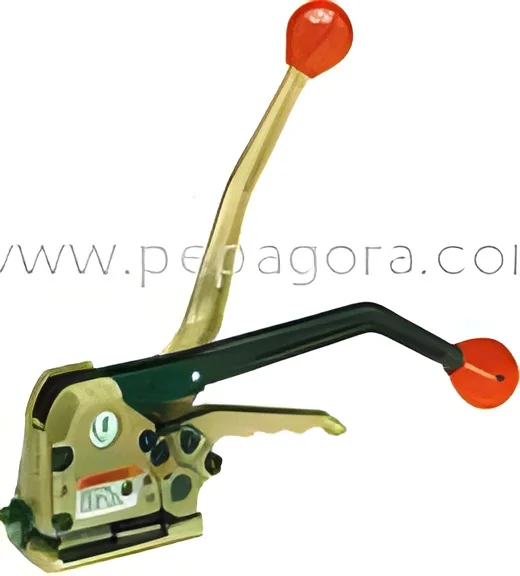
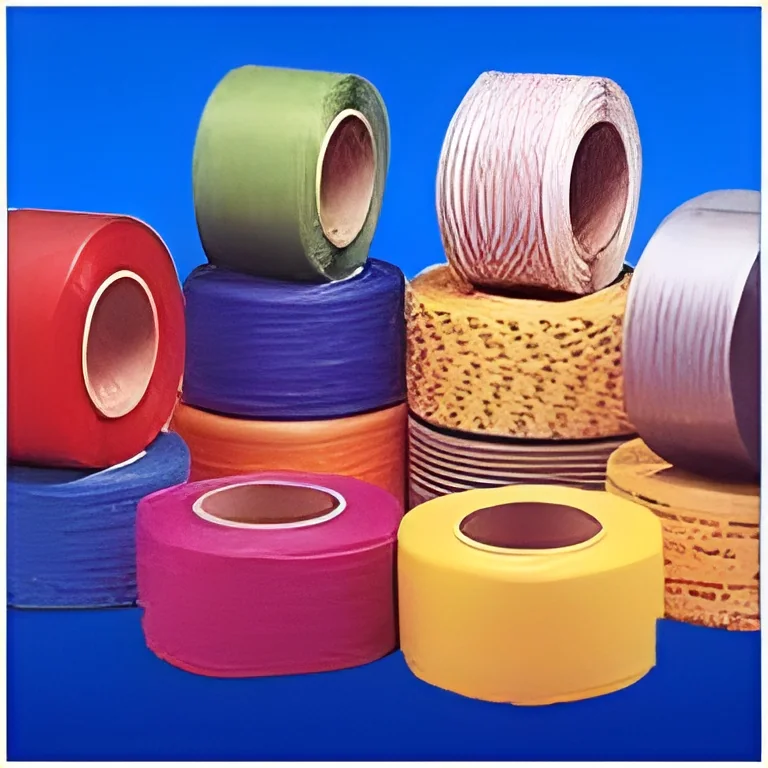
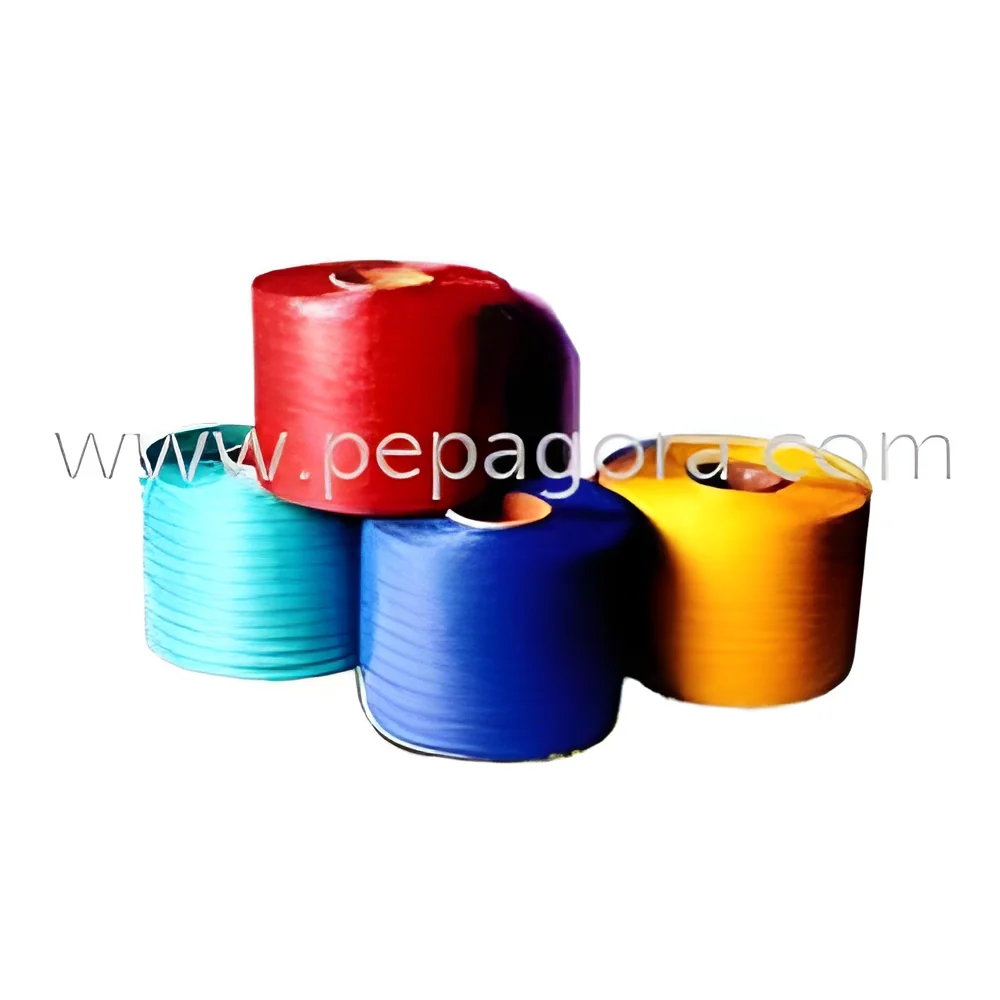
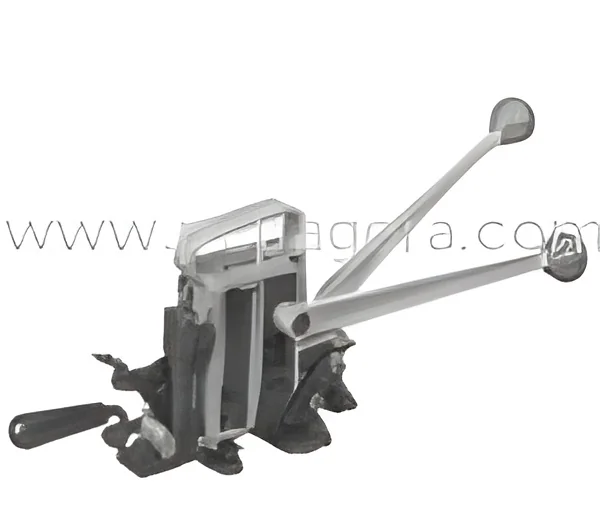
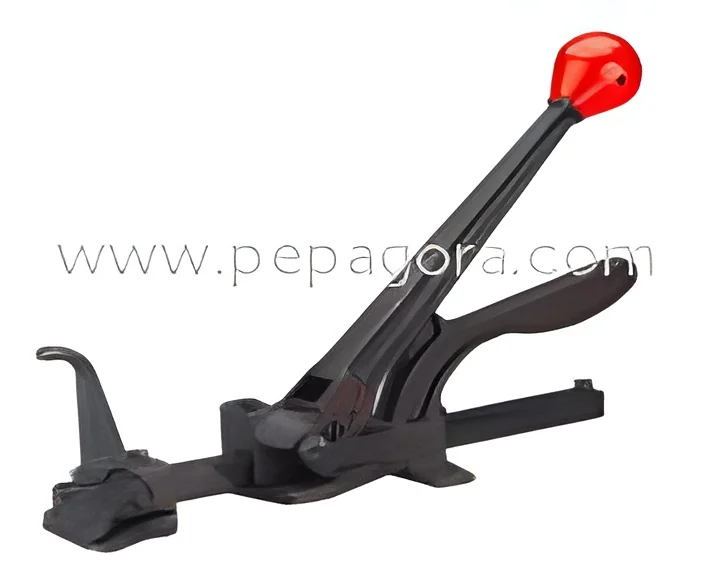
What are Strapping Machines & Tools?
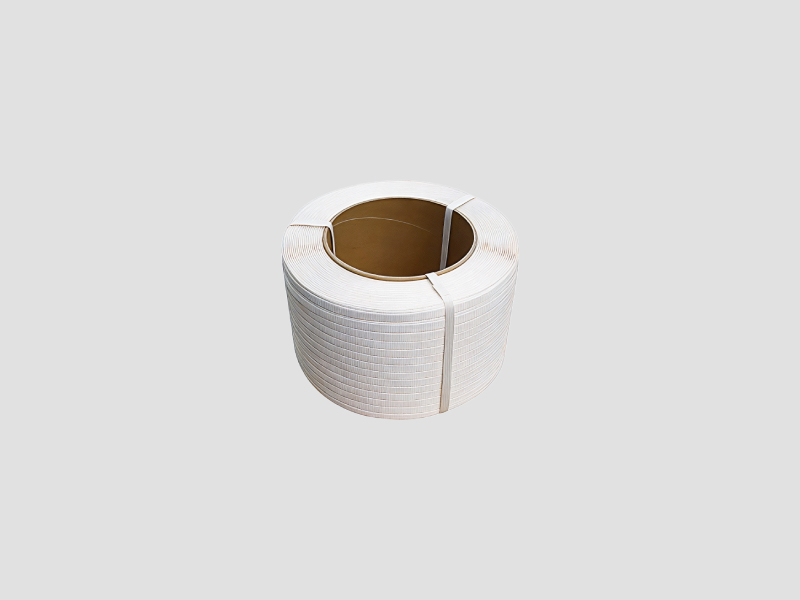
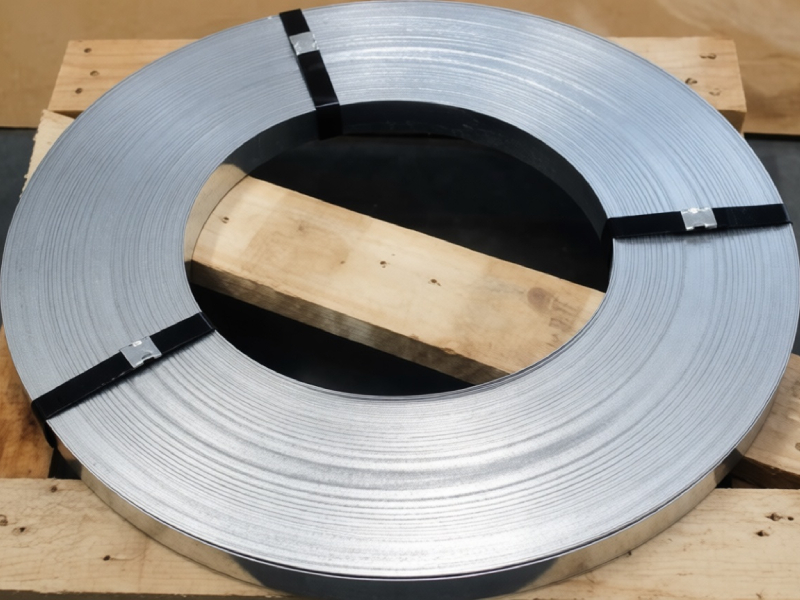
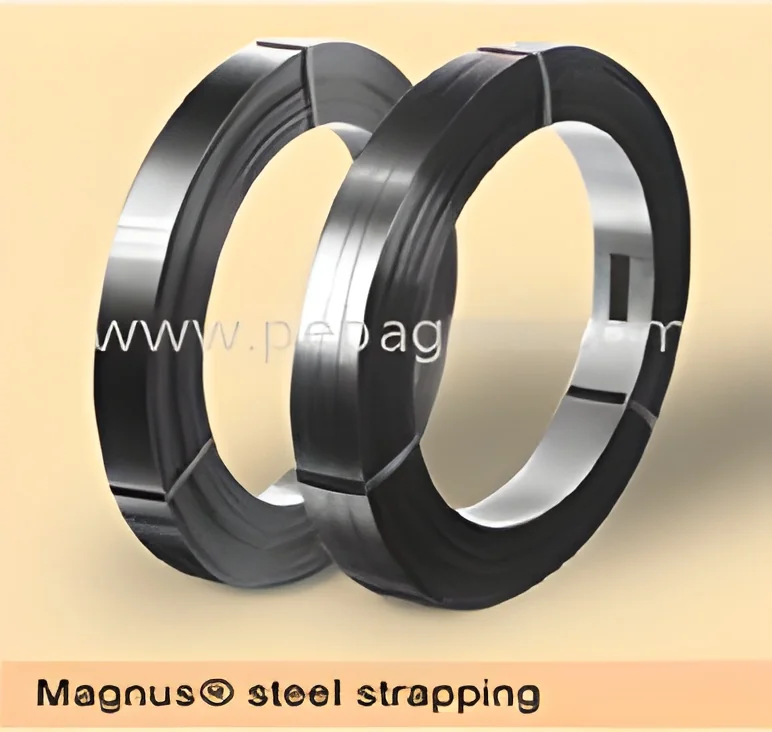
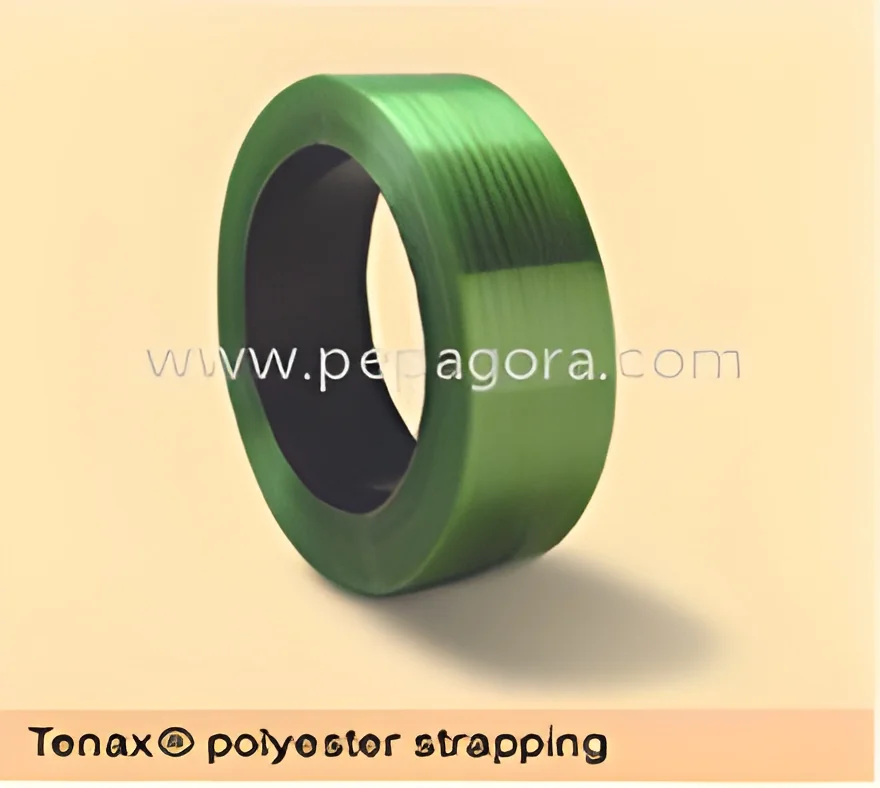
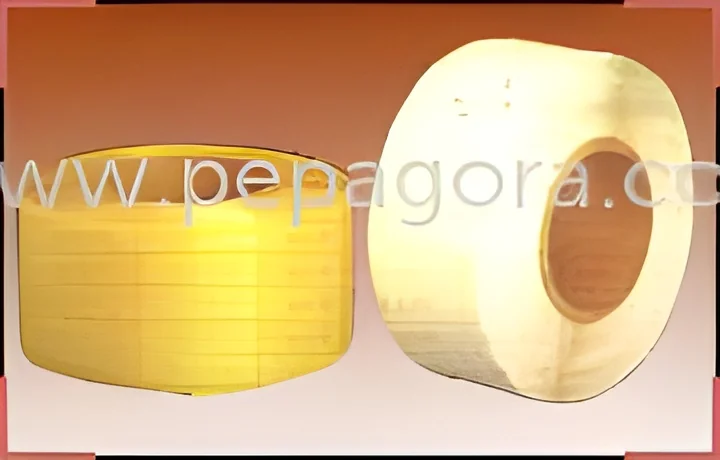
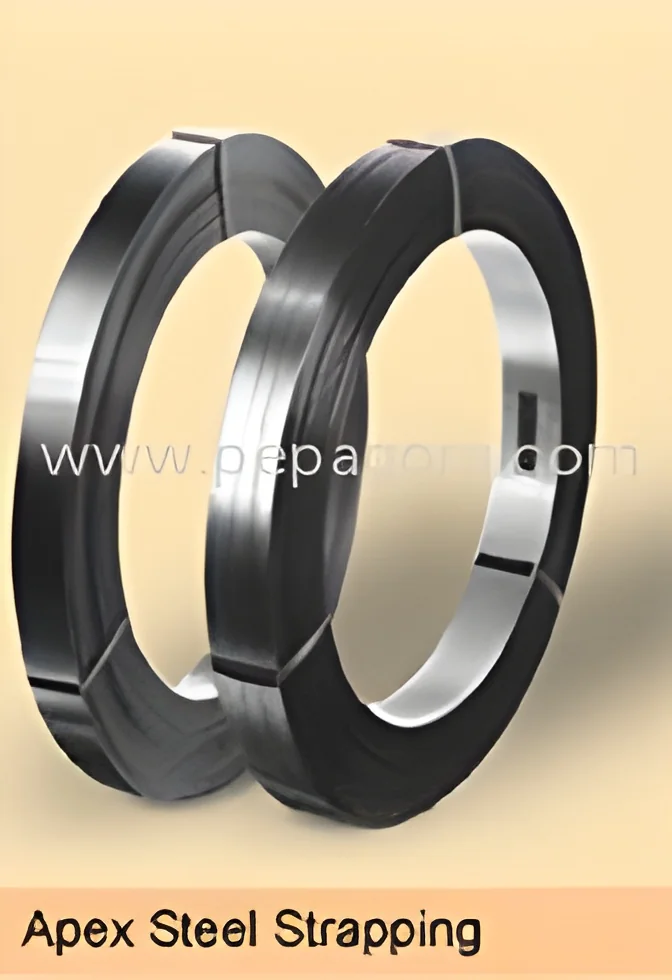
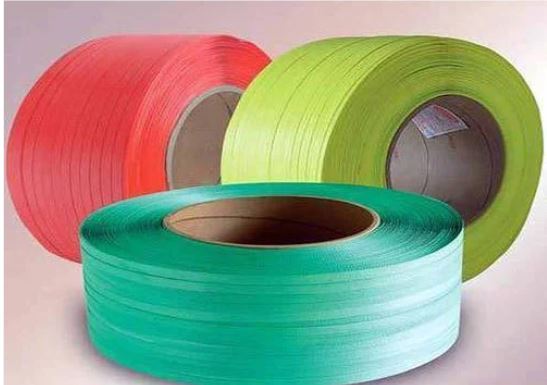
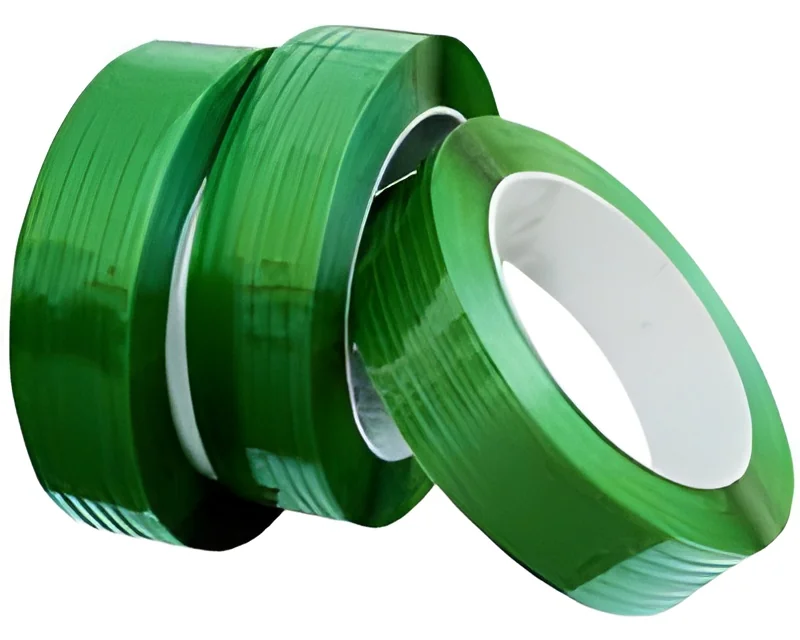
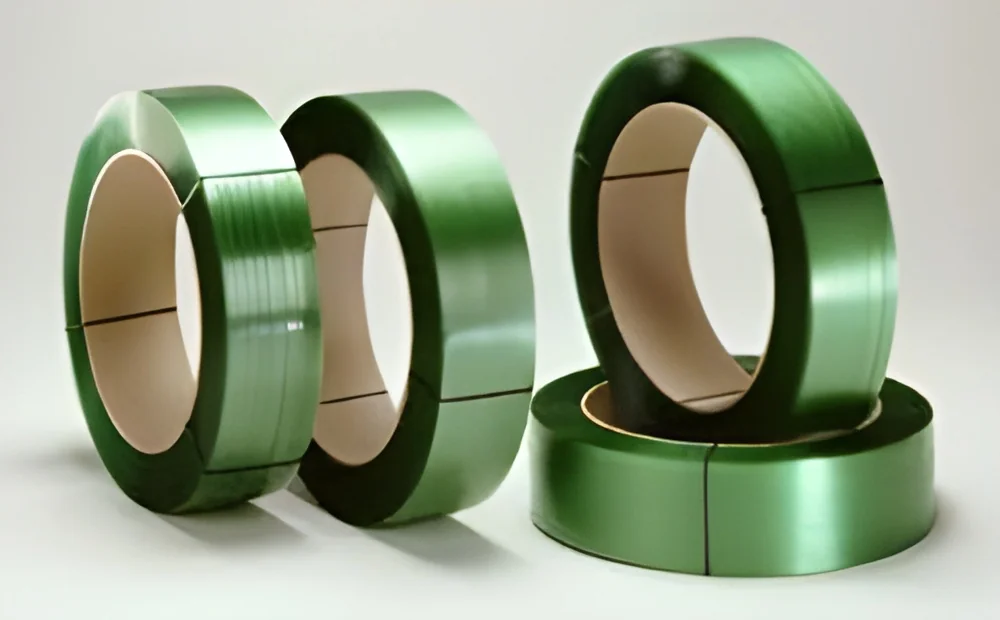
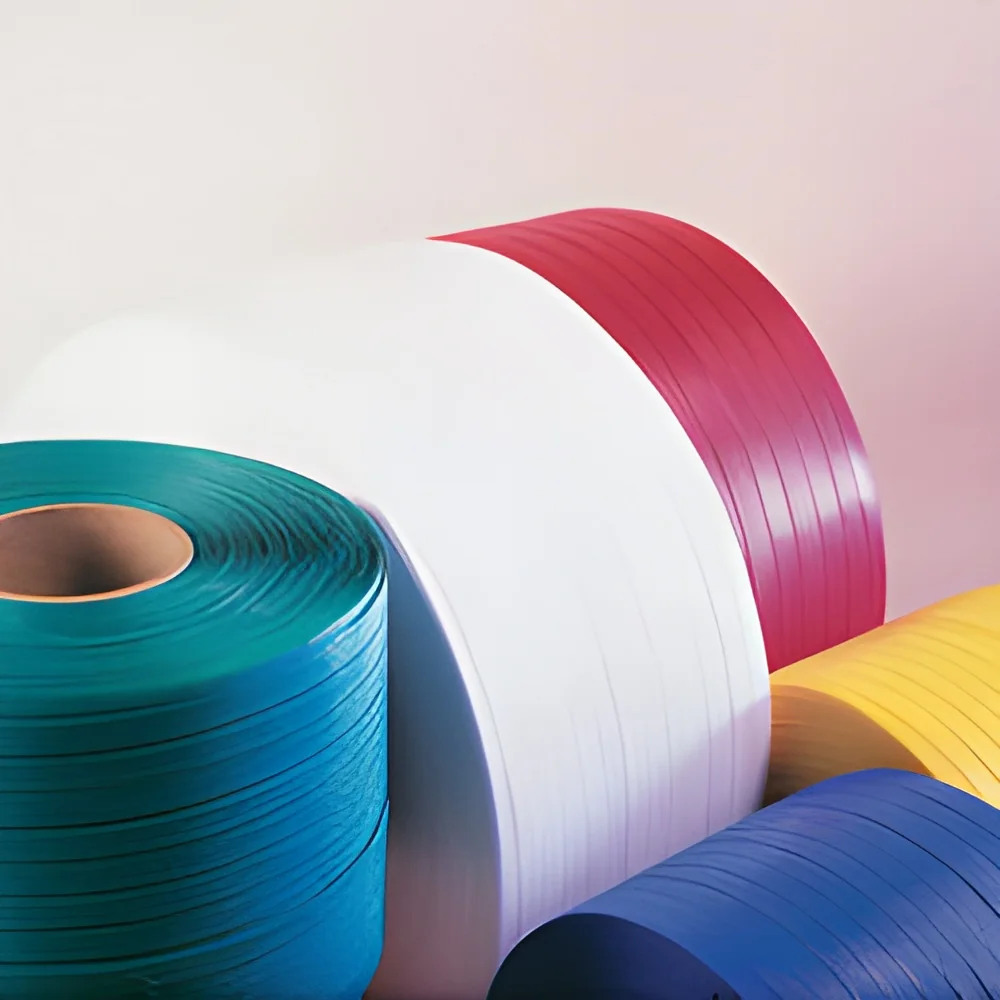
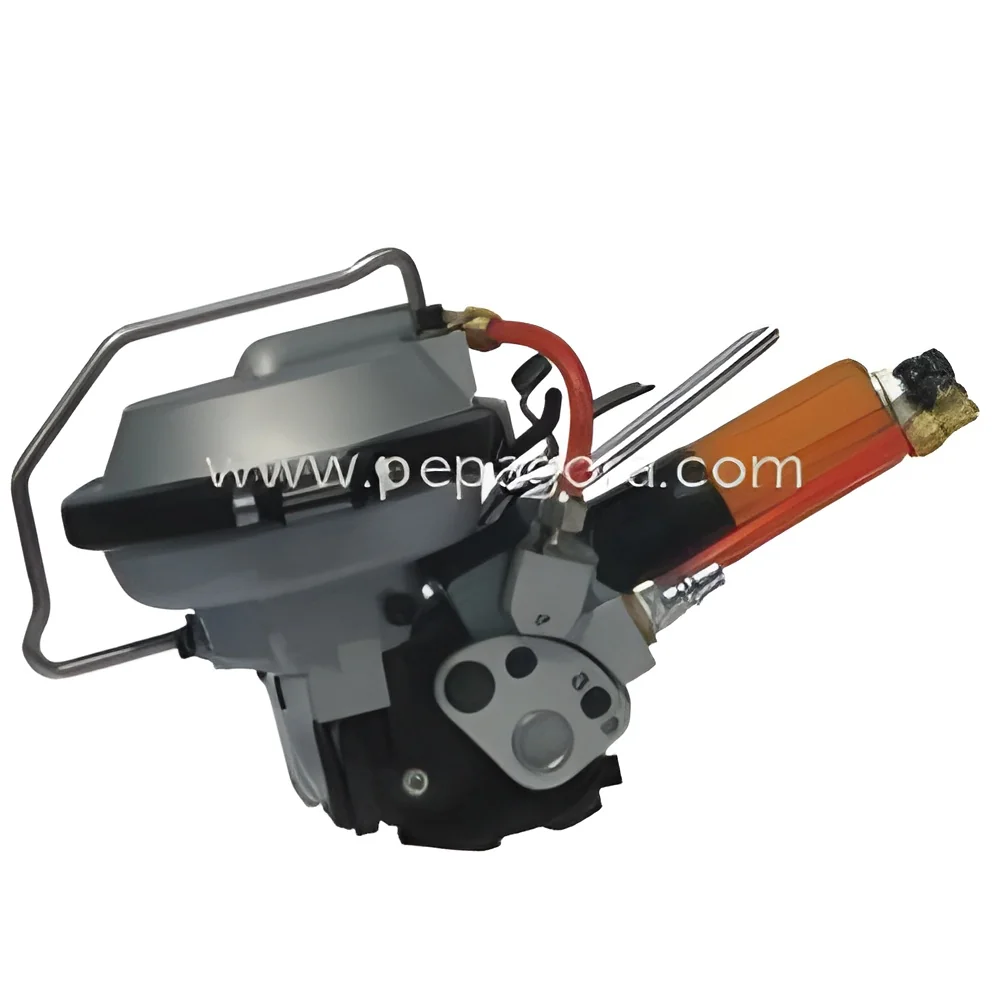
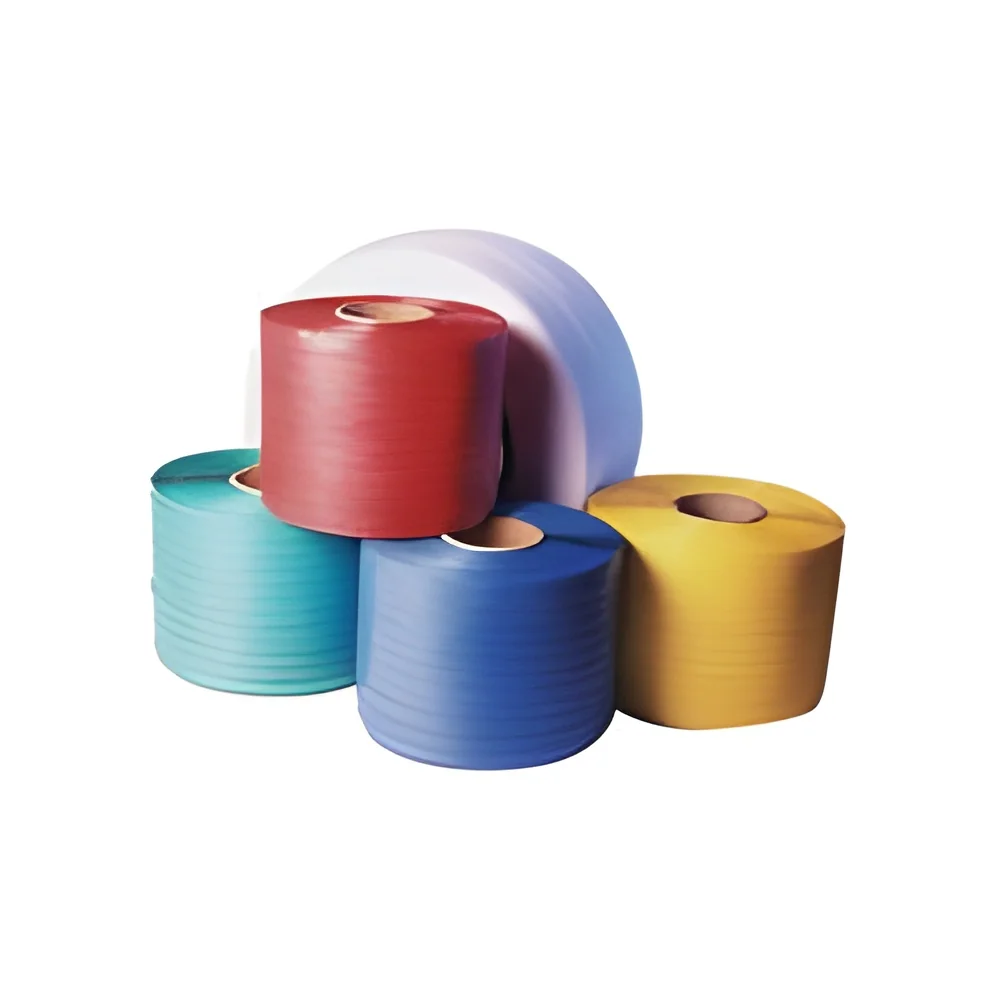
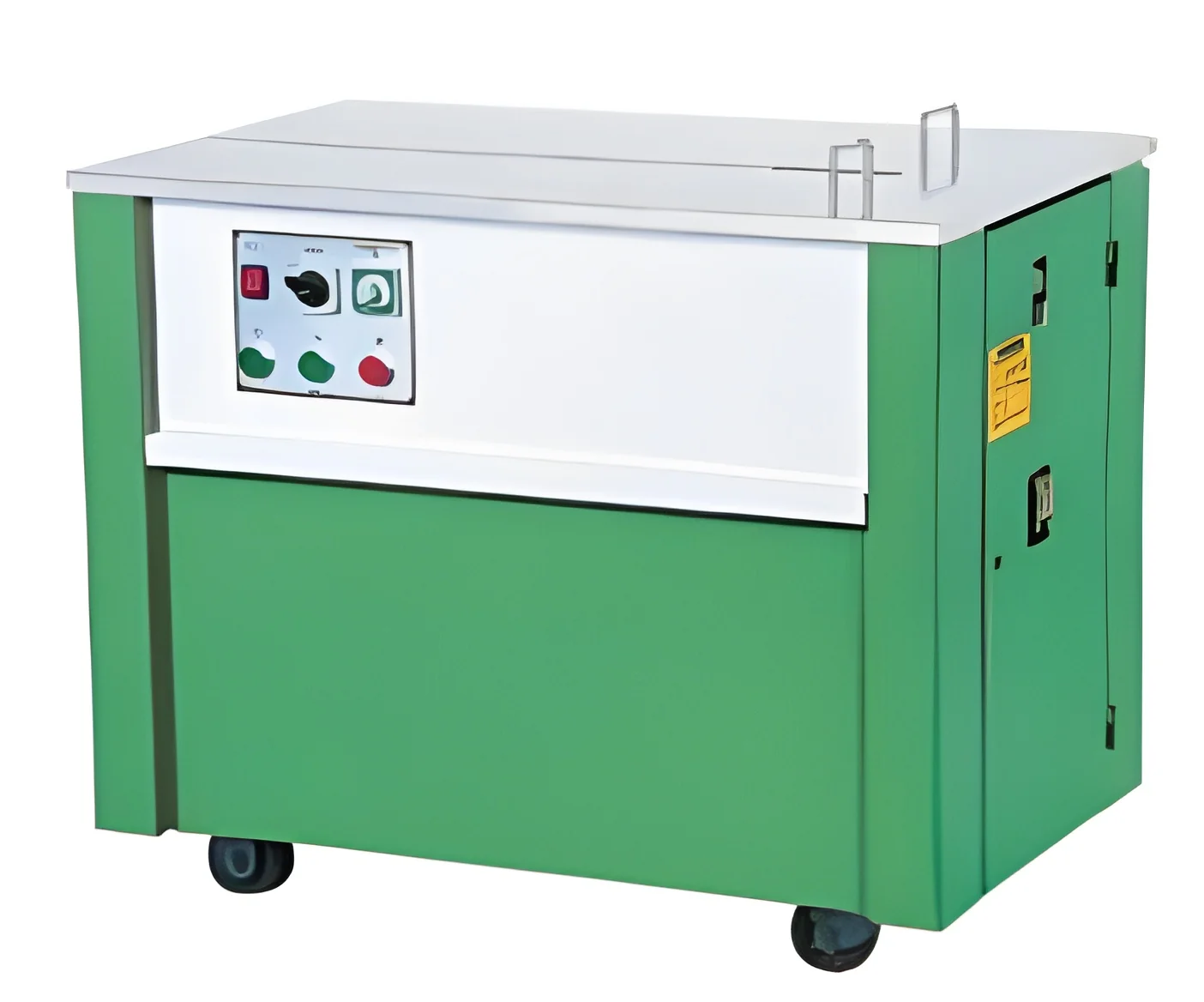
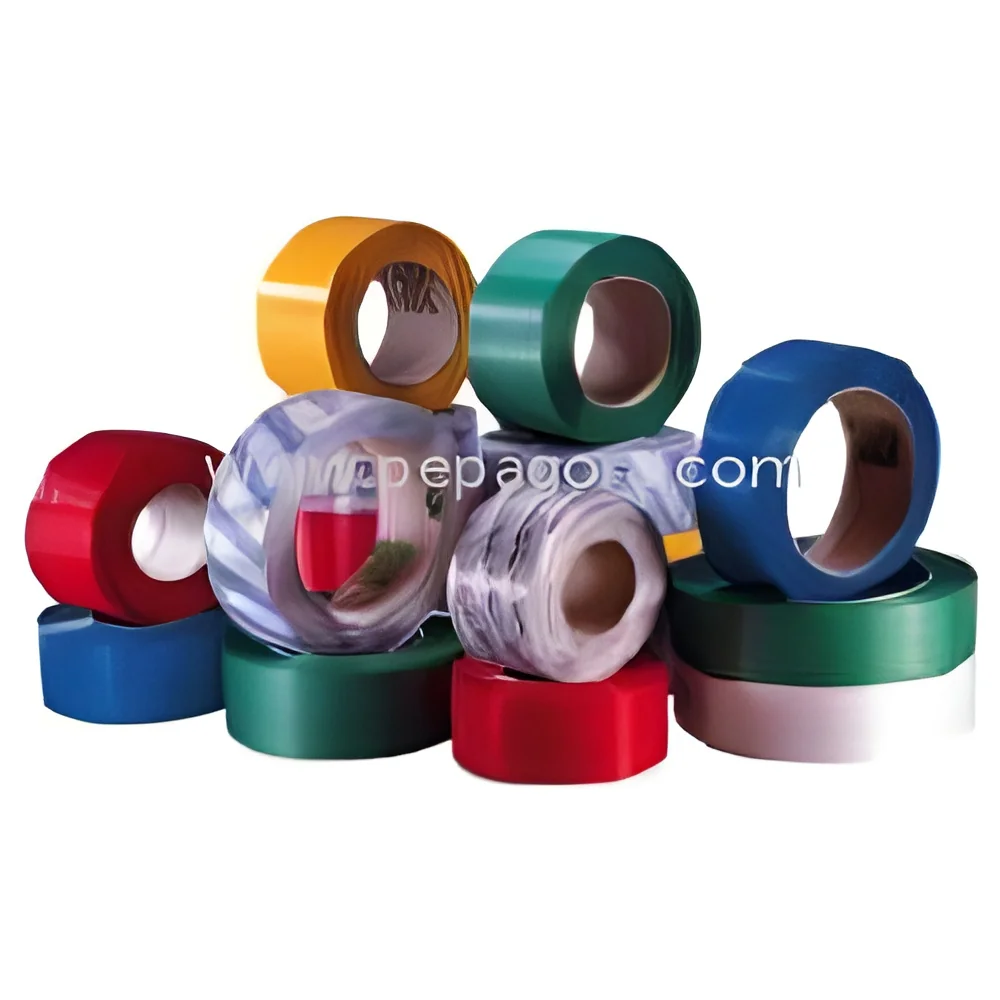
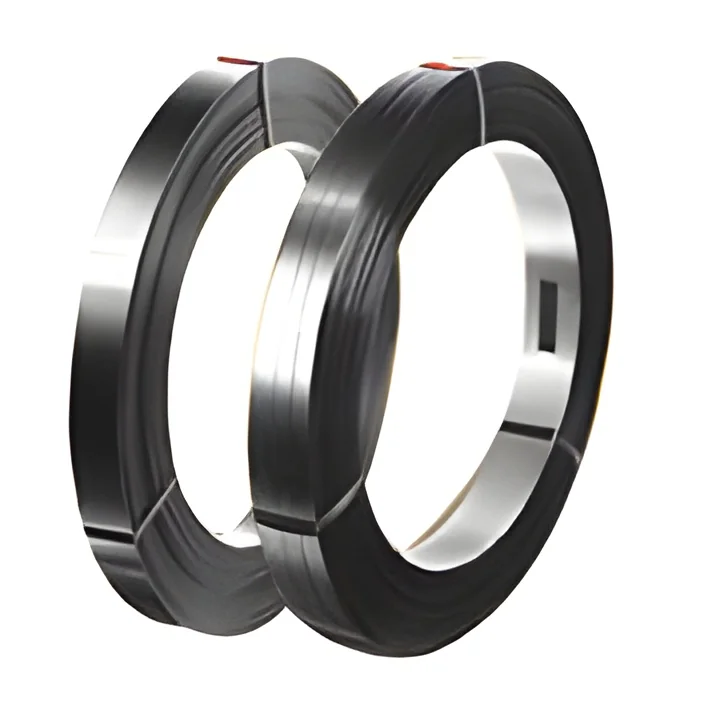
Strapping machines and tools are essential equipment used for securing products and packages with a strap, typically made of polypropylene, polyester, or steel. These machines automate the process of applying straps to various items, ensuring they remain tightly bound during storage and transportation. Strapping can prevent damage, improve load stability, and facilitate easier handling of goods.
Strapping machines and tools find applications in diverse industries, including manufacturing, logistics, and packaging. They are commonly used for bundling boxes, securing pallets, and organizing products for shipment. In manufacturing settings, strapping machines help streamline operations and enhance productivity by reducing manual labor. The ability to quickly and securely strap items is crucial for maintaining supply chain efficiency.
The relevance of strapping machines in the industrial market cannot be overstated. As businesses continue to emphasize efficiency and safety in their operations, the demand for reliable strapping solutions is on the rise. Companies are increasingly looking for advanced machines that offer speed, precision, and ease of use, which has led to innovations in strapping technology. This growing market trend highlights the importance of investing in quality strapping machines and tools.
Key Features and Specifications
Strapping machines and tools come equipped with various features designed to enhance performance and usability. Understanding these specifications is crucial for selecting the right equipment for specific business needs.
Key specifications include:
1. Strapping Material Compatibility
- Capable of using polypropylene, polyester, or steel straps
- Allows flexibility based on application requirements
2. Strap Width and Thickness
- Typically accommodates strap widths ranging from 5 mm to 19 mm
- Thickness varies, with options from 0.5 mm to 1.5 mm
3. Seal Type
- Options for heat seals, friction welds, or buckle seals
- Different seal types provide varying strength and security
4. Machine Speed
- Average strapping speed ranges from 2 to 40 cycles per minute
- Higher speeds improve efficiency in high-volume settings
5. Power Source
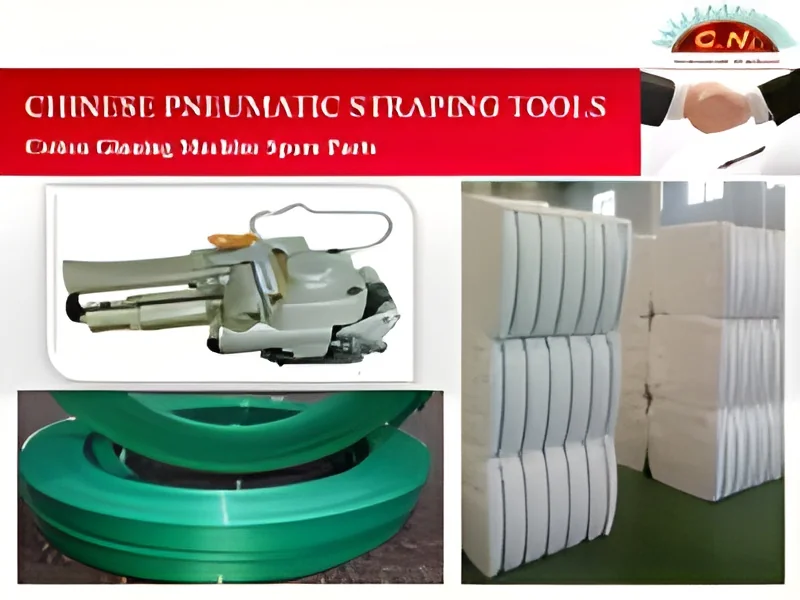
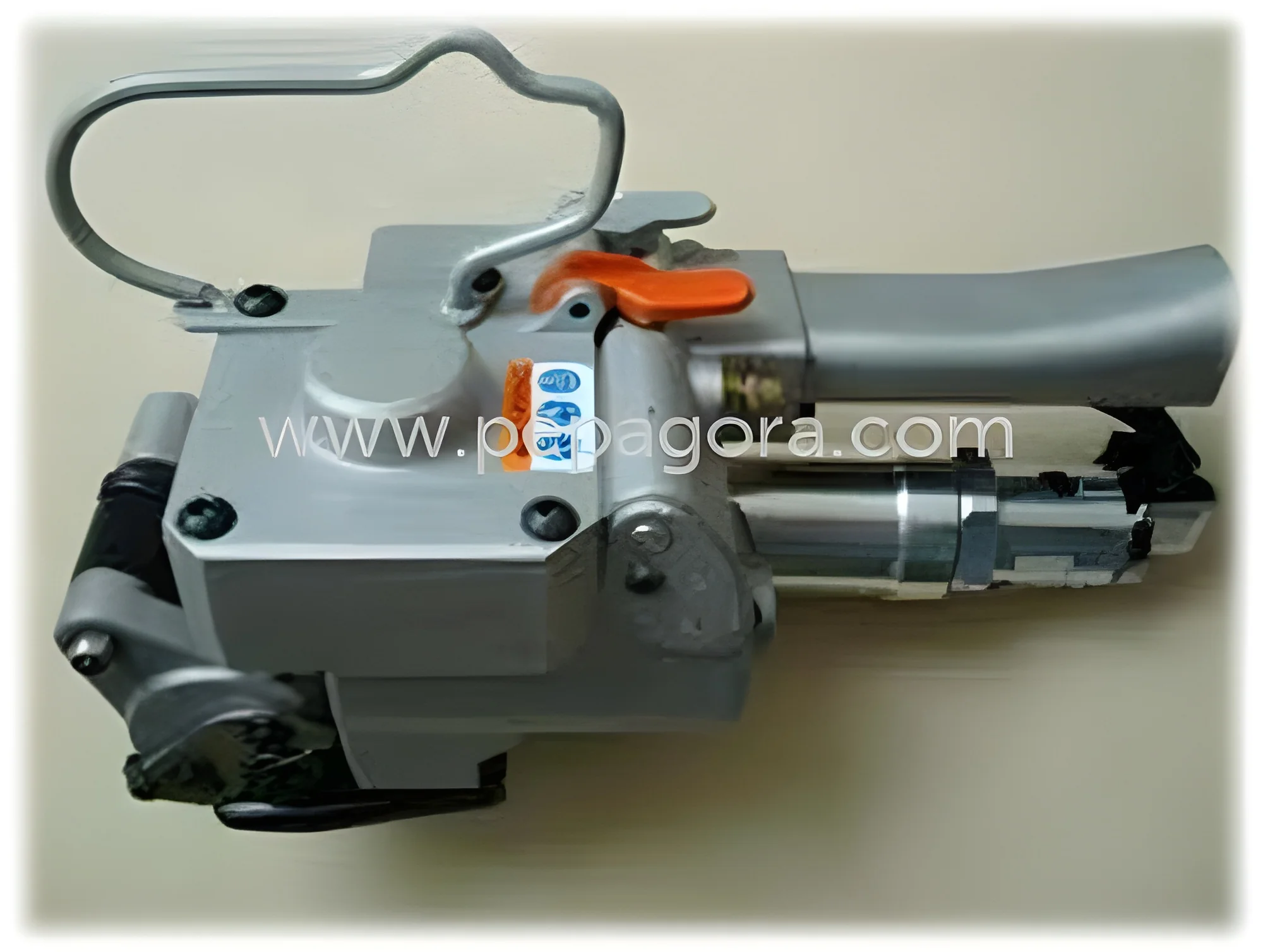
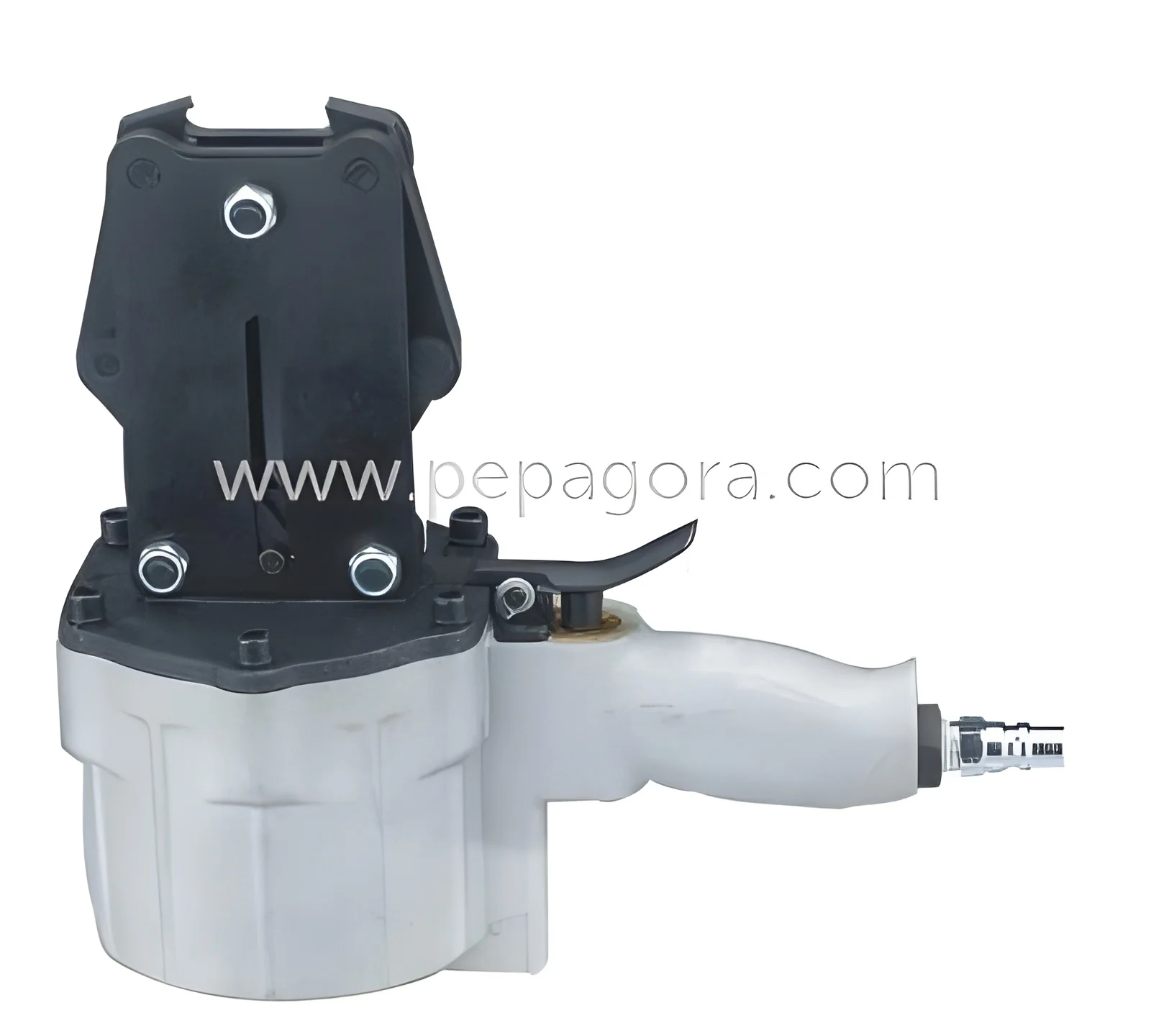
- Options include electric, pneumatic, or manual operation
- Electric models provide automation, while manual tools offer portability
6. Control Interface
- User-friendly controls for easy operation
- Digital displays for monitoring and adjustments
7. Frame Construction
- Durable materials like steel or aluminum for long-lasting performance
- Compact designs for saving space in production areas
8. Safety Features
- Emergency stop buttons and protective guards
- Ensures operator safety during machine use
In summary, selecting the right strapping machine or tool involves understanding these specifications and how they align with operational needs.
Common Applications and Use Cases
Strapping machines and tools serve a wide range of industries, ensuring the secure packaging of products for safe transport and storage.
1. Manufacturing: In manufacturing, strapping is essential for bundling products together, ensuring they remain intact during shipping and storage. Automated strapping machines enhance productivity by quickly processing large volumes.
2. Logistics: In logistics, these tools are used to secure pallets and packages before distribution. This prevents shifting during transportation and helps maintain the integrity of the goods.
3. Retail: Retail businesses utilize strapping tools to bundle merchandise for shipment. This practice allows for better organization and reduces the risk of damage during transit.
4. Construction: In the construction industry, strapping is used to secure building materials such as lumber and tiles. Proper strapping is vital for safe delivery to job sites.
5. Food and Beverage: Strapping is crucial in the food industry for packaging items like cans and cases, ensuring compliance with safety regulations during transport.
6. Electronics: In the electronics sector, strapping machines help secure delicate items, preventing damage from vibrations or impacts during shipping.
7. Pharmaceuticals: In pharmaceuticals, strapping tools ensure that medical supplies are securely packaged, maintaining their integrity throughout the supply chain.
Product Variants and Subcategories
Strapping machines and tools come in various types to cater to different operational needs. Each variant has unique features designed for specific applications.
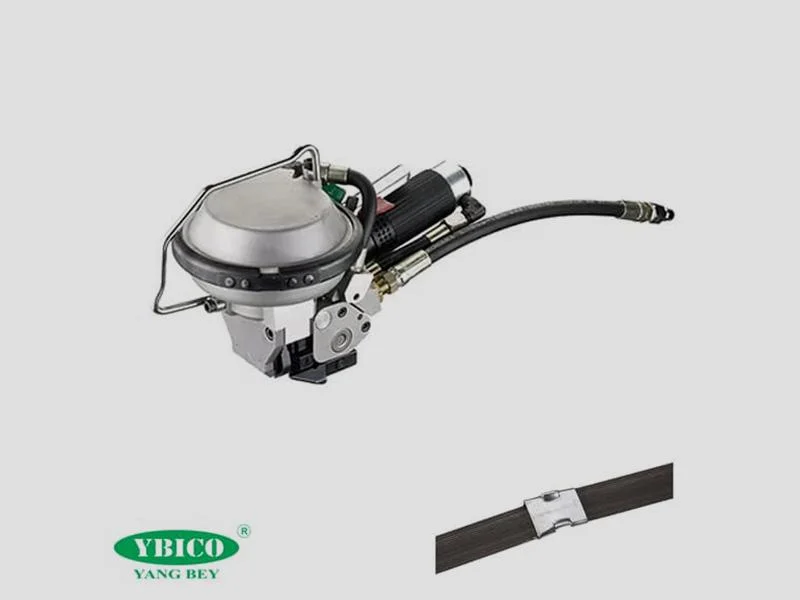
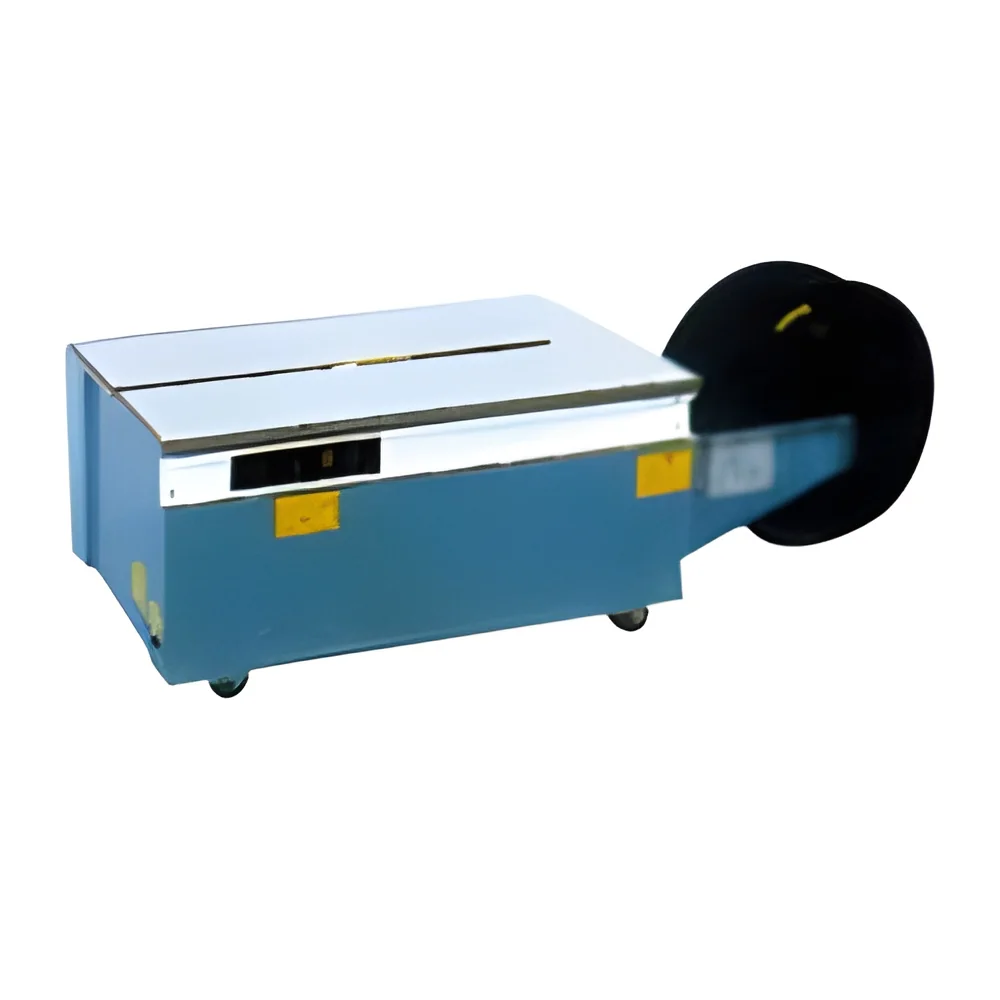
Semi-Automatic Strapping Machines: These machines require minimal manual input, allowing operators to load items while the machine takes care of the strapping process. They are ideal for medium to high-volume operations.
Automatic Strapping Machines: These models offer fully automated strapping solutions, integrating seamlessly into production lines. They are designed for high-speed operations and are suitable for large-scale manufacturing environments.
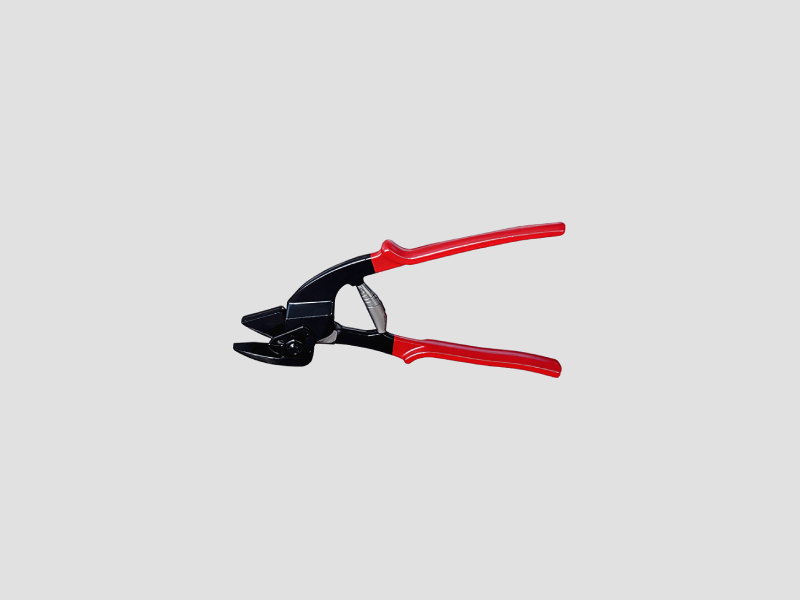
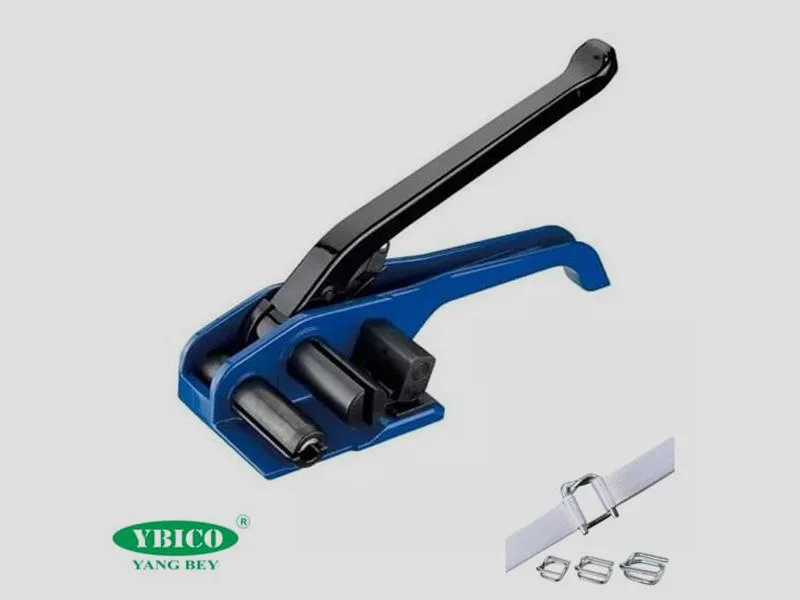
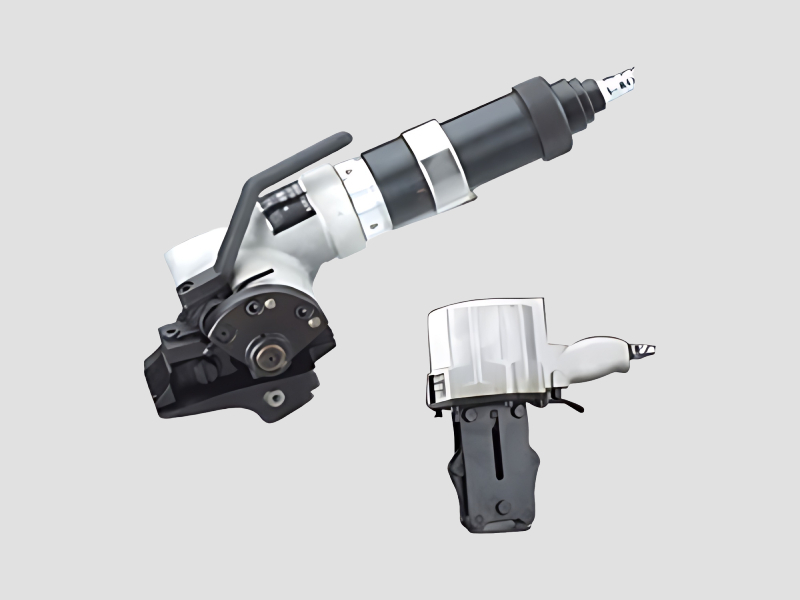
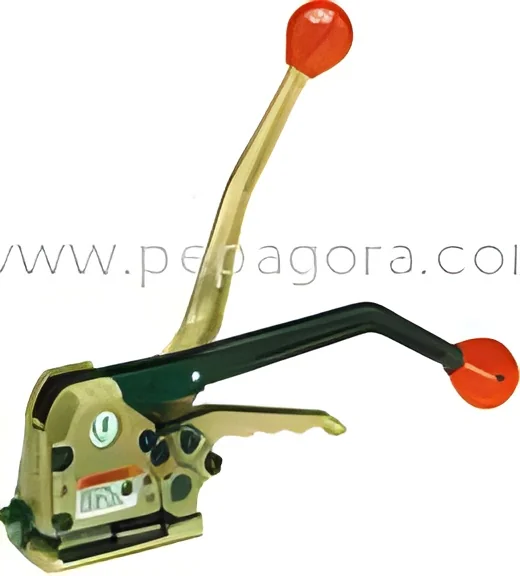
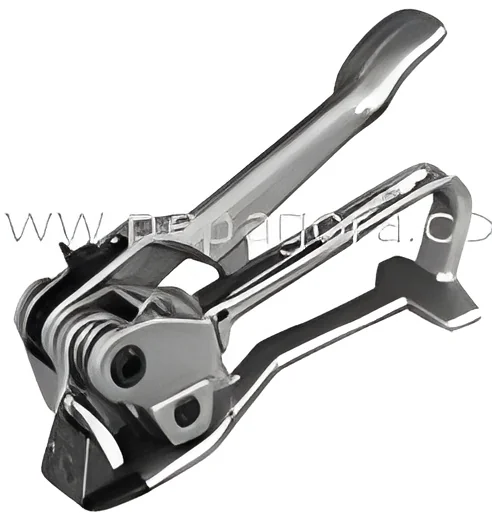
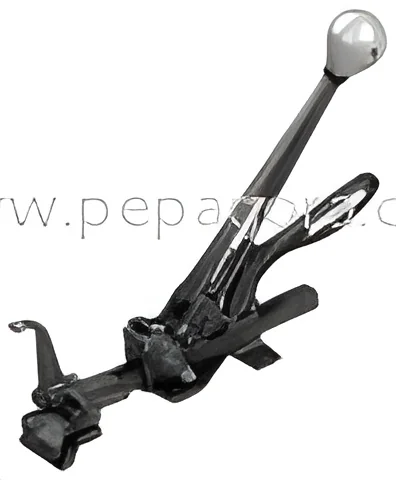
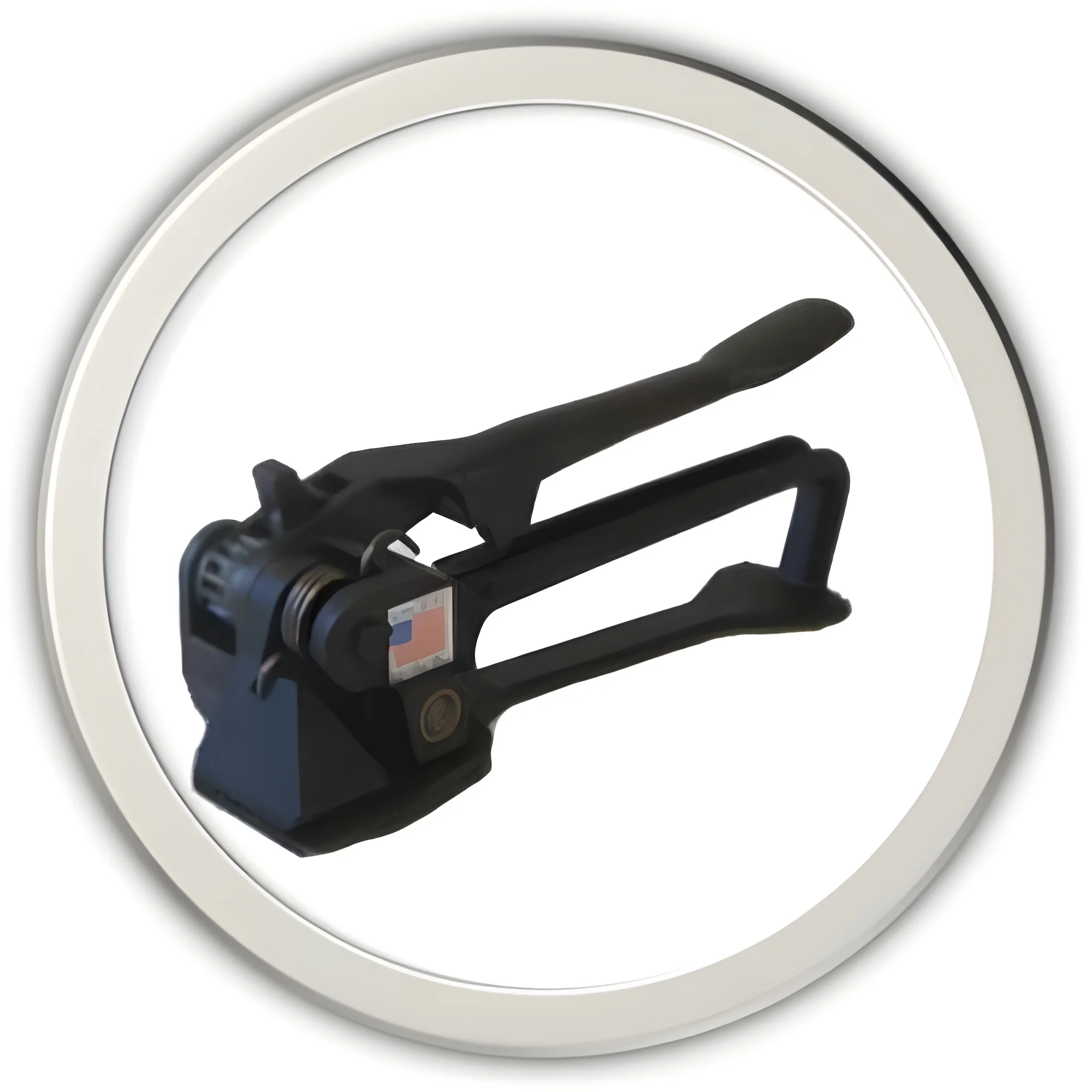
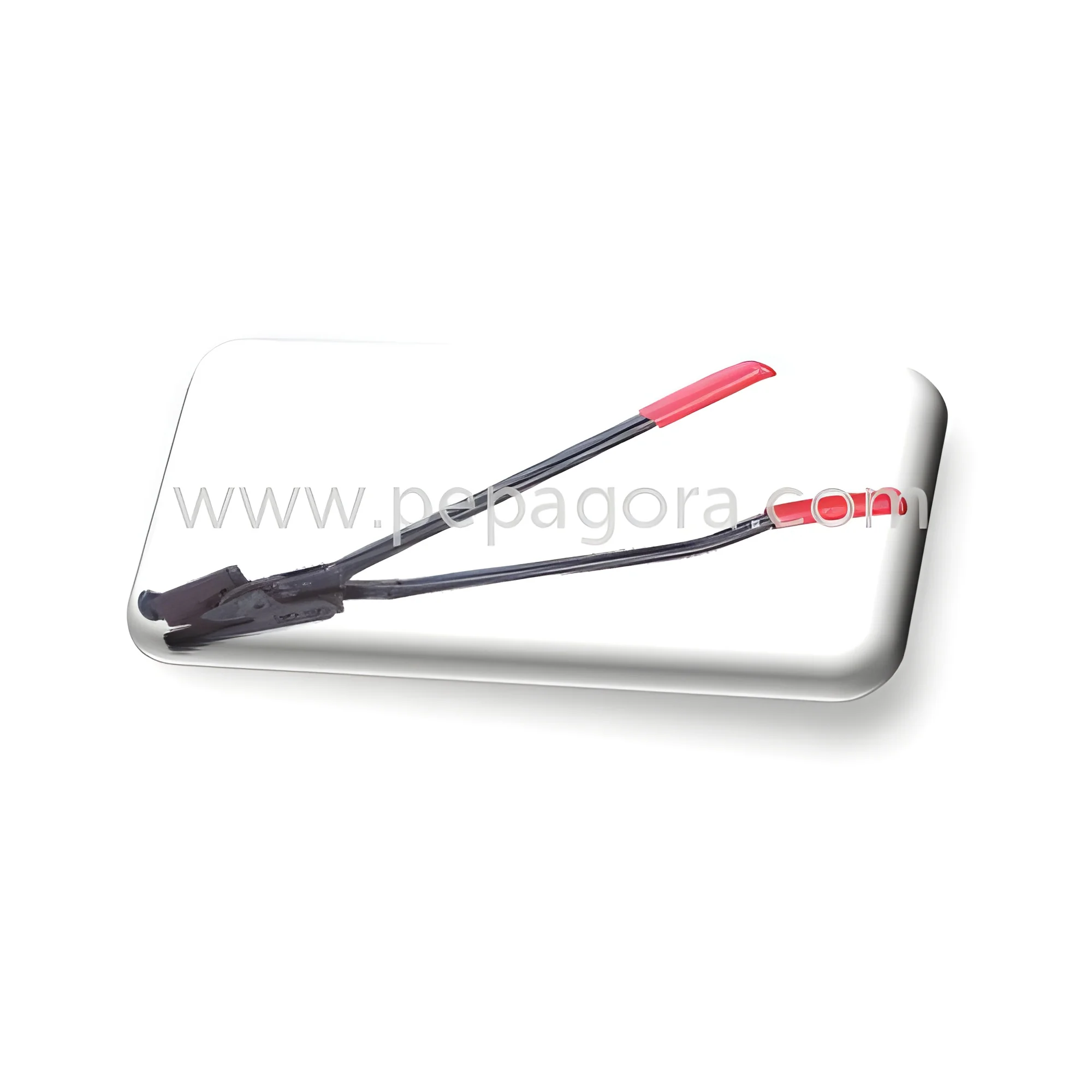
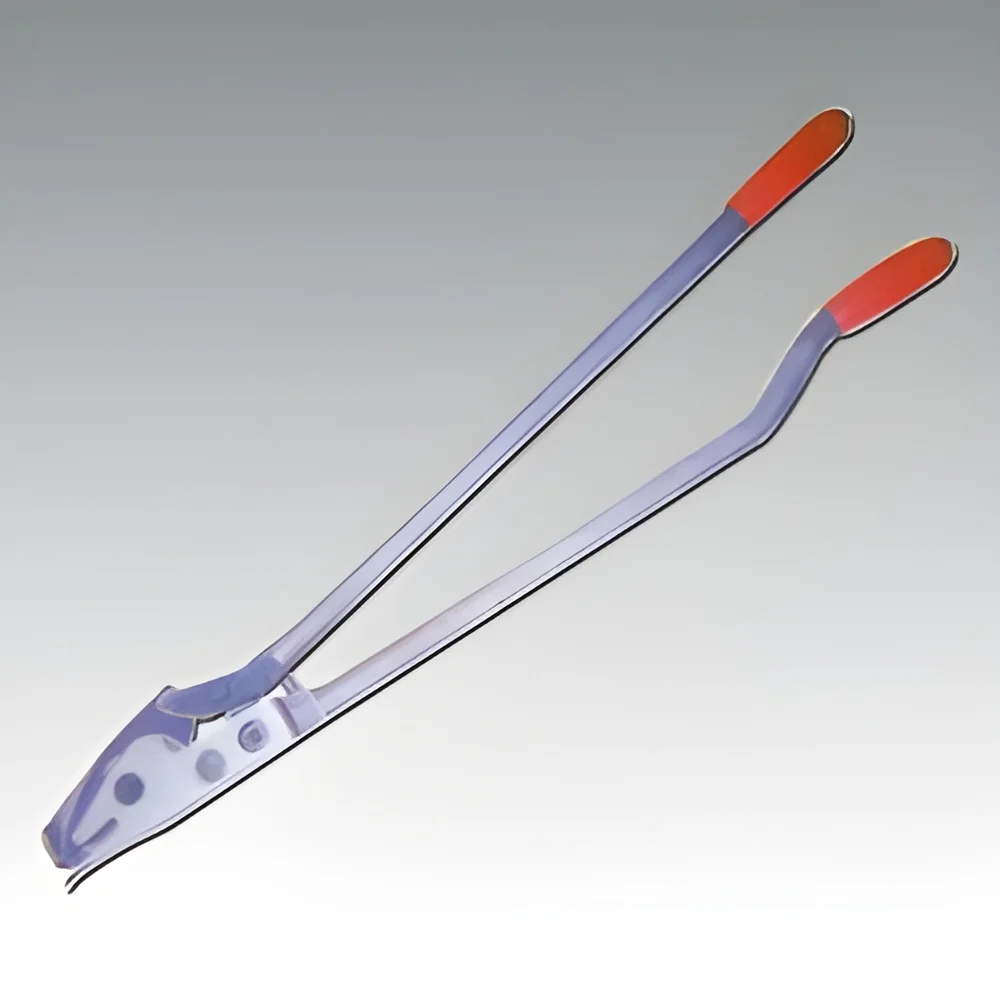
Handheld Strapping Tools: These portable tools are perfect for smaller operations or on-site use. They provide flexibility and ease of use, making them ideal for businesses that require occasional strapping without investing in larger machinery.
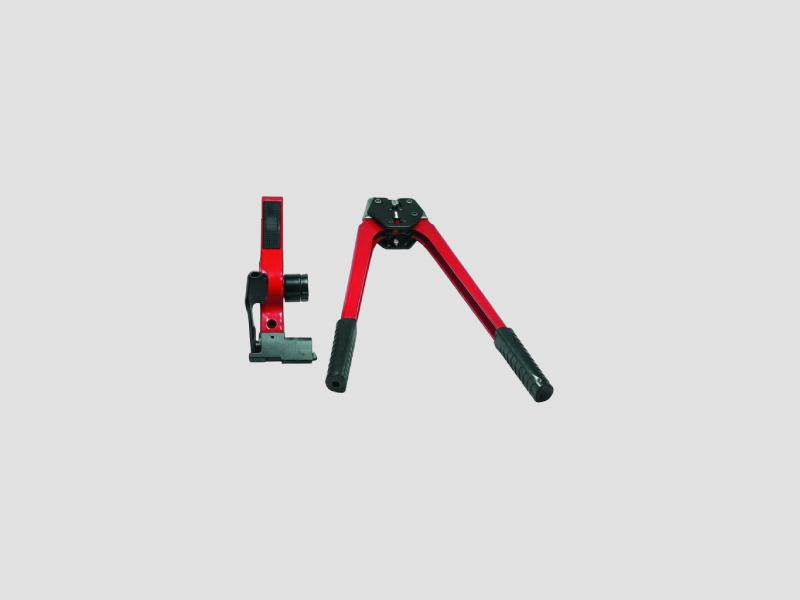
Manual Strapping Tools: These tools are cost-effective options for businesses that need to strap smaller quantities. They require physical effort to operate but are reliable and easy to use.
Benefits and Advantages
Investing in strapping machines and tools offers several key benefits that enhance operational efficiency and product safety.
1. Increased Efficiency: Automated strapping machines significantly reduce the time needed for packaging, allowing businesses to process orders faster.
2. Cost Savings: By minimizing labor costs and reducing material waste, strapping machines can lead to substantial savings in the long run.
3. Improved Load Stability: Properly strapped items are less likely to shift during transport, reducing the risk of damage and ensuring goods arrive in pristine condition.
4. Versatility: Strapping machines can accommodate various strap materials and sizes, making them suitable for a wide range of applications across different industries.
5. Enhanced Safety: By automating the strapping process, the risk of workplace injuries decreases, creating a safer environment for employees.
6. Consistency: Strapping machines ensure uniform tension and secure seals, resulting in high-quality packaging that meets industry standards.
Buying Guide for B2B Buyers
When sourcing strapping machines and tools, it is essential for B2B buyers to consider several factors to make informed decisions.
1. Quality Assessment: Buyers should evaluate the quality of machines by reviewing specifications, build materials, and customer testimonials. This ensures the equipment will meet operational demands.
2. Supplier Verification: It is crucial to vet suppliers for reliability and reputation. Look for established companies with a proven track record in providing quality strapping solutions.
3. Pricing and MOQ: Understand the pricing structures and minimum order quantities before making purchases. This helps in budgeting and ensures that the investment is worthwhile.
4. Delivery and Lead Times: Consider logistics and delivery schedules, ensuring that the supplier can meet required timelines for production needs.
5. Compliance Requirements: Verify that the strapping machines meet relevant industry standards and regulations. This ensures compliance and avoids potential legal issues.
Compliance and Certifications
Strapping machines and tools must adhere to various quality standards and certifications to ensure safety and reliability.
ISO 9001 is a key quality management standard that ensures manufacturers maintain consistent quality in their processes. Compliance with this standard indicates a commitment to quality management practices.
CE certification is crucial for products sold in the European market. It signifies that the equipment meets safety and health protection requirements, allowing for easier access to European markets.
Safety and testing requirements are fundamental in the manufacturing of strapping machines. They should undergo rigorous testing to ensure they operate safely and efficiently under expected conditions.
Regional compliance considerations also play a role, as different regions may have specific regulations or standards that must be adhered to. Buyers should be aware of these requirements when sourcing equipment.
Why Source Strapping Machines & Tools from Pepagora?
Pepagora provides a trusted platform for sourcing strapping machines and tools, offering several advantages for B2B buyers.
Verified Supplier Network: Pepagora features a network of verified suppliers, ensuring that buyers can access high-quality products from reputable manufacturers. This reduces the risk associated with sourcing equipment.
Streamlined RFQ Process: The platform simplifies the request for quotation process, allowing buyers to receive competitive quotes from multiple suppliers quickly. This saves time and helps in making informed purchasing decisions.
Trade Assurance and Support: Pepagora offers buyer protection through trade assurance programs, ensuring that transactions are secure and that buyers receive the products as promised.
Regional Coverage: With a strong presence in India, the GCC, and Southeast Asia, Pepagora facilitates access to a diverse range of suppliers, catering to various regional needs while promoting cross-border trade.

 IN
IN