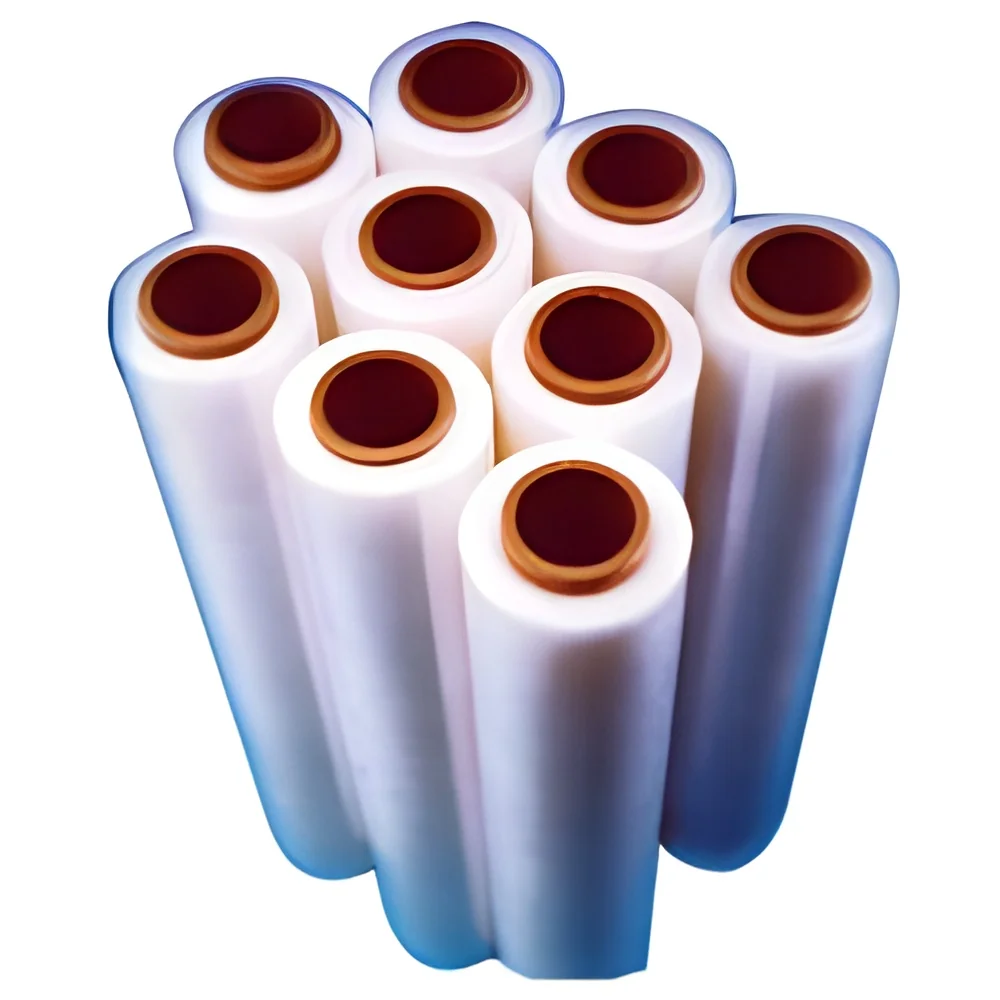
What are Stretch Film & Shrink Wrap?
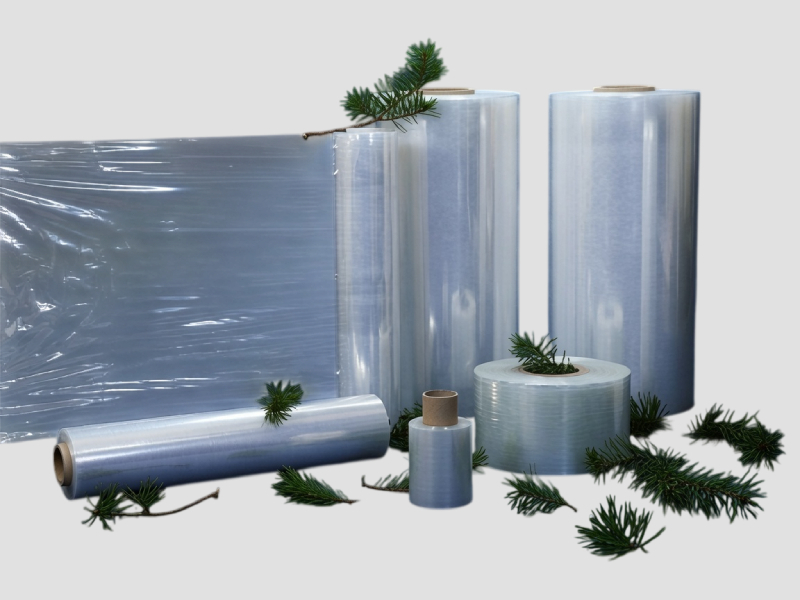
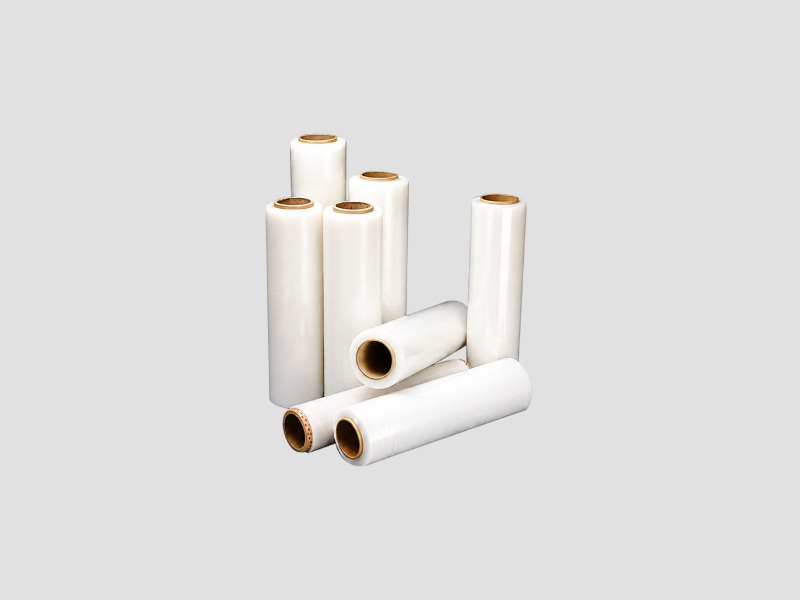
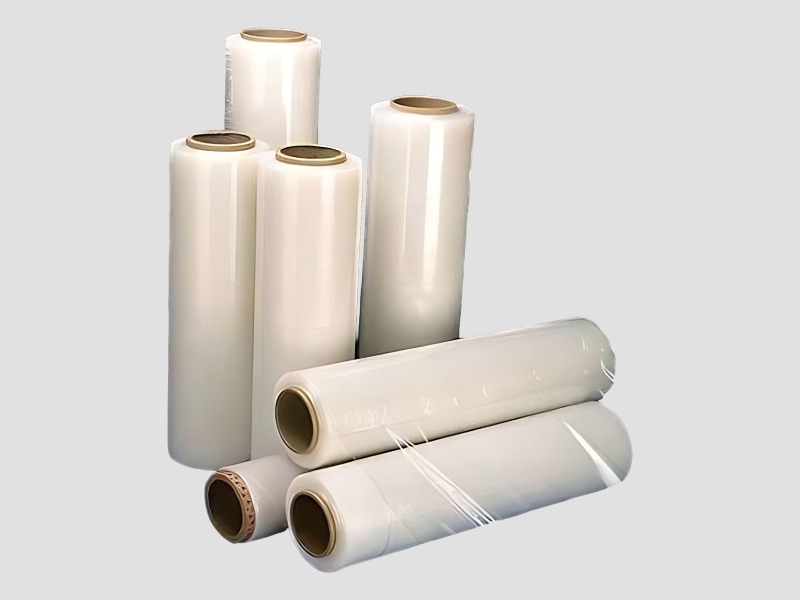
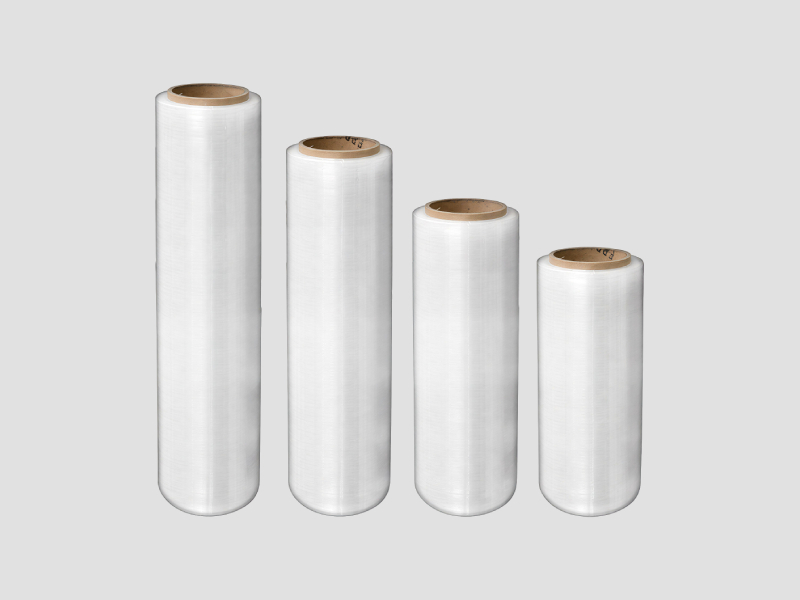
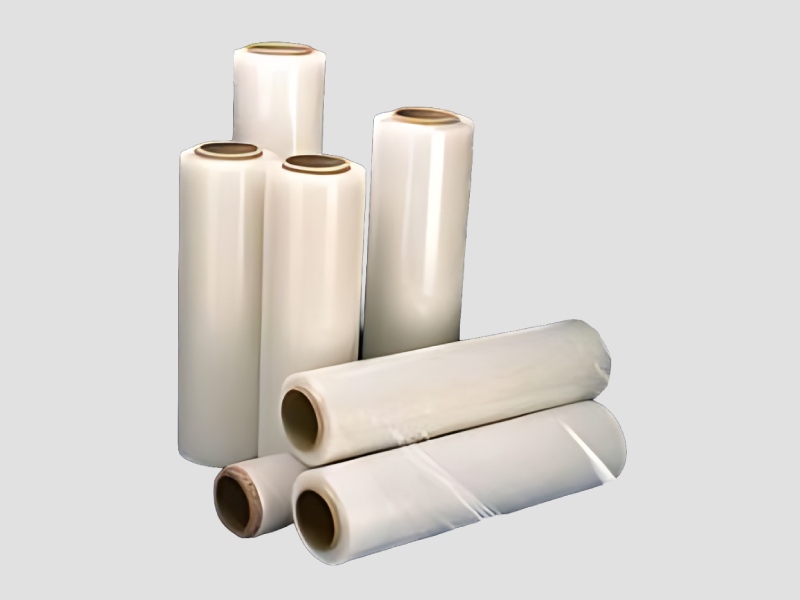
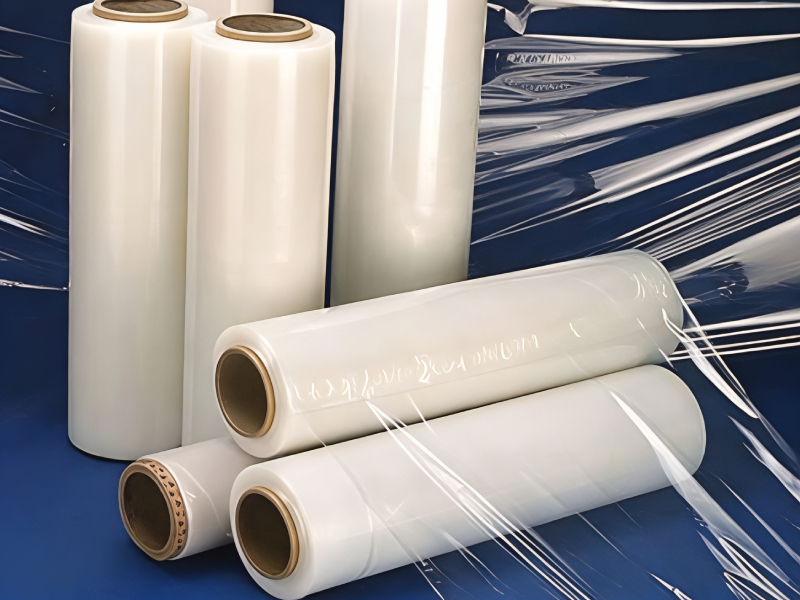
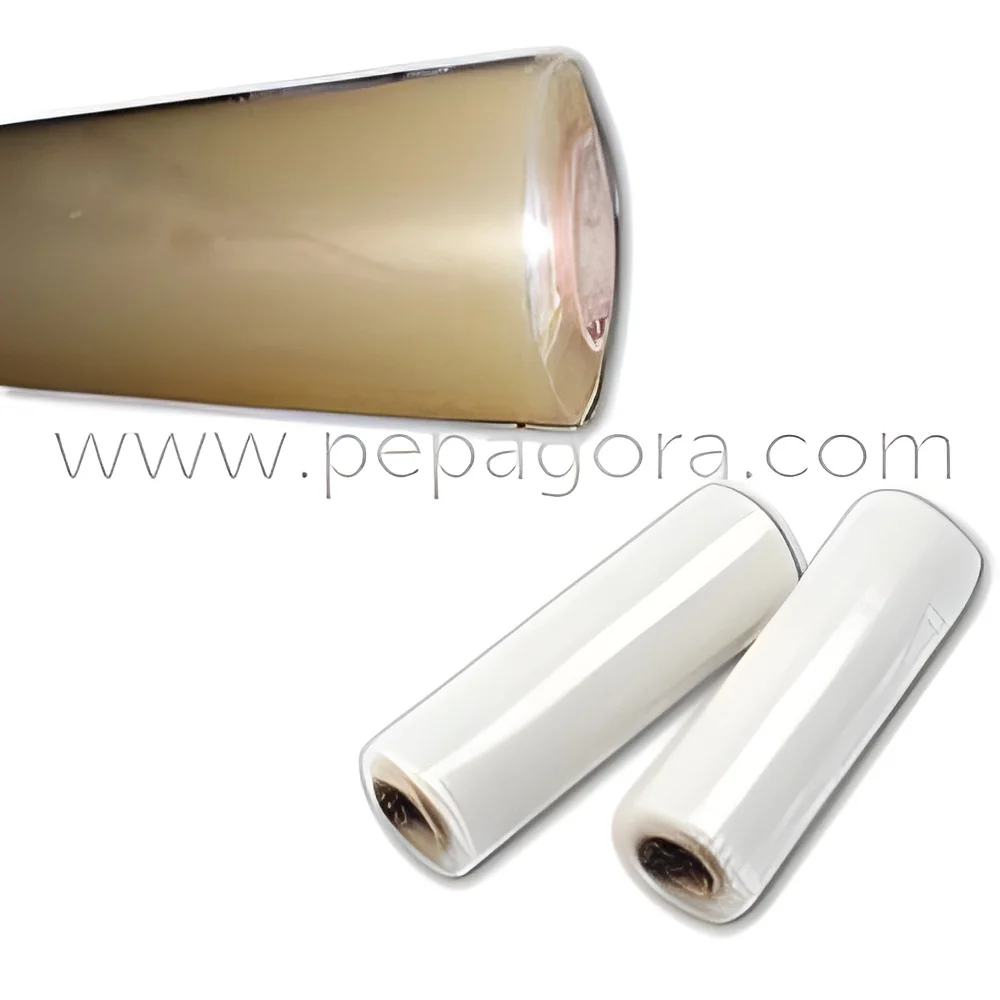
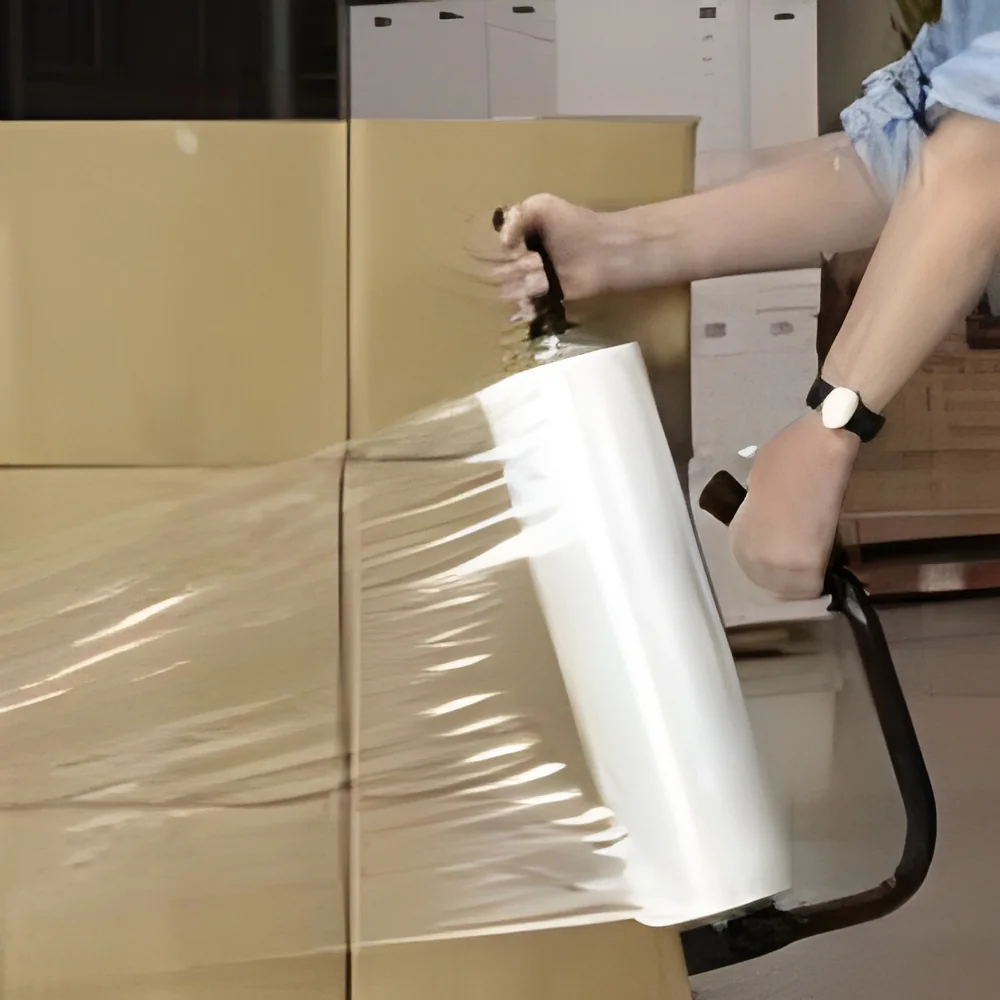
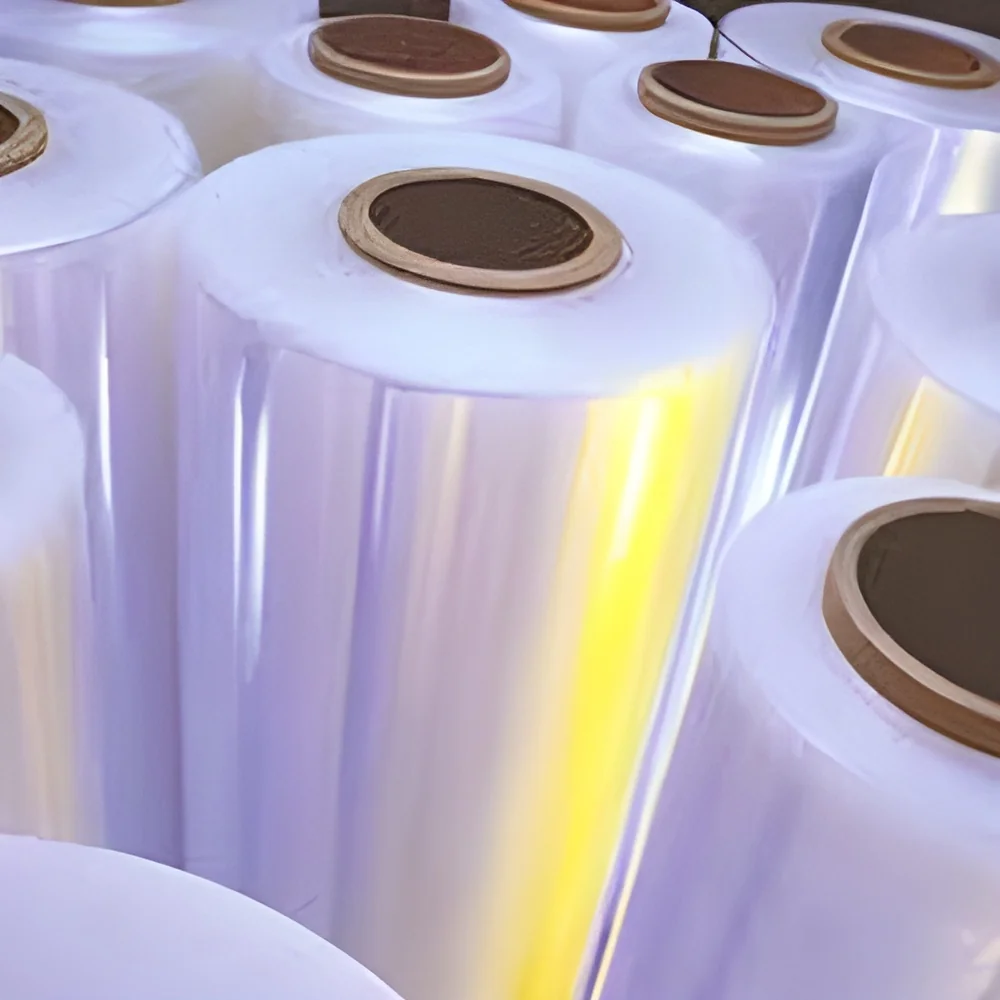
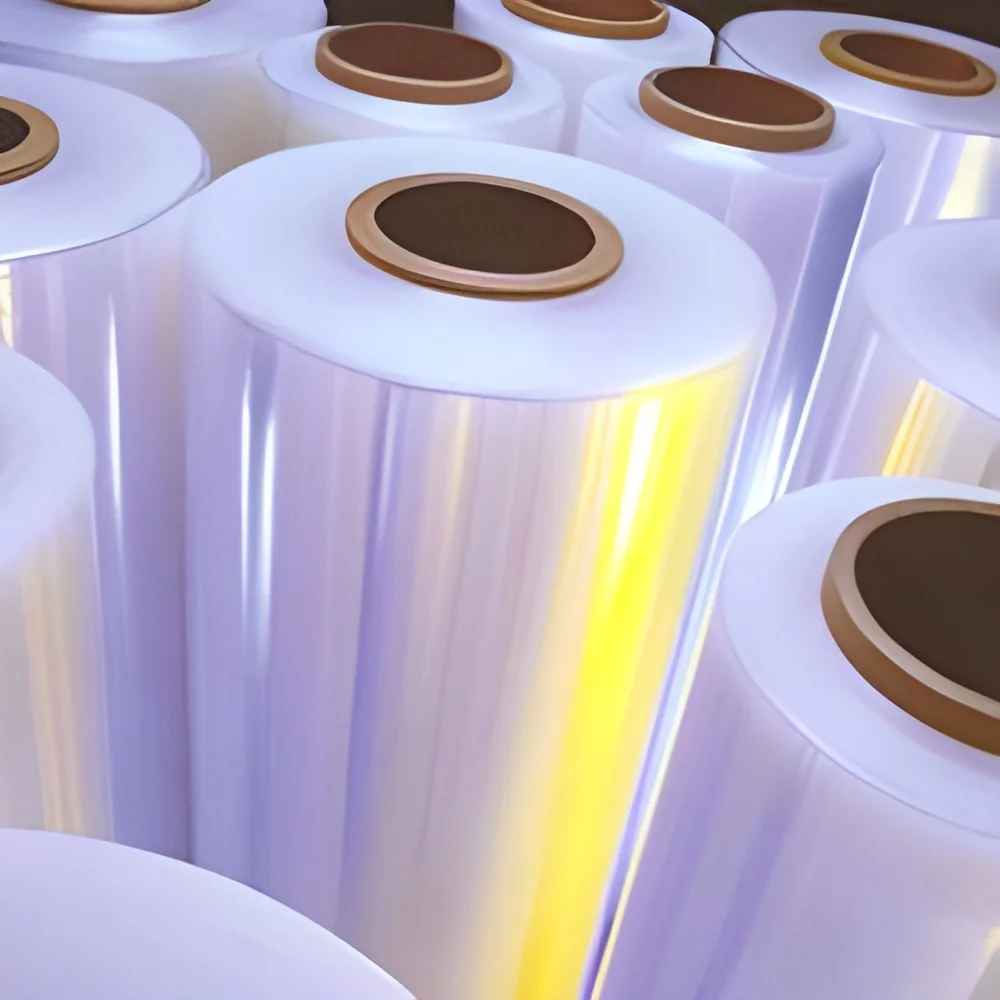
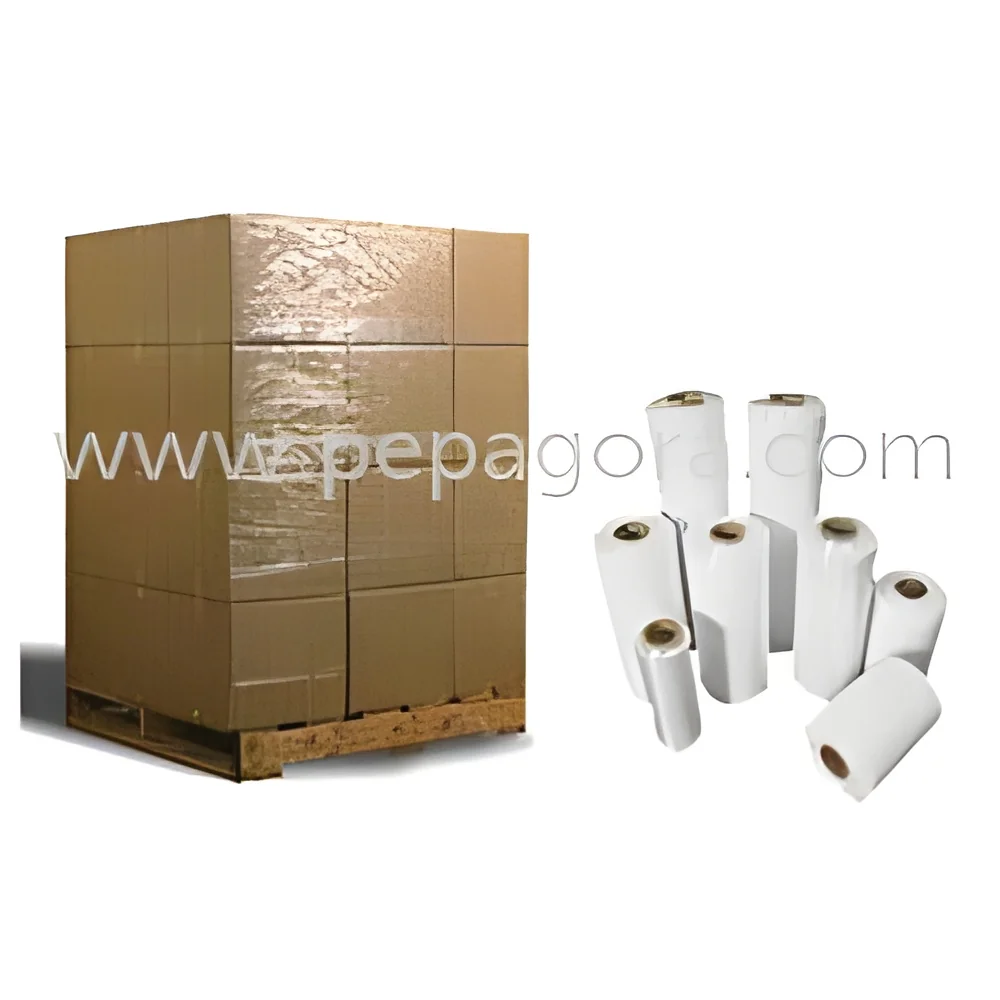
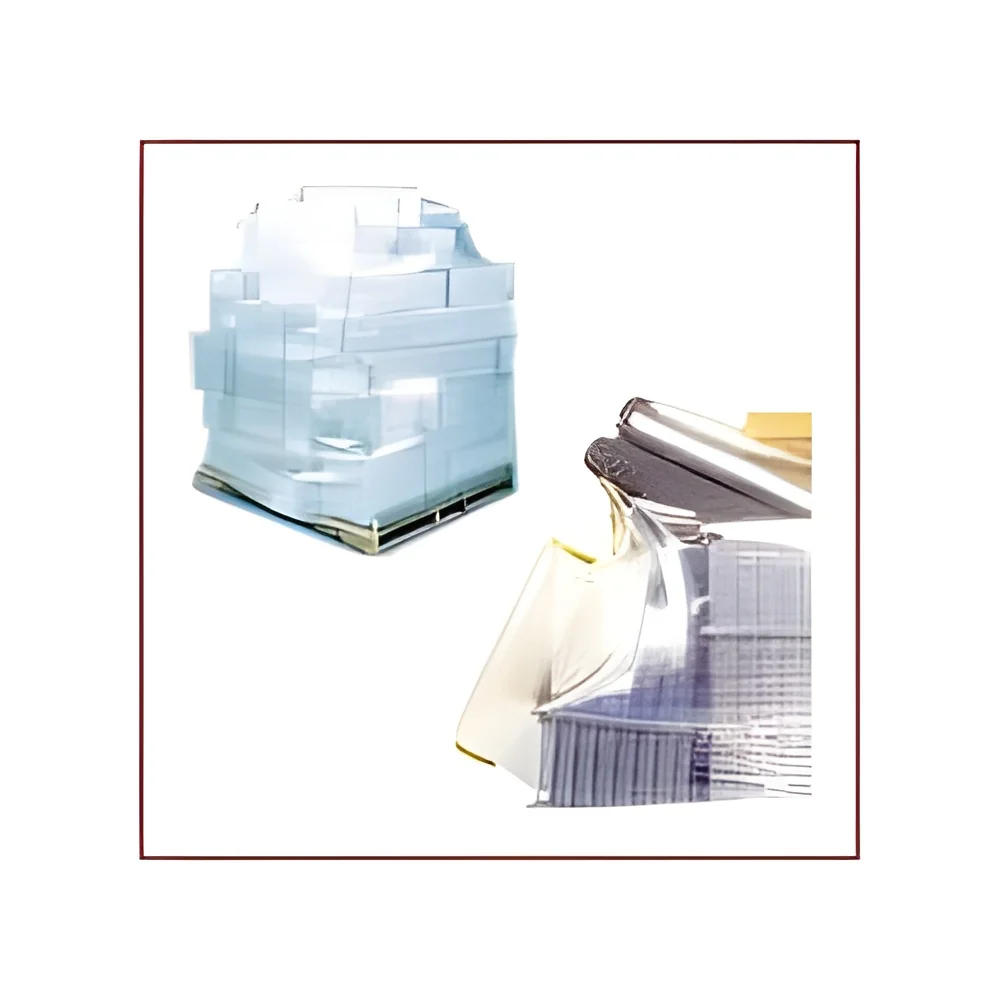
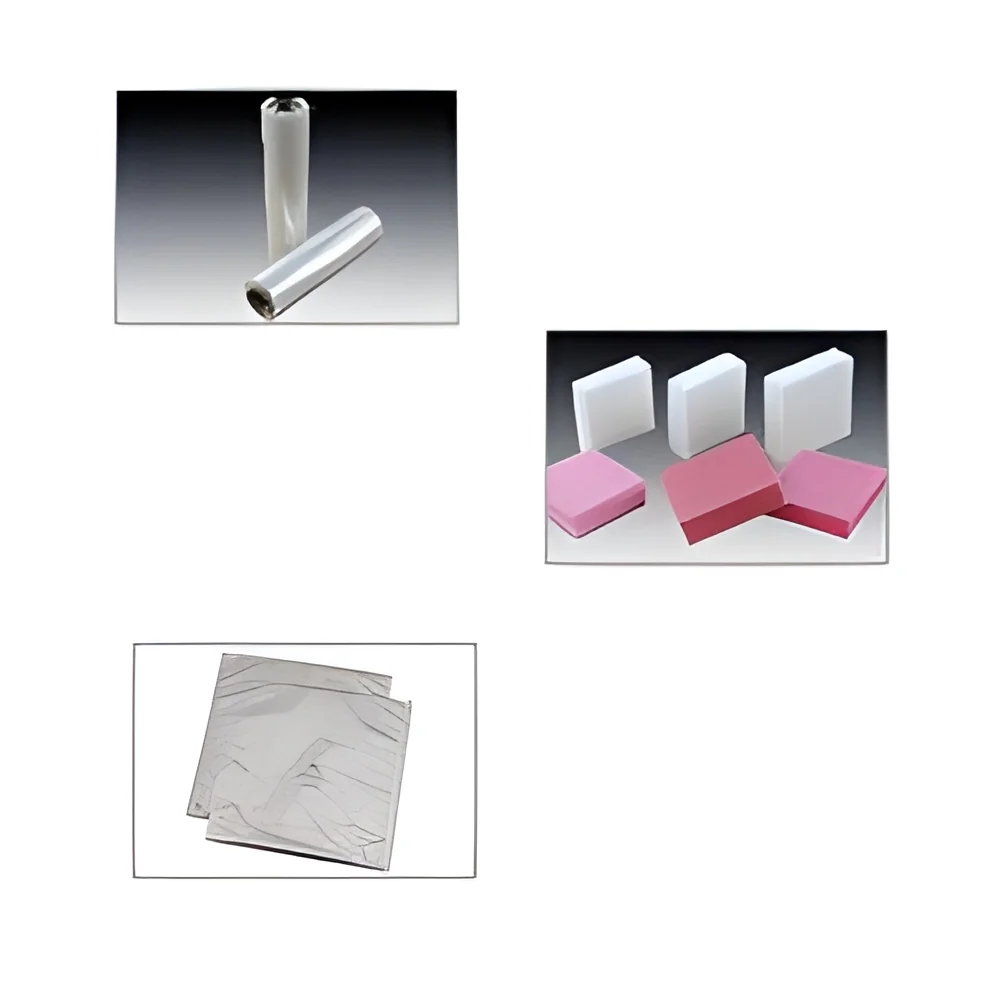
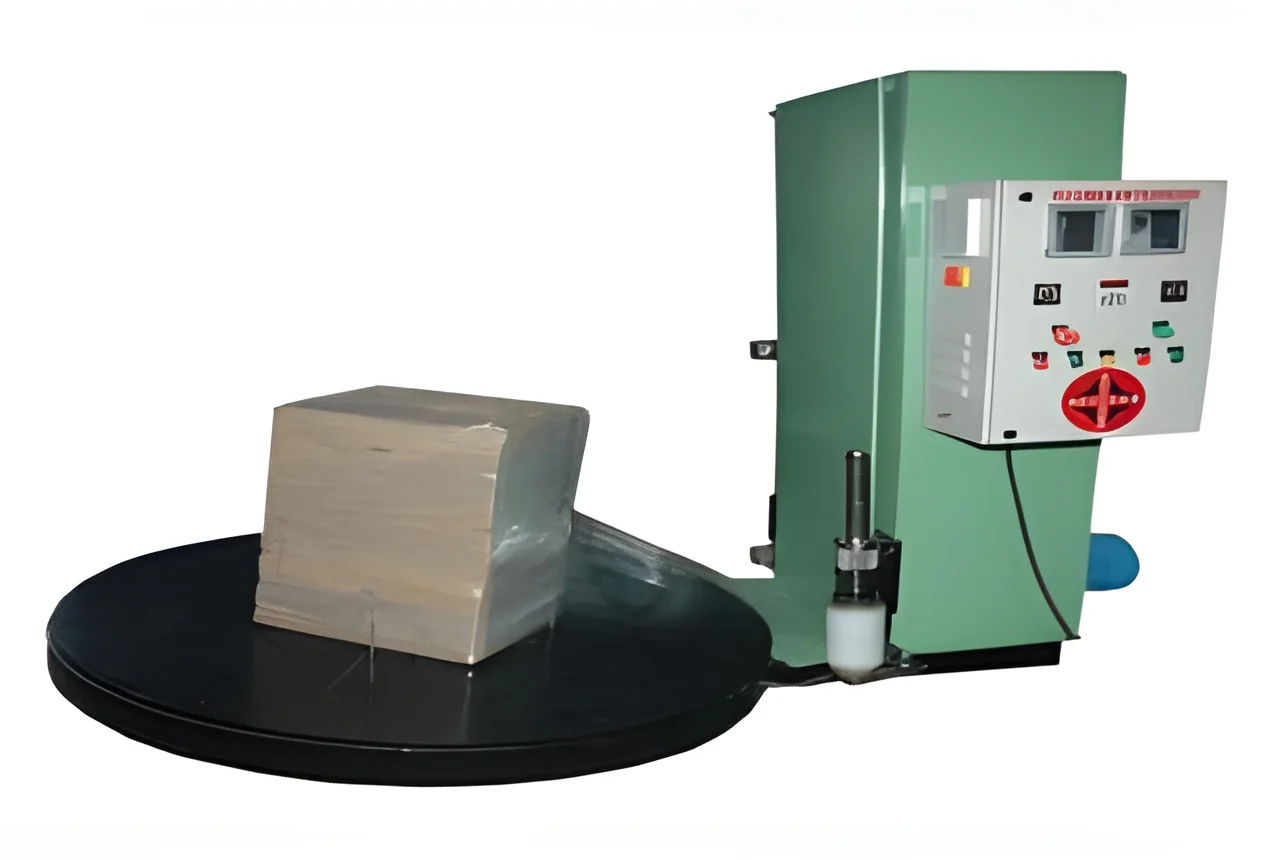
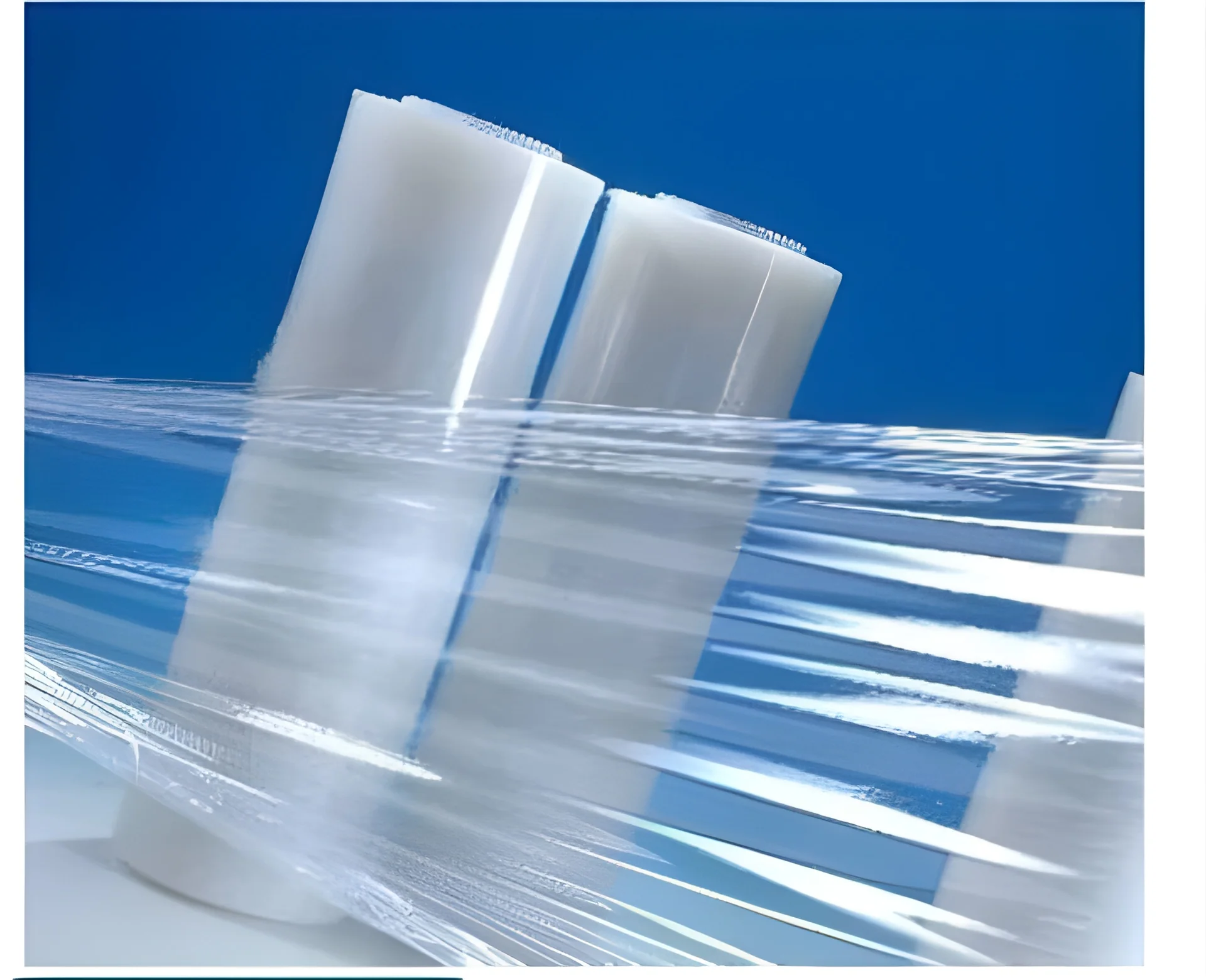
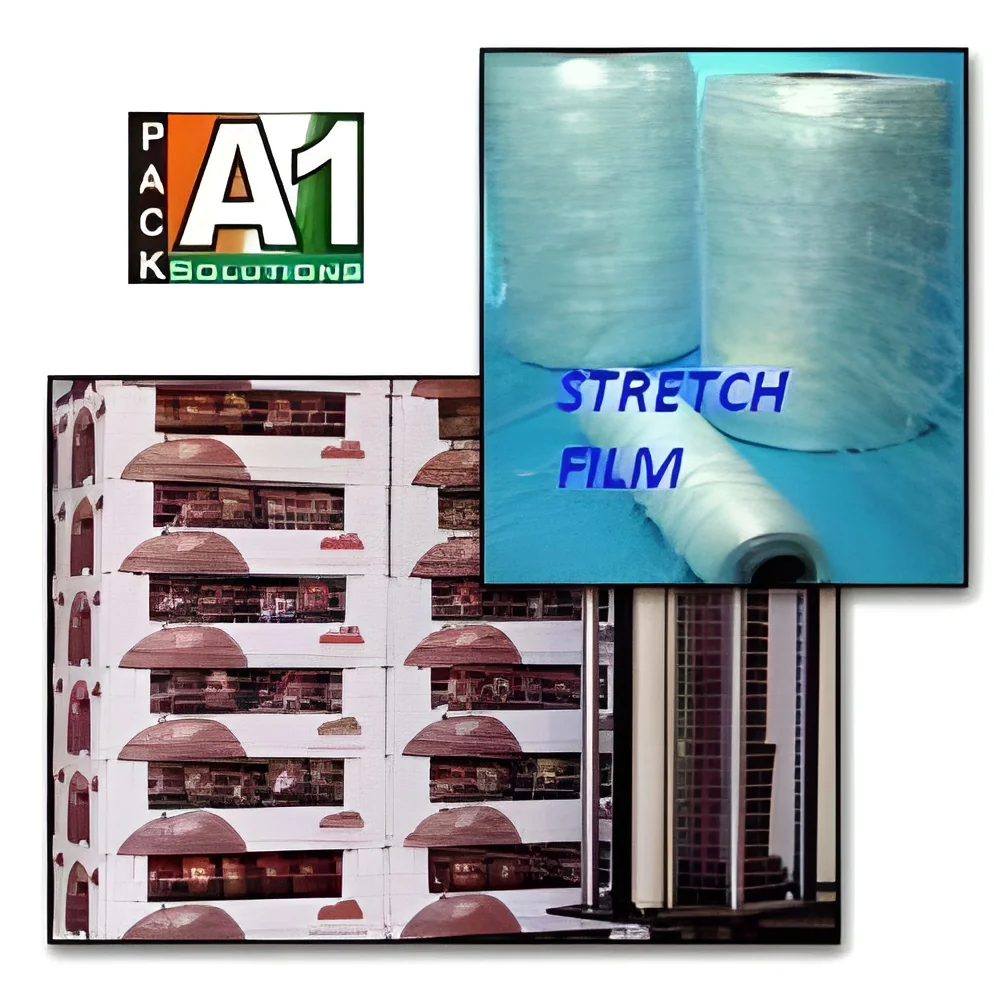
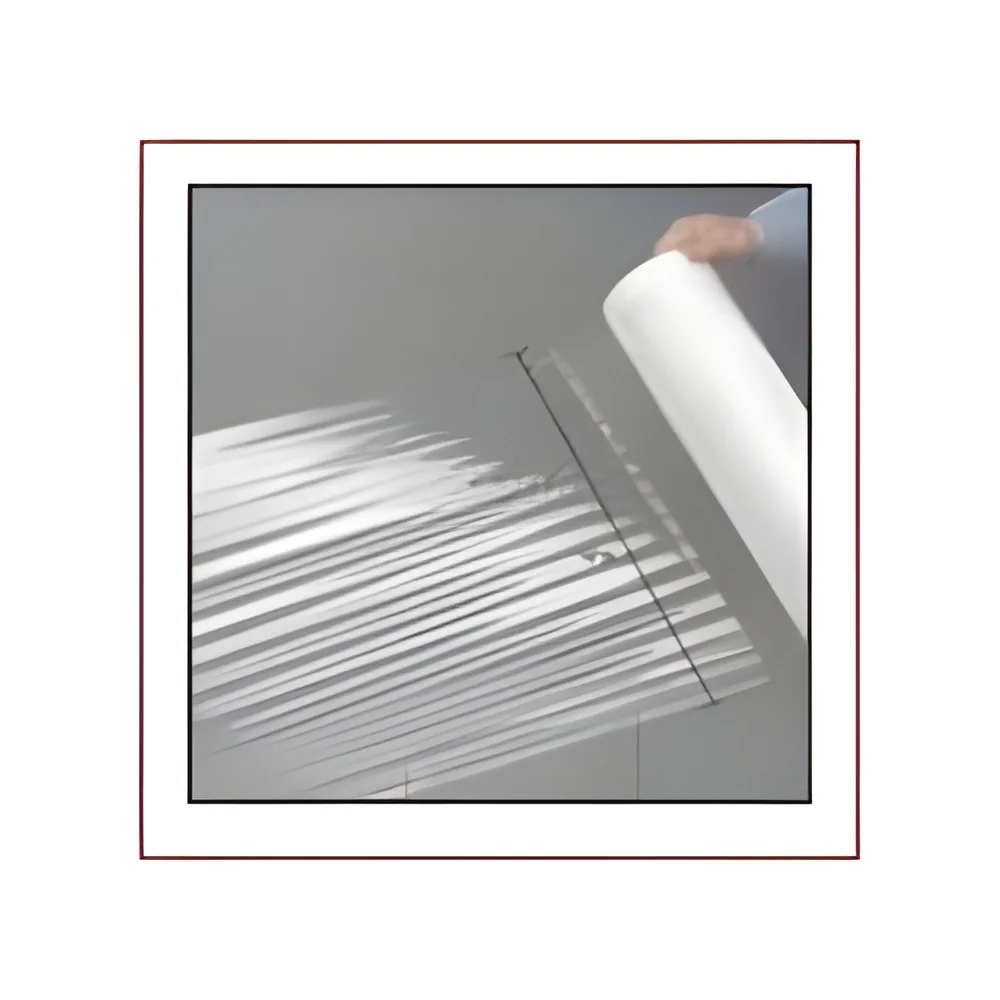
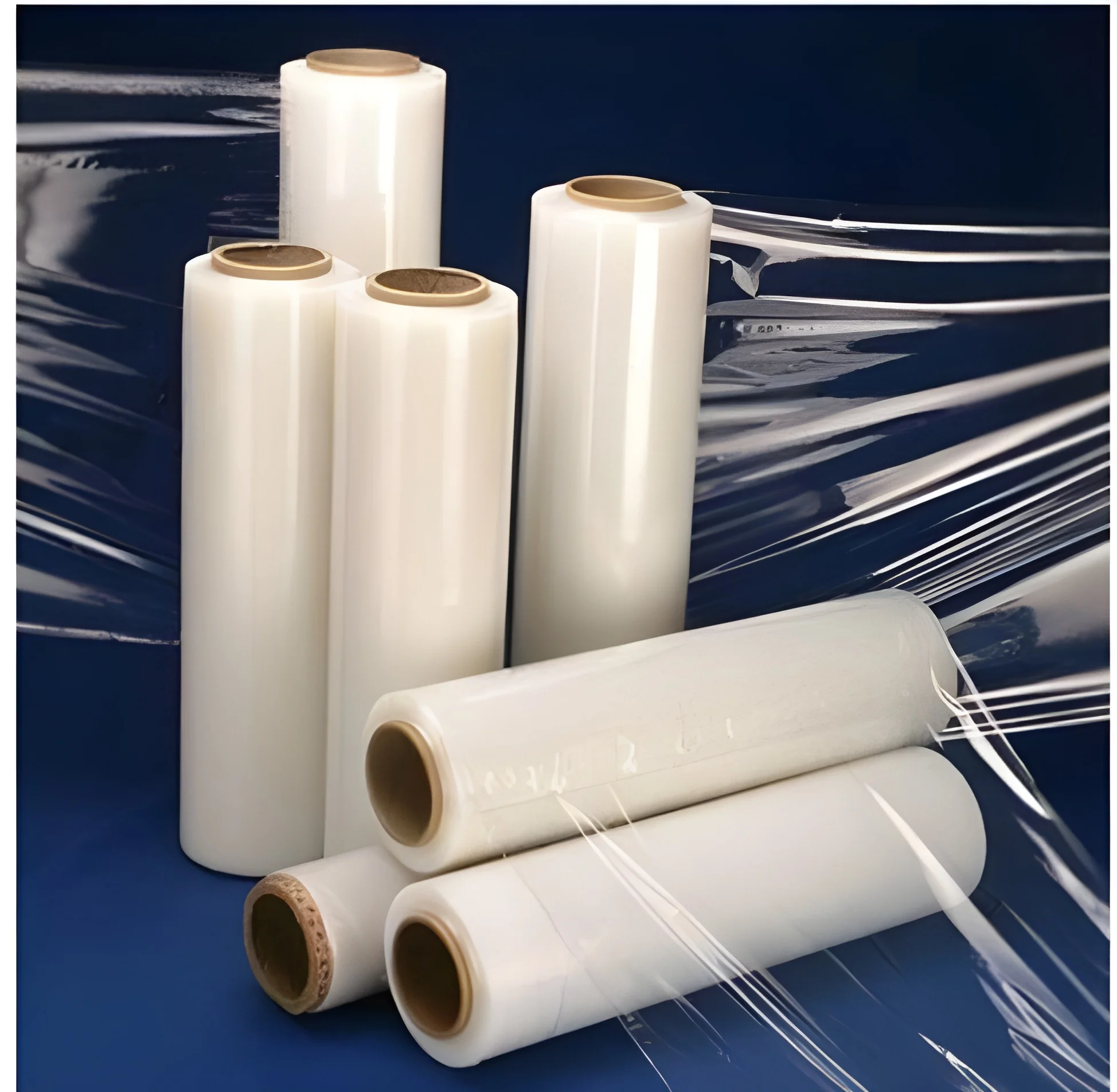
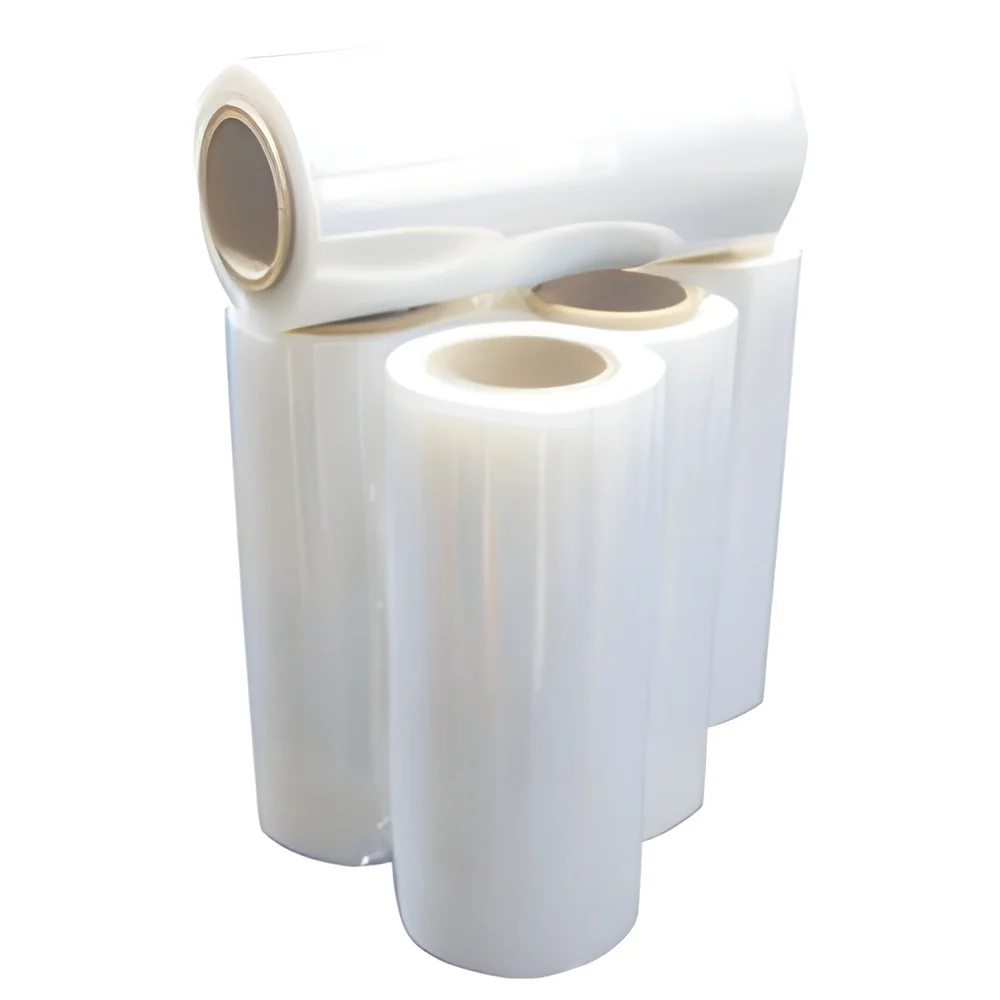
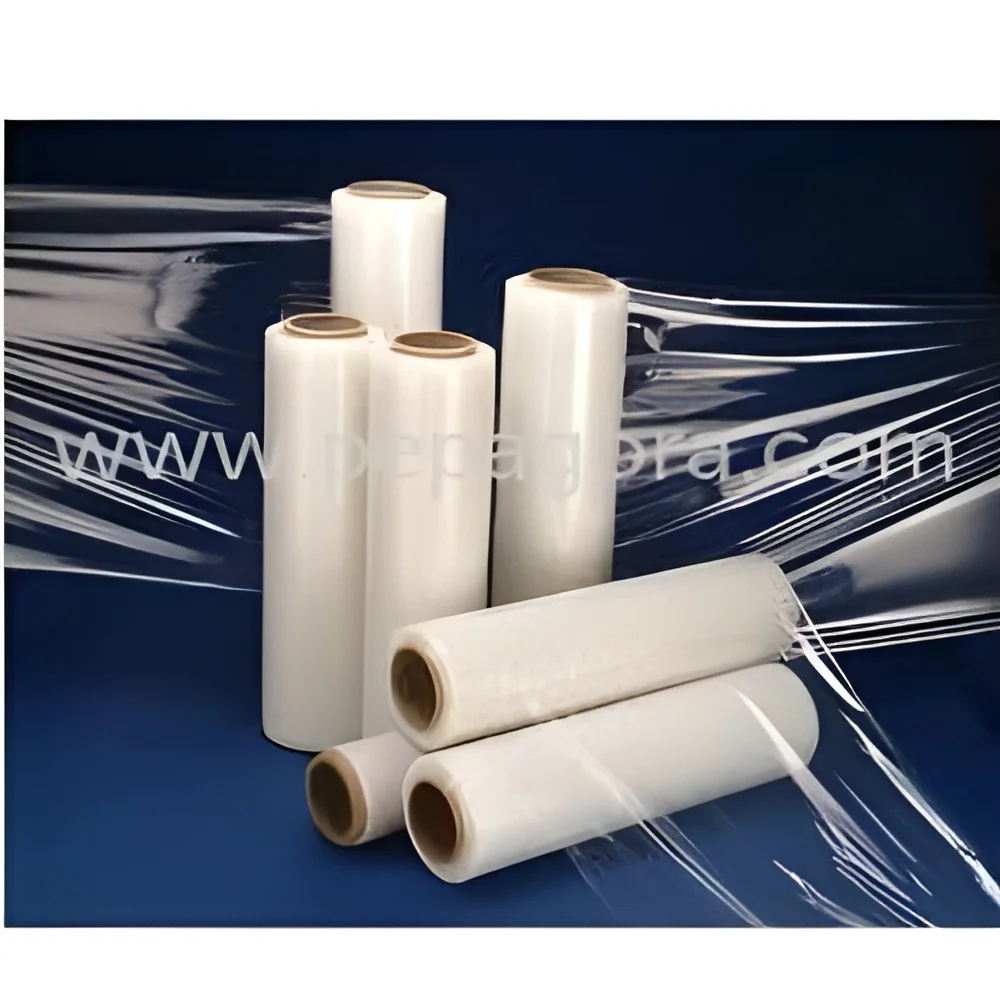
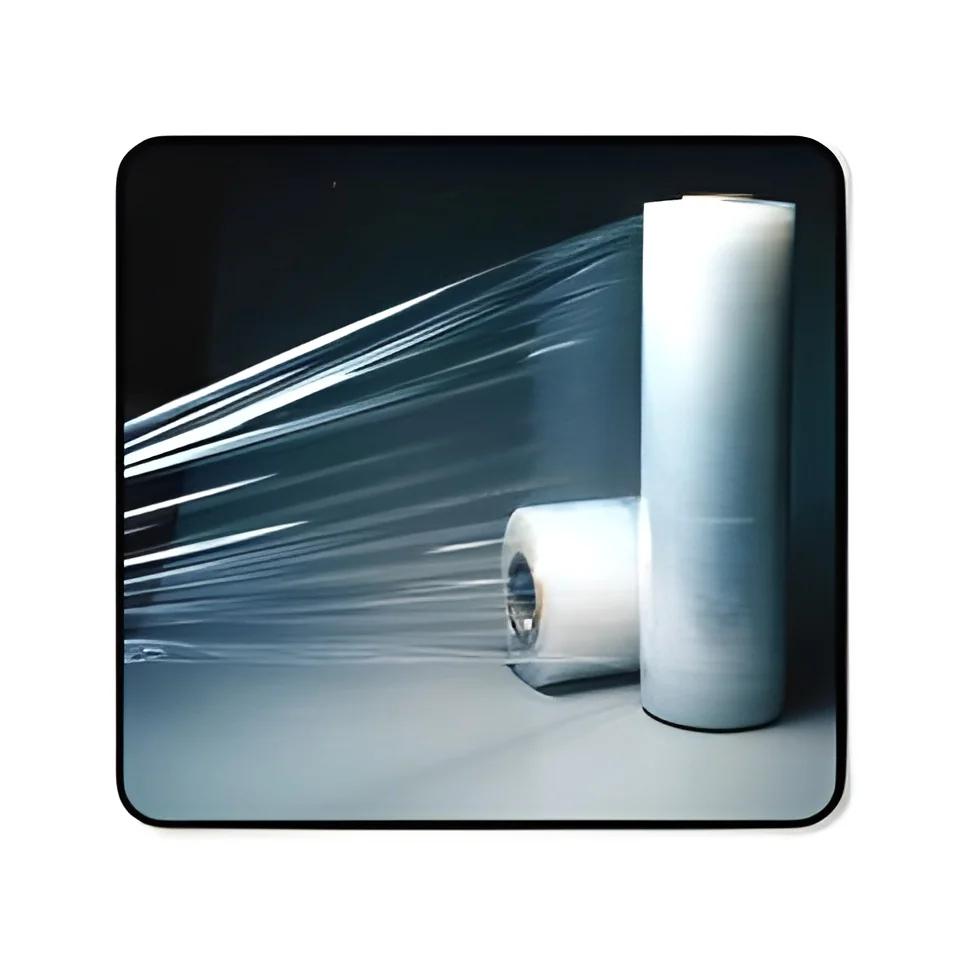
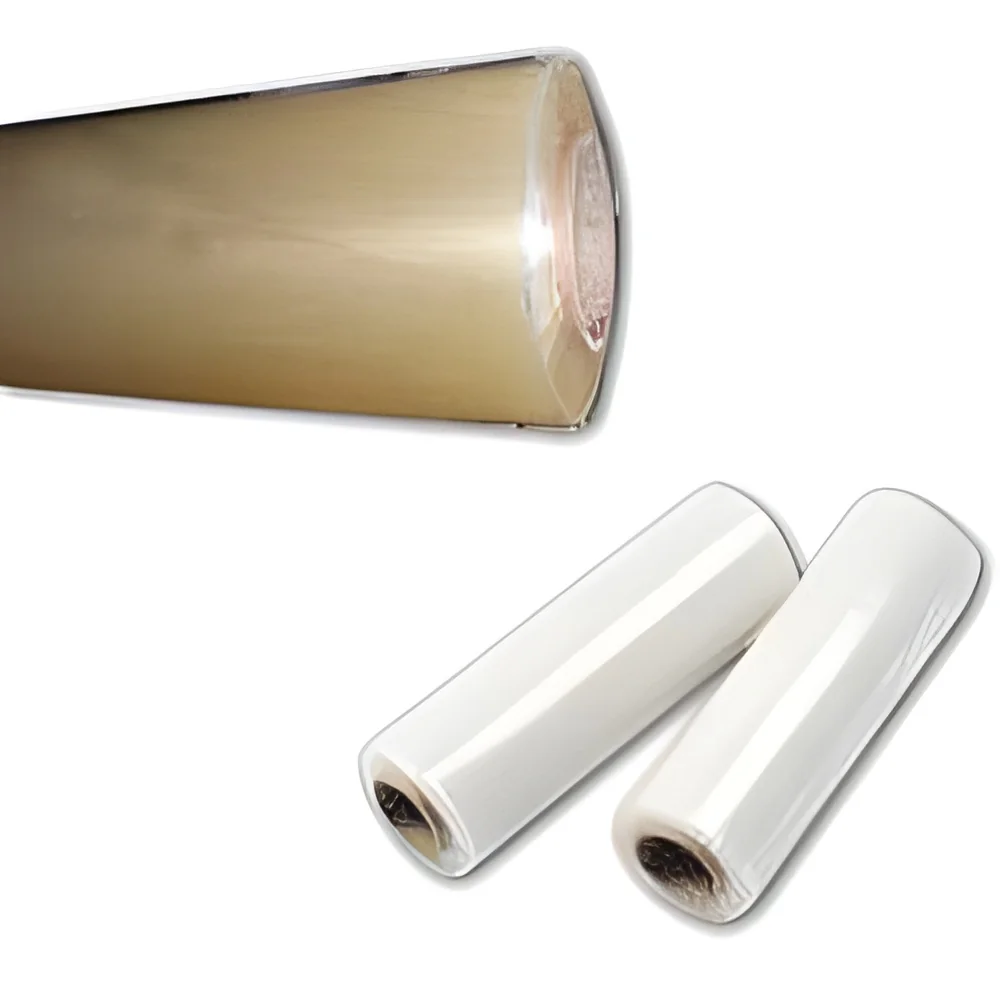
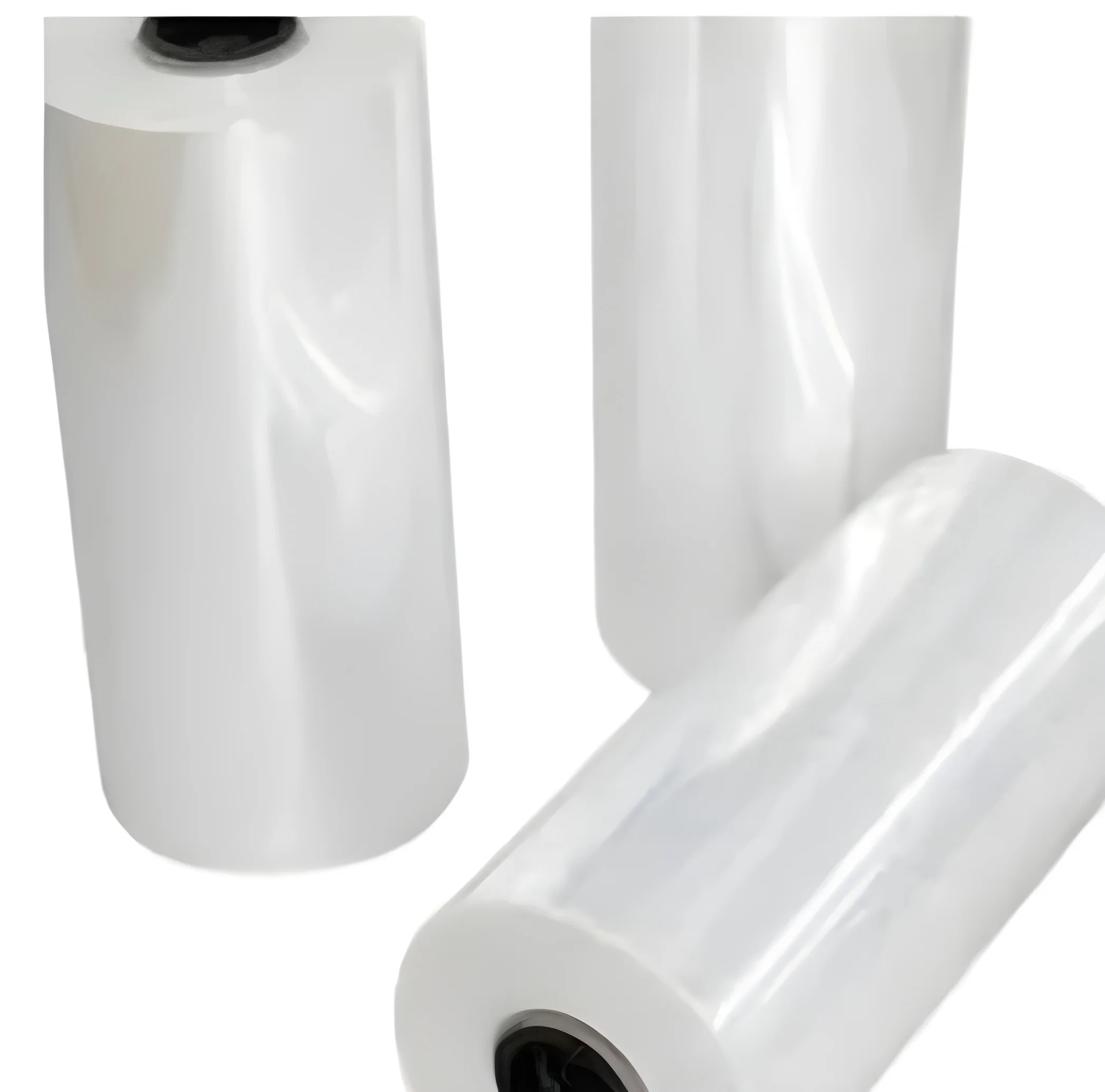
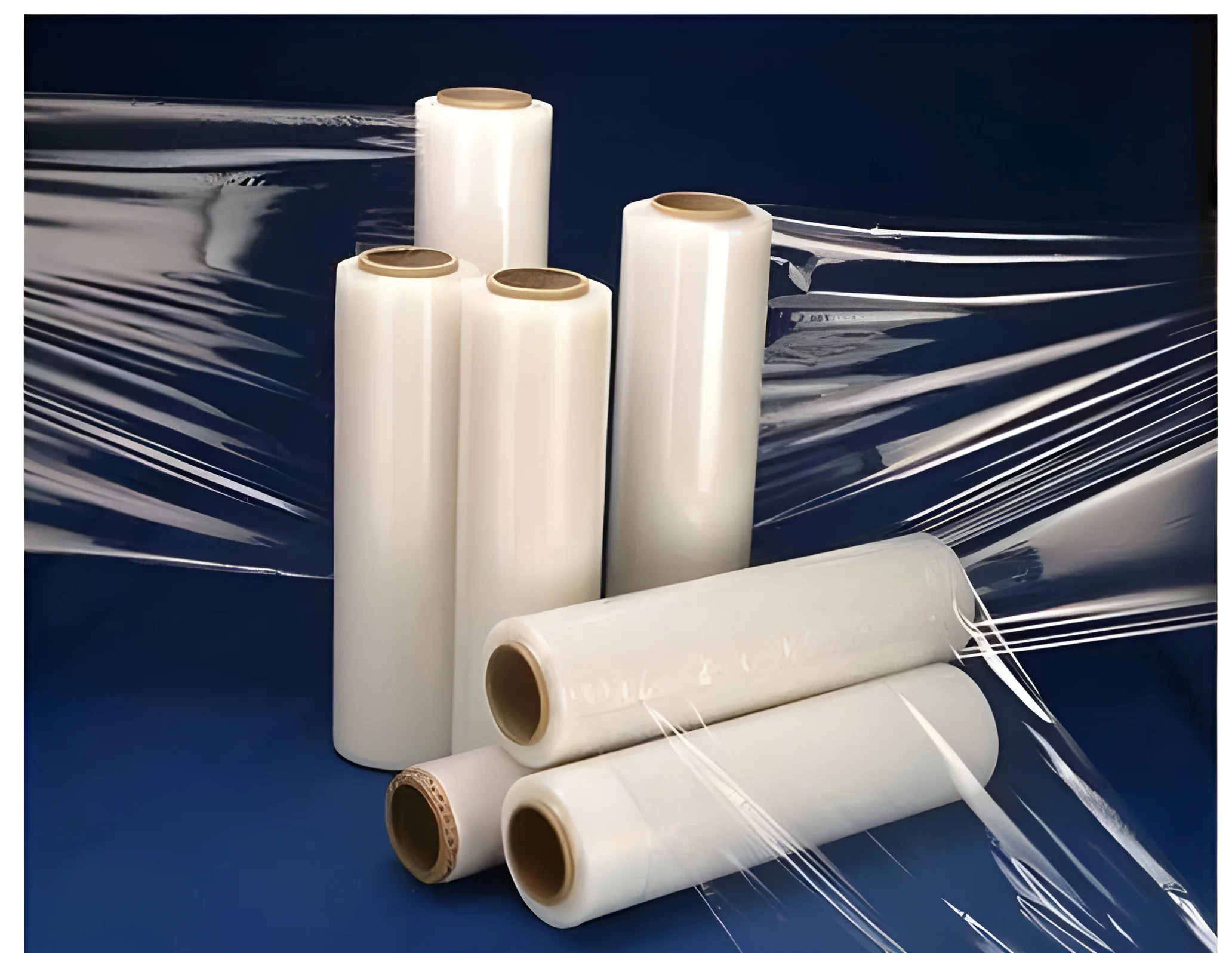
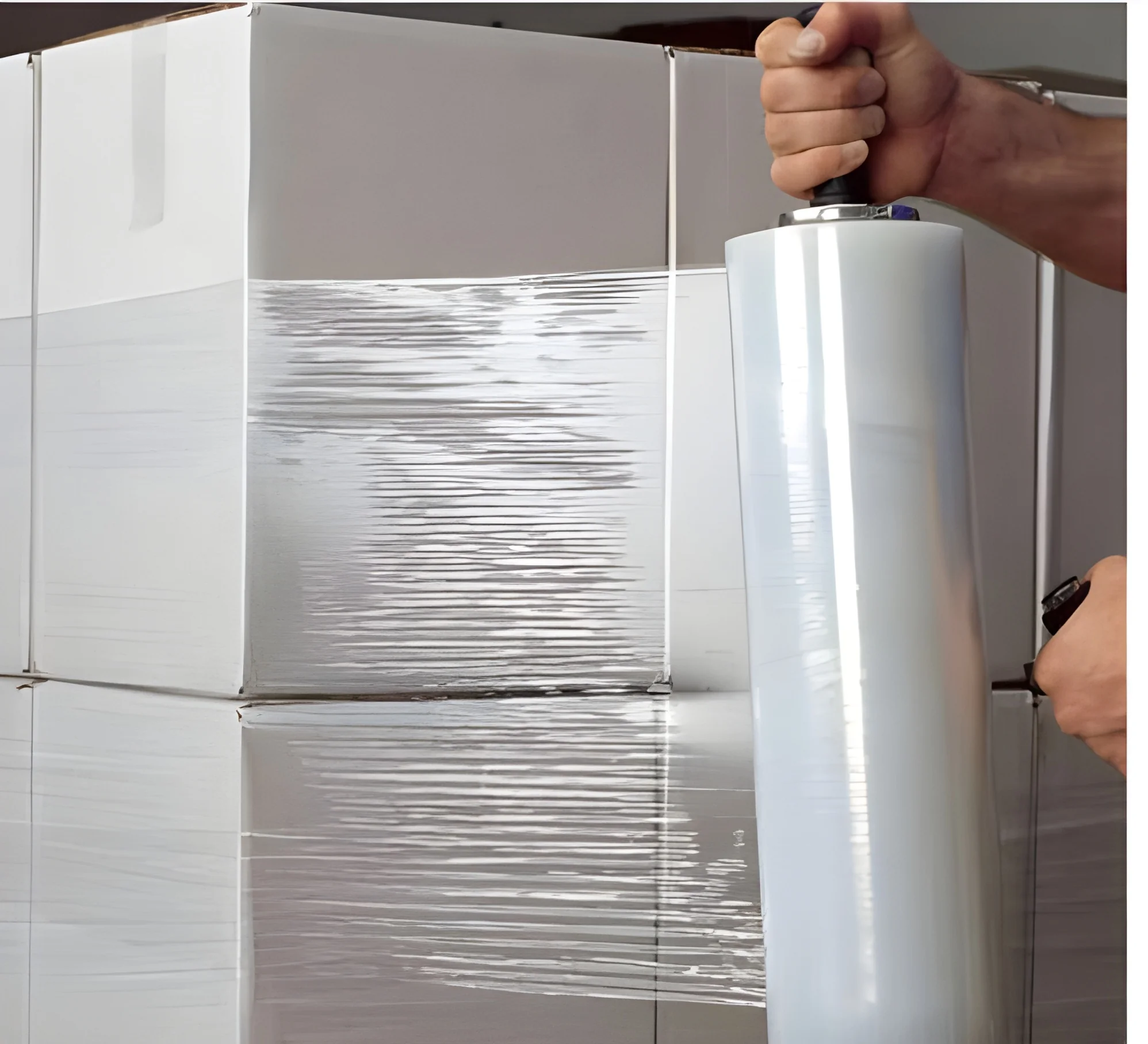
Stretch film and shrink wrap are essential packaging materials widely used in various industries. Stretch film is a highly stretchable plastic film that is wrapped around items to secure them tightly. It clings to itself and is primarily used for bundling products together for storage or shipment. Shrink wrap, on the other hand, is a type of plastic film that shrinks tightly over whatever it is covering when heat is applied. This film is typically used for packaging products to provide a tamper-proof seal and protect them from environmental factors.
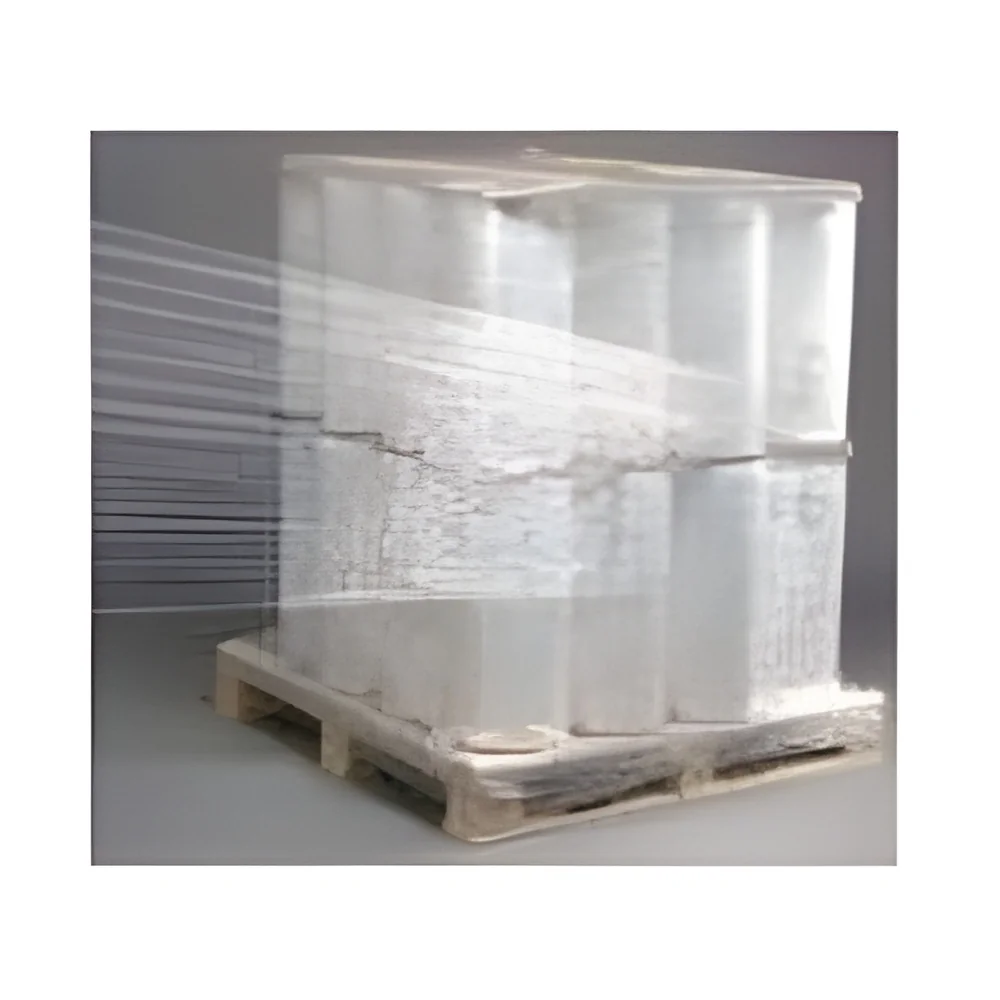
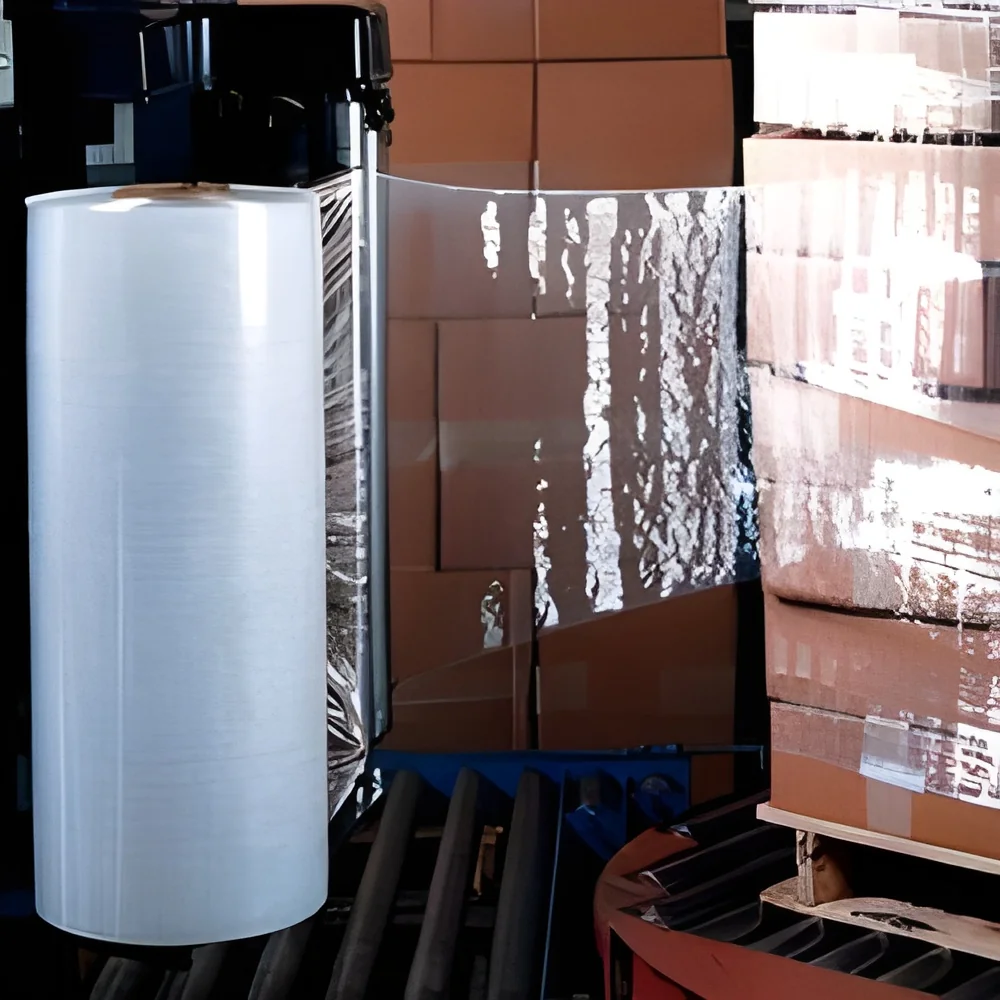
The primary uses of stretch film include securing pallets for shipping, bundling products for retail, and providing protection against dust and moisture. Shrink wrap is commonly used for packaging food items, electronics, and other consumer goods to ensure they remain intact during transit. Both materials are crucial in industries like manufacturing, logistics, and retail, where efficient packaging is vital for reducing damages and ensuring product integrity. The demand for these products continues to grow as businesses seek reliable and cost-effective packaging solutions.
Key Features and Specifications
Stretch film and shrink wrap come with a variety of features that make them suitable for different applications. Understanding these specifications is vital for businesses to make informed purchasing decisions.
Key specifications include:
1. Thickness
- Stretch film typically ranges from 50 to 120 gauge.
- Shrink wrap thickness can vary from 30 to 100 gauge.
2. Width
- Stretch film widths generally range from 12 to 80 inches.
- Shrink wrap can be found in widths from 6 to 40 inches.
3. Stretchability
- Stretch films can stretch up to 300% of their original size.
- Shrink wraps are designed to shrink evenly when heat is applied.
4. Cling Properties
- Stretch films feature high cling properties to ensure secure wrapping.
- Shrink wraps provide a tight seal once heated.
5. UV Resistance
- Certain stretch films are UV-resistant for outdoor use.
- Shrink wraps may offer varying levels of UV protection.
6. Color Options
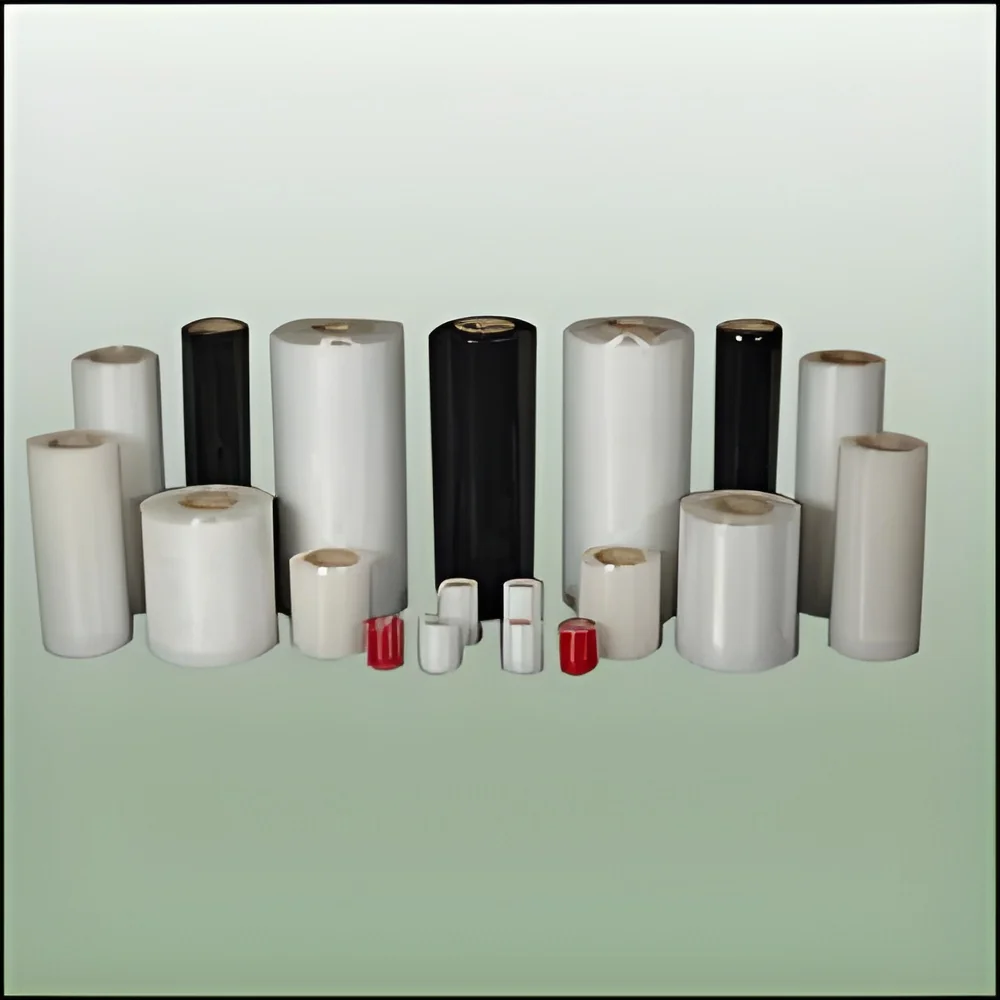
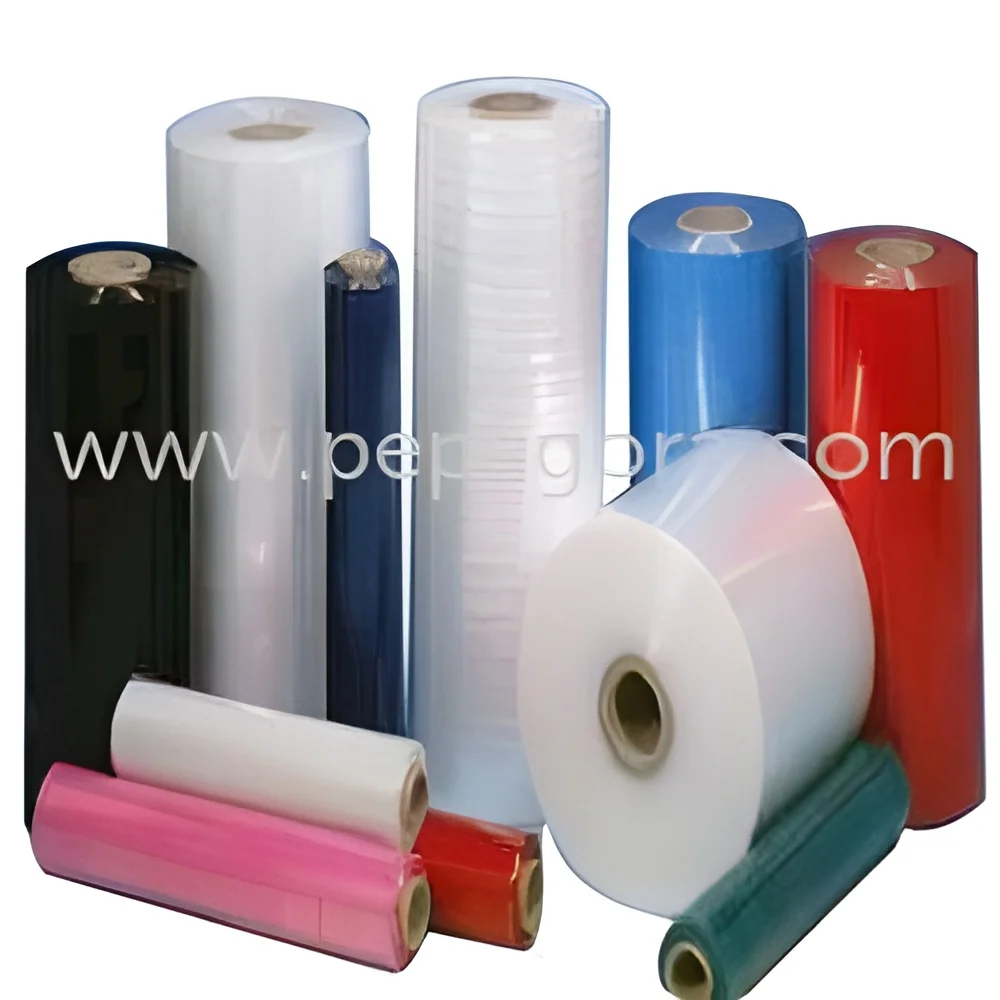
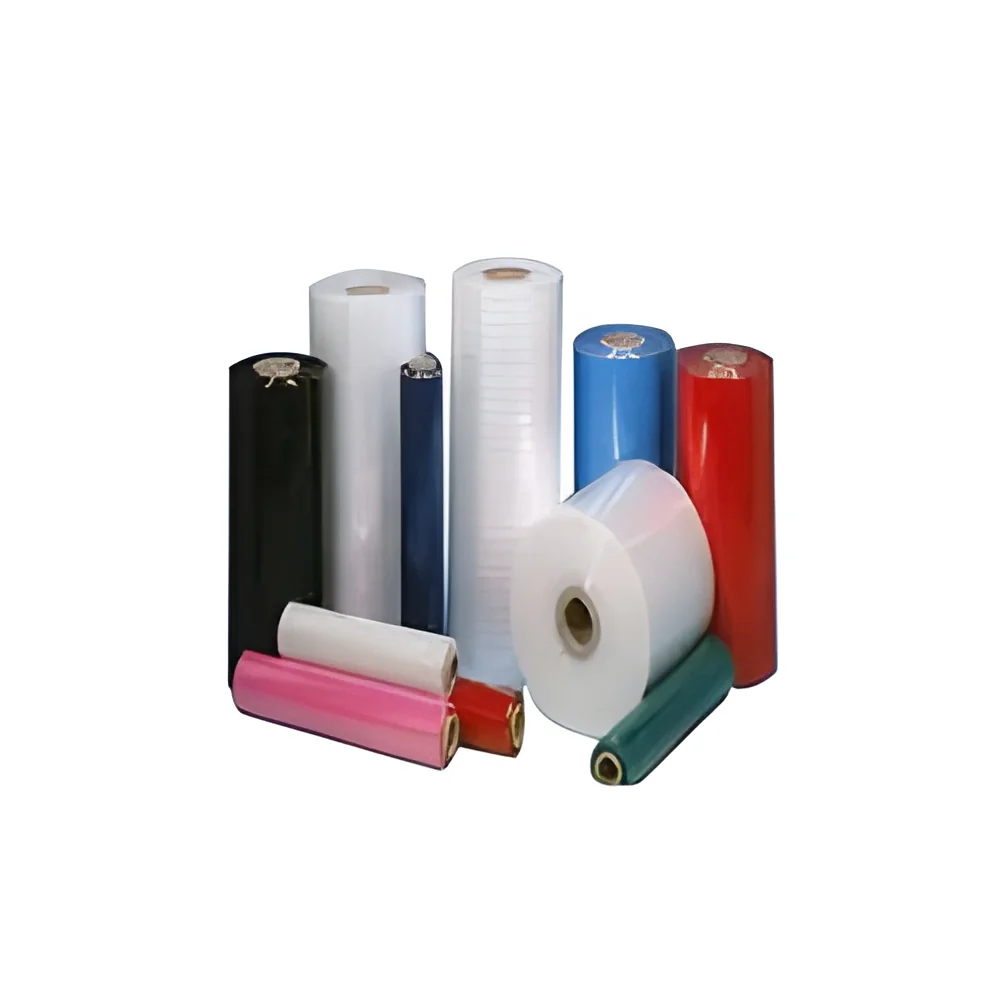
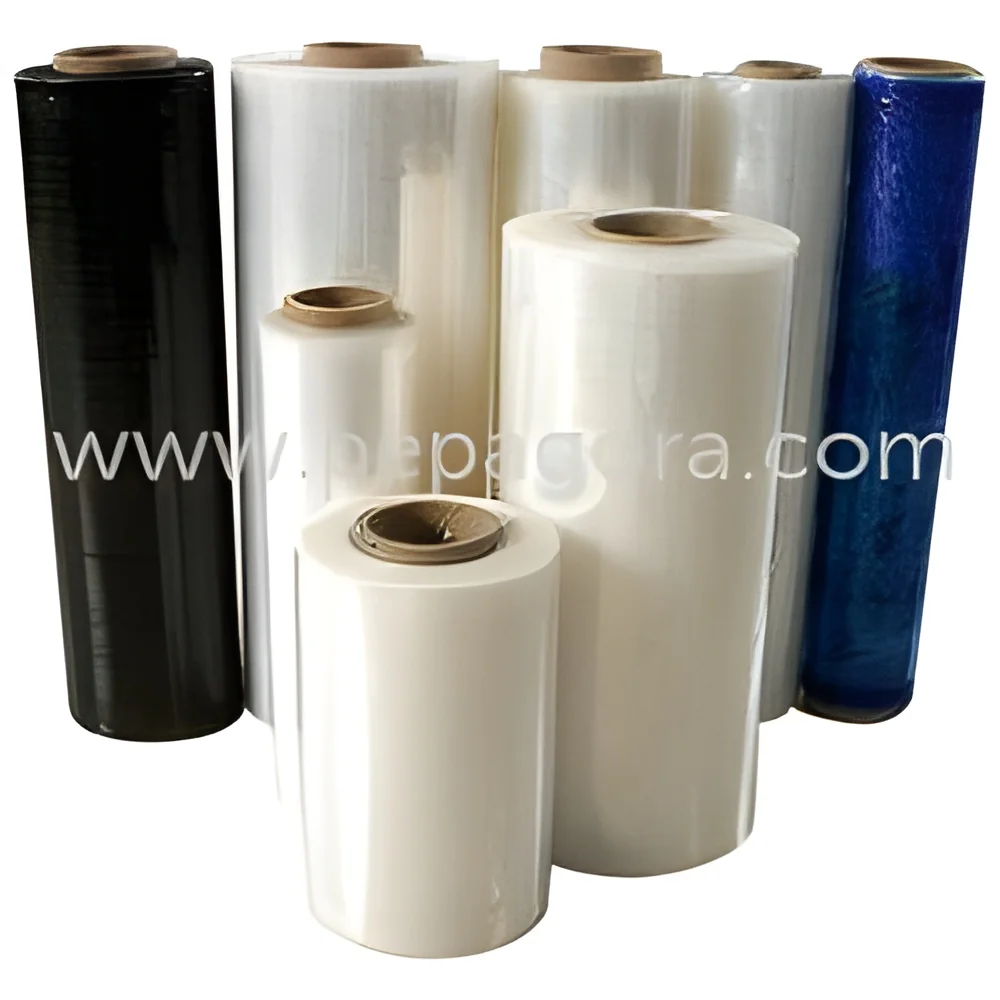
- Stretch films are available in clear, black, and colored options.
- Shrink wraps can also be transparent or tinted.
7. Recyclability
- Many stretch films are recyclable.
- Shrink wraps may be recyclable depending on the material used.
In summary, the specifications of stretch film and shrink wrap can significantly impact their performance based on specific application needs.
Common Applications and Use Cases
Stretch film and shrink wrap serve a multitude of industries, addressing various packaging needs.
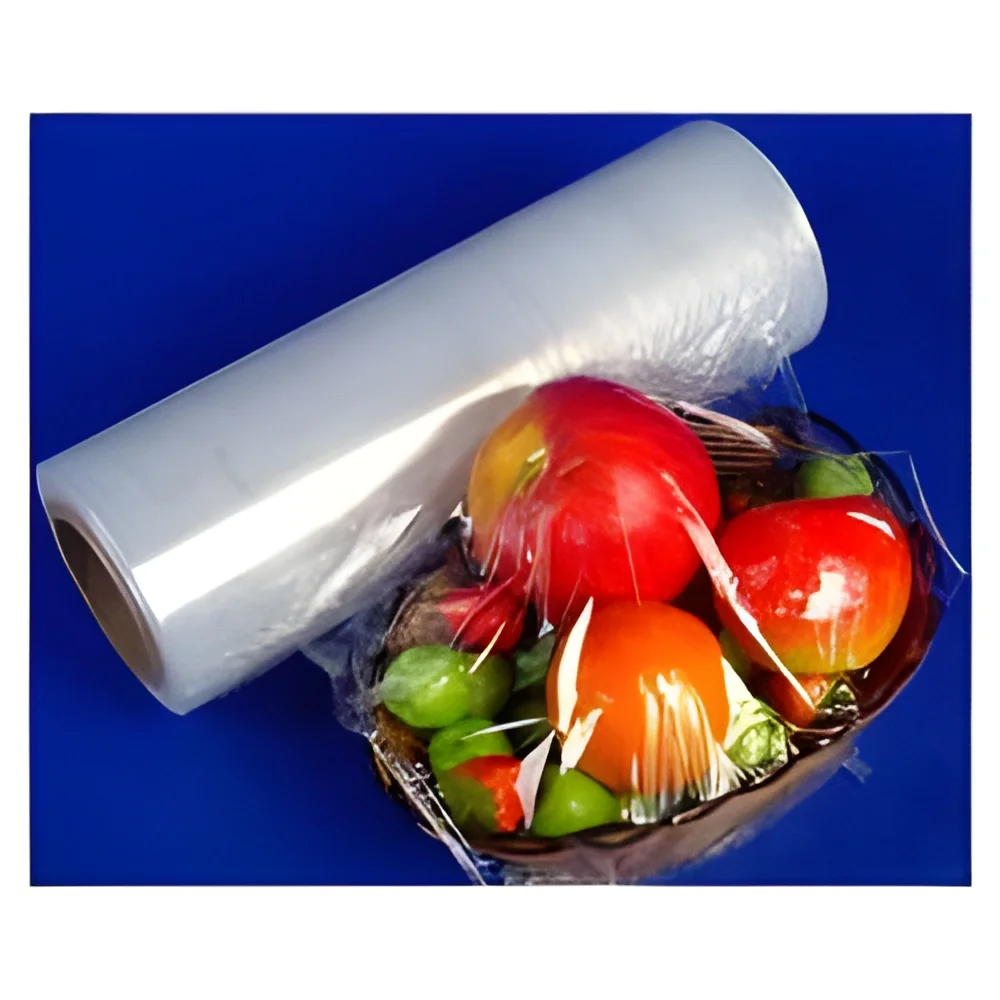
1. Food Industry: Stretch film is often used to wrap food items for retail, while shrink wrap provides a secure seal for packaged foods, ensuring freshness and safety.
2. Manufacturing: Stretch film is used to secure pallets of products, preventing shifting during transportation. Shrink wrap protects individual items from dust and damage.
3. Retail: Both materials are popular in retail settings for bundling products and providing tamper-evident packaging.
4. Pharmaceuticals: Shrink wrap is commonly used for tamper-proof packaging of medicines and medical devices, ensuring product integrity.
5. Electronics: Shrink wrap helps protect electronic items from moisture and dust during shipping and storage.
6. Furniture: Stretch film is often used to wrap furniture pieces to prevent scratches and damage during moves.
7. Construction: Stretch film can wrap tools and equipment to keep them organized and secure on job sites.
Product Variants and Subcategories
The diversity of stretch film and shrink wrap allows businesses to select the right product for their specific needs.
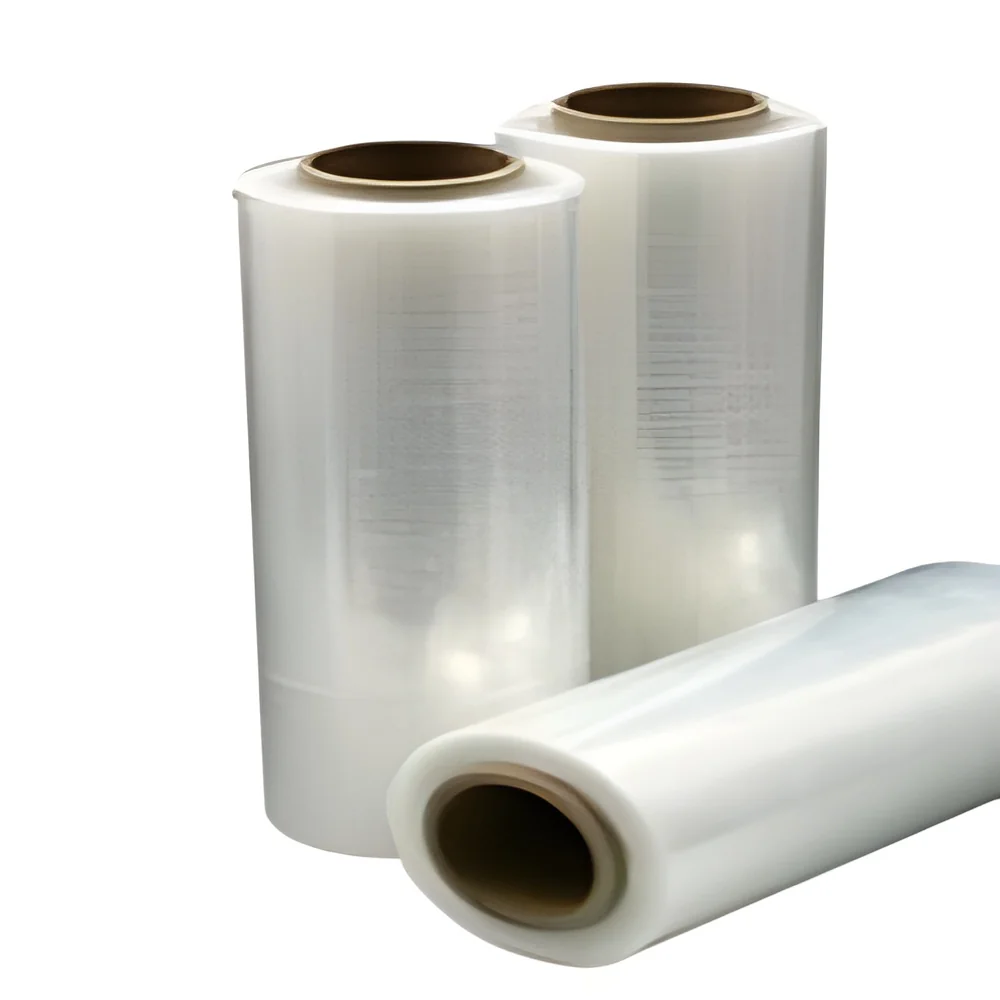
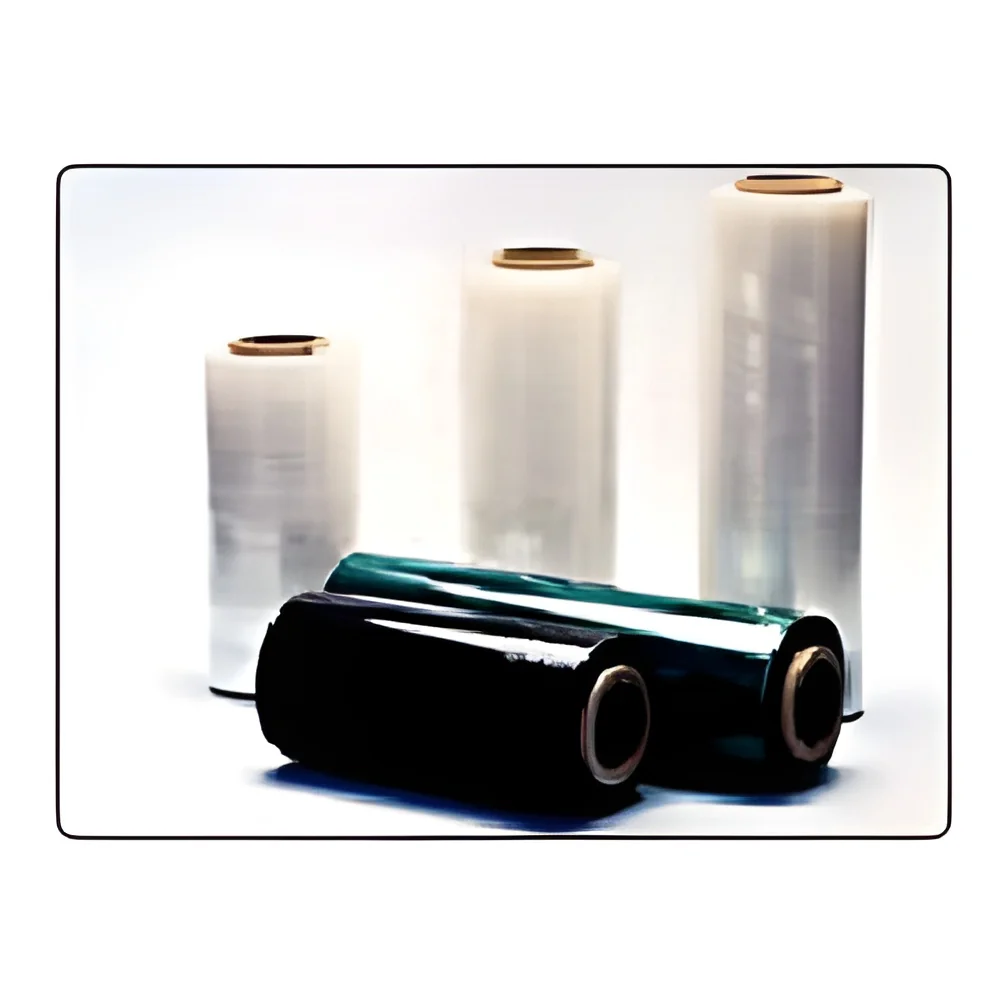
Clear Stretch Film: This variant is popular for its visibility, allowing for easy identification of products while providing excellent protection and security.
Black Stretch Film: This type is ideal for securing pallets in outdoor settings as it offers UV protection, making it suitable for prolonged exposure to sunlight.
PVC Shrink Wrap: Known for its clarity and strength, this variant is commonly used in retail packaging, providing a professional appearance while safeguarding the product.
Polyolefin Shrink Wrap: This variant is more environmentally friendly and is often used for food packaging due to its high clarity and heat-sealing properties.
Benefits and Advantages
Stretch film and shrink wrap offer numerous benefits that contribute to efficient packaging and logistics operations.
1. Cost-Effective: Both materials are affordable, reducing overall packaging costs for businesses.
2. Versatile: They can be used for a variety of products across different industries, enhancing their applicability.
3. Protection: These materials safeguard products from dust, moisture, and damage during storage and transport.
4. Tamper-Proof: Shrink wrap, in particular, provides a secure seal, ensuring product integrity and reducing tampering risks.
5. Space-Saving: When wrapped, products take up less space, optimizing storage and shipping logistics.
6. Easy to Use: Both stretch film and shrink wrap can be applied quickly and efficiently, reducing labor time during packing processes.
Buying Guide for B2B Buyers
When sourcing stretch film and shrink wrap, businesses should consider several key factors to ensure they select the right products for their needs.
1. Quality Assessment: Evaluate the material quality by checking for durability, stretchability, and clarity. High-quality films will ensure better protection and performance.
2. Supplier Verification: Research potential suppliers to ensure they have a good reputation and reliable products. Look for certifications and customer reviews.
3. Pricing and MOQ: Compare prices across suppliers and be aware of minimum order quantities. This will help in budgeting and ensuring you get the best deal.
4. Delivery and Lead Times: Confirm delivery schedules and lead times to ensure that products arrive when needed, avoiding any disruptions in your supply chain.
5. Compliance Requirements: Understand any industry-specific regulations or standards that the packaging materials must meet to ensure compliance.
Compliance and Certifications
Stretch film and shrink wrap products are subject to various quality standards and certifications that ensure their safety and effectiveness.
Relevant quality standards include ISO 9001, which focuses on quality management systems, ensuring that manufacturers maintain high-quality production processes.
Industry certifications such as CE signify compliance with European safety and health standards, assuring buyers of the product's reliability.
Safety and testing requirements are crucial to verify that the materials are safe for use, especially in food and medical applications.
Additionally, businesses should be aware of regional compliance considerations, such as local packaging regulations that may affect product usage.
Why Source Stretch Film & Shrink Wrap from Pepagora?
Pepagora offers a trusted platform for sourcing stretch film and shrink wrap, providing several key advantages for B2B buyers.
Verified Supplier Network: Pepagora connects buyers with a network of verified suppliers, ensuring that businesses can source high-quality products with confidence.
Streamlined RFQ Process: The platform features an efficient request for quotation system, making it easy for buyers to obtain competitive pricing and terms from multiple suppliers.
Trade Assurance and Support: Pepagora provides buyer protection through its trade assurance program, offering peace of mind during transactions.
Regional Coverage: With a reach across India, the GCC, and Southeast Asia, Pepagora caters to a wide range of businesses, ensuring that buyers have access to the products they need regardless of their location.

 IN
IN