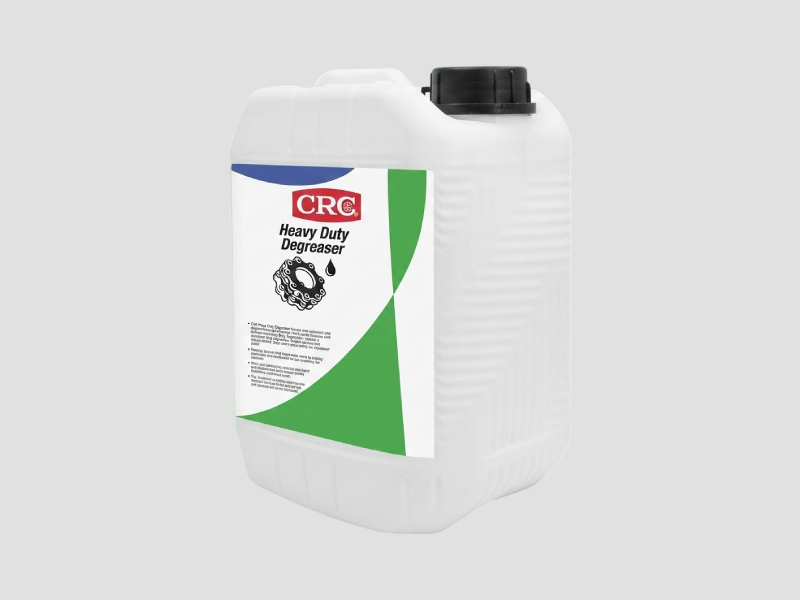
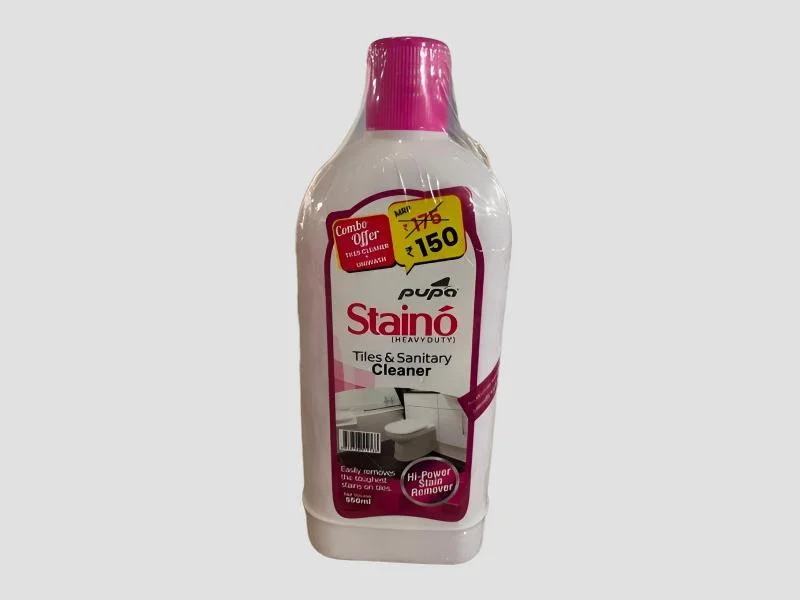
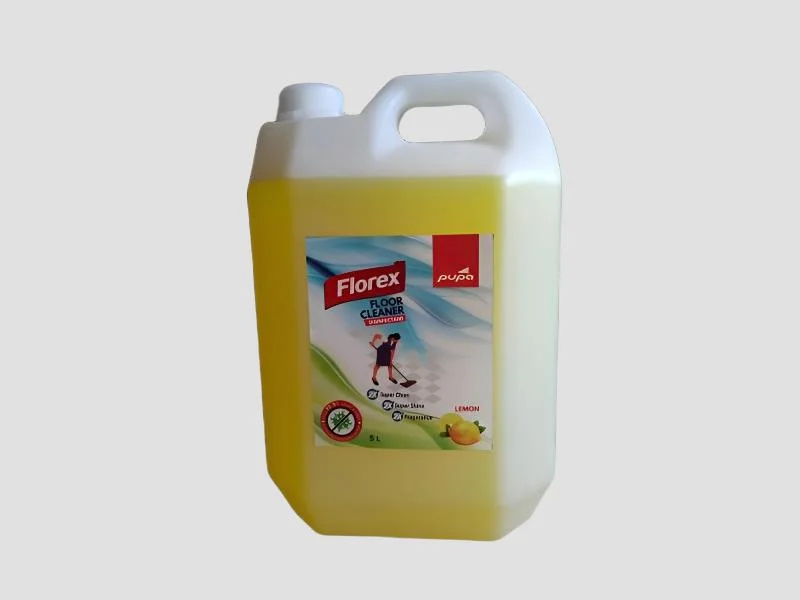
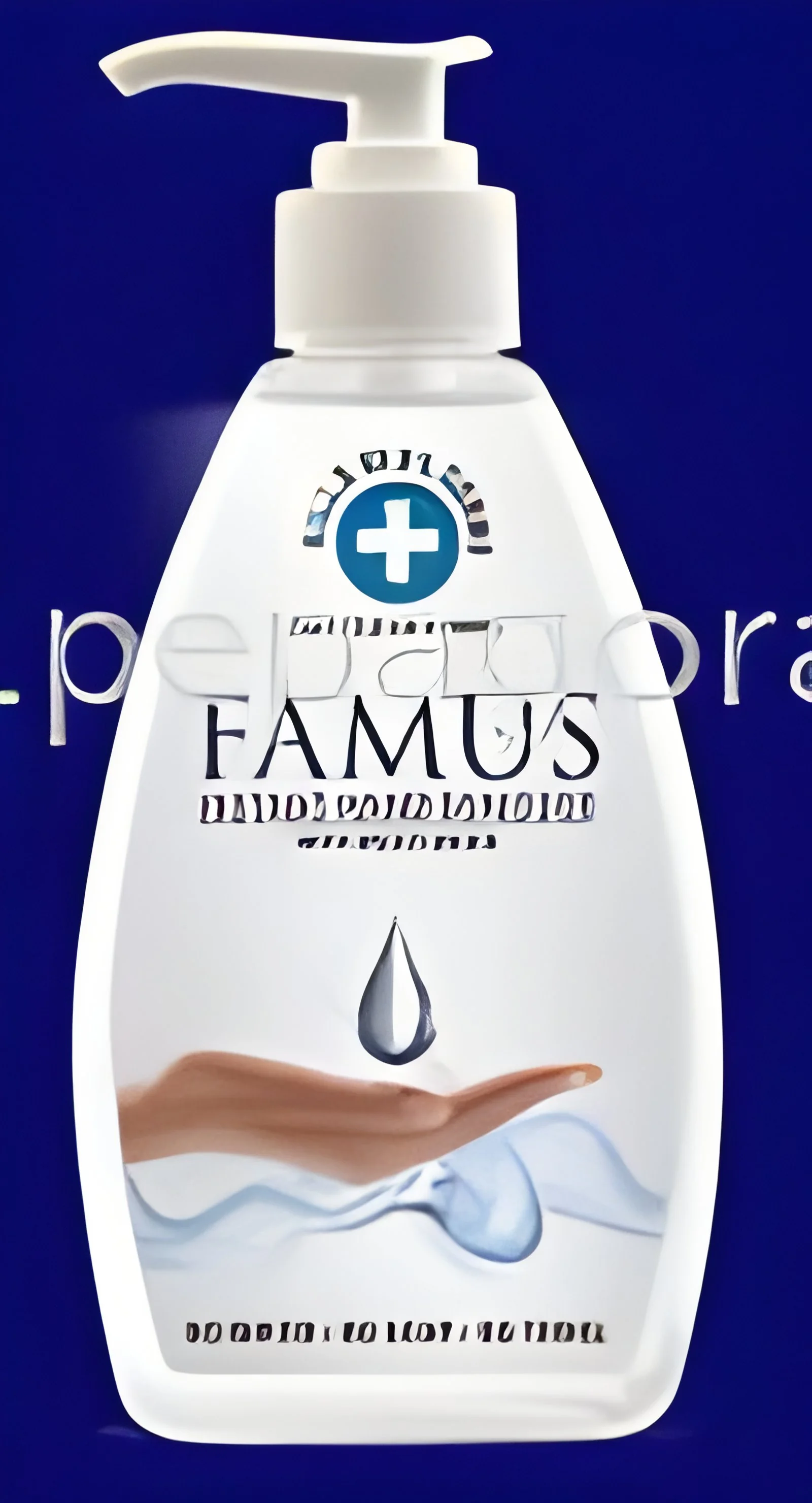
𝗪𝗵𝗮𝘁 𝗮𝗿𝗲 𝗖𝗹𝗲𝗮𝗻𝗶𝗻𝗴 & 𝗦𝗮𝗻𝗶𝘁𝗮𝘁𝗶𝗼𝗻 𝗖𝗵𝗲𝗺𝗶𝗰𝗮𝗹𝘀?
Cleaning and sanitation chemicals are specialized formulations designed to clean, disinfect, and sanitize various surfaces and environments. These chemicals are essential for maintaining hygiene standards, especially in industrial settings, healthcare facilities, and food processing areas. They work by breaking down dirt, grease, and microbial contaminants, ensuring that surfaces are not only visually clean but also free from harmful pathogens.
The primary uses of cleaning and sanitation chemicals extend across multiple industries. In healthcare, they are crucial for infection control, while in food service, they help prevent foodborne illnesses. Additionally, these chemicals are employed in manufacturing, hospitality, and commercial cleaning services to ensure a safe and sanitary environment. The importance of these products is underscored by the growing emphasis on cleanliness and public health, particularly in light of recent global health challenges.
The market for cleaning and sanitation chemicals is robust, driven by strict regulatory requirements and increasing awareness of hygiene. As industries continue to prioritize cleanliness, the demand for effective and safe cleaning solutions is expected to grow. This context positions cleaning and sanitation chemicals as indispensable tools for businesses aiming to protect their employees and customers.
𝗞𝗲𝘆 𝗙𝗲𝗮𝘁𝘂𝗿𝗲𝘀 𝗮𝗻𝗱 𝗦𝗽𝗲𝗰𝗶𝗳𝗶𝗰𝗮𝘁𝗶𝗼𝗻𝘀
Cleaning and sanitation chemicals come with a variety of features and specifications that make them effective for their intended purposes. Understanding these specifications is crucial for businesses when selecting the right products.
Key specifications include:
1. Chemical Composition
- Details regarding active ingredients and their concentrations
- Types of surfactants, solvents, and biocides used
2. pH Level
- Range of acidity or alkalinity
- Impact on effectiveness and material compatibility
3. Contact Time
- Required duration for effective disinfection and sanitation
- Variations based on surface type and contamination level
4. Dilution Ratios
- Recommended mixing ratios for different applications
- Concentrated versus ready-to-use formulations
5. Environmental Impact
- Biodegradability and eco-friendly certifications
- Compliance with environmental regulations
6. Safety Standards
- Relevant safety data sheets (SDS) and handling instructions
- Toxicity levels and personal protective equipment (PPE) recommendations
7. Shelf Life
- Expected duration of effectiveness when stored properly
- Indicators for product expiration or degradation
In summary, understanding the features and specifications of cleaning and sanitation chemicals helps businesses make informed purchasing decisions, ensuring they select the most suitable products for their needs.
𝗖𝗼𝗺𝗺𝗼𝗻 𝗔𝗽𝗽𝗹𝗶𝗰𝗮𝘁𝗶𝗼𝗻𝘀 𝗮𝗻𝗱 𝗨𝘀𝗲 𝗖𝗮𝘀𝗲𝘀
Cleaning and sanitation chemicals find applications across numerous sectors, each with specific requirements and standards.
1. Healthcare: In hospitals and clinics, these chemicals are vital for disinfecting surfaces, surgical instruments, and medical equipment to prevent healthcare-associated infections.
2. Food Processing: In food manufacturing and preparation areas, these chemicals ensure that surfaces, utensils, and equipment are sanitized to prevent contamination and foodborne illnesses.
3. Hospitality: Hotels and restaurants utilize cleaning and sanitation chemicals to maintain high standards of cleanliness in guest rooms, dining areas, and kitchens.
4. Manufacturing: In factories, these products are used to clean production equipment and maintain a hygienic work environment, which is essential for product quality.
5. Commercial Cleaning: Cleaning service providers employ a variety of sanitation chemicals to deliver effective cleaning solutions for offices, schools, and public spaces.
6. Retail: Retail environments use these chemicals to ensure cleanliness in stores and shopping areas, enhancing the shopping experience and customer safety.
7. Transportation: Cleaning and sanitation chemicals are utilized in public transport and logistics to maintain hygiene standards and protect passengers and cargo.
𝗣𝗿𝗼𝗱𝘂𝗰𝘁 𝗩𝗮𝗿𝗶𝗮𝗻𝘁𝘀 𝗮𝗻𝗱 𝗦𝘂𝗯𝗰𝗮𝘁𝗲𝗴𝗼𝗿𝗶𝗲𝘀
The diversity of cleaning and sanitation chemicals allows businesses to select products tailored to their specific needs.
Liquid Cleaners
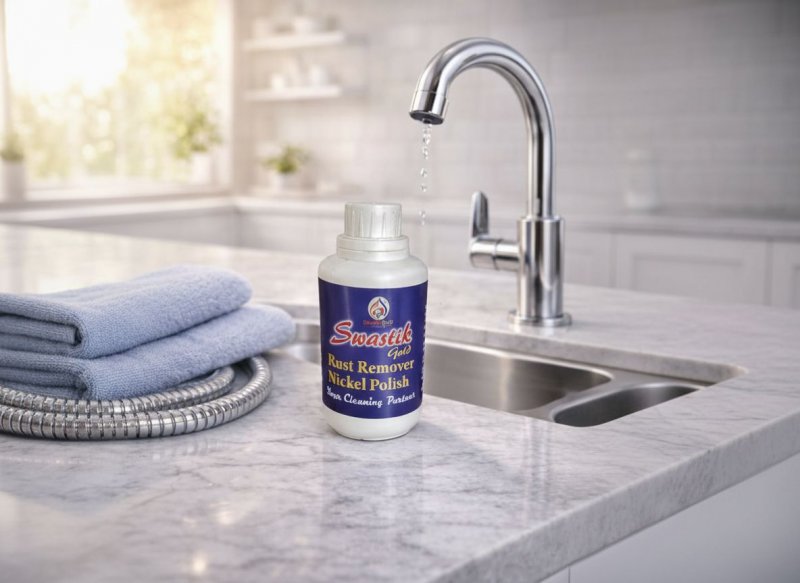
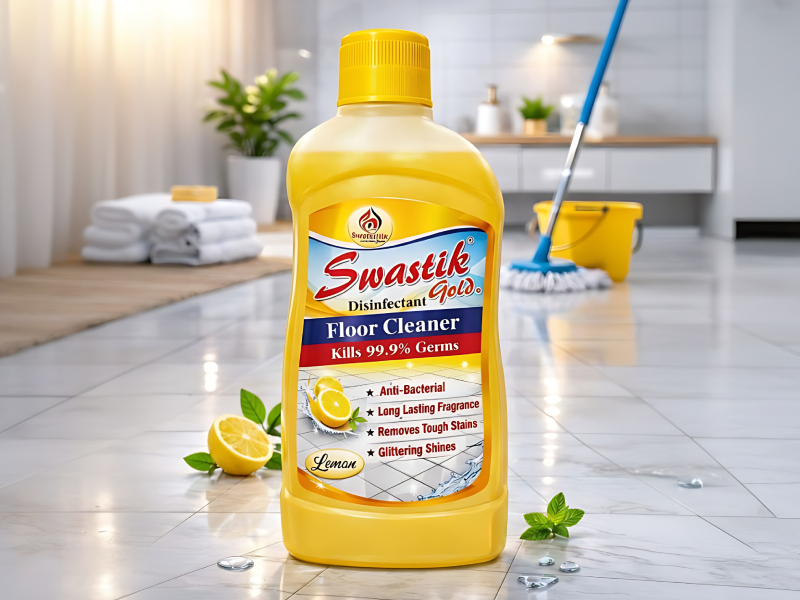
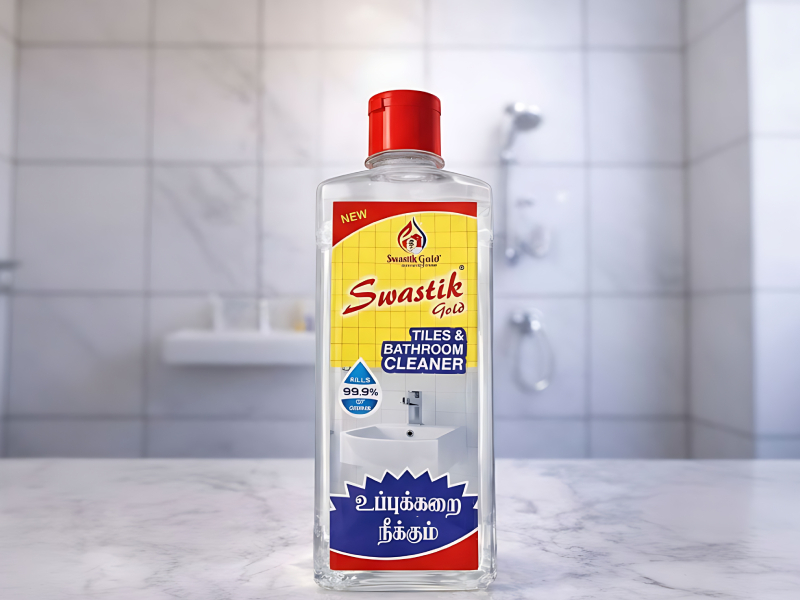
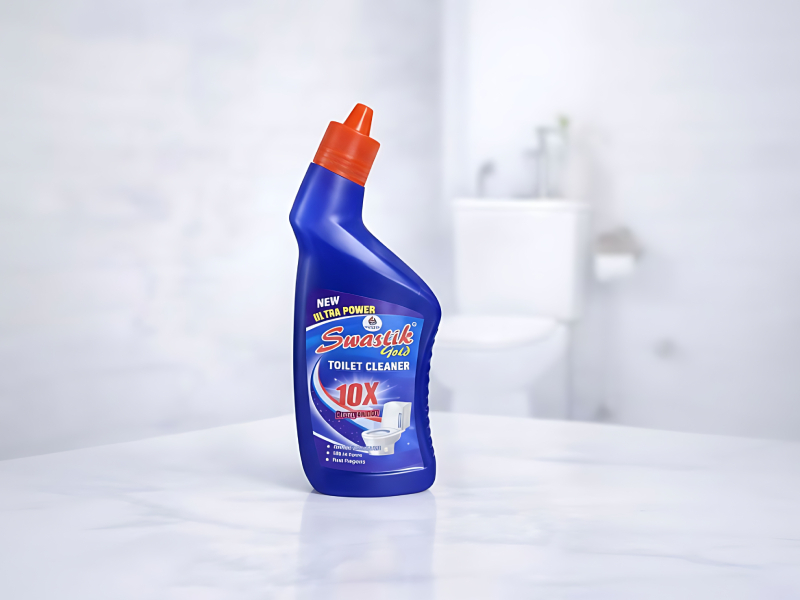
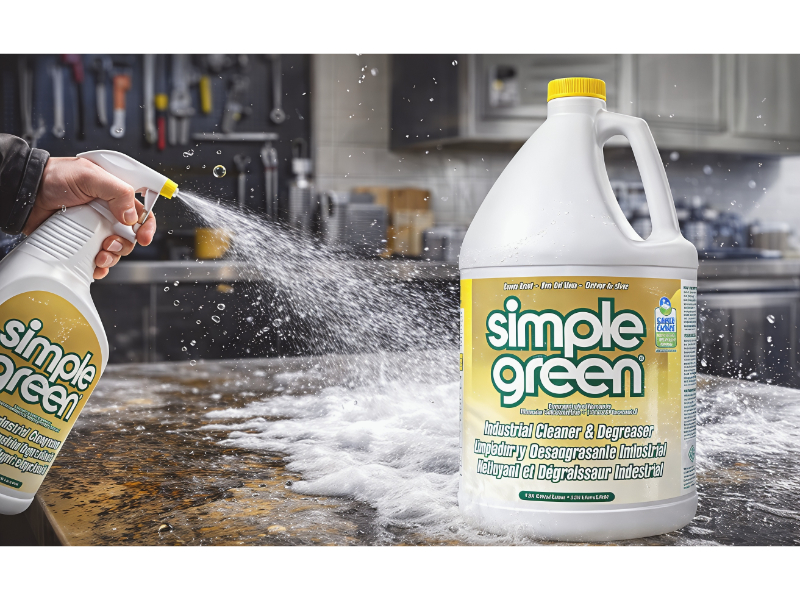
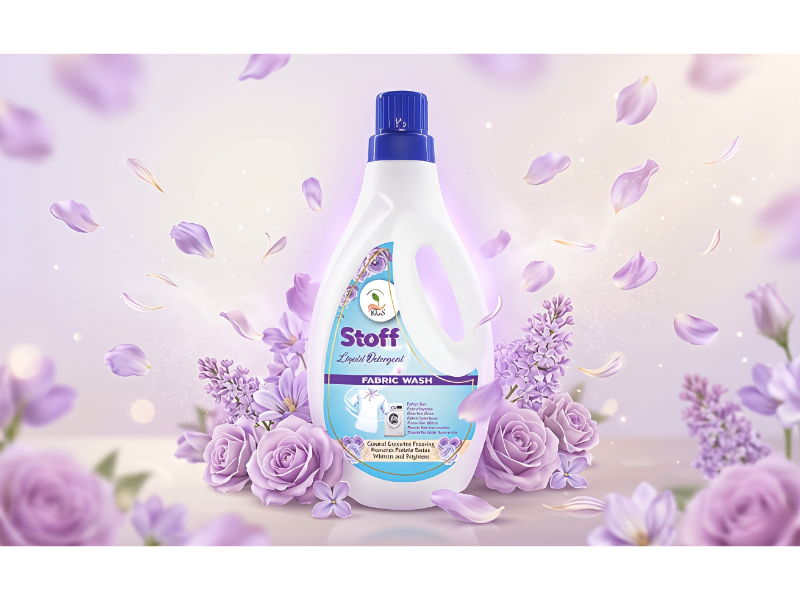
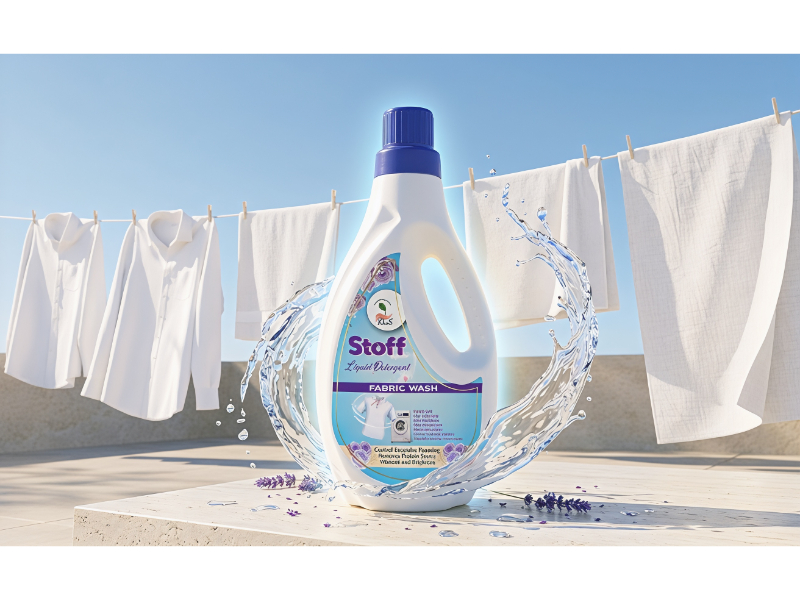
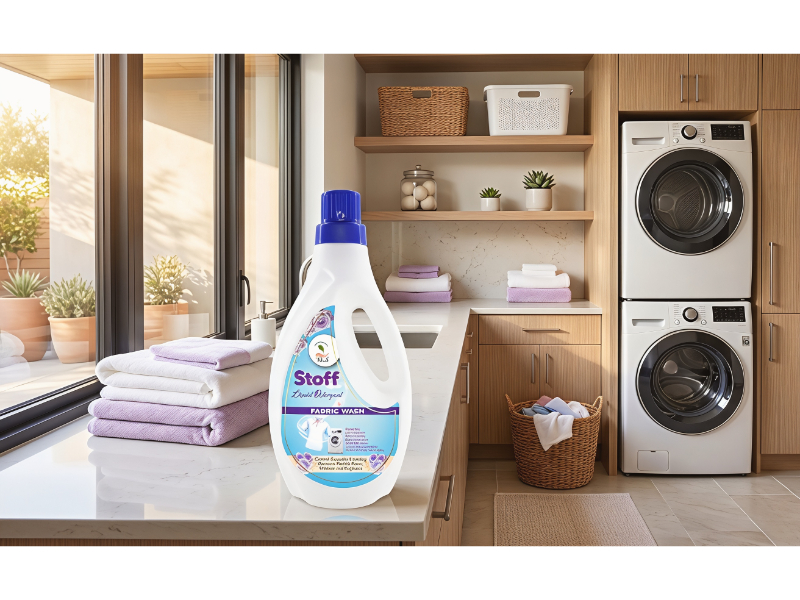
These are versatile cleaning solutions suitable for a variety of surfaces. They effectively remove dirt and grime while providing disinfecting properties.
Foam Cleaners
Foam cleaners adhere to surfaces more effectively, allowing for prolonged contact time. They are ideal for vertical surfaces and difficult-to-reach areas.
Disinfectant Wipes
Pre-moistened wipes offer convenience and ease of use, particularly in high-traffic areas. They are effective for quick cleaning and sanitizing tasks.
Concentrated Solutions
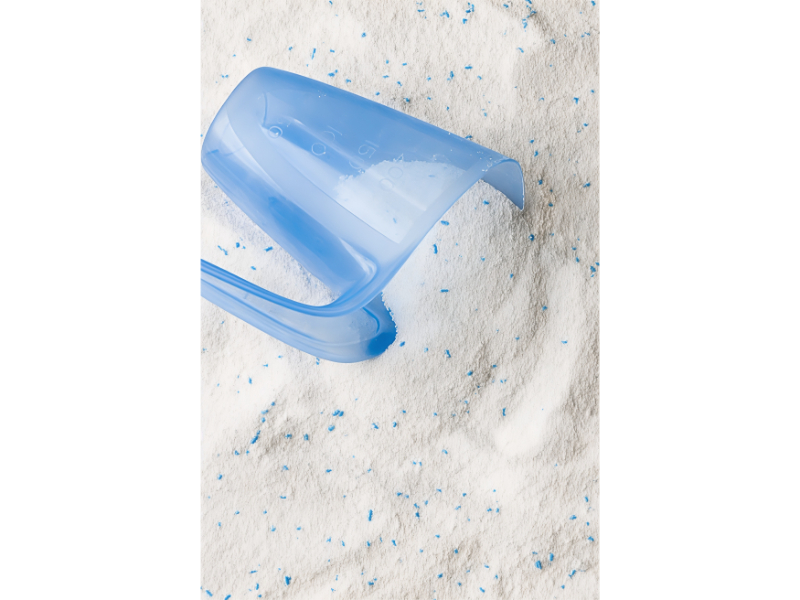
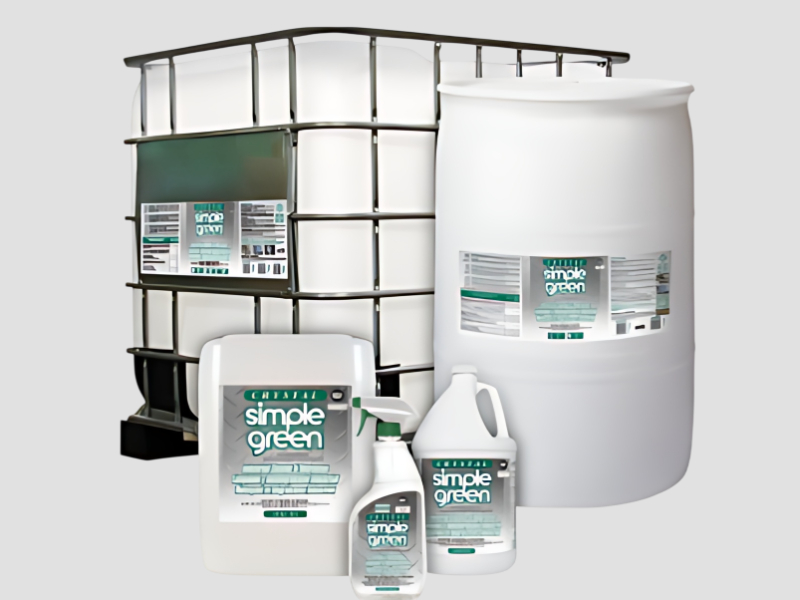
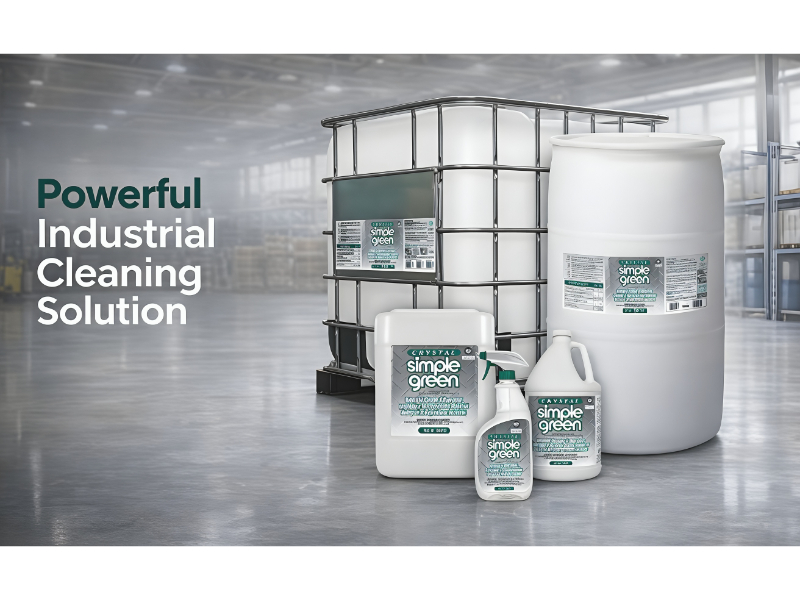
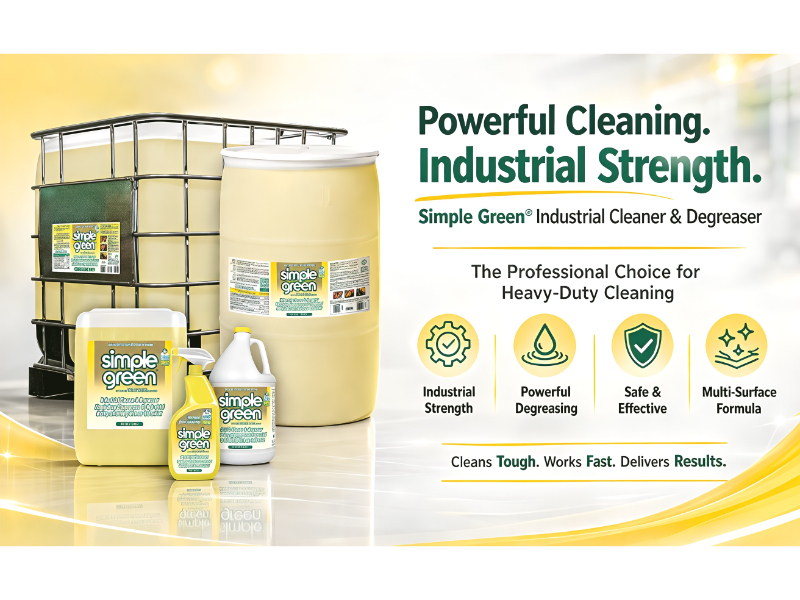
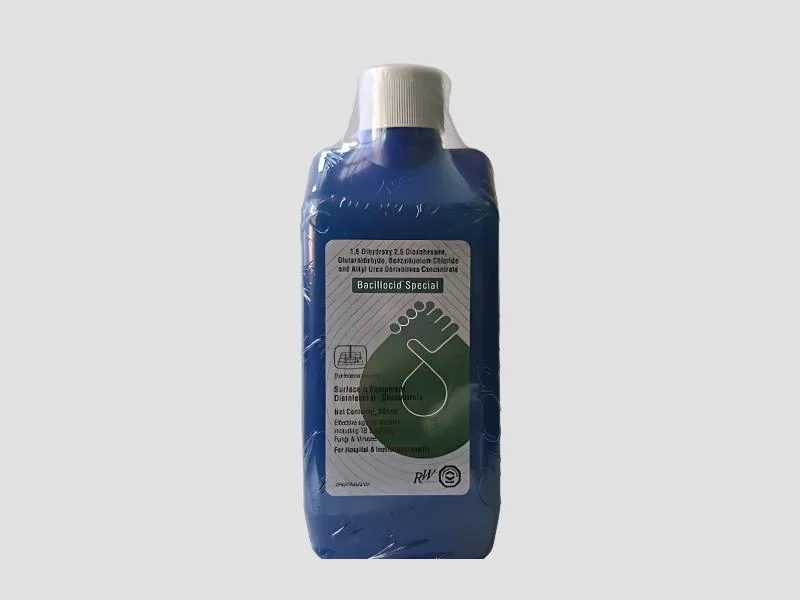
These products require dilution before use, providing cost-effective cleaning solutions. They are ideal for large-scale applications where bulk purchasing is advantageous.
𝗕𝗲𝗻𝗲𝗳𝗶𝘁𝘀 𝗮𝗻𝗱 𝗔𝗱𝘃𝗮𝗻𝘁𝗮𝗴𝗲𝘀
Investing in cleaning and sanitation chemicals provides numerous benefits for businesses aiming to uphold hygiene standards.
1. Enhanced Safety: These chemicals effectively eliminate harmful pathogens, reducing the risk of illness among employees and customers.
2. Compliance Assurance: Using certified cleaning products helps businesses meet industry regulations and hygiene standards, avoiding potential penalties.
3. Improved Efficiency: High-quality cleaning chemicals can reduce labor time and effort needed for cleaning tasks, leading to increased productivity.
4. Versatility: Many cleaning and sanitation chemicals can be used across various surfaces and industries, making them adaptable to different cleaning needs.
5. Cost-effectiveness: Concentrated solutions and bulk purchasing options can lead to significant savings over time, particularly for large organizations.
6. Environmental Responsibility: Many manufacturers offer eco-friendly products, allowing businesses to maintain high hygiene standards while also being environmentally conscious.
𝗕𝘂𝘆𝗶𝗻𝗴 𝗚𝘂𝗶𝗱𝗲 𝗳𝗼𝗿 𝗕𝟮𝗕 𝗕𝘂𝘆𝗲𝗿𝘀
When sourcing cleaning and sanitation chemicals, businesses should consider several key factors to ensure they make informed choices.
1. Quality Assessment: Evaluate the quality of the products by reviewing technical data sheets and certifications. High-quality chemicals are essential for effective cleaning and sanitation.
2. Supplier Verification: Ensure suppliers are reputable by checking their credentials, customer reviews, and compliance with industry standards. A verified supplier can provide reliable products.
3. Pricing and MOQ: Understand pricing structures and minimum order quantities (MOQ). This knowledge helps in budgeting and ensures that businesses can meet their usage needs without excess inventory.
4. Delivery and Lead Times: Consider logistics, including delivery schedules and lead times. Timely access to cleaning chemicals is crucial for maintaining operations without interruptions.
5. Compliance Requirements: Familiarize yourself with applicable regulations and standards in your industry. Ensure that the products sourced meet all necessary compliance requirements.
𝗖𝗼𝗺𝗽𝗹𝗶𝗮𝗻𝗰𝗲 𝗮𝗻𝗱 𝗖𝗲𝗿𝘁𝗶𝗳𝗶𝗰𝗮𝘁𝗶𝗼𝗻𝘀
Cleaning and sanitation chemicals are subject to various quality standards and certifications that ensure their effectiveness and safety.
ISO 9001 is a widely recognized quality management standard that applies to manufacturers of cleaning products. Adherence to this standard indicates a commitment to consistent quality and customer satisfaction.
HACCP (Hazard Analysis and Critical Control Points) is essential for food-related industries, ensuring that cleaning and sanitation procedures effectively manage food safety hazards.
CE certification is significant for products sold in the European market, indicating conformity with health, safety, and environmental protection standards.
In addition, safety and testing requirements dictate that cleaning chemicals undergo rigorous testing to ensure they are safe for use and effective against pathogens. Regional compliance considerations must also be addressed, as regulations can vary by location.
𝗪𝗵𝘆 𝗦𝗼𝘂𝗿𝗰𝗲 𝗖𝗹𝗲𝗮𝗻𝗶𝗻𝗴 & 𝗦𝗮𝗻𝗶𝘁𝗮𝘁𝗶𝗼𝗻 𝗖𝗵𝗲𝗺𝗶𝗰𝗮𝗹𝘀 𝗳𝗿𝗼𝗺 𝗣𝗲𝗽𝗮𝗴𝗼𝗿𝗮?
Pepagora provides a trusted platform for sourcing cleaning and sanitation chemicals, offering several key advantages that set it apart in the market.
Verified Supplier Network: Pepagora connects buyers with a network of verified suppliers, ensuring that businesses can source high-quality products with confidence. This network undergoes rigorous vetting, providing peace of mind for buyers.
Streamlined RFQ Process: The platform features a streamlined request for quotation (RFQ) process, making it easy for businesses to obtain competitive pricing and product availability from multiple suppliers.
Trade Assurance and Support: Pepagora offers trade assurance, providing buyers with protection and support throughout the purchasing process. This feature helps mitigate risks associated with sourcing chemicals.
Regional Coverage: With a strong presence in India, the GCC, and Southeast Asia, Pepagora ensures that businesses across diverse regions can access essential cleaning and sanitation chemicals efficiently. This geographic reach enhances the platform's ability to meet varied market needs.

 IN
IN