Key Features and Specifications
Laundry detergents, both liquid and powder, possess various features and specifications that cater to different cleaning needs. Their formulations are designed to provide optimal stain removal, fabric care, and efficiency.
Key specifications include:
1. Stain Removal Efficiency
- High-performance surfactants targeting a wide range of stains
- Tested effectiveness in various water temperatures
2. Fabric Compatibility
- Safe for use on various fabric types, including cotton, polyester, and blends
- Formulated to prevent fading and damage to fibers
3. Concentration Levels
- Available in concentrated formulas for enhanced cleaning power
- Reduced dosage requirements compared to standard formulas
4. Environmental Impact
- Biodegradable ingredients that minimize ecological footprint
- Reduced packaging waste options available
5. pH Balance
- Formulated to maintain a neutral pH for fabric safety
- Prevents skin irritation and damage to garments
6. Fragrance Options
- Variety of scent choices to enhance user experience
- Options for unscented formulas for sensitive users
7. Cost Efficiency
- Competitive pricing structures for bulk purchasing
- Effective formulations that require less product per wash
In summary, the features and specifications of laundry detergents are designed to meet diverse cleaning needs while emphasizing performance, safety, and environmental responsibility.
Common Applications and Use Cases
Laundry detergents find utility across various industries, ensuring cleanliness and hygiene in diverse environments.
1. Hospitality: Hotels and resorts use laundry detergents to maintain linens, towels, and uniforms, ensuring high standards of cleanliness for guest satisfaction.
2. Healthcare: Hospitals and clinics require specialized detergents to clean and sanitize patient linens, uniforms, and other textiles, meeting stringent hygiene regulations.
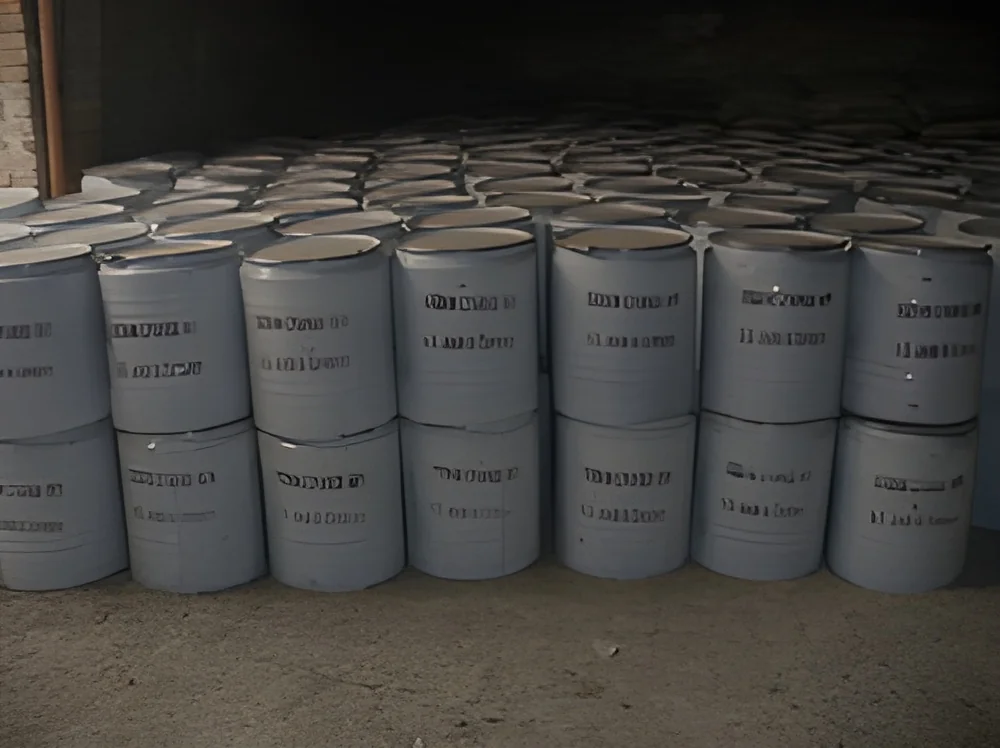
3. Commercial Laundries: Service providers rely on bulk quantities of laundry detergents to efficiently clean garments for various businesses, such as restaurants and dry cleaners.
4. Textile Manufacturing: Manufacturers utilize detergents in the production process to remove impurities and prepare fabrics for dyeing and finishing.
5. Educational Institutions: Schools and universities use laundry detergents for cleaning uniforms, bedding, and other textile products to maintain a hygienic environment.
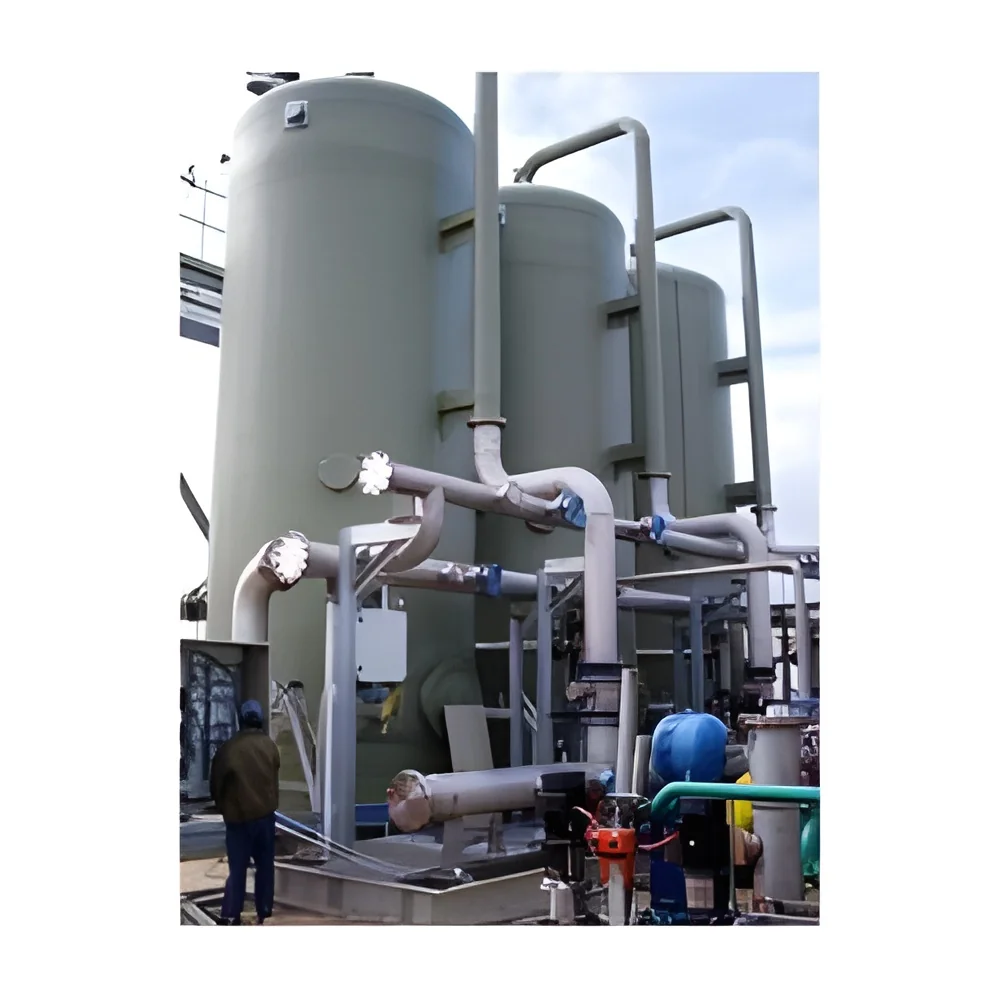
6. Industrial Applications: Factories and production facilities require robust detergents to clean workwear and equipment, promoting safety and cleanliness.
7. Residential Use: Many households use laundry detergents for everyday laundry needs, ensuring that clothes remain clean and fresh.
Product Variants and Subcategories
Laundry detergents are available in various formulations and types, each suited for specific applications and preferences.
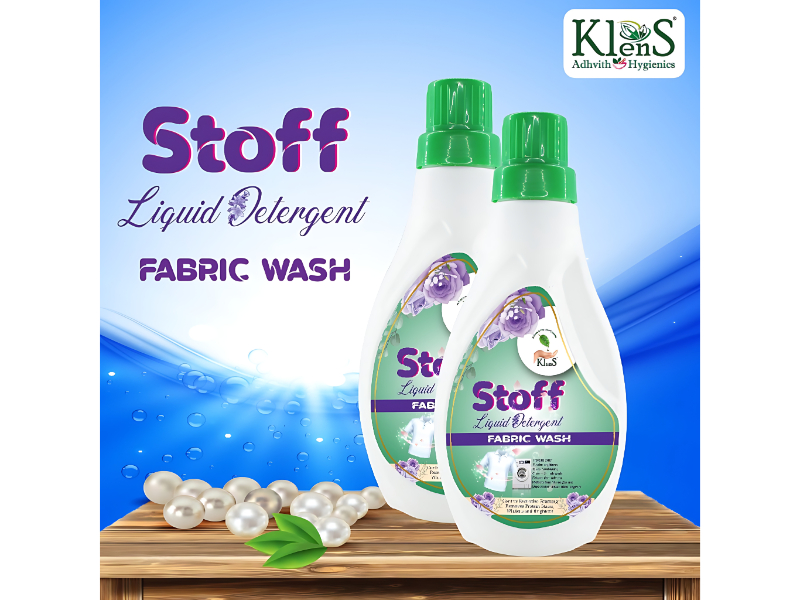
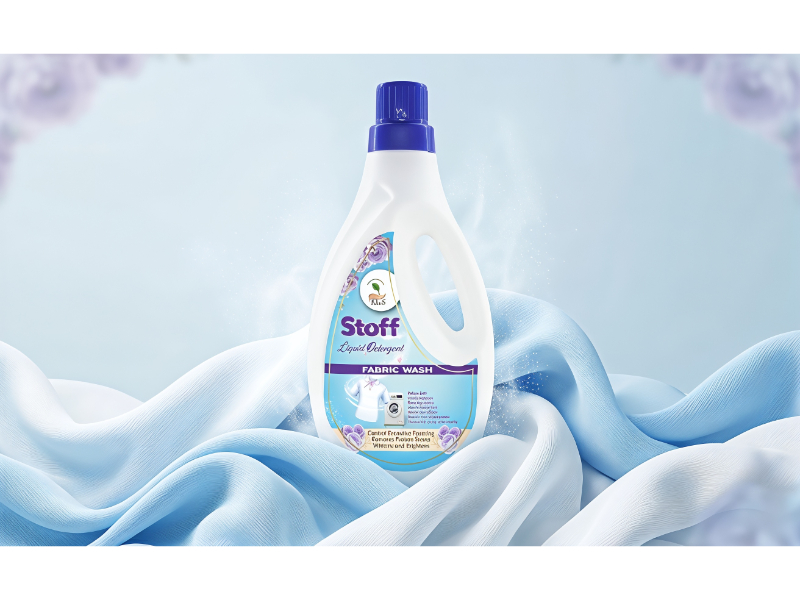
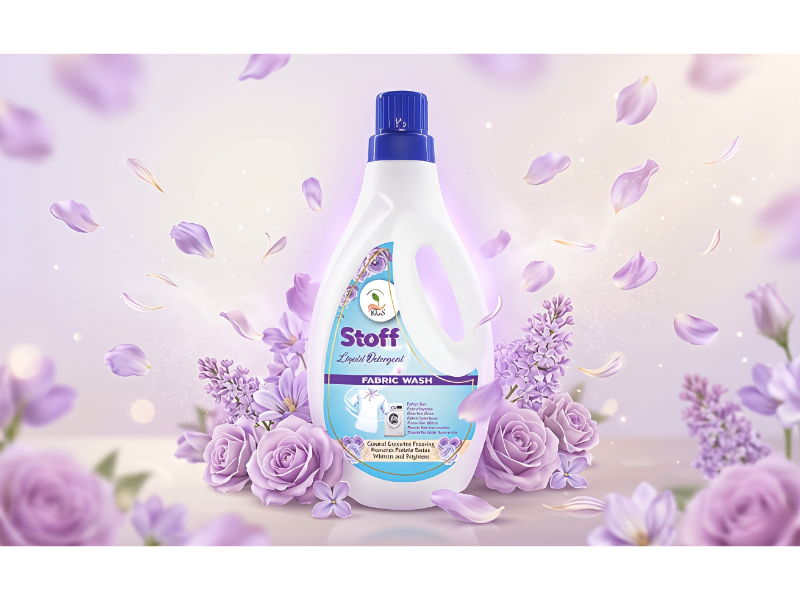
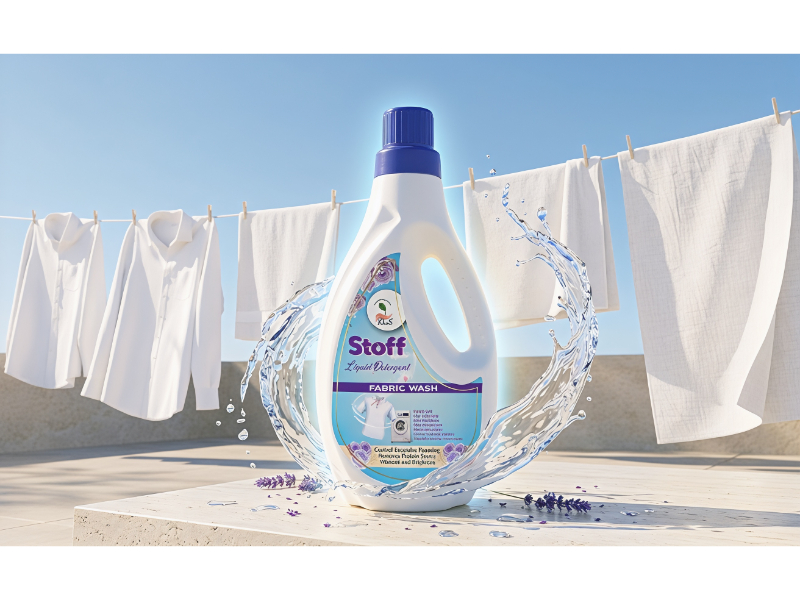
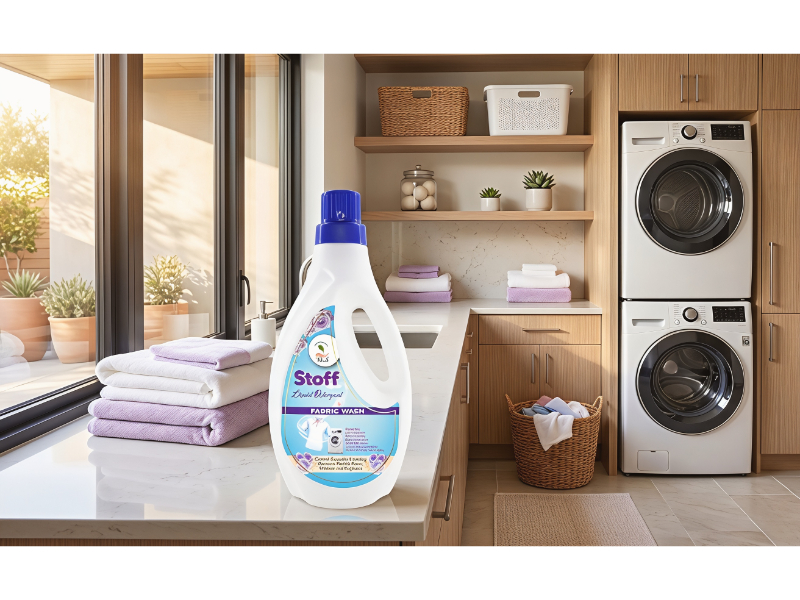
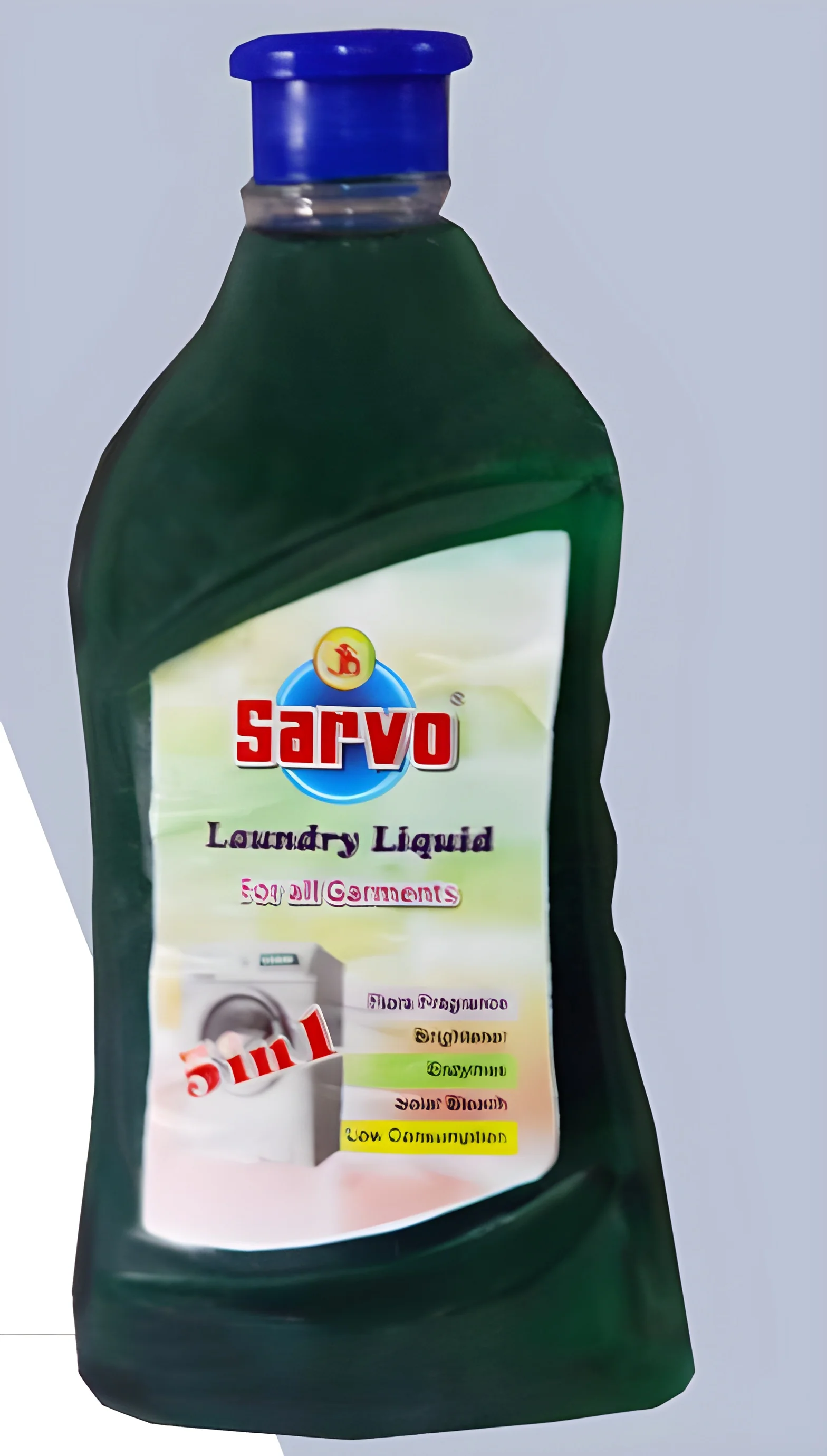
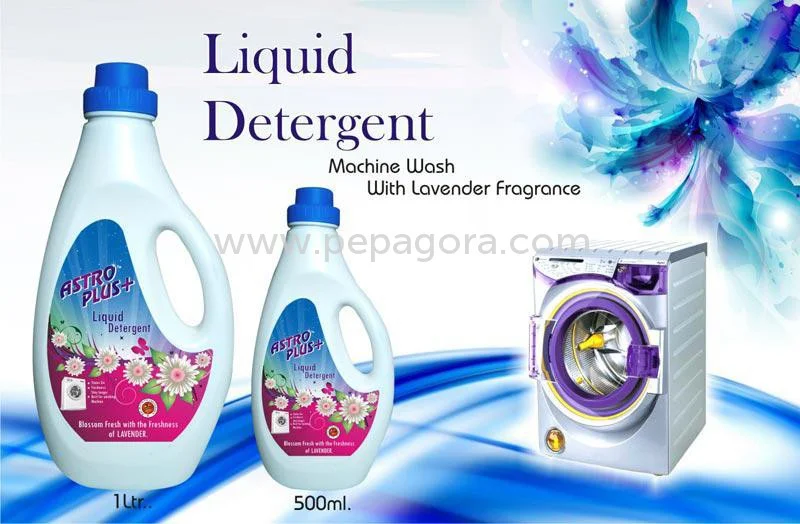
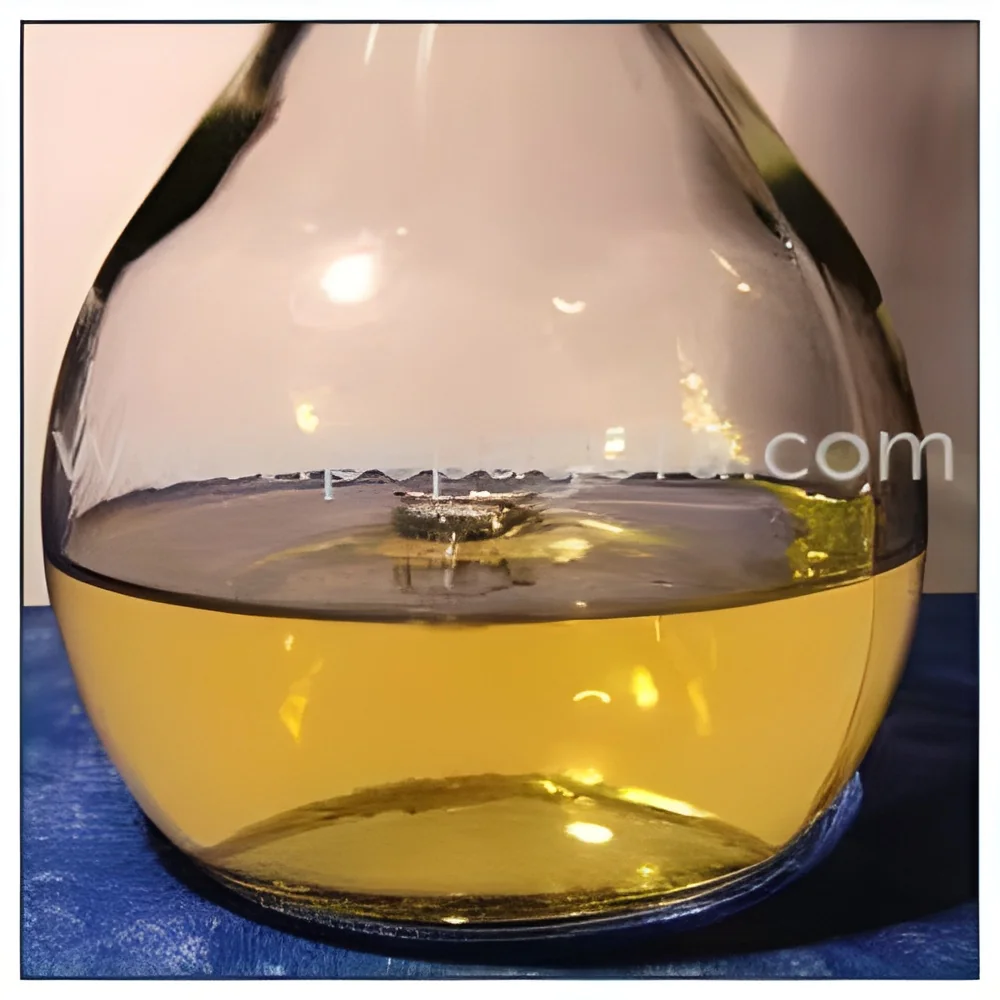
Liquid Detergent
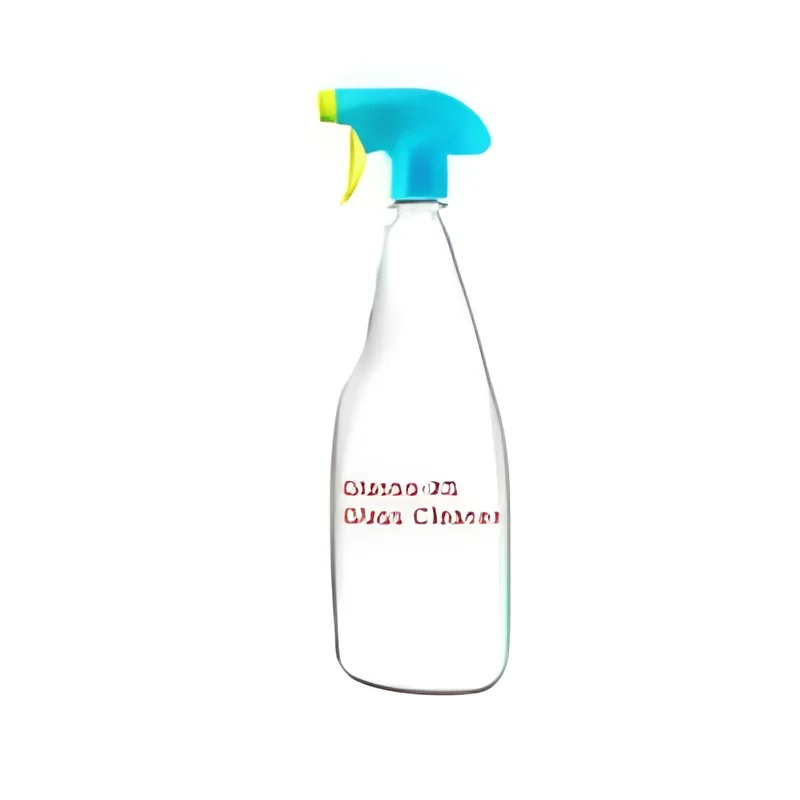
Liquid detergents are versatile and easy to use, making them ideal for pre-treating stains. They dissolve quickly in water, providing effective cleaning in both cold and hot cycles.
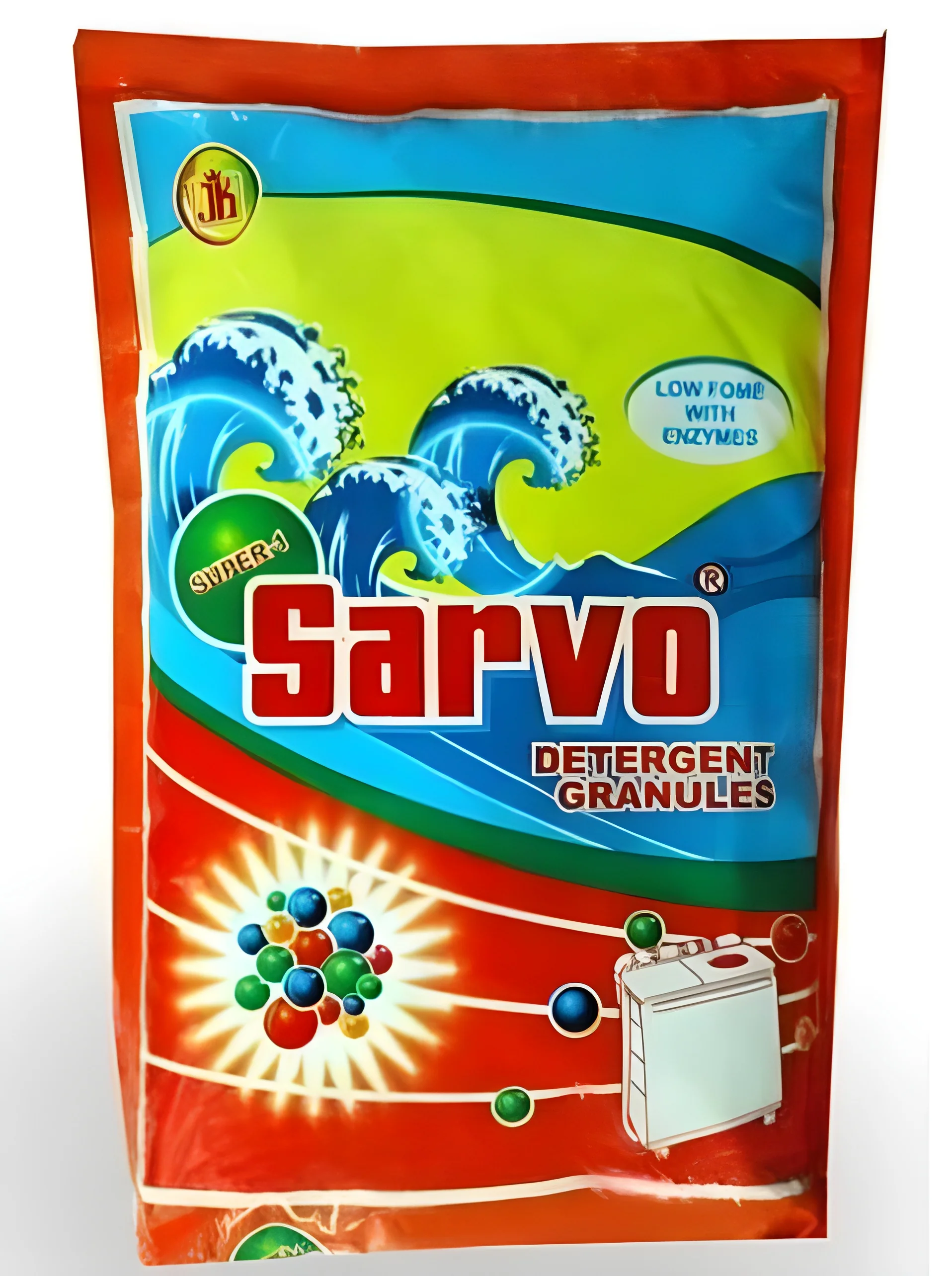
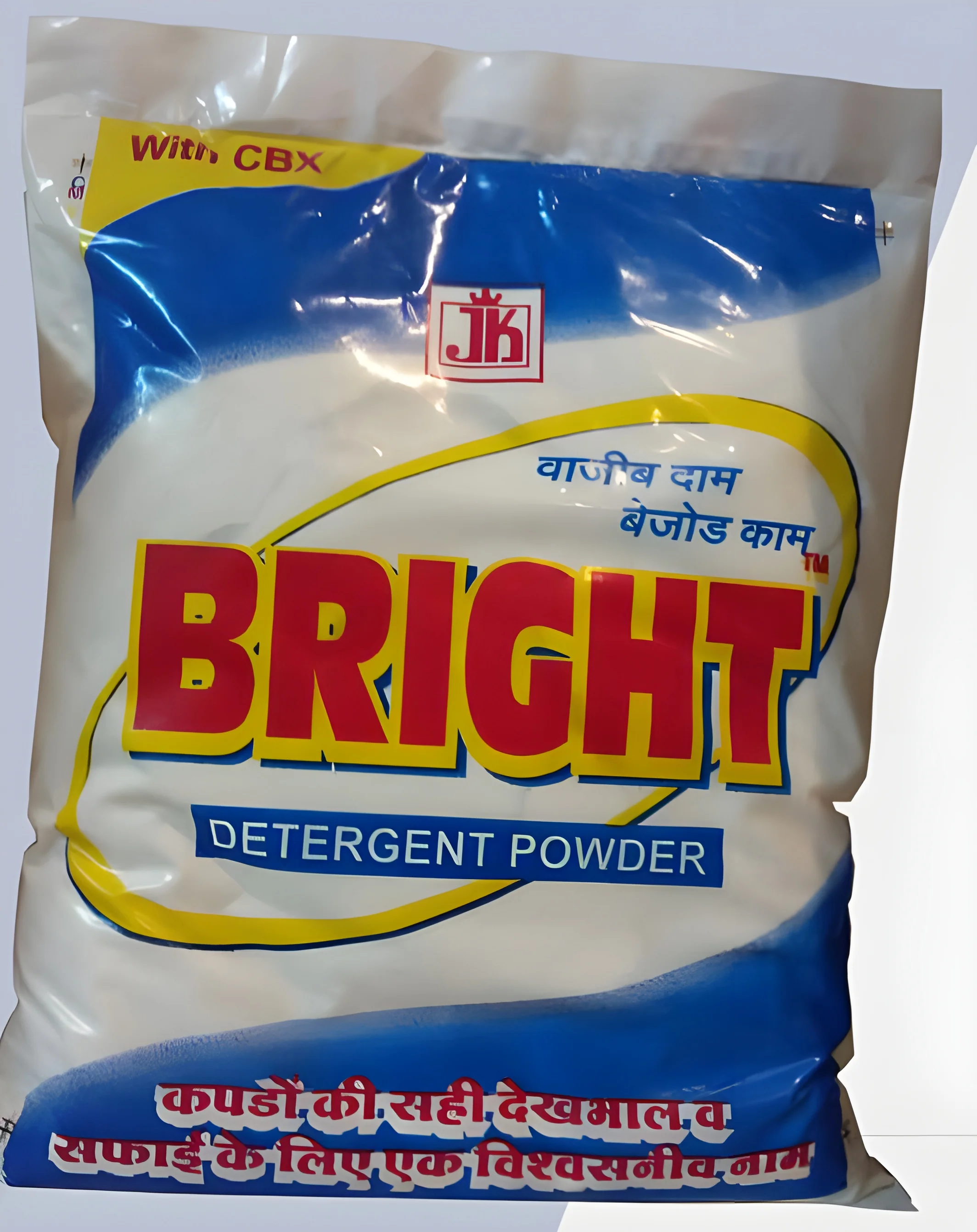
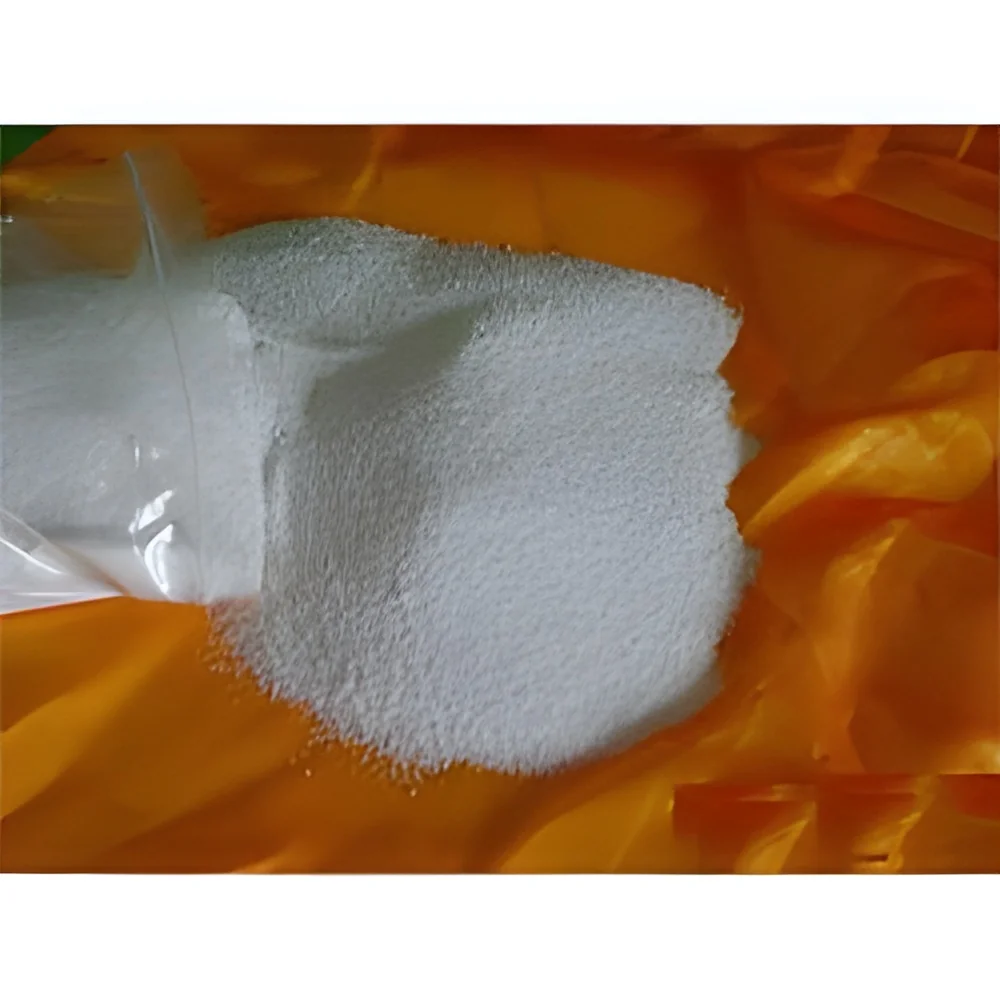
Powder Detergent
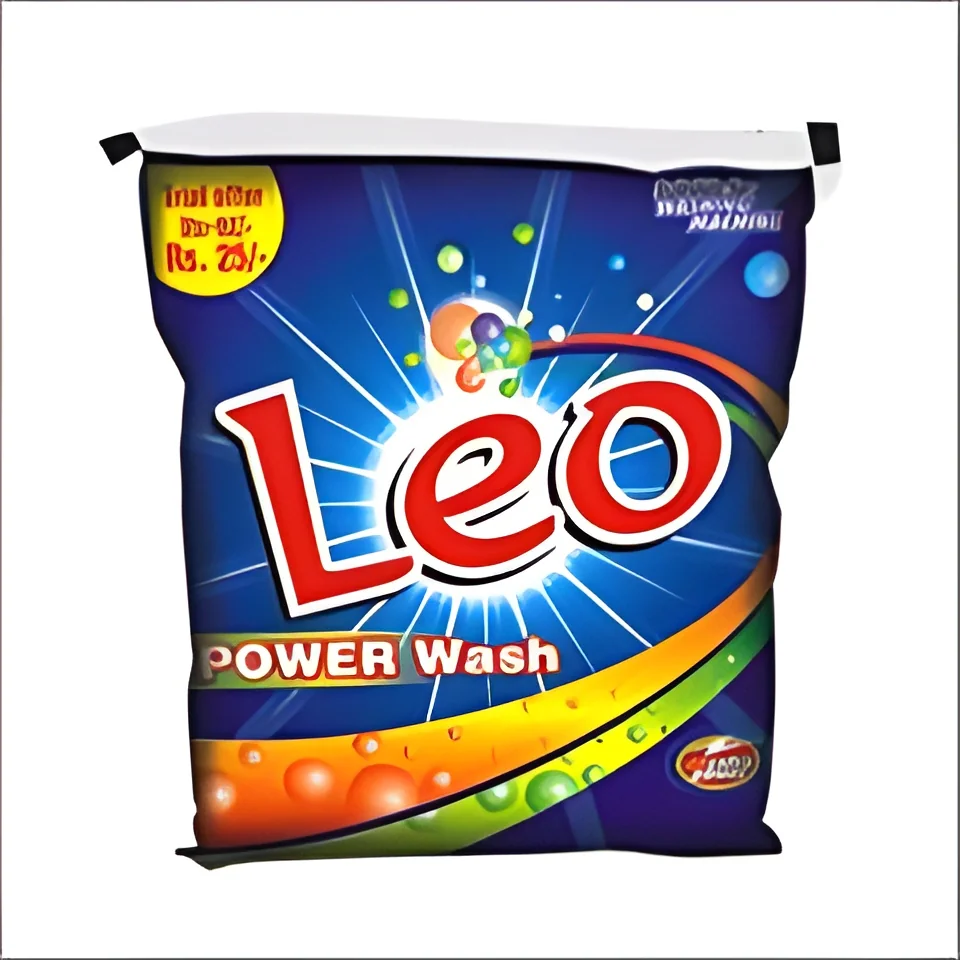
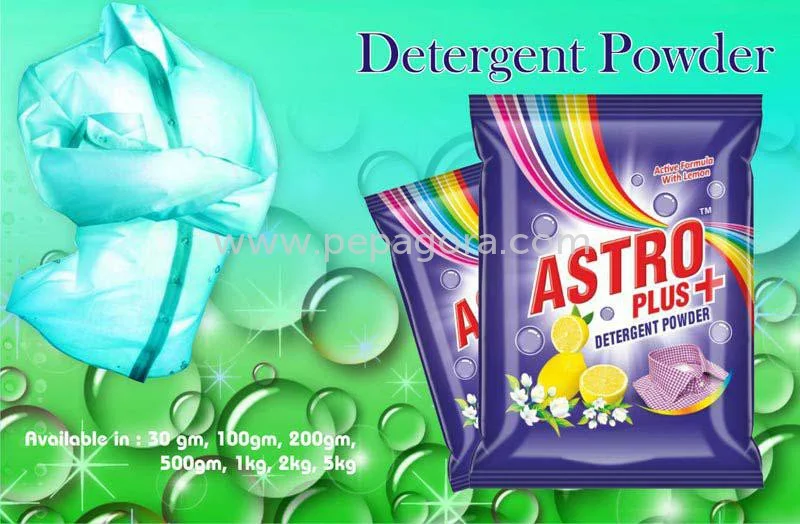
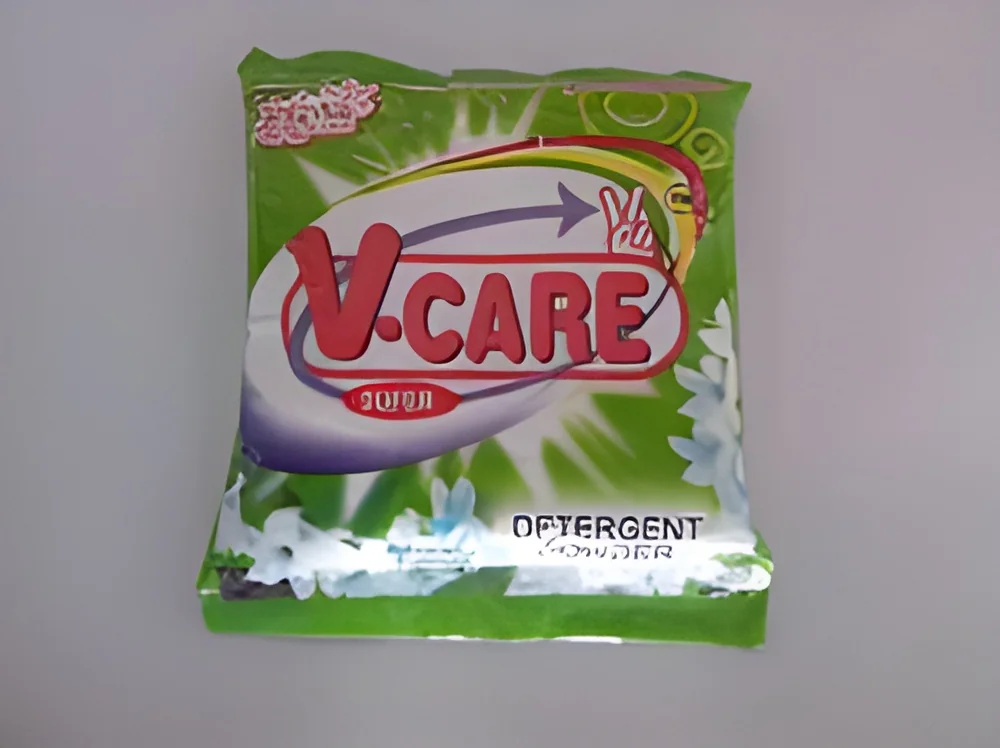
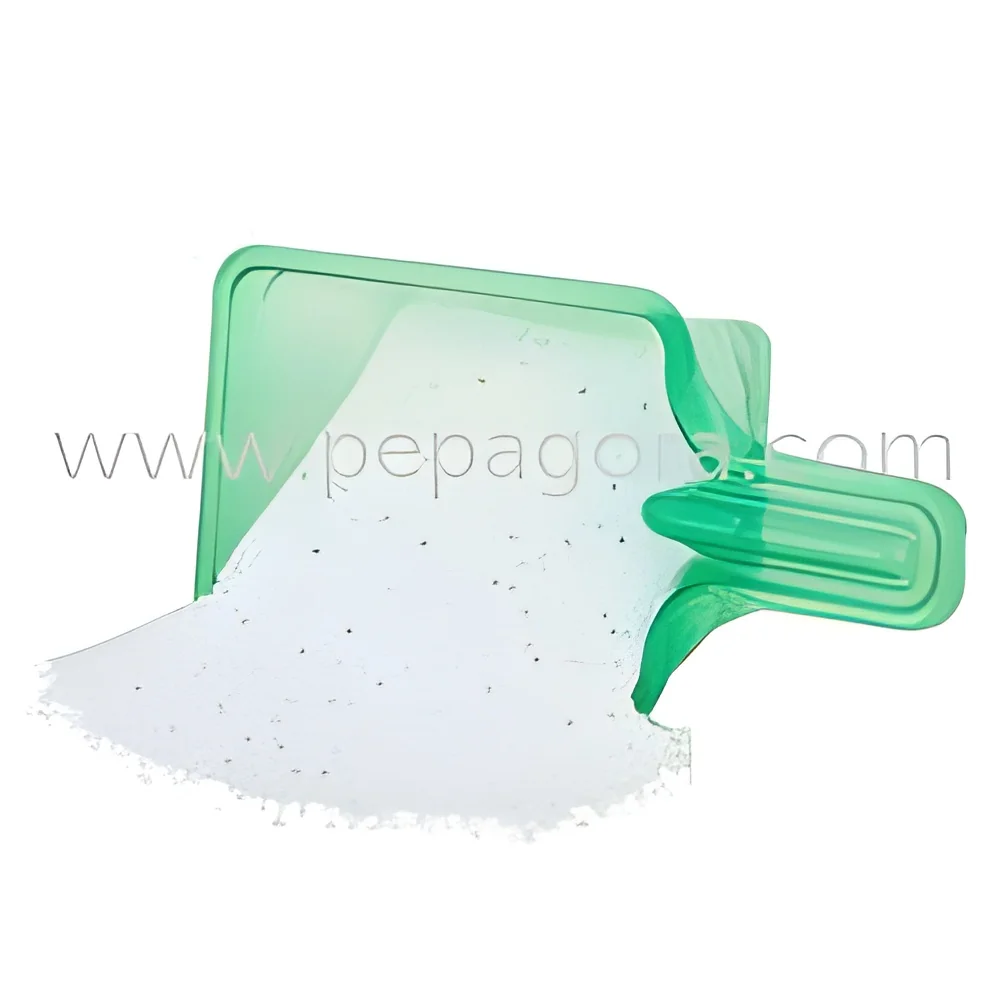
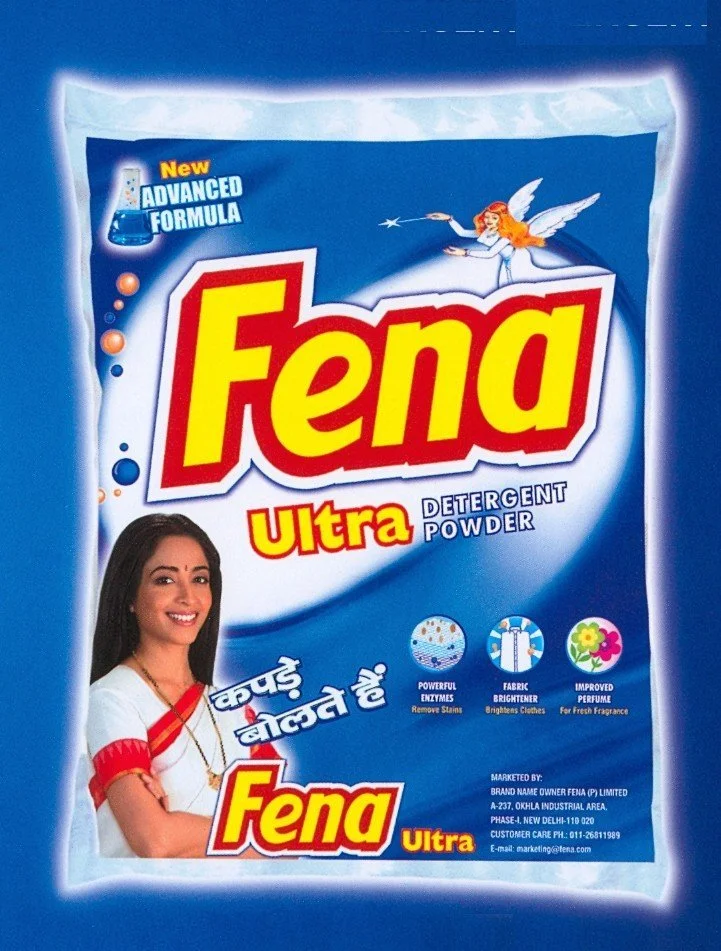
Powder detergents are often more cost-effective and can be particularly effective on tough stains. They are ideal for high-capacity loads and environments where bulk purchasing is necessary.
High-Efficiency (HE) Detergent
HE detergents are specially formulated for high-efficiency washing machines. They produce fewer suds and are designed to work effectively with less water, making them a sustainable choice.
Eco-Friendly Detergent
Eco-friendly detergents are formulated with biodegradable ingredients and without harmful chemicals. They cater to environmentally conscious consumers seeking safer cleaning options.
Benefits and Advantages
Laundry detergents provide numerous benefits that enhance cleaning performance and user satisfaction.
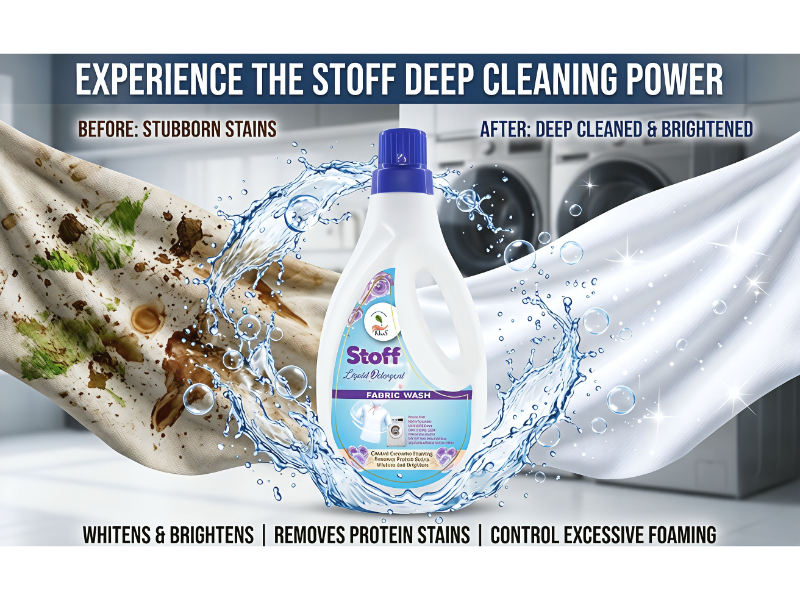
1. Effective Stain Removal: Formulated with advanced surfactants, these detergents efficiently tackle tough stains, ensuring fabrics look clean and fresh.
2. Fabric Care: Specialized formulations protect fabrics from damage, color fading, and wear, extending the life of garments.
3. Convenience: Liquid detergents are easy to measure and use, while powder options offer cost savings for bulk users.
4. Environmental Responsibility: Many brands offer eco-friendly options, reducing the environmental impact of laundry processes.
5. Versatility: Suitable for various fabric types and washing conditions, providing flexibility in usage.
6. Cost-Effectiveness: Effective formulations require less product per wash, making them economical for both businesses and households.
Buying Guide for B2B Buyers
When sourcing Laundry Detergents (Liquid & Powder), businesses should consider several critical factors to ensure optimal purchasing decisions.
1. Quality Assessment: Buyers should evaluate the cleaning efficacy and safety of the product. Look for performance tests and certifications that confirm the detergent meets industry standards.
2. Supplier Verification: It is essential to vet suppliers for credibility and reliability. Check for reviews, references, and their track record in the industry to ensure a trustworthy partnership.
3. Pricing and MOQ: Understand the pricing structure and minimum order quantities (MOQs) to align with your budget and inventory needs. Comparing prices from multiple suppliers can help identify competitive offers.
4. Delivery and Lead Times: Assess the logistics involved in delivery schedules and lead times. Timely delivery is crucial for maintaining operations and meeting customer expectations.
5. Compliance Requirements: Ensure that the detergents comply with relevant regulatory standards and safety requirements. This includes checking for certifications such as CE and adherence to local laws.
Compliance and Certifications
Laundry detergents must adhere to various quality standards and industry regulations to ensure safety and effectiveness.
ISO 9001: This standard outlines criteria for quality management systems. Compliance indicates a commitment to consistent quality in manufacturing processes.
HACCP: Hazard Analysis Critical Control Points is a management system addressing food safety. For detergents used in food-related environments, adherence to HACCP standards is crucial.
CE Certification: This certification signifies that products meet EU safety, health, and environmental protection standards. Suppliers with CE certification indicate compliance with relevant European regulations.
Safety and Testing Requirements: Detergents must undergo rigorous testing to ensure they are safe for use on fabrics and skin. This includes evaluating potential allergens and irritants.
Regional Compliance Considerations: Different regions may have specific regulatory requirements concerning formulations, labeling, and environmental impact. Buyers should be aware of these to ensure compliance.
Why Source Laundry Detergents (Liquid & Powder) from Pepagora?
Pepagora offers a reliable platform for sourcing Laundry Detergents (Liquid & Powder), providing several key advantages for B2B buyers.
Verified Supplier Network: Pepagora connects buyers with a network of verified suppliers, ensuring that they can source high-quality products with confidence. Each supplier undergoes a thorough vetting process to establish credibility.
Streamlined RFQ Process: The platform features an efficient Request for Quotation (RFQ) process, enabling buyers to receive competitive quotes from multiple suppliers swiftly. This saves time and helps buyers make informed purchasing decisions.
Trade Assurance and Support: Pepagora provides trade assurance, offering buyers protection against potential issues during transactions. Dedicated support teams are available to assist in resolving any concerns.
Regional Coverage: With a strong presence in India, the GCC, and Southeast Asia, Pepagora ensures that buyers have access to a wide range of products tailored to their regional needs. This extensive reach enhances sourcing opportunities and market access.

 IN
IN