What are Hand Wash & Hand Sanitizers?
Hand wash and hand sanitizers are essential hygiene products designed to clean and disinfect hands effectively. Hand wash typically includes antibacterial agents and surfactants that help remove dirt, germs, and impurities from the skin. Hand sanitizers, on the other hand, are alcohol-based solutions that kill germs without the need for water. Both products play a crucial role in maintaining personal and public hygiene, especially in environments where the risk of infection is high.
These products are widely used in various sectors, including healthcare, food service, education, and hospitality. Businesses often utilize hand wash and sanitizers to comply with health regulations and promote a safe environment for employees and customers. The increased awareness of hygiene, particularly following global health crises, has contributed to a growing demand in the market. This trend highlights the importance of effective hand hygiene solutions across industries.
Key Features and Specifications
Hand wash and hand sanitizers come with various features and specifications that ensure their effectiveness and safety. Understanding these details is crucial for making informed purchasing decisions.
Key specifications include:
1. Alcohol Content
- Hand sanitizers typically contain 60-95% alcohol.
- Higher concentrations are more effective in killing germs.
2. pH Level
- Hand washes are formulated with a pH level that is gentle on the skin, usually between 5.5 and 7.
- This helps prevent skin irritation during regular use.
3. Fragrance
- Available in scented and unscented options to cater to user preferences.
- Scented options often use natural essential oils.
4. Antibacterial Properties
- Many hand washes contain antibacterial agents, such as triclosan or benzalkonium chloride.
- These aid in reducing the number of bacteria on the skin.
5. Moisturizing Ingredients
- Formulations may include moisturizers like glycerin or aloe vera to prevent skin dryness.
- This is particularly important for frequent use.
6. Packaging Options
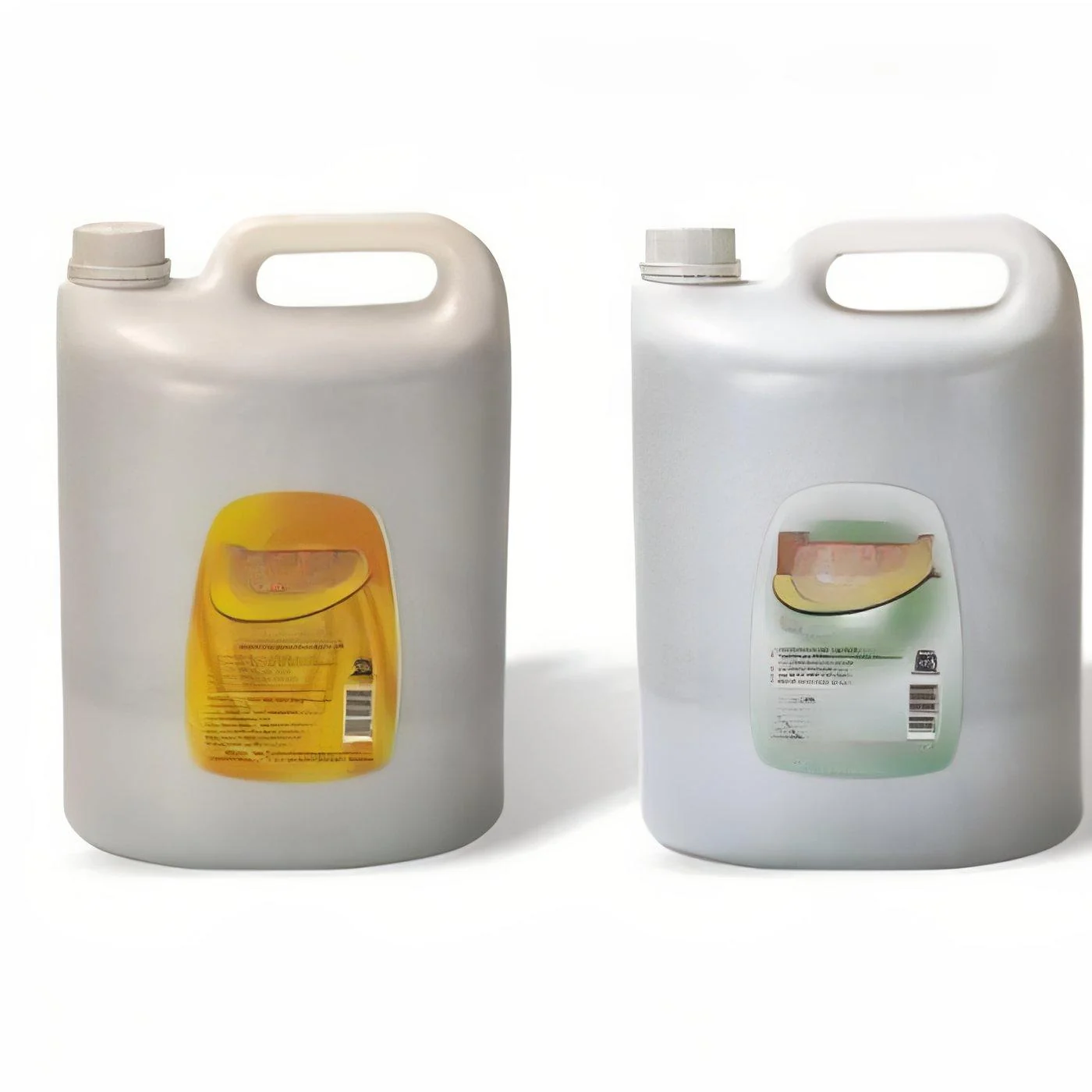
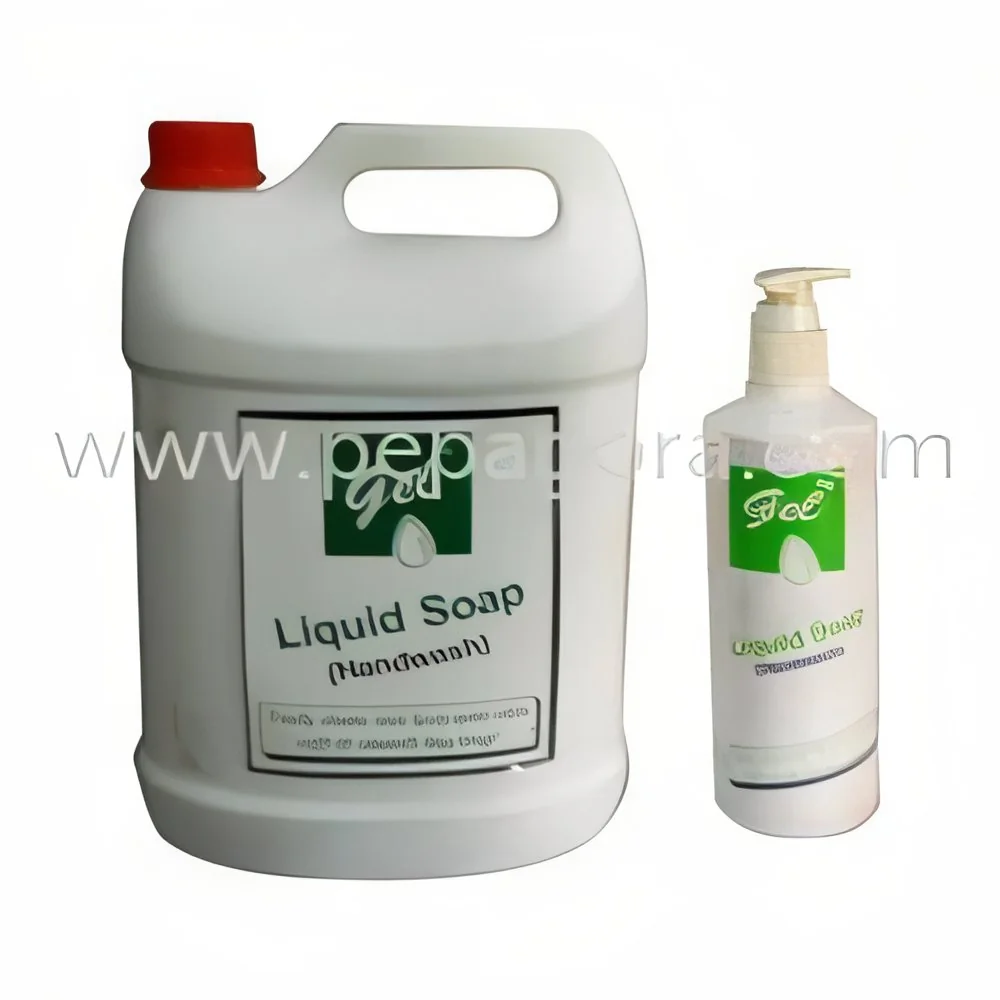
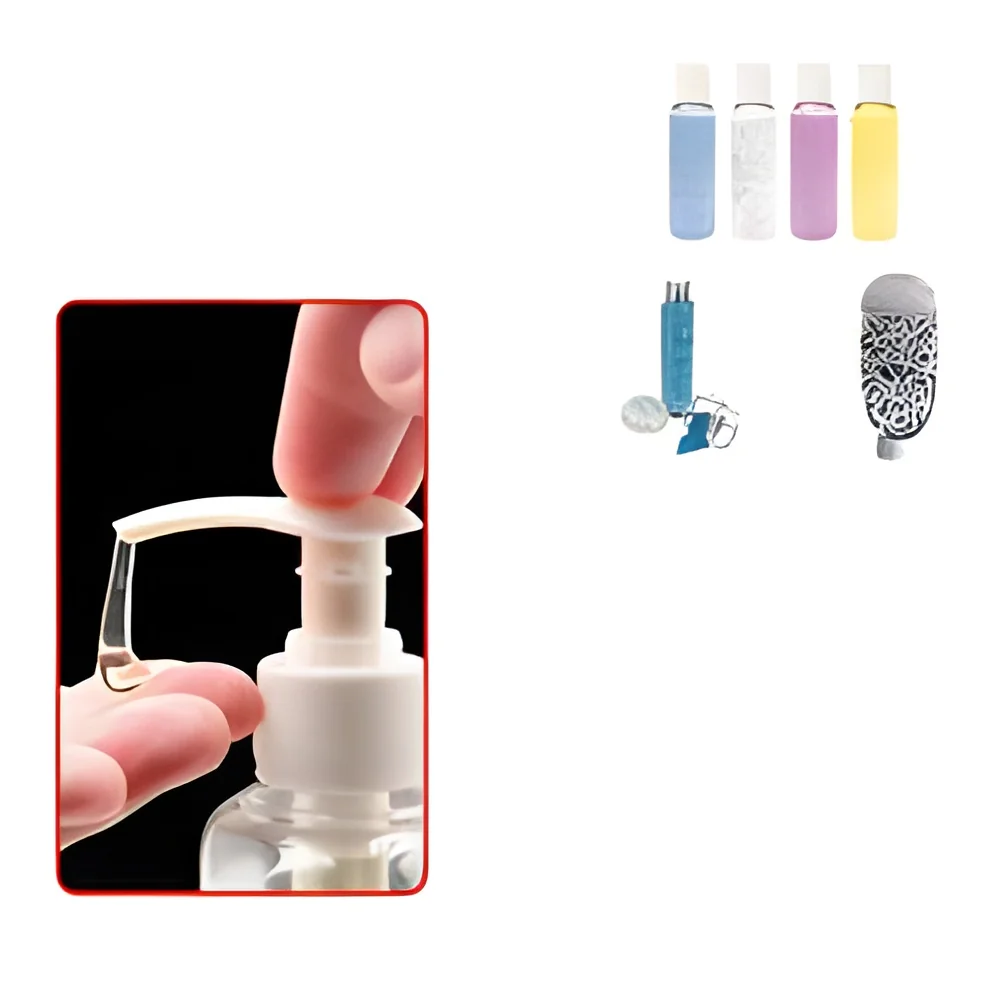
- Available in various sizes, including travel-sized bottles and bulk dispensers.
- Bulk options are ideal for high-traffic areas.
In summary, knowing the features and specifications of hand wash and hand sanitizers can help businesses select the right products that meet their specific hygiene needs.
Common Applications and Use Cases
Hand wash and hand sanitizers are utilized across a wide range of industries, reflecting their importance in maintaining hygiene standards.
1. Healthcare: Hospitals and clinics use hand wash and sanitizers to ensure the highest level of cleanliness among staff and patients, reducing the spread of infections.
2. Food Service: Restaurants and food processing plants require these products to maintain strict hygiene protocols, ensuring food safety and preventing contamination.
3. Education: Schools and universities implement hand hygiene programs, providing students and staff with access to hand wash and sanitizers to promote healthy habits.
4. Hospitality: Hotels and resorts use hand hygiene products to enhance guest safety, particularly in shared spaces like lobbies and dining areas.
5. Manufacturing: Factories often have hand sanitizing stations to maintain cleanliness in environments where machinery and equipment are operated.
6. Retail: Stores provide hand sanitizers at entrances to promote hygiene and reassure customers about their safety while shopping.
7. Transportation: Public transport systems utilize hand sanitizers to enhance the cleanliness of vehicles and stations, promoting passenger safety.
Product Variants and Subcategories
Hand wash and hand sanitizers come in various forms to cater to different user needs and preferences.
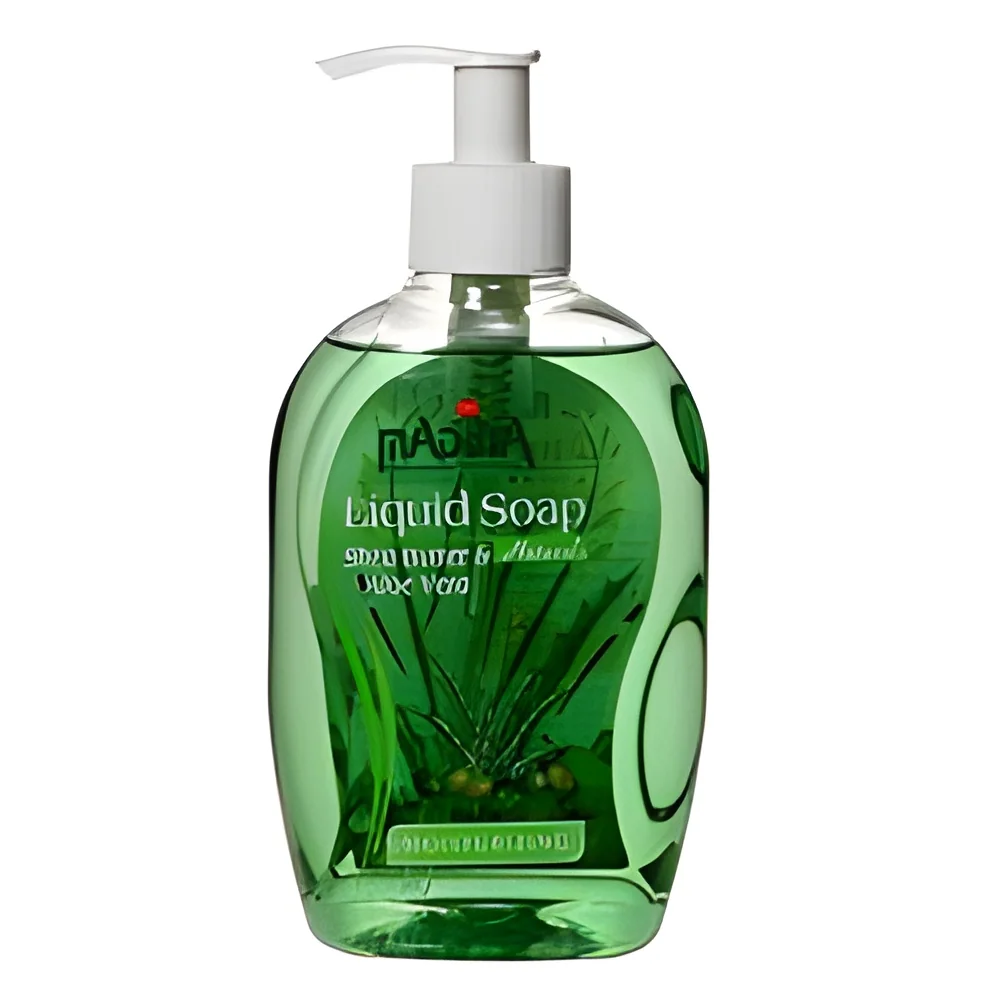
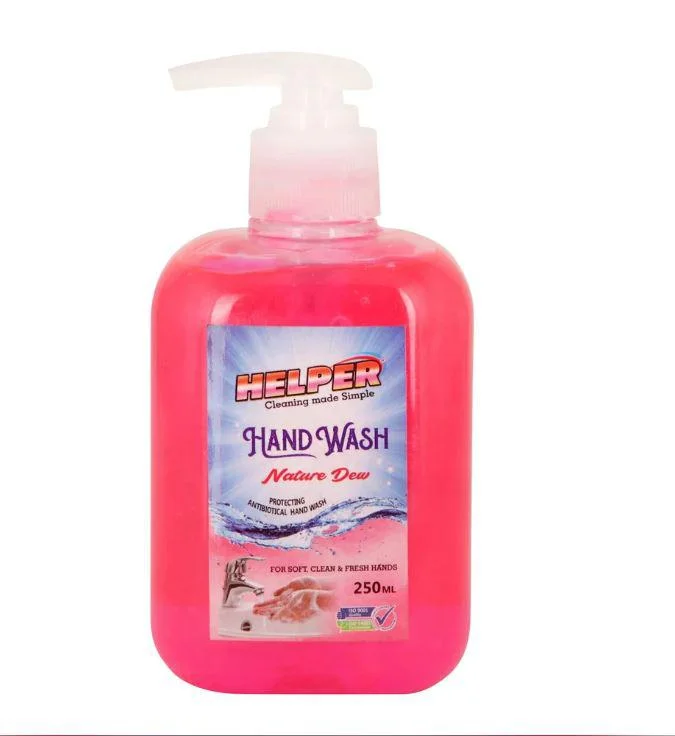
Liquid Hand Wash
This variant is commonly used in sinks and dispensers. It effectively removes dirt and germs while being easy to apply and rinse off.
Foam Hand Wash
This type generates a rich foam that provides an enjoyable washing experience. It is often used in public restrooms for efficient cleaning.
Gel Hand Sanitizer
Gel formulations are popular for their ease of use and effectiveness. They are ideal for on-the-go situations where soap and water are not available.
Spray Hand Sanitizer
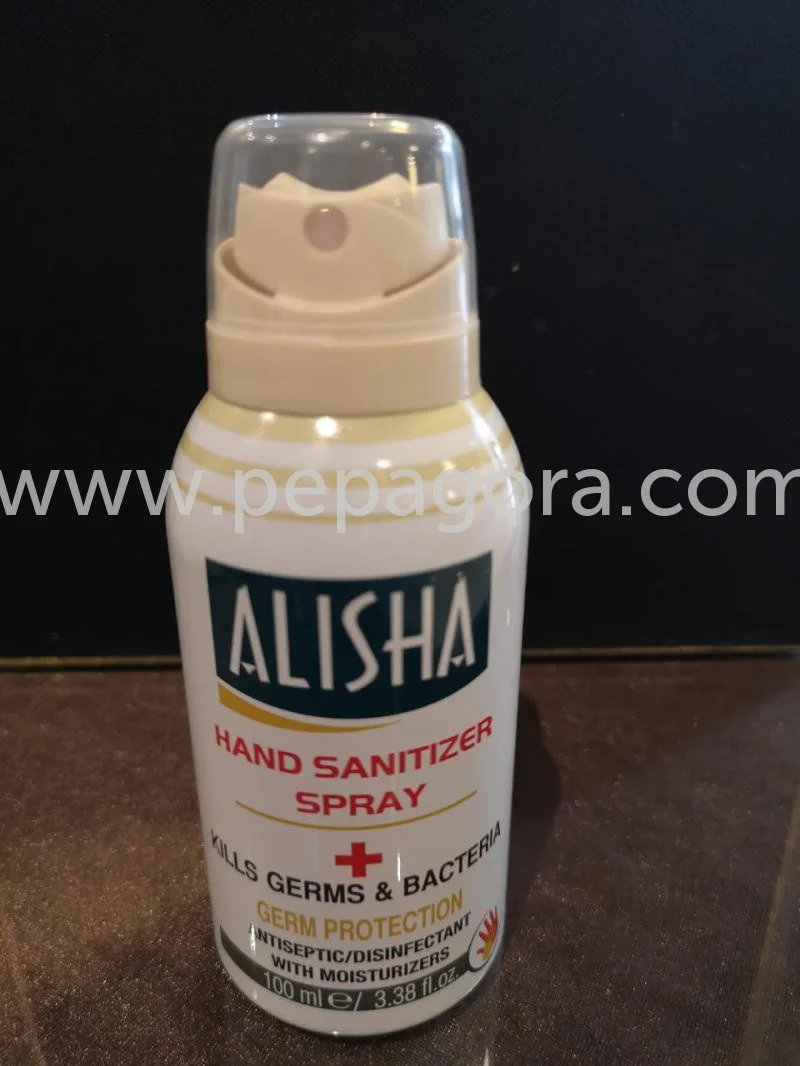
This variant allows for quick application and is often used in public spaces. It provides convenience and effective germ-killing properties.
Benefits and Advantages
Hand wash and hand sanitizers offer several key benefits that make them essential for both personal and public health.
1. Germ Elimination: They effectively kill a wide range of bacteria and viruses, helping to reduce the risk of infections.
2. Convenience: Hand sanitizers provide an easy way to maintain hygiene, especially in environments where soap and water are not readily available.
3. Skin Care: Many formulations include moisturizing ingredients that help prevent skin irritation, making them suitable for frequent use.
4. Compliance: Using these products helps businesses meet health and safety regulations, ensuring a safe environment for employees and customers.
5. Cost-Effective: Investing in hand wash and sanitizers can prevent health-related expenses by reducing the incidence of illness.
6. Versatility: They can be used in various settings and are suitable for a wide range of users, from healthcare professionals to everyday consumers.
Buying Guide for B2B Buyers
When sourcing hand wash and hand sanitizers, it is important to consider several key factors to ensure the selection of quality products.
1. Quality Assessment: Evaluate products based on ingredients, effectiveness, and skin compatibility. Look for reputable brands that comply with industry standards.
2. Supplier Verification: Vet suppliers to ensure they have a reliable track record. Check for certifications and customer reviews to confirm their credibility.
3. Pricing and MOQ: Understand the pricing structure and minimum order quantities required. This helps in budgeting and ensuring a steady supply without excess inventory.
4. Delivery and Lead Times: Discuss logistics with suppliers to ensure timely delivery. Understand lead times to avoid disruptions in supply.
5. Compliance Requirements: Ensure that products meet relevant regulatory standards, including safety and quality certifications. This is crucial for maintaining compliance in your industry.
Compliance and Certifications
Compliance and certifications are vital aspects of sourcing hand wash and hand sanitizers. Key quality standards such as ISO 9001 ensure that products meet international quality management criteria. Additionally, certifications like CE indicate that products conform to health, safety, and environmental protection standards.
Safety and testing requirements are also critical. Products should undergo rigorous testing to verify their efficacy and safety for consumer use. Regional compliance considerations may vary, so it is essential to be aware of local regulations governing the production and sale of these hygiene products.
Why Source Hand Wash & Hand Sanitizers from Pepagora?
Pepagora provides a trusted platform for sourcing hand wash and hand sanitizers, offering several key advantages to B2B buyers.
Verified Supplier Network: Pepagora connects buyers with a network of verified suppliers who meet stringent quality and safety standards. This helps ensure that buyers receive products that are reliable and effective.
Streamlined RFQ Process: The platform offers a user-friendly request for quotation system that simplifies the procurement process. Buyers can easily compare offers and select suppliers that best meet their needs.
Trade Assurance and Support: Pepagora provides trade assurance to protect buyers during transactions. This includes support for resolving disputes and ensuring that suppliers deliver as promised.
Regional Coverage: With a strong presence in India, the GCC, and Southeast Asia, Pepagora ensures that buyers have access to a wide range of products and suppliers in their regions, facilitating efficient procurement and logistics.

 IN
IN