What are Hospital Grade Disinfectants?
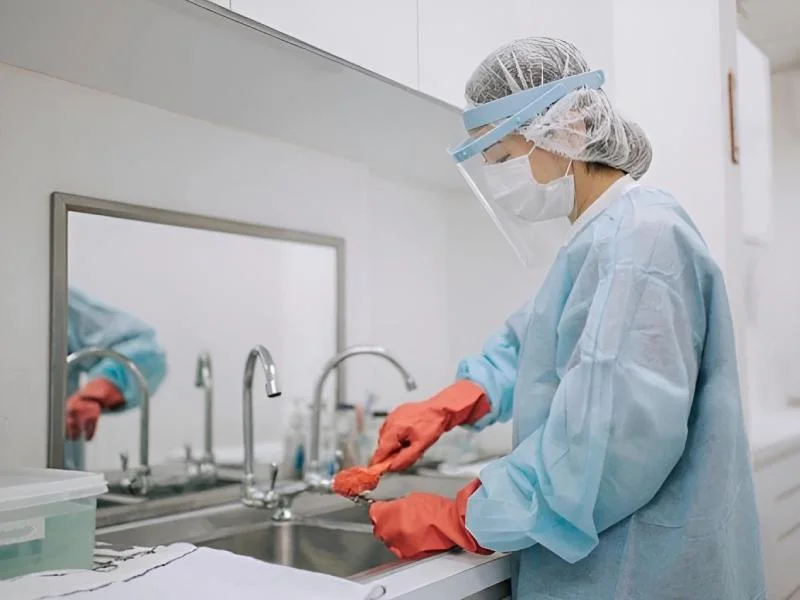
Hospital grade disinfectants are powerful chemical agents designed to eliminate a wide range of pathogens, including bacteria, viruses, and fungi, on surfaces and equipment in healthcare settings. These disinfectants meet strict standards established by regulatory bodies to ensure their effectiveness in critical environments, such as hospitals and clinics. They play a vital role in infection prevention, helping to protect patients, staff, and visitors from healthcare-associated infections.
The primary applications of hospital grade disinfectants include cleaning and sanitizing surfaces in patient rooms, operating theaters, and waiting areas. They are utilized in various healthcare facilities, such as hospitals, nursing homes, and outpatient clinics, where maintaining high hygiene standards is essential. Beyond healthcare, these disinfectants are also relevant in laboratories, schools, and food processing plants, where sanitation is critical for safety.
The market for hospital grade disinfectants has grown significantly in recent years, driven by heightened awareness of infection control practices and the need for effective cleaning solutions. As healthcare facilities increasingly adopt stringent cleaning protocols, the demand for reliable and efficient disinfectants continues to rise, positioning these products as essential tools in modern healthcare.
Key Features and Specifications
Hospital grade disinfectants are characterized by specific features and specifications that ensure their effectiveness in various applications. Understanding these features is crucial for selecting the right product for a facility's needs.
Key specifications include:
1. Efficacy Spectrum
- Broad-spectrum activity against bacteria, viruses, and fungi
- Proven effectiveness against common pathogens such as MRSA and C. difficile
2. Contact Time
- Required time for disinfectant to effectively kill pathogens
- Typically ranges from 1 to 10 minutes depending on the formulation
3. Surface Compatibility
- Safe for use on various surfaces, including metals, plastics, and fabrics
- Non-corrosive properties to protect equipment and furnishings
4. Dilution Ratios
- Concentrated formulas that may require dilution for use
- Specific dilution ratios for different applications
5. Fragrance
- Available in unscented or scented options
- Important for user comfort and preference
6. Packaging Options
- Available in various sizes, including gallons and smaller spray bottles
- Convenient packaging for easy handling and application
7. Shelf Life
- Stability and effectiveness over time
- Typically ranges from 1 to 3 years if stored correctly
8. Certification
- Registered with relevant health authorities
- CE certification indicating compliance with European standards
These specifications help ensure that hospital grade disinfectants meet the rigorous demands of healthcare environments while providing effective infection control solutions.
Common Applications and Use Cases
Hospital grade disinfectants are essential in multiple sectors, ensuring high standards of cleanliness and safety.
1. Healthcare Facilities: Used in hospitals, clinics, and nursing homes to disinfect patient care areas, surgical suites, and common areas, significantly reducing infection rates.
2. Laboratories: Effective in biosafety labs to maintain sterile environments and prevent contamination during experiments and testing.
3. Educational Institutions: Applied in schools and universities to maintain hygiene in classrooms, laboratories, and cafeterias, protecting students and staff.
4. Food Processing Plants: Vital for sanitizing surfaces and equipment to prevent foodborne illnesses and ensure compliance with health regulations.
5. Hospitality Industry: Utilized in hotels and restaurants to clean guest rooms and dining areas, enhancing guest safety and satisfaction.
6. Transportation Services: Used in public transit and ride-sharing vehicles to disinfect high-touch surfaces, ensuring passenger safety.
7. Residential Cleaning: Gaining popularity for use in homes to provide high-level disinfection in kitchens, bathrooms, and other areas.
Product Variants and Subcategories
Hospital grade disinfectants come in various formulations to meet diverse cleaning needs. While specific subcategories are not available, some common variants include:
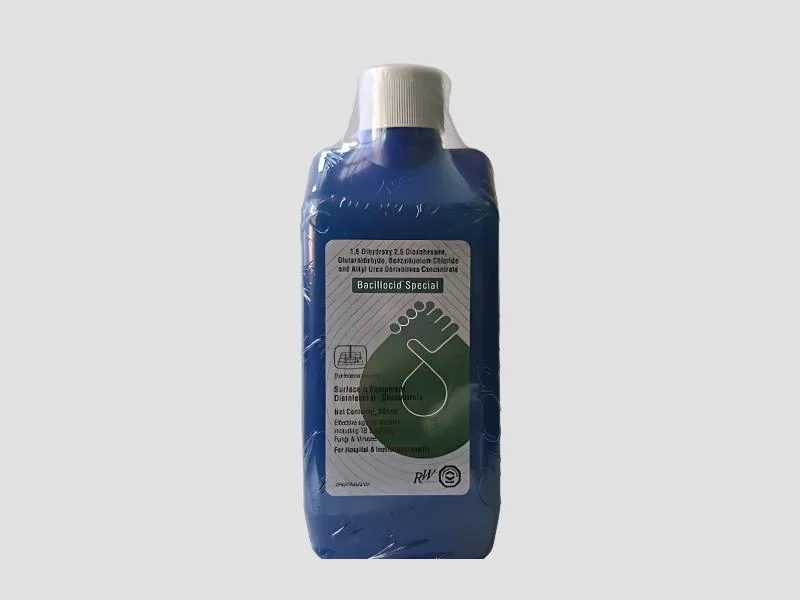
Liquid Disinfectants: These are often concentrated solutions that require dilution before use. They are versatile and suitable for a wide range of surfaces.
Wipes: Pre-moistened wipes provide convenience for quick cleaning and disinfection on-the-go. Ideal for high-touch areas and easy to store.
Spray Disinfectants: These are ready-to-use sprays that can be applied directly to surfaces. They offer ease of application and effective coverage.
Benefits and Advantages
Utilizing hospital grade disinfectants provides numerous advantages for organizations aiming to maintain a clean and safe environment.
Key benefits include:
1. Enhanced Infection Control: Effective in reducing the presence of harmful pathogens, thereby lowering the risk of healthcare-associated infections.
2. Compliance with Regulations: Help facilities meet health and safety standards established by regulatory bodies, ensuring adherence to best practices.
3. User-Friendly Formulations: Many disinfectants are designed for easy application, with clear instructions for use, making them accessible for various staff members.
4. Versatility: Suitable for use on multiple surfaces, allowing for comprehensive cleaning across different areas of a facility.
5. Cost-Effective Solutions: Concentrated formulas can minimize overall costs while providing effective disinfection, making them budget-friendly for organizations.
6. Improved Patient and Staff Safety: Regular use promotes a safer environment for both patients and healthcare workers, enhancing overall satisfaction and trust in the facility.
Buying Guide for B2B Buyers
When sourcing hospital grade disinfectants, it is crucial for B2B buyers to consider several key factors to ensure the right choice for their needs.
1. Quality Assessment: Evaluate the disinfectant's effectiveness based on its proven efficacy against specific pathogens. Look for products that provide data on their performance in clinical settings.
2. Supplier Verification: Vet suppliers to ensure they have a reliable track record in the industry. Check for certifications and customer reviews to confirm their credibility.
3. Pricing and MOQ: Understand the pricing structure and minimum order quantities (MOQ). Compare different suppliers to find the best deal without compromising quality.
4. Delivery and Lead Times: Assess the logistics involved in sourcing the product. Confirm lead times to ensure timely delivery for urgent cleaning needs.
5. Compliance Requirements: Verify that the disinfectants meet local and international regulatory standards. This is important to ensure safety and efficacy in your specific market.
Compliance and Certifications
Hospital grade disinfectants must adhere to various quality standards and certifications to ensure their effectiveness and safety in critical environments. One of the relevant standards is ISO 9001, which outlines the requirements for a quality management system. This certification ensures that manufacturers maintain high-quality processes in producing disinfectants.
Additionally, HACCP (Hazard Analysis Critical Control Point) principles may apply in food-related environments, ensuring that disinfectants used do not pose a risk to food safety. Compliance with GDP (Good Distribution Practice) is also crucial for maintaining the quality of disinfectants throughout the supply chain.
Industry certifications, such as CE marking, indicate that the product meets European health, safety, and environmental protection standards. Safety and testing requirements are vital, as they ensure that products are safe for use in sensitive environments, particularly healthcare. Furthermore, regional compliance considerations must be addressed, as different countries may have specific regulations governing the use of disinfectants in healthcare settings.
Why Source Hospital Grade Disinfectants from Pepagora?
Pepagora is a trusted platform for sourcing hospital grade disinfectants, offering several advantages to B2B buyers.
Verified Supplier Network: Pepagora ensures that all suppliers are thoroughly vetted, providing buyers with confidence in their sourcing decisions. This network includes reputable manufacturers who comply with industry standards.
Streamlined RFQ Process: The platform features a user-friendly request for quotation (RFQ) system that simplifies the process of obtaining competitive quotes from multiple suppliers. This saves time and effort for buyers.
Trade Assurance and Support: Pepagora offers trade assurance, protecting buyers throughout the purchasing process. This includes support for any issues that may arise, ensuring a smooth transaction.
Regional Coverage: With a presence in India, the GCC, and Southeast Asia, Pepagora provides a wide geographic reach, making it easier for buyers to find suitable products in their regions. This extensive coverage ensures that buyers can access high-quality disinfectants wherever they operate.

 IN
IN