
 IN
IN₹
Apparel & Fashion
Bleaching Agents
18 products available
What are Bleaching Agents?
Bleaching agents are chemical substances used to lighten or remove color from materials. They work by breaking down the chromophores, which are the parts of a molecule responsible for color. These agents can be classified into two main types: oxidizing agents, which introduce oxygen into the material, and reducing agents, which remove oxygen. Common examples include hydrogen peroxide and sodium hypochlorite.
Bleaching agents are widely employed across various industries for multiple applications. In textiles, they are essential for achieving a white base for dyeing. In the paper industry, they help in the production of bright white paper by removing lignin. In food processing, bleaching agents are used to whiten flour and other products. The demand for bleaching agents continues to grow, driven by increasing applications in different sectors, making them a vital component in many manufacturing processes.
Key Features and Specifications
Bleaching agents come with specific features that make them suitable for diverse industrial applications. Understanding their specifications is crucial for businesses looking to incorporate these agents into their processes.
Key specifications include:
1. Chemical Composition
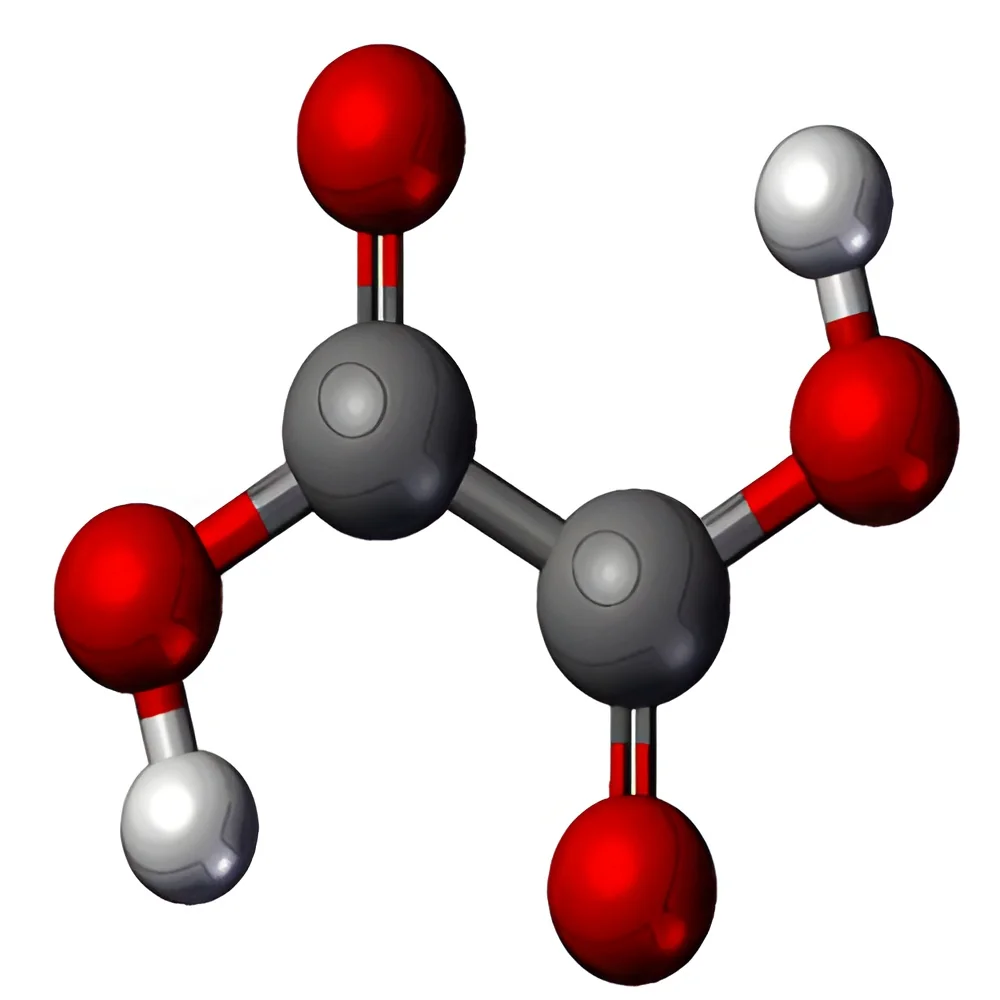
- Commonly includes hydrogen peroxide, sodium hypochlorite, or calcium hypochlorite
- Varies based on the specific application requirements
2. Concentration Levels
- Typically ranges from 3% to 35%
- Higher concentrations are used in industrial applications
3. pH Levels
- Generally ranges from acidic to alkaline
- pH can influence the effectiveness and stability of the bleaching agent
4. Stability
- Varies based on formulation and storage conditions
- Must be assessed for shelf life and usage conditions
5. Solubility
- Usually water-soluble, facilitating ease of use in various applications
- Important for effectiveness in different mediums
6. Environmental Impact
- Biodegradable options available
- Compliance with environmental regulations is essential
7. Safety Data
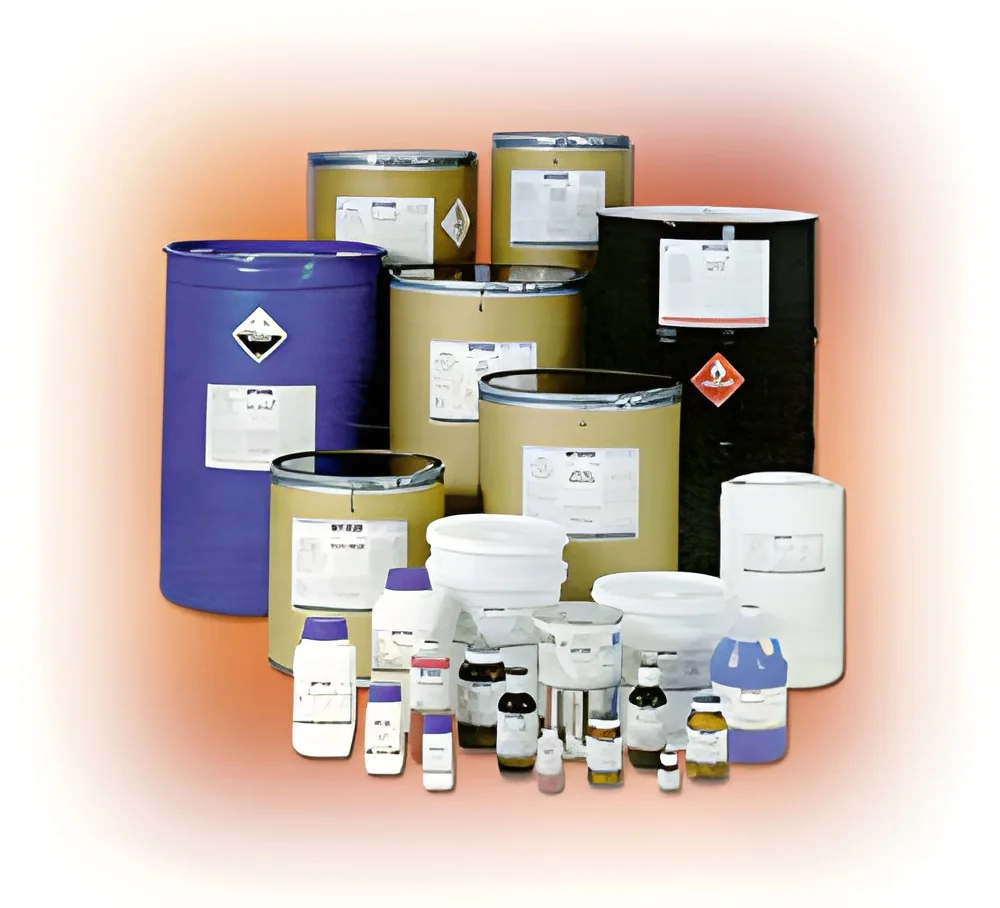
- Comprehensive safety data sheets (SDS) should be available
- Important for handling and storage guidelines
8. Certifications
- Compliance with industry standards like CE
- May include additional local certifications based on usage
Overall, the choice of bleaching agent should be guided by its specifications to ensure optimal performance in intended applications.
Common Applications and Use Cases
Bleaching agents have a wide range of applications across various industries.
1. Textiles: In the textile industry, bleaching agents are used to achieve desired whiteness and prepare fabrics for dyeing. They help in removing impurities and enhancing the final appearance.
2. Paper: The paper manufacturing process relies on bleaching agents to remove lignin and other colored substances, resulting in a brighter and more appealing product.
3. Food Processing: In food production, bleaching agents are utilized to whiten flour, improve the aesthetic appeal of food products, and ensure consistency in color.
4. Water Treatment: Bleaching agents are often used in water treatment processes to disinfect and purify water, making it safe for consumption and industrial use.
5. Cleaning Products: Many cleaning solutions contain bleaching agents to remove stains and disinfect surfaces, contributing to hygiene and cleanliness.
6. Cosmetics: In cosmetic formulations, bleaching agents are included to lighten skin tone or hair color, catering to consumer preferences in personal care.
7. Pharmaceuticals: Certain bleaching agents are used in the pharmaceutical industry for the synthesis of active ingredients and in the formulation of medicines.
Product Variants and Subcategories
Bleaching agents come in various forms, catering to different industrial needs. While specific subcategories are not available, the diversity in formulations allows for tailored solutions.
Liquid Bleaching Agents
These agents are commonly used in industrial applications due to their ease of use and effectiveness. They are often diluted for specific applications and are favored for their versatility.
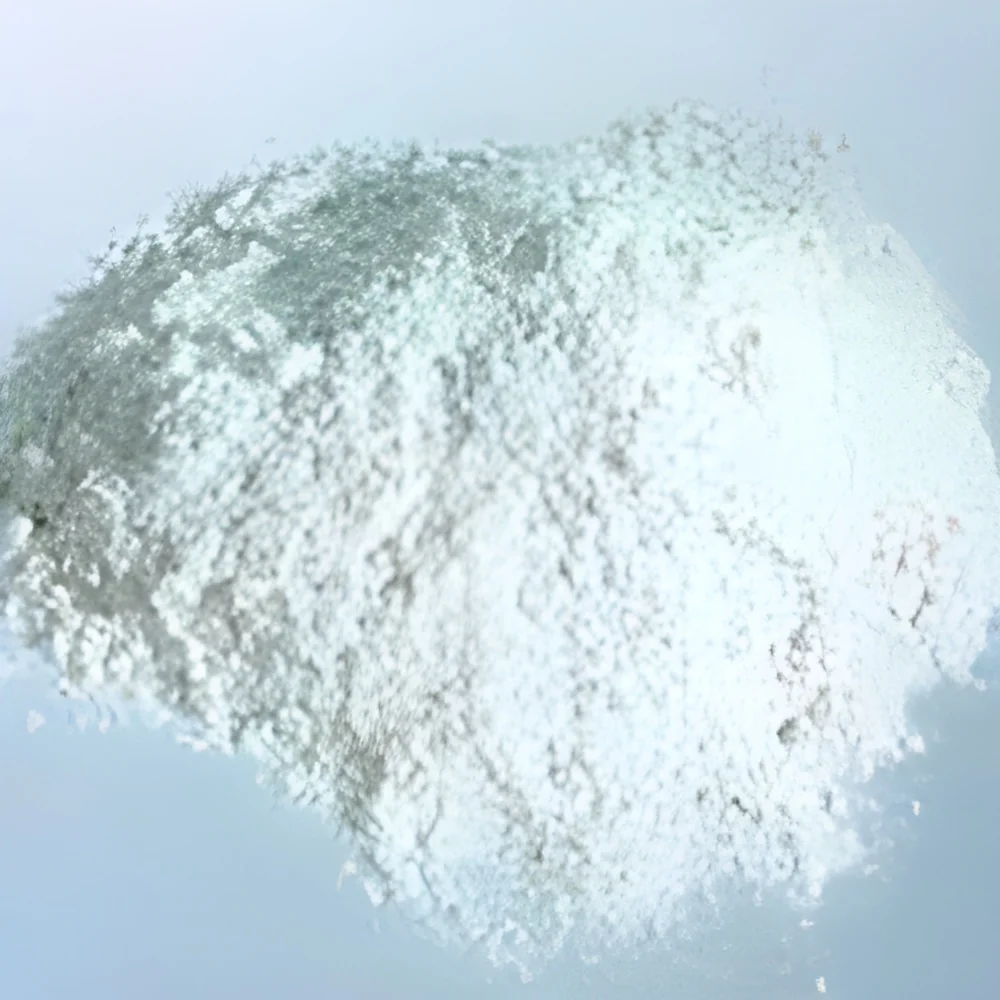
Powdered Bleaching Agents
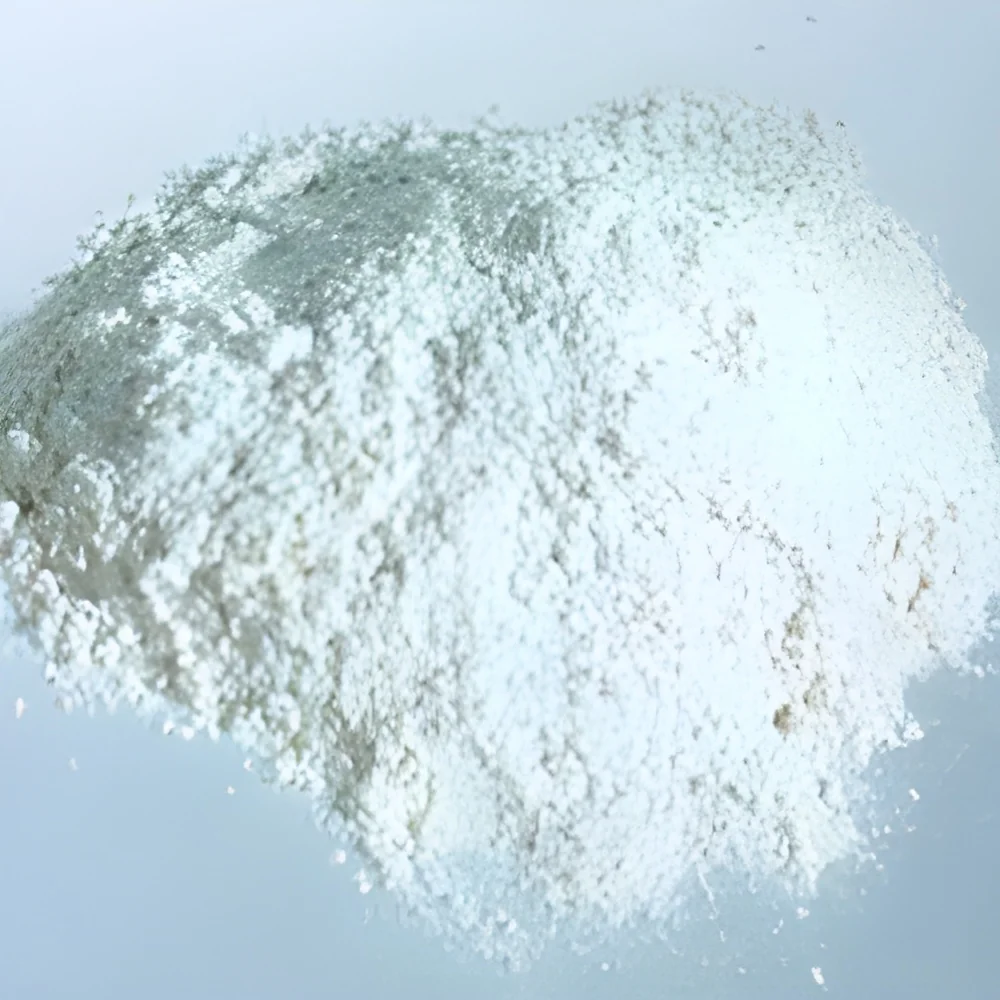
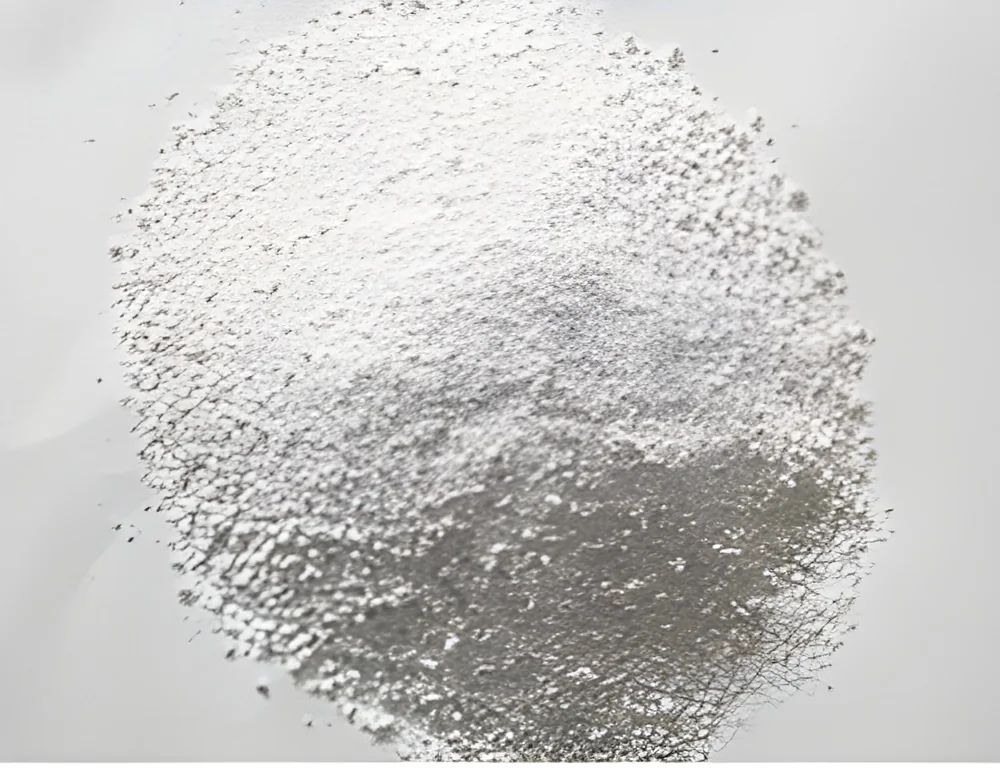
Powdered forms provide convenience for transportation and storage. They can be easily mixed with other substances for various applications, particularly in textile and cleaning industries.
Benefits and Advantages
The use of bleaching agents offers several key benefits that enhance industrial processes.
1. Efficiency: Bleaching agents effectively remove colors and stains, improving the quality of final products in various applications.
2. Versatility: These agents can be used across multiple industries, making them suitable for diverse applications and processes.
3. Cost-Effectiveness: By improving product quality, bleaching agents can enhance marketability, leading to better sales and profitability.
4. Environmental Compliance: Many bleaching agents are available in biodegradable forms, helping businesses meet environmental regulations.
5. Enhanced Aesthetics: Bleaching agents contribute to the visual appeal of products, ensuring they meet consumer expectations in appearance.
6. Improved Processing: The use of bleaching agents can streamline manufacturing processes, reducing the time and resources needed for color removal.
Buying Guide for B2B Buyers
When sourcing bleaching agents, businesses should consider several important factors to ensure they make informed purchasing decisions.
1. Quality Assessment: Evaluate the quality of bleaching agents based on their chemical composition, concentration, and effectiveness. It is vital to obtain samples for testing before making a large order.
2. Supplier Verification: Vet suppliers to ensure they have a track record of reliability and quality. Look for certifications and customer reviews to assess their credibility.
3. Pricing and MOQ: Understand the pricing structure and minimum order quantities (MOQ) set by suppliers. Compare prices across different suppliers to get the best value for your investment.
4. Delivery and Lead Times: Discuss logistics with suppliers to understand delivery schedules and lead times. Timely delivery is crucial to maintain production schedules.
5. Compliance Requirements: Ensure that the bleaching agents meet local and international regulations. This includes safety standards and environmental considerations, which are critical for business operations.
Compliance and Certifications
Bleaching agents must comply with various quality and safety standards to ensure their effectiveness and safety in industrial applications. Key relevant standards include ISO 9001, which focuses on quality management systems and guarantees consistent product quality.
Additionally, HACCP (Hazard Analysis Critical Control Point) is essential in food processing applications to ensure safety in the handling of bleaching agents used in food products. Certification like CE indicates compliance with EU regulations, ensuring that products meet safety and health requirements.
Safety and testing requirements are also paramount. Manufacturers must provide safety data sheets that detail handling, storage, and emergency measures. Furthermore, regional compliance considerations may vary, requiring businesses to stay informed about local regulations and standards.
Why Source Bleaching Agents from Pepagora?
Pepagora provides a trusted platform for sourcing bleaching agents, offering several key advantages to businesses.
Verified Supplier Network: Pepagora has built a strong network of verified suppliers who meet stringent quality and safety standards. This ensures that buyers can trust the products they source through the platform.
Streamlined RFQ Process: The Request for Quotation (RFQ) process is designed to be efficient, allowing buyers to quickly receive multiple quotations from suppliers. This saves time and facilitates better decision-making.
Trade Assurance and Support: Pepagora offers trade assurance, protecting buyers from potential disputes and ensuring that transactions are secure. This level of support fosters a reliable sourcing environment.
Regional Coverage: With a focus on regions such as India, the GCC, and Southeast Asia, Pepagora provides extensive geographic reach. This enables businesses to connect with suppliers that are strategically located to meet their specific needs.
By choosing Pepagora, businesses can enhance their sourcing experience for bleaching agents, ensuring quality, efficiency, and security in their procurement processes.
Newly Added











Frequently Asked Questions
1
What is Bleaching Agents?
Bleaching Agents is a product offered by global suppliers on Pepagora.
2
How do I find suppliers for Bleaching Agents?
Use Pepagora's search and filter options to find verified suppliers.
3
Can I request a quote for Bleaching Agents?
Yes, use the RFQ feature to request quotes from multiple suppliers.
4
Is Bleaching Agents available in multiple languages?
Pepagora supports multilingual catalogs for global buyers.
5
What trust signals are available for Bleaching Agents?
Look for TruBadge, RFQ, and multilingual support on supplier profiles.
Why Businesses Trust Pepagora
Thousands of companies trust Pepagora to source smarter and sell faster
Expand Your Sales Globally
25000+Products listed.Get discovered by global buyers
Tools to boost visibility
Build your own catalog

Source Smarter,Grow Faster
4000+Active RFQs
100+ Countries served
Easy Sourcing Tools
