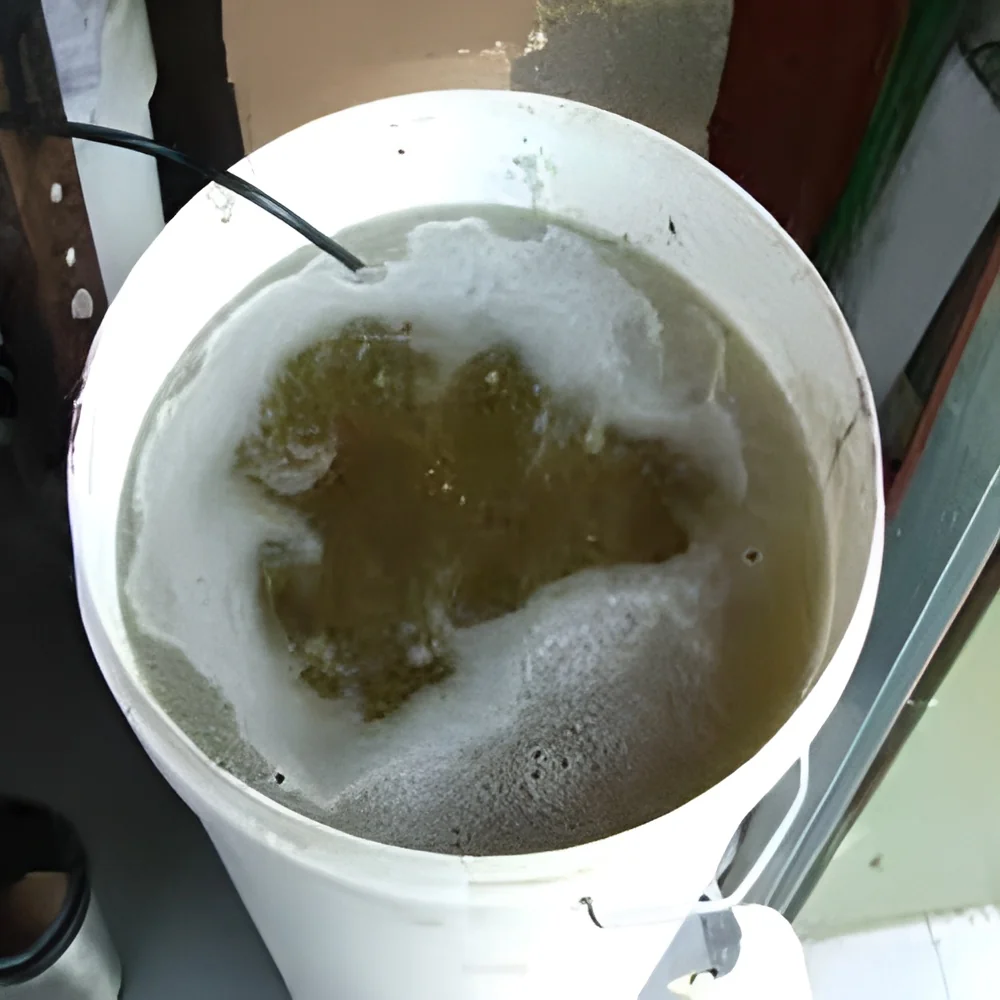
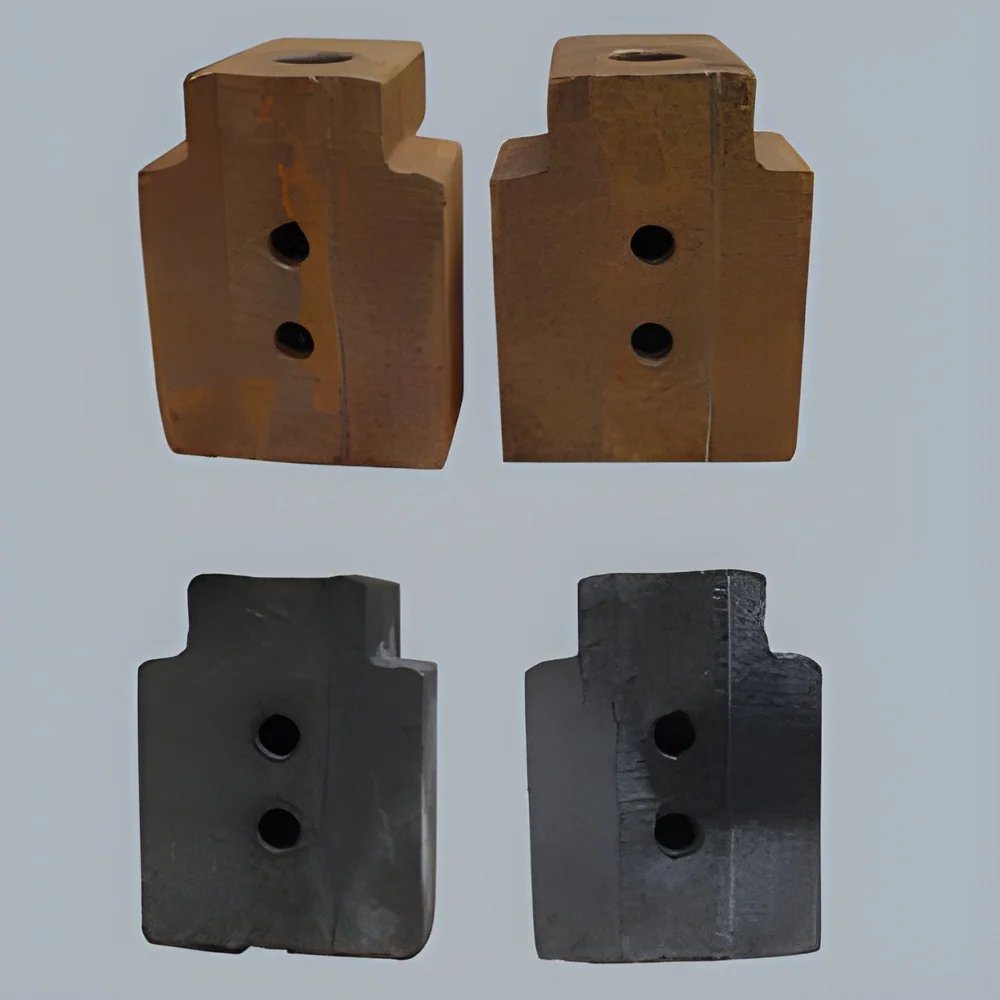
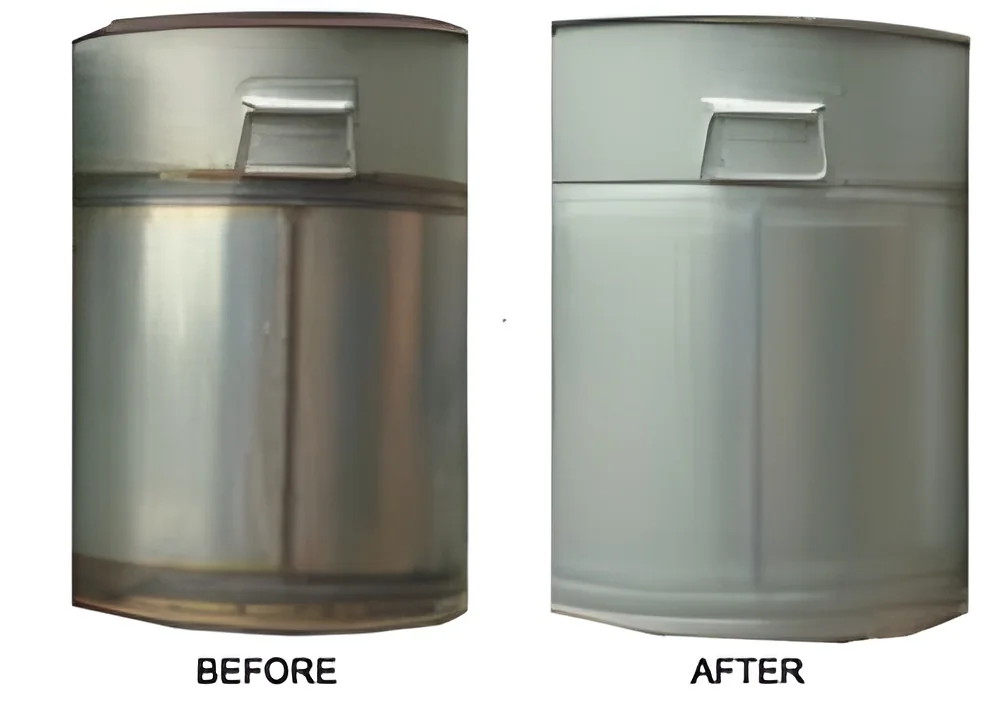
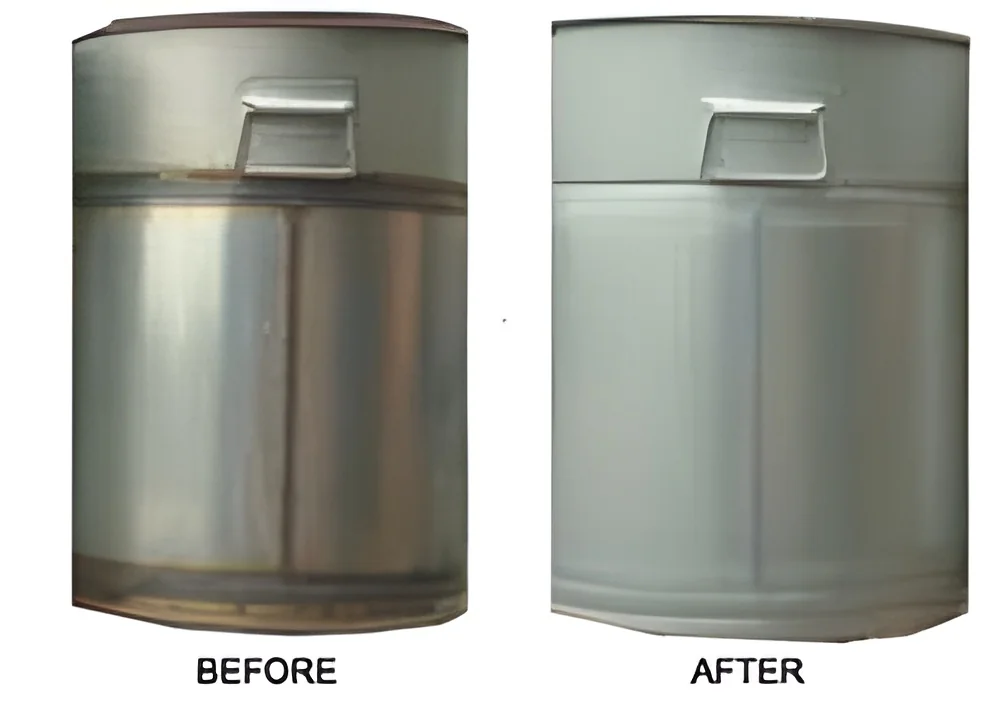
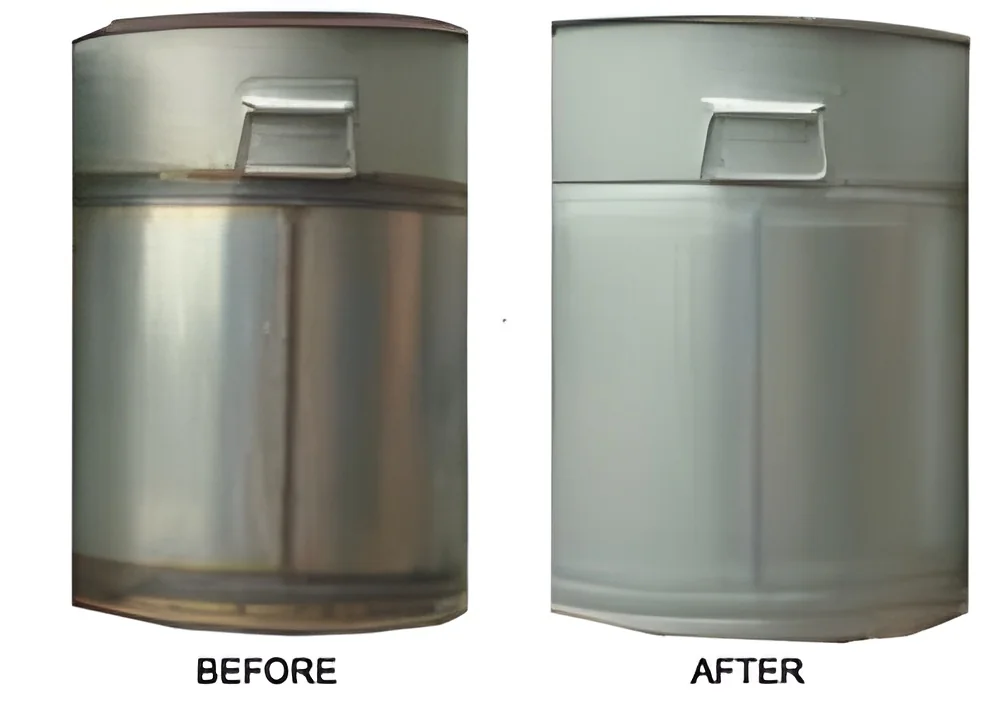
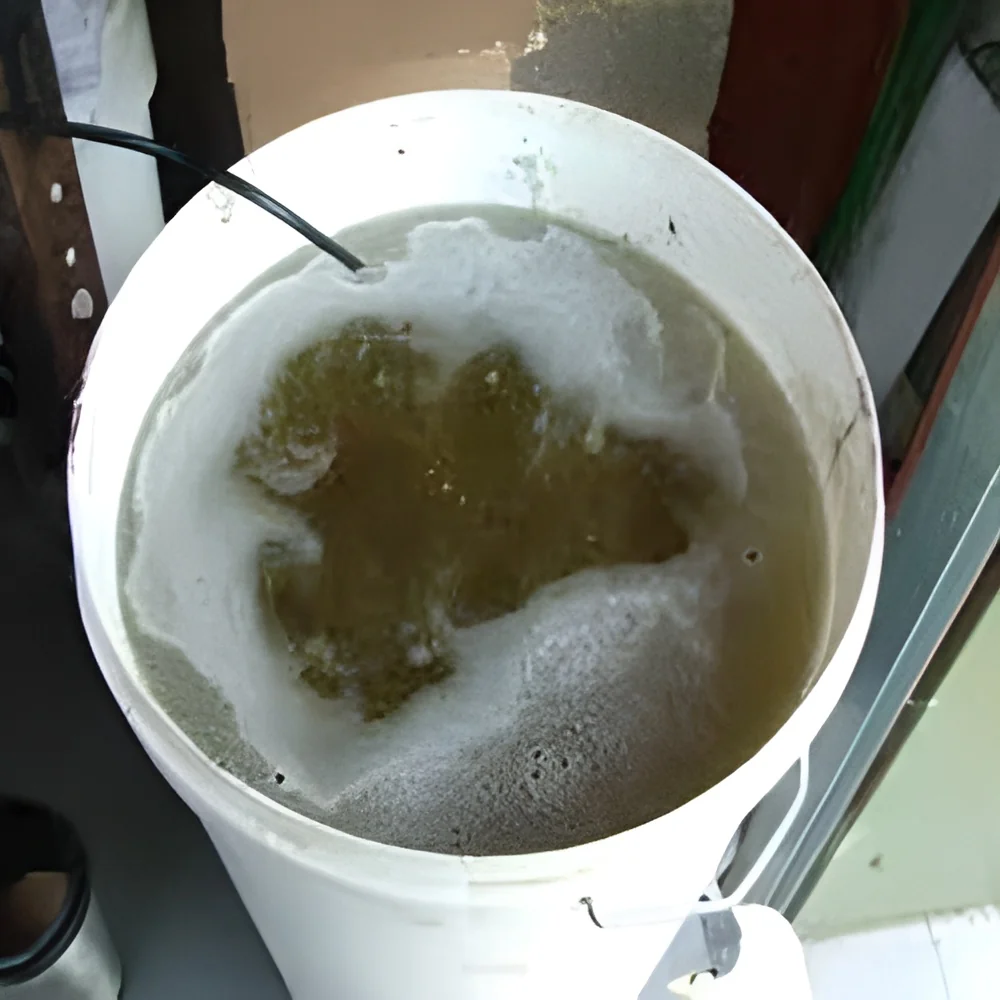
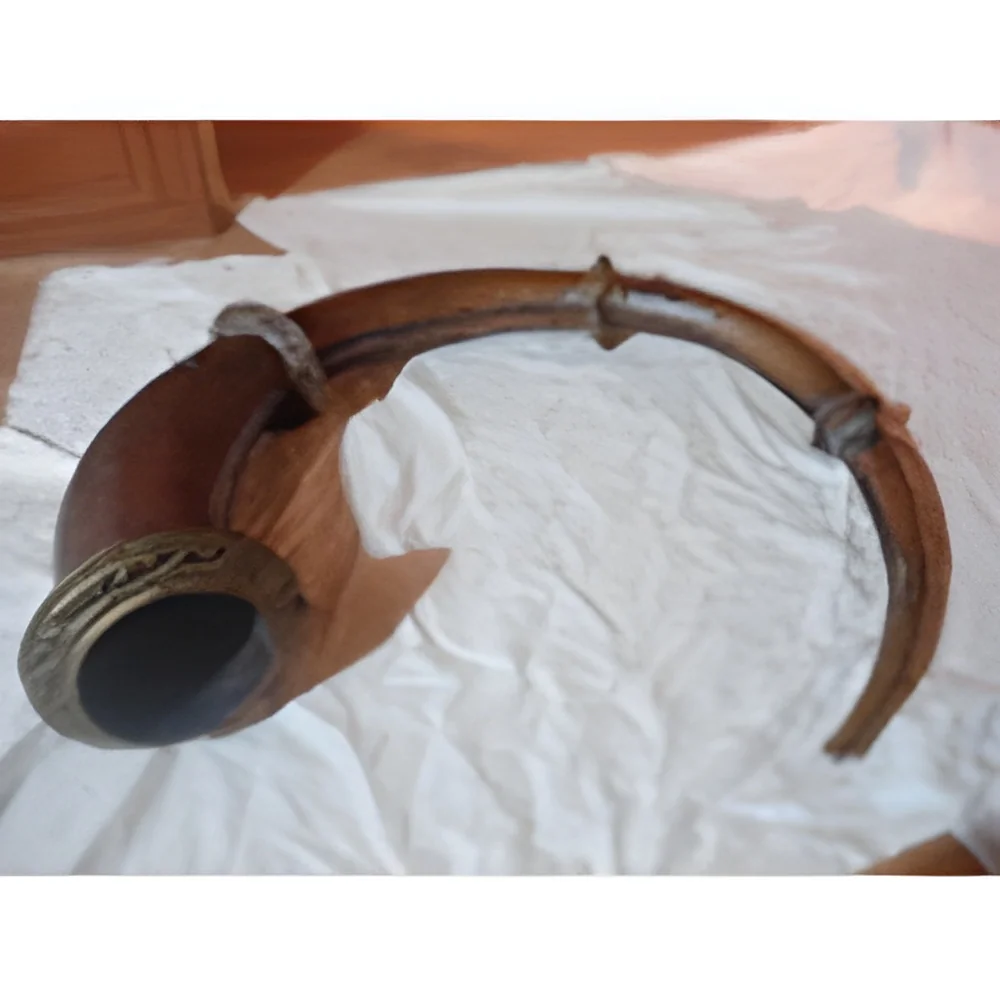
What are Rust & Lime Scale Removers?
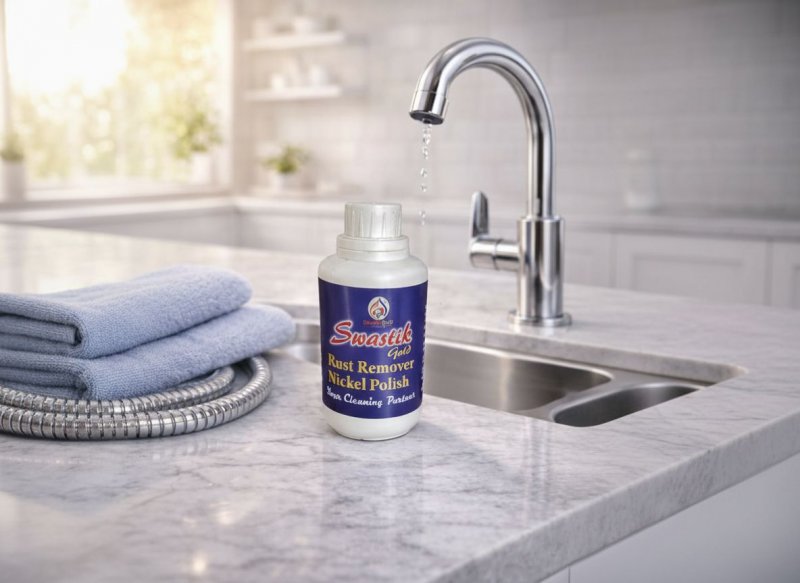
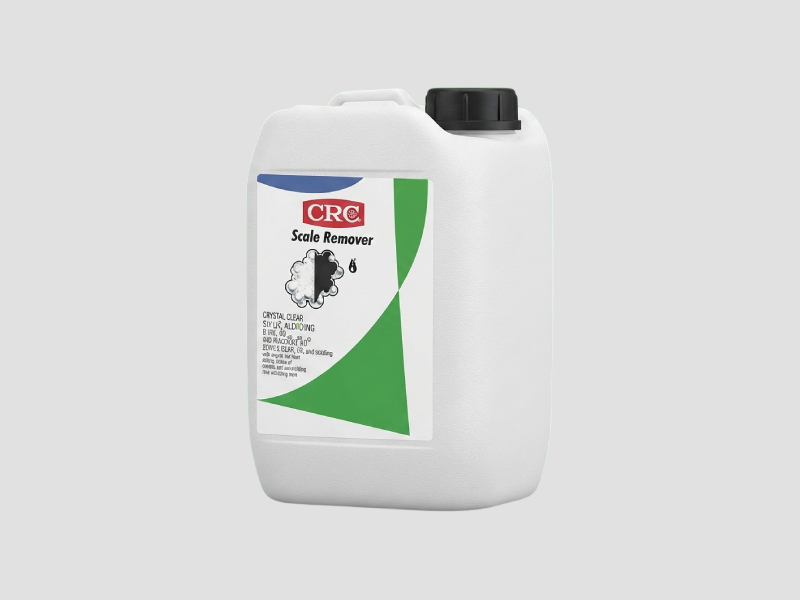
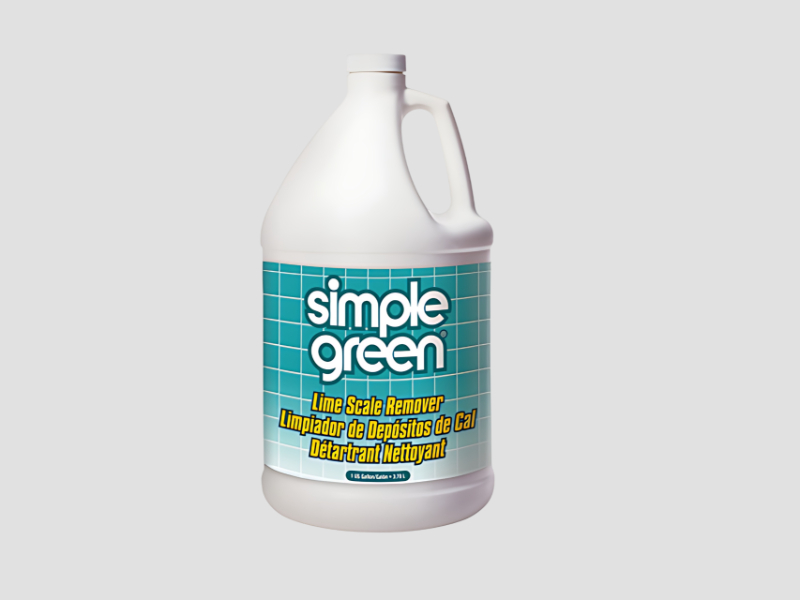
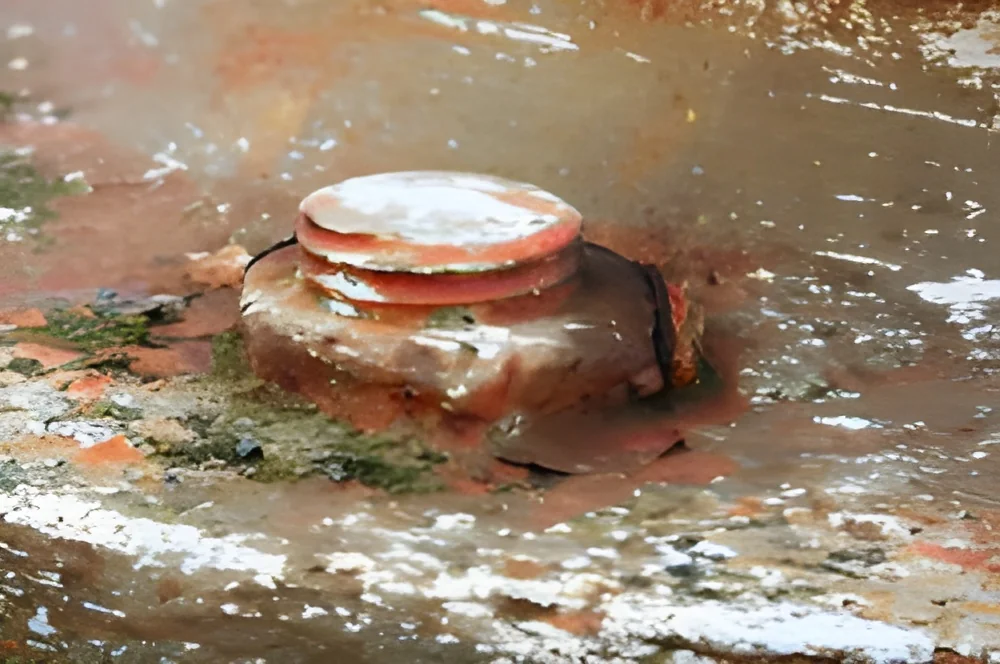
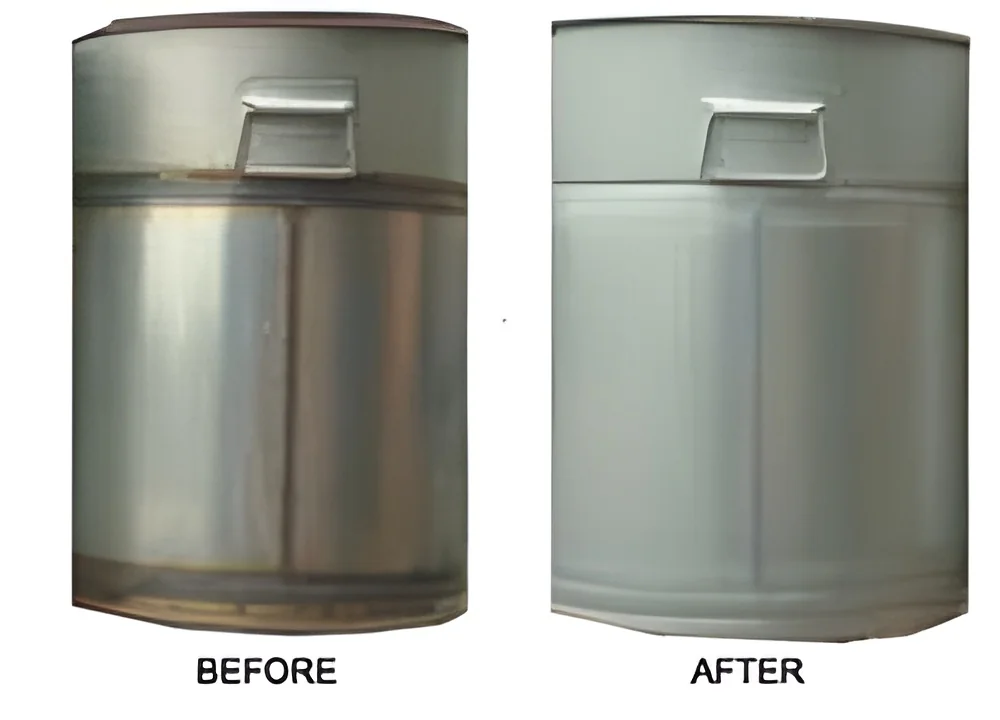
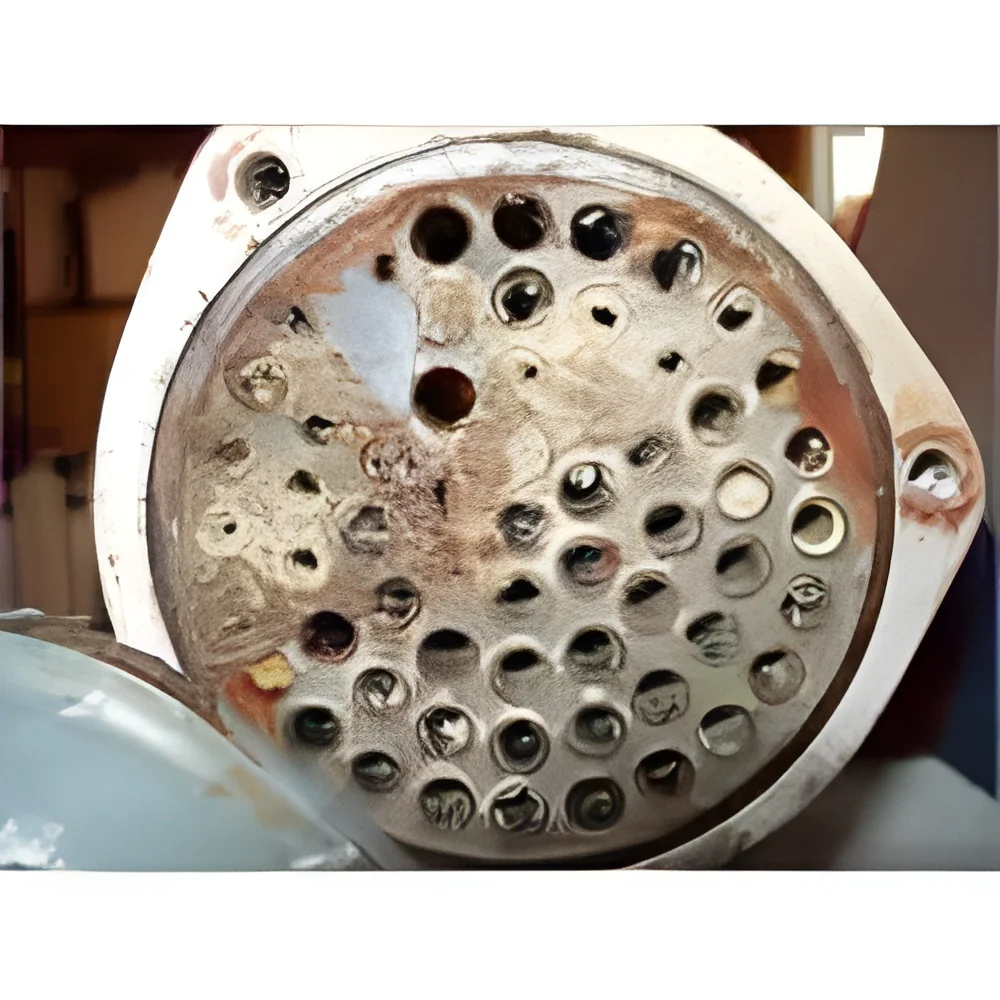
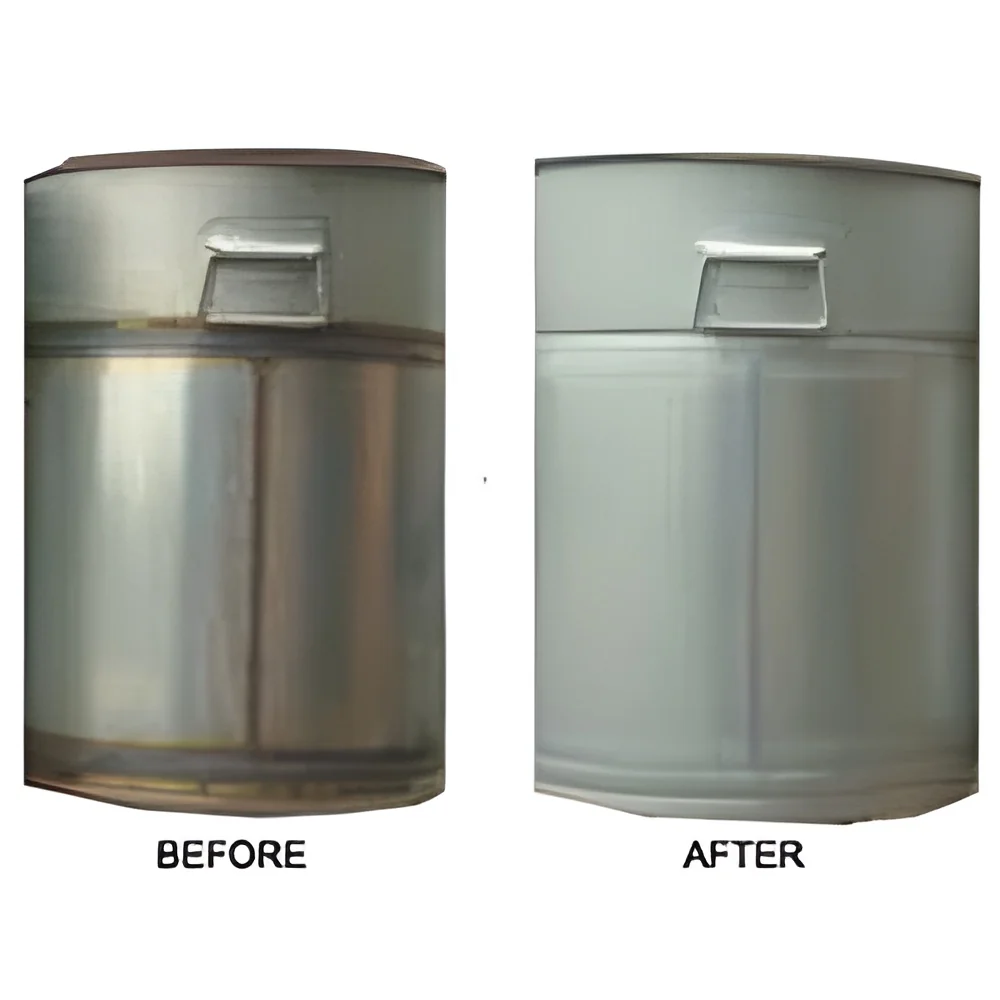
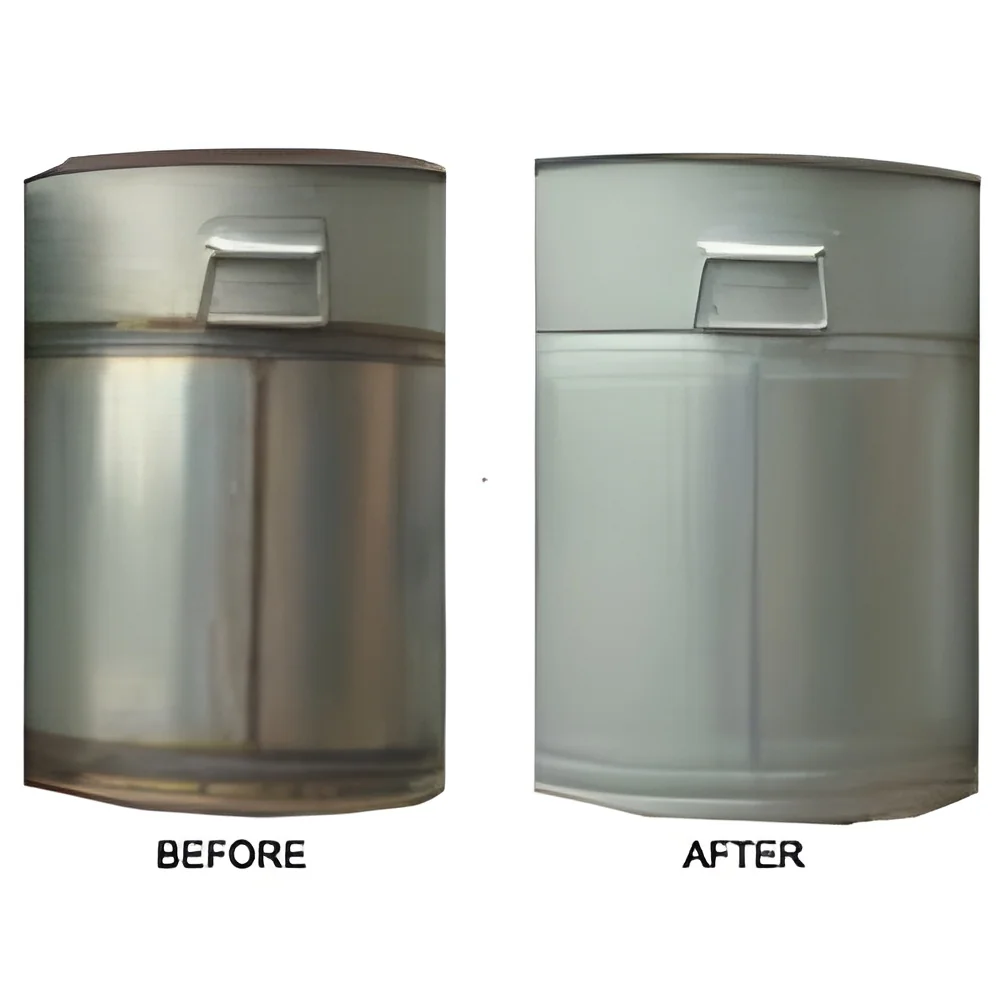
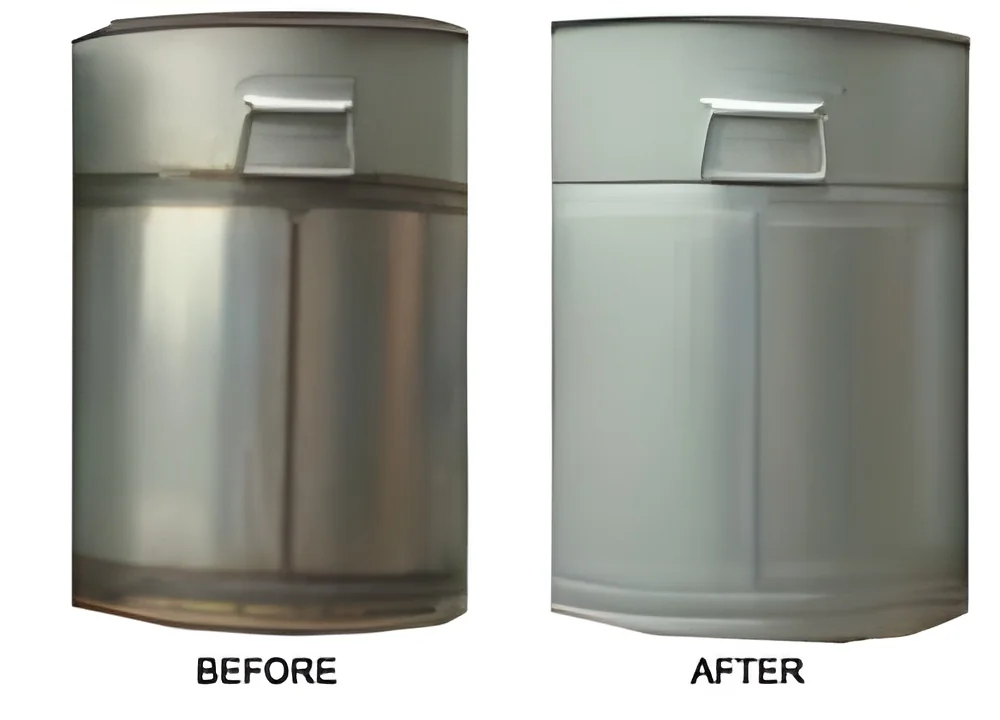
Rust and lime scale removers are specialized cleaning agents designed to dissolve and remove rust, mineral deposits, and limescale from various surfaces. These products contain active ingredients that effectively penetrate and break down stubborn deposits, making it easier to clean and restore surfaces to their original condition. They are commonly used in both commercial and industrial applications where rust and limescale build-up can lead to equipment inefficiencies and aesthetic issues.
The primary uses of rust and lime scale removers include cleaning machinery, kitchen equipment, plumbing fixtures, and industrial tools. Businesses in sectors such as food processing, manufacturing, and hospitality rely on these products to maintain equipment and ensure compliance with hygiene standards. Regular use of these removers can prolong the lifespan of equipment and prevent costly repairs, making them an essential part of maintenance routines across various industries.
In the current market, the demand for rust and lime scale removers is driven by an increasing focus on equipment maintenance and cleanliness. As industries seek to optimize operations and reduce downtime, the relevance of these cleaning solutions continues to grow. Companies that prioritize equipment upkeep are more likely to succeed in competitive environments, as they can ensure efficiency and reliability in their operations.
Key Features and Specifications
Rust and lime scale removers come with a range of features and specifications that enhance their effectiveness and utility. When evaluating these products, it is essential to consider the technical aspects that can impact performance.
Key specifications include:
1. Active Ingredients
- Commonly include acids, surfactants, and solvents.
- Designed for effective rust and mineral deposit dissolution.
2. pH Level
- Typically ranges from acidic to neutral.
- Affects the product's effectiveness on different surfaces.
3. Application Method
- Available in liquid, gel, or spray forms.
- Determines ease of use and surface coverage.
4. Dilution Ratio
- Specifies how much product can be mixed with water.
- Affects cost-effectiveness and concentration.
5. Surface Compatibility
- Suitable for use on metals, ceramics, and some plastics.
- Important to ensure no damage to delicate surfaces.
6. Packaging Options
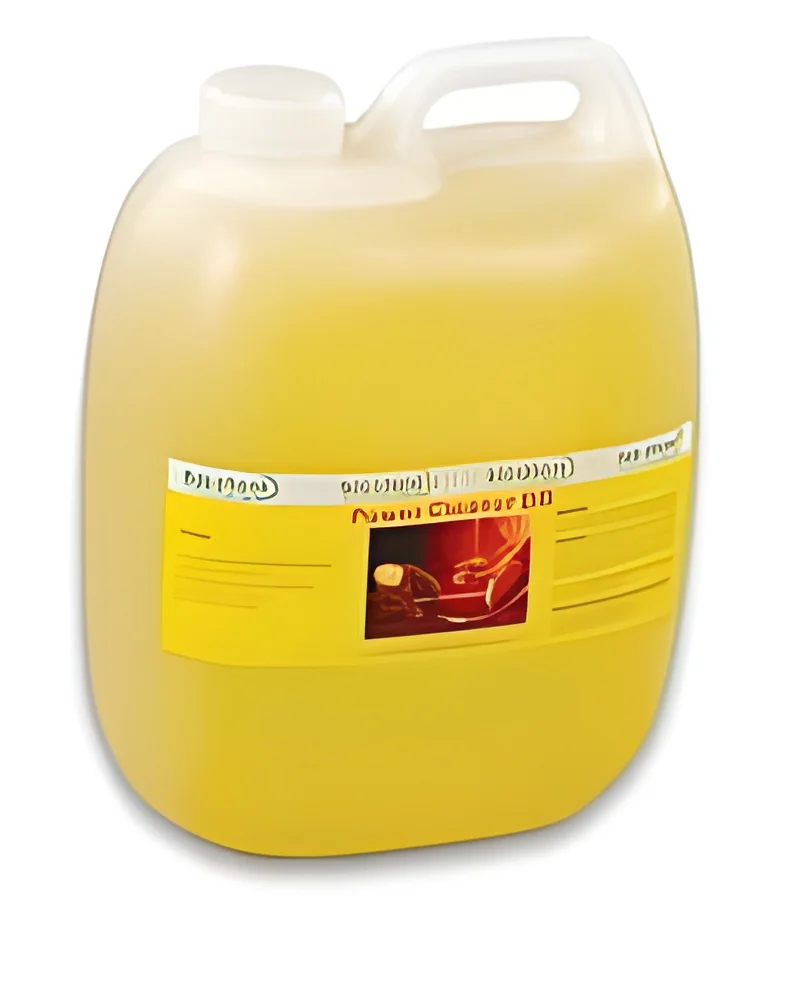
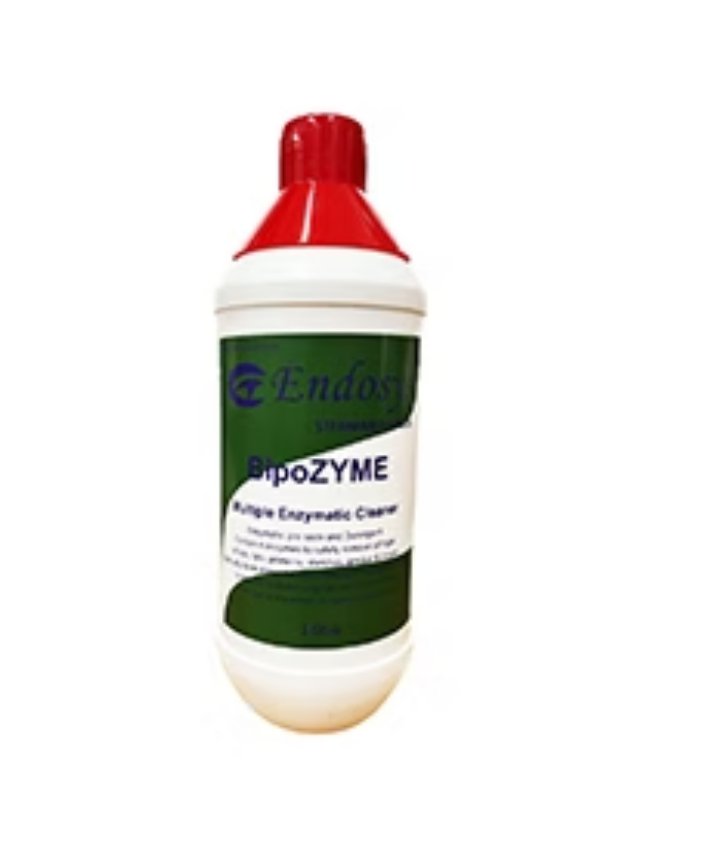
- Offered in various sizes from small bottles to bulk containers.
- Allows flexibility based on user needs and application scale.
7. Environmental Impact
- Biodegradable options are available.
- Compliance with environmental regulations is crucial.
8. Safety Features
- Includes user safety instructions and hazard warnings.
- Essential for handling and application processes.
The specifications provided can help buyers make informed decisions regarding which products best meet their operational needs.
Common Applications and Use Cases
Rust and lime scale removers serve various industries, each with unique applications that highlight the versatility of these products.
1. Food Processing: In this sector, equipment such as ovens and fryers often accumulates grease and mineral deposits. Regular cleaning with rust and lime scale removers ensures compliance with health standards.
2. Manufacturing: Machinery and tools can develop rust and limescale over time, impacting performance. Using these removers helps maintain equipment efficiency and extends its lifespan.
3. Hospitality: Hotels and restaurants frequently use these products to clean fixtures and appliances, ensuring a pleasant experience for guests and maintaining facility aesthetics.
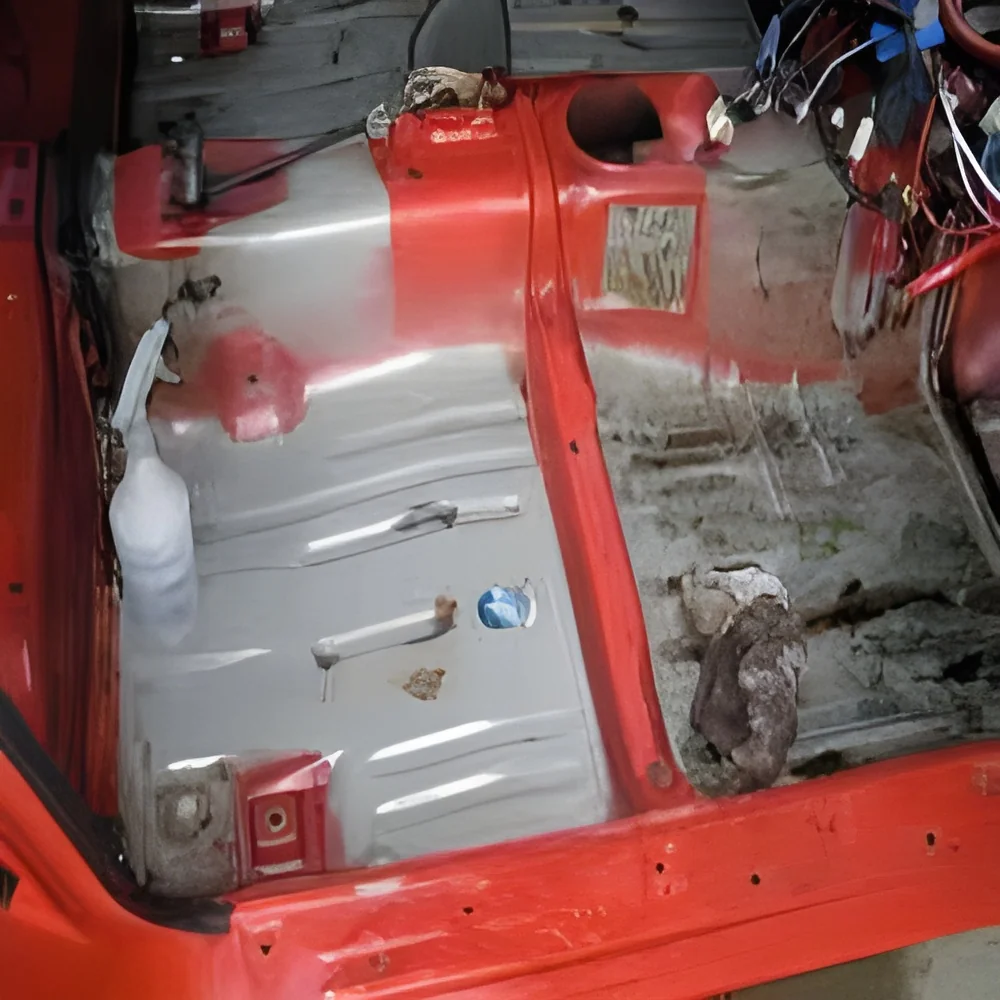
4. Automotive: Rust and mineral deposits can form on vehicle components. These removers are used during maintenance to keep parts clean and functional.
5. Plumbing: Pipes and fixtures can accumulate limescale, leading to reduced water flow. Cleaning them with suitable removers helps maintain plumbing systems.
6. Construction: Tools and machinery exposed to harsh conditions can develop rust. Regular maintenance with rust removers is crucial for operational reliability.
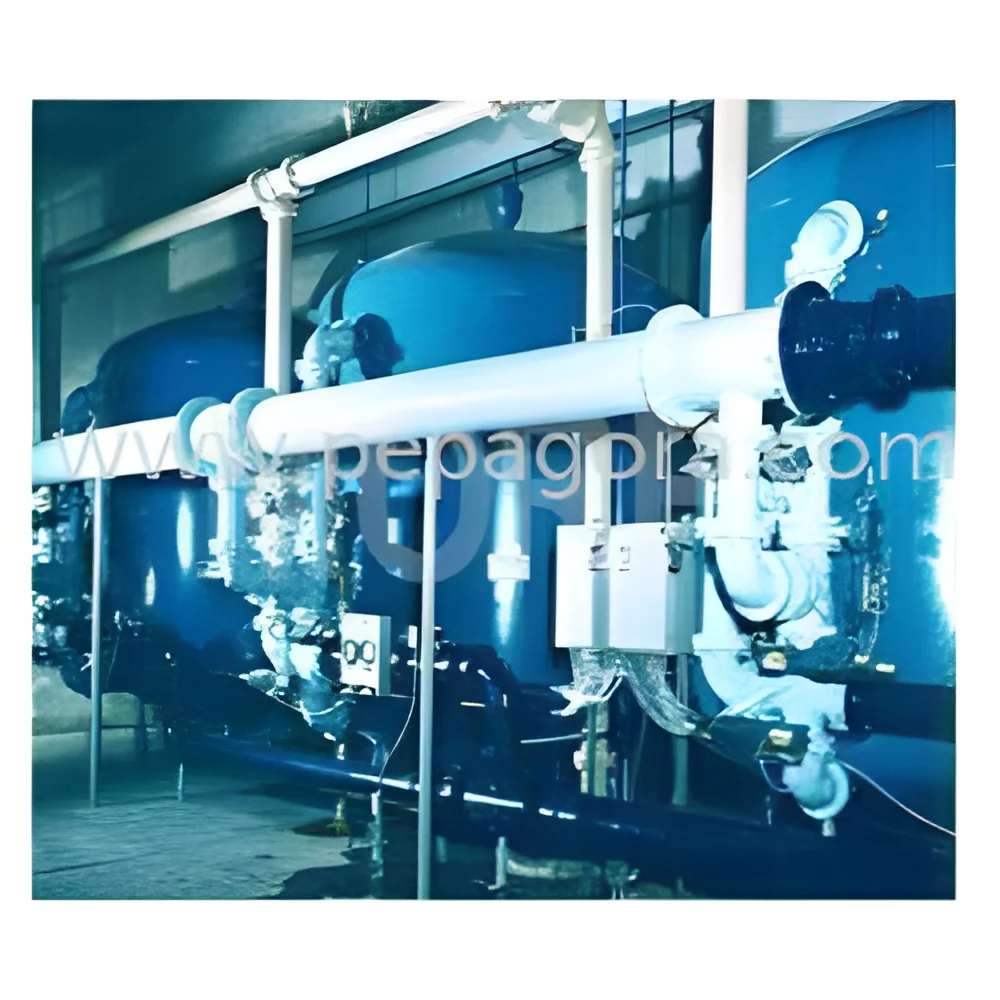
7. Water Treatment Plants: Scale buildup in pipelines can impede operations. Using lime scale removers ensures systems run efficiently.
Product Variants and Subcategories
Rust and lime scale removers come in a variety of formulations, each tailored for specific applications and user preferences.
Liquid Cleaner: This variant is effective for general cleaning tasks. It can be easily applied to surfaces and works well for removing rust and limescale from a variety of materials.
Gel Cleaner: Designed for vertical surfaces, this variant adheres better and allows for targeted application. It is ideal for tough-to-reach areas and intricate surfaces.
Foam Cleaner: This variant expands upon application, helping to lift deposits from surfaces. It is particularly effective in areas with heavy buildup.
Concentrated Formula: This type is designed for dilution, allowing users to customize the strength based on their cleaning needs. It is cost-effective for businesses with high-volume requirements.
Benefits and Advantages
Rust and lime scale removers offer a range of benefits that can significantly impact maintenance operations.
1. Efficiency: These products quickly dissolve rust and limescale, saving time during cleaning processes.
2. Prolongs Equipment Life: Regular use prevents corrosion and buildup, enhancing the longevity of machinery and tools.
3. Cost-Effective: Investing in rust and lime scale removers can lead to savings by reducing the need for repairs and replacements.
4. Easy to Use: Most products come in user-friendly forms, simplifying the application process for maintenance staff.
5. Versatile: Suitable for a variety of surfaces, these removers can be used across multiple applications, reducing the need for multiple products.
6. Compliance: Using these products helps businesses adhere to health and safety standards, particularly in food processing and hospitality.
Buying Guide for B2B Buyers
When sourcing rust and lime scale removers, B2B buyers should consider several key factors to ensure they select the right product for their needs.
1. Quality Assessment: Look for products that meet recognized industry standards. Check for ingredient transparency and effectiveness claims.
2. Supplier Verification: It is crucial to vet suppliers for reliability and quality. Seek suppliers with a proven track record and positive customer feedback.
3. Pricing and MOQ: Understand the pricing structure and minimum order quantities. This ensures you are making a financially sound purchase.
4. Delivery and Lead Times: Consider the logistics involved in sourcing these products. Ensure that suppliers can meet your delivery requirements efficiently.
5. Compliance Requirements: Be aware of any regulatory standards that the products must adhere to, especially in industries like food processing and healthcare.
Compliance and Certifications
Compliance and certification are critical factors for rust and lime scale removers, ensuring they meet safety and quality standards.
Many products are manufactured under quality standards such as ISO 9001, which emphasizes quality management systems. Compliance with HACCP (Hazard Analysis Critical Control Point) is essential in food-related applications, ensuring that products do not pose health risks.
Additionally, certain products may carry certifications like CE, indicating compliance with European safety standards. Safety testing is also a priority, with manufacturers conducting rigorous assessments to confirm the safety of their formulations for both users and surfaces.
Regional compliance considerations can vary, so it is essential for buyers to understand the specific regulations applicable in their geographical areas.
Why Source Rust & Lime Scale Removers from Pepagora?
Pepagora provides a trusted platform for sourcing rust and lime scale removers, offering several key advantages for B2B buyers.
Verified Supplier Network: Pepagora ensures that all suppliers are thoroughly vetted and verified. This gives buyers confidence that they are sourcing from reputable and reliable manufacturers.
Streamlined RFQ Process: The Request for Quotation (RFQ) system simplifies the procurement process. Buyers can easily request quotes from multiple suppliers, ensuring competitive pricing and terms.
Trade Assurance and Support: Pepagora offers trade assurance to protect buyers throughout the purchasing process. This includes support for resolving any disputes that may arise.
Regional Coverage: With a strong presence in India, the GCC, and Southeast Asia, Pepagora connects buyers with suppliers that can meet their local needs and logistical requirements effectively.

 IN
IN