
 IN
CCTV & Surveillance Systems
86 products available
𝗪𝗵𝗮𝘁 𝗮𝗿𝗲 𝗖𝗖𝗧𝗩 & 𝗦𝘂𝗿𝘃𝗲𝗶𝗹𝗹𝗮𝗻𝗰𝗲 𝗦𝘆𝘀𝘁𝗲𝗺𝘀?
CCTV and surveillance systems are technologies designed to monitor and record activities in various environments. These systems utilize cameras and related equipment to capture video footage, which can be viewed in real-time or stored for later review. The primary components of CCTV systems include cameras, monitors, and recording devices, enabling businesses to maintain security and oversight over their premises.
These systems are widely used across multiple sectors, including retail, healthcare, education, and transportation. Businesses implement CCTV for various purposes such as theft prevention, employee monitoring, and ensuring safety in public spaces. In recent years, the demand for surveillance solutions has increased significantly, driven by rising concerns about security and the need for enhanced monitoring capabilities.
The market for CCTV and surveillance systems is continually evolving, with advancements in technology leading to improved image quality, analytics capabilities, and integration with other security systems. As companies prioritize security, the relevance of these systems within the industry has become paramount, making them essential tools for operational efficiency and risk management.
𝗞𝗲𝘆 𝗙𝗲𝗮𝘁𝘂𝗿𝗲𝘀 𝗮𝗻𝗱 𝗦𝗽𝗲𝗰𝗶𝗳𝗶𝗰𝗮𝘁𝗶𝗼𝗻𝘀
CCTV and surveillance systems come equipped with a variety of features and specifications that enhance their effectiveness. Key specifications include:
1. Camera Resolution
- Higher resolution cameras provide clearer images, making it easier to identify individuals or objects.
- Common resolutions include 720p, 1080p, and 4K.
2. Lens Type
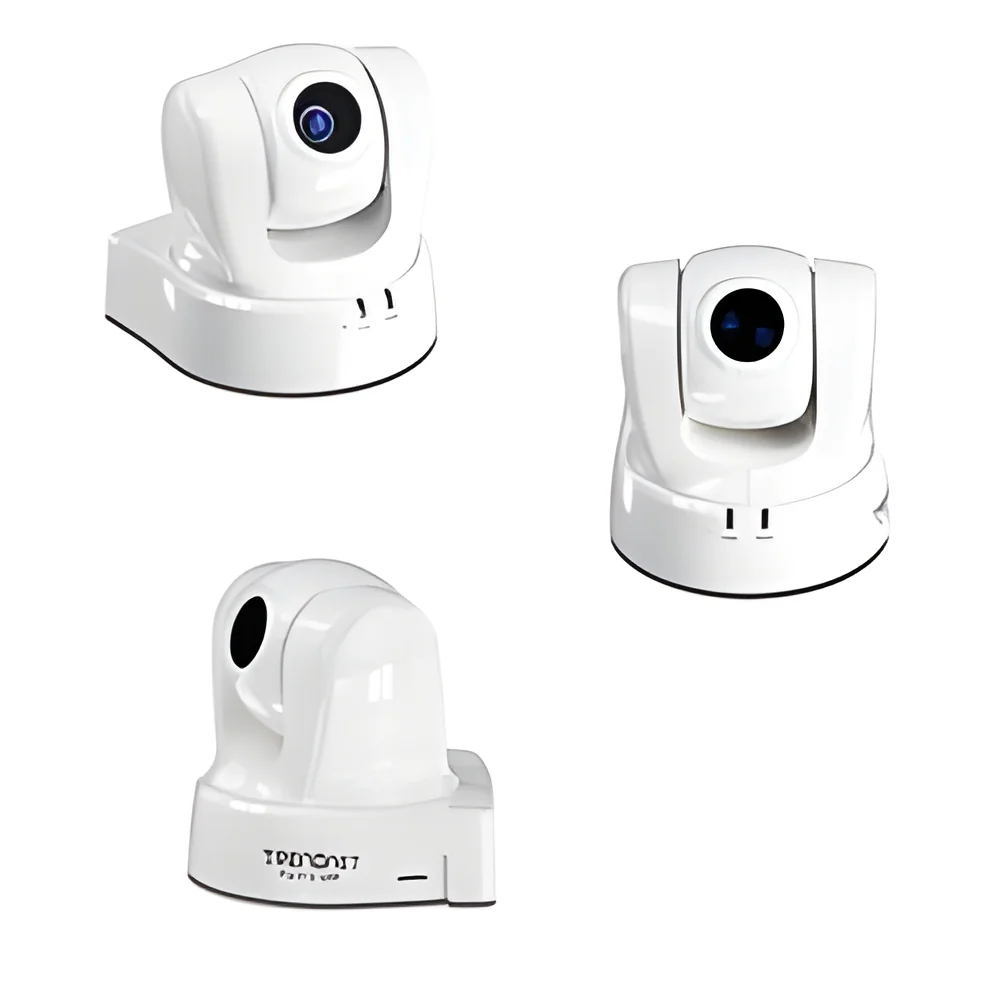
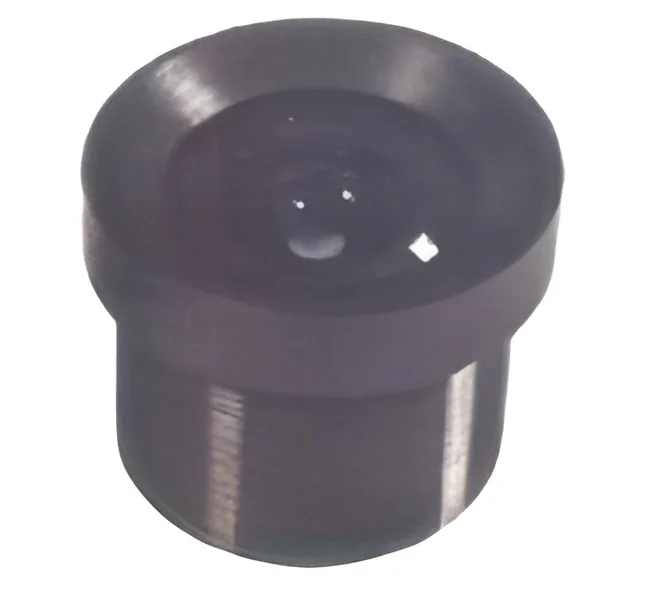
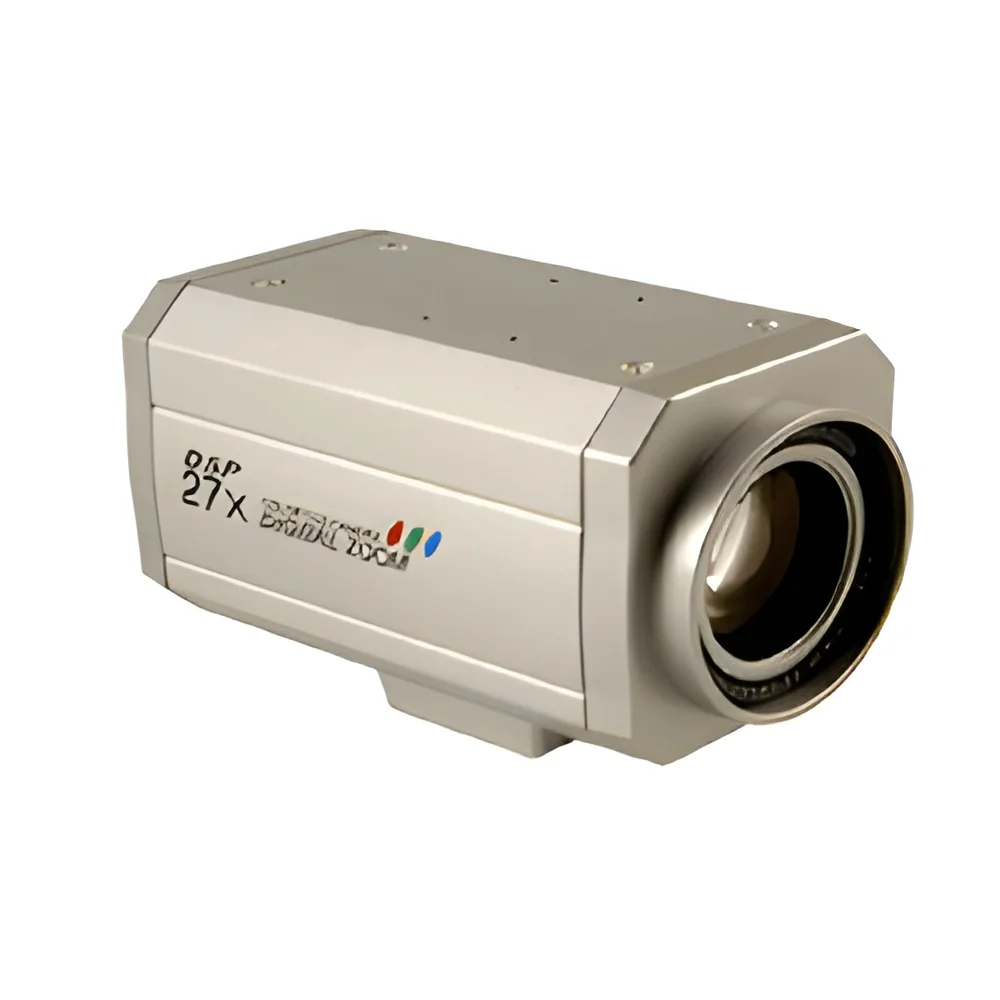
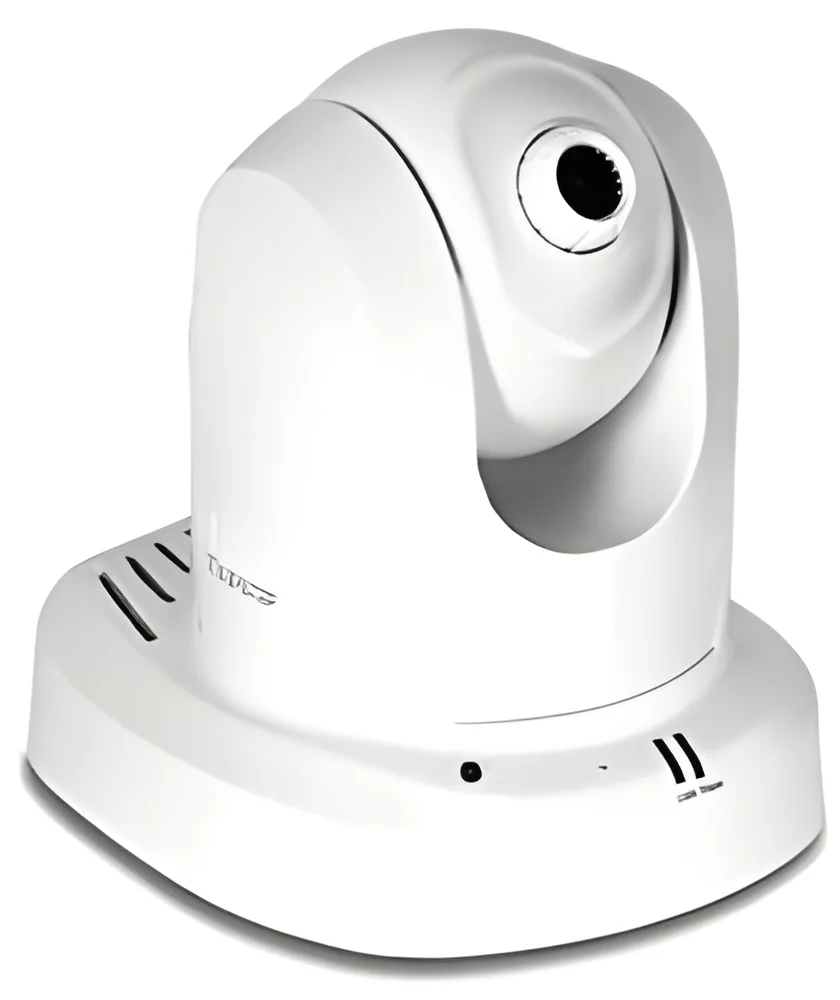
- Different lens types, such as fixed, varifocal, and PTZ (pan-tilt-zoom), offer various levels of flexibility and coverage.
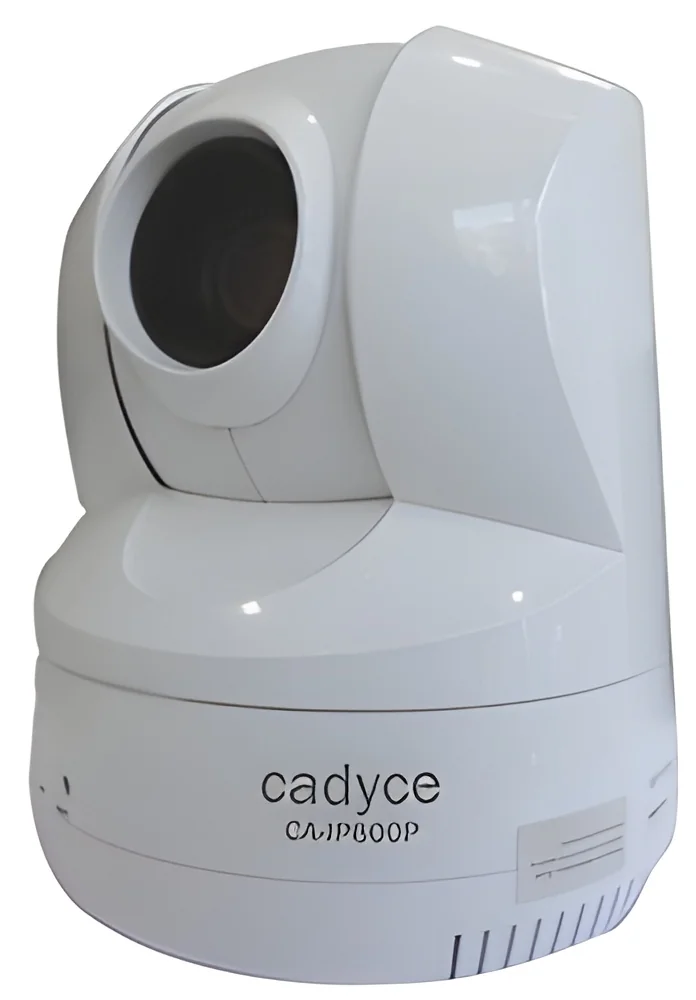
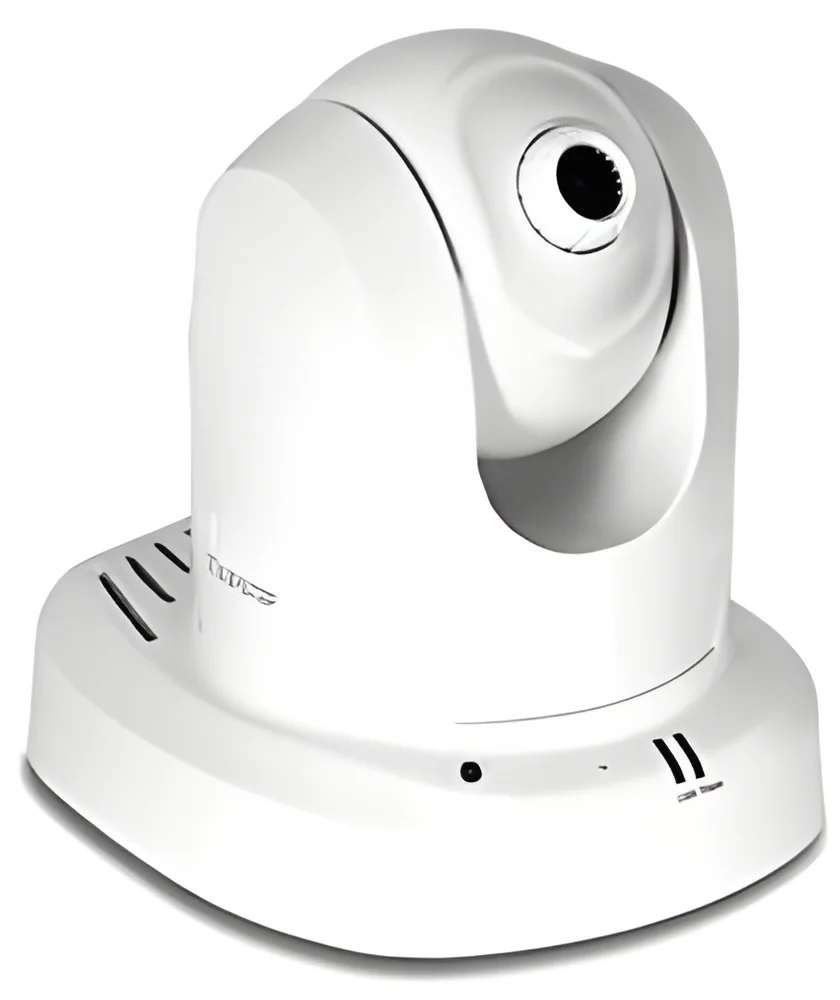
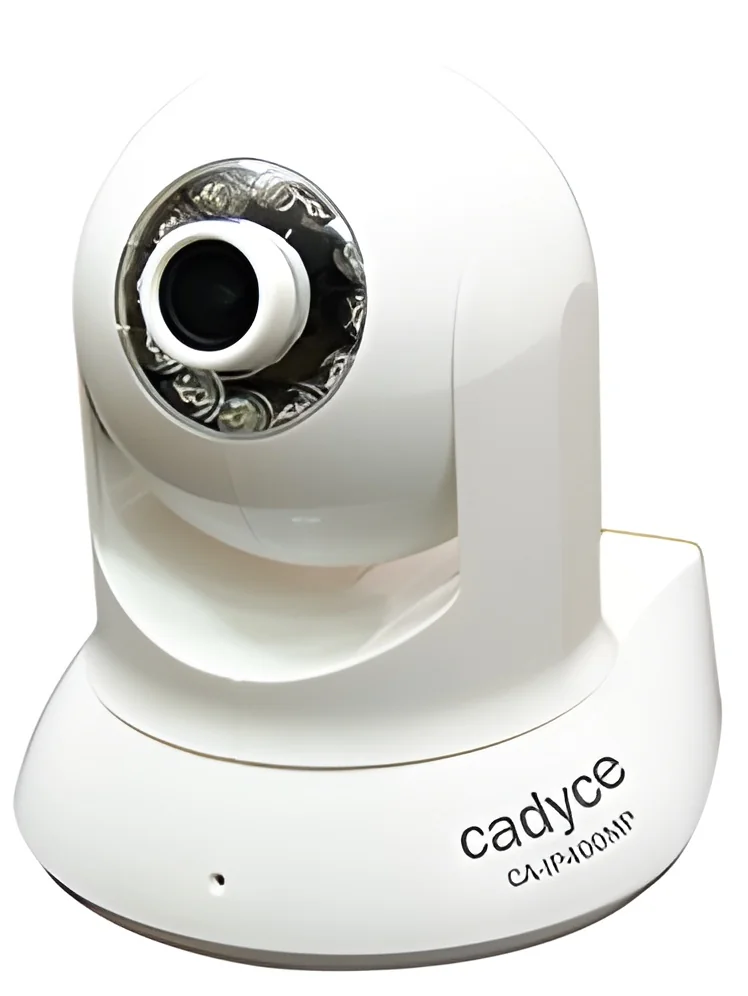
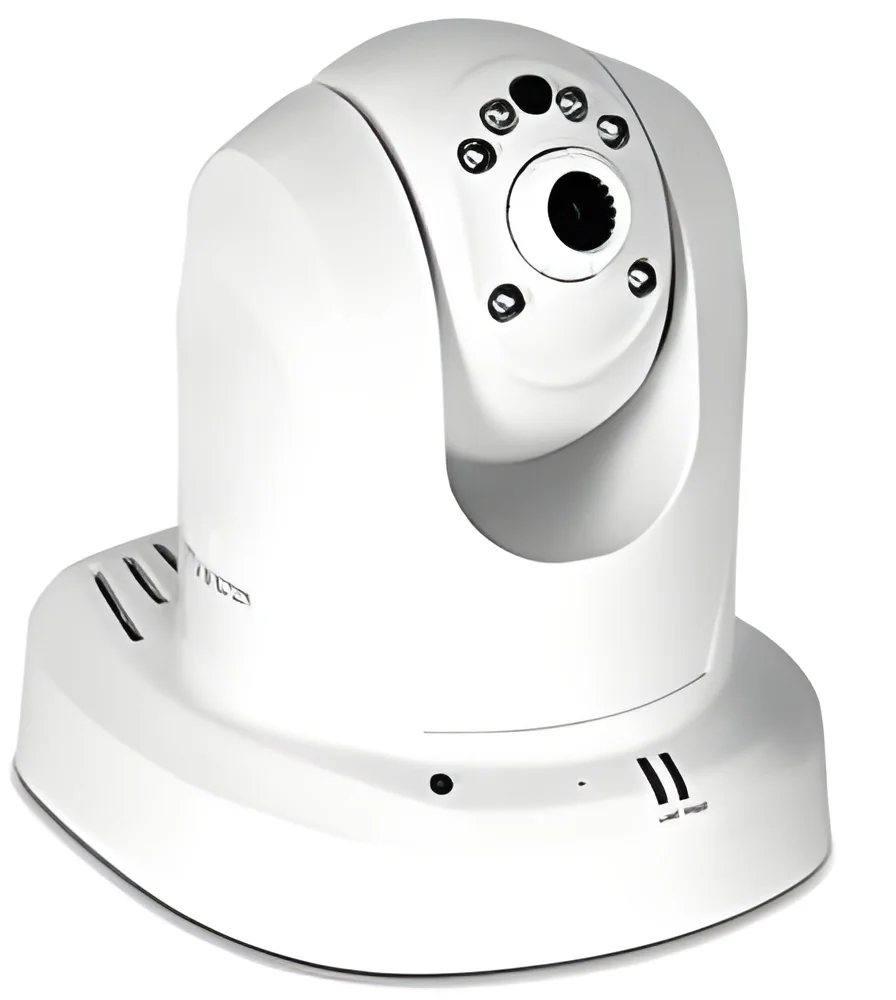
- PTZ cameras allow for remote control of camera positioning.
3. Night Vision Capability
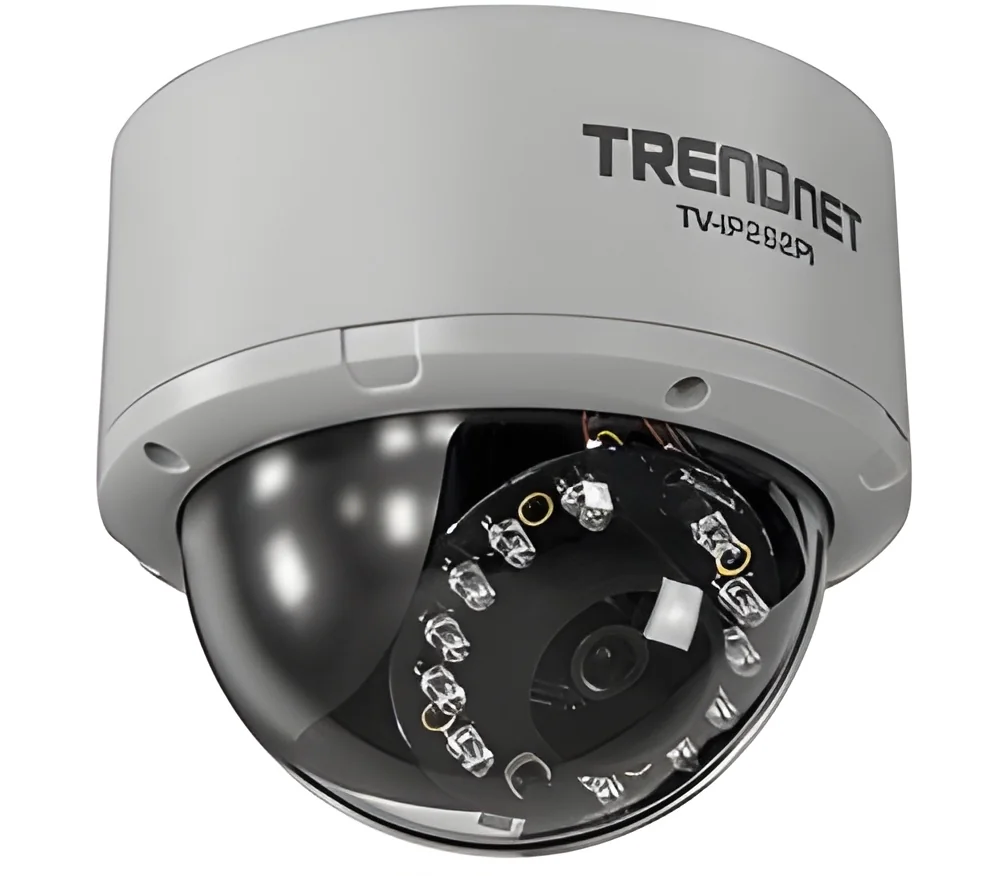
- Infrared technology enables cameras to capture video in low-light conditions.
- This feature is crucial for 24/7 monitoring.
4. Storage Options
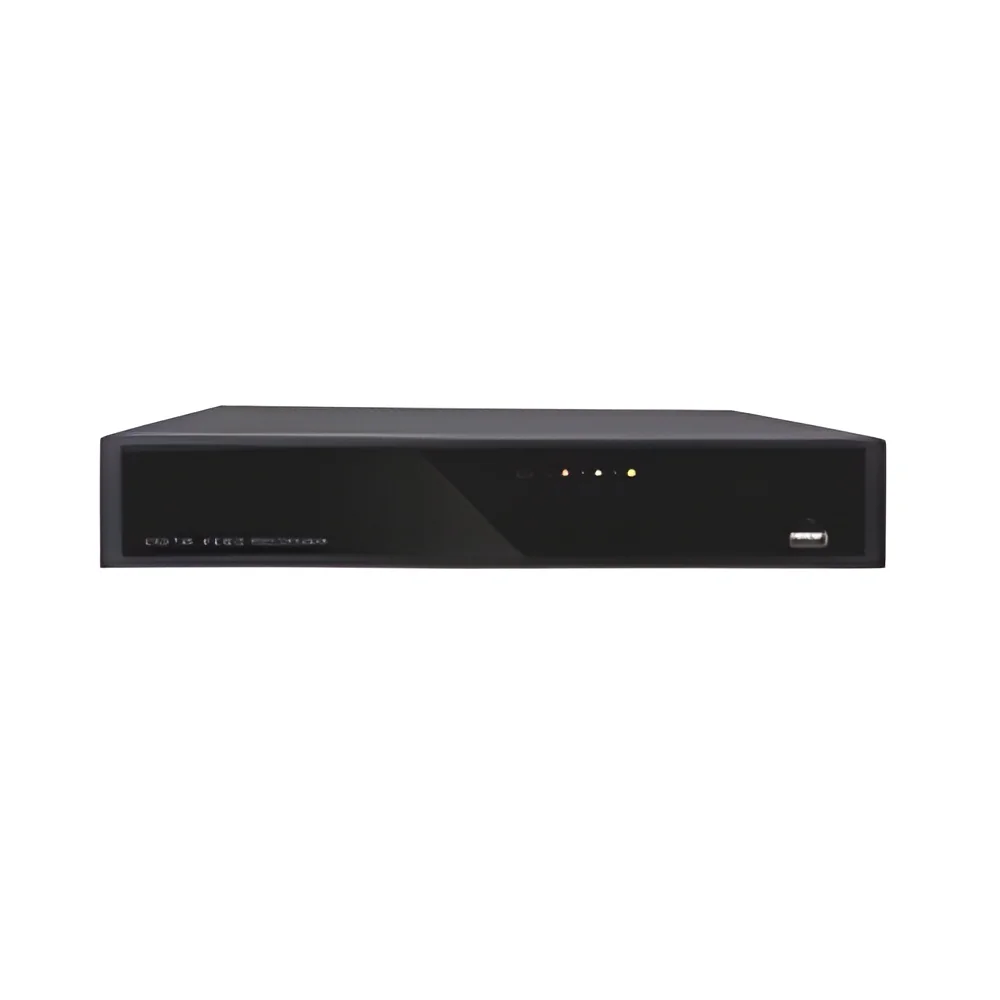
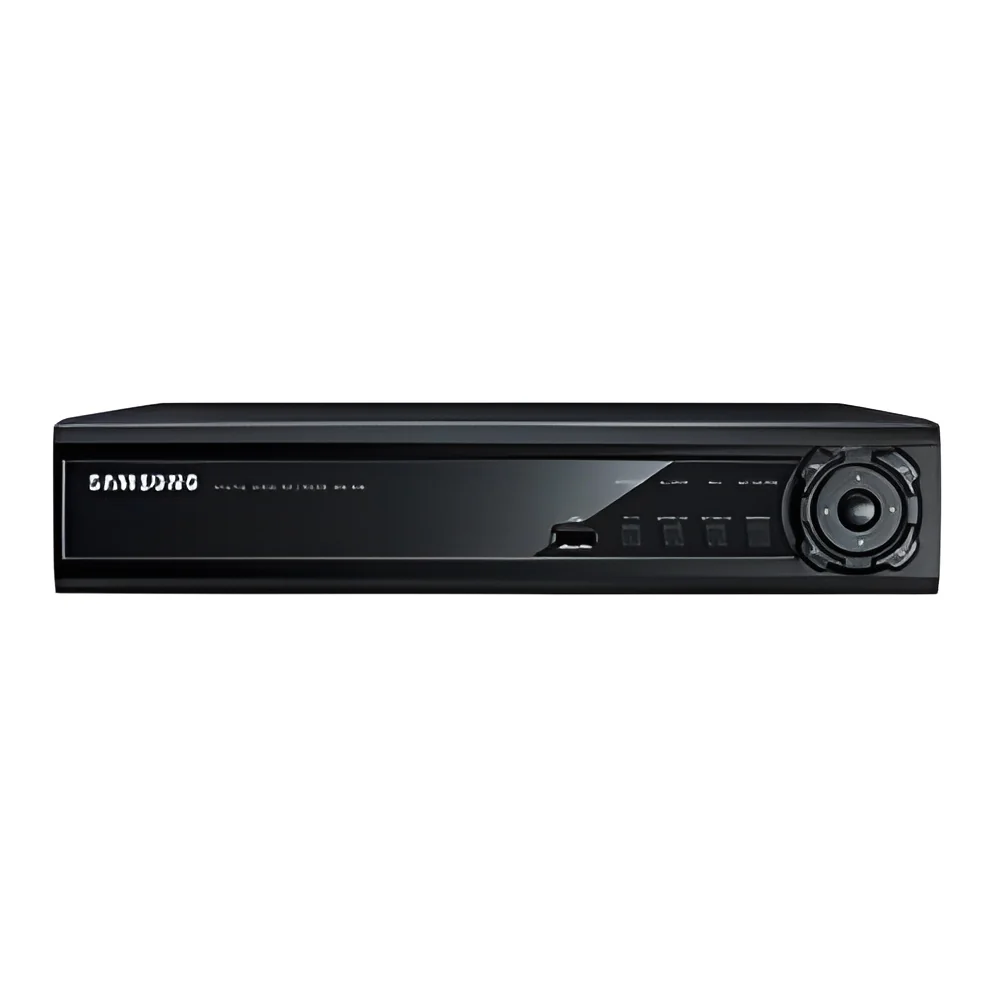
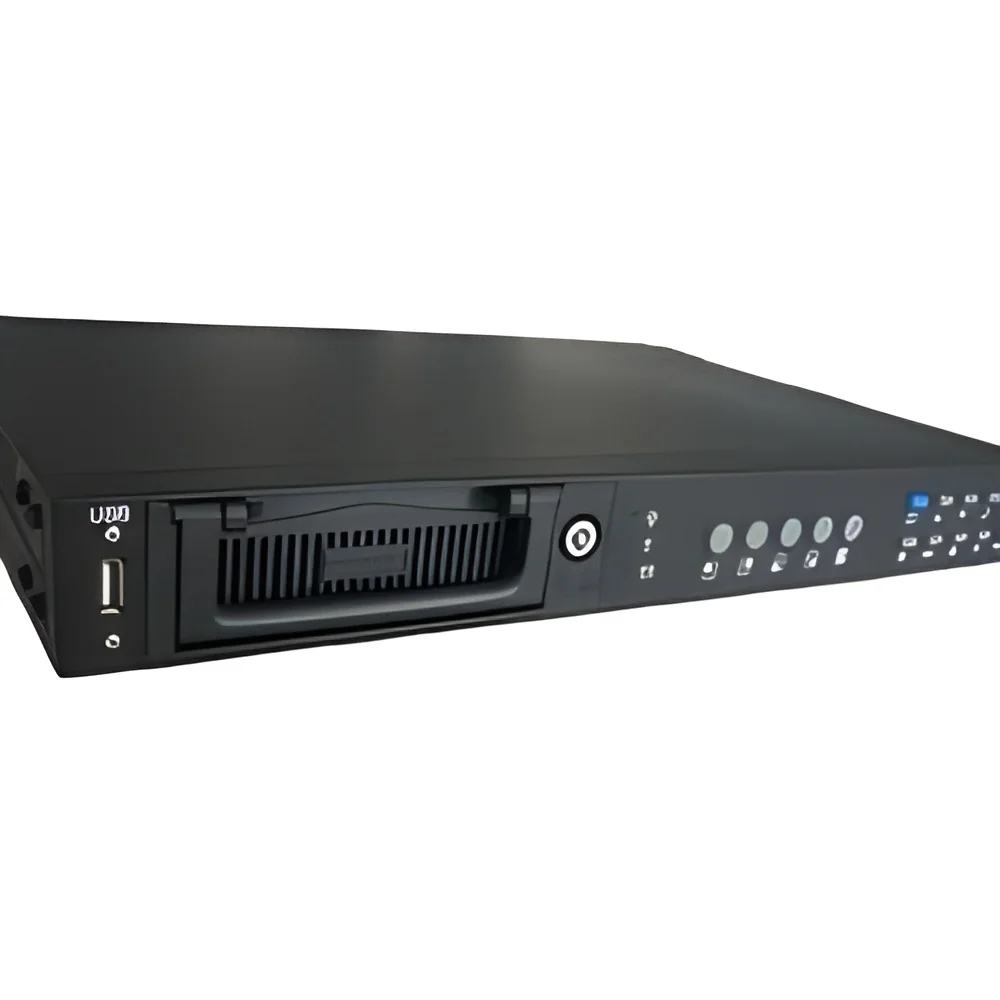
- Systems can utilize local storage (DVR/NVR) or cloud storage for video footage.
- The choice affects how data is accessed and managed.
5. Motion Detection
- Advanced motion detection features can trigger alerts and reduce unnecessary recordings.
- This helps in efficient monitoring and data management.
6. Connectivity
- Systems may feature wired or wireless connectivity options for ease of installation.
- Wireless systems can provide greater flexibility in placement.
7. Remote Access
- Many systems allow users to access camera feeds via mobile apps or web browsers.
- This feature provides real-time monitoring from anywhere.
8. Integration Capabilities
- The ability to integrate with other security systems, such as alarms and access control, enhances overall security.
- Integration can streamline security management processes.
In summary, understanding the key features and specifications of CCTV and surveillance systems is critical for selecting the right solution for your business needs.
𝗖𝗼𝗺𝗺𝗼𝗻 𝗔𝗽𝗽𝗹𝗶𝗰𝗮𝘁𝗶𝗼𝗻𝘀 𝗮𝗻𝗱 𝗨𝘀𝗲 𝗖𝗮𝘀𝗲𝘀
CCTV and surveillance systems are versatile and find applications in various industries.
1. Retail: Retailers use surveillance systems to deter theft and monitor customer behavior, improving both security and sales performance.
2. Healthcare: Hospitals and clinics utilize CCTV to enhance patient safety, monitor waiting areas, and ensure compliance with safety regulations.
3. Education: Schools and universities implement surveillance systems to protect students and staff, monitor campus activity, and enhance overall safety.
4. Transportation: Airports and train stations employ these systems for security monitoring and to ensure passenger safety.
5. Manufacturing: Factories use surveillance to monitor production lines, ensuring safety protocols are followed and minimizing theft.
6. Banking: Financial institutions rely on CCTV for security, monitoring transactions, and deterring criminal activity.
7. Hospitality: Hotels and resorts implement surveillance systems to ensure guest safety and monitor common areas.
𝗣𝗿𝗼𝗱𝘂𝗰𝘁 𝗩𝗮𝗿𝗶𝗮𝗻𝘁𝘀 𝗮𝗻𝗱 𝗦𝘂𝗯𝗰𝗮𝘁𝗲𝗴𝗼𝗿𝗶𝗲𝘀
CCTV and surveillance systems come in various forms, catering to different business requirements.
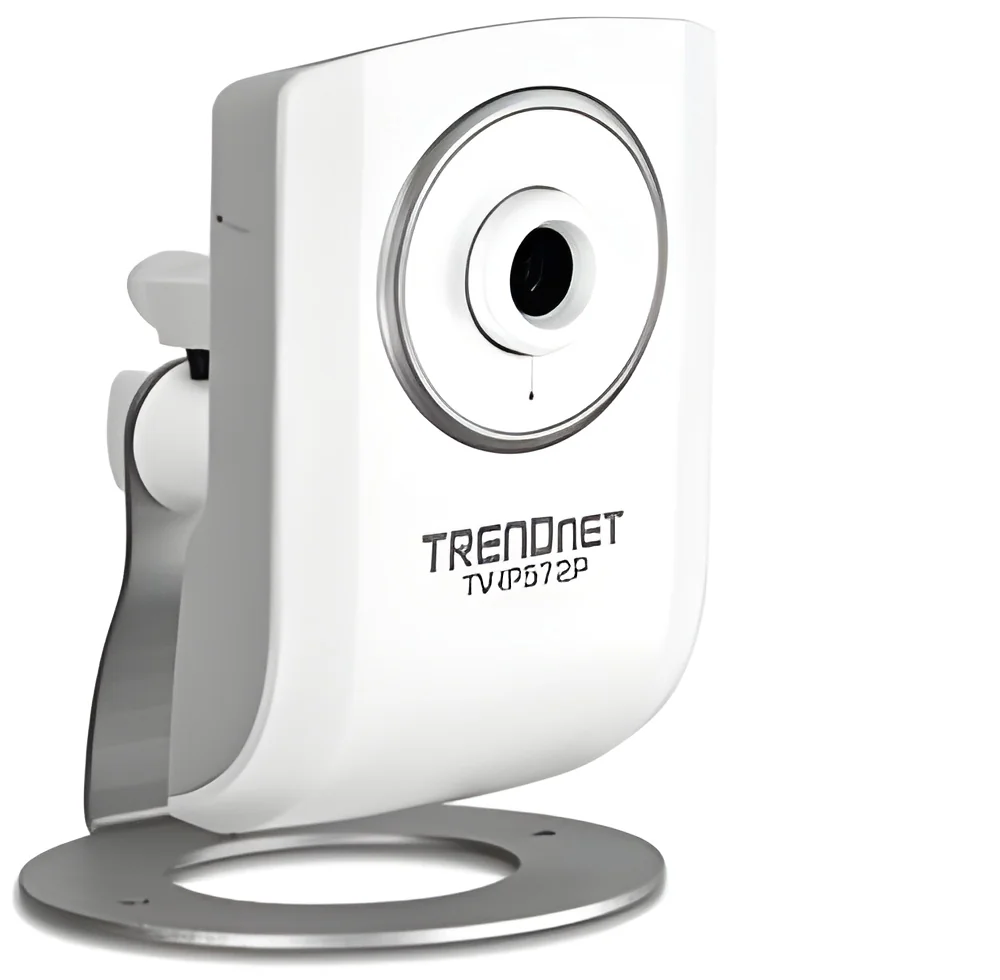
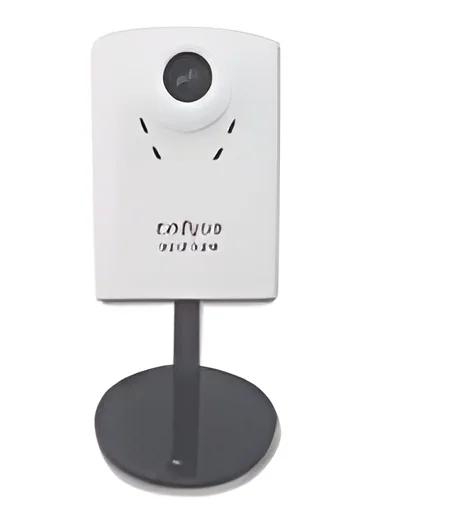
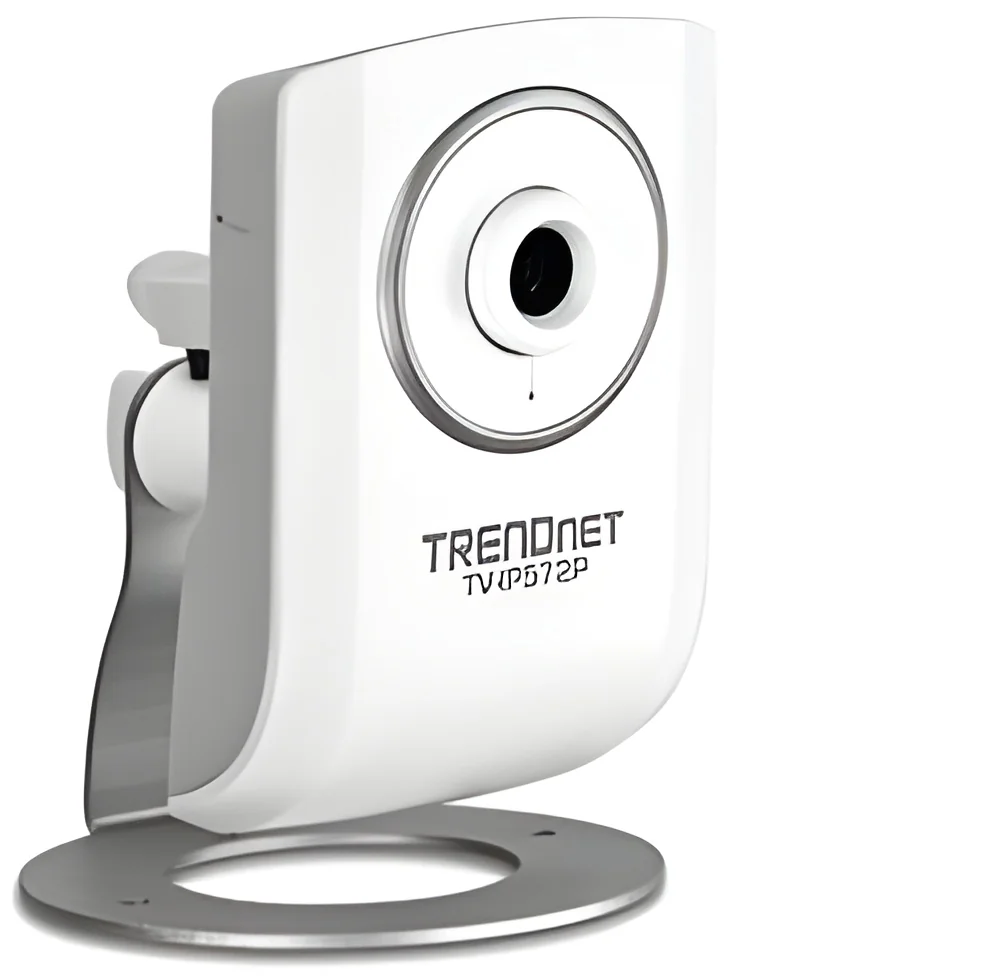
Indoor Cameras: These cameras are designed for use within buildings, providing security in areas like lobbies, offices, and warehouses. They are typically compact and have features like motion detection and remote access.
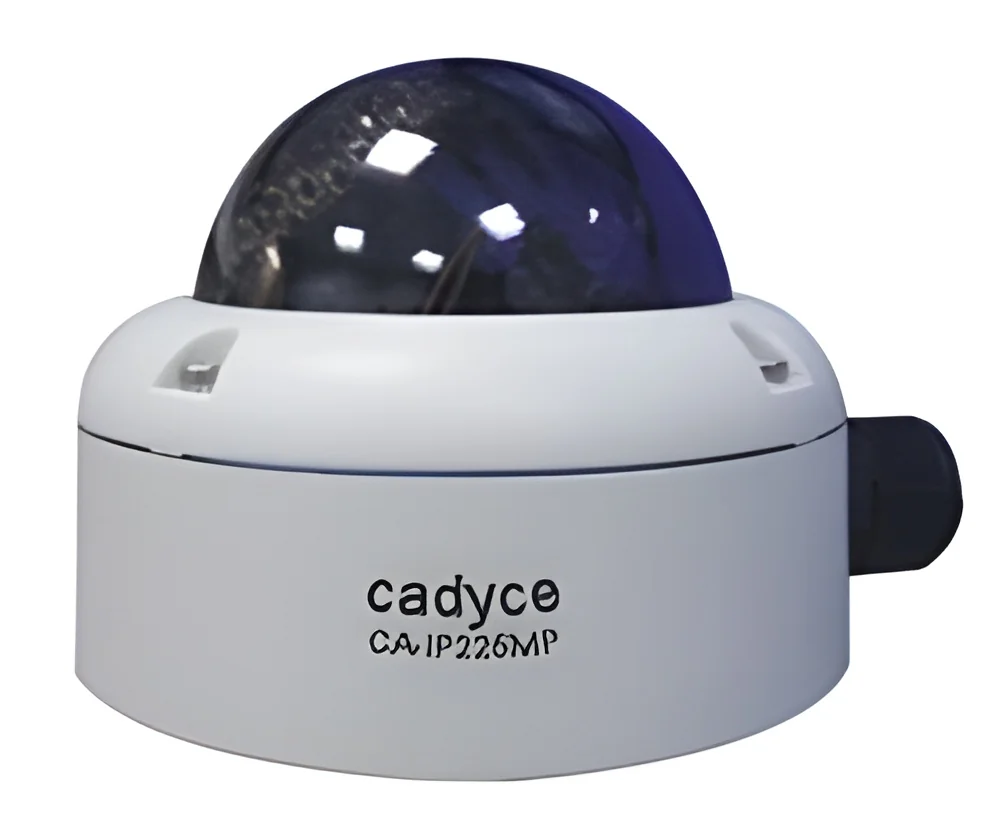
Outdoor Cameras: Built to withstand the elements, outdoor cameras often feature weatherproof casings and enhanced night vision capabilities. They are ideal for monitoring parking lots and building perimeters.
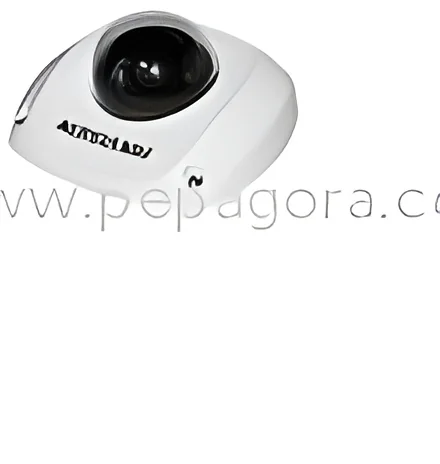
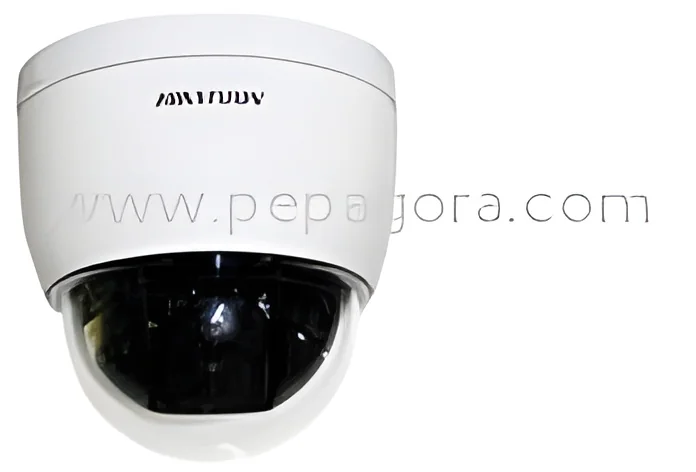
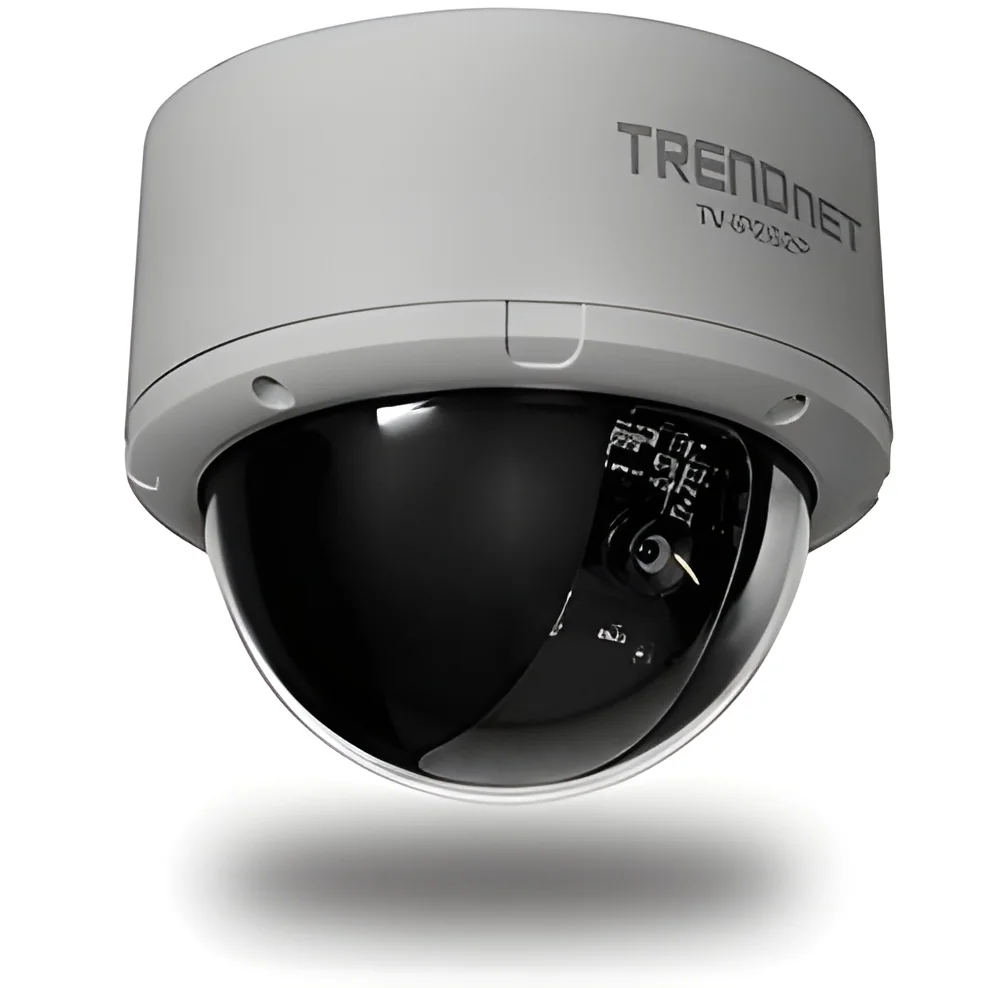
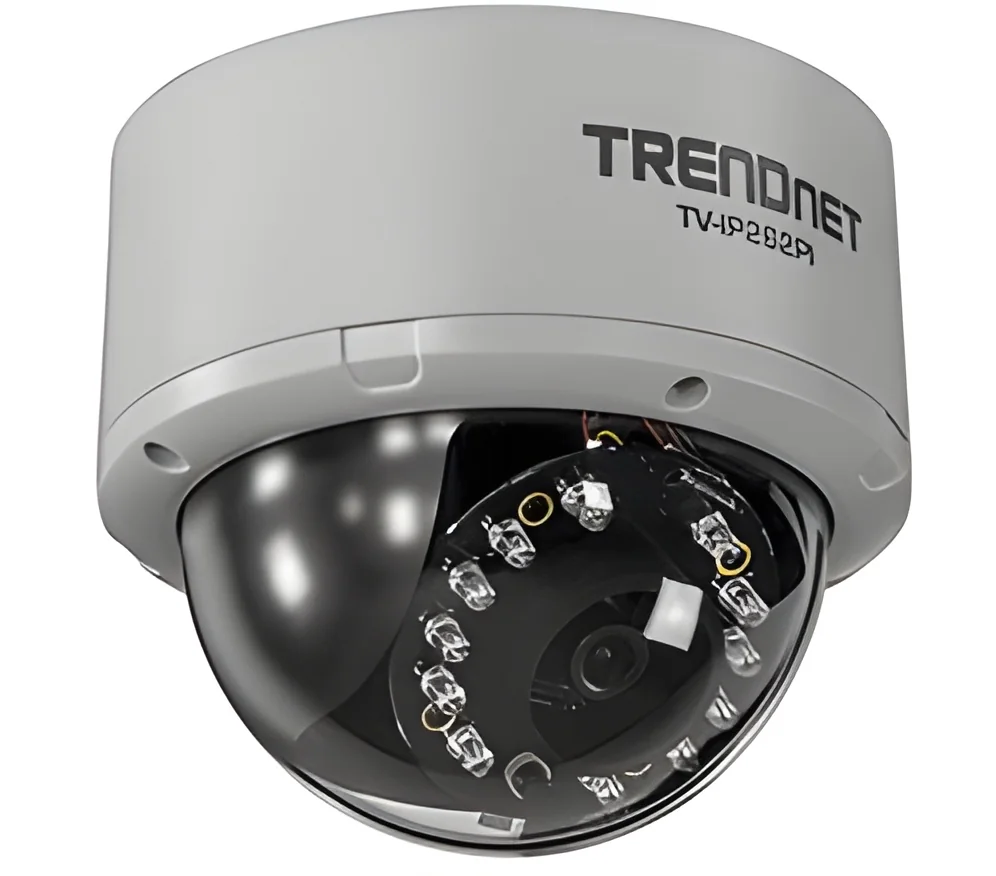
Dome Cameras: Known for their discreet design, dome cameras are commonly used in retail and office environments. They are often equipped with a wide-angle lens for broad coverage.
Bullet Cameras: These cameras have a long, cylindrical shape and are suitable for outdoor use. They often provide high-resolution video and are effective for long-distance monitoring.
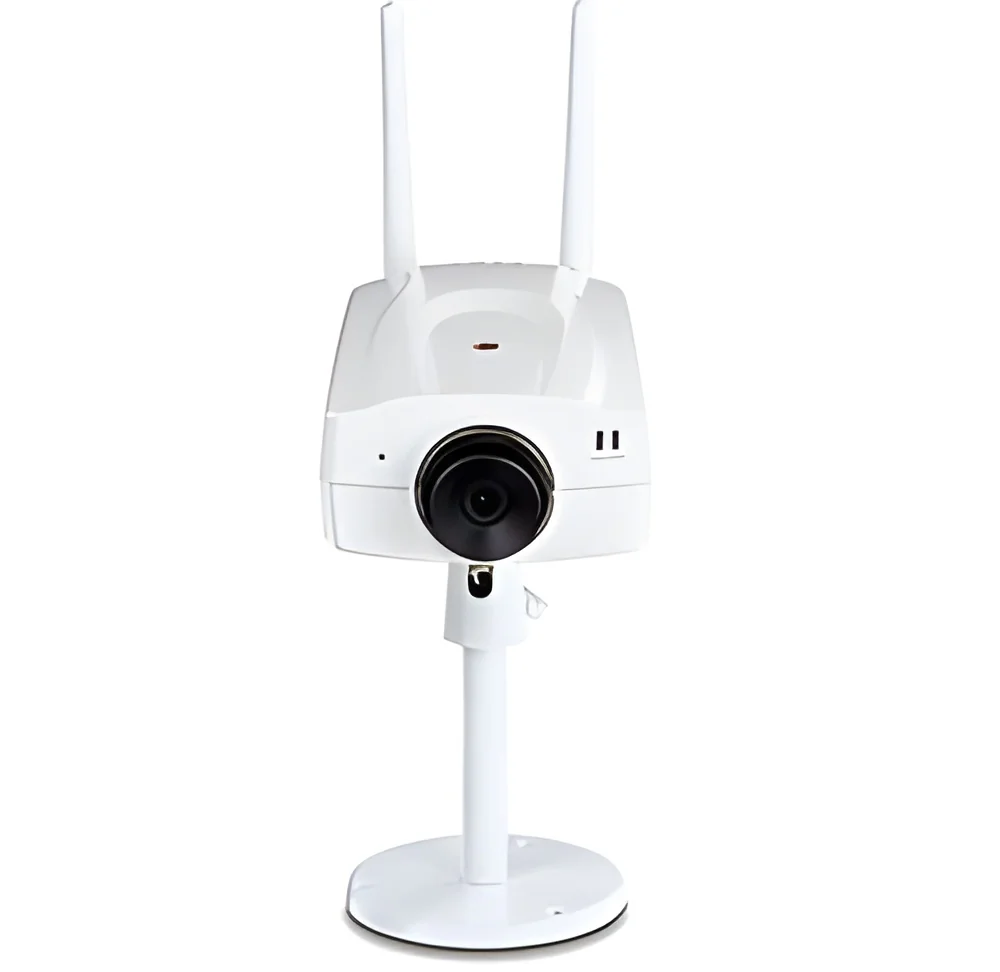
Wireless Cameras: These cameras offer flexible installation options and connect to networks without the need for extensive wiring. They are ideal for temporary setups or areas where wiring is impractical.
𝗕𝗲𝗻𝗲𝗳𝗶𝘁𝘀 𝗮𝗻𝗱 𝗔𝗱𝘃𝗮𝗻𝘁𝗮𝗴𝗲𝘀
Investing in CCTV and surveillance systems offers numerous advantages for businesses.
1. Enhanced Security: Surveillance systems act as a deterrent to criminal activity, helping to protect assets and personnel.
2. Real-time Monitoring: Businesses can monitor activities as they happen, allowing for immediate response to incidents.
3. Evidence Collection: Recorded footage can serve as valuable evidence in investigations or legal proceedings, aiding in conflict resolution.
4. Increased Accountability: The presence of cameras encourages employees to adhere to company policies and procedures.
5. Improved Safety: CCTV systems help create a safer environment by monitoring hazardous areas and ensuring compliance with safety regulations.
6. Cost-effective Protection: Investing in surveillance can often reduce theft and loss, leading to long-term savings.
𝗕𝘂𝘆𝗶𝗻𝗴 𝗚𝘂𝗶𝗱𝗲 𝗳𝗼𝗿 𝗕𝟮𝗕 𝗕𝘂𝘆𝗲𝗿𝘀
When sourcing CCTV and surveillance systems, businesses should consider several factors to make informed purchasing decisions.
1. Quality Assessment: Evaluate the quality of cameras and associated equipment. Look for reputable brands and customer reviews to ensure reliability and performance.
2. Supplier Verification: Vet suppliers thoroughly to confirm their credibility and track record. Check for industry certifications and customer testimonials.
3. Pricing and MOQ: Understand the pricing structure and minimum order quantities. Compare quotes from multiple suppliers to find the best deal.
4. Delivery and Lead Times: Inquire about logistics and expected delivery times. Ensure that the supplier can meet your project timelines.
5. Compliance Requirements: Familiarize yourself with any regulatory standards that apply to your industry. Ensure the systems meet necessary compliance requirements.
𝗖𝗼𝗺𝗽𝗹𝗶𝗮𝗻𝗰𝗲 𝗮𝗻𝗱 𝗖𝗲𝗿𝘁𝗶𝗳𝗶𝗰𝗮𝘁𝗶𝗼𝗻𝘀
CCTV and surveillance systems must adhere to various compliance and certification standards to ensure quality and safety.
Relevant quality standards include ISO 9001, which focuses on quality management systems, ensuring products consistently meet customer requirements. Compliance with HACCP and GDP standards is crucial in sectors like healthcare and food safety.
Industry certifications, such as CE marking, indicate that products meet European safety and health requirements. This certification is essential for businesses operating in or exporting to European markets.
Safety and testing requirements vary by region but typically involve rigorous evaluations to ensure equipment can withstand environmental conditions and operate effectively.
Regional compliance considerations may include local regulations regarding privacy and data protection, which businesses must adhere to when implementing surveillance systems.
𝗪𝗵𝘆 𝗦𝗼𝘂𝗿𝗰𝗲 𝗖𝗖𝗧𝗩 & 𝗦𝘂𝗿𝘃𝗲𝗶𝗹𝗹𝗮𝗻𝗰𝗲 𝗦𝘆𝘀𝘁𝗲𝗺𝘀 𝗳𝗿𝗼𝗺 𝗣𝗲𝗽𝗮𝗴𝗼𝗿𝗮?
Pepagora offers a reliable platform for sourcing CCTV and surveillance systems, providing several key advantages for buyers.
Verified Supplier Network: Pepagora features a network of vetted suppliers, ensuring that buyers have access to reputable manufacturers and distributors. This verification process helps mitigate risks associated with purchasing.
Streamlined RFQ Process: The platform's request for quotation (RFQ) system simplifies the procurement process. Buyers can easily submit their requirements and receive competitive quotes from multiple suppliers.
Trade Assurance and Support: Pepagora offers trade assurance, protecting buyers during transactions and ensuring that they receive quality products as promised. Customer support is readily available to assist with any inquiries.
Regional Coverage: With a focus on markets in India, the GCC, and Southeast Asia, Pepagora provides extensive regional coverage, making it easier for businesses to find suitable CCTV and surveillance solutions tailored to their needs.



Frequently Asked Questions
What are CCTV & Surveillance Systems?
CCTV & Surveillance Systems are security systems that use video cameras to transmit signals to a specific place, on a limited set of monitors. They are used to enhance security in various environments, including homes, businesses, and public spaces.
What are the different types of CCTV & Surveillance Systems?
The different types of CCTV & Surveillance Systems include analog CCTV, digital IP cameras, wireless cameras, and PTZ (pan-tilt-zoom) cameras. Each type serves different monitoring needs and offers varying levels of image quality and connectivity options.
How do I choose the right CCTV & Surveillance Systems?
Choosing the right CCTV & Surveillance Systems involves assessing your security needs, the area to be monitored, and the level of detail required. Consider factors such as resolution, storage capacity, and whether you need features like night vision or remote access.
What are the standard specifications for CCTV & Surveillance Systems?
Standard specifications for CCTV & Surveillance Systems typically include resolution (measured in megapixels), lens type, field of view, and night vision capabilities. Additionally, connectivity options and storage solutions are important specifications to consider.
What is the price range for CCTV & Surveillance Systems?
The price range for CCTV & Surveillance Systems can vary widely based on the type, features, and manufacturer. Generally, prices can range from a few thousand rupees for basic systems to several lakhs for advanced setups.
What quality standards apply to CCTV & Surveillance Systems?
Quality standards for CCTV & Surveillance Systems include compliance with international safety and performance standards such as ISO 9001. Additionally, manufacturers may adhere to specific industry standards to ensure reliability and durability.
Where can I find CCTV & Surveillance Systems suppliers in India?
You can find CCTV & Surveillance Systems suppliers in India through various online B2B marketplaces, trade directories, and industry expos. Websites like Pepagora.com offer a platform to connect with verified suppliers and manufacturers.
Can CCTV & Surveillance Systems be customized?
Yes, many manufacturers offer customization options for CCTV & Surveillance Systems to meet specific security needs. Customization can include tailored features, integration with existing security systems, and unique installation requirements.
What is the typical minimum order quantity for CCTV & Surveillance Systems?
The typical minimum order quantity (MOQ) for CCTV & Surveillance Systems can vary by supplier and product type. Generally, it may range from a single unit for some manufacturers to larger quantities for bulk orders.
What is the typical lead time for CCTV & Surveillance Systems?
The typical lead time for CCTV & Surveillance Systems can range from a few days to several weeks, depending on the supplier, customization options, and availability of stock. It's advisable to confirm lead times directly with the supplier before placing an order.
Why Businesses Trust Pepagora
Thousands of companies trust Pepagora to source smarter and sell faster
Expand Your Sales Globally

Source Smarter,Grow Faster
