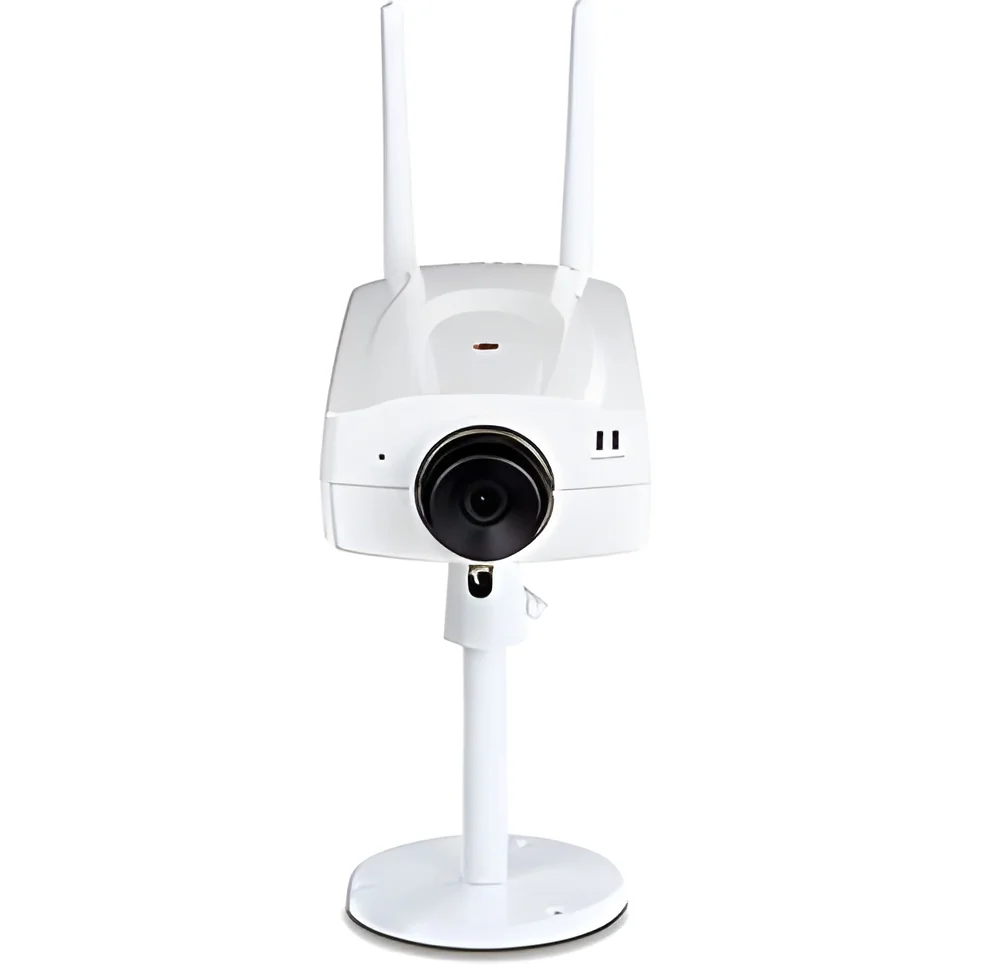
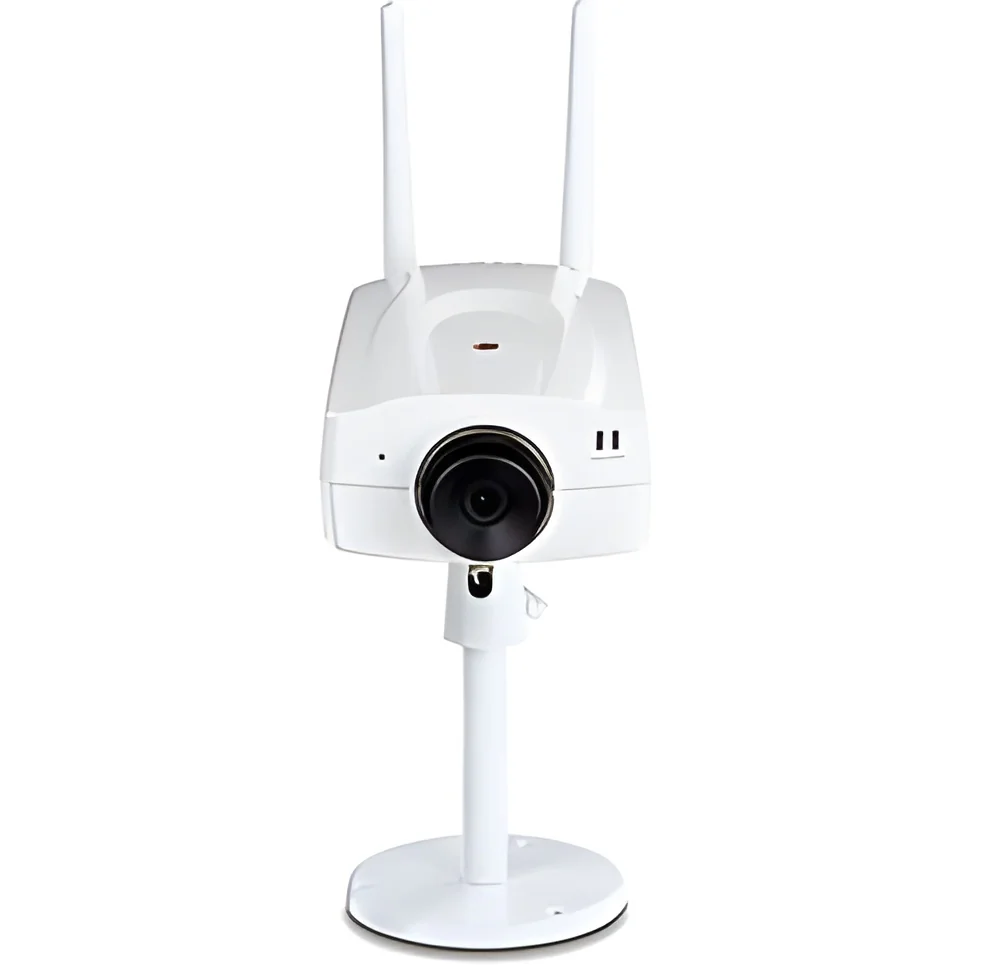
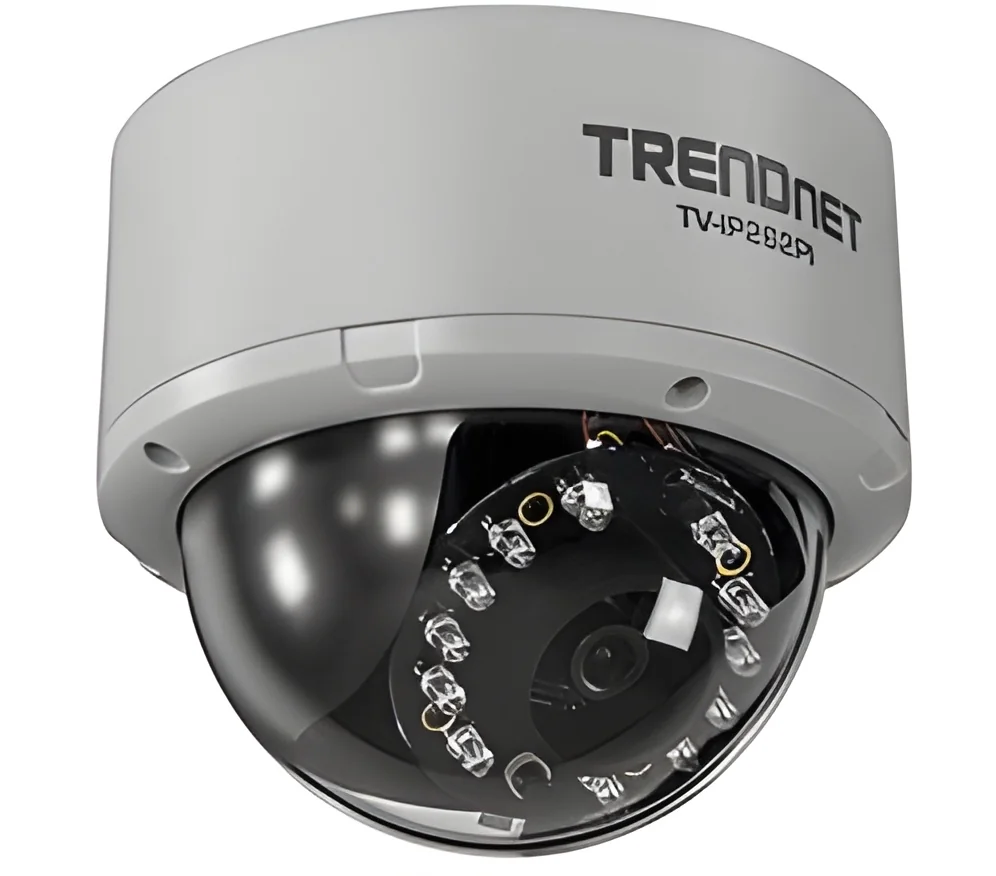
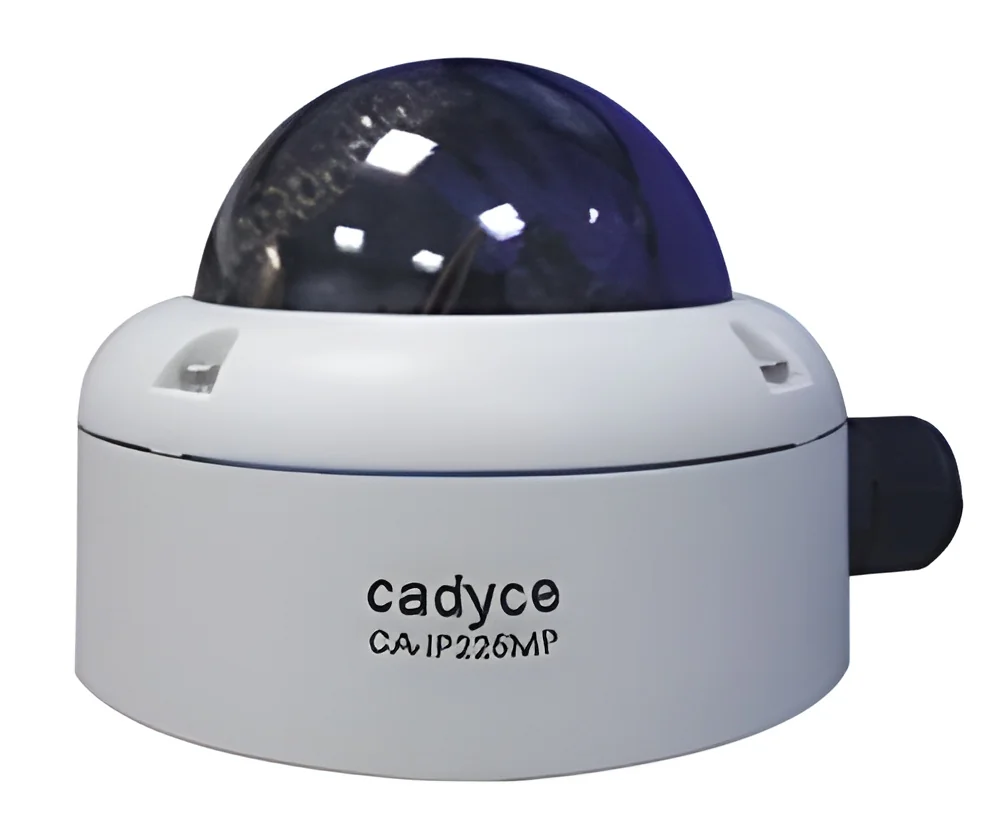
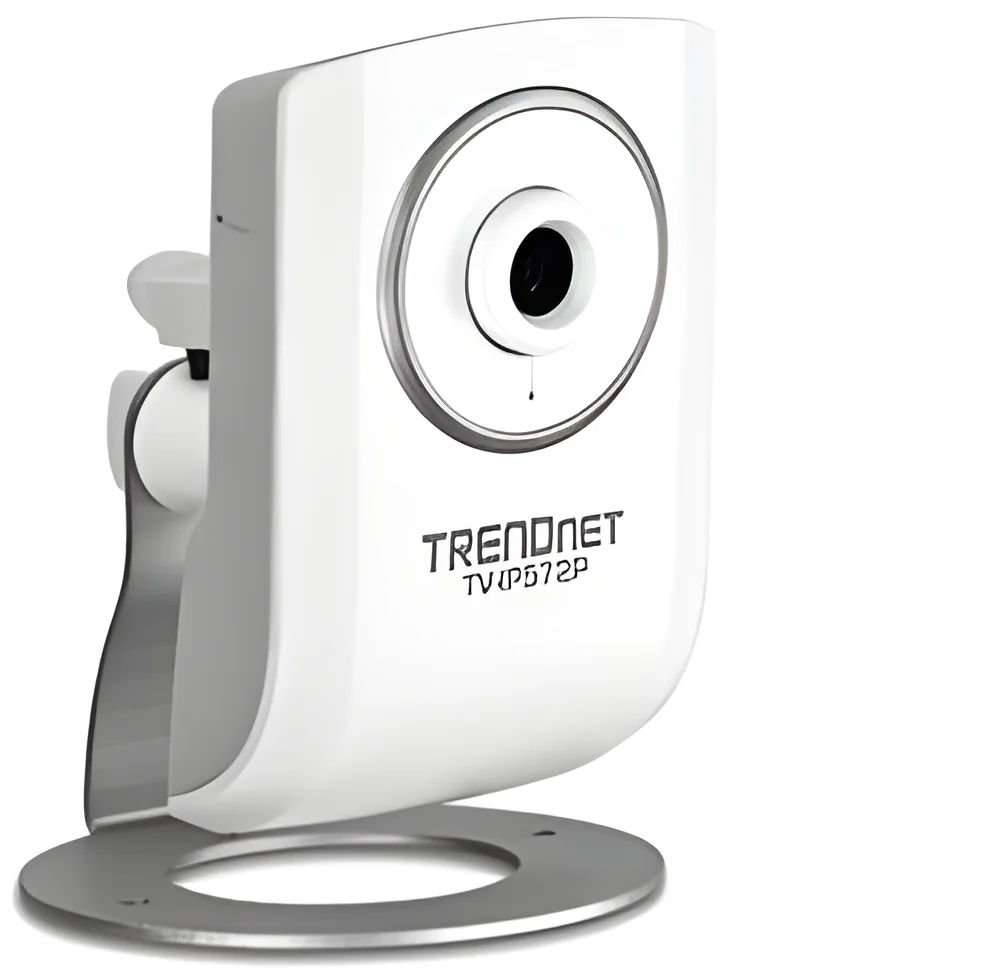
What are Thermal Security Cameras?
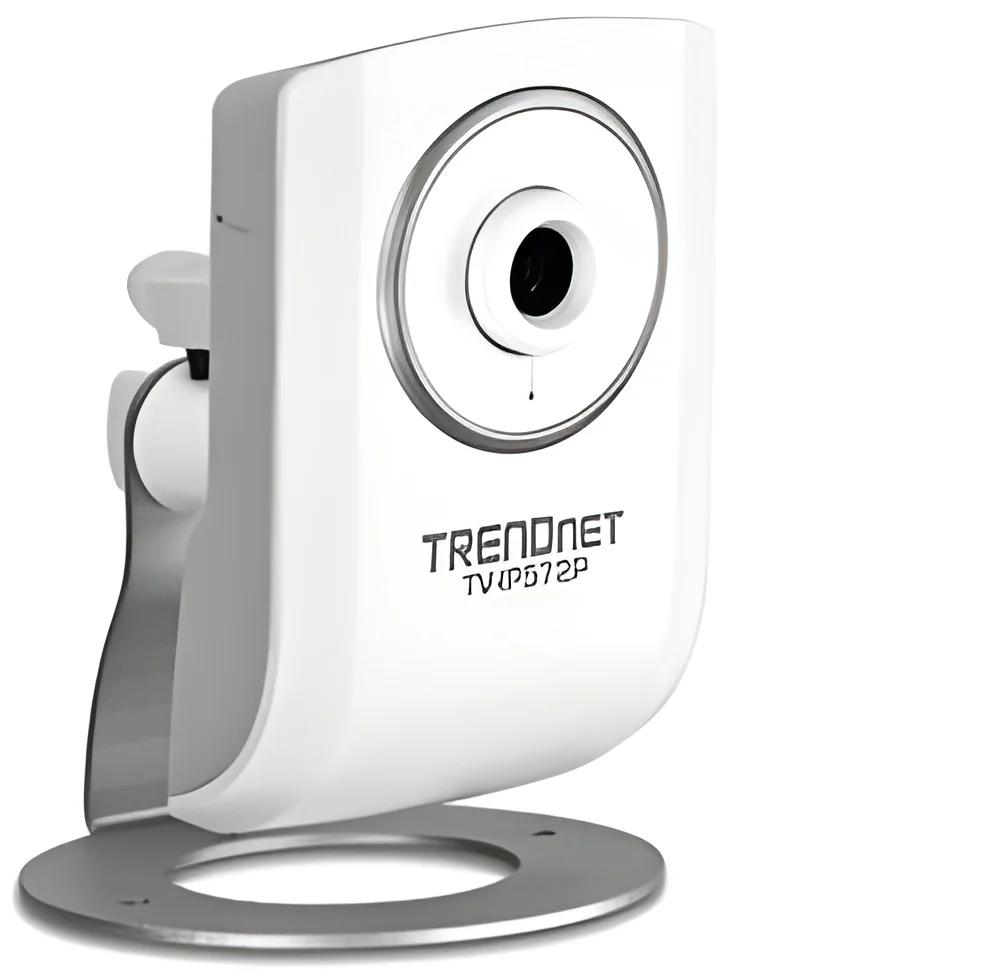
Thermal security cameras are advanced surveillance devices that detect and visualize heat emitted from objects, allowing for monitoring in low-light or complete darkness conditions. Unlike traditional cameras that rely on visible light, thermal cameras capture infrared radiation, converting it into images that display temperature variations. This capability enables them to identify potential threats or intrusions that may not be visible to the naked eye.
These cameras are widely used in various business applications, including perimeter security, facility management, and critical infrastructure protection. They are particularly valuable in industries such as oil and gas, manufacturing, and transportation, where monitoring for heat anomalies can prevent equipment failures or security breaches. As concerns about safety and surveillance grow, the relevance of thermal security cameras continues to increase in the marketplace, driven by technological advancements and evolving security needs.
Key Features and Specifications
Thermal security cameras come equipped with a variety of features tailored to enhance surveillance capabilities. Understanding these specifications is crucial for B2B buyers looking to invest in reliable thermal imaging technology.
Key specifications include:
1. Resolution
- Defines the clarity of the thermal image
- Common ranges include 320x240, 640x480, and higher for detailed analysis
2. Thermal Sensitivity
- Measures the camera's ability to detect temperature differences
- Typical values range from 50 mK to 100 mK
3. Detection Range
- Indicates the maximum distance at which the camera can effectively monitor
- Ranges from a few meters to several kilometers depending on the model
4. Frame Rate
- Refers to how many images the camera can capture per second
- Standard rates are 30 fps, which ensures smooth video playback
5. Connectivity Options
- Includes Wi-Fi, Ethernet, and other networking capabilities for remote access
- Essential for integration into existing security systems
6. Environmental Ratings
- Specifies the camera's durability in harsh conditions
- IP67 ratings indicate resistance to dust and water
7. Power Supply
- Details the camera's power requirements
- Options include PoE (Power over Ethernet) or traditional AC power
8. Storage Options
- Refers to onboard storage or cloud-based solutions for video footage
- Important for compliance and review of recorded events
In summary, these specifications collectively enhance the functionality and adaptability of thermal security cameras for various business needs.
Common Applications and Use Cases
Thermal security cameras are versatile tools applicable across various industries, each benefiting from their unique capabilities.
1. Oil and Gas: Thermal cameras monitor pipelines and refineries for leaks or overheating equipment, helping to prevent catastrophic failures.
2. Manufacturing: They are used for quality control by detecting heat variations in machinery, ensuring optimal performance and safety.
3. Transportation: Airports and transit hubs utilize thermal cameras for perimeter security and crowd monitoring, enhancing safety measures.
4. Agriculture: Farmers employ thermal imaging for crop health monitoring, identifying areas needing irrigation or pest control.
5. Construction: Thermal cameras help identify heat loss in buildings, ensuring energy efficiency and addressing building code compliance.
6. Warehousing and Logistics: They are instrumental in monitoring temperature-sensitive goods, ensuring products remain within required conditions.
7. Public Safety: Law enforcement agencies use thermal cameras for surveillance during night operations, enhancing situational awareness.
Product Variants and Subcategories
Thermal security cameras feature a range of variants to suit diverse applications and environments. Each variant is designed with specific features to meet varying security needs.
Fixed Thermal Cameras: These cameras provide a stationary solution for monitoring specific areas. They are ideal for perimeter security and offer high-resolution imaging for reliable surveillance.
PTZ Thermal Cameras: Pan-Tilt-Zoom cameras allow for dynamic monitoring of large areas. With the ability to rotate and zoom in on targets, they are suitable for applications requiring extensive coverage.
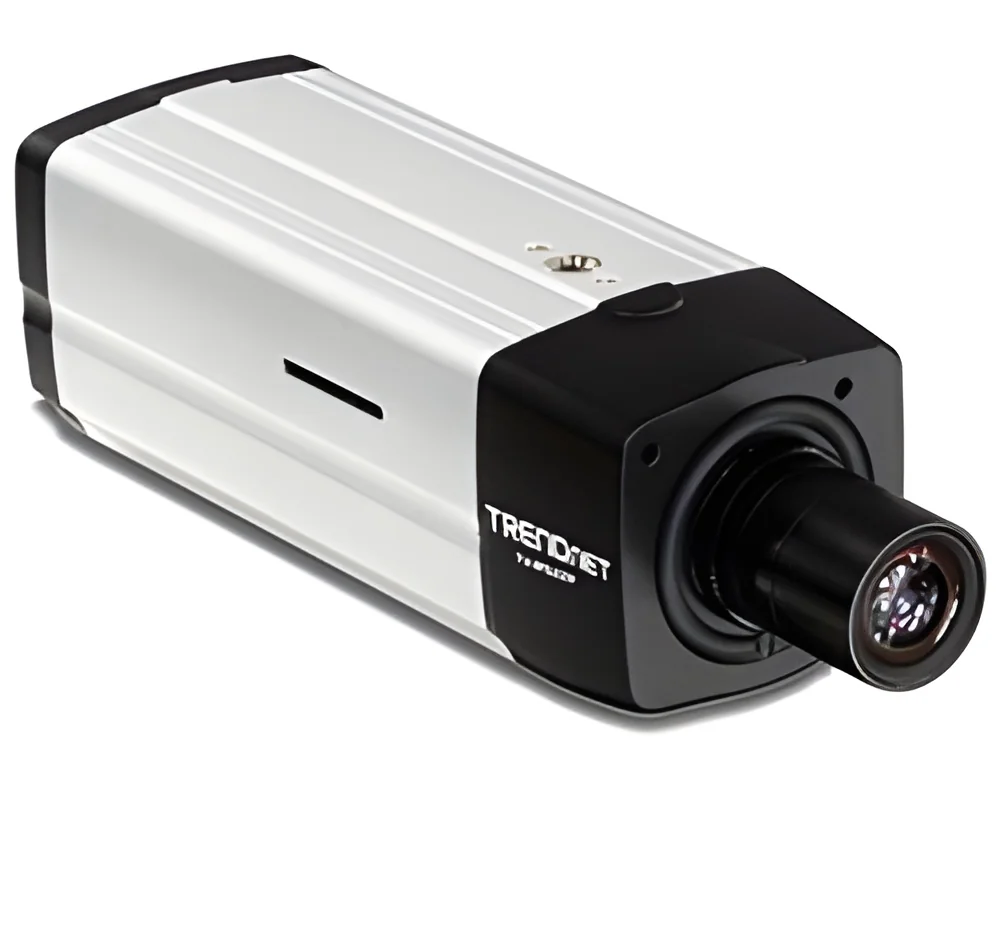
Thermal Bullet Cameras: Compact and weatherproof, these cameras are designed for outdoor use. They are often mounted on walls or poles and provide consistent monitoring regardless of weather conditions.
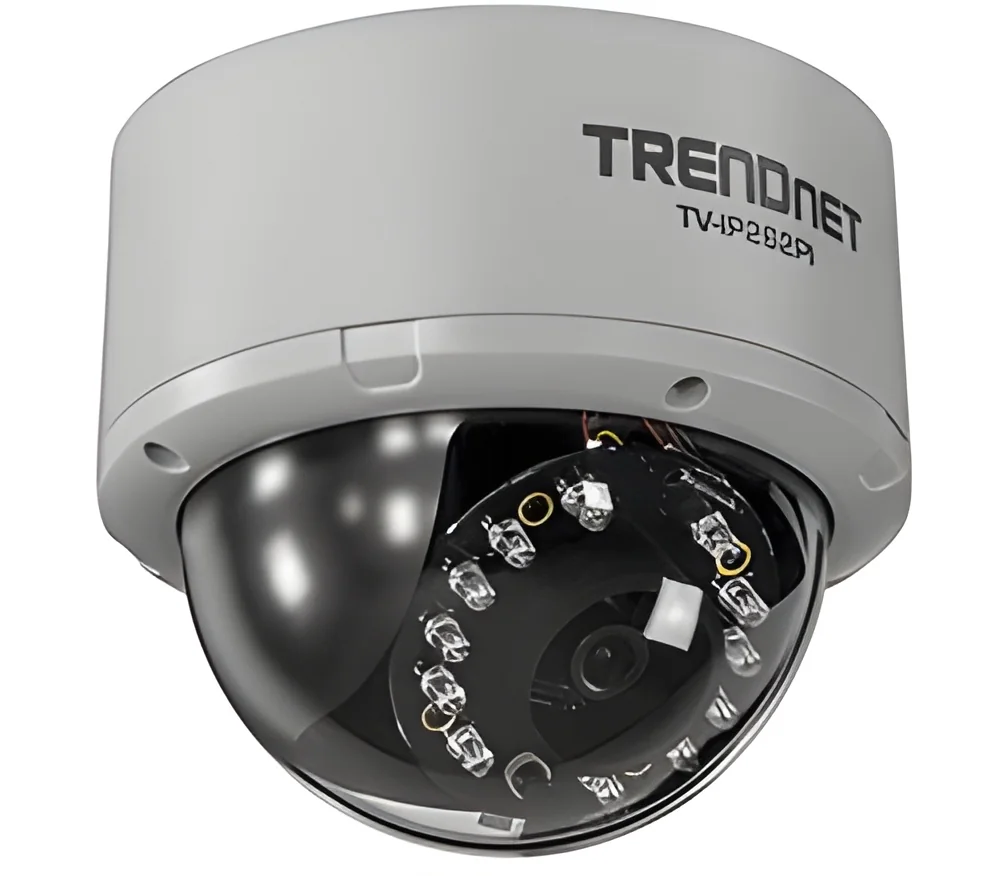
Thermal Dome Cameras: These cameras offer a discreet surveillance option, often used in retail settings. Their design allows for 360-degree monitoring while blending seamlessly with the environment.
Benefits and Advantages
Investing in thermal security cameras provides several significant advantages for businesses.
1. Enhanced Visibility: Thermal cameras operate effectively in complete darkness, ensuring 24/7 monitoring and security.
2. Early Detection: They can identify heat signatures, allowing for early warnings of potential threats or equipment failures before they escalate.
3. Cost-Effectiveness: By preventing incidents and losses, these cameras can save businesses significant costs in damage control and security breaches.
4. Low Maintenance: Thermal cameras typically require less maintenance than traditional surveillance systems, reducing overall operational costs.
5. Versatile Integration: They can easily integrate with existing security systems, enhancing overall capabilities without requiring a complete overhaul.
6. Improved Safety: By monitoring critical infrastructure, these cameras contribute to workplace safety and compliance with regulations.
Buying Guide for B2B Buyers
When sourcing thermal security cameras, businesses should consider several critical factors to ensure they make informed decisions.
1. Quality Assessment: Evaluate the camera's specifications, including resolution and thermal sensitivity, to ensure it meets your operational needs. Request sample images to assess performance in real-world conditions.
2. Supplier Verification: Vet suppliers by checking their credentials, certifications, and customer reviews. Reliable suppliers should have a proven track record in the industry.
3. Pricing and MOQ: Understand the price range and minimum order quantities. Compare quotes from multiple suppliers to ensure competitive pricing without compromising quality.
4. Delivery and Lead Times: Confirm the delivery schedules and lead times to ensure timely installation. Factor in any potential delays that could impact operations.
5. Compliance Requirements: Ensure that the cameras meet relevant regulatory and safety standards. This includes certifications such as CE and adherence to local compliance guidelines.
Compliance and Certifications
Compliance and certifications play a vital role in the quality assurance of thermal security cameras. Recognized standards such as ISO 9001 ensure that manufacturers adhere to quality management principles, enhancing product reliability.
In addition, thermal security cameras may require compliance with industry-specific certifications, such as CE, which indicate that the products meet European safety and environmental requirements. These certifications are crucial for businesses looking to maintain operational integrity and avoid legal complications.
Safety and testing requirements are also essential to consider. Manufacturers should conduct rigorous testing to validate performance under various environmental conditions. Regional compliance considerations must be addressed, particularly for businesses operating in multiple jurisdictions, ensuring that all products meet local regulations.
Why Source Thermal Security Cameras from Pepagora?
Pepagora provides a trusted platform for sourcing thermal security cameras, offering several key advantages that enhance the procurement process.
Verified Supplier Network: Pepagora ensures that all suppliers are thoroughly vetted, providing buyers with confidence that they are sourcing from reputable manufacturers. This verification process helps mitigate risks associated with procurement.
Streamlined RFQ Process: The platform offers a simplified Request for Quotation (RFQ) process, allowing buyers to quickly obtain competitive quotes from multiple suppliers. This efficiency saves time and effort in sourcing.
Trade Assurance and Support: Buyers benefit from trade assurance measures that protect their investments. Pepagora offers support throughout the procurement process, ensuring that any concerns are promptly addressed.
Regional Coverage: With a presence in India, the GCC, and Southeast Asia, Pepagora provides extensive regional coverage. This geographic reach enables businesses to access a diverse range of suppliers and products tailored to their local markets.

 IN
IN