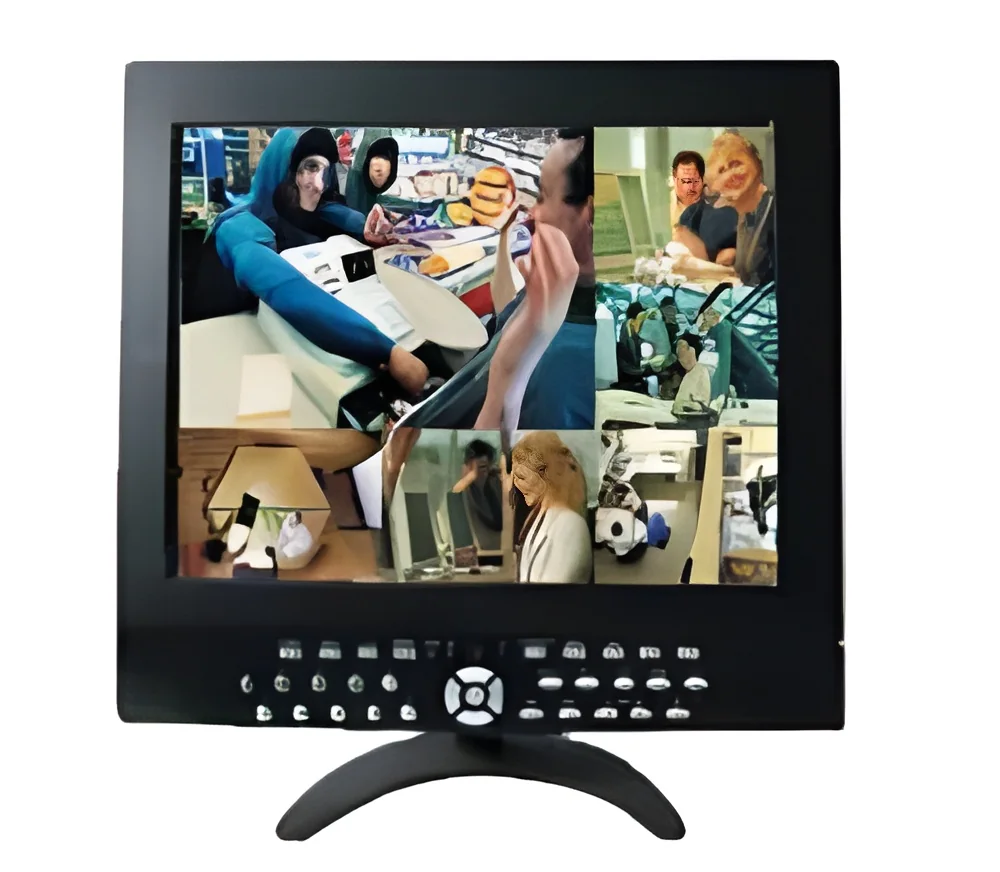
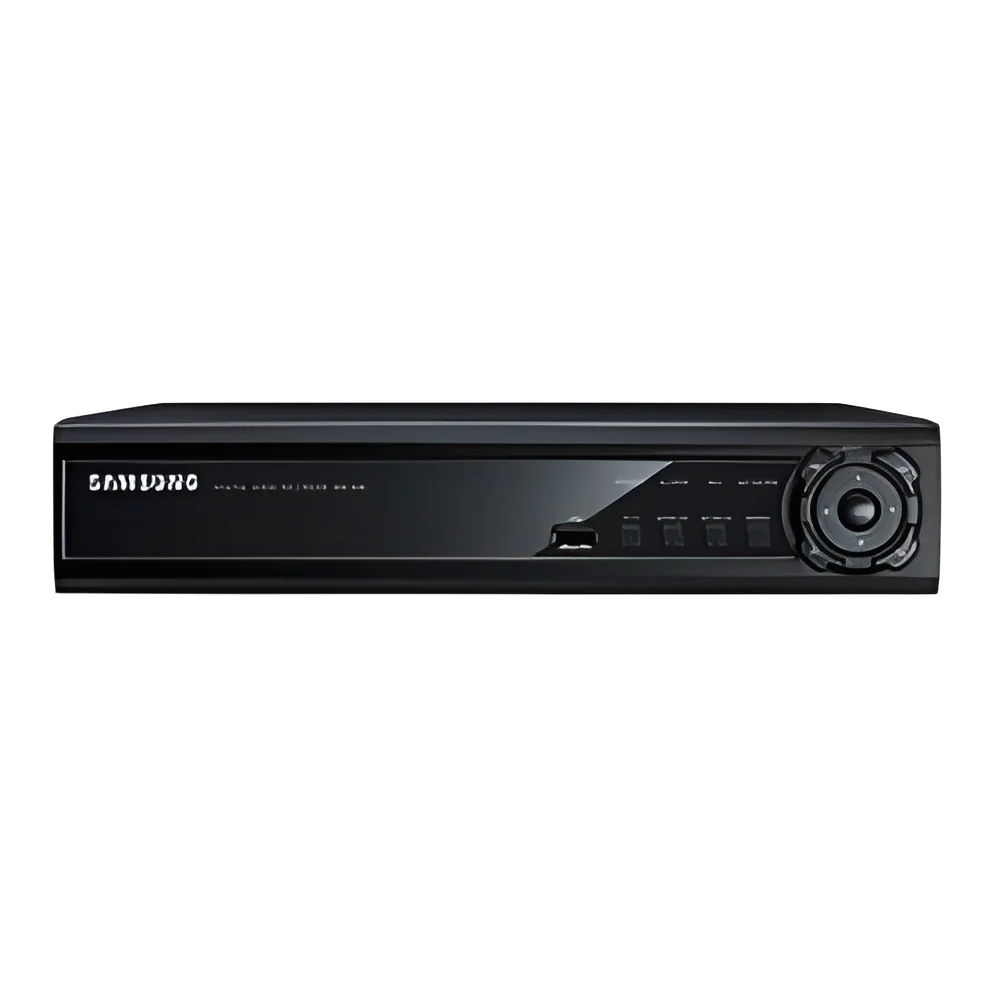
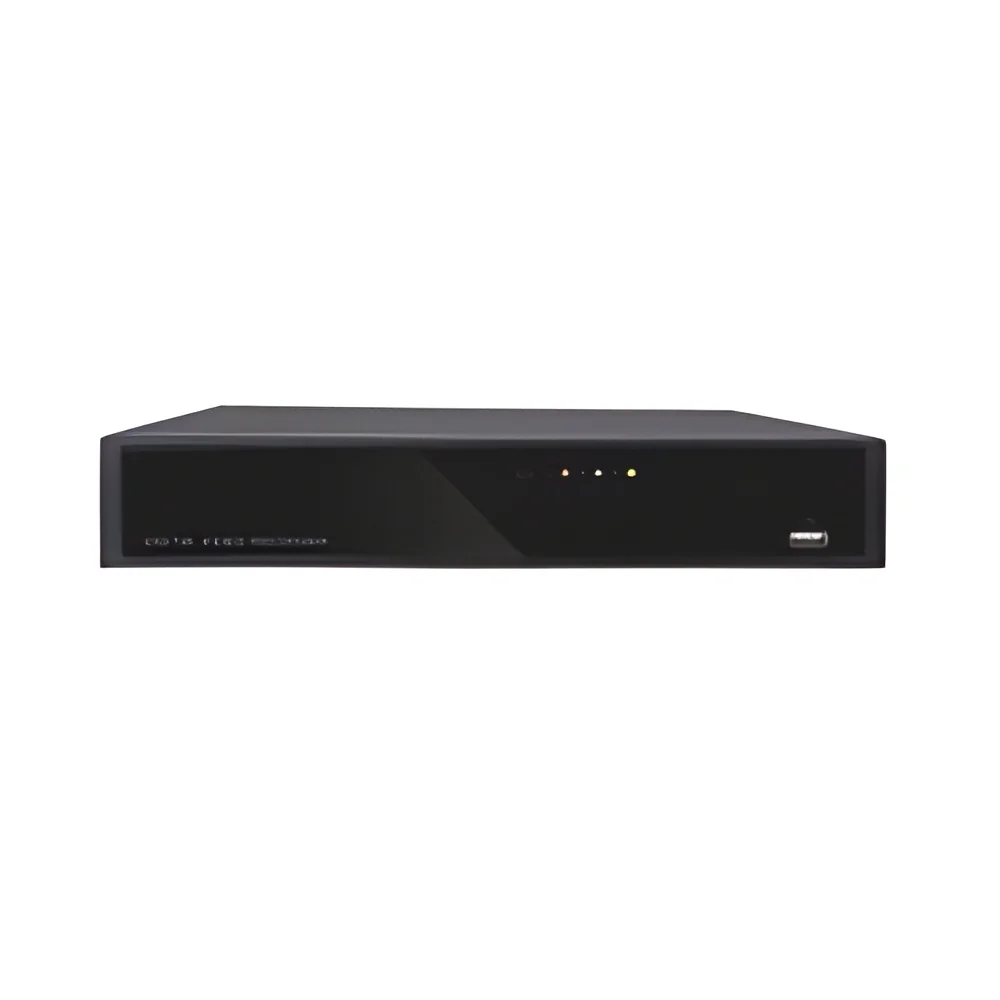
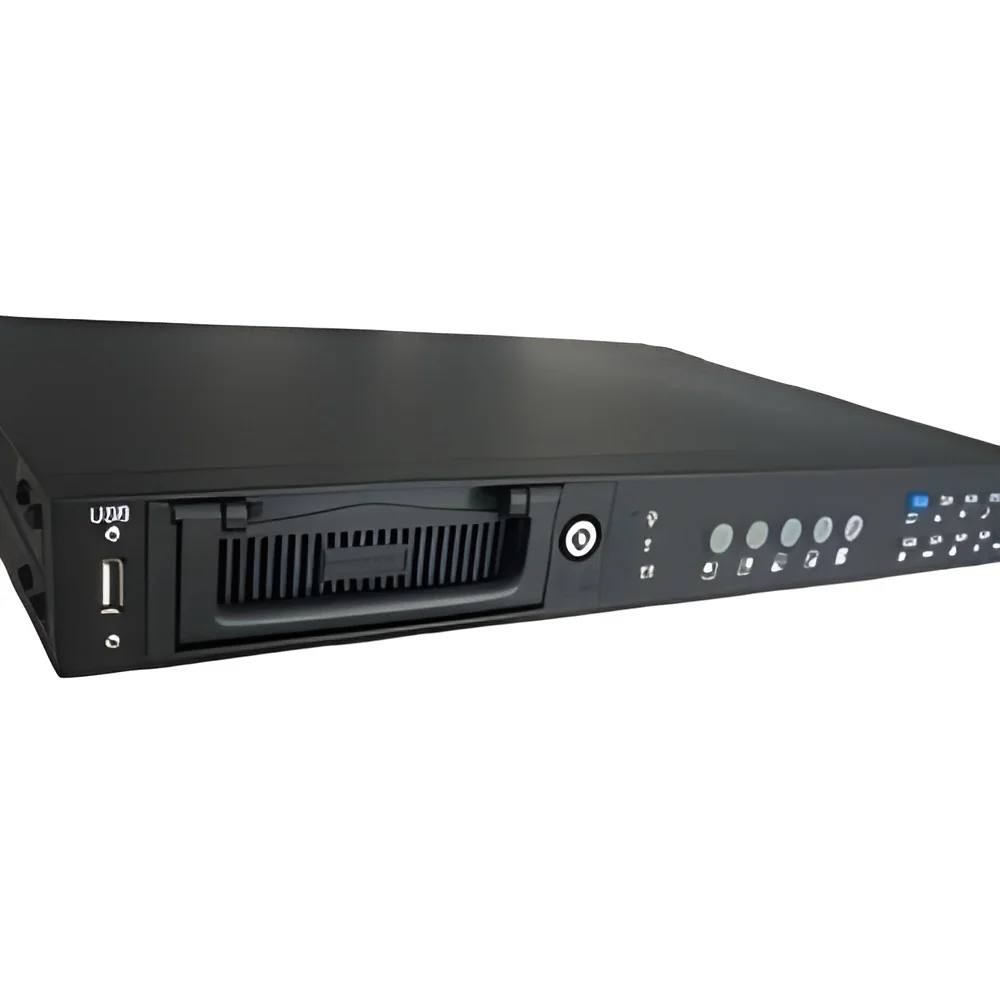
Key Features and Specifications
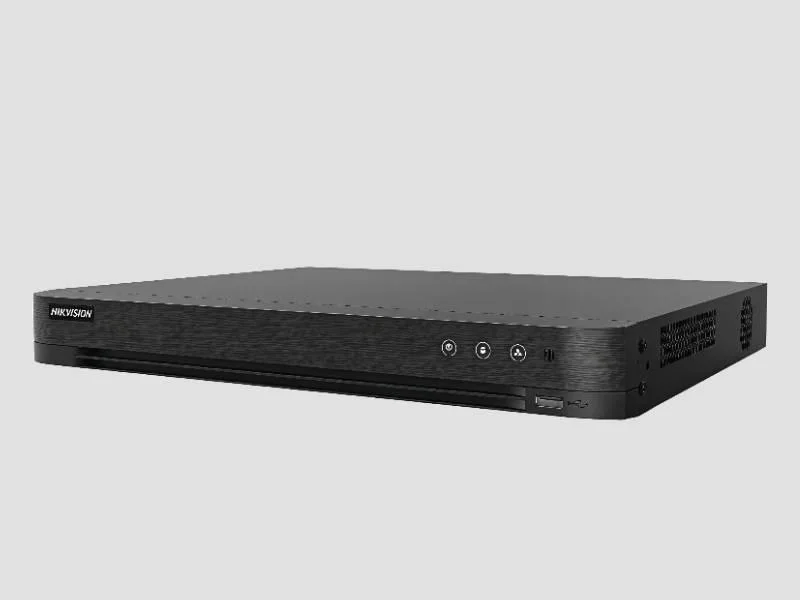
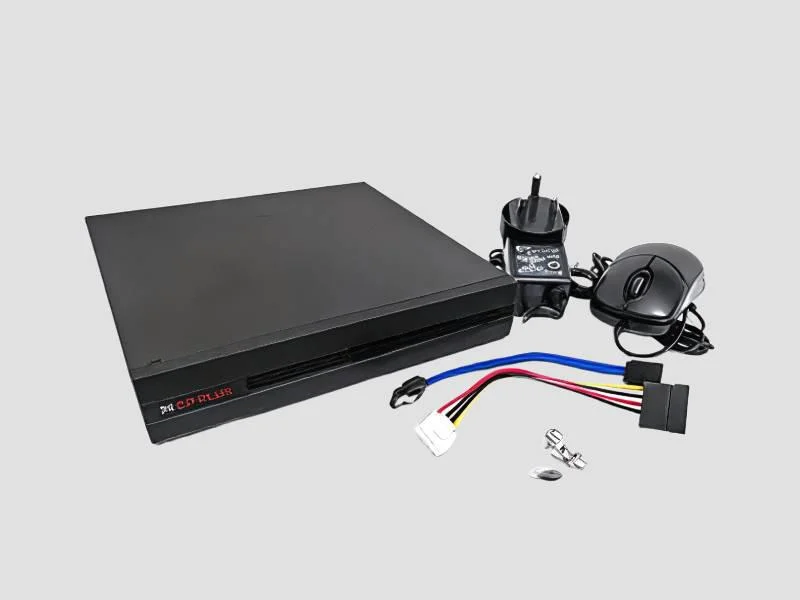
Digital Video Recorders come equipped with several advanced features that enhance their functionality and usability. These features can significantly impact the effectiveness of video monitoring in business settings. The specifications of DVRs vary based on their intended applications and the technology used.
Key specifications include:
1. Storage Capacity
- DVRs typically range from 500 GB to several terabytes of storage.
- This allows for extensive video recording capabilities, depending on the number of cameras and the resolution of the footage.
2. Video Input Channels
- DVRs can support multiple channels, commonly ranging from 4 to 64 channels.
- This determines the number of simultaneous video feeds that can be recorded and monitored.
3. Resolution
- DVRs support various video resolutions, including 720p, 1080p, and 4K.
- Higher resolution options provide clearer and more detailed video footage.
4. Compression Technology
- Common compression formats include H.264 and H.265.
- These technologies reduce file sizes while maintaining video quality, optimizing storage usage.
5. Remote Access
- Many DVRs offer mobile and web access for remote monitoring.
- This allows users to view live feeds and recorded footage from anywhere.
6. Backup Solutions
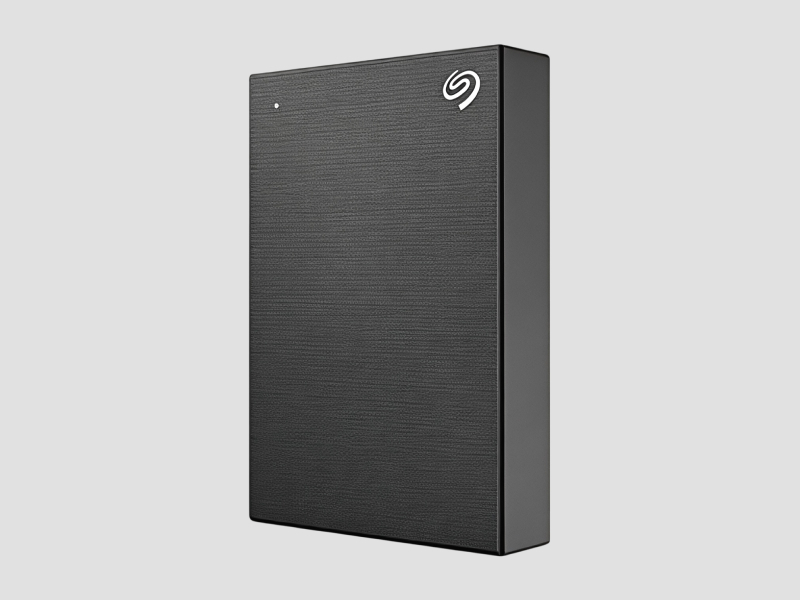
- DVRs often include options for external backup to enhance data security.
- This can involve cloud storage or external hard drives for additional redundancy.
7. User Interface
- An intuitive user interface facilitates ease of navigation and operation.
- Many DVRs feature touch screen controls or easy-to-use remote interfaces.
8. Power Supply
- DVRs may come with options for uninterruptible power supplies (UPS).
- This ensures continuous operation during power outages.
In summary, understanding the key features and specifications of Digital Video Recorders is essential for businesses looking to enhance their video surveillance systems.
Common Applications and Use Cases
Digital Video Recorders serve various industries, providing tailored solutions for specific needs.
1. Retail: In retail environments, DVRs are used to monitor customer activity and prevent theft. They help in analyzing shopper behavior and ensuring the safety of staff and inventory.
2. Transportation: DVRs play a crucial role in public transport systems, recording video footage from buses and trains to enhance passenger safety and improve operational accountability.
3. Manufacturing: In manufacturing settings, DVRs monitor production lines and ensure compliance with safety standards. They also assist in documenting any incidents that may occur on the shop floor.
4. Hospitality: Hotels and resorts utilize DVRs for security purposes, monitoring common areas and guest access points to ensure a safe environment for visitors.
5. Education: Schools and universities deploy DVRs to enhance campus security, recording footage around entrances and classrooms to protect students and staff.
6. Healthcare: Hospitals and clinics use DVRs to monitor sensitive areas, ensuring patient safety and compliance with health regulations.
7. Construction: On construction sites, DVRs can document progress and ensure safety protocols are followed, providing valuable evidence in case of disputes.
Product Variants and Subcategories
Digital Video Recorders come in a variety of forms to meet different needs. Each variant offers unique features and capabilities tailored for specific applications.
Standalone DVR
This variant is designed for smaller installations and is typically used in residential settings or small businesses. It offers essential recording and playback functions, often with a limited number of channels.
Network DVR (NVR)
Network DVRs connect directly to IP cameras, providing advanced features such as high-definition recording and remote access. They are ideal for larger installations where scalability is essential.
Hybrid DVR
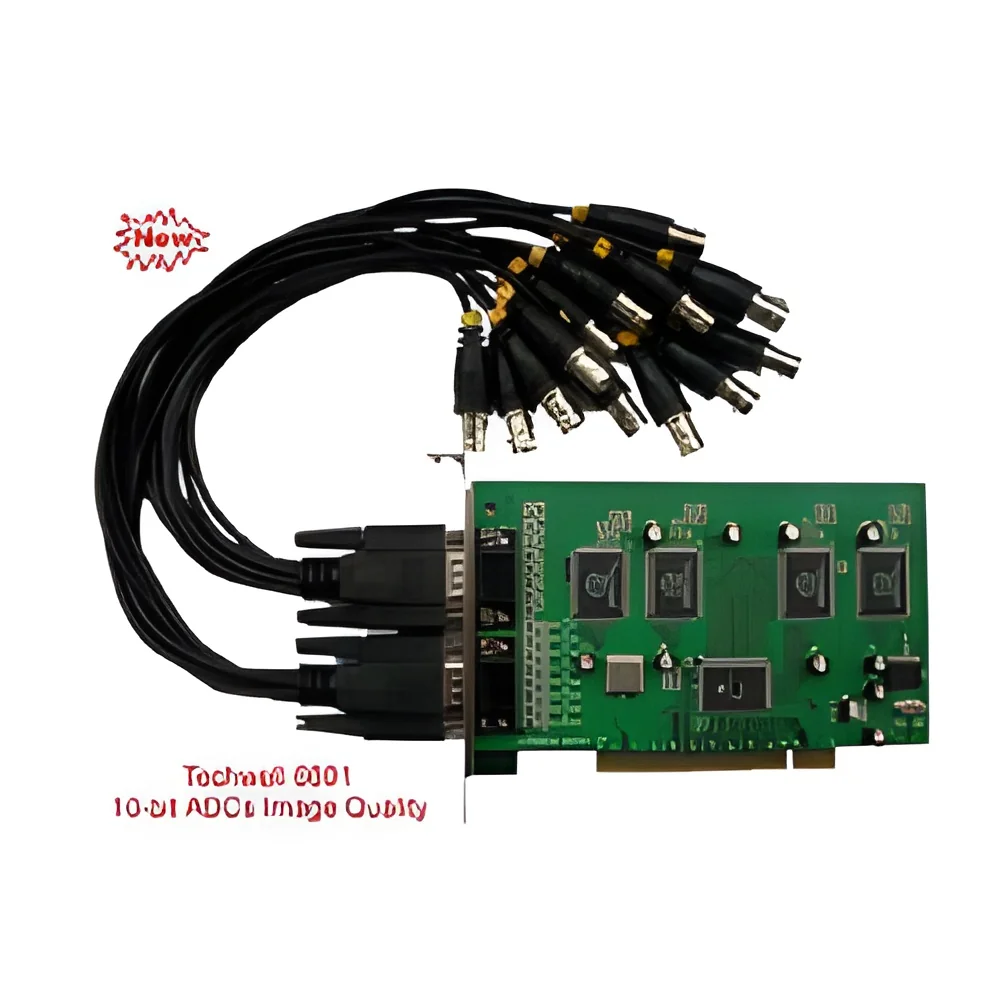
Hybrid DVRs combine analog and digital technology, allowing users to connect both types of cameras. This flexibility makes them suitable for businesses transitioning from older systems to modern solutions.
Benefits and Advantages
Investing in Digital Video Recorders offers several advantages that can enhance operational efficiency and security.
1. Improved Security: DVRs provide constant monitoring, which can deter criminal activity and ensure safety in various environments.
2. Cost Efficiency: Compared to traditional tape systems, DVRs reduce ongoing costs associated with media storage and maintenance.
3. Easy Accessibility: Recorded footage can be accessed quickly and easily, enabling prompt responses to incidents.
4. Advanced Features: Many DVRs come with features like motion detection and alerts, providing proactive security measures.
5. Customization: DVR systems can be tailored to suit specific business needs, ensuring that each installation meets unique operational requirements.
6. Data Retention: DVRs allow businesses to store video footage for extended periods, which can be critical for investigations and audits.
Buying Guide for B2B Buyers
When sourcing Digital Video Recorders, businesses should consider several important factors to ensure they select the right product for their needs.
1. Quality Assessment: Evaluate the build quality and reliability of the DVR. Look for products with positive reviews and proven performance in similar applications.
2. Supplier Verification: Vet potential suppliers by checking their credentials and reliability. Consider their history in the market and the quality of their customer service.
3. Pricing and MOQ: Understand the pricing structure and any minimum order quantities (MOQ) that may apply. This can impact budgeting and purchasing decisions.
4. Delivery and Lead Times: Assess the delivery options and lead times to ensure that the DVR can be obtained when needed without unnecessary delays.
5. Compliance Requirements: Be aware of any regulatory requirements that the DVR must meet. This may include safety standards and industry certifications relevant to the intended application.
Compliance and Certifications
Digital Video Recorders must comply with various quality standards and certifications to ensure safety and reliability. For instance, ISO 9001 is a widely recognized standard that ensures quality management systems are in place. This certification emphasizes consistent product quality and customer satisfaction.
In addition to ISO standards, the CE mark indicates that a product complies with European safety, health, and environmental protection standards. This is particularly important for businesses operating within the European market.
Safety and testing requirements are critical for DVRs, particularly those used in sensitive environments such as healthcare and education. Compliance with local regulations can vary, so it is essential to be informed about the specific requirements applicable in different regions.
Why Source Digital Video Recorders (DVR) from Pepagora?
Pepagora provides a trusted platform for sourcing Digital Video Recorders, offering several key advantages to B2B buyers.
Verified Supplier Network: Pepagora collaborates with a network of verified suppliers, ensuring that buyers have access to high-quality products from reputable manufacturers. This network helps eliminate risks associated with sourcing.
Streamlined RFQ Process: The platform features a streamlined request for quotation (RFQ) process, allowing buyers to easily request quotes from multiple suppliers. This efficiency can save time and resources during the procurement process.
Trade Assurance and Support: Pepagora offers trade assurance and support services that protect buyers throughout the purchasing process. This includes assistance with disputes and ensuring adherence to agreed-upon terms.
Regional Coverage: With a focus on regions like India, the GCC, and Southeast Asia, Pepagora provides extensive geographic coverage. This makes it easier for businesses in these areas to find suitable DVR solutions tailored to their specific needs.

 IN
IN