What are Analog CCTV Cameras?
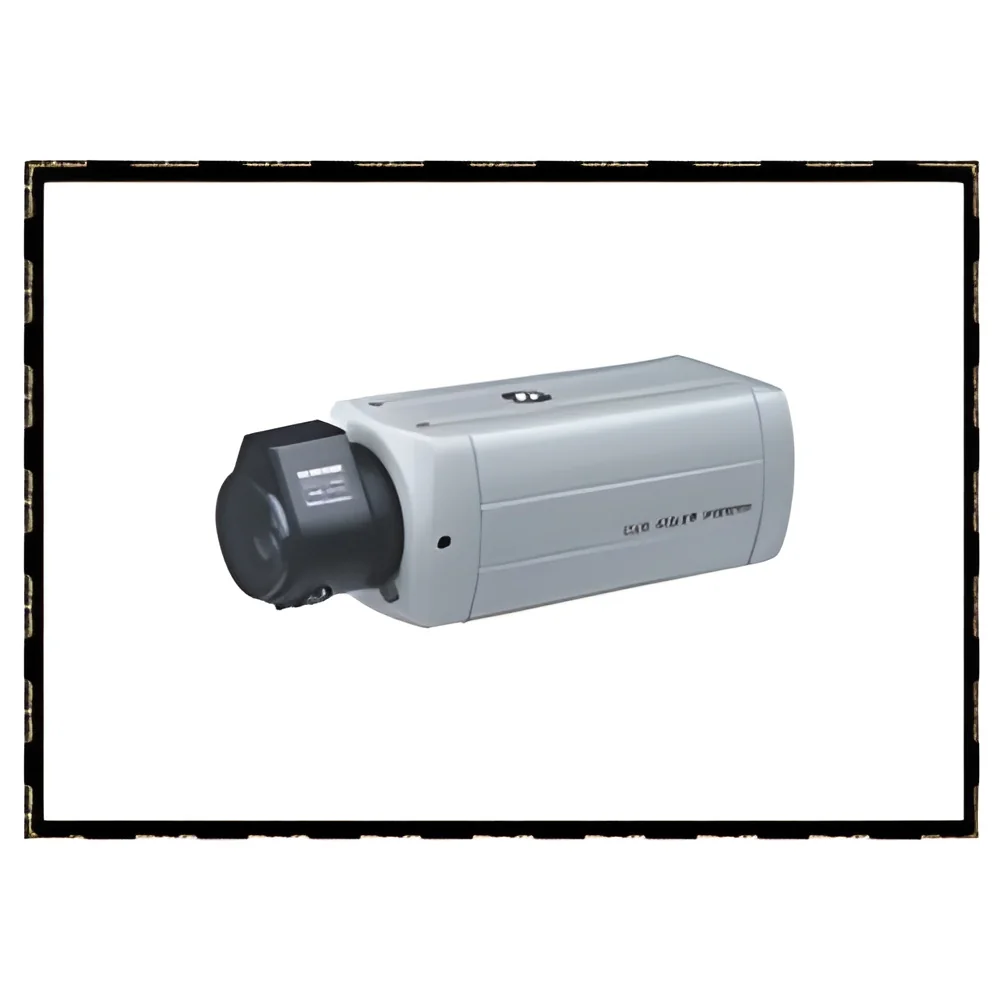
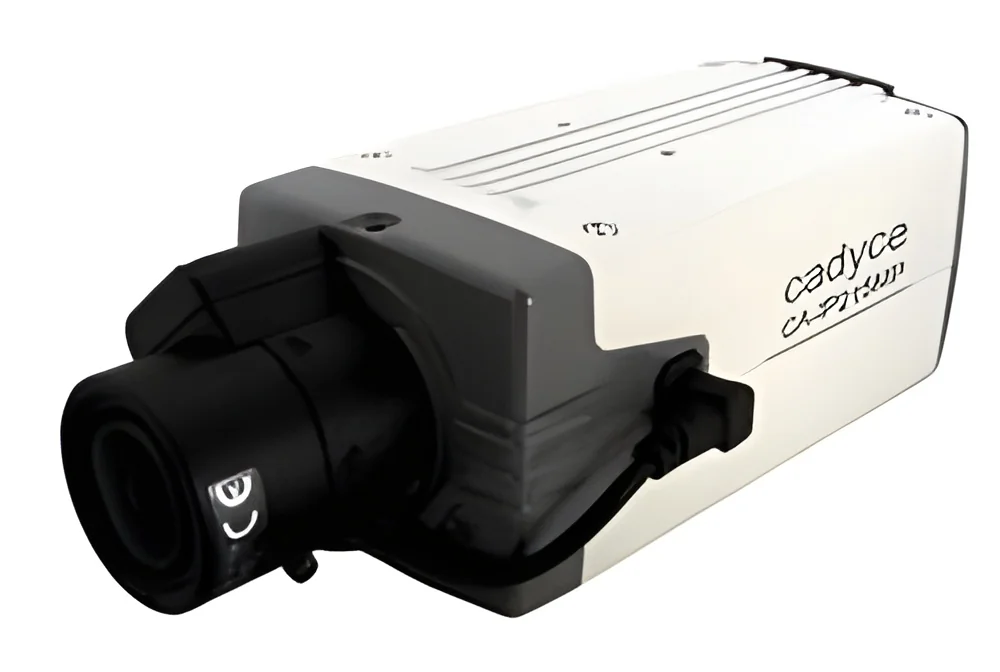
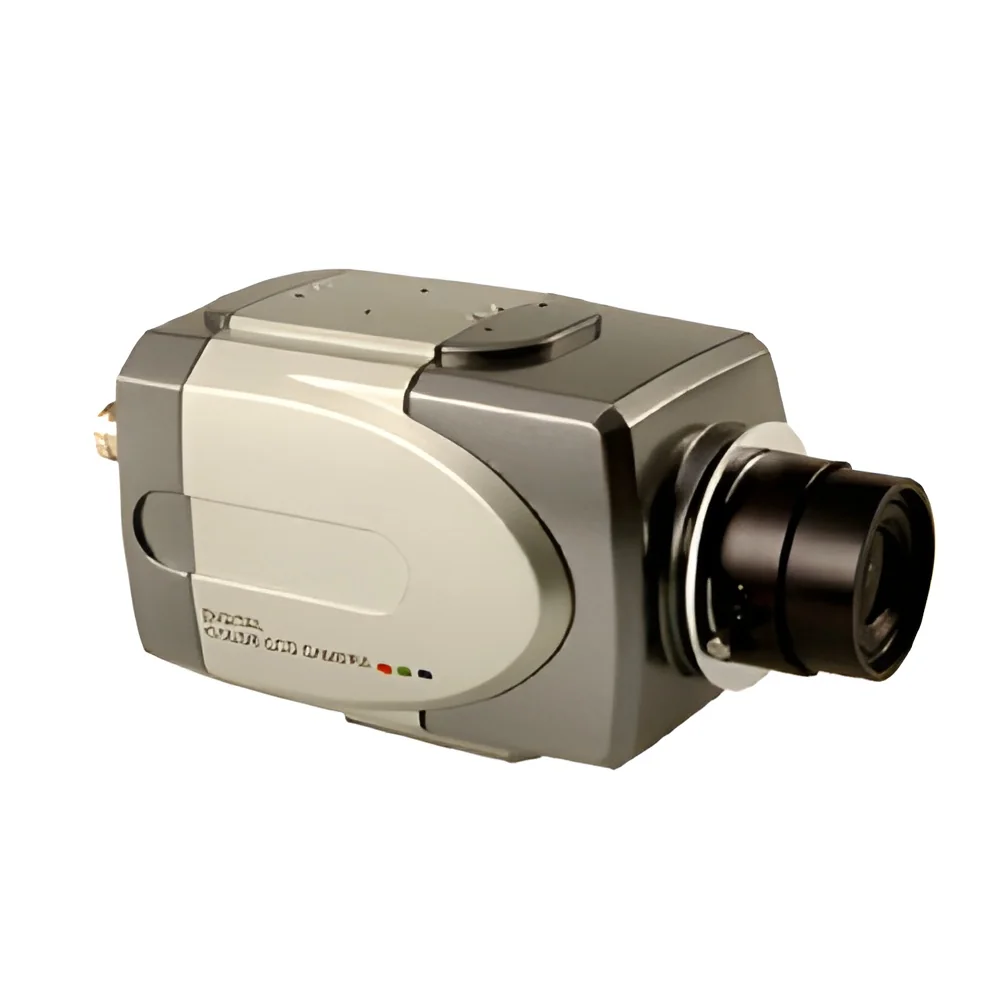
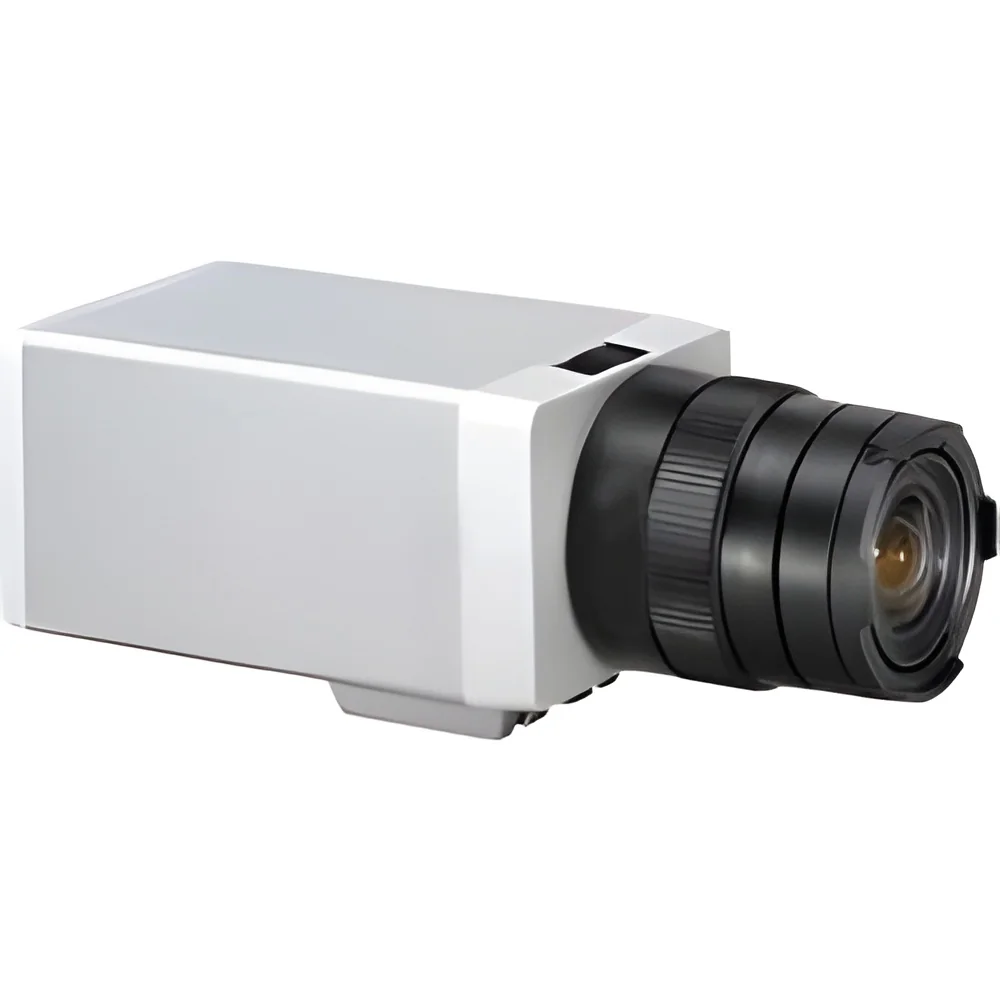
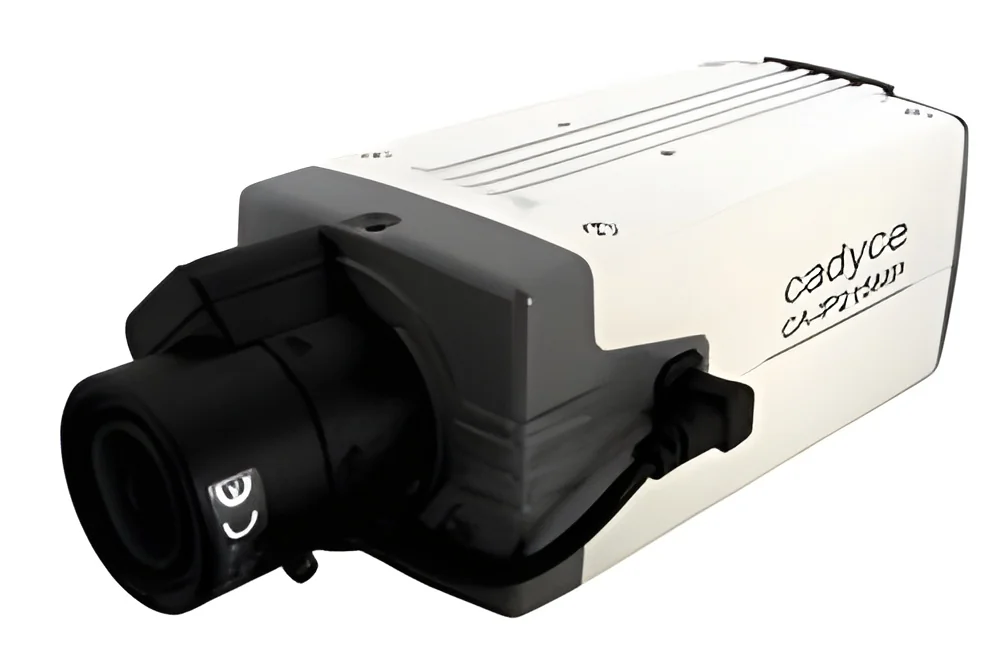
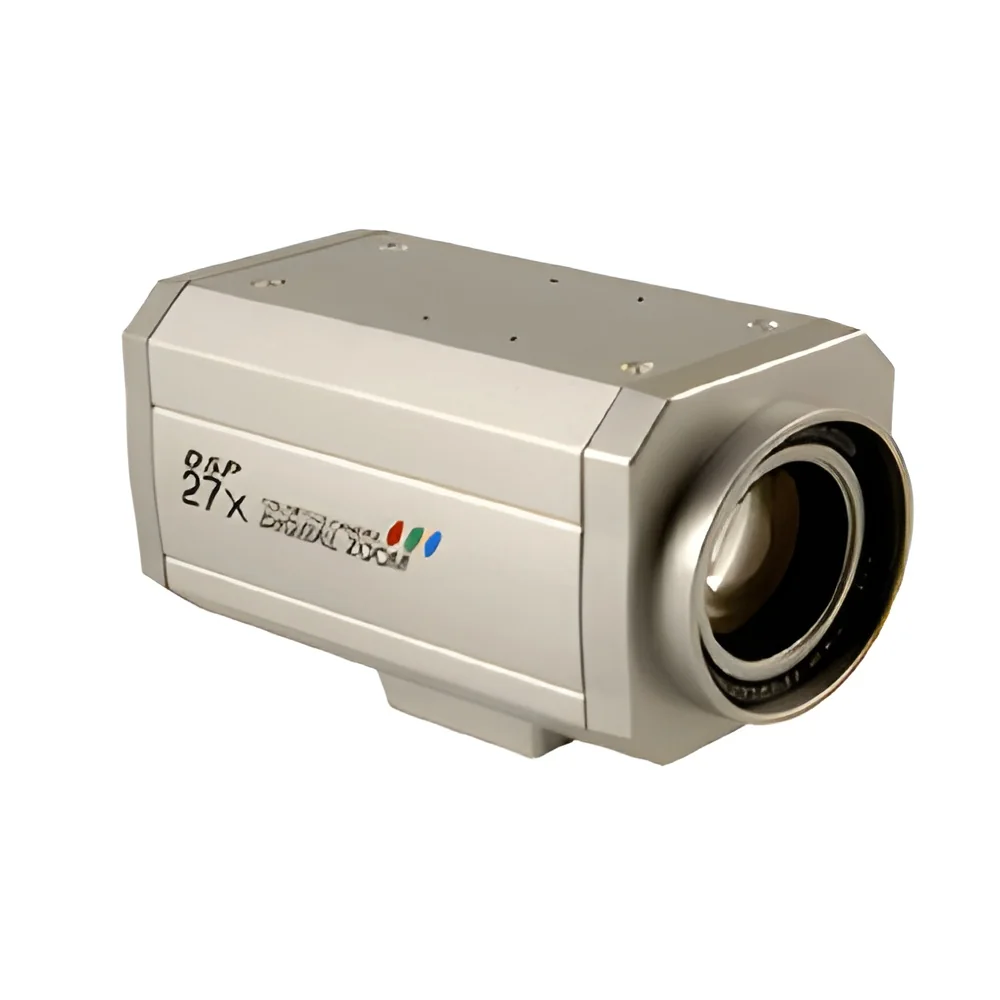
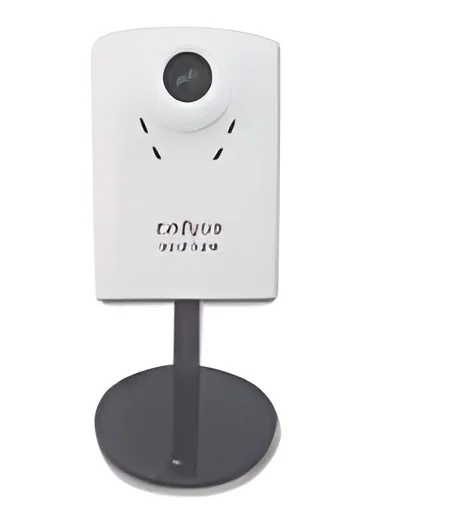
Analog CCTV cameras are traditional video surveillance devices that capture and transmit video signals in analog format. These cameras operate by converting the visual data into electrical signals, which are then sent to a recording device or monitor. Analog systems typically consist of a camera, a coaxial cable for transmission, and a digital video recorder (DVR) for storage and playback. While newer digital and IP camera systems have gained popularity, analog cameras remain a reliable option for many businesses due to their simplicity and cost-effectiveness.
These cameras are primarily used for security and surveillance in various settings, including commercial, industrial, and residential environments. Businesses often deploy analog CCTV cameras to monitor premises, deter theft, and enhance safety. Their applications range from monitoring entrances and parking lots to overseeing production floors in manufacturing facilities. In a market increasingly focused on security solutions, analog cameras continue to play a significant role, especially for organizations looking for a budget-friendly option that still provides essential surveillance capabilities.
Key Features and Specifications
Analog CCTV cameras offer several features that ensure effective monitoring and security. These cameras are designed to deliver reliable performance with straightforward installation. Their specifications are critical for understanding their capabilities and ensuring they meet the needs of specific applications.
Key specifications include:
1. Resolution
- Typically ranges from 420 TVL (TV lines) to 600 TVL.
- Higher resolution provides clearer images and better identification of subjects.
2. Lens Type
- Fixed or varifocal lenses are commonly used.
- Varifocal lenses allow for adjustable focal lengths for greater versatility.
3. Operating Temperature
- Designed to operate in a range of temperatures, but specific ranges are not available.
- Suitable for both indoor and outdoor installations.
4. Power Supply
- Usually powered through a coaxial cable with a 12V DC supply.
- Some models may support Power over Ethernet (PoE) capabilities in hybrid setups.
5. Night Vision
- Infrared capabilities for low-light conditions.
- Typically features a range of 10 to 30 meters for effective nighttime monitoring.
6. Weather Resistance
- Many models come with IP ratings for water and dust resistance.
- Essential for outdoor usage in varying environmental conditions.
7. Connectivity
- Primarily uses coaxial cables for video transmission.
- Compatible with DVRs for recording and playback.
8. Motion Detection
- Some cameras may include basic motion detection features.
- Enhances security by alerting users to movement in monitored areas.
In summary, the specifications of analog CCTV cameras play a crucial role in determining their effectiveness for specific surveillance needs. Understanding these features helps businesses choose the right equipment for their security infrastructure.
Common Applications and Use Cases
Analog CCTV cameras find extensive use across various industries, providing essential surveillance and security solutions.
1. Retail: Stores utilize analog cameras to monitor customer activity, deter theft, and ensure safety in shopping environments.
2. Manufacturing: Factories deploy these cameras to oversee production lines, monitor equipment, and enhance workplace safety.
3. Transportation: Bus stations and airports use analog cameras for passenger monitoring and to maintain security within public spaces.
4. Education: Schools and universities install surveillance systems to protect students and staff, as well as to monitor common areas.
5. Healthcare: Hospitals utilize analog cameras to ensure patient safety, monitor restricted access areas, and oversee emergency departments.
6. Banking: Financial institutions employ these cameras to secure teller areas and ATMs, minimizing the risk of theft and fraud.
7. Hospitality: Hotels and resorts use analog cameras to monitor guest areas, ensuring safety and enhancing the guest experience.
Product Variants and Subcategories
Analog CCTV cameras come in various formats to meet diverse monitoring needs. Each variant offers unique features suited for specific applications.
Dome Camera
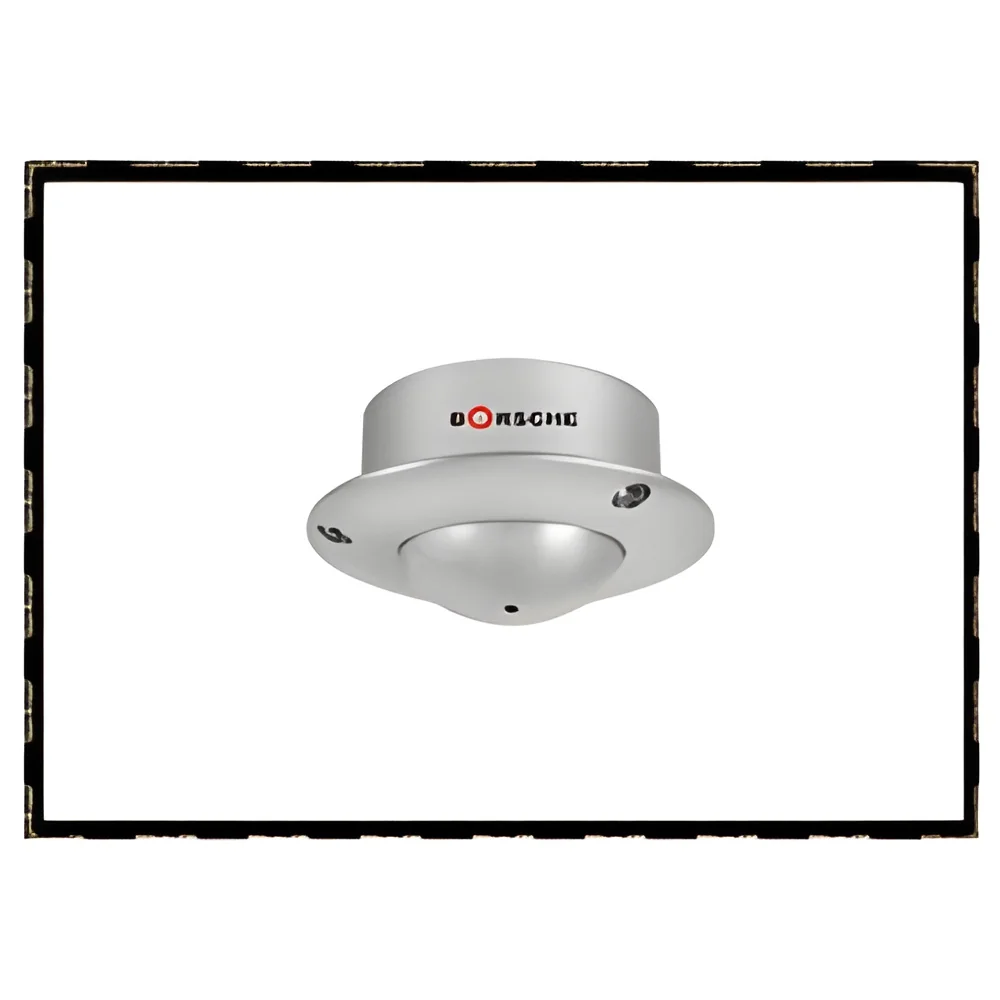
Dome cameras are compact and discreet, making them ideal for indoor environments. They are often used in retail and office spaces, offering a wide field of view and resistance to tampering.
Bullet Camera
Bullet cameras have a distinct cylindrical shape and are commonly used for outdoor surveillance. Their design allows for easy mounting and adjustment, making them suitable for monitoring building perimeters and parking lots.
PTZ Camera
Pan-Tilt-Zoom (PTZ) cameras provide versatile monitoring by allowing users to remotely control the camera's movement and zoom. These are particularly useful in larger spaces, such as warehouses and stadiums.
Benefits and Advantages
Analog CCTV cameras offer numerous advantages that make them a valuable choice for businesses looking to enhance security.
1. Cost-Effectiveness: Analog systems are generally less expensive to install and maintain compared to digital alternatives, making them attractive for budget-conscious organizations.
2. Ease of Installation: The straightforward setup process for analog cameras allows for quick deployment, reducing downtime during installation.
3. Reliable Performance: These cameras provide consistent video quality and reliability, ensuring effective monitoring over time.
4. Compatibility: Analog systems can easily integrate with existing surveillance infrastructure, allowing businesses to upgrade selectively.
5. Low Bandwidth Usage: Analog video transmission does not require significant bandwidth, making it suitable for environments with limited network capacity.
6. Proven Technology: As a long-established technology, analog CCTV cameras have a track record of effectiveness in various applications.
Buying Guide for B2B Buyers
When sourcing analog CCTV cameras, several factors are essential to ensure a successful procurement process.
1. Quality Assessment: Evaluate the quality of the cameras by reviewing specifications and considering the manufacturer’s reputation. Look for features that meet your specific surveillance needs.
2. Supplier Verification: It is crucial to vet suppliers to ensure they provide reliable products and support. Check for certifications and customer reviews to gauge their credibility.
3. Pricing and MOQ: Understand the pricing structure and minimum order quantities (MOQ) to align procurement with budget constraints and project requirements.
4. Delivery and Lead Times: Discuss logistics with suppliers to establish realistic delivery schedules. Ensure that lead times meet your project deadlines.
5. Compliance Requirements: Be aware of relevant compliance standards that may apply to your industry, ensuring the cameras meet necessary regulatory guidelines.
Compliance and Certifications
Analog CCTV cameras must adhere to various compliance standards and certifications to ensure quality and safety in their operation.
Relevant quality standards such as ISO 9001 guarantee a consistent approach to quality management in manufacturing. This standard emphasizes continuous improvement and customer satisfaction.
Industry certifications, such as CE, indicate that the products meet European safety and environmental requirements. This certification assures buyers of the camera's compliance with health and safety regulations.
Safety and testing requirements are critical for ensuring that the cameras function properly and do not pose any risks to users. Manufacturers often conduct rigorous testing to verify performance under various conditions.
Regional compliance considerations may vary, so it is essential to understand local regulations governing surveillance equipment to ensure adherence.
Why Source Analog CCTV Cameras from Pepagora?
Pepagora provides a trusted platform for sourcing analog CCTV cameras, offering distinct advantages for businesses.
Verified Supplier Network: Pepagora carefully vets its suppliers, ensuring that buyers can trust the quality and reliability of the products offered. This network provides access to reputable manufacturers committed to excellence.
Streamlined RFQ Process: The request for quotation (RFQ) system simplifies the procurement process, allowing buyers to receive competitive quotes efficiently. This feature saves time and helps organizations make informed purchasing decisions.
Trade Assurance and Support: Pepagora offers buyer protection through trade assurance, providing peace of mind during transactions. Their dedicated support team assists buyers with any inquiries or concerns throughout the purchasing journey.
Regional Coverage: With a broad geographic reach across India, the GCC, and Southeast Asia, Pepagora ensures that businesses can access analog CCTV cameras tailored to their specific regional needs. This extensive coverage allows for a seamless procurement experience.

 IN
IN