
 IN
IP CCTV Cameras
2 products available
What are IP CCTV Cameras?
IP CCTV cameras, or Internet Protocol Closed-Circuit Television cameras, are advanced surveillance devices that transmit video data over a network. Unlike traditional analog cameras, IP CCTV cameras convert video footage into digital signals, allowing for higher resolution and more efficient storage. These cameras can be accessed remotely via the internet, providing real-time monitoring and recording capabilities.
These cameras find primary applications across various sectors including security and surveillance, retail, transportation, and manufacturing. Businesses utilize IP CCTV cameras to enhance security, monitor employee activity, and ensure compliance with safety regulations. With their ability to integrate with other security systems and provide analytics, IP CCTV cameras have become essential tools for modern businesses aiming to safeguard their assets and optimize operations.
The relevance of IP CCTV cameras in today’s market is significant as organizations increasingly prioritize security measures. With rising concerns over theft, vandalism, and workplace safety, the demand for effective surveillance solutions continues to grow. As the technology evolves, businesses are adopting these systems to keep pace with industry standards and enhance their overall security infrastructure.
Key Features and Specifications
IP CCTV cameras are equipped with a variety of features that enhance their functionality and performance. Their specifications can vary significantly based on the model and intended use. Key specifications include:
1. Resolution
- Typical resolutions range from 720p to 4K.
- Higher resolutions provide clearer images and more detail.
2. Connectivity
- Cameras connect via Ethernet cables or Wi-Fi.
- Allows for flexible installation and remote access.
3. Frame Rate
- Common frame rates are 15-60 frames per second.
- Higher frame rates offer smoother video playback.
4. Night Vision
- Many models include infrared capabilities for low-light conditions.
- Enables surveillance in complete darkness.
5. Motion Detection
- Advanced motion detection features can trigger alerts.
- Helps in monitoring specific areas for movement.
6. Storage Options
- Supports local storage through SD cards or cloud storage.
- Facilitates easy retrieval and management of footage.
7. Weather Resistance
- Many cameras are rated for outdoor use with IP ratings.
- Ensures durability against environmental factors.
8. Audio Capabilities
- Some models come equipped with two-way audio.
- Enables communication through the camera.
In summary, IP CCTV cameras offer a range of features and specifications tailored to meet diverse security needs, making them a versatile choice for businesses.
Common Applications and Use Cases
IP CCTV cameras are utilized across a broad spectrum of industries to enhance security and monitor activities.
1. Retail: In retail environments, IP cameras help prevent theft and monitor customer behavior. They can also assist in staff management and operational efficiency.
2. Transportation: Transportation hubs use these cameras for monitoring passengers and ensuring safety. They help in tracking suspicious activities and managing crowd control.
3. Manufacturing: In manufacturing facilities, IP CCTV cameras monitor production lines and ensure compliance with safety standards. They can also help prevent workplace accidents.
4. Banking: Banks employ IP cameras to secure financial transactions and deter criminal activities. They also play a key role in evidence collection during incidents.
5. Education: Educational institutions use these cameras to enhance campus security and monitor student activities, ensuring a safe learning environment.
6. Healthcare: Hospitals and clinics utilize IP CCTV cameras to monitor patients and secure sensitive areas, enhancing overall safety.
7. Hospitality: Hotels use IP cameras to monitor guest areas and improve security measures, ensuring a safe and pleasant experience for visitors.
Product Variants and Subcategories
IP CCTV cameras come in various types to cater to specific needs and applications.
Bullet Cameras
Bullet cameras are compact and often used for outdoor surveillance. They provide a narrow field of view and are ideal for monitoring specific areas such as entrances or parking lots.
Dome Cameras
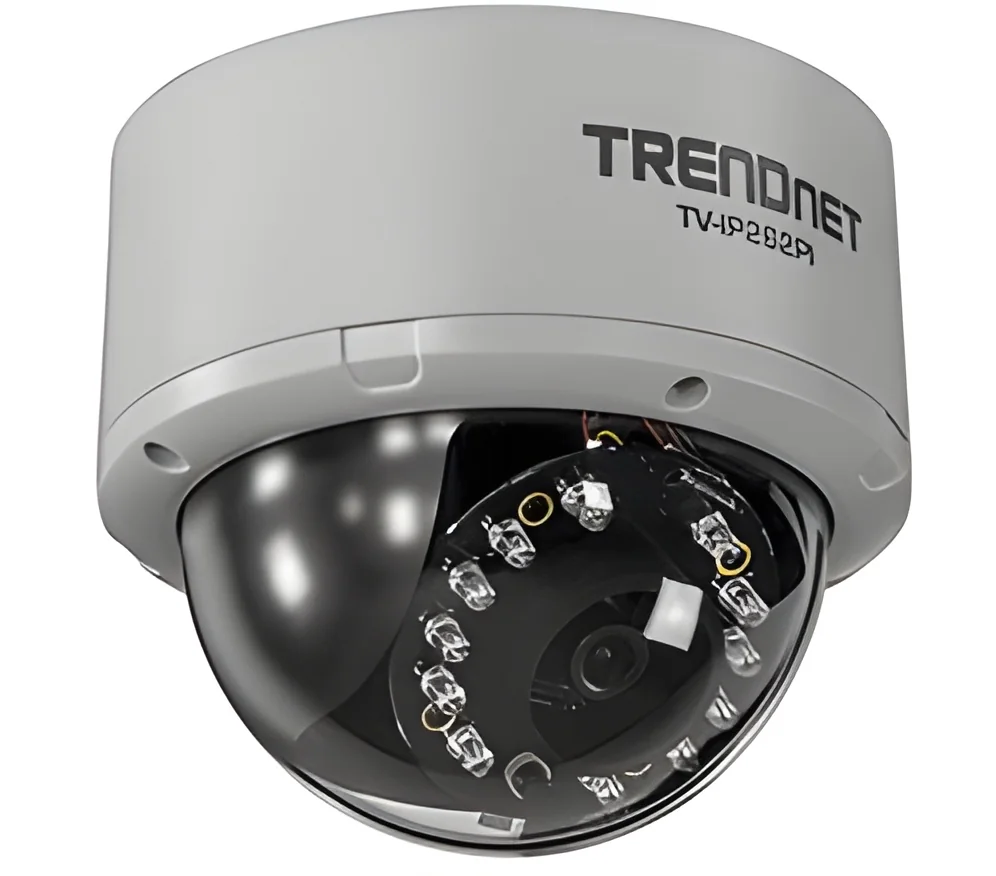
Dome cameras are versatile and discreet, typically used in indoor environments. Their design makes it difficult for individuals to determine where the camera is pointing, enhancing security.
PTZ Cameras
Pan-tilt-zoom (PTZ) cameras offer the ability to control the camera’s direction and zoom in on specific areas. They are suitable for large spaces where comprehensive coverage is needed.
Benefits and Advantages
Choosing IP CCTV cameras provides numerous benefits to businesses looking to enhance security.
1. Remote Monitoring: Users can access live feeds from anywhere, providing flexibility and peace of mind.
2. High Image Quality: The digital format allows for superior image clarity, aiding in identification and investigation.
3. Easy Scalability: IP systems can be expanded easily to accommodate additional cameras as security needs grow.
4. Integration Capabilities: These cameras can integrate with other security systems, such as alarms and access control systems, providing a holistic security solution.
5. Cost-Effective Storage: Options for cloud storage reduce the need for physical storage devices, leading to cost savings in the long term.
6. Improved Analytics: Advanced features allow for motion detection and alerts, enhancing the monitoring process.
Buying Guide for B2B Buyers
When sourcing IP CCTV cameras, businesses should consider several key factors to ensure they select the right products.
1. Quality Assessment: Evaluate cameras based on image quality, durability, and features. Look for reputable brands that meet industry standards.
2. Supplier Verification: Research suppliers to ensure they have a solid track record. Check reviews and request references to validate their reliability.
3. Pricing and MOQ: Understand the pricing structure and minimum order quantities. Negotiate terms that fit your budget and needs.
4. Delivery and Lead Times: Discuss logistics and delivery timelines with suppliers to ensure timely installation and setup.
5. Compliance Requirements: Ensure the cameras comply with relevant safety and industry standards. This is crucial for maintaining regulatory adherence.
Compliance and Certifications
IP CCTV cameras must adhere to various quality standards and certifications to ensure reliability and safety. ISO 9001 is a common standard for quality management systems, ensuring that manufacturers maintain consistent quality in their products.
Additionally, many IP CCTV cameras carry CE certification, indicating compliance with European health, safety, and environmental protection standards. This certification is essential for businesses operating in or exporting to the European market.
Safety and testing requirements are critical in the manufacturing process, with cameras being subjected to rigorous testing to confirm they meet durability and performance benchmarks. Regional compliance considerations may vary, so businesses should be aware of local regulations and standards that apply to their specific locations.
Why Source IP CCTV Cameras from Pepagora?
Pepagora offers a reliable platform for sourcing IP CCTV cameras, providing several advantages to B2B buyers.
Verified Supplier Network: Pepagora connects buyers with verified suppliers, ensuring that all listed businesses meet stringent quality and reliability standards. This network fosters trust and facilitates informed purchasing decisions.
Streamlined RFQ Process: The platform simplifies the request for quotation process, allowing buyers to easily compare prices and features from multiple suppliers. This efficiency enhances the procurement experience.
Trade Assurance and Support: Buyers benefit from trade assurance services that protect transactions. Pepagora provides support to address any concerns, ensuring a smooth procurement process.
Regional Coverage: Pepagora serves a wide geographic area, including India, the GCC, and Southeast Asia. This regional reach allows businesses to access a diverse array of products and suppliers tailored to their specific needs.

Frequently Asked Questions
What are IP CCTV Cameras?
IP CCTV Cameras are digital video cameras that transmit data over an Internet Protocol (IP) network. Unlike traditional analog cameras, they can send and receive data via a network, allowing for remote access and monitoring.
What are the different types of IP CCTV Cameras?
There are several types of IP CCTV Cameras, including fixed dome cameras, PTZ (pan-tilt-zoom) cameras, bullet cameras, and infrared cameras. Each type has unique features suitable for various surveillance needs and environments.
How do I choose the right IP CCTV Cameras?
Selecting the right IP CCTV Cameras involves considering factors such as resolution, field of view, low-light performance, and connectivity options. It's also important to assess the specific security needs of your premises.
What are the standard specifications for IP CCTV Cameras?
Standard specifications for IP CCTV Cameras typically include resolution (measured in megapixels), frame rate, lens type, and compression formats. Additional features may include weatherproofing, night vision capabilities, and two-way audio.
What is the price range for IP CCTV Cameras?
The price range for IP CCTV Cameras can vary widely based on features and specifications, typically ranging from INR 2,500 to INR 50,000 or more. Higher-end models with advanced features may cost significantly more.
What quality standards apply to IP CCTV Cameras?
Quality standards for IP CCTV Cameras often include compliance with international standards such as ISO 9001 for manufacturing quality. Additionally, cameras may need to meet specific criteria for durability and performance in various environmental conditions.
Where can I find IP CCTV Cameras suppliers in India?
You can find IP CCTV Cameras suppliers in India through online B2B marketplaces like Pepagora.com. These platforms connect buyers with manufacturers and distributors, making it easier to compare products and prices.
Can IP CCTV Cameras be customized?
Yes, many manufacturers offer customization options for IP CCTV Cameras to meet specific requirements. Customization may include features like branding, software integration, and tailored specifications.
What is the typical minimum order quantity for IP CCTV Cameras?
The typical minimum order quantity (MOQ) for IP CCTV Cameras can vary by supplier but often ranges from 10 to 50 units. It's advisable to check with individual suppliers for their specific MOQ policies.
What is the typical lead time for IP CCTV Cameras?
The typical lead time for IP CCTV Cameras can range from 1 to 4 weeks, depending on the supplier and the order quantity. Factors such as customization and shipping location may also influence the delivery time.
Why Businesses Trust Pepagora
Thousands of companies trust Pepagora to source smarter and sell faster
Expand Your Sales Globally

Source Smarter,Grow Faster
