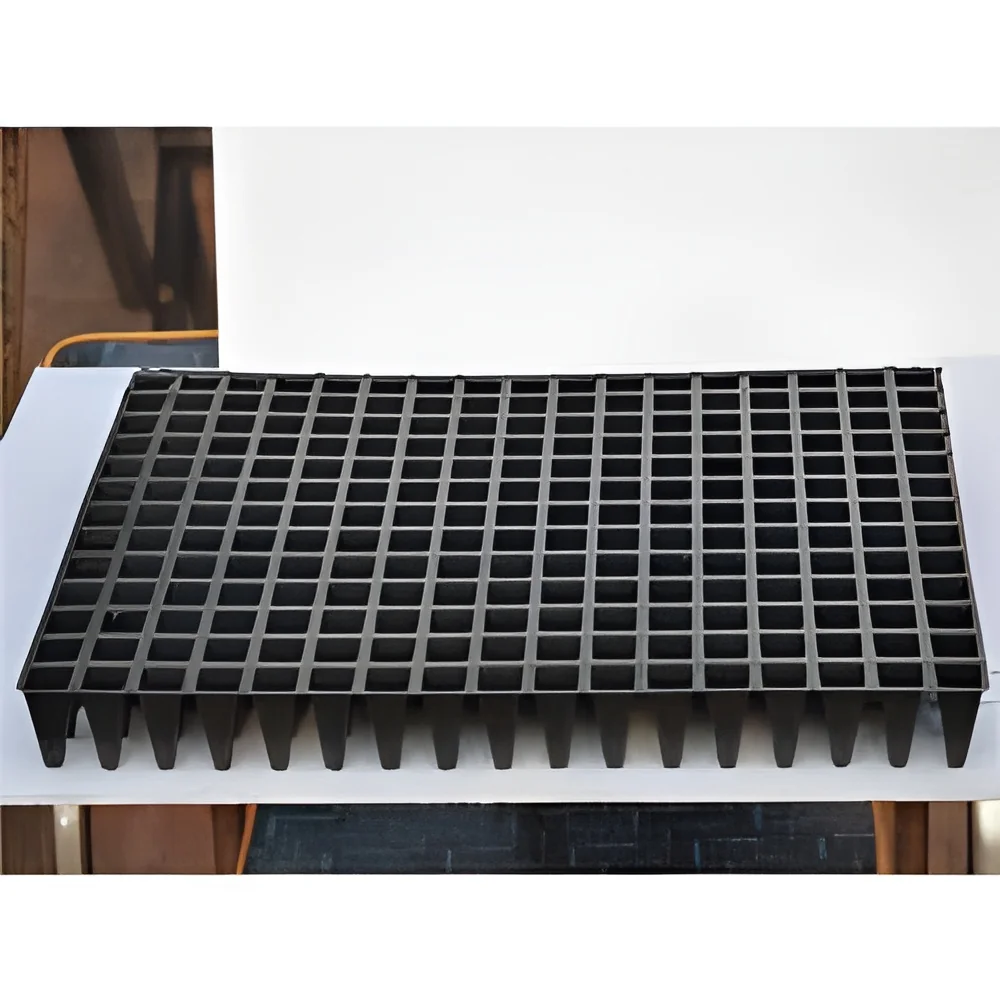
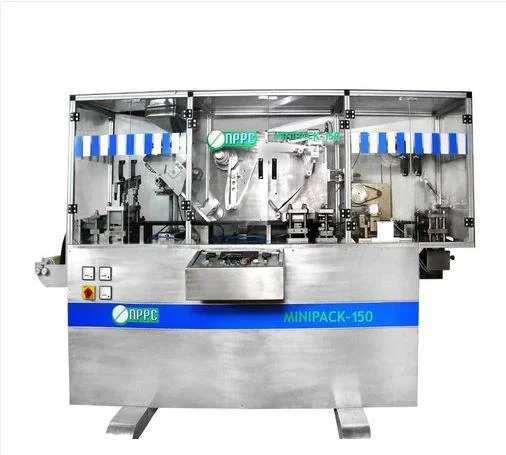
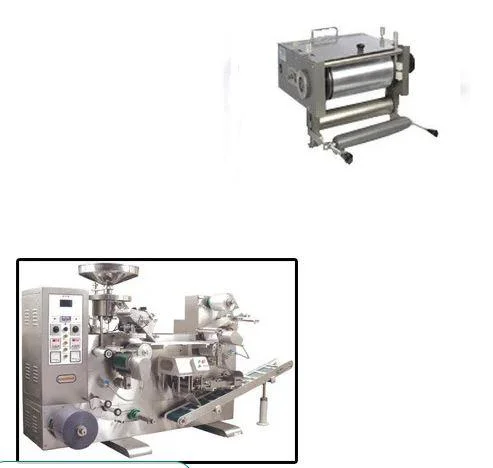
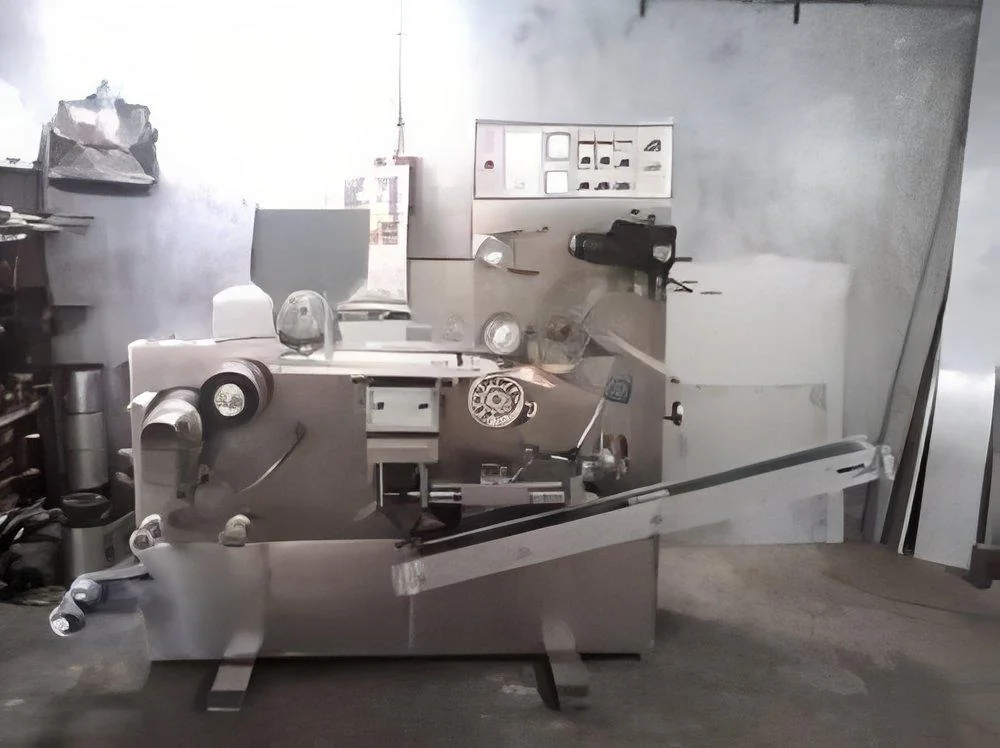
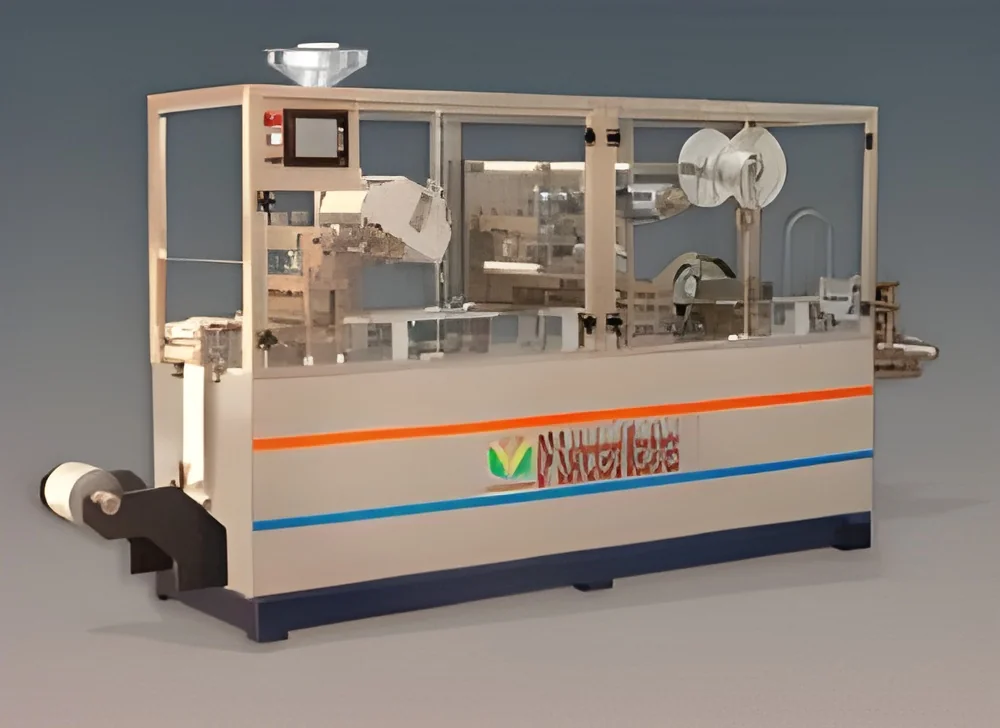
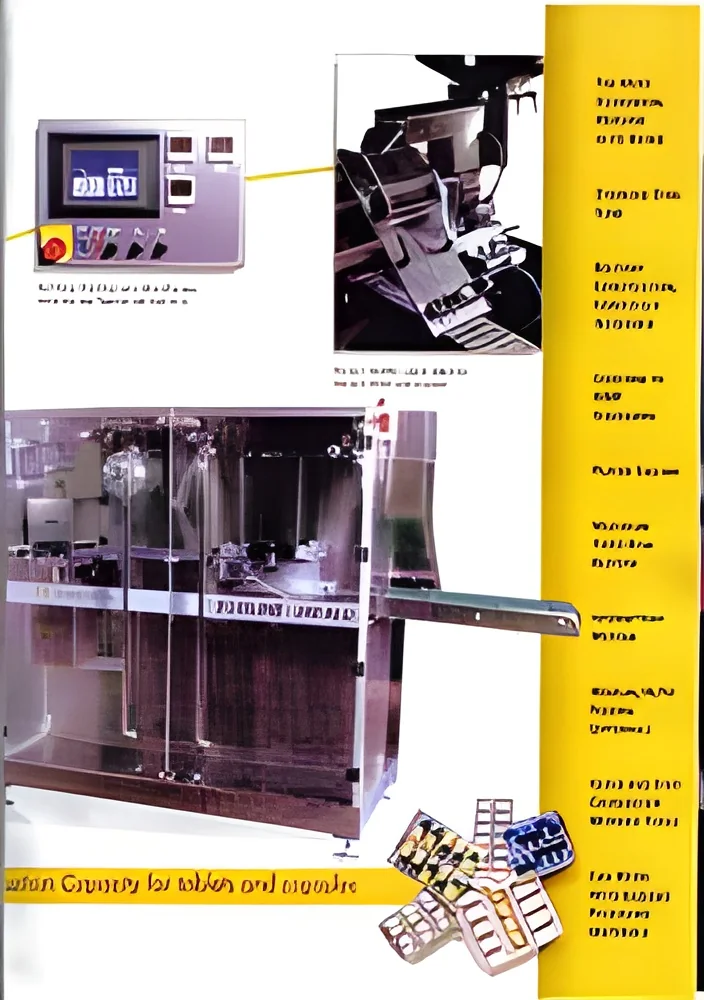
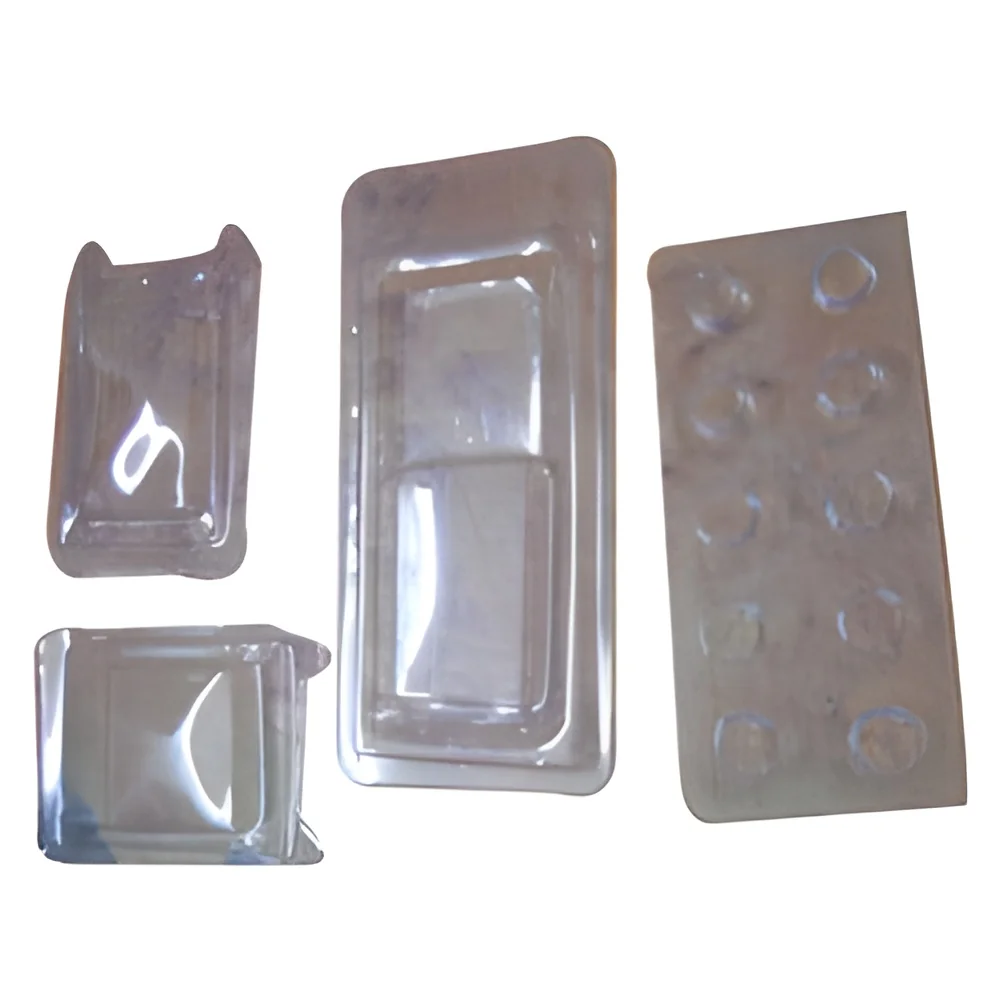
𝗪𝗵𝗮𝘁 𝗮𝗿𝗲 𝗕𝗹𝗶𝘀𝘁𝗲𝗿 & 𝗖𝗹𝗮𝗺𝘀𝗵𝗲𝗹𝗹 𝗣𝗮𝗰𝗸𝗮𝗴𝗶𝗻𝗴?
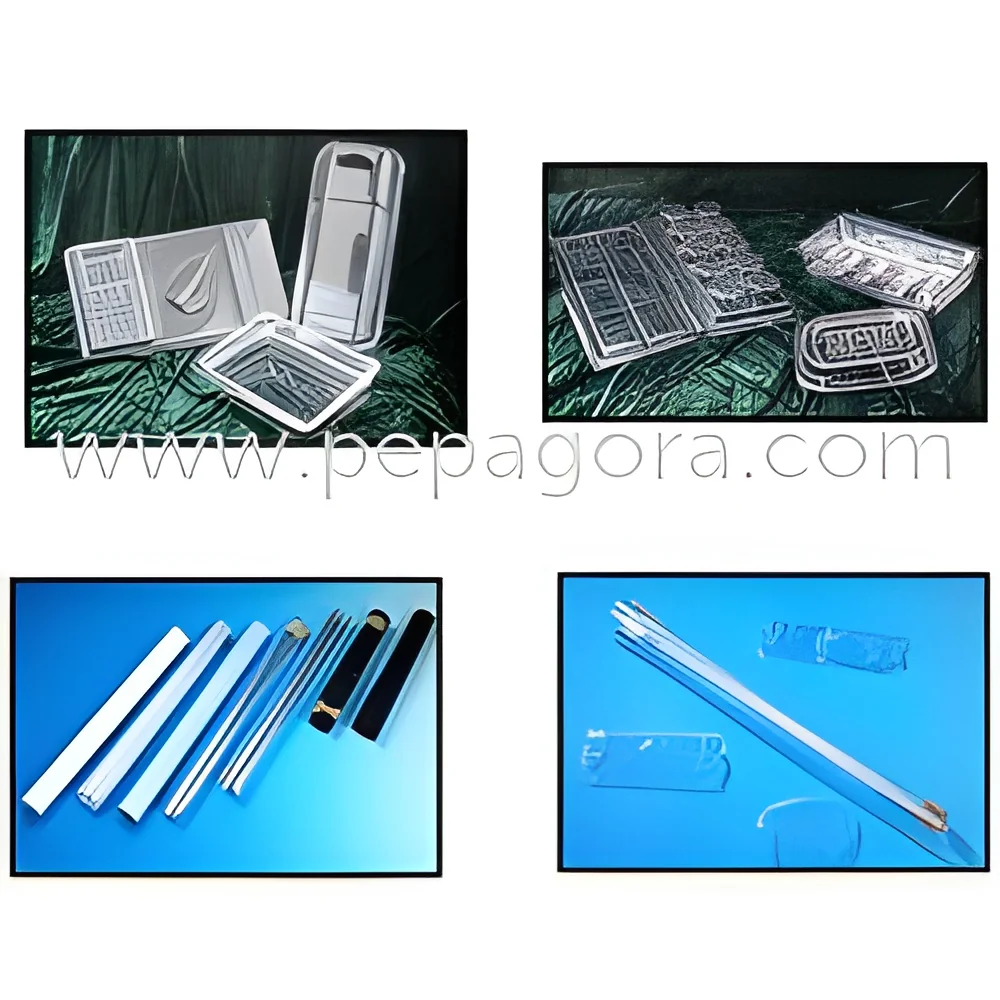
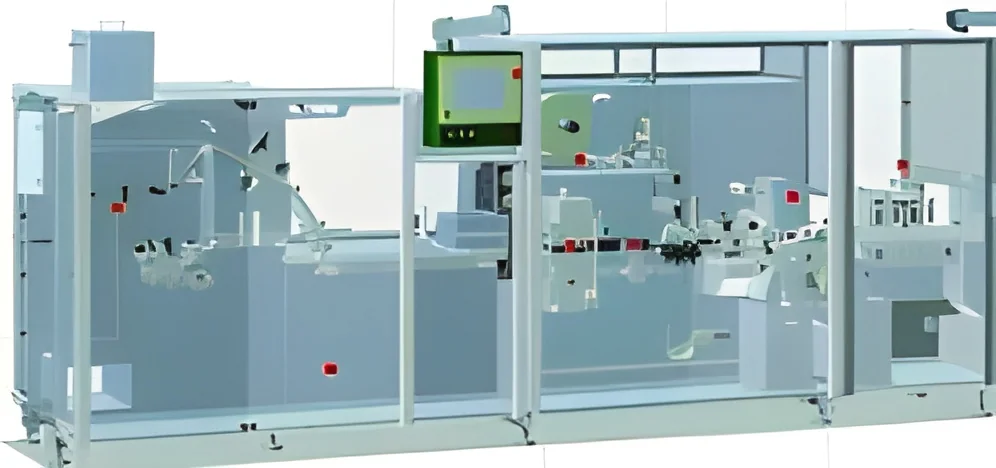
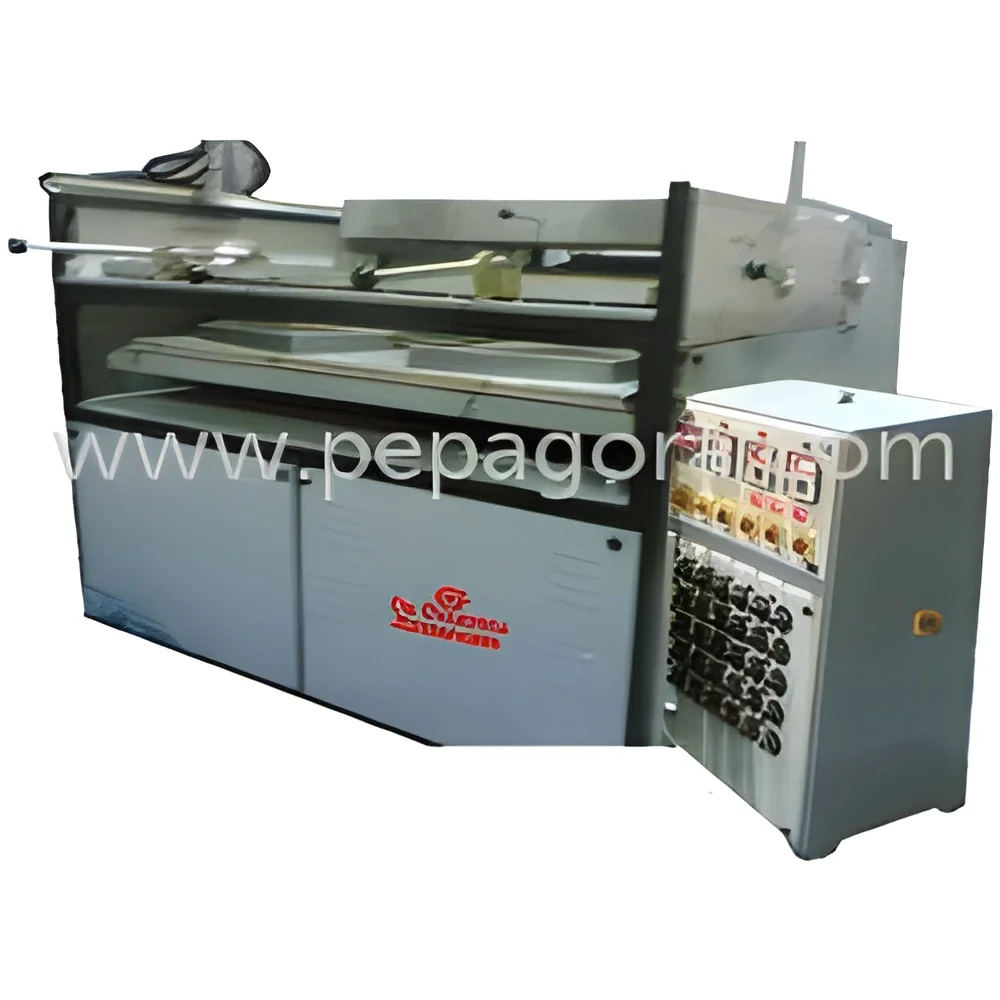
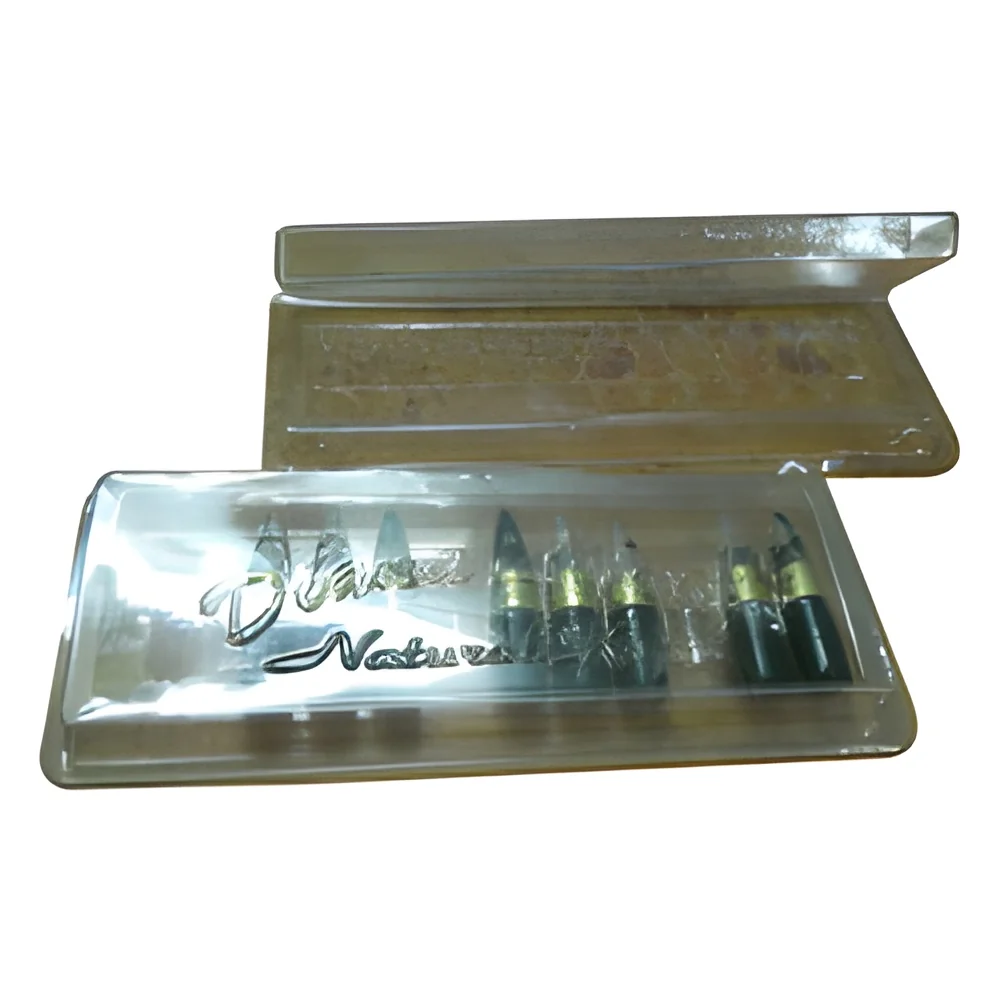
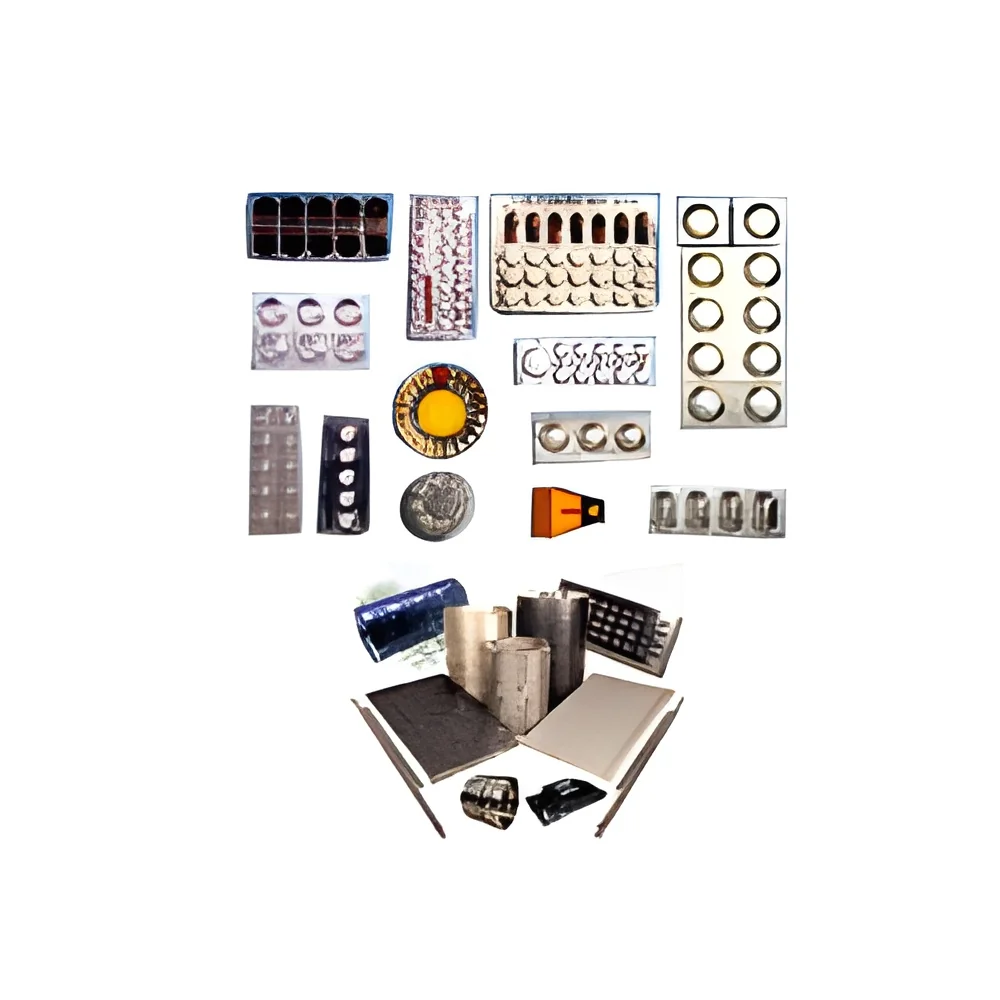
Blister and clamshell packaging are types of packaging that are widely used to protect and display consumer products. Blister packaging typically consists of a pre-formed plastic cavity or pocket that holds a product, sealed with a backing material such as cardboard or plastic film. Clamshell packaging, on the other hand, features two plastic halves that are hinged together, creating a protective shell for the product inside. Both types of packaging are designed to enhance product visibility while providing security and tamper resistance.
These packaging solutions are primarily utilized in various industries, including pharmaceuticals, electronics, cosmetics, and consumer goods. Their design allows for easy product display on retail shelves while ensuring that the products remain safe from environmental factors and theft. Additionally, blister and clamshell packaging are often used for items that require single-unit packaging, ensuring that each product is securely contained.
In today's market, blister and clamshell packaging are highly relevant due to the increasing demand for visually appealing and functional packaging solutions. As consumers become more discerning about product presentation and safety, businesses must adapt by utilizing packaging that not only meets aesthetic standards but also complies with industry regulations.
𝗞𝗲𝘆 𝗙𝗲𝗮𝘁𝘂𝗿𝗲𝘀 𝗮𝗻𝗱 𝗦𝗽𝗲𝗰𝗶𝗳𝗶𝗰𝗮𝘁𝗶𝗼𝗻𝘀
Blister and clamshell packaging come with a variety of features and specifications that enhance their usability and effectiveness. These specifications are crucial for businesses looking to optimize their packaging solutions.
Key specifications include:
1. Material Type
- Common materials include PVC, PET, and PS.
- These materials offer varying levels of clarity, durability, and barrier properties.
2. Thickness
- Thickness typically ranges from 0.3 mm to 1.5 mm.
- The choice of thickness can affect product visibility and protection.
3. Sealing Method
- Common sealing methods include heat sealing and adhesive sealing.
- The choice of sealing method can impact the packaging's tamper resistance and shelf life.
4. Transparency
- Available in clear, frosted, or colored options.
- Transparency affects product visibility and marketing appeal.
5. Customization Options
- Many suppliers offer custom shapes and sizes.
- Customization can enhance branding and fit specific product dimensions.
6. Environmental Considerations
- Options for biodegradable and recyclable materials are available.
- Sustainable packaging solutions are increasingly demanded by consumers.
7. Compliance Standards
- Packaging may need to comply with specific industry regulations.
- Relevant certifications may include CE and others depending on industry requirements.
In summary, understanding the key features and specifications of blister and clamshell packaging is essential for businesses looking to make informed choices that align with their product needs and market demands.
𝗖𝗼𝗺𝗺𝗼𝗻 𝗔𝗽𝗽𝗹𝗶𝗰𝗮𝘁𝗶𝗼𝗻𝘀 𝗮𝗻𝗱 𝗨𝘀𝗲 𝗖𝗮𝘀𝗲𝘀
Blister and clamshell packaging serve a wide range of industries and applications. Their versatility makes them suitable for many products.
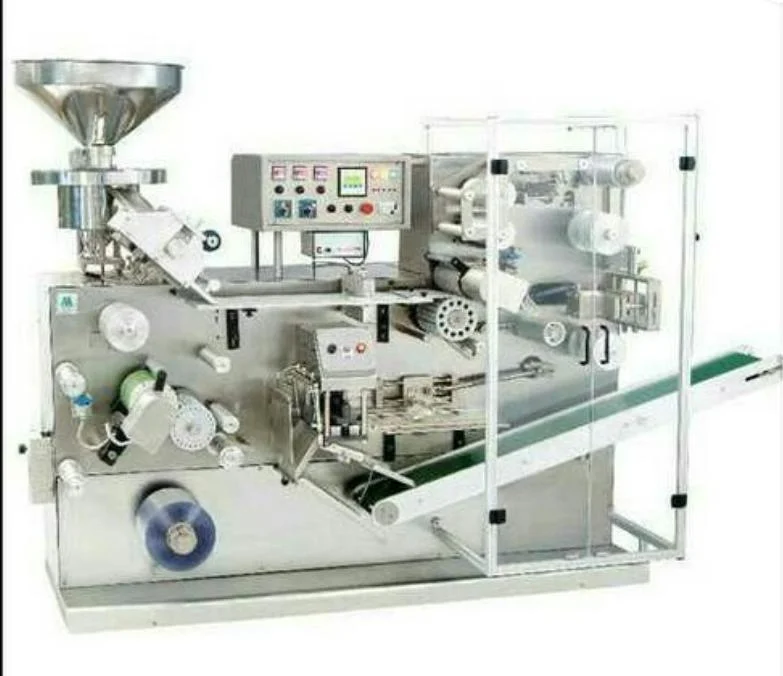
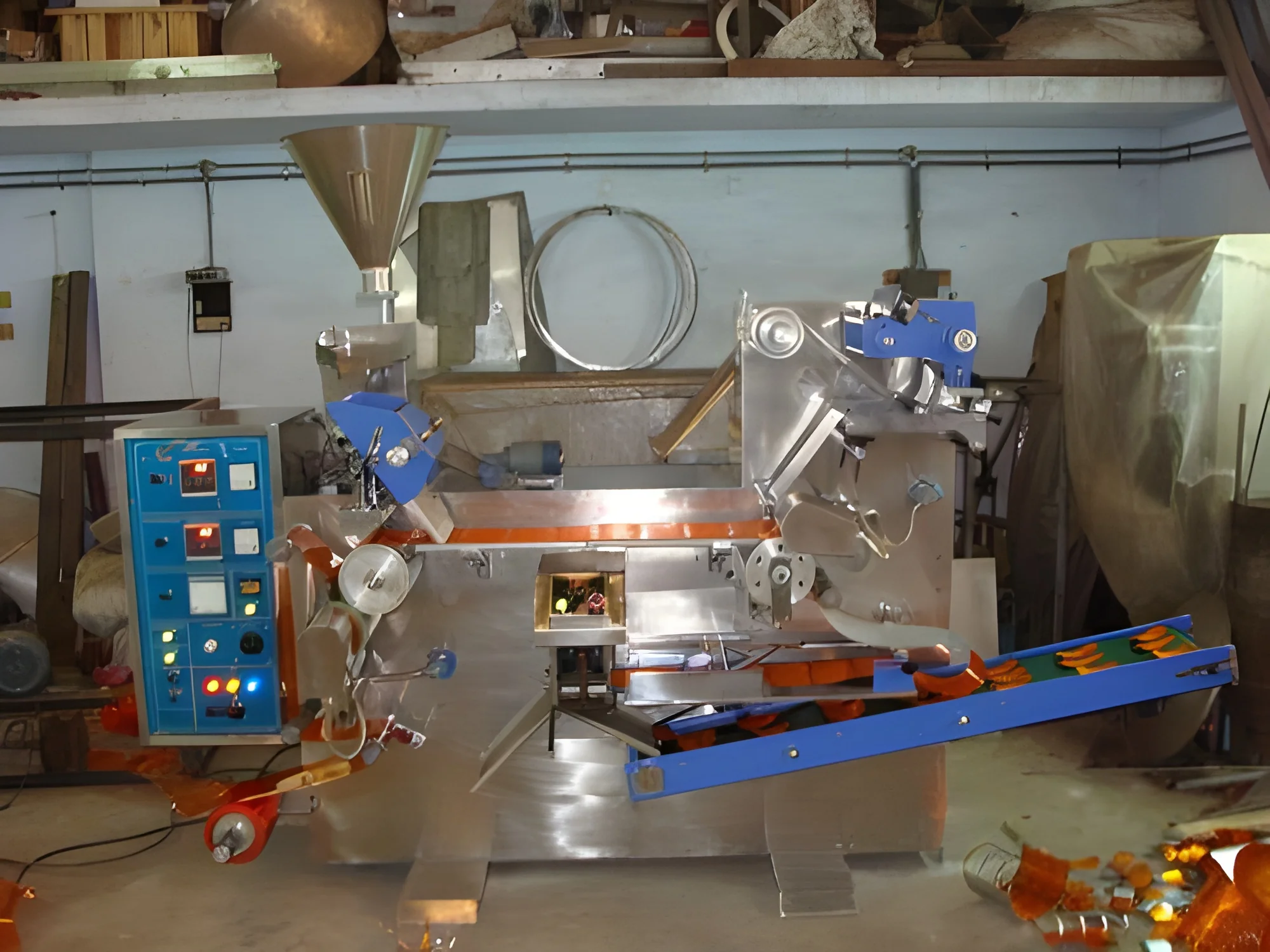
1. Pharmaceuticals: Blister packaging is commonly used to package tablets and capsules, providing a secure and tamper-evident solution that ensures product integrity.
2. Electronics: Clamshell packaging is often used for small electronic devices and accessories, offering visibility and protection while preventing damage during transit.
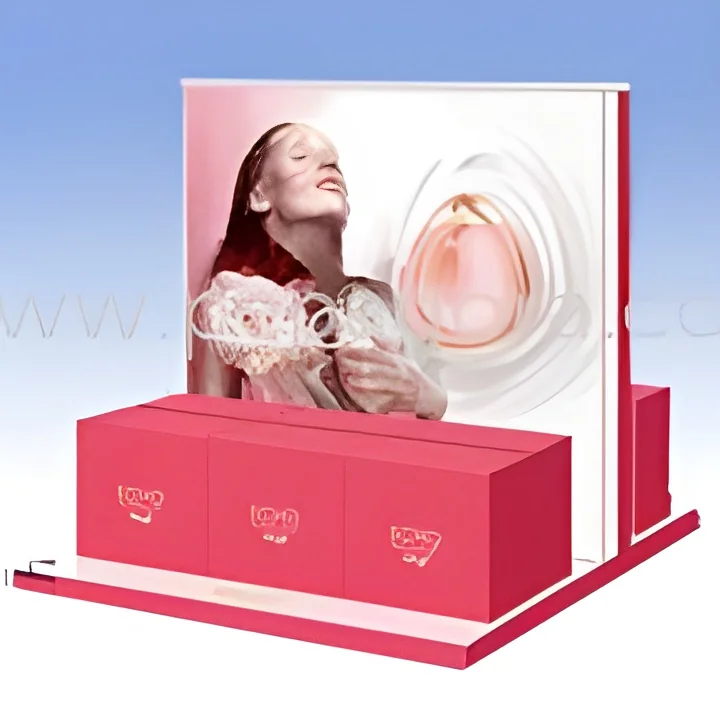
3. Cosmetics: Both packaging types are popular for cosmetics and personal care items, allowing for attractive display and easy access for consumers.
4. Consumer Goods: Many household products, such as tools and kitchen items, utilize blister and clamshell packaging for effective merchandising and safety.
5. Toys: Blister packaging is frequently used for toy packaging, showcasing the product while preventing theft and damage.
6. Food: Certain food products, particularly snacks, can be packaged in clamshells that maintain freshness and allow for easy retail display.
7. Automotive: Components and tools in the automotive industry benefit from durable blister packaging that protects against environmental elements.
𝗣𝗿𝗼𝗱𝘂𝗰𝘁 𝗩𝗮𝗿𝗶𝗮𝗻𝘁𝘀 𝗮𝗻𝗱 𝗦𝘂𝗯𝗰𝗮𝘁𝗲𝗴𝗼𝗿𝗶𝗲𝘀
Blister and clamshell packaging come in various forms to meet different business needs. This diversity allows companies to select the most suitable packaging for their products.
Standard Blister Packaging: This variant features a pre-formed plastic cavity with a backing card. It is ideal for small items like pills or consumer electronics, showcasing the product while providing protection.
Hanging Blister Packaging: This type includes a perforated hole for easy hanging display. It is commonly used in retail environments for small tools and accessories.
Clamshell Packaging: Comprising two halves that snap together, clamshell packaging offers robust protection. It is often used for electronics and toys, providing a clear view of the product while preventing tampering.
Modified Atmosphere Packaging: This variant is designed to extend product shelf life by controlling the atmosphere within the packaging. It is suitable for perishable items, including some food products.
𝗕𝗲𝗻𝗲𝗳𝗶𝘁𝘀 𝗮𝗻𝗱 𝗔𝗱𝘃𝗮𝗻𝘁𝗮𝗴𝗲𝘀
Choosing blister and clamshell packaging offers several key benefits for businesses.
1. Enhanced Product Visibility: Transparent materials allow consumers to view the product, enhancing appeal and encouraging purchase decisions.
2. Security and Tamper Resistance: Both packaging types provide secure encasement that deters tampering and theft, ensuring product integrity.
3. Customization Opportunities: Businesses can customize the shape, size, and design of the packaging to align with branding and product specifications.
4. Efficient Use of Shelf Space: The compact design of blister and clamshell packaging optimizes shelf space in retail environments, allowing for better product placement.
5. Environmental Considerations: Many packaging options are available in recyclable or biodegradable materials, supporting sustainable business practices.
6. Cost-Effectiveness: Blister and clamshell packaging can be produced at scale, leading to lower costs per unit and making them a budget-friendly option for businesses.
𝗕𝘂𝘆𝗶𝗻𝗴 𝗚𝘂𝗶𝗱𝗲 𝗳𝗼𝗿 𝗕𝟮𝗕 𝗕𝘂𝘆𝗲𝗿𝘀
When sourcing blister and clamshell packaging, businesses should consider several important factors to ensure they select the right products.
1. Quality Assessment: Evaluate the quality of materials and manufacturing processes. Look for certifications that demonstrate adherence to industry standards.
2. Supplier Verification: Vet suppliers to ensure they have a history of reliability and quality. Check references and reviews to confirm their credibility.
3. Pricing and MOQ: Understand the pricing structure and minimum order quantities (MOQ) to ensure that it aligns with your budget and volume requirements.
4. Delivery and Lead Times: Discuss logistics and expected lead times to ensure timely delivery of packaging solutions to meet production schedules.
5. Compliance Requirements: Verify that the packaging meets relevant industry regulations and safety standards, ensuring compliance with local and international laws.
𝗖𝗼𝗺𝗽𝗹𝗶𝗮𝗻𝗰𝗲 𝗮𝗻𝗱 𝗖𝗲𝗿𝘁𝗶𝗳𝗶𝗰𝗮𝘁𝗶𝗼𝗻𝘀
Blister and clamshell packaging must adhere to specific compliance and certification standards to ensure safety and quality. Relevant quality standards include ISO 9001, which focuses on quality management systems, and HACCP, which emphasizes safety in food packaging. Compliance with Good Distribution Practice (GDP) is also important, particularly for pharmaceuticals, ensuring that products are stored and transported under suitable conditions.
In addition to these standards, industry certifications such as CE may be required to signify conformity with European health, safety, and environmental protection legislation. Safety and testing requirements may also dictate that packaging undergoes rigorous testing to ensure it can withstand various conditions.
Regional compliance considerations are essential, as different regions may have specific regulations regarding packaging materials and practices. Companies should research and ensure compliance with these regulations to avoid legal issues and ensure product safety.
𝗪𝗵𝘆 𝗦𝗼𝘂𝗿𝗰𝗲 𝗕𝗹𝗶𝘀𝘁𝗲𝗿 & 𝗖𝗹𝗮𝗺𝘀𝗵𝗲𝗹𝗹 𝗣𝗮𝗰𝗸𝗮𝗴𝗶𝗻𝗴 𝗳𝗿𝗼𝗺 𝗣𝗲𝗽𝗮𝗴𝗼𝗿𝗮?
Pepagora provides a trusted platform for sourcing blister and clamshell packaging, delivering several key advantages to businesses.
Verified Supplier Network: Pepagora connects buyers with a network of verified suppliers, ensuring that businesses can source high-quality packaging with confidence.
Streamlined RFQ Process: The platform offers an efficient Request for Quotation (RFQ) system, making it easy for businesses to receive competitive pricing and compare options from multiple suppliers.
Trade Assurance and Support: Pepagora emphasizes buyer protection, providing trade assurance to ensure that transactions are secure and that buyers receive what they expect.
Regional Coverage: With a strong presence in India, the GCC, and Southeast Asia, Pepagora offers extensive geographic reach, enabling businesses to connect with suppliers in key markets for blister and clamshell packaging.

 IN
IN