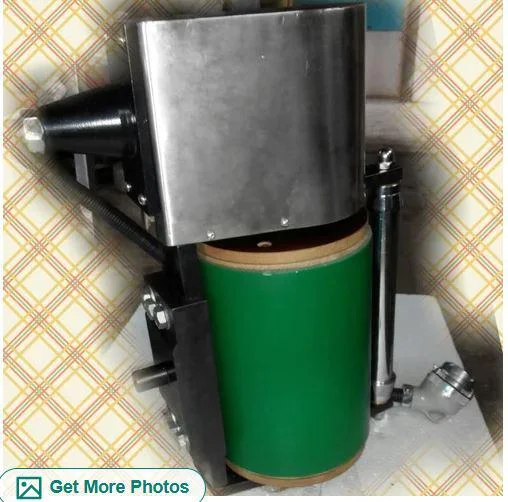
What are Medical Blister Packaging?
Medical blister packaging is a form of packaging used to protect and contain pharmaceutical products, including tablets, capsules, and medical devices. This type of packaging consists of a pre-formed plastic blister that holds the product and is sealed with a backing material, often made of aluminum or paper. The design not only provides a secure environment for the product but also allows for easy access and visibility, which is essential in medical settings.
The primary uses of medical blister packaging include ensuring product integrity, enhancing patient safety, and improving medication adherence. It is widely used by pharmaceutical companies, healthcare providers, and packaging manufacturers. In a competitive market, the demand for innovative and efficient packaging solutions continues to grow as healthcare providers focus on patient-centered care and safety.
In terms of industry relevance, medical blister packaging plays a crucial role in the pharmaceutical and healthcare sectors. The global market for this type of packaging is expanding, driven by rising demand for medication safety and compliance. Regulatory requirements and advancements in packaging technology also contribute to the market's growth and innovation.
Key Features and Specifications
Medical blister packaging offers several key features that enhance its functionality and usability. Understanding these specifications is crucial for selecting the right packaging solution.
Key specifications include:
1. Material Composition
- Commonly made from PVC, PET, or PVDC
- Ensures durability and moisture barrier properties
2. Seal Type
- Options include heat sealing or cold sealing
- Affects the ease of opening and product protection
3. Size and Dimensions
- Customizable dimensions to fit various product types
- Accommodates single or multiple unit doses
4. Barrier Properties
- Designed to protect against moisture, light, and oxygen
- Critical for maintaining product efficacy
5. Printability
- Allows for branding and product information to be printed
- Enhances visibility and compliance with regulations
6. Child Resistance
- Options available for child-resistant packaging
- Important for safety in households with children
7. Compliance Standards
- Must meet industry regulations such as CE marking
- Ensures safety and quality assurance
8. Customization Options
- Ability to tailor design and features based on client needs
- Supports branding and specific market requirements
In summary, the specifications of medical blister packaging are essential to ensure product safety, compliance, and functionality. Businesses must consider these features when selecting packaging solutions.
Common Applications and Use Cases
Medical blister packaging is utilized across various industries, adapting to specific needs and regulations.
1. Pharmaceutical Industry: This is the largest user of medical blister packaging, employing it to package tablets and capsules securely, ensuring medication integrity and patient safety.
2. Medical Device Manufacturing: Blister packaging is used for packaging small medical devices, ensuring they are protected from contamination and damage during transport and storage.
3. Veterinary Pharmaceuticals: Blister packs are also utilized in the veterinary sector to package medications for animals, ensuring that the products remain effective and safe for use.
4. Nutraceuticals: Companies producing dietary supplements use blister packaging to provide individual servings, enhancing convenience and maintaining product quality.
5. Clinical Trials: Blister packaging is ideal for clinical trial medications, as it allows for easy identification and distribution while maintaining compliance with regulatory standards.
6. Over-the-Counter Medications: Many OTC products use blister packaging to provide users with single-dose options, promoting accurate dosing and ease of use.
7. Cosmetics: Some cosmetic products, such as single-use facial masks, benefit from blister packaging, offering protection and convenience for consumers.
Product Variants and Subcategories
Medical blister packaging comes in various forms, each designed for specific applications and needs.
Standard Blister Packs: These packs typically feature a plastic blister with a backing material. They are widely used for medications and are customizable in size and shape.
Child-Resistant Blister Packs: Designed with safety in mind, these packs include mechanisms that make them difficult for children to open while remaining accessible to adults.
High Barrier Blister Packs: These packs are engineered to provide enhanced protection against moisture and oxygen, making them ideal for sensitive pharmaceutical products.
Thermoformed Blister Packs: Made through a process that shapes plastic sheets into blisters, these packs can be tailored for a variety of product forms and sizes.
Benefits and Advantages
Medical blister packaging offers numerous benefits that enhance its value to businesses and consumers alike.
1. Product Protection: The packaging safeguards products from environmental factors, ensuring they remain effective and safe for use.
2. Improved Safety: Blister packs reduce the risk of contamination and tampering, which is crucial for maintaining product integrity.
3. Enhanced Convenience: Individual doses allow for easy handling and consumption, promoting patient adherence to medication regimens.
4. Customization: The ability to tailor design and features supports branding and meets specific market requirements.
5. Cost-Effectiveness: Efficient use of materials and production processes can lead to reduced costs in the long run.
6. Regulatory Compliance: Blister packaging can be designed to meet various industry standards, ensuring safety and quality assurance.
Buying Guide for B2B Buyers
When sourcing medical blister packaging, it is essential to consider several key factors to make informed purchasing decisions.
1. Quality Assessment: Evaluate the quality of materials and manufacturing processes. Look for certifications and standards that demonstrate compliance with industry regulations.
2. Supplier Verification: Research potential suppliers to ensure they have a reliable track record. Request samples and check references to verify their capabilities.
3. Pricing and MOQ: Understand the pricing structure and minimum order quantities. Consider the trade-offs between cost and quality when making decisions.
4. Delivery and Lead Times: Discuss logistics with suppliers to establish realistic timelines for delivery. Ensure that lead times align with your production schedules.
5. Compliance Requirements: Familiarize yourself with relevant regulatory requirements in your region. Ensure that the selected packaging meets necessary compliance standards.
Compliance and Certifications
Medical blister packaging must adhere to various quality standards to ensure safety and efficacy. Key standards include ISO 9001, which outlines quality management systems, and HACCP, which focuses on food safety management. Compliance with GDP (Good Distribution Practice) is also essential, particularly in maintaining the integrity of pharmaceutical products throughout the supply chain.
In addition to these standards, many medical blister packaging products carry CE certification, indicating conformity with European health, safety, and environmental protection standards. Safety and testing requirements vary by region, necessitating thorough understanding of local regulations.
Overall, compliance not only ensures safety but also builds trust with customers and enhances marketability. Businesses must stay informed about regional compliance considerations to meet the expectations of regulatory bodies and consumers.
Why Source Medical Blister Packaging from Pepagora?
Pepagora provides a trusted platform for sourcing medical blister packaging, offering several key advantages for B2B buyers.
Verified Supplier Network: Pepagora connects buyers with a network of verified suppliers, ensuring quality and reliability. Each supplier undergoes a rigorous vetting process to guarantee their capabilities.
Streamlined RFQ Process: The platform offers a simplified request for quotation (RFQ) system, allowing buyers to obtain multiple quotes quickly. This efficiency helps businesses compare options and make informed purchasing decisions.
Trade Assurance and Support: Buyers benefit from trade assurance features that protect their transactions. Pepagora provides support throughout the purchasing process, ensuring a smooth experience from start to finish.
Regional Coverage: With a focus on markets in India, the GCC, and Southeast Asia, Pepagora offers extensive regional coverage. This geographic reach enables businesses to access local suppliers while benefiting from competitive pricing and quality assurance.
In summary, Pepagora serves as a reliable source for medical blister packaging, providing valuable resources and support to enhance the buying experience.

 IN
IN