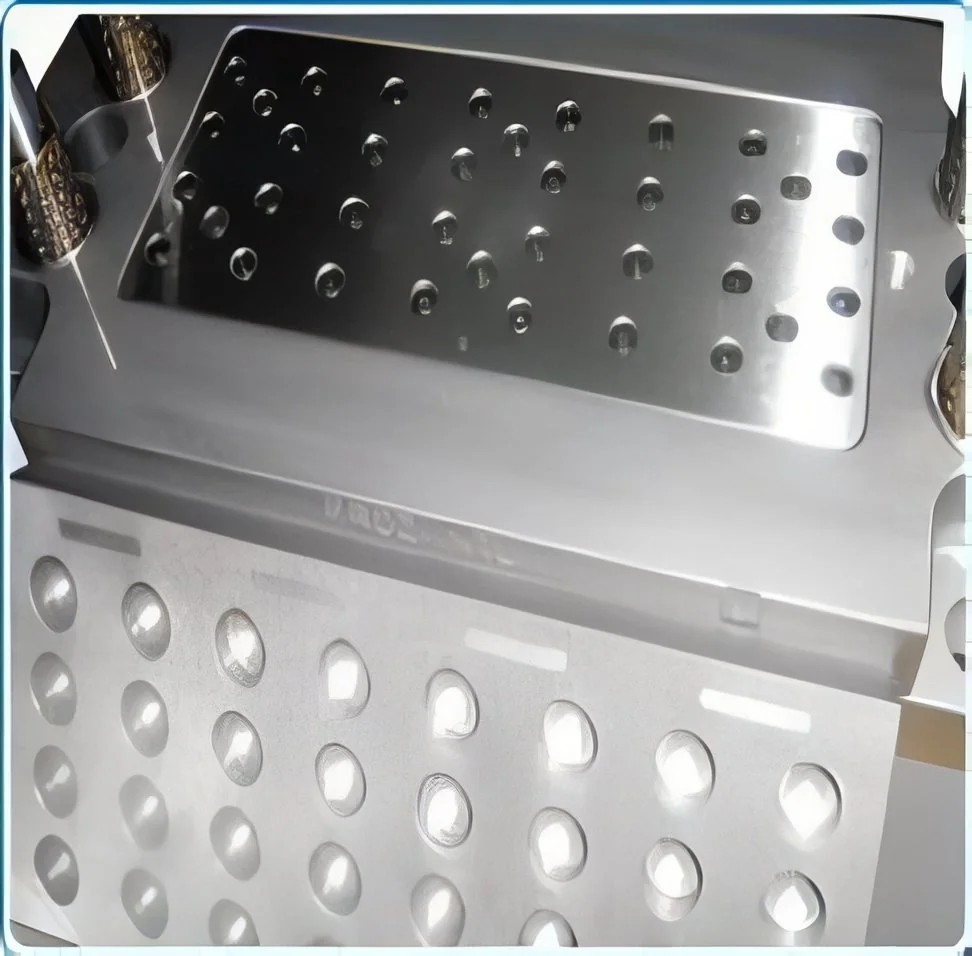
What are Custom Tooling for Blister Packs?
Custom tooling for blister packs refers to the specialized equipment and molds designed to create packaging solutions that securely hold products, particularly in the pharmaceutical, consumer goods, and electronics industries. This type of tooling is tailored to the specific dimensions and shapes of the items being packaged, ensuring a snug fit that protects the product during transportation and storage. The manufacturing process involves designing molds that can create both the blister and the backing material, often using materials like PVC, PET, or other thermoplastics.
These tools are primarily used to produce blister packs, which are widely recognized for their convenience and effectiveness in displaying products while providing protection. They are essential for industries that require efficient packaging solutions that adhere to stringent quality standards and regulatory requirements. The significance of custom tooling is underscored by the growing demand for innovative packaging solutions that enhance product visibility and consumer experience, making it an integral part of modern manufacturing processes.
As market competition intensifies and consumer preferences evolve, the relevance of custom tooling for blister packs continues to grow. Businesses are increasingly investing in bespoke solutions to differentiate their products and improve operational efficiency. The ability to customize tooling not only meets specific product requirements but also aligns with industry trends towards sustainability and reduced waste.
Key Features and Specifications
When considering custom tooling for blister packs, it is essential to understand the features and specifications that define quality and functionality. These specifications help manufacturers select the right tooling for their specific needs and ensure that the final product meets both performance and compliance standards.
Key specifications include:
1. Material Compatibility
- Tooling must be compatible with various thermoplastic materials.
- Common materials include PVC, PET, and other suitable plastics.
2. Precision and Tolerance
- Tooling should maintain tight tolerances for accurate product fit.
- Typical tolerances are within 0.01 to 0.05 mm.
3. Production Speed
- Tooling design should accommodate high-speed production rates.
- Capable of producing thousands of units per hour.
4. Customization Capabilities
- Ability to create molds tailored to unique product shapes.
- Supports a range of blister configurations.
5. Durability and Longevity
- Tooling must withstand repeated use without degrading.
- High-quality materials typically increase lifespan.
6. Ease of Maintenance
- Tooling should be designed for straightforward cleaning and maintenance.
- Reduces downtime during production.
7. Heat Resistance
- Tooling must endure high temperatures during the manufacturing process.
- Typical temperature resistance ranges from 100 to 200 degrees Celsius.
8. Compliance with Industry Standards
- Tooling should meet relevant quality and safety standards.
- Certifications such as CE may be applicable.
In summary, understanding these key features and specifications is critical for businesses looking to implement custom tooling for blister packs effectively. Proper selection can lead to enhanced production efficiency and product quality.
Common Applications and Use Cases
Custom tooling for blister packs serves a wide array of industries, providing tailored solutions for packaging needs.
1. Pharmaceutical Industry: Custom blister packs are frequently used for tablets and capsules, providing tamper-evident features and ensuring product integrity.
2. Consumer Electronics: Packaging for small electronic components often employs blister packs, protecting delicate items from damage during shipping and handling.
3. Food and Beverage: Blister packs can be utilized for single servings of snacks or condiments, offering convenience and portion control for consumers.
4. Medical Devices: Custom tooling ensures that sensitive medical instruments are securely packaged to maintain sterility and prevent damage.
5. Cosmetics: Blister packs are popular for beauty products, allowing for attractive displays while safeguarding items from contamination.
6. Toys and Games: Packaging for small toys often uses blister packs, enhancing visibility on retail shelves while keeping products secure.
7. Automotive Parts: Blister packaging can protect small automotive components, ensuring they arrive at their destination in optimal condition.
Product Variants and Subcategories
The diversity of custom tooling for blister packs allows for various product variants tailored to specific applications and industries.
Standard Blister Packs: These packs are designed for basic product displays, providing transparency and protection. They are ideal for small consumer goods and pharmaceutical products.
Thermoformed Blister Packs: These variants are formed from heated plastic sheets, creating custom shapes that fit products precisely. They are commonly used in the medical and electronics sectors.
Clamshell Packaging: This type combines blister packs with a hinged design, making it easy for consumers to access the products inside. It is widely used for retail items such as tools and electronics.
Carded Blister Packs: These packs feature a backing card that provides additional branding space while holding the blister securely. They are commonly used in the cosmetic and toy industries.
Benefits and Advantages
Investing in custom tooling for blister packs offers numerous advantages for businesses looking to enhance their packaging solutions.
Key benefits include:
1. Enhanced Product Protection: Custom tooling ensures that products are securely held in place, minimizing the risk of damage during transit.
2. Improved Shelf Appeal: Blister packs designed with custom tooling can enhance product visibility, attracting consumers' attention in retail environments.
3. Cost Efficiency: Tailored tooling can optimize production processes, reducing waste and minimizing costs associated with packaging.
4. Compliance Assurance: Custom tooling can be designed to meet industry-specific regulations, ensuring products adhere to safety and quality standards.
5. Flexibility and Adaptability: Businesses can quickly adapt their packaging designs to meet changing consumer demands or product variations.
6. Brand Differentiation: Unique blister pack designs allow companies to stand out in a competitive market, reinforcing brand identity.
Buying Guide for B2B Buyers
When sourcing custom tooling for blister packs, businesses should consider several important factors to ensure they make informed decisions.
1. Quality Assessment: Evaluate the quality of materials and manufacturing processes used by suppliers. Look for certifications and track records that demonstrate reliability.
2. Supplier Verification: Vet suppliers by checking references and reviewing their production capabilities. Ensuring they have experience in creating custom tooling for blister packs is crucial.
3. Pricing and MOQ: Understand the pricing structures and minimum order quantities (MOQ) required by suppliers. This knowledge helps in budgeting and planning production runs.
4. Delivery and Lead Times: Discuss logistics with suppliers to establish clear delivery timelines. Ensure that lead times align with production schedules to avoid delays.
5. Compliance Requirements: Confirm that tooling designs meet relevant industry standards and regulations. This step is essential for avoiding compliance issues down the line.
Compliance and Certifications
In the realm of custom tooling for blister packs, compliance with industry standards and regulations is paramount. Key quality standards such as ISO 9001 ensure that manufacturing processes meet international benchmarks for quality management. Additionally, adherence to HACCP (Hazard Analysis and Critical Control Points) is crucial for industries that handle food and pharmaceuticals, ensuring that products are safe for consumption.
Certifications like CE demonstrate that products meet European safety and health requirements. This is particularly important for businesses exporting goods to European markets. Furthermore, safety and testing requirements vary by industry, necessitating that tooling designs undergo rigorous testing to guarantee their reliability and effectiveness.
Regional compliance considerations are also vital, as regulations may differ from one region to another. Businesses must stay informed about local laws and standards to ensure that their custom tooling meets all necessary requirements.
Why Source Custom Tooling for Blister Packs from Pepagora?
Pepagora offers a trusted platform for sourcing custom tooling for blister packs, providing several key advantages to B2B buyers.
Verified Supplier Network: Pepagora connects buyers with a network of verified suppliers who have been vetted for quality and reliability. This ensures that businesses can confidently source tooling that meets their specific needs.
Streamlined RFQ Process: The platform features a user-friendly Request for Quotation (RFQ) process, enabling buyers to easily submit their requirements and receive competitive quotes from multiple suppliers in a short timeframe.
Trade Assurance and Support: Pepagora provides trade assurance to protect buyers' investments, offering support throughout the sourcing process. This includes assistance with negotiations and logistics.
Regional Coverage: With a focus on markets in India, GCC, and Southeast Asia, Pepagora ensures that businesses can find suitable suppliers within these regions, enhancing the accessibility of custom tooling solutions.

 IN
IN