
 IN
Pharmaceutical Blister Packs
5 products available
What are Pharmaceutical Blister Packs?
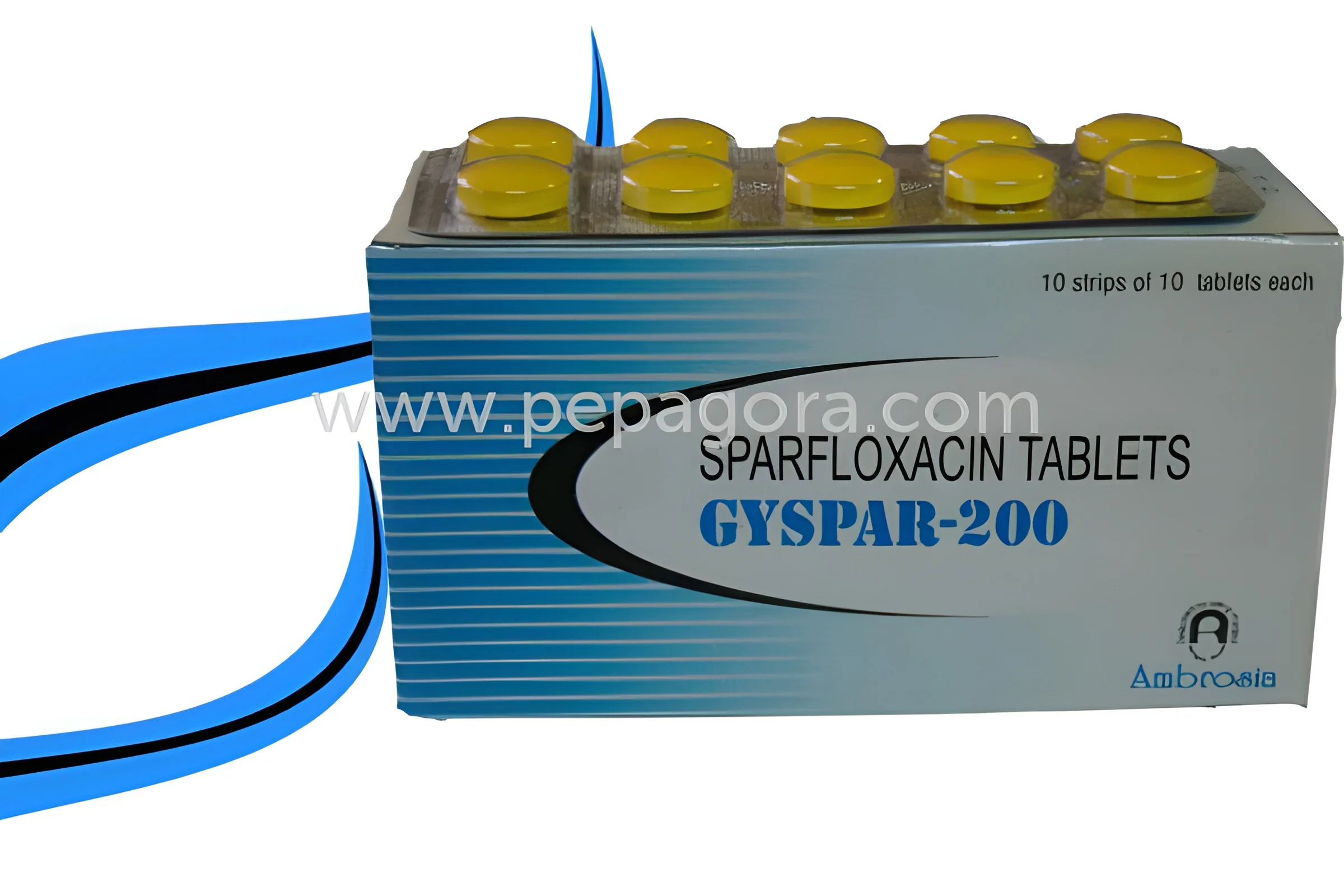
Pharmaceutical blister packs are packaging solutions used primarily in the pharmaceutical industry to protect and contain tablets, capsules, and other dosage forms. These packs consist of a thermoformed plastic or aluminum base that holds the medication in individual compartments, which are then sealed with a foil backing. This packaging method not only provides physical protection from external factors but also offers a barrier against moisture, light, and contaminants, ensuring the integrity and efficacy of the medication.
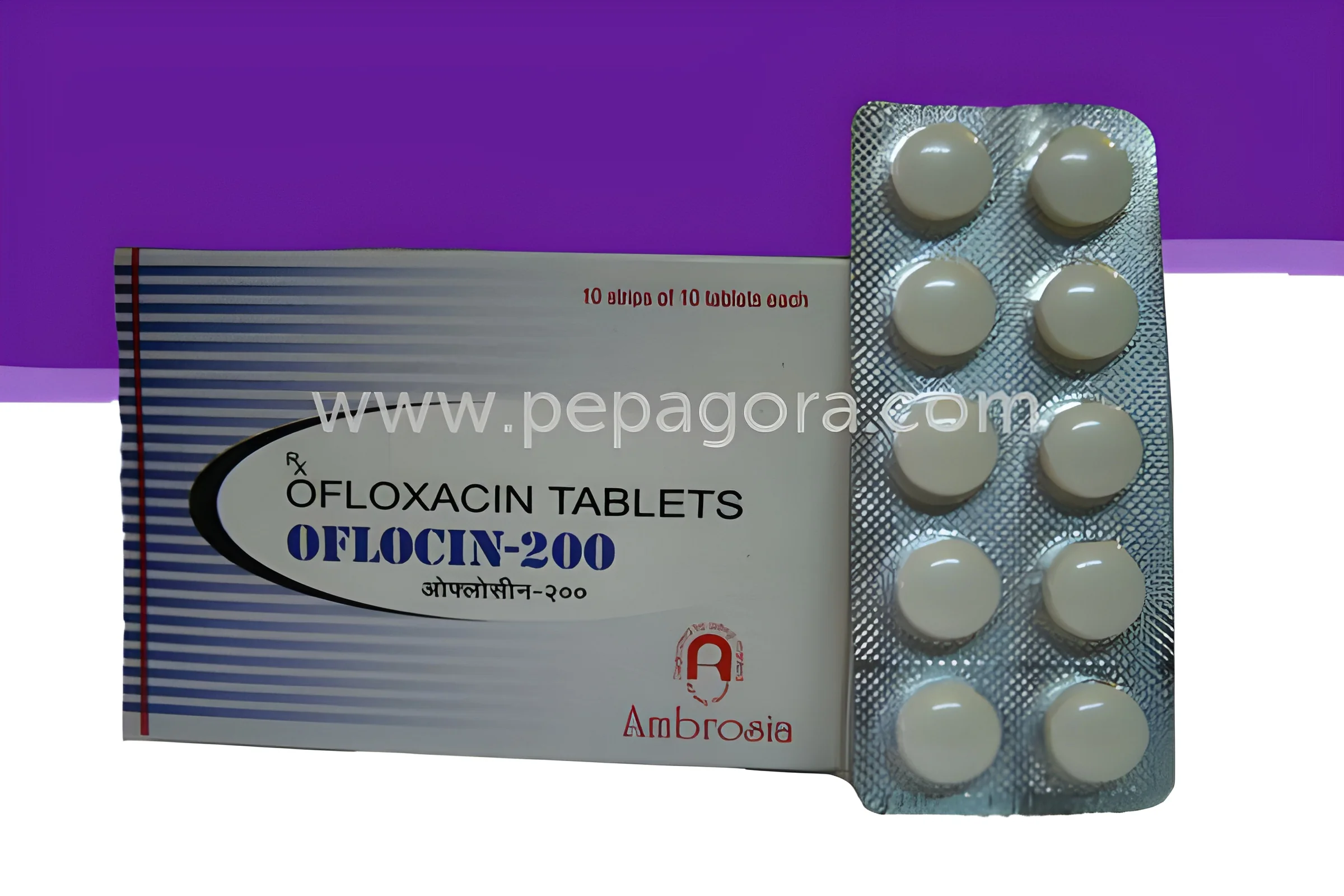
The primary uses of pharmaceutical blister packs include unit-dose packaging for prescription and over-the-counter medications, as well as for vitamins and dietary supplements. They are designed to facilitate easy handling and dosing, reducing the risk of medication errors. Blister packs are widely adopted by pharmacies, hospitals, and clinics, enabling efficient medication management and adherence. The market for blister packaging is growing, driven by increasing demand for advanced packaging solutions that enhance product safety and patient compliance in the healthcare sector.
In the context of the pharmaceutical industry, blister packs play a significant role in both product presentation and regulatory compliance. With the rise of e-commerce in pharmaceuticals and a shift towards personalized medicine, the demand for innovative and customizable blister packaging solutions is on the rise. This trend underscores the importance of blister packs as a key component in the supply chain, impacting everything from manufacturing to customer satisfaction.
Key Features and Specifications
Pharmaceutical blister packs come with a variety of features and specifications tailored to meet the needs of the pharmaceutical industry. These features ensure product safety, ease of use, and compliance with regulatory standards.
Key specifications include:
1. Material Composition
- Typically made from PVC, PVDC, or aluminum
- Provides excellent barrier properties against moisture and oxygen
2. Sealing Type
- Commonly heat-sealed or cold-sealed
- Ensures that the pack is tamper-evident and secure
3. Packaging Size
- Available in various sizes to accommodate different quantities
- Standard configurations include 7, 10, or 14-day supply packs
4. Customization Options
- Ability to print branding and dosage information directly on packs
- Options for child-resistant and senior-friendly designs
5. Compatibility with Automation
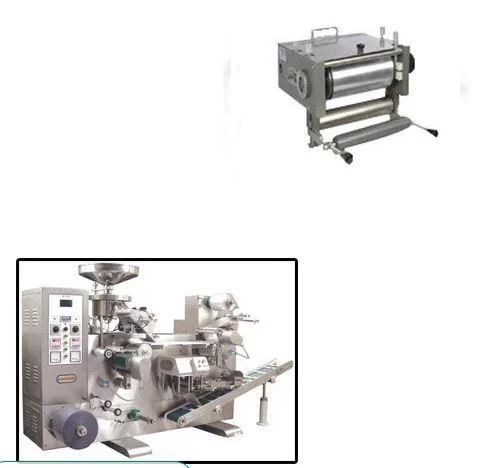
- Designed to be compatible with automated filling and packing machines
- Streamlines production and reduces labor costs
6. Shelf Life
- Typically offers extended shelf life due to protective properties
- Helps maintain medication stability over time
7. Compliance with Regulatory Standards
- Meets industry requirements such as CE certification
- Ensures adherence to good manufacturing practices
In summary, pharmaceutical blister packs are designed with a range of features that enhance their functionality and safety, making them essential in the distribution of pharmaceutical products.
Common Applications and Use Cases
Pharmaceutical blister packs serve various industries beyond just traditional pharmaceuticals.
1. Pharmaceutical Industry: Widely used for packaging prescription and over-the-counter medications, ensuring product integrity and patient compliance.
2. Nutraceuticals: Increasingly adopted for packaging dietary supplements, vitamins, and herbal products, offering convenience and protection.
3. Veterinary Medicine: Used for packaging animal medications, ensuring that products are safeguarded against contamination and degradation.
4. Cosmetic Products: Some beauty products utilize blister packs for single-use applications, ensuring freshness and hygiene for consumers.
5. Medical Devices: Certain medical devices and diagnostics are packaged in blister packs to maintain sterility and protect against damage.
6. Research and Development: Used in clinical trials for easy distribution of trial medications to participants, enhancing traceability and compliance.
7. Travel and Convenience Packs: Ideal for packaging medications for travel, allowing customers to carry only what they need in a compact format.
Product Variants and Subcategories
Pharmaceutical blister packs are diverse and can be tailored to suit various applications.
Unit Dose Blister Packs
These packs are designed for single doses of medication, making them ideal for hospitals and pharmacies. They simplify the dispensing process and enhance patient adherence by clearly displaying dosage information.
Multi-Dose Blister Packs
These are used for medications that require multiple doses over a set period. They provide a more economical solution for patients with chronic conditions requiring daily medication.
Child-Resistant Blister Packs
These packs incorporate safety features that make it difficult for children to access the medication while remaining easy for adults to open. They are essential in preventing accidental ingestions.
Benefits and Advantages
Pharmaceutical blister packs offer numerous benefits that enhance the overall value for both manufacturers and end-users.
1. Product Protection: They provide a robust barrier against external elements, ensuring that medications remain effective and safe for consumption.
2. Enhanced Shelf Life: Blister packs help extend the shelf life of pharmaceuticals by protecting them from moisture, light, and air.
3. Improved Compliance: The convenience of unit-dose packaging encourages patients to adhere to their prescribed medication regimens.
4. Cost-Effectiveness: Blister packs can reduce waste and improve inventory management, leading to lower overall costs for manufacturers.
5. Customization Options: Manufacturers can customize blister packs with branding and information, improving product recognition and consumer trust.
6. Tamper Evidence: The sealing mechanisms provide clear evidence of tampering, enhancing safety and security for consumers.
Buying Guide for B2B Buyers
When sourcing pharmaceutical blister packs, it is crucial for B2B buyers to consider specific factors that impact their purchasing decisions.
1. Quality Assessment: Ensure that the blister packs meet industry standards and quality criteria. Look for certifications such as CE and compliance with good manufacturing practices to guarantee product safety.
2. Supplier Verification: Vet potential suppliers thoroughly to confirm their reliability and track record in providing high-quality packaging solutions. Check references and certifications to ensure adherence to industry standards.
3. Pricing and MOQ: Understand the pricing structure and minimum order quantities (MOQ) associated with blister pack purchases. Compare quotes from multiple suppliers to find the best value.
4. Delivery and Lead Times: Inquire about delivery schedules and lead times to ensure timely receipt of products. Prompt delivery is essential for maintaining supply chain efficiency.
5. Compliance Requirements: Familiarize yourself with the regulatory requirements for packaging in your specific region. Ensure that the selected blister packs adhere to all relevant regulations to avoid compliance issues.
Compliance and Certifications
Pharmaceutical blister packs must adhere to various compliance and certification standards to ensure safety and effectiveness.
Quality standards such as ISO 9001 and Good Distribution Practice (GDP) are critical in maintaining high manufacturing quality. These standards help ensure that packaging processes are efficient and that products meet consumer safety expectations.
Additionally, the CE certification is essential for products sold in the European market, indicating compliance with health, safety, and environmental protection standards.
Safety testing requirements also play a vital role in the development of blister packs, ensuring that materials used are non-toxic and suitable for direct contact with pharmaceuticals.
Regional compliance considerations vary, so it is important for manufacturers and suppliers to stay updated on local regulations and market requirements to ensure that their products remain compliant.
Why Source Pharmaceutical Blister Packs from Pepagora?
Pepagora offers a trusted platform for sourcing pharmaceutical blister packs with several key advantages that benefit B2B buyers.
Verified Supplier Network: Pepagora connects buyers with a network of verified suppliers who have undergone rigorous checks to ensure their reliability and quality of products. This network allows buyers to source blister packs confidently.
Streamlined RFQ Process: The platform features a user-friendly request for quotation (RFQ) system, allowing buyers to submit their requirements and receive competitive quotes from multiple suppliers in a timely manner. This process simplifies sourcing and reduces lead times.
Trade Assurance and Support: Buyers can benefit from trade assurance programs that protect their orders and investments. Pepagora provides support throughout the purchasing process, ensuring that any issues are addressed promptly.
Regional Coverage: Pepagora has a broad geographic reach, operating in India, the Gulf Cooperation Council (GCC), and Southeast Asia. This regional coverage ensures that buyers can access a diverse range of products and suppliers tailored to their specific market needs.

Frequently Asked Questions
What are Pharmaceutical Blister Packs?
Pharmaceutical blister packs are pre-formed plastic packaging used to contain tablets, capsules, or other medical products. They provide a protective barrier against environmental factors and help ensure the integrity and safety of the medication.
What are the different types of Pharmaceutical Blister Packs?
There are several types of pharmaceutical blister packs, including thermoformed blisters, cold-formed blisters, and alu-alu blisters. Each type differs in terms of materials used and production methods, allowing for specific applications based on the medication's requirements.
How do I choose the right Pharmaceutical Blister Packs?
Selecting the right pharmaceutical blister packs involves considering the type of medication, its storage requirements, and regulatory compliance. It is also essential to evaluate the material compatibility and the required level of protection against moisture and light.
What are the standard specifications for Pharmaceutical Blister Packs?
Standard specifications for pharmaceutical blister packs typically include dimensions, material thickness, and sealing methods. Regulatory compliance standards may also specify requirements for child resistance and tamper-evidence.
What is the price range for Pharmaceutical Blister Packs?
The price of pharmaceutical blister packs can vary widely based on factors such as material, design complexity, and order quantity. Generally, prices can range from a few rupees per unit to higher costs for specialized or custom designs.
What quality standards apply to Pharmaceutical Blister Packs?
Quality standards for pharmaceutical blister packs include ISO certifications, GMP compliance, and specific regulations set by health authorities. These standards ensure that the packaging is safe, effective, and suitable for pharmaceutical use.
Where can I find Pharmaceutical Blister Packs suppliers in India?
Pharmaceutical blister pack suppliers in India can be found through B2B marketplaces, trade directories, and industry trade shows. Websites like Pepagora.com can help connect buyers with reputable suppliers and manufacturers.
Can Pharmaceutical Blister Packs be customized?
Yes, pharmaceutical blister packs can be customized to meet specific requirements such as size, shape, and branding. Customization options may also include special materials or sealing techniques to enhance product protection.
What is the typical minimum order quantity for Pharmaceutical Blister Packs?
The minimum order quantity (MOQ) for pharmaceutical blister packs varies by manufacturer and the complexity of the design. Typically, MOQs can range from a few thousand units to larger quantities depending on production capabilities.
What is the typical lead time for Pharmaceutical Blister Packs?
The lead time for pharmaceutical blister packs can vary based on order size and customization. Generally, it can take anywhere from a few weeks to several months, especially if the order requires specific tooling or setup.
Why Businesses Trust Pepagora
Thousands of companies trust Pepagora to source smarter and sell faster
Expand Your Sales Globally

Source Smarter,Grow Faster
