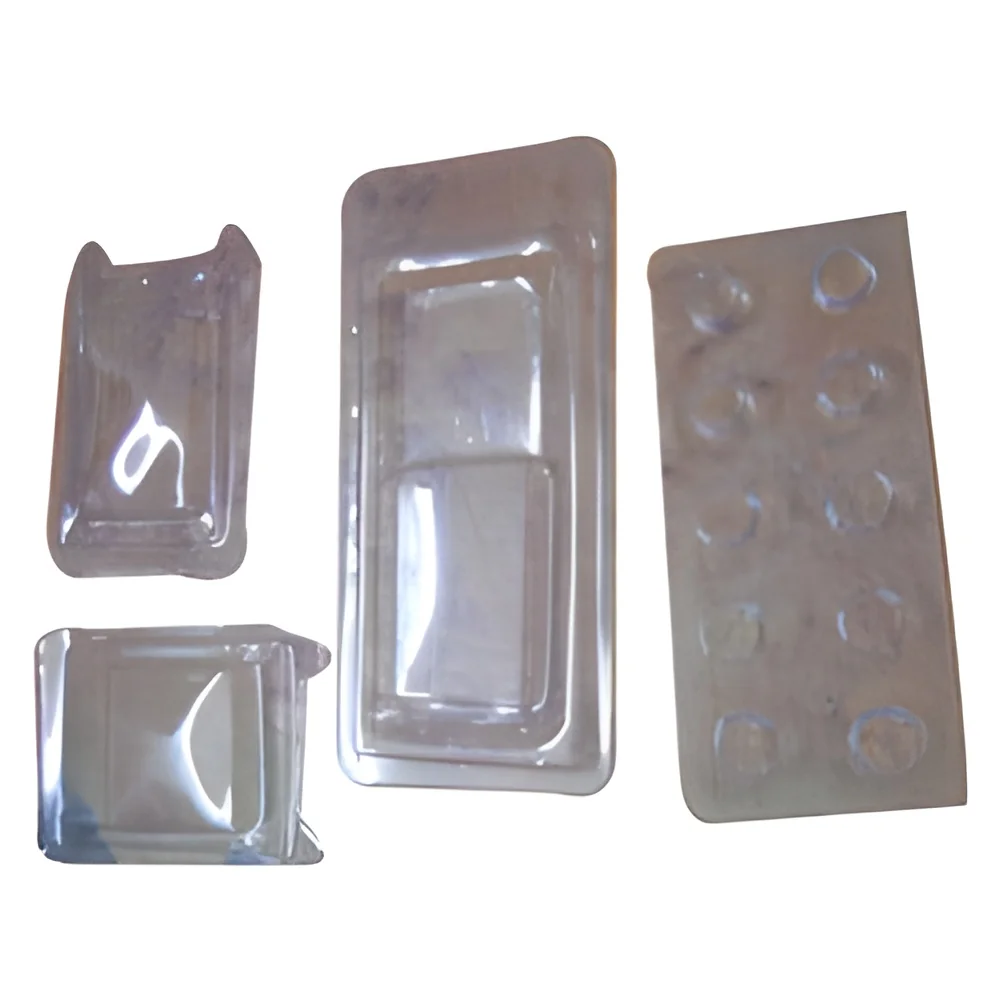
What are Electronics Blister Packaging?
Electronics blister packaging is a form of packaging that uses a pre-formed plastic cavity or pocket to secure electronic components and devices. This type of packaging is designed to protect the items from physical damage, dust, and moisture, while also allowing for easy visibility and access. The blister pack typically consists of a plastic blister that is sealed to a backing card, which may be made of cardboard or plastic. This combination offers a reliable and efficient way to package small electronic items.
The primary uses of electronics blister packaging include housing various electronic components such as circuit boards, connectors, batteries, and small devices. It is widely used in the consumer electronics industry for packaging products like remote controls, mobile phone accessories, and other small gadgets. In addition to consumer electronics, this type of packaging is also employed in medical devices and tools, ensuring that sensitive components remain intact and uncontaminated until they reach the end user.
In today's competitive market, the relevance of electronics blister packaging cannot be overstated. As the demand for electronic products continues to grow, manufacturers are increasingly focusing on effective packaging solutions that not only protect their products but also enhance brand visibility. The market for blister packaging in electronics is expanding, driven by advancements in packaging technology and an increasing emphasis on sustainability and eco-friendly materials.
Key Features and Specifications
Electronics blister packaging is characterized by several essential features and specifications that cater to the needs of manufacturers and consumers alike. Understanding these specifications is crucial for selecting the right packaging solution.
Key specifications include:
1. Material Type
- Commonly made from PVC, PET, or polystyrene
- Offers varying levels of durability and clarity
2. Seal Type
- Heat sealed or pressure sealed options
- Ensures secure closure and protection of contents
3. Thickness
- Generally ranges from 0.2 mm to 1.0 mm
- Thickness affects durability and protection level
4. Dimensions
- Customizable sizes to fit different products
- Standard sizes available for common electronic components
5. Transparency
- High clarity options available for visibility of contents
- Affects display appeal and product promotion
6. Environmental Considerations
- Options for recyclable materials
- Compliance with sustainability standards
7. Custom Printing
- Ability to print branding and product information
- Enhances marketing potential and consumer awareness
8. Compatibility with Automation
- Designed for compatibility with automated packaging lines
- Increases efficiency in the packing process
In summary, understanding the key features and specifications of electronics blister packaging enables businesses to choose the most suitable option for their products, ensuring protection and market appeal.
Common Applications and Use Cases
Electronics blister packaging serves a wide array of industries, each with specific applications that benefit from this type of packaging.
1. Consumer Electronics: Commonly used for packaging items like headphones, chargers, and smart gadgets, providing visibility and protection.
2. Medical Devices: Utilized in the packaging of surgical instruments and diagnostic tools, maintaining sterility and safeguarding against damage.
3. Automotive Components: Suitable for small parts such as sensors and connectors, ensuring they remain intact during transportation.
4. Industrial Equipment: Ideal for packaging electronic components used in machinery, protecting against environmental factors.
5. Retail Products: Frequently used for point-of-sale items, offering attractive displays while ensuring product security.
6. Telecommunications: Effective for packaging small devices like routers and modems, facilitating easy handling and display.
7. Home Appliances: Used for accessories and parts, ensuring protection during shipping and appealing presentation on shelves.
Product Variants and Subcategories
Electronics blister packaging comes in various forms to meet diverse needs. While specific subcategories are not available, several notable variants exist.
Standard Blister Packs: These are the most common type, featuring a simple design that allows for easy viewing of products. They are widely used for consumer electronics and small devices.
Clamshell Packaging: This variant consists of two hinged plastic halves that close around the product. It is often used for larger items and provides robust protection.
Custom Blister Packaging: Tailored to fit specific products, this variant offers flexibility in design, allowing businesses to create unique packaging solutions that enhance branding.
Benefits and Advantages
Electronics blister packaging offers numerous benefits that make it an appealing choice for manufacturers and retailers.
Key benefits include:
1. Enhanced Product Protection: Provides a strong barrier against physical damage, ensuring items reach consumers in perfect condition.
2. Cost-Effective: Streamlined production processes and materials lead to lower costs, benefiting manufacturers and consumers.
3. Improved Visibility: Clear packaging allows potential buyers to see the product, increasing the likelihood of purchase.
4. Brand Promotion: Customizable options enable businesses to showcase their brand effectively, enhancing market presence.
5. Versatility: Suitable for a wide range of products across various industries, making it a flexible packaging solution.
6. Eco-Friendly Options: Availability of recyclable materials supports sustainability initiatives and meets consumer demand for eco-conscious products.
Buying Guide for B2B Buyers
When sourcing electronics blister packaging, B2B buyers should consider several critical factors to ensure they make informed decisions.
1. Quality Assessment: Evaluate the quality of materials and manufacturing processes. Look for certifications that indicate adherence to industry standards.
2. Supplier Verification: Research potential suppliers to ensure they have a reliable track record and can meet production demands.
3. Pricing and MOQ: Compare pricing structures and minimum order quantities to find options that fit budget constraints while meeting supply needs.
4. Delivery and Lead Times: Understand the logistics involved, including shipping times and the ability to meet deadlines.
5. Compliance Requirements: Ensure that the packaging meets relevant regulatory standards, particularly for specific industries such as medical and automotive.
Compliance and Certifications
Electronics blister packaging must adhere to various compliance and certification standards to ensure safety and quality. Key quality standards relevant to this packaging include ISO 9001, which focuses on quality management systems, and HACCP, which addresses food safety, though its relevance to electronics is minimal. Additionally, compliance with Good Distribution Practices (GDP) is essential for ensuring that packaging maintains product integrity during transport.
Industry certifications, such as CE marking, indicate that the products comply with European health, safety, and environmental protection standards. This certification is vital for manufacturers seeking to market their products in the European market, as it demonstrates compliance with applicable regulations.
Safety and testing requirements vary based on product applications, with specific tests necessary to ensure that packaging can withstand environmental factors such as temperature and humidity. Regional compliance considerations must also be factored in, as different regions may have varying regulations regarding materials and safety standards.
Why Source Electronics Blister Packaging from Pepagora?
Pepagora provides a trusted platform for sourcing electronics blister packaging, offering several key advantages for B2B buyers.
Verified Supplier Network: Pepagora connects buyers with a network of verified suppliers, ensuring that all partners meet high standards of quality and reliability. This network simplifies the sourcing process and enhances buyer confidence.
Streamlined RFQ Process: The platform features an efficient request for quotation system that allows buyers to receive competitive quotes from multiple suppliers. This process saves time and enables buyers to make informed decisions based on pricing and quality.
Trade Assurance and Support: Pepagora offers trade assurance to protect buyers, ensuring that transactions are secure and that support is available throughout the purchasing process. This commitment to buyer protection fosters trust and satisfaction.
Regional Coverage: With a strong presence in India, GCC, and Southeast Asia, Pepagora is well-positioned to meet the diverse needs of businesses in these regions. This geographic reach enhances the availability of products and services, making it a convenient choice for buyers in the electronics industry.

 IN
IN