What are Blister Packaging Machines?
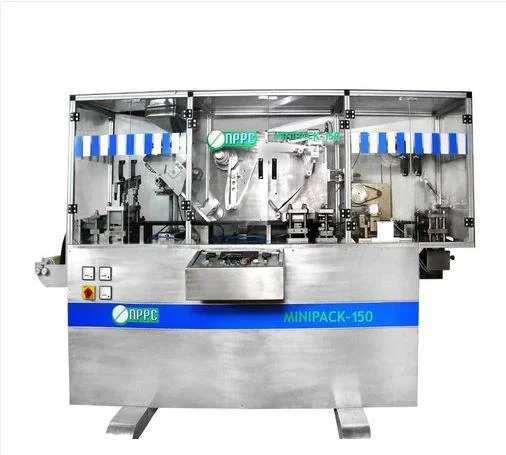
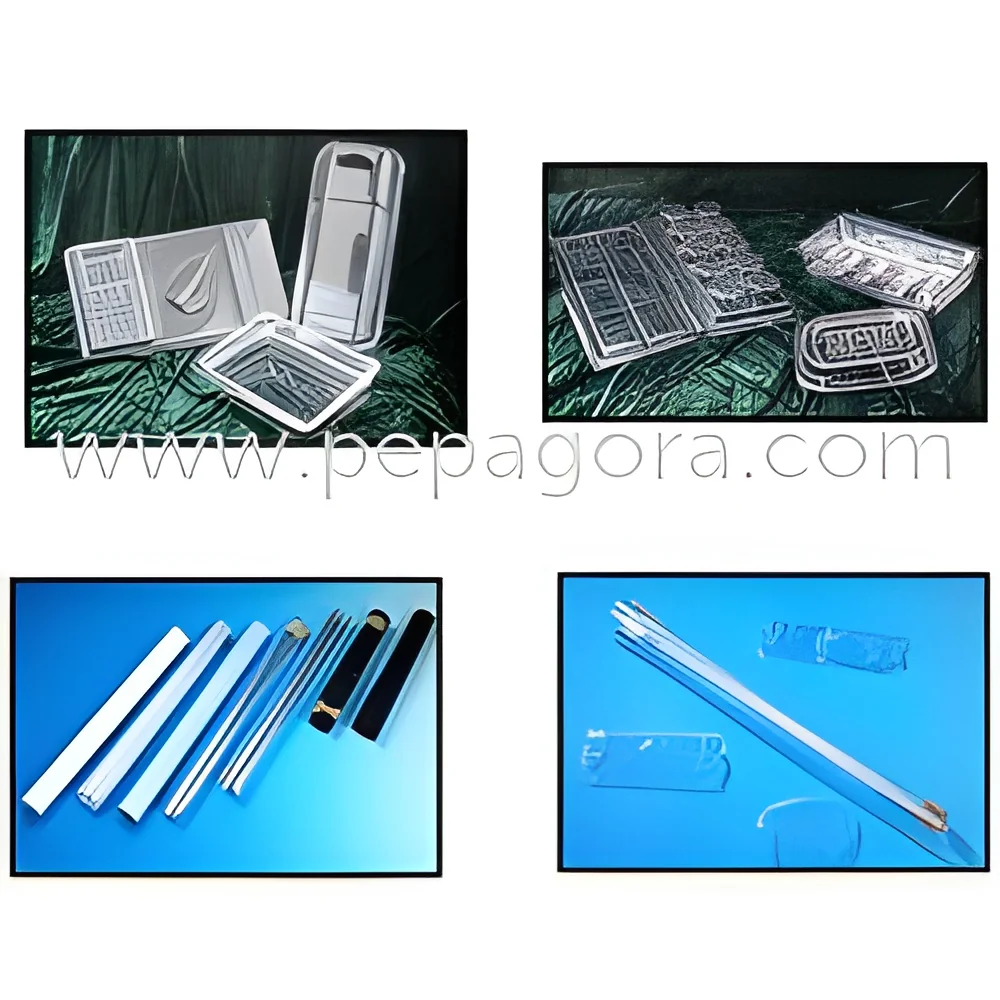
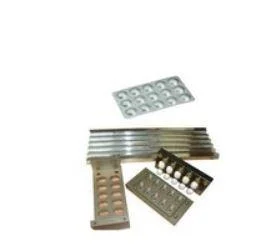
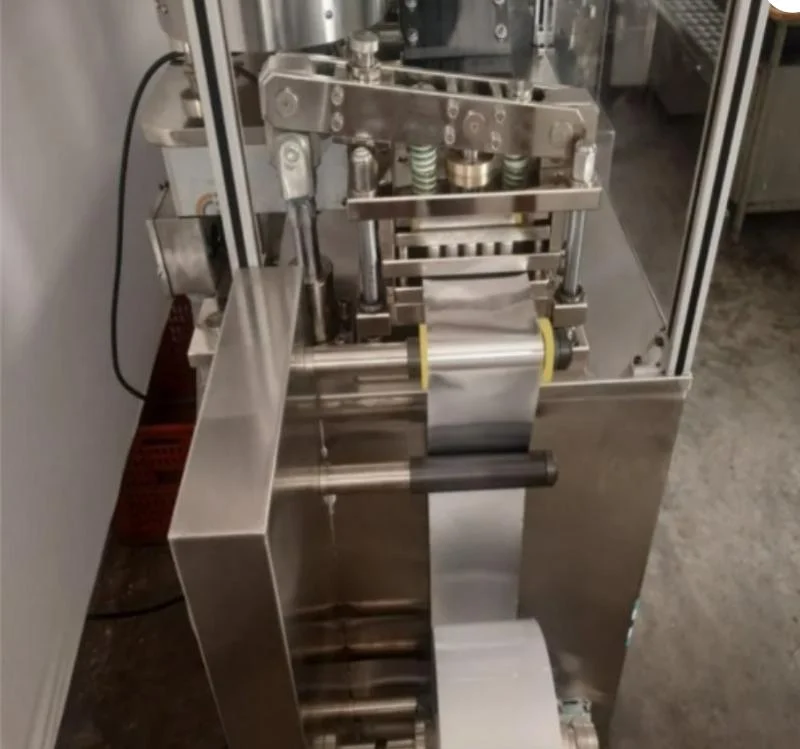
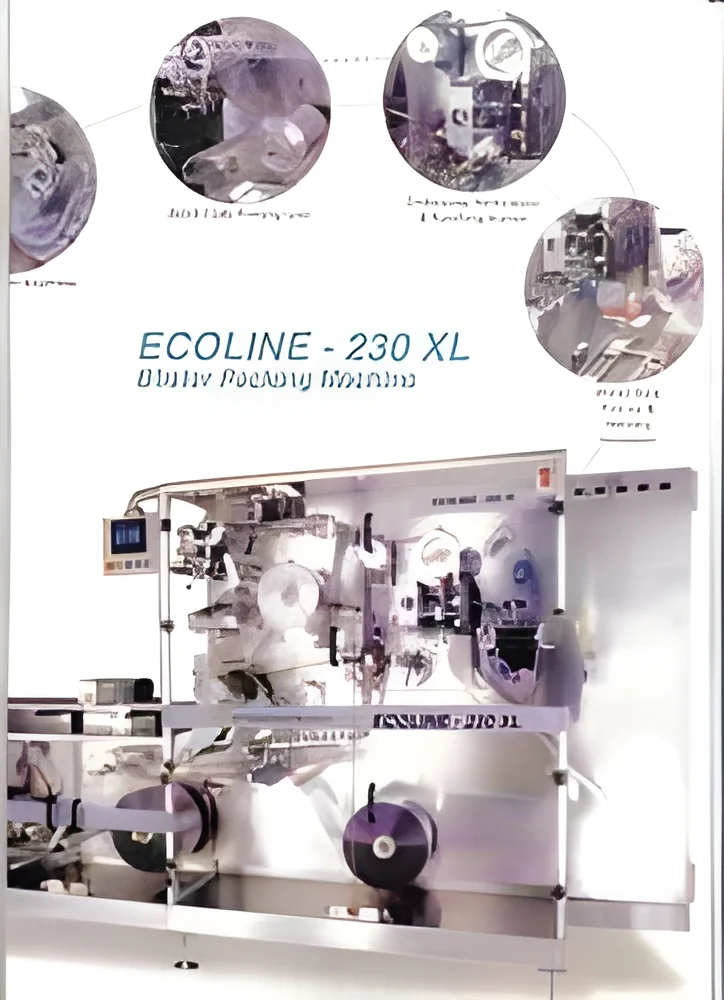
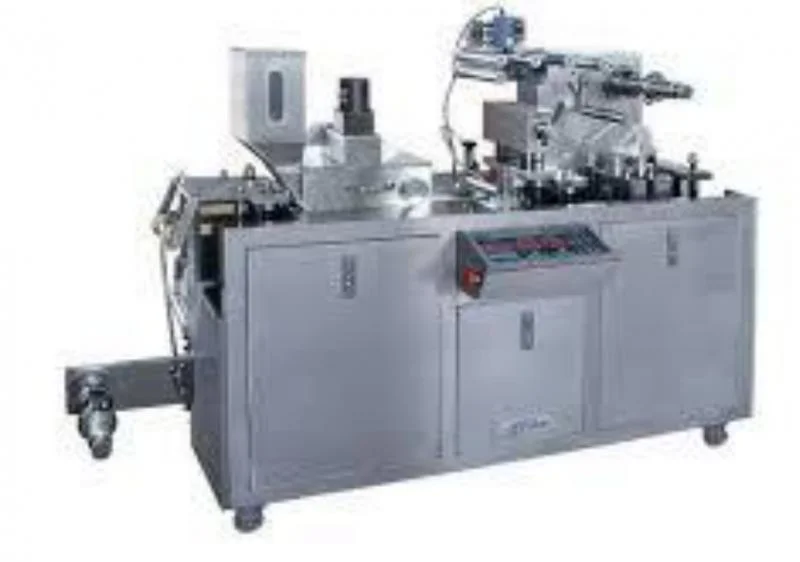
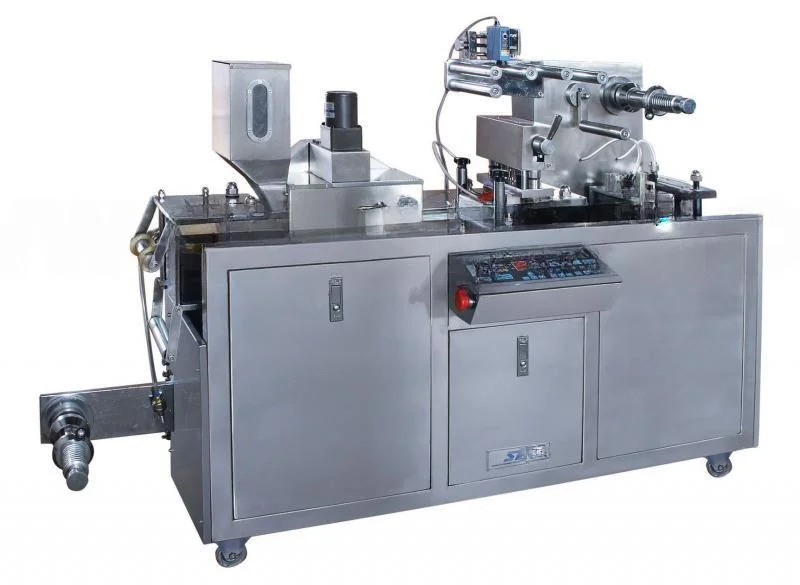
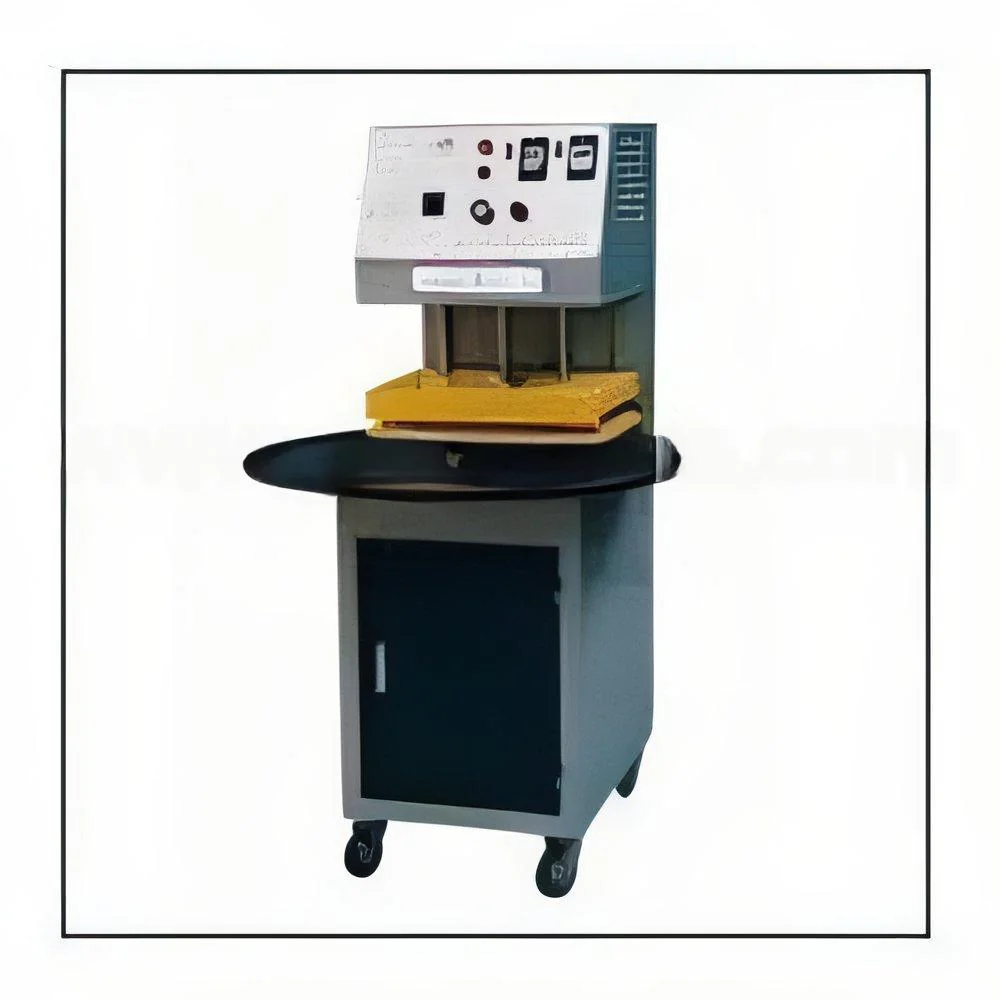
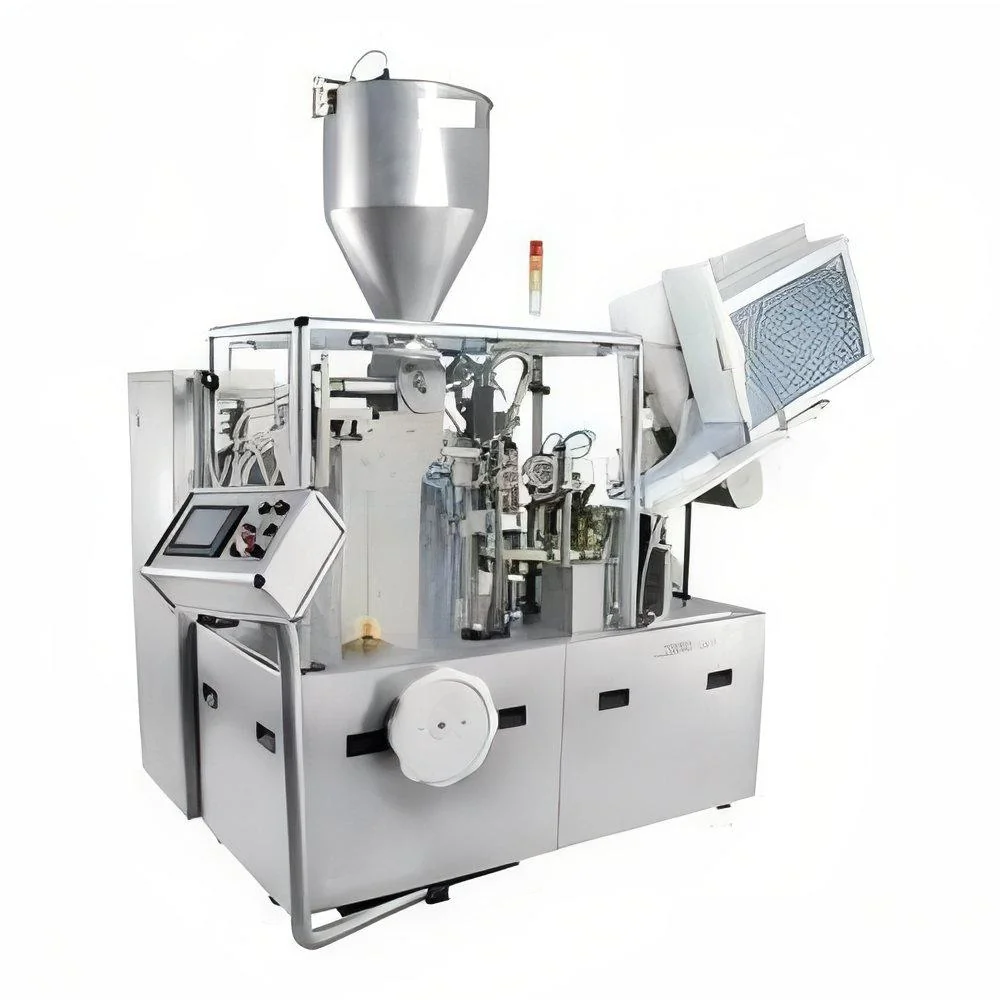
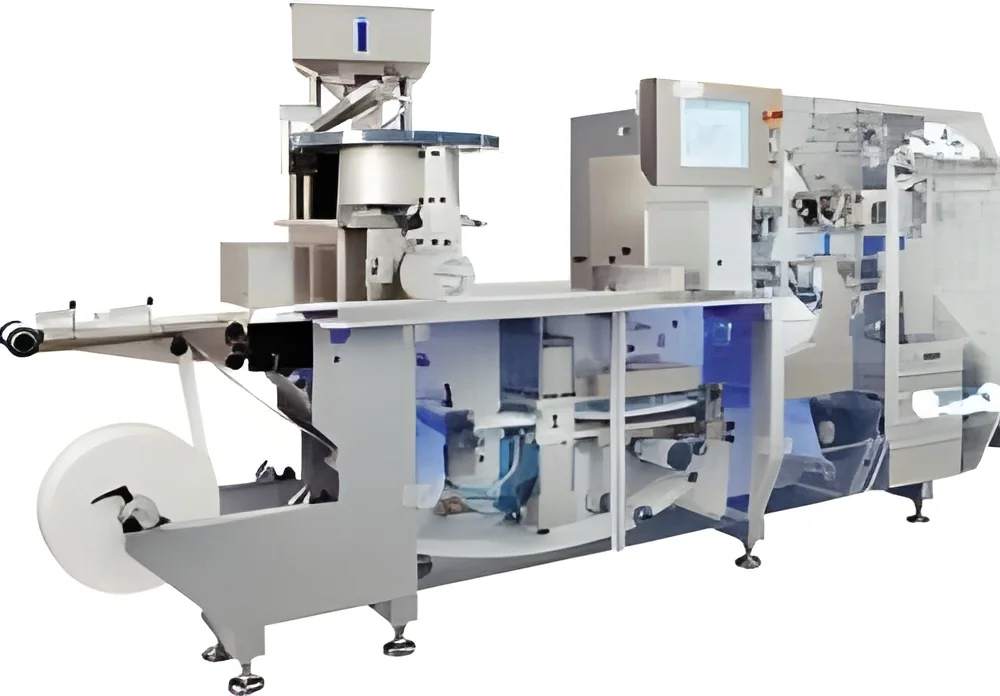
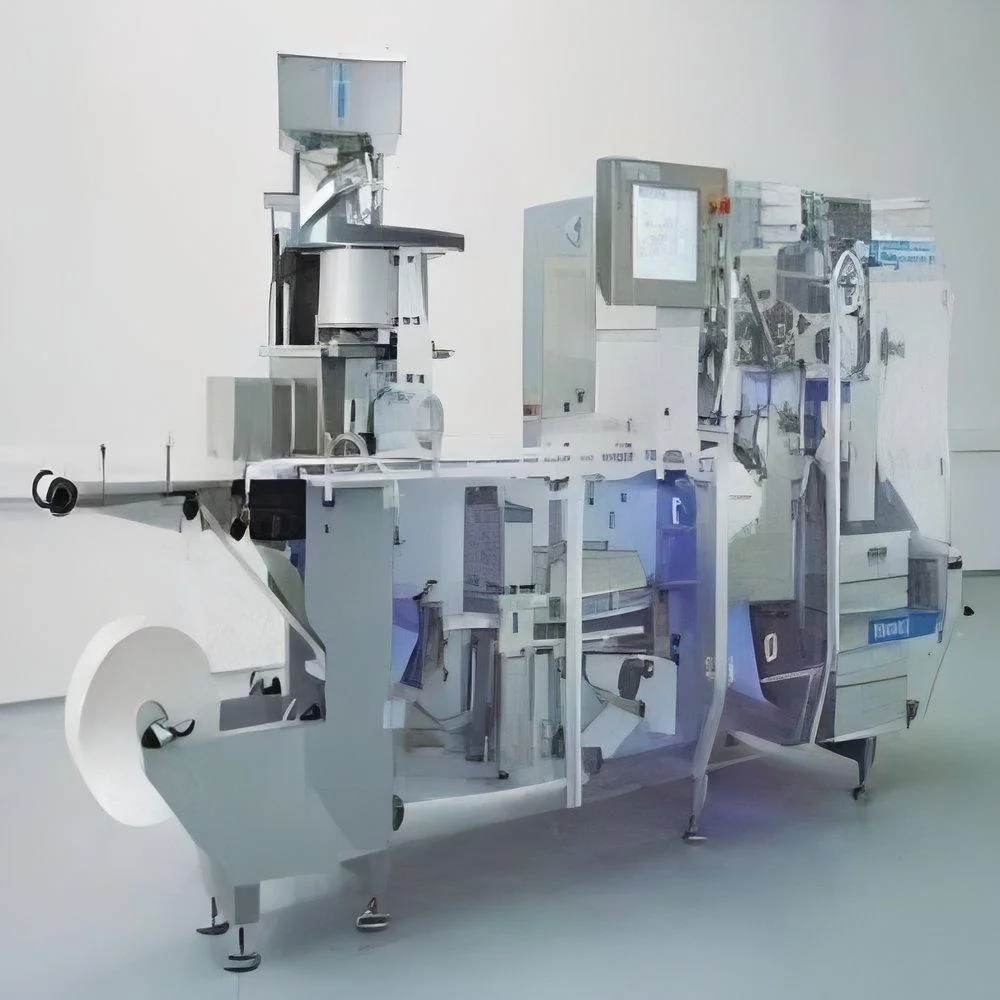
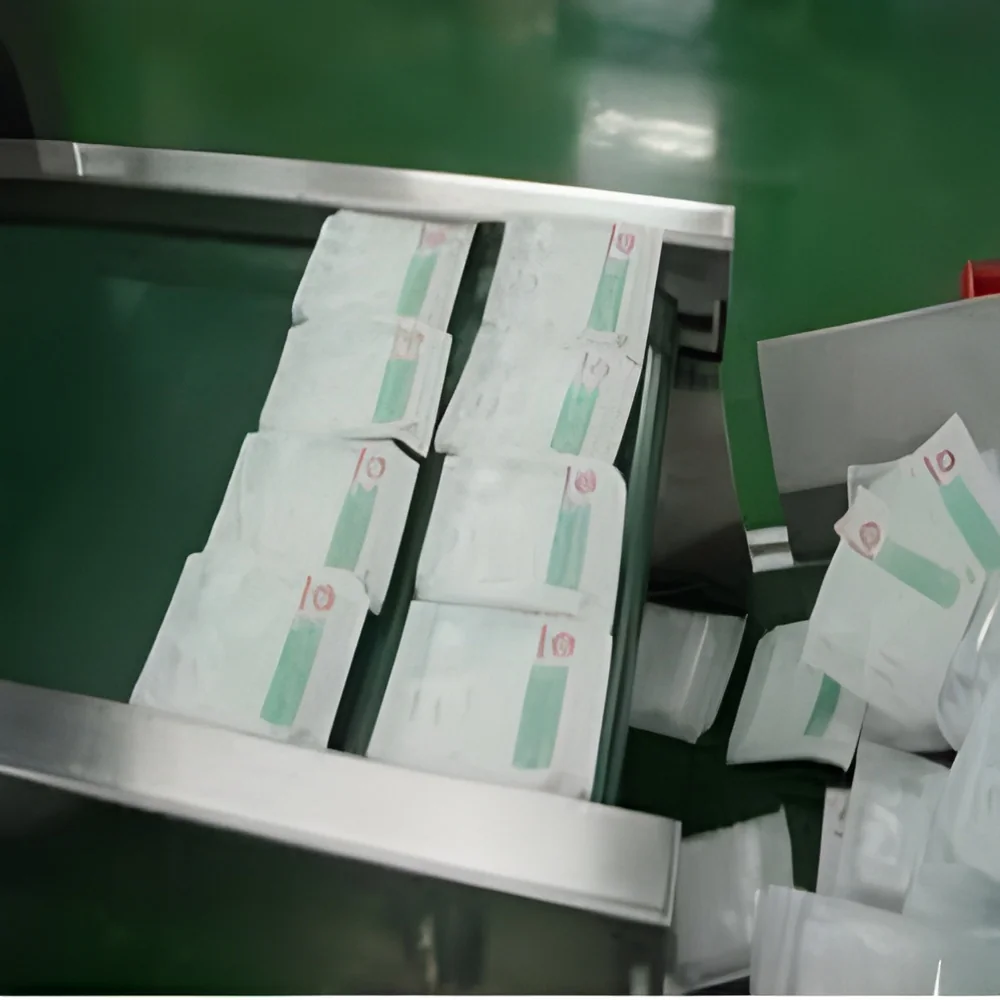
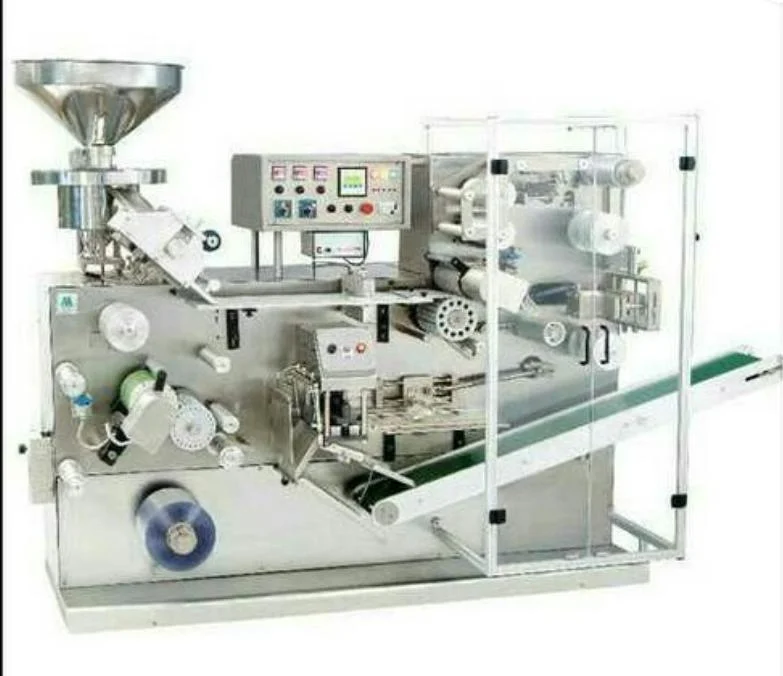
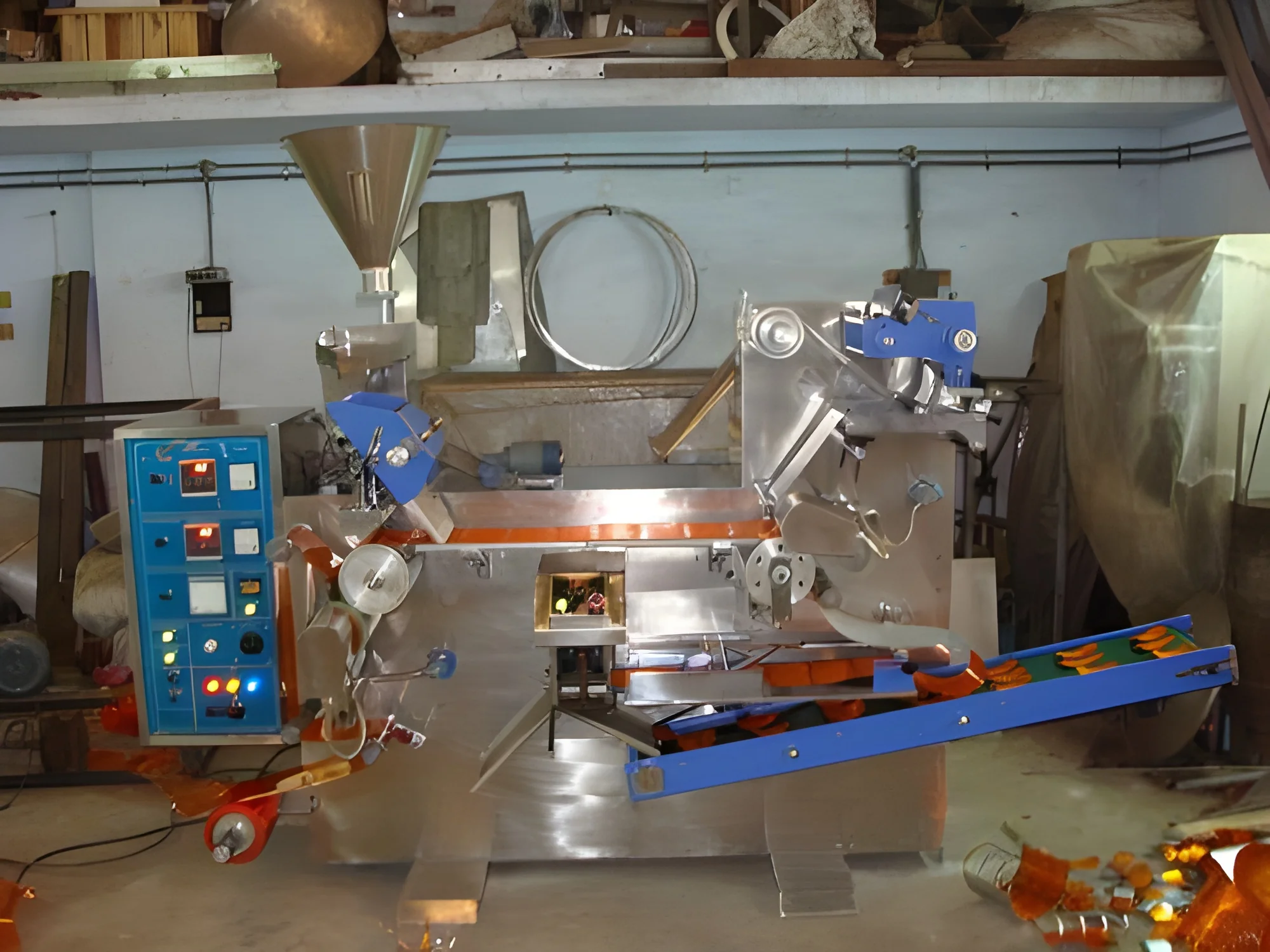
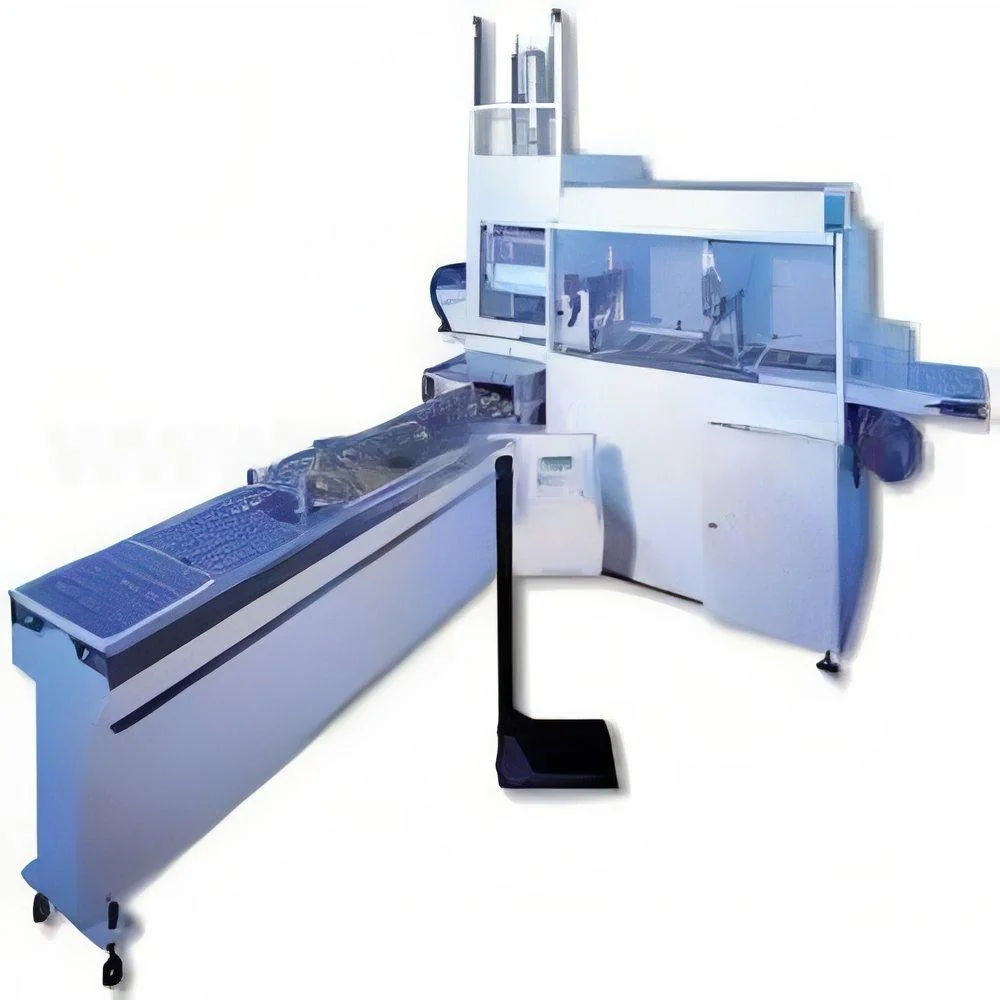
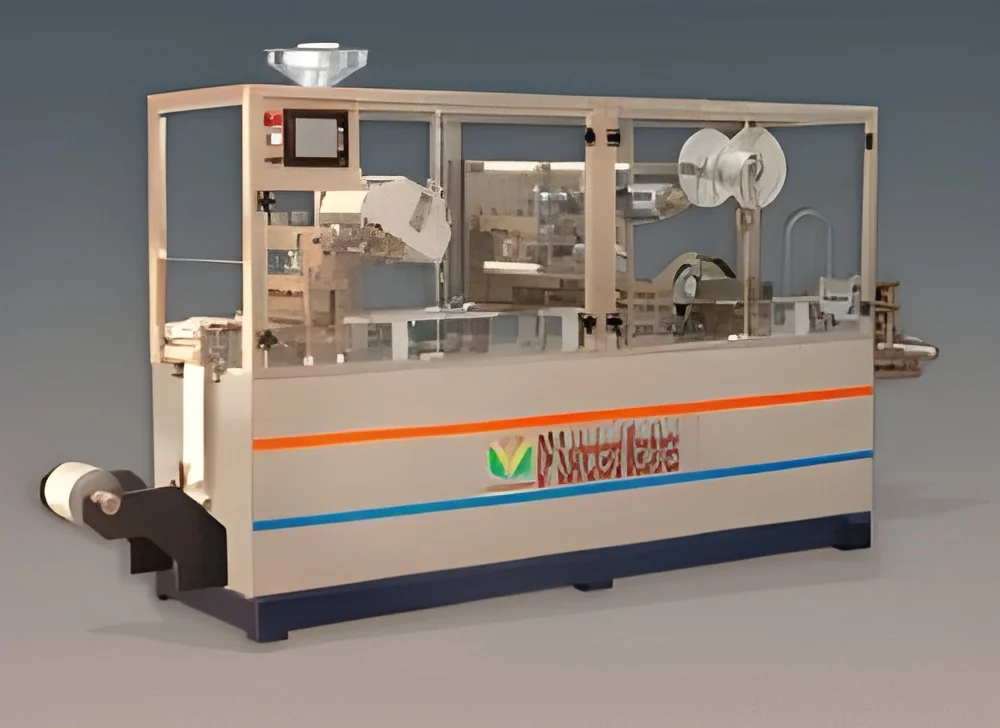
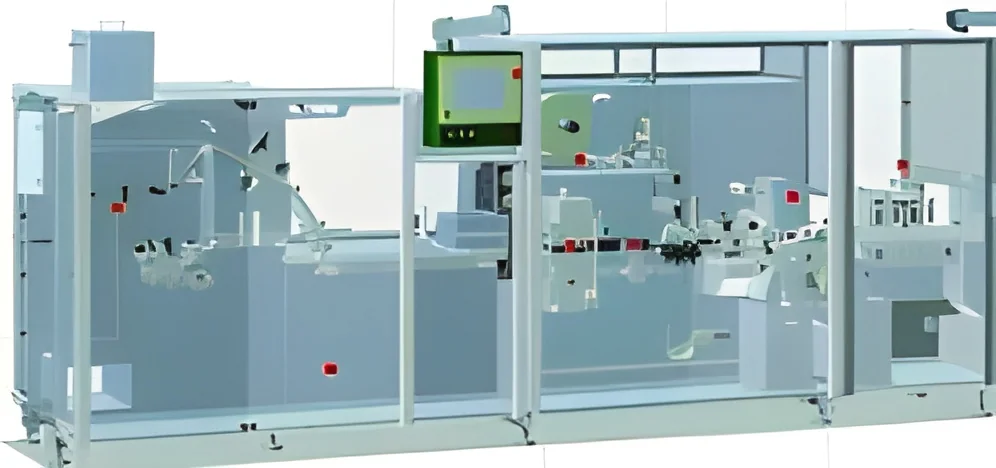
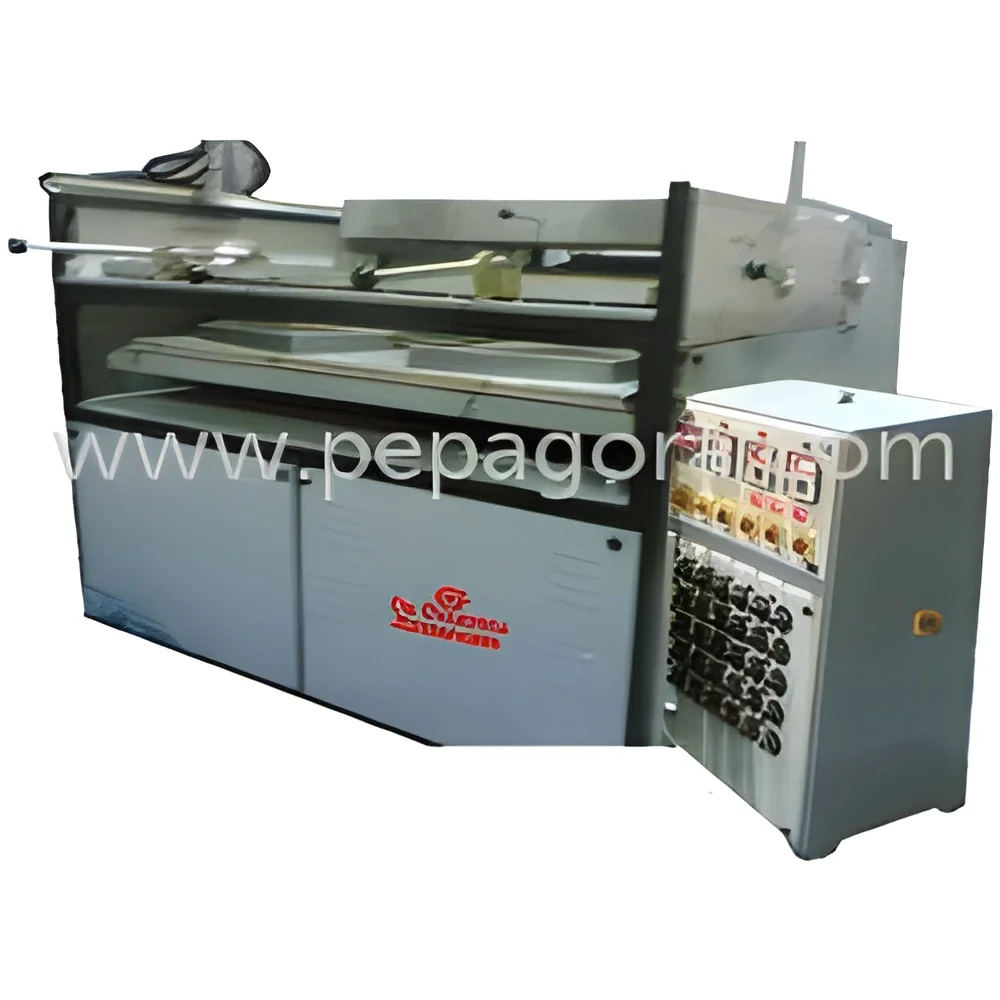
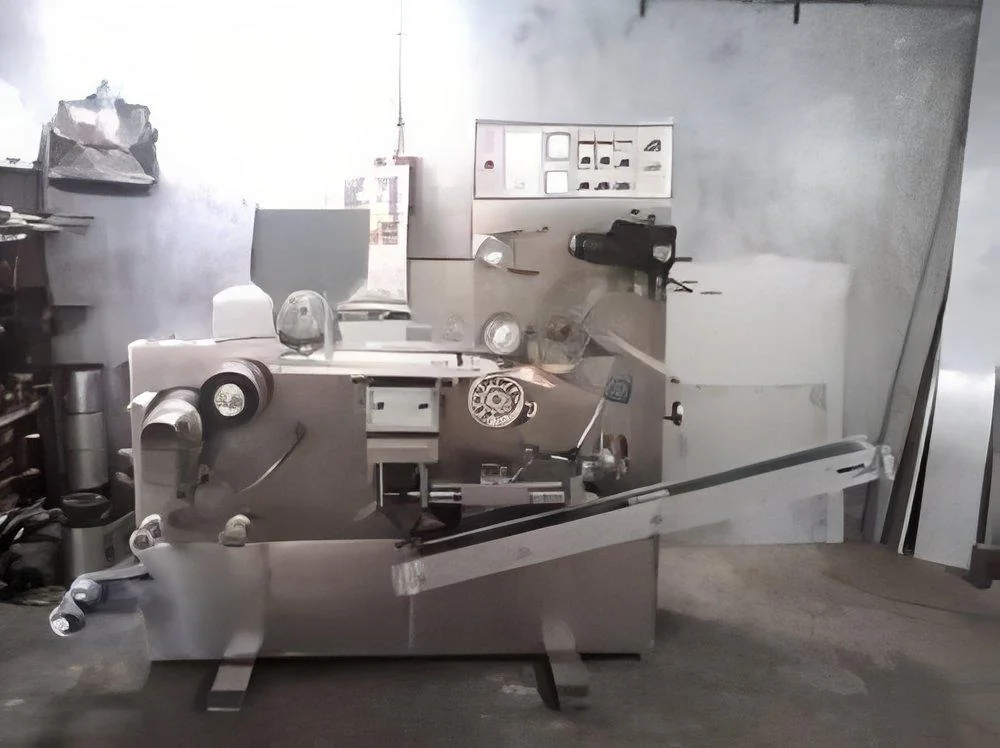
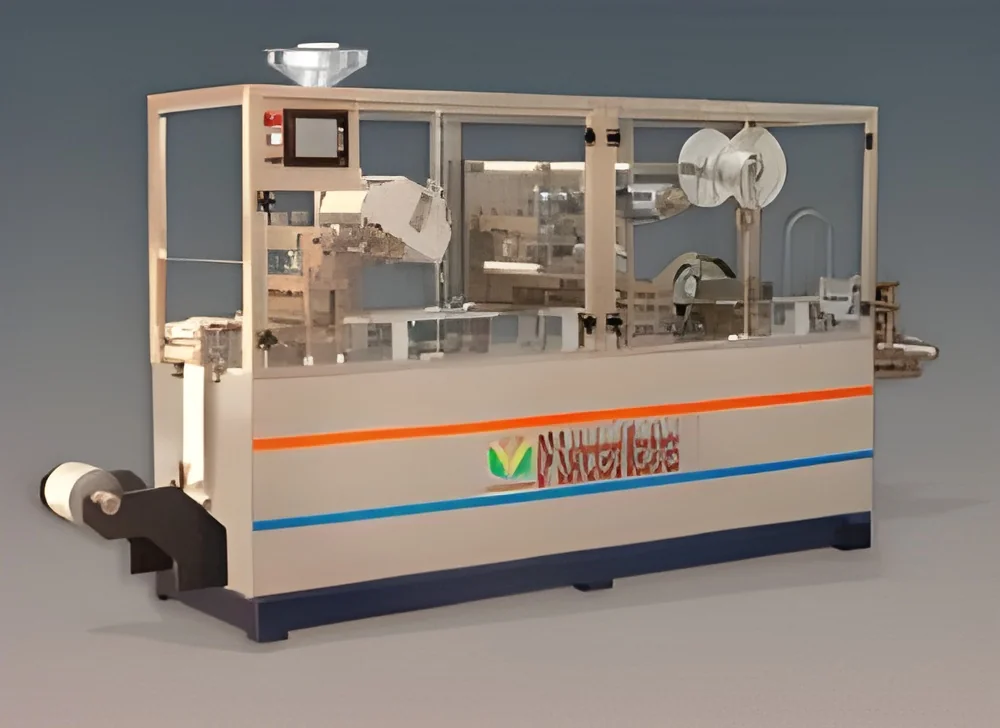
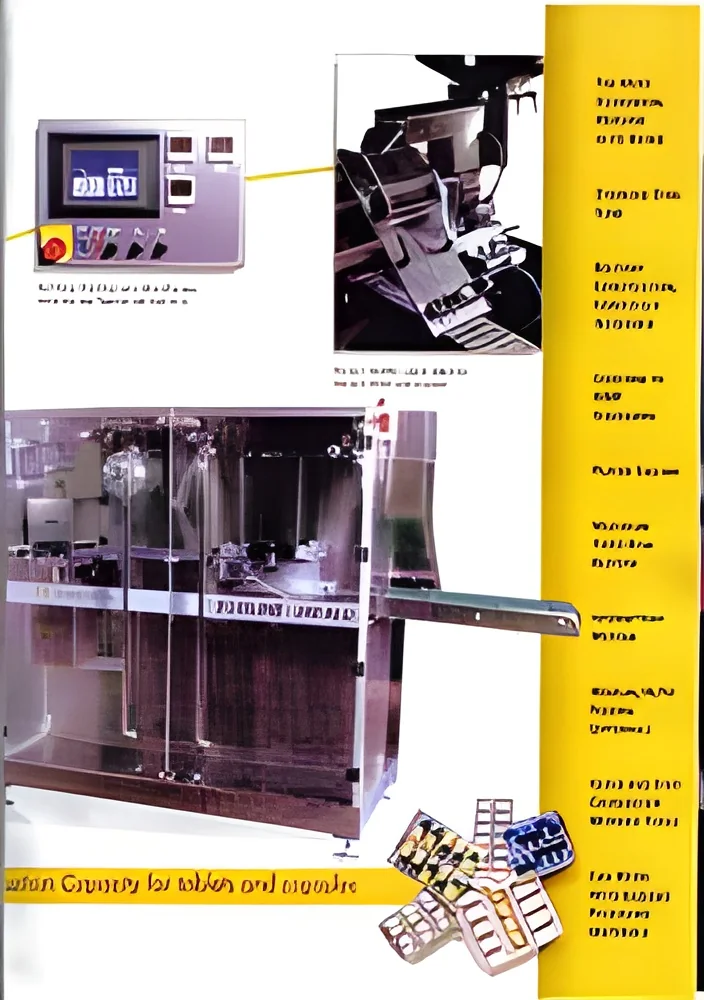
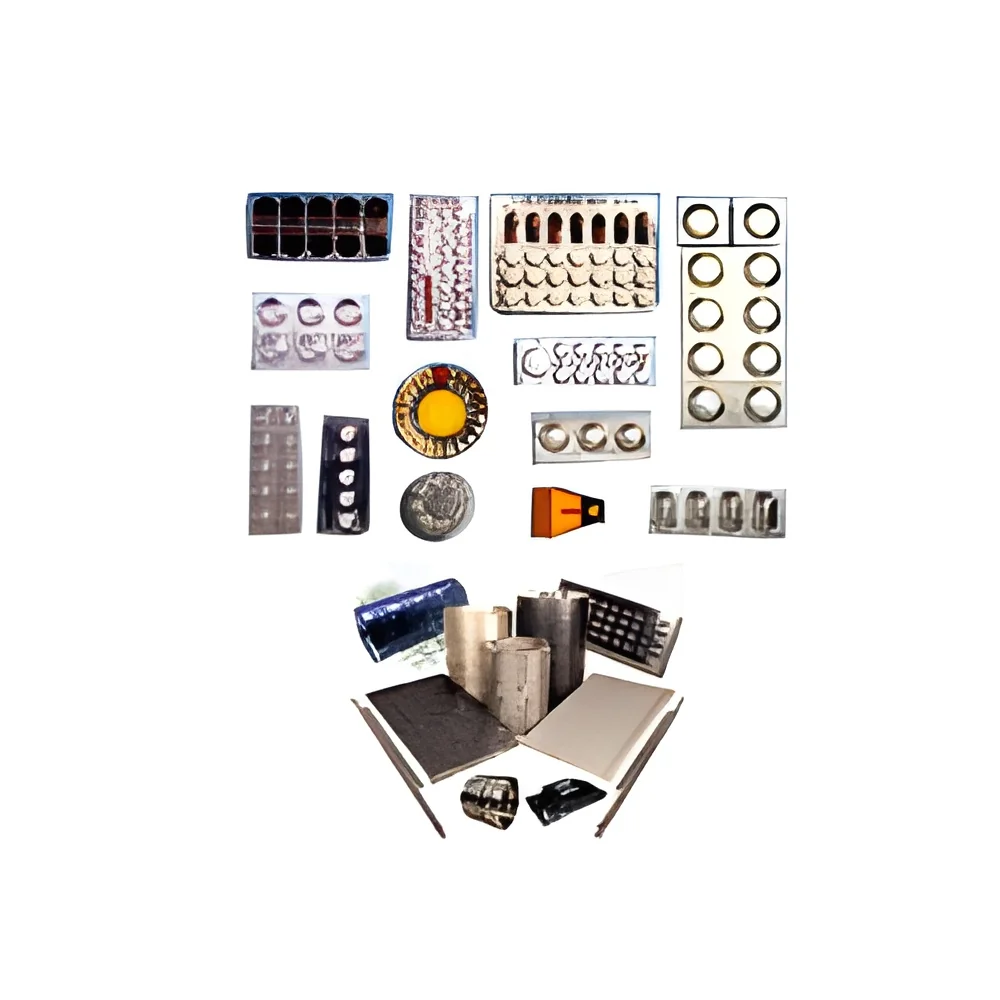
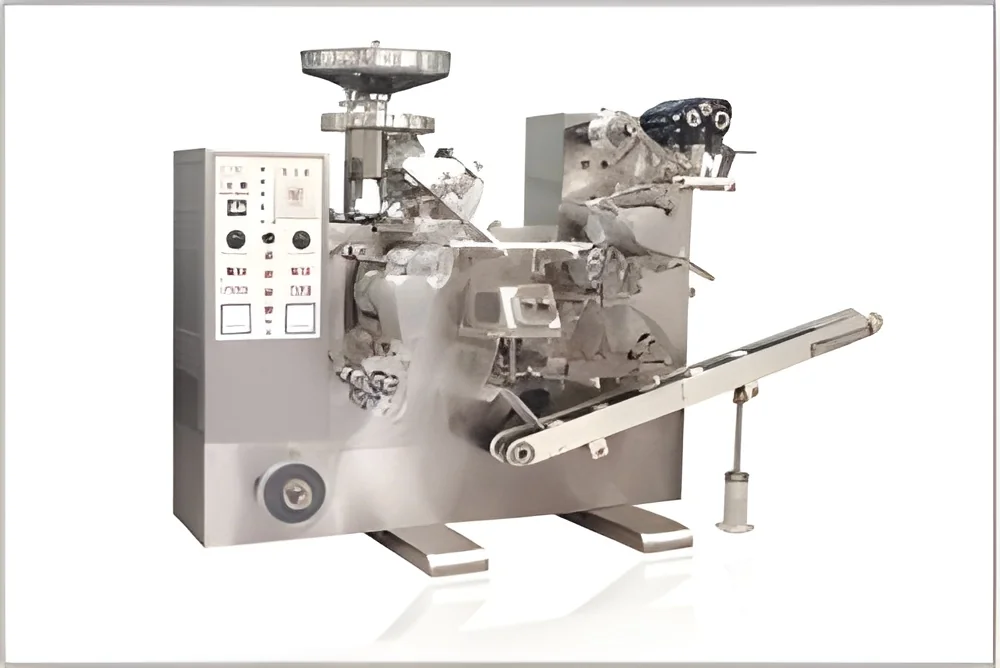
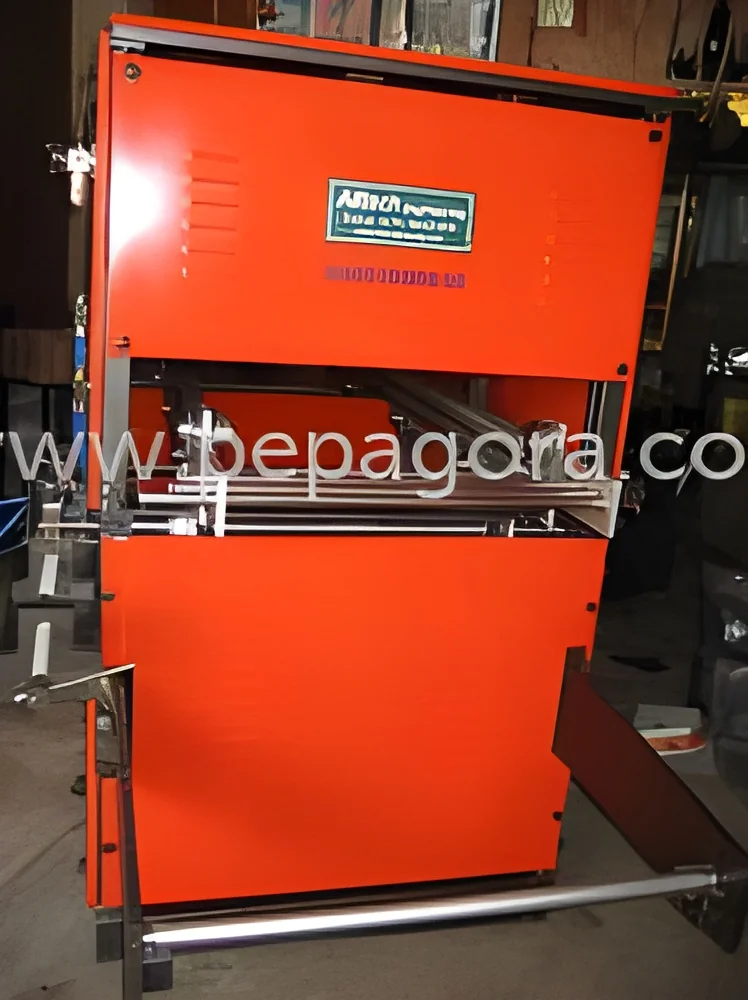
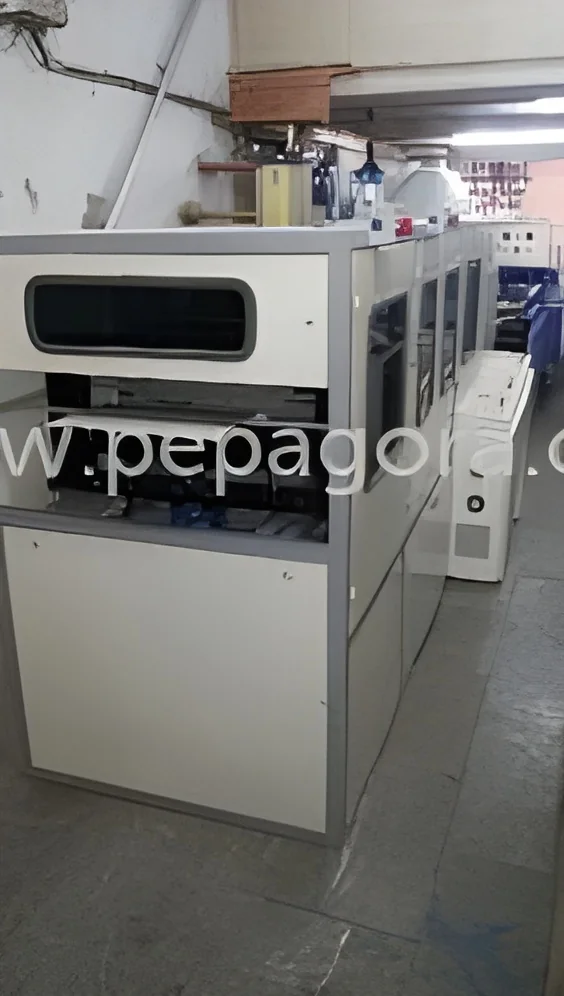
Blister packaging machines are specialized devices designed to create sealed packages, typically made from plastic, that encase products. These machines form a cavity or pocket, which is then filled with items and sealed with a backing material. This type of packaging is prevalent in various industries due to its ability to protect products while providing visibility and ease of access.
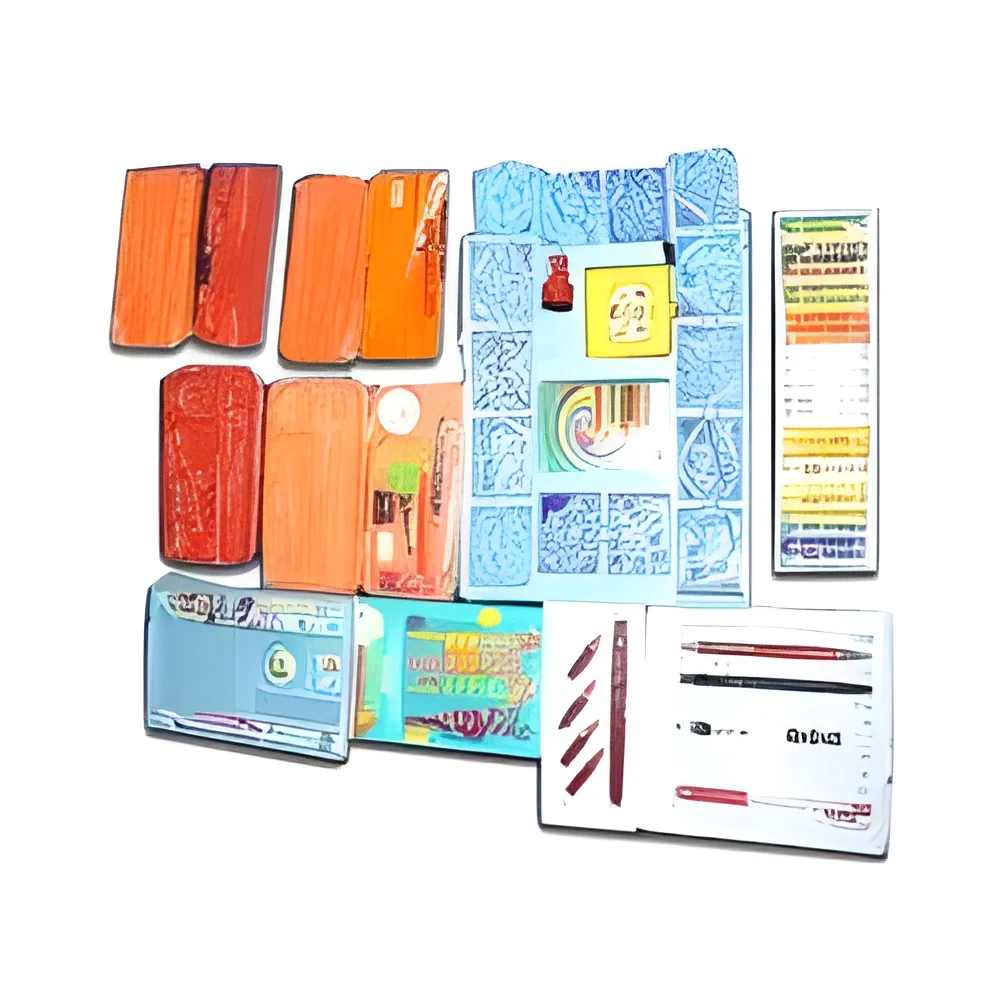
Blister packaging is extensively used in the pharmaceutical, consumer goods, and food industries. For pharmaceuticals, blister packs ensure that medications are kept secure and tamper-proof. In consumer goods, they provide an attractive display for items such as electronics or small tools. The food industry benefits from blister packaging by prolonging shelf life and maintaining product freshness. The demand for blister packaging machines is growing due to the increasing need for efficient and effective packaging solutions in a competitive market.
Key Features and Specifications
Blister packaging machines come with a range of features that enhance their functionality and usability. These features are essential for businesses seeking efficiency and quality in their packaging processes.
Key specifications include:
1. Production Speed
- This specification indicates how many packages can be produced per minute.
- Typical ranges are between 20 to 100 packages per minute, depending on the machine type.
2. Machine Dimensions
- This refers to the physical size of the machine, affecting workspace and integration.
- Standard dimensions vary based on the model but typically range from compact table-top units to larger floor models.
3. Material Compatibility
- Blister machines can work with various materials, ensuring versatile application.
- Common materials include PVC, PET, and aluminum foil.
4. Control Systems
- Modern machines feature advanced control systems for precise operation.
- Options may include PLC (Programmable Logic Controller) systems for automation.
5. Heating Mechanism
- The heating method used in blister sealing affects efficiency and quality.
- Options include electric, infrared, and hot air heating systems.
6. Sealing Mechanism
- This relates to how the blister packs are sealed after filling.
- Common sealing methods include heat sealing and cold sealing.
7. Maintenance Requirements
- This specification outlines the ease of cleaning and upkeep.
- Machines designed for quick disassembly and reassembly can improve productivity.
8. Safety Features
- Safety mechanisms ensure operator protection during machine operation.
- Features may include emergency stop buttons and safety guards.
In summary, understanding the key specifications of blister packaging machines helps buyers select the right model for their operational needs.
Common Applications and Use Cases
Blister packaging machines find applications across multiple industries, ensuring products are well-protected and presented attractively.
1. Pharmaceuticals: In this sector, blister packaging is used for tablets and capsules. It provides a tamper-proof barrier and helps with dosage management.
2. Consumer Electronics: Many small electronic items, such as batteries and chargers, are packaged using blister machines. This packaging showcases the product while preventing damage.
3. Food and Snacks: Certain food items, like candy and single-serve products, utilize blister packaging to maintain freshness and extend shelf life.
4. Health Supplements: Vitamins and dietary supplements often use blister packs for convenience and to ensure product integrity.
5. Tools and Hardware: Small tools and components are frequently packaged in blisters, allowing consumers to see the product while providing secure storage.
6. Cosmetics: Blister packaging is also common in the beauty industry for items like samples and trial sizes, enhancing visibility on retail shelves.
7. Automotive Components: Some automotive parts, especially small pieces, are packaged in blisters to keep them organized and protected from contaminants.
Product Variants and Subcategories
Blister packaging machines come in different variants, each designed to meet specific needs and applications.
Semi-Automatic Blister Packaging Machines: These machines require some manual intervention for loading products but automate the sealing and cutting processes. They are ideal for small to medium production runs.
Fully Automatic Blister Packaging Machines: Designed for high-volume production, these machines handle all aspects of the packaging process with minimal human intervention. They are suitable for large manufacturers looking to maximize efficiency.
Compact Blister Packaging Machines: Targeted at small businesses, these machines are designed for limited space and reduced production needs. They offer essential features without the bulk.
Benefits and Advantages
Investing in blister packaging machines offers several advantages for businesses looking to improve their packaging processes.
1. Enhanced Product Protection: Blister packaging provides a strong barrier against moisture, light, and physical damage, ensuring product integrity.
2. Improved Shelf Life: Properly sealed blister packs can significantly extend the shelf life of sensitive products, especially in the food and pharmaceutical industries.
3. Visual Appeal: Blister packaging allows consumers to see the product before purchase, enhancing marketing effectiveness.
4. Cost Efficiency: Automating the packaging process reduces labor costs and increases production speed, leading to better overall profitability.
5. Customization Options: Blister packaging can be tailored to fit the specific dimensions and branding requirements of various products.
6. Regulatory Compliance: Many blister packaging machines are designed to meet industry standards, ensuring compliance with safety regulations.
Buying Guide for B2B Buyers
When sourcing blister packaging machines, it is important to consider various factors to ensure a successful purchase.
1. Quality Assessment: Evaluate machines based on build quality, durability, and reliability. Look for certifications and testimonials from existing users to gauge performance.
2. Supplier Verification: Vet potential suppliers by checking their credentials, customer reviews, and industry reputation. A reliable supplier can provide ongoing support and service.
3. Pricing and MOQ: Understand the pricing structure and minimum order quantity (MOQ) for machines. Compare options to find the best value without compromising on quality.
4. Delivery and Lead Times: Inquire about delivery schedules and lead times. Timely delivery is essential to maintain production schedules.
5. Compliance Requirements: Ensure the machine adheres to relevant regulations and industry standards. This includes safety certifications and quality assurance processes.
Compliance and Certifications
Blister packaging machines must adhere to various compliance and certification standards to ensure they meet industry requirements.
One of the key quality standards is ISO 9001, which focuses on quality management systems. Compliance with ISO 9001 indicates that a manufacturer has a robust quality management system in place, ensuring consistent product quality.
In addition, certifications such as CE are crucial for machines sold in European markets. CE certification confirms that the equipment meets EU safety, health, and environmental protection standards.
Safety and testing requirements also play a significant role in the compliance of blister packaging machines. Manufacturers must ensure that their machines are tested for safety and reliability before entering the market.
Regional compliance considerations may vary, so it is essential for manufacturers and buyers to be aware of local regulations and standards that apply to their specific industries.
Why Source Blister Packaging Machines from Pepagora?
Pepagora offers a reliable platform for sourcing blister packaging machines, featuring a range of benefits for B2B buyers.
Verified Supplier Network: Pepagora connects buyers with a network of verified suppliers. Each supplier is thoroughly vetted to ensure they meet quality standards and can deliver reliable products.
Streamlined RFQ Process: The request for quotation (RFQ) process on Pepagora is designed to be efficient and straightforward. Buyers can quickly compare quotations from multiple suppliers to make informed decisions.
Trade Assurance and Support: Pepagora provides buyer protection through trade assurance, offering support and assistance throughout the purchasing process. This ensures that buyers can make purchases with confidence.
Regional Coverage: With a strong presence in India, the GCC, and Southeast Asia, Pepagora offers extensive regional coverage. This geographic reach ensures that buyers can find suitable suppliers regardless of their location.

 IN
IN