What are Ylang Ylang Essential Oil?
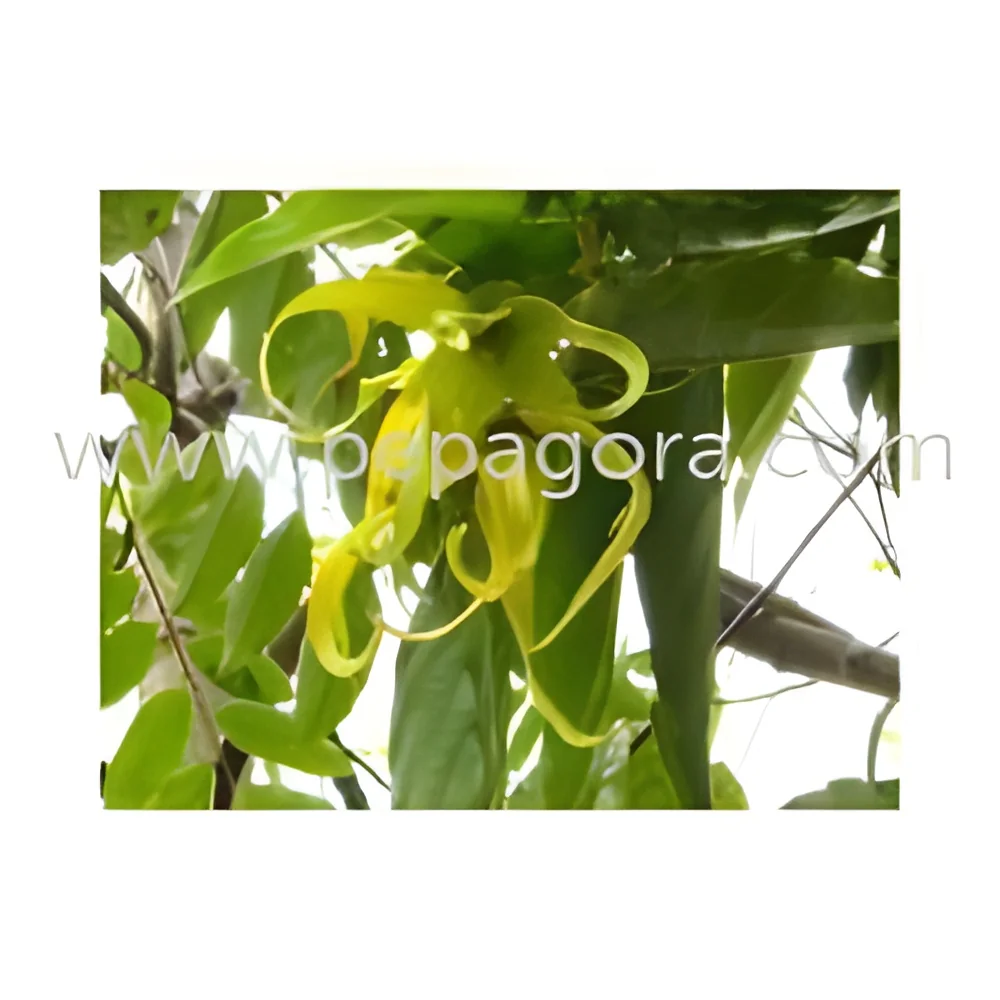
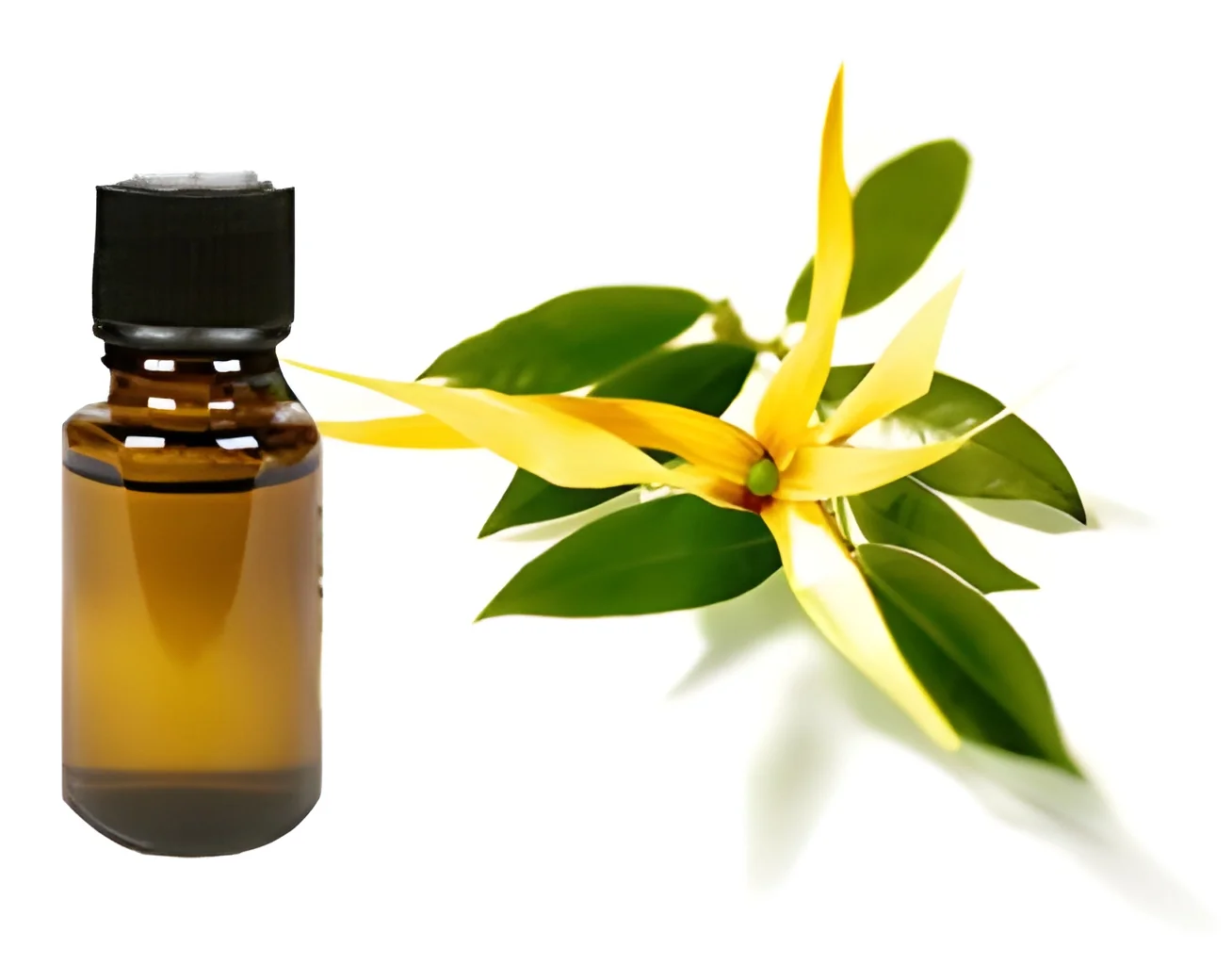
Ylang Ylang Essential Oil is derived from the flowers of the Cananga odorata tree, primarily found in tropical regions. Known for its sweet, floral aroma, this essential oil is a staple in aromatherapy and perfumery. The extraction process typically involves steam distillation, which preserves the oil's delicate fragrance and therapeutic properties. Ylang Ylang is celebrated for its potential benefits, including mood enhancement and stress relief.
In the business context, Ylang Ylang Essential Oil is utilized across various industries, including cosmetics, personal care, and food and beverage. It serves as a key ingredient in perfumes, skincare products, and even culinary applications. The oil's versatility makes it an attractive option for manufacturers looking to enhance their product offerings. As the demand for natural and organic products rises, Ylang Ylang Essential Oil holds significant relevance in the market.
Key Features and Specifications
Ylang Ylang Essential Oil boasts several key features that cater to various industrial needs. Understanding its specifications is crucial for businesses looking to incorporate this oil into their products.
Key specifications include:
1. Aroma Profile
- Sweet, floral scent with calming properties
- Popular in aromatherapy and fragrance formulations
2. Extraction Method
- Steam distillation from fresh Ylang Ylang flowers
- Ensures preservation of aromatic and therapeutic qualities
3. Purity Level
- Typically available in 100% pure form
- Quality may vary based on supplier and processing methods
4. Shelf Life
- Generally stable for 2-3 years when stored properly
- Should be kept away from direct sunlight and heat
5. Packaging Options
- Available in various sizes, from small vials to bulk containers
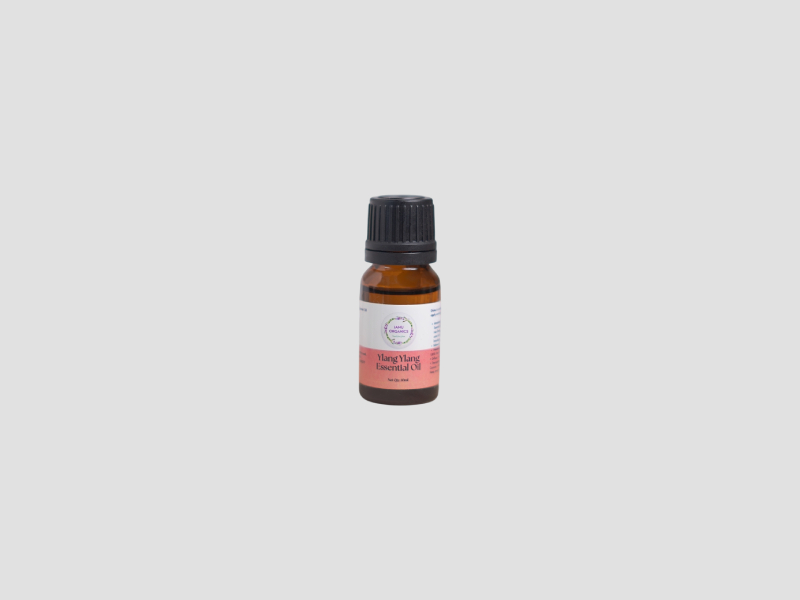
- Should be stored in dark glass bottles to maintain integrity
6. Color
- Pale yellow to amber in color
- Indicates the quality and extraction process
7. Chemical Composition
- Contains components like linalool and geranyl acetate
- Contributes to its aromatic and therapeutic properties
In summary, understanding these features and specifications helps businesses select the right Ylang Ylang Essential Oil for their specific applications.
Common Applications and Use Cases
Ylang Ylang Essential Oil has diverse applications across multiple industries.
1. Cosmetics: Used in skincare formulations for its moisturizing and soothing properties. It is often included in creams, lotions, and serums.
2. Perfumery: A key ingredient in high-end perfumes, providing a distinctive floral note. Its scent profile enhances the overall fragrance experience.
3. Aromatherapy: Widely used in diffusers and massage oils for its calming effects. It promotes relaxation and emotional well-being.
4. Food and Beverage: Occasionally used as a flavoring agent in culinary applications, particularly in Asian cuisine. It adds a unique taste to certain dishes.
5. Wellness Products: Common in herbal products and supplements aimed at reducing stress. Its therapeutic properties are recognized in holistic health.
6. Household Products: Incorporated into candles and home fragrances for its pleasant aroma. It helps create a soothing environment.
7. Spa and Massage: Frequently used in spa treatments for relaxation and stress relief. Its aromatic qualities enhance the overall experience.
Product Variants and Subcategories
While Ylang Ylang Essential Oil is primarily available in its pure form, variations may exist based on extraction and processing methods.
Ylang Ylang Extra
This variant is derived from the first distillation of the flowers, offering the highest quality oil. It is characterized by a rich and complex aroma, making it ideal for luxury perfumes and high-end cosmetic products.
Ylang Ylang Complete
Obtained from multiple distillations, this oil has a more balanced scent profile. It is often used in aromatherapy and personal care products, combining both floral and earthy notes.
Ylang Ylang I, II, III
These variants represent different fractions of distillation, with Ylang Ylang I being the most fragrant. They are typically used in varying concentrations depending on the desired aroma strength in formulations.
Benefits and Advantages
Ylang Ylang Essential Oil provides numerous benefits for businesses looking to enhance their product lines.
1. Versatility: Can be used across multiple industries, including cosmetics, food, and wellness. Its applications make it a valuable ingredient.
2. Natural Aroma: Offers a unique and appealing scent profile that enhances consumer products. Its floral fragrance is highly sought after.
3. Mood Enhancement: Known for its calming and uplifting effects, making it popular in aromatherapy. It can improve product appeal in wellness markets.
4. Eco-Friendly: Sourced from natural ingredients, aligning with the growing demand for sustainable products. This can enhance brand image.
5. Therapeutic Properties: Offers potential health benefits, such as stress relief and mood improvement. This can be a selling point for health-focused brands.
6. Quality Assurance: Available in high purity levels, ensuring that businesses receive a reliable product. This is critical for maintaining product integrity.
Buying Guide for B2B Buyers
When sourcing Ylang Ylang Essential Oil, businesses should consider several important factors.
1. Quality Assessment: Ensure the oil is 100% pure and derived from reputable sources. Look for suppliers who provide quality testing and certification.
2. Supplier Verification: Vet suppliers for their reputation and reliability in the market. Check reviews and seek references to ensure quality service.
3. Pricing and MOQ: Understand the pricing structure and minimum order quantity required by suppliers. This helps in budgeting and inventory management.
4. Delivery and Lead Times: Confirm logistics and delivery schedules to align with production timelines. Timely delivery is crucial for maintaining supply chains.
5. Compliance Requirements: Ensure that the oil meets relevant industry regulations and safety standards. This protects businesses from potential legal issues.
Compliance and Certifications
Ylang Ylang Essential Oil is subject to various quality standards and compliance regulations. Adhering to these standards ensures product safety and efficacy.
Relevant quality standards include ISO 9001, which focuses on quality management systems, and HACCP, which addresses food safety management. Additionally, GDP (Good Distribution Practice) ensures that the oil is stored and transported under appropriate conditions.
Industry certifications, such as CE, indicate compliance with European health, safety, and environmental protection standards. These certifications can enhance buyer confidence and marketability.
Safety and testing requirements are crucial, especially for products intended for personal care or food applications. Regular testing for purity and contamination is essential to ensure consumer safety.
Regional compliance considerations may vary, so businesses should be aware of specific regulations in their target markets. Understanding these requirements can facilitate smoother market entry and product acceptance.
Why Source Ylang Ylang Essential Oil from Pepagora?
Pepagora offers a reliable platform for sourcing Ylang Ylang Essential Oil, providing several advantages to B2B buyers.
Verified Supplier Network: Pepagora connects buyers with a network of verified suppliers, ensuring quality and reliability. This network is crucial for sourcing high-quality essential oils without the risk of fraud.
Streamlined RFQ Process: The platform simplifies the request for quotation (RFQ) process, allowing buyers to easily compare prices and specifications. This efficiency saves time and facilitates informed purchasing decisions.
Trade Assurance and Support: Pepagora offers trade assurance to protect buyers' investments. In case of disputes, the platform provides support to resolve issues, ensuring peace of mind for businesses.
Regional Coverage: With a strong presence in India, the GCC, and Southeast Asia, Pepagora provides extensive regional coverage. This geographic reach helps businesses tap into diverse markets and expand their product offerings.
In conclusion, sourcing Ylang Ylang Essential Oil from Pepagora enables businesses to access high-quality products while benefiting from a robust support system and verified suppliers.

 IN
IN