
 IN
Wooden Room Dividers
2 products available
What are Wooden Room Dividers?
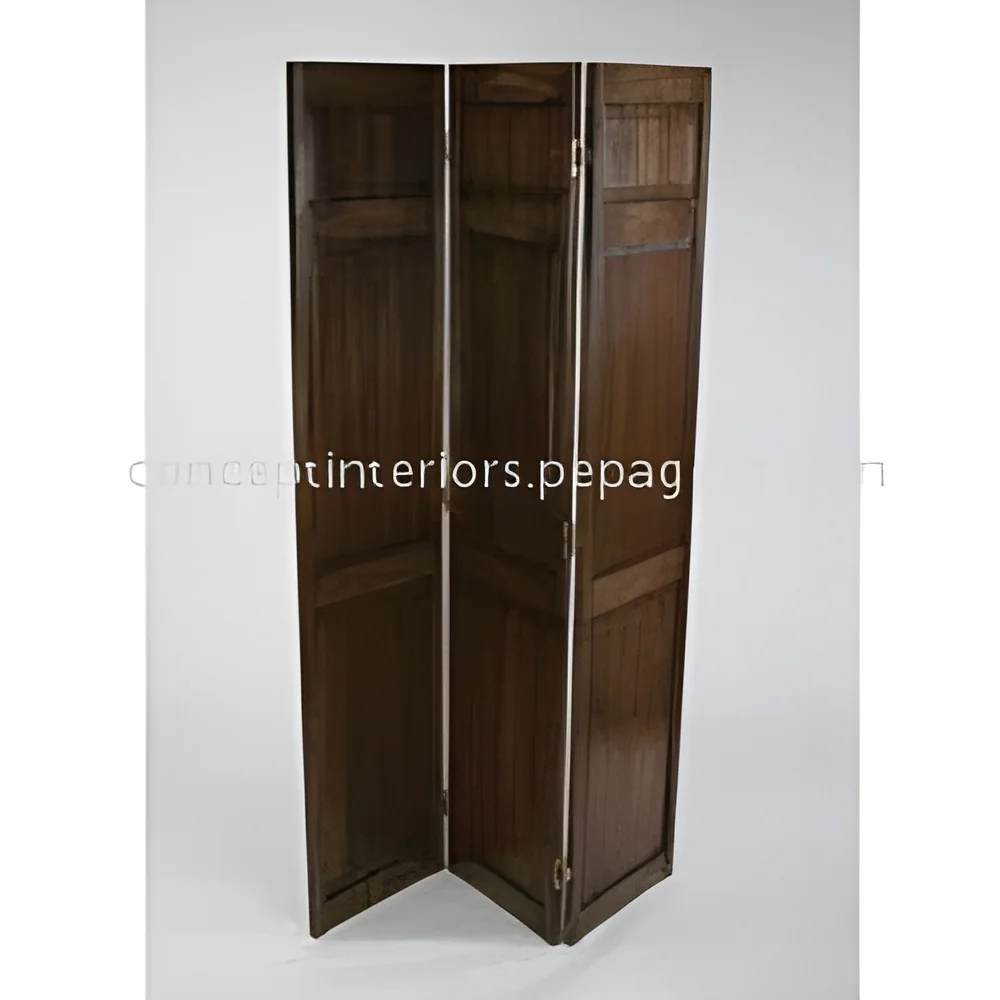
Wooden room dividers are versatile partitions made from timber that effectively separate spaces within a room. They come in various designs and sizes, allowing businesses to customize their environments according to specific needs. These dividers can be freestanding or mounted and are often used to create private areas in open spaces, enhance aesthetics, and provide sound insulation.
The primary uses of wooden room dividers include creating distinct areas in offices, showrooms, and retail spaces. They can also be employed in hospitality settings, such as hotels and restaurants, to delineate dining areas or provide privacy for guests. In addition, wooden dividers can be utilized in educational institutions to create separate learning zones. As businesses increasingly prioritize flexible workspace designs, the demand for wooden room dividers continues to grow.
In the current market, wooden room dividers are particularly relevant in industries focused on interior design, architecture, and real estate. The trend toward open-plan offices and multifunctional spaces has led to a surge in the use of dividers as a practical solution for optimizing space. Companies are looking for sustainable and aesthetically pleasing options, making wooden dividers a popular choice.
Key Features and Specifications
Wooden room dividers are designed with a variety of features to meet different requirements. They offer flexibility in design and functionality, making them suitable for diverse environments.
Key specifications include:
1. Material Composition
- Typically crafted from solid wood or engineered wood.
- Options available in various wood types such as oak, maple, and pine.
2. Dimensions
- Height typically ranges from 4 to 8 feet.
- Width can vary from 2 to 6 feet depending on the model.
3. Design Styles
- Available in traditional, modern, and contemporary styles.
- Custom designs can be created based on client specifications.
4. Finish Options
- Can be stained, painted, or left natural for a rustic look.
- Finishes can include gloss, matte, or semi-gloss.
5. Portability
- Some models are lightweight and easily movable.
- Others may include wheels for added mobility.
6. Acoustic Properties
- Designed to provide sound absorption and minimize noise.
- Suitable for environments requiring privacy and concentration.
7. Assembly Requirements
- Some dividers come pre-assembled, while others require simple assembly.
- Tools may or may not be needed depending on the design.
8. Customization Options
- Available in various colors and textures.
- Custom sizes can be ordered to fit specific spaces.
In summary, wooden room dividers are adaptable products that can be tailored to meet both aesthetic and functional requirements in various settings.
Common Applications and Use Cases
Wooden room dividers serve multiple industries and applications, enhancing both functionality and aesthetics.
1. Office Spaces: Businesses can use dividers to create private workstations in open-plan offices, fostering a more focused work environment.
2. Retail Stores: In retail, dividers help in creating distinct sections for different product categories, improving customer navigation and experience.
3. Hospitality: Hotels and restaurants utilize wooden dividers to create intimate dining spaces or separate waiting areas from service zones.
4. Education: Schools and universities can employ dividers to create different learning environments, allowing for group activities or quiet study areas.
5. Healthcare: Clinics and hospitals can use dividers to ensure patient privacy in waiting areas or examination rooms.
6. Events: Event planners often use wooden dividers to create designated areas for different activities, enhancing the overall flow of the event.
7. Residential: Homeowners can utilize dividers in large living spaces to create cozy nooks or separate areas for children and adults.
Product Variants and Subcategories
Wooden room dividers come in various styles and configurations to cater to different customer needs.
Freestanding Room Dividers
These dividers are self-supporting and can be easily moved around. They are ideal for temporary setups or spaces that require frequent reconfiguration. Freestanding dividers often feature decorative designs that enhance the overall aesthetic of the environment.
Wall-Mounted Dividers
These dividers are fixed to the wall and provide a permanent solution for space separation. Wall-mounted options are often used in offices or retail environments where a stable division is required. They can also be designed to include shelving or display features.
Accordion Room Dividers
Accordion-style dividers are collapsible and can be expanded or retracted as needed. They are perfect for spaces that require flexible separation, such as conference rooms or multipurpose areas. This variant is particularly useful in settings where space optimization is crucial.
Benefits and Advantages
Wooden room dividers offer numerous benefits for businesses seeking to enhance their environments.
1. Space Optimization: They allow for the efficient use of space, creating functional areas within larger environments.
2. Aesthetic Appeal: Wooden dividers add a natural and warm look to any space, improving overall design and ambiance.
3. Privacy Enhancement: They provide necessary privacy in shared spaces, making them suitable for offices and healthcare settings.
4. Flexibility: Many models are easily movable or adjustable, allowing for quick reconfiguration of spaces as needs change.
5. Sound Insulation: Wooden dividers help reduce noise levels, contributing to a more focused and productive environment.
6. Sustainable Options: Many wooden dividers are made from sustainably sourced materials, appealing to environmentally conscious businesses.
Buying Guide for B2B Buyers
When sourcing wooden room dividers, it is essential to consider various factors to ensure the best fit for your needs.
1. Quality Assessment: Evaluate the quality of materials and craftsmanship. Look for solid wood options or high-quality engineered wood to ensure durability.
2. Supplier Verification: Vet suppliers by checking their reputation, customer reviews, and certifications. Reliable suppliers should provide transparency regarding their production processes.
3. Pricing and MOQ: Understand the pricing structure and minimum order quantities. Compare multiple suppliers to find competitive rates while ensuring quality.
4. Delivery and Lead Times: Confirm lead times for production and delivery. Ensure that suppliers can meet your project timelines.
5. Compliance Requirements: Be aware of any regulatory standards that apply to your industry, ensuring that the dividers meet necessary safety and quality certifications.
Compliance and Certifications
Wooden room dividers must adhere to various compliance and certification standards that ensure their quality and safety in commercial environments.
Relevant quality standards include ISO 9001, which focuses on quality management systems, ensuring that manufacturers maintain high production standards. Other industry certifications such as CE mark indicate compliance with EU safety standards, affirming that products have been tested for safety and reliability.
Safety and testing requirements may involve ensuring that materials used in the dividers are non-toxic and meet fire safety regulations. Manufacturers should provide documentation proving compliance with these safety standards.
Additionally, regional compliance considerations vary depending on the location of use. Businesses should verify that the products meet local regulations regarding building materials and indoor air quality.
Why Source Wooden Room Dividers from Pepagora?
Pepagora offers a trusted platform for sourcing wooden room dividers, providing several key advantages to B2B buyers.
Verified Supplier Network: Pepagora connects buyers with a network of verified suppliers, ensuring that you can source high-quality wooden room dividers from reputable manufacturers. This level of supplier verification helps mitigate risks associated with procurement.
Streamlined RFQ Process: The platform simplifies the request for quotation process, allowing businesses to easily compare offerings from different suppliers. This feature saves time and ensures that buyers can make informed decisions based on competitive pricing and specifications.
Trade Assurance and Support: Buyers benefit from trade assurance programs that protect their purchases, ensuring that products meet agreed-upon standards. Pepagora also offers support throughout the procurement process, helping to resolve any issues that may arise.
Regional Coverage: With a strong presence in India, the GCC, and Southeast Asia, Pepagora provides extensive regional coverage, making it easier for businesses in these areas to access quality wooden room dividers tailored to their specific needs.


 India

Frequently Asked Questions
What are Wooden Room Dividers?
Wooden Room Dividers are functional and decorative partitions made from wood, designed to create separate areas within a room. They serve various purposes, such as enhancing privacy, defining spaces, and adding aesthetic appeal to interiors.
What are the different types of Wooden Room Dividers?
There are several types of Wooden Room Dividers including folding screens, sliding panels, and fixed partitions. Each type can vary in design, size, and functionality, catering to different space requirements and personal preferences.
How do I choose the right Wooden Room Dividers?
When selecting Wooden Room Dividers, consider factors such as the size of the space, the intended use, and the design style of your interior. Additionally, assess the material quality and durability to ensure long-lasting use.
What are the standard specifications for Wooden Room Dividers?
Standard specifications for Wooden Room Dividers typically include dimensions, weight capacity, and material type. Common materials include solid wood, plywood, or engineered wood, with dimensions varying based on the specific design and intended application.
What is the price range for Wooden Room Dividers?
The price range for Wooden Room Dividers can vary widely based on factors such as size, design complexity, and material quality. Generally, prices can start from a few thousand rupees and go up to tens of thousands for more intricate and larger designs.
What quality standards apply to Wooden Room Dividers?
Quality standards for Wooden Room Dividers often include durability, finish quality, and adherence to safety regulations. Manufacturers may also comply with industry-specific standards to ensure the products meet consumer safety and quality expectations.
Where can I find Wooden Room Dividers suppliers in India?
You can find Wooden Room Dividers suppliers in India through online B2B marketplaces such as Pepagora, trade shows, and local furniture stores. Conducting a search online can help you locate reputable manufacturers and suppliers in your area.
Can Wooden Room Dividers be customized?
Yes, many manufacturers offer customization options for Wooden Room Dividers. Customers can often choose specific dimensions, finishes, and designs to better suit their unique requirements and preferences.
What is the typical minimum order quantity for Wooden Room Dividers?
The typical minimum order quantity (MOQ) for Wooden Room Dividers can vary by supplier, but it generally ranges from a few pieces to larger quantities. It's advisable to check with individual manufacturers for their specific MOQ policies.
What is the typical lead time for Wooden Room Dividers?
The typical lead time for Wooden Room Dividers can vary based on customization, order size, and supplier capabilities. Generally, lead times can range from a few weeks to several months, depending on the complexity of the order.
Why Businesses Trust Pepagora
Thousands of companies trust Pepagora to source smarter and sell faster
Expand Your Sales Globally

Source Smarter,Grow Faster
