
 IN
Gypsum Board Ceilings
18 products available
What are Gypsum Board Ceilings?
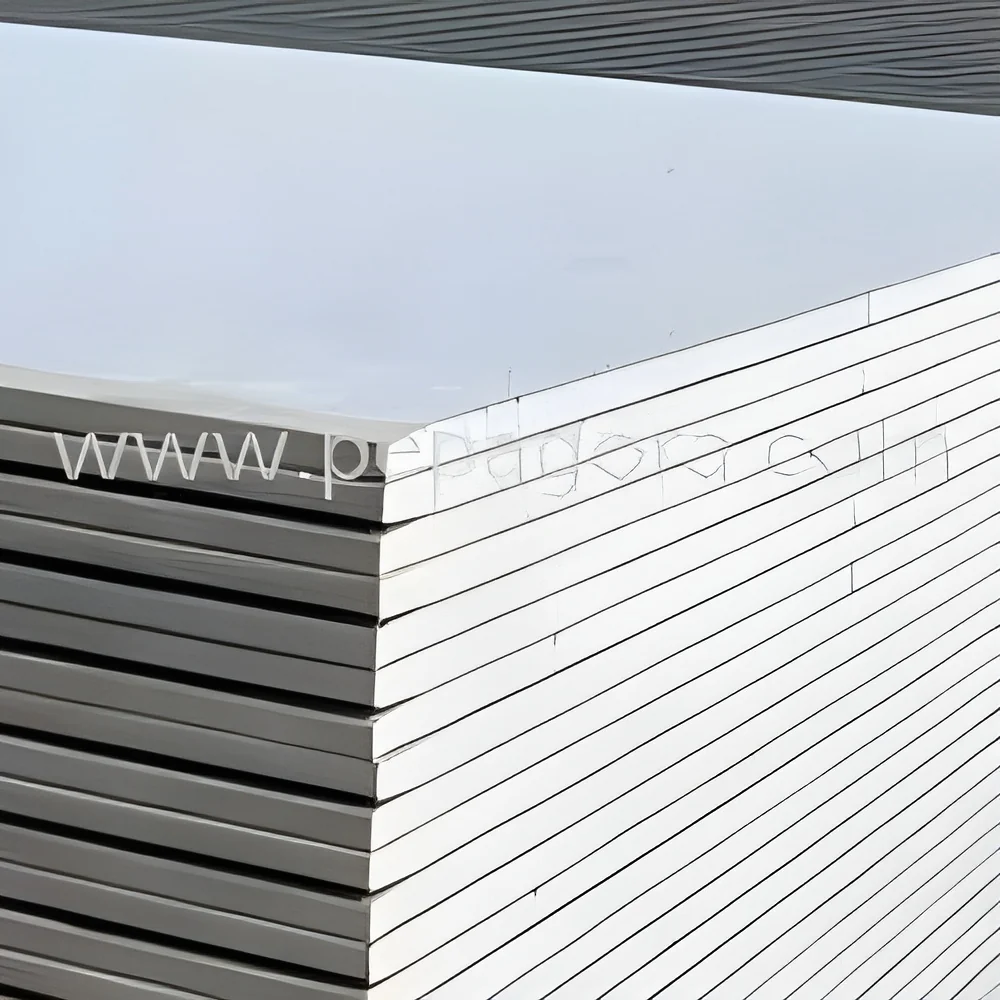
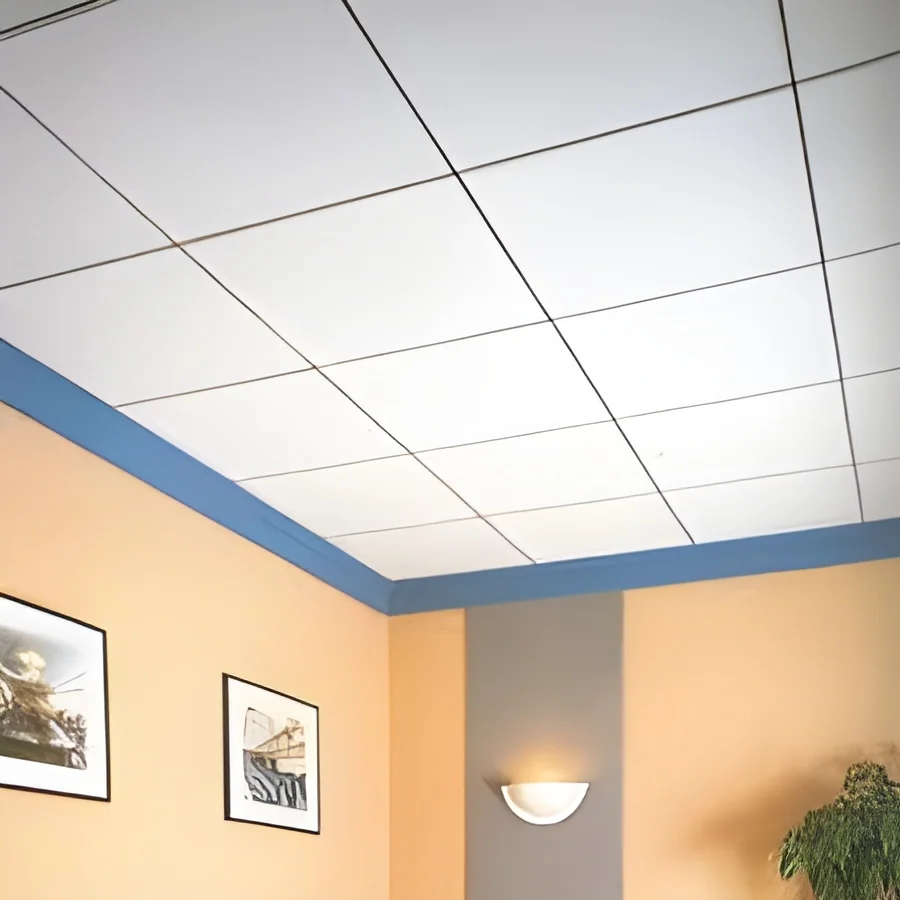
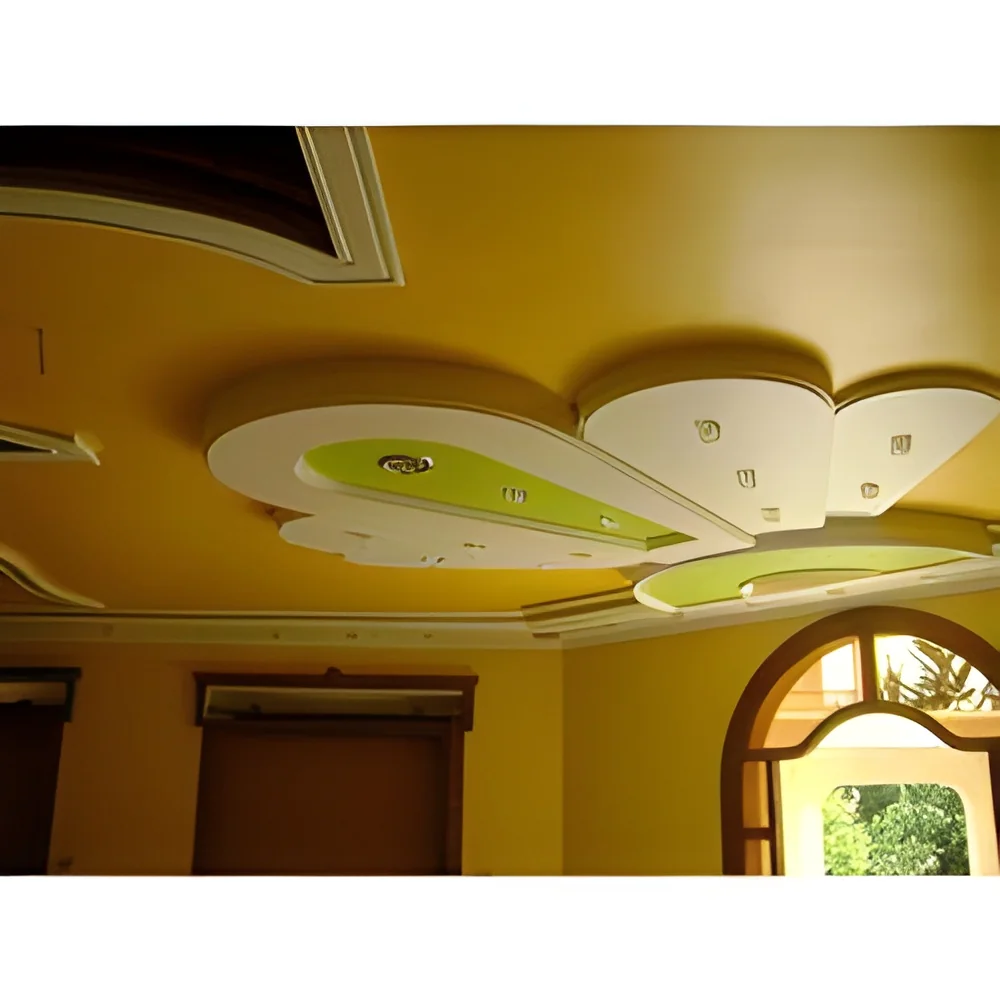
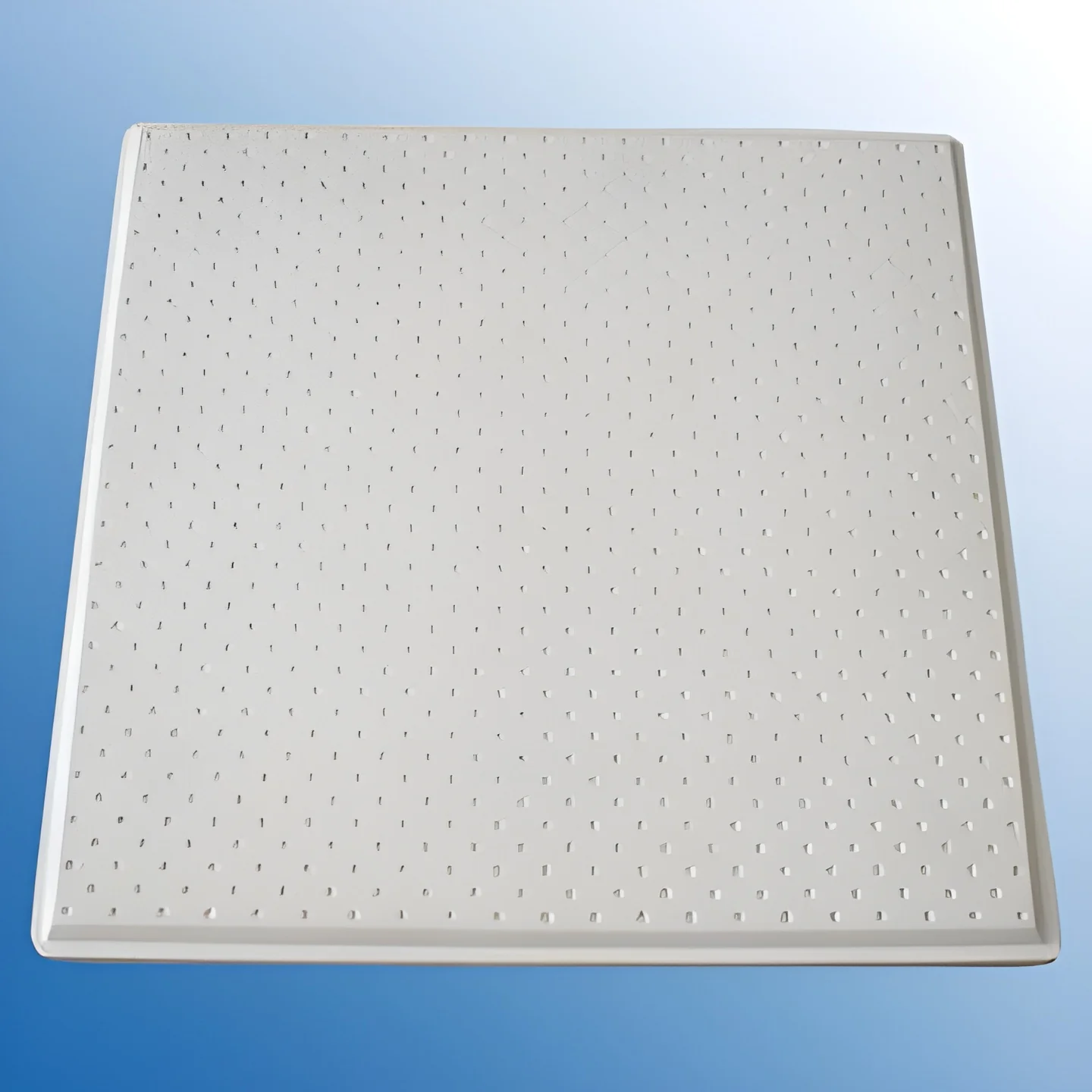
Gypsum board ceilings, also known as drywall ceilings or gypsum panels, are an essential component in modern construction. These ceilings are made from a core of gypsum plaster sandwiched between two sheets of heavy paper. They are widely recognized for their ability to provide a smooth, flat surface that is suitable for painting or finishing. Gypsum board ceilings are lightweight, easy to install, and can be cut to fit various architectural designs. They offer significant advantages in terms of fire resistance, sound insulation, and thermal performance.
Gypsum board ceilings serve multiple business applications across various industries. They are commonly used in residential, commercial, and industrial buildings for their aesthetic appeal and functionality. These ceilings allow for the easy integration of lighting, HVAC systems, and insulation materials. Their versatility makes them suitable for office buildings, retail spaces, educational institutions, and healthcare facilities. As the construction industry continues to grow, the demand for gypsum board ceilings remains strong, driven by the need for efficient and cost-effective building materials.
Key Features and Specifications
Gypsum board ceilings come with a range of features that enhance their performance and usability. They are designed to meet various construction standards and specifications, ensuring quality and durability in diverse environments.
Key specifications include:
1. Fire Resistance
- Gypsum boards are inherently fire-resistant due to their mineral composition.
- They can provide up to 1-hour fire ratings, depending on the thickness and construction method.
2. Sound Insulation
- Gypsum board ceilings can help reduce sound transmission between rooms.
- They are available in different thicknesses for enhanced acoustic performance.
3. Moisture Resistance
- Some gypsum boards are treated for moisture resistance, making them suitable for humid environments.
- Ideal for areas like kitchens and bathrooms.
4. Weight
- Gypsum boards are lightweight, making them easier to handle and install.
- Typical weight ranges from 2.5 to 3.5 pounds per square foot.
5. Thickness Options
- Available in various thicknesses, typically ranging from 1/4 inch to 1 inch.
- Thicker boards provide better soundproofing and fire resistance.
6. Dimensions
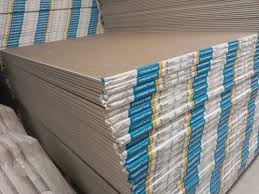
- Standard board sizes commonly include 4x8 feet and 4x12 feet.
- Custom sizes may be available based on customer requirements.
7. Surface Finish
- Gypsum boards can be finished with paint or textures for aesthetic purposes.
- Smooth surface allows for easy application of finishes.
8. Installation Methods
- Gypsum boards can be suspended from ceilings or applied directly to existing structures.
- Installation methods vary based on application and building design.
These features make gypsum board ceilings an ideal choice for a wide array of construction projects.
Common Applications and Use Cases
Gypsum board ceilings are utilized across various industries, highlighting their versatility and effectiveness.
1. Residential Construction: In homes, gypsum board ceilings are commonly used to create clean, modern aesthetics. They provide excellent fire resistance and contribute to overall energy efficiency.
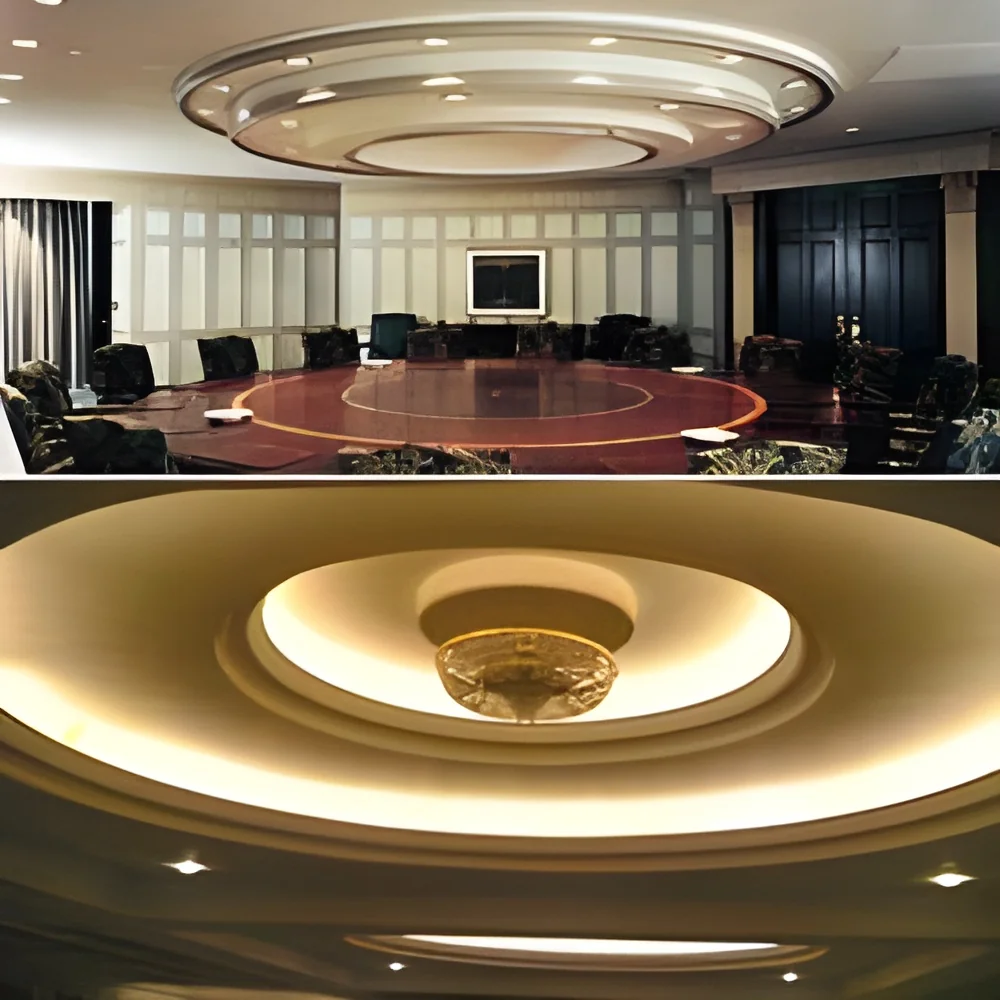
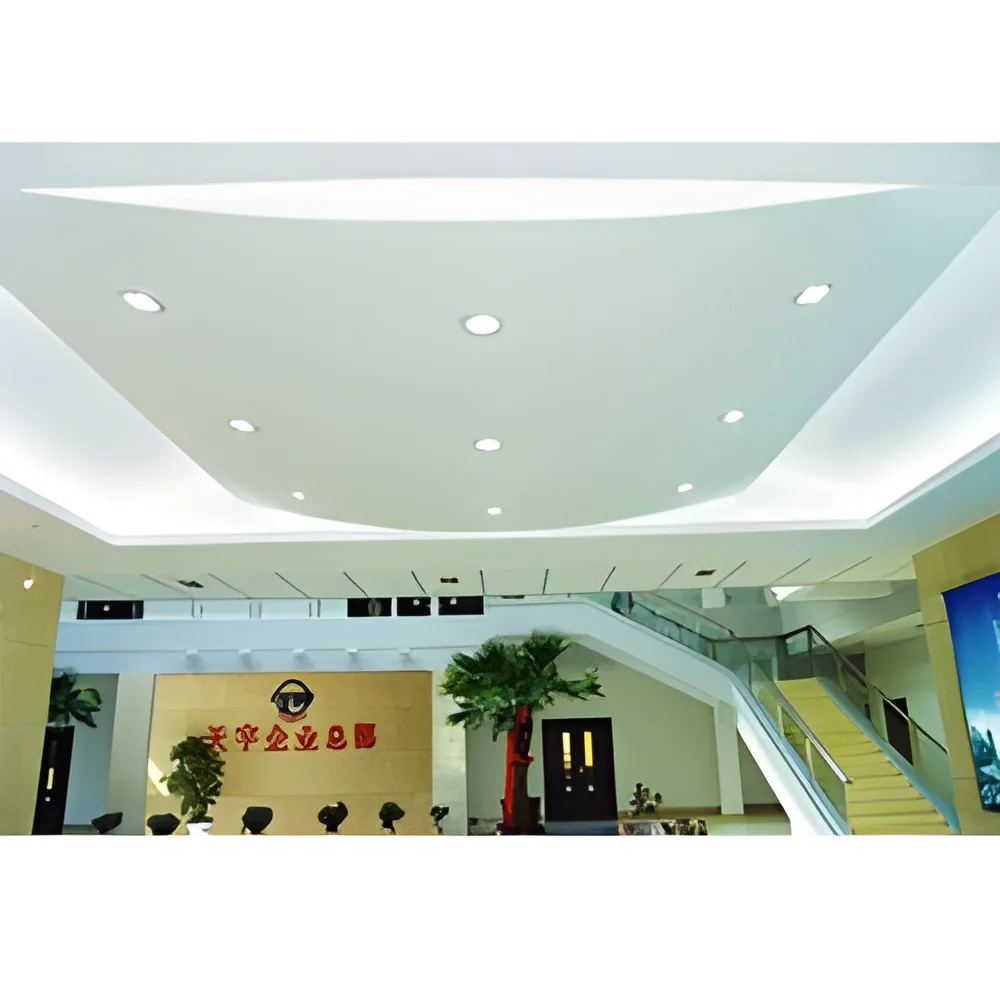
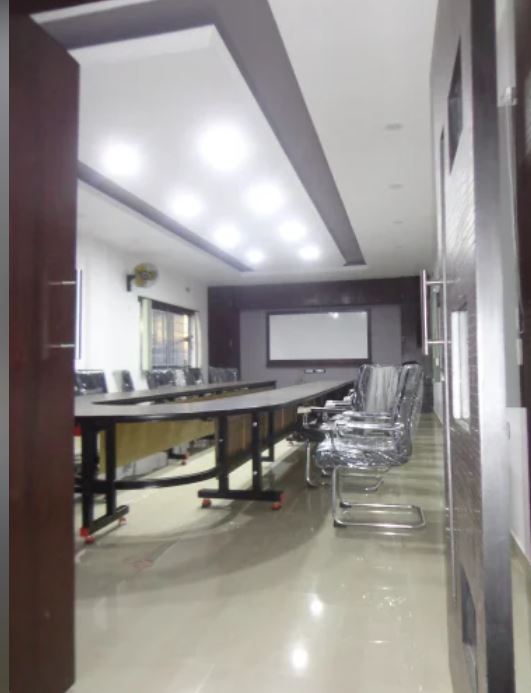
2. Commercial Spaces: Retail stores and office buildings frequently use gypsum board ceilings to achieve a professional look. They can easily accommodate lighting and HVAC systems.
3. Educational Institutions: Classrooms and auditoriums benefit from the soundproofing capabilities of gypsum boards, creating conducive learning environments.
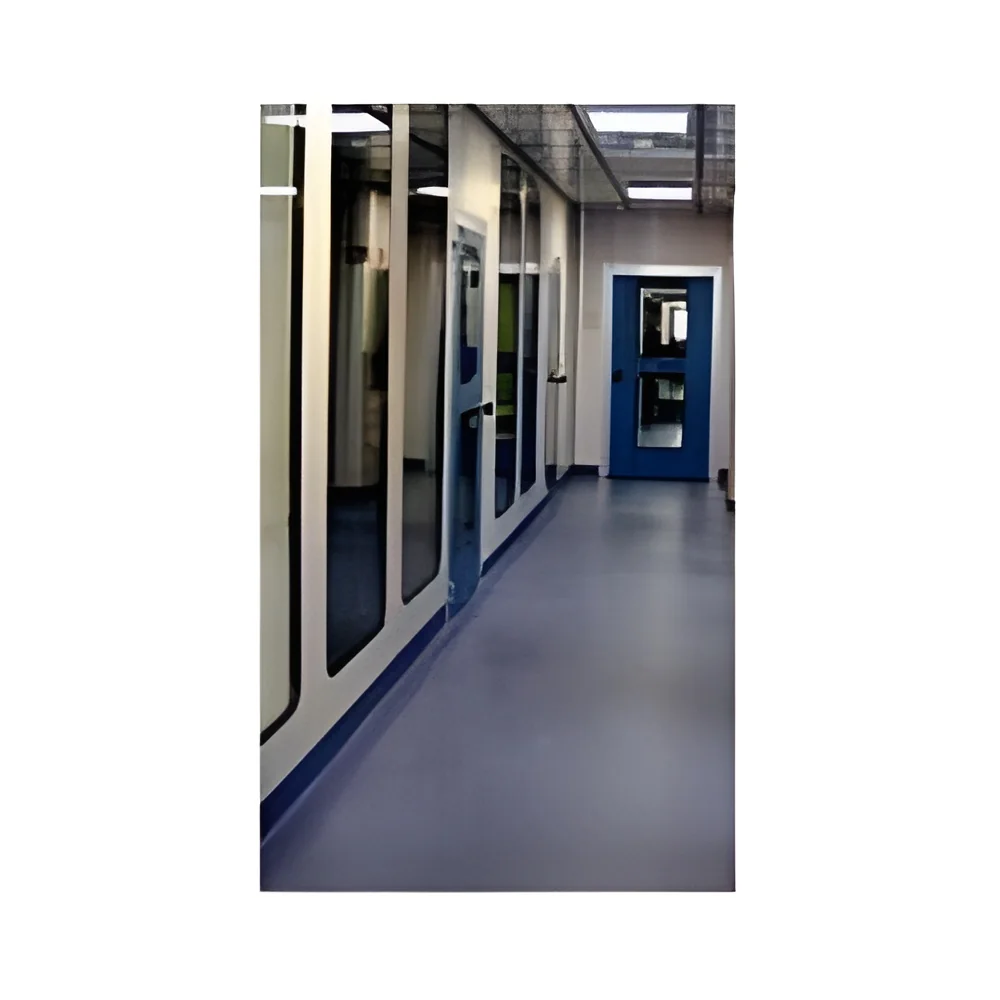
4. Healthcare Facilities: Hospitals and clinics use gypsum board ceilings due to their moisture-resistant properties and ease of cleaning, which is essential for hygiene.
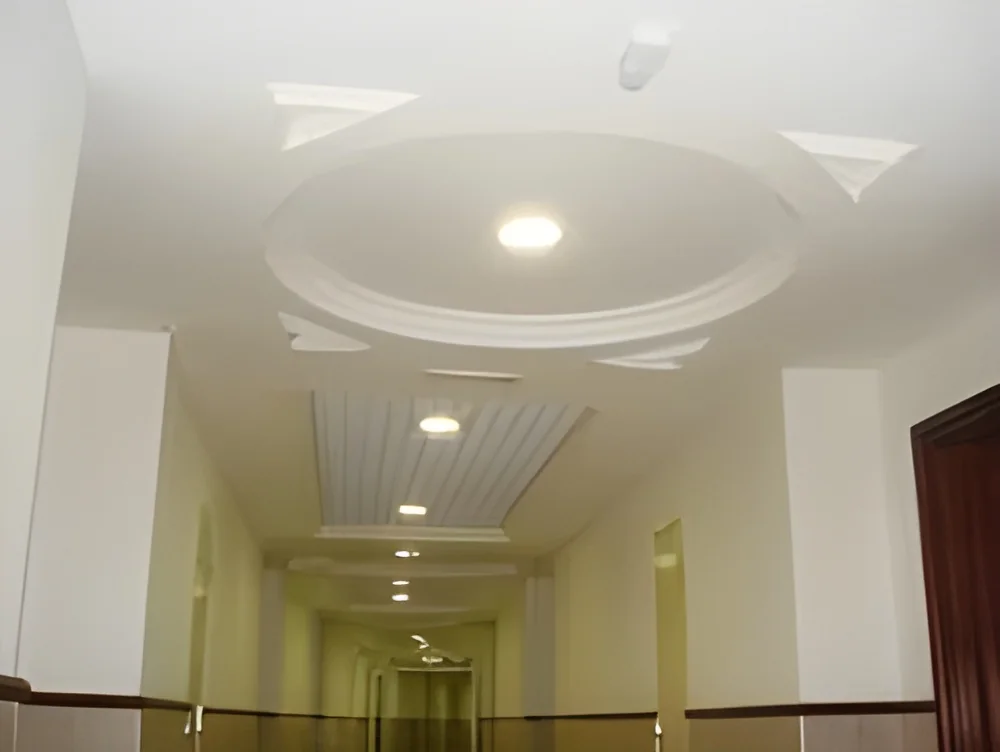
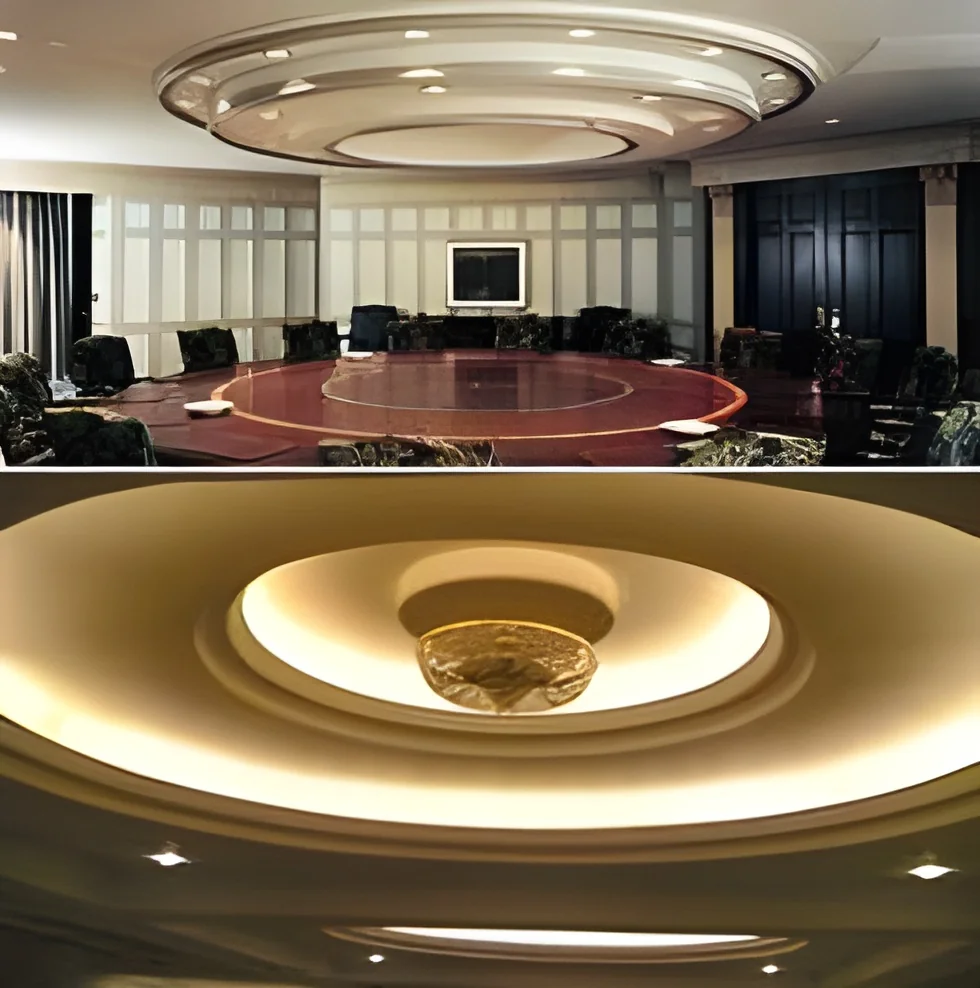
5. Hospitality Industry: Hotels and restaurants incorporate gypsum board ceilings for their aesthetic appeal and flexibility in design.
6. Industrial Applications: In factories, gypsum board ceilings can help improve acoustics and provide insulation from temperature variations.
7. Government Buildings: Many public sector projects feature gypsum board ceilings for their cost-effectiveness and compliance with safety standards.
Product Variants and Subcategories
Gypsum board ceilings come in various forms to meet specific project requirements.
Standard Gypsum Boards: These are the most commonly used type, suitable for general applications. They provide a smooth finish and are easy to install.
Moisture-Resistant Gypsum Boards: Designed for areas exposed to humidity, these boards feature a special coating to prevent mold growth and deterioration in moist conditions.
Fire-Resistant Gypsum Boards: These boards are specially formulated to enhance fire resistance, making them ideal for commercial and industrial buildings where fire safety is a priority.
Acoustic Gypsum Boards: Optimized for soundproofing, these boards are used in spaces where noise control is essential, such as theaters and conference rooms.
Benefits and Advantages
Choosing gypsum board ceilings offers numerous advantages for construction projects.
1. Cost-Effectiveness: Gypsum board ceilings are an affordable option compared to other ceiling types, providing significant savings during installation.
2. Lightweight: Their lightweight nature makes for easier handling and faster installation, reducing labor costs.
3. Fire Safety: Gypsum boards provide a natural fire barrier, enhancing the safety of the building and its occupants.
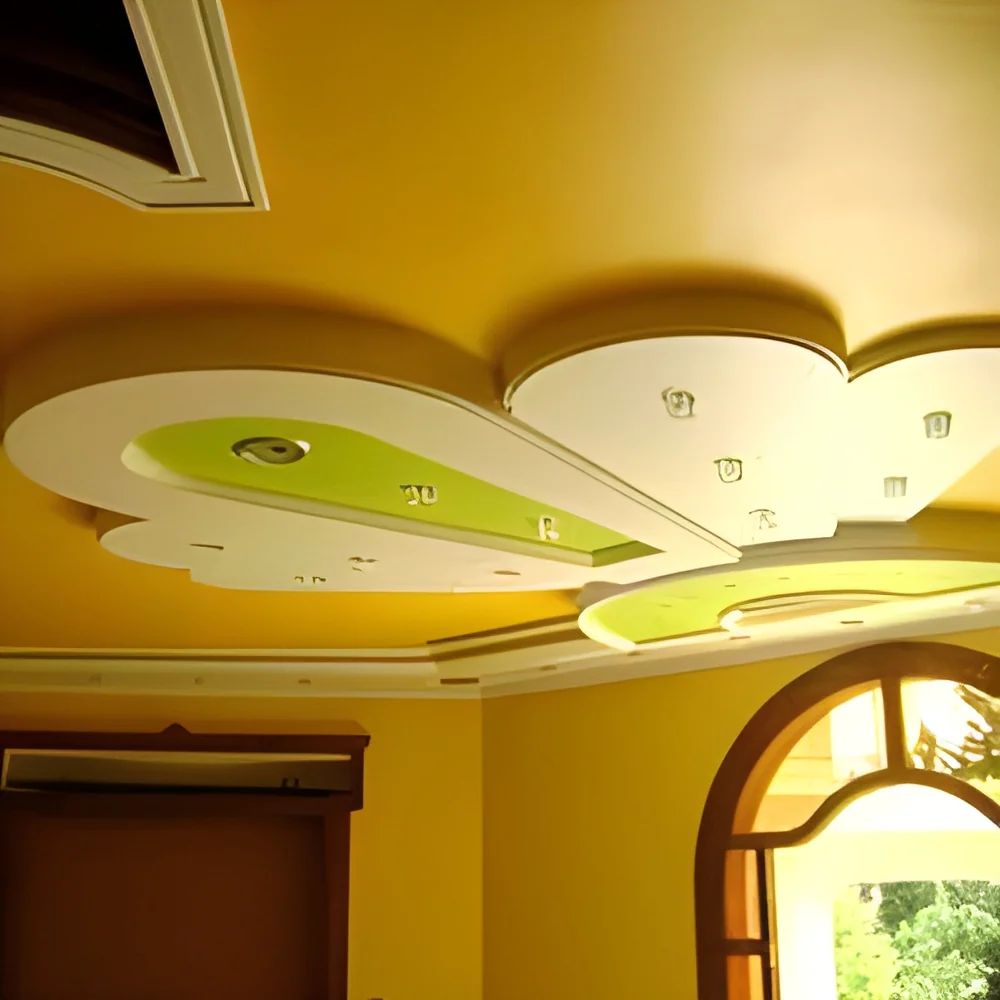
4. Versatility: These ceilings can be customized to fit various designs, accommodating different styles and applications.
5. Improved Acoustics: Gypsum board ceilings can significantly reduce sound transmission, making them ideal for commercial and residential spaces.
6. Aesthetic Flexibility: They can be finished in various styles, allowing for creative design solutions while maintaining functionality.
Buying Guide for B2B Buyers
When sourcing gypsum board ceilings, there are several essential factors to consider to ensure you make an informed decision.
1. Quality Assessment: Evaluate the quality of the gypsum boards by checking for certifications and compliance with industry standards. High-quality boards offer better performance and longevity.
2. Supplier Verification: Vet potential suppliers by researching their reputation, customer reviews, and history in the industry. Reliable suppliers are crucial for consistent product quality.
3. Pricing and MOQ: Understand the pricing structure and minimum order quantities. Compare quotes from different suppliers to ensure competitive pricing while considering the overall value.
4. Delivery and Lead Times: Confirm the supplier’s delivery capabilities and lead times to avoid project delays. Timely delivery is critical for maintaining construction schedules.
5. Compliance Requirements: Ensure that the gypsum board ceilings meet local building codes and regulations. Compliance with safety and environmental standards is essential for project approval.
Compliance and Certifications
Gypsum board ceilings are subject to various quality standards and certifications that ensure their safety and performance.
ISO 9001 is a widely recognized standard that indicates a commitment to quality management systems. Manufacturers that comply with this standard demonstrate their ability to consistently provide products that meet customer and regulatory requirements.
CE marking is essential for gypsum board ceilings in Europe, indicating compliance with European safety, health, and environmental protection standards. This certification assures buyers that the products meet rigorous quality criteria.
Safety standards for gypsum boards include testing for fire resistance, moisture resistance, and structural integrity. Compliance with these standards ensures that the products are safe for use in different building applications.
Regional compliance considerations may vary, so it is important to verify that the products meet local regulations in your area, particularly regarding fire safety and environmental impact.
Why Source Gypsum Board Ceilings from Pepagora?
Pepagora offers a trusted platform for sourcing gypsum board ceilings with several key advantages that benefit B2B buyers.
Verified Supplier Network: Pepagora maintains a network of verified suppliers, ensuring that buyers have access to high-quality products from reputable manufacturers. This verification process helps minimize risks associated with sourcing.
Streamlined RFQ Process: The platform simplifies the request for quotation (RFQ) process, allowing buyers to easily compare offers from multiple suppliers. This efficiency saves time and enhances decision-making.
Trade Assurance and Support: Pepagora provides trade assurance to protect buyers, ensuring that transactions are secure and that suppliers deliver as promised. This support fosters confidence in the purchasing process.
Regional Coverage: With a broad geographic reach across India, the GCC region, and Southeast Asia, Pepagora connects buyers with suppliers in various markets. This regional coverage ensures availability and accessibility of gypsum board ceilings tailored to specific local needs.


Frequently Asked Questions
What are Gypsum Board Ceilings?
Gypsum Board Ceilings are suspended ceilings made from gypsum boards, which are lightweight and easy to install. They are commonly used in residential and commercial buildings for their aesthetic appeal and soundproofing qualities.
What are the different types of Gypsum Board Ceilings?
The different types of Gypsum Board Ceilings include standard gypsum board ceilings, moisture-resistant ceilings, and fire-resistant ceilings. Each type is designed to address specific environmental conditions and safety requirements.
How do I choose the right Gypsum Board Ceilings?
To choose the right Gypsum Board Ceilings, consider factors such as the intended use of the space, environmental conditions (like moisture levels), and any specific fire safety requirements. Consulting with a professional can also provide insights tailored to your project.
What are the standard specifications for Gypsum Board Ceilings?
Standard specifications for Gypsum Board Ceilings typically include thickness, density, and fire resistance ratings. Common thicknesses range from 9.5 mm to 15 mm, depending on the application and building codes.
What is the price range for Gypsum Board Ceilings?
The price range for Gypsum Board Ceilings can vary significantly based on quality, type, and supplier, typically ranging from ₹40 to ₹150 per square foot. Additional costs may include installation and finishing materials.
What quality standards apply to Gypsum Board Ceilings?
Quality standards for Gypsum Board Ceilings often include compliance with IS (Indian Standards) specifications, such as IS 2095 for gypsum boards. Manufacturers may also adhere to international standards to ensure safety and performance.
Where can I find Gypsum Board Ceilings suppliers in India?
You can find Gypsum Board Ceilings suppliers in India through online B2B marketplaces, local construction material suppliers, and industry trade shows. Websites like Pepagora.com can help you connect with reliable manufacturers and suppliers.
Can Gypsum Board Ceilings be customized?
Yes, Gypsum Board Ceilings can be customized in terms of size, design, and finish to meet specific project requirements. Customization options may also include patterns, textures, and color choices.
What is the typical minimum order quantity for Gypsum Board Ceilings?
The typical minimum order quantity (MOQ) for Gypsum Board Ceilings can vary by supplier, but it generally ranges from 100 to 500 square feet. It's advisable to check with individual suppliers for their specific MOQ policies.
What is the typical lead time for Gypsum Board Ceilings?
The typical lead time for Gypsum Board Ceilings varies based on supplier capacity and order size, usually ranging from 1 to 4 weeks. Factors such as customization and availability can also affect delivery timelines.
Why Businesses Trust Pepagora
Thousands of companies trust Pepagora to source smarter and sell faster
Expand Your Sales Globally

Source Smarter,Grow Faster
