
 IN
Wooden False Ceilings
5 products available
What are Wooden False Ceilings?
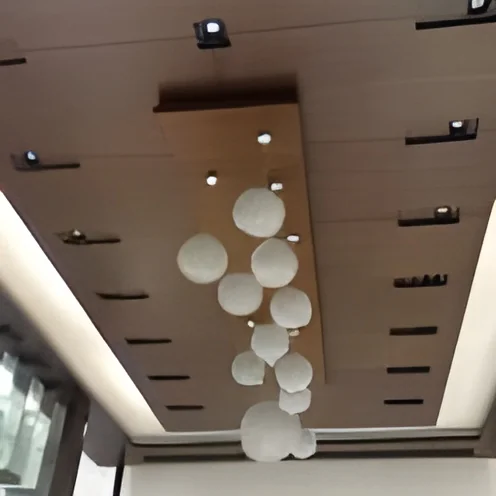
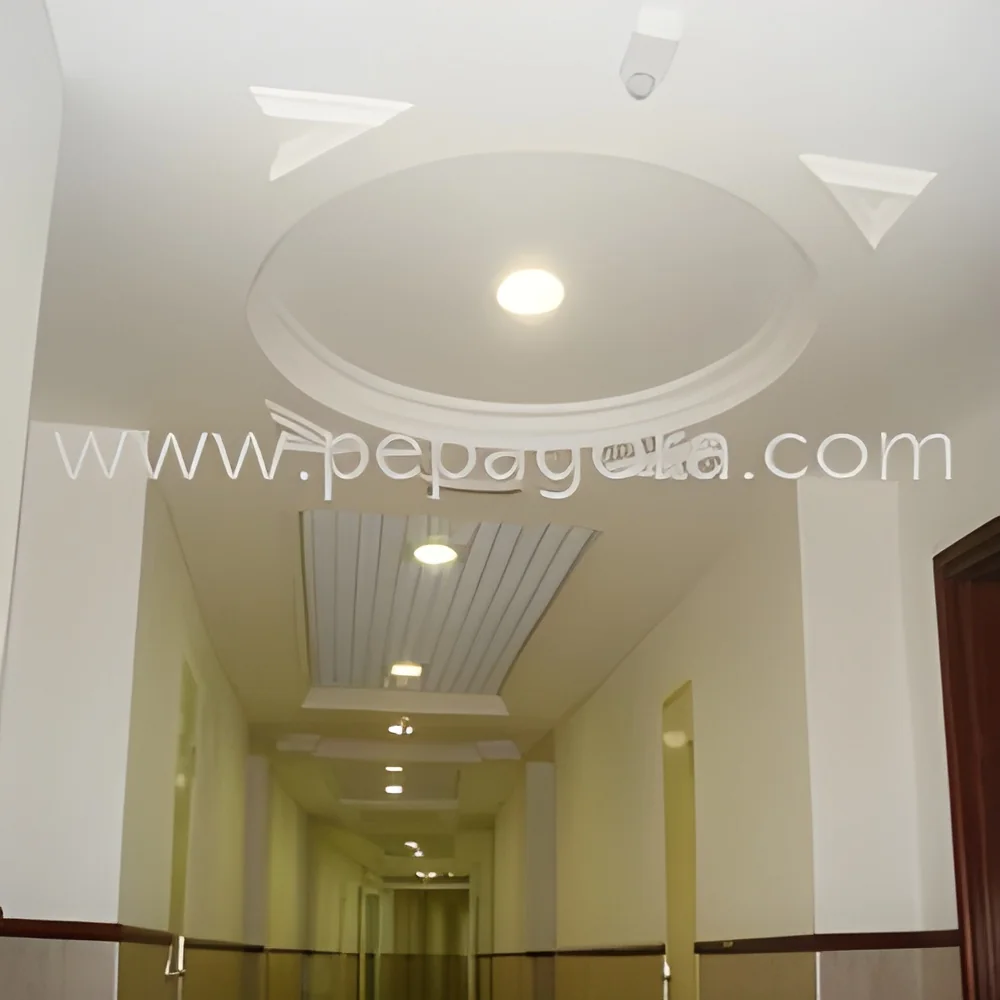
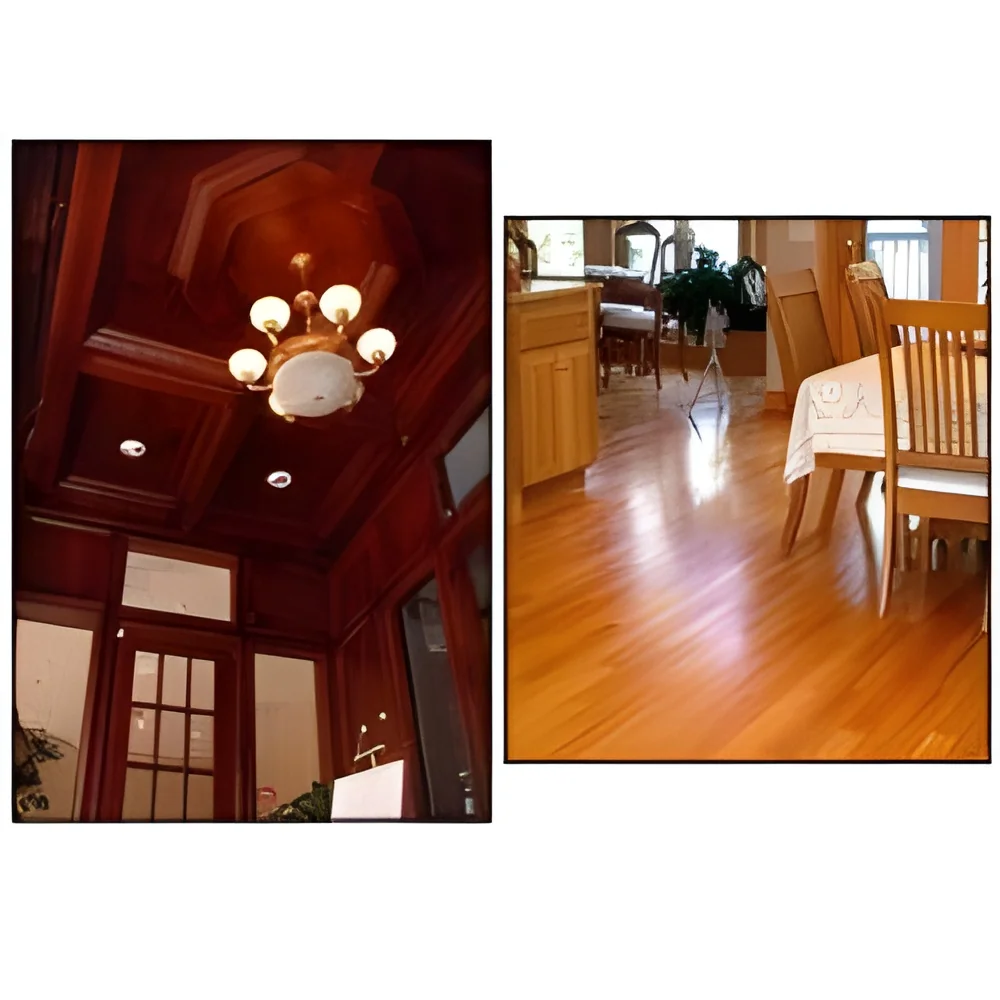
Wooden false ceilings are interior construction elements that feature wooden panels suspended from the main ceiling structure. They serve not only as aesthetic enhancements but also as functional components that can help with acoustics, insulation, and lighting. These ceilings are typically installed in commercial spaces, offices, and residential buildings, providing a warm and inviting atmosphere while concealing unsightly ductwork, wiring, and plumbing.
The primary applications of wooden false ceilings include enhancing the visual appeal of interiors, improving sound quality, and increasing energy efficiency. They are commonly used in hotels, retail stores, restaurants, and corporate offices. The use of wood in ceiling design is not only a stylistic choice but also contributes to a more sustainable construction approach, as many wooden products are sourced from renewable materials. In the current market, the demand for wooden false ceilings is growing, particularly in regions emphasizing eco-friendly design and construction practices.
Key Features and Specifications
Wooden false ceilings are available in various designs, textures, and finishes, making them suitable for diverse architectural styles. Their specifications are crucial for ensuring the right choice for specific applications.
Key specifications include:
1. Material Type
- Typically made from engineered wood, solid wood, or plywood.
- Offers durability and aesthetic appeal.
2. Thickness
- Common thickness ranges from 12mm to 25mm.
- Thicker panels provide better sound insulation.
3. Fire Resistance
- Available options with fire-retardant treatments.
- Can meet necessary safety regulations.
4. Surface Finish
- Options include lacquered, veneered, or painted finishes.
- Enhances aesthetic flexibility.
5. Installation Method
- Can be fixed with suspension systems or adhesive.
- Flexible installation processes for various settings.
6. Acoustic Performance
- Sound absorption coefficients may range from 0.2 to 0.8.
- Essential for noise control in busy environments.
7. Environmental Compliance
- Many products comply with environmental standards.
- Sourced from sustainable forests.
8. Customization Options
- Available in various designs and sizes.
- Tailored to specific project requirements.
In summary, wooden false ceilings offer a combination of aesthetic appeal, functional benefits, and customizability, making them a popular choice in many commercial and residential applications.
Common Applications and Use Cases
Wooden false ceilings are versatile and find use in various industries.
1. Hospitality: Hotels and restaurants utilize wooden false ceilings to create a warm and inviting atmosphere, enhancing guest experiences.
2. Retail: Stores often install these ceilings to improve acoustics and complement their branding through unique designs.
3. Corporate Offices: Businesses employ wooden ceilings to enhance office environments, promoting a professional yet comfortable space.
4. Residential: Homeowners choose wooden ceilings for living spaces, adding a touch of elegance and warmth to interiors.
5. Educational Institutions: Schools and universities benefit from the sound-absorbing properties of wooden false ceilings in classrooms and auditoriums.
6. Healthcare: Hospitals and clinics use wooden false ceilings for their acoustic benefits, providing a quieter environment for patients and staff.
7. Entertainment Venues: Theaters and auditoriums utilize wooden ceilings to improve sound quality and enhance the overall aesthetic.
Product Variants and Subcategories
Wooden false ceilings come in multiple variants, each designed to meet specific needs and preferences.
Acoustic Wooden Panels
These panels are engineered to improve sound quality in spaces like offices and auditoriums. Their design can include perforations or grooves to enhance acoustic performance.
Decorative Wooden Tiles
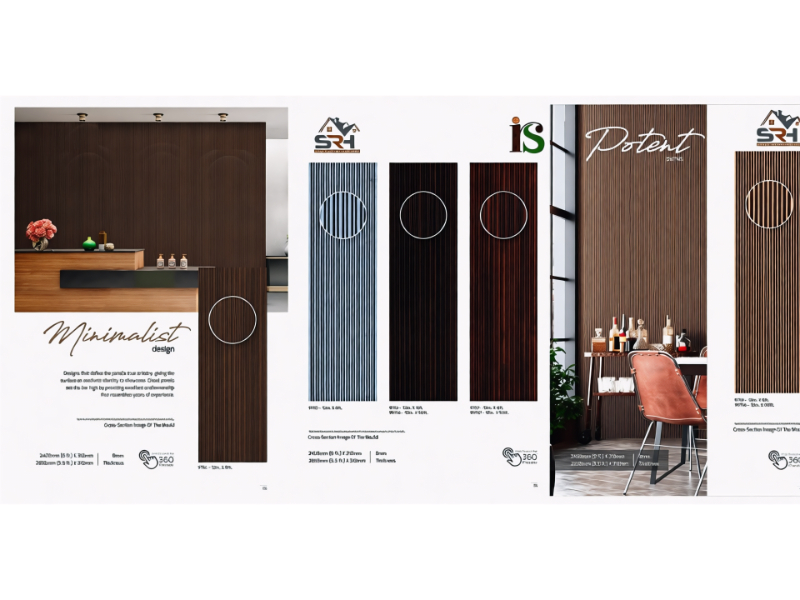
These tiles focus on aesthetic appeal, offering diverse designs and finishes to match various interior styles. They are often used in retail spaces and high-end residential projects.
Prefinished Wooden Panels
These panels come pre-finished, reducing installation time and ensuring a consistent look. They are ideal for projects with tight timelines.
Benefits and Advantages
Wooden false ceilings offer numerous benefits that make them a valuable choice for any project.
1. Aesthetic Appeal: They add a warm, natural look to any interior space, enhancing design elements.
2. Acoustic Control: Their sound-absorbing properties improve sound quality, making environments more comfortable.
3. Energy Efficiency: Wooden ceilings can help with insulation, potentially reducing heating and cooling costs.
4. Customizability: They can be tailored to fit various design specifications and sizes.
5. Lightweight: Compared to traditional ceiling materials, wooden panels are lighter, facilitating easier installation.
6. Sustainability: Many wooden products are sourced responsibly, making them an eco-friendly choice.
Buying Guide for B2B Buyers
When sourcing wooden false ceilings, several key factors should be considered to ensure the right selection.
1. Quality Assessment: Look for products that meet high-quality standards. Check for certifications and reviews to understand the material's durability and performance.
2. Supplier Verification: Vet suppliers thoroughly. Ensure they have a solid reputation and a history of delivering quality products on time.
3. Pricing and MOQ: Understand the pricing structure and minimum order quantity. Compare different suppliers to get the best value.
4. Delivery and Lead Times: Inquire about delivery options and lead times. Timely delivery is crucial for project schedules.
5. Compliance Requirements: Ensure that the products meet any necessary regulatory standards for safety and quality in your region.
Compliance and Certifications
Wooden false ceilings must comply with various quality and safety standards to ensure reliability and performance.
ISO 9001 is a common standard that focuses on quality management systems. Products certified under this standard have undergone rigorous testing to ensure consistent quality.
CE certification indicates that the product meets EU safety, health, and environmental protection standards. This certification is essential for products sold within the European market.
Safety and testing requirements are critical, especially for materials used in construction. They often include fire safety tests and environmental impact assessments.
Additionally, regional compliance considerations should be taken into account, as different regions may have specific regulations regarding materials used in construction.
Why Source Wooden False Ceilings from Pepagora?
Pepagora offers a trusted platform for sourcing wooden false ceilings, providing several key advantages to B2B buyers.
Verified Supplier Network: Pepagora connects buyers with a network of verified suppliers. Each supplier undergoes a thorough vetting process to ensure reliability and quality.
Streamlined RFQ Process: The request for quotation process is straightforward and efficient, allowing buyers to get competitive quotes from multiple suppliers quickly.
Trade Assurance and Support: Pepagora offers trade assurance to protect buyers. This support ensures that transactions are secure and that buyers receive the products as promised.
Regional Coverage: With a focus on markets in India, the GCC, and Southeast Asia, Pepagora provides extensive regional coverage, making it easy for businesses to find suitable suppliers within their geographic area.



Frequently Asked Questions
What are Wooden False Ceilings?
Wooden false ceilings are architectural elements made from wood or wood-based materials that are suspended below the main ceiling. They serve both aesthetic and functional purposes, such as improving acoustics, concealing wiring, and enhancing interior design.
What are the different types of Wooden False Ceilings?
There are several types of wooden false ceilings, including solid wood panels, engineered wood, and composite wood ceilings. Each type offers different aesthetics, durability, and installation methods, catering to various design preferences and functional requirements.
How do I choose the right Wooden False Ceilings?
To choose the right wooden false ceilings, consider factors such as the intended aesthetic, the size and height of the room, and your budget. It's also important to evaluate the material quality and the installation process to ensure long-lasting results.
What are the standard specifications for Wooden False Ceilings?
Standard specifications for wooden false ceilings often include thickness, dimensions, and weight capacity. Typically, panels come in various sizes, with a thickness ranging from 6mm to 18mm, depending on the type and design chosen.
What is the price range for Wooden False Ceilings?
The price range for wooden false ceilings can vary widely based on material quality, design complexity, and supplier. Generally, prices start from around INR 150 per square foot and can go up to INR 800 or more per square foot for premium options.
What quality standards apply to Wooden False Ceilings?
Wooden false ceilings should meet several quality standards, including moisture resistance, fire retardancy, and structural integrity. Compliance with local building codes and certifications can also ensure that the materials used are safe and durable.
Where can I find Wooden False Ceilings suppliers in India?
You can find wooden false ceilings suppliers in India through online B2B marketplaces like Pepagora, trade shows, and local building material suppliers. It's advisable to compare multiple suppliers to assess quality, pricing, and customer reviews.
Can Wooden False Ceilings be customized?
Yes, wooden false ceilings can be customized to meet specific design requirements. This includes adjustments in size, shape, finish, and even the type of wood used, allowing for a tailored look that fits your space.
What is the typical minimum order quantity for Wooden False Ceilings?
The typical minimum order quantity (MOQ) for wooden false ceilings often ranges from 50 to 100 square feet, depending on the supplier. However, some suppliers may offer flexibility in MOQs for smaller projects.
What is the typical lead time for Wooden False Ceilings?
The typical lead time for wooden false ceilings can vary based on the supplier and the complexity of the order. Generally, you can expect a lead time of 2 to 4 weeks for standard products, with longer durations for customized solutions.
Why Businesses Trust Pepagora
Thousands of companies trust Pepagora to source smarter and sell faster
Expand Your Sales Globally

Source Smarter,Grow Faster
