What are Acoustic Solution Providers?
Acoustic Solution Providers specialize in offering various products and services designed to manage sound and improve acoustics in various environments. These providers deliver tailored solutions that help reduce noise pollution, enhance sound quality, and create a more comfortable auditory environment in both industrial and commercial spaces. Their offerings may include soundproofing materials, acoustic panels, sound-absorbing tiles, and advanced audio systems, all aimed at optimizing sound performance.
The primary applications of Acoustic Solution Providers are found across multiple sectors, including construction, manufacturing, entertainment, and healthcare. In the construction industry, for instance, these solutions may be utilized to ensure compliance with noise regulations and enhance the quality of living or working spaces. In manufacturing, sound control can improve workplace safety and productivity. In healthcare, managing sound levels is crucial for patient comfort and concentration in clinical settings.
With growing concerns over noise pollution and its impacts on health and productivity, the market for acoustic solutions is expanding. Industries are increasingly recognizing the need for effective sound management strategies. As urbanization continues to rise, the demand for Acoustic Solution Providers is likely to increase, making them a vital part of the modern business landscape.
Key Features and Specifications
Acoustic Solution Providers offer several key features and specifications that define their products and services. These specifications ensure that buyers can find effective solutions tailored to their specific needs.
Key specifications include:
1. Sound Absorption Coefficient
- This measures how much sound a material absorbs in a given frequency range.
- Common ranges are from 0.0 (no absorption) to 1.0 (total absorption).
2. Noise Reduction Rating (NRR)
- This rating indicates the effectiveness of a product in reducing noise.
- It is expressed in decibels (dB), typically ranging from 0 to over 30 dB.
3. Fire Resistance Rating
- This specification indicates how well a material can withstand fire.
- Ratings vary based on product type and regulatory requirements.
4. Material Composition
- Acoustic solutions can be made from various materials, including foam, fabric, and fiberglass.
- Selection depends on the application and desired acoustic performance.
5. Thickness and Density
- These parameters influence sound absorption capabilities and installation options.
- Thickness typically ranges from one inch to several inches, depending on the product.
6. Environmental Impact
- Many providers focus on using sustainable materials and processes.
- Certifications may include eco-friendly labels or compliance with environmental standards.
7. Customization Options
- Providers often offer customized solutions to meet specific project requirements.
- This may include tailored sizes, shapes, and colors.
8. Installation Requirements
- Details about installation methods and necessary tools can vary.
- Some solutions require professional installation, while others can be DIY.
In summary, understanding these key features and specifications is essential for buyers seeking effective acoustic solutions.
Common Applications and Use Cases
Acoustic solutions serve a wide range of industries, addressing specific needs and enhancing sound quality in various environments.
1. Construction: Acoustic panels and soundproofing materials are used in residential and commercial buildings to minimize sound transmission between spaces.
2. Manufacturing: In industrial settings, acoustic solutions help control noise levels, ensuring a safer and more productive working environment.
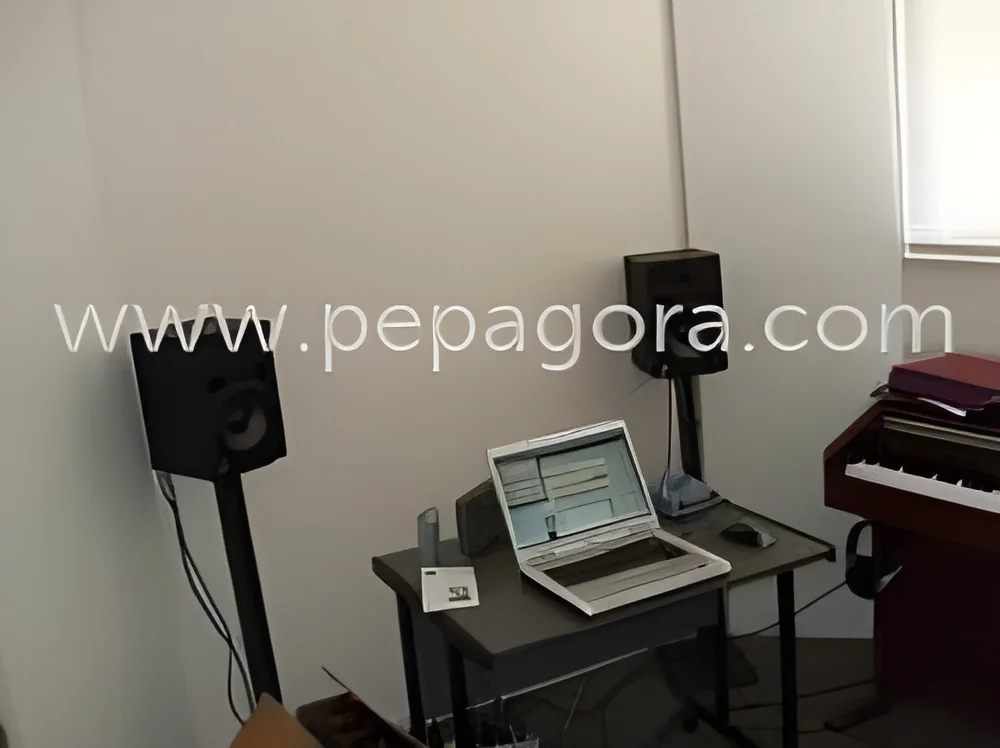
3. Entertainment: Concert halls, theaters, and recording studios utilize specialized acoustic treatments to optimize sound quality and enhance audience experiences.
4. Healthcare: Hospitals and clinics implement sound-absorbing materials to create quieter environments for patients and staff, promoting comfort and focus.
5. Education: Schools and universities use acoustic solutions in classrooms and auditoriums to improve learning conditions and minimize distractions.
6. Hospitality: Hotels and restaurants incorporate sound management solutions to enhance guest experiences by reducing noise levels and improving privacy.
7. Office Spaces: Modern workplaces utilize acoustic solutions to foster collaboration while reducing noise distractions, leading to increased productivity.
Product Variants and Subcategories
Acoustic solutions are diverse, catering to various applications and preferences. This diversity allows businesses to select the most suitable products for their specific needs.
Acoustic Panels
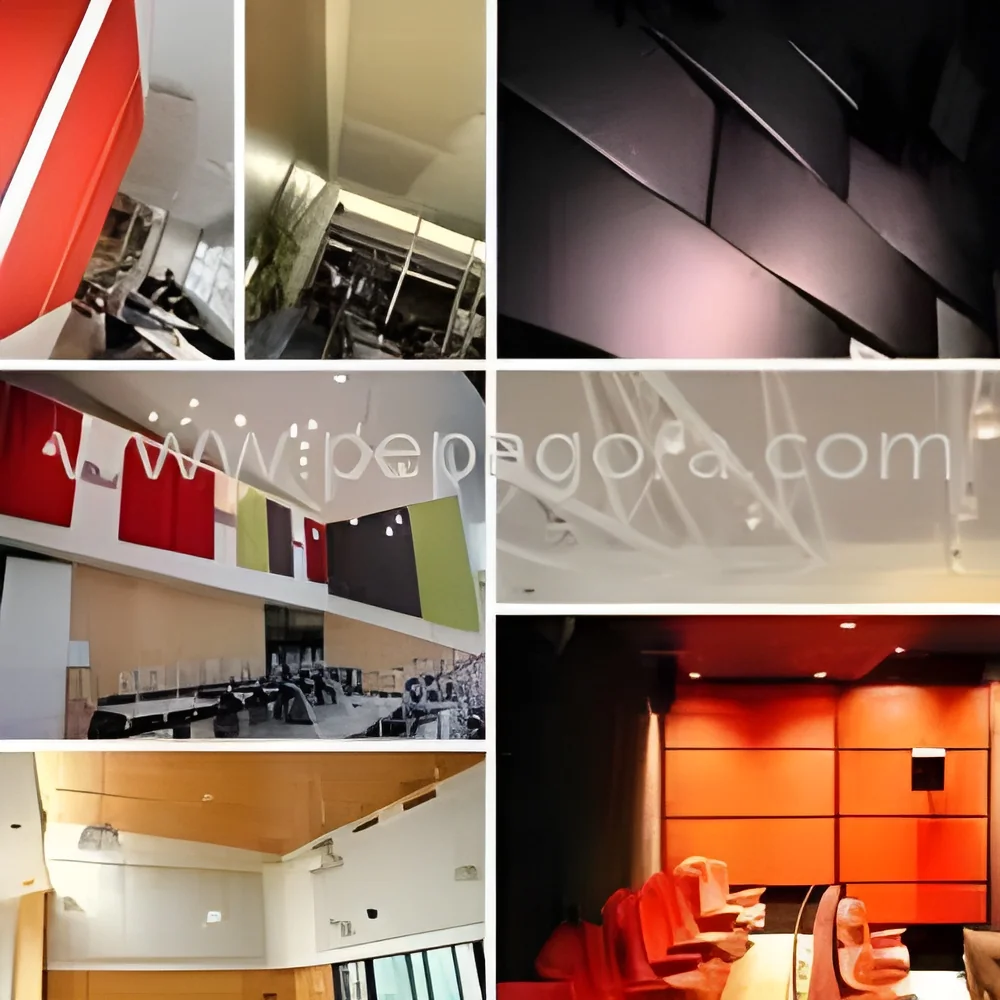
Acoustic panels are designed to absorb sound and reduce echoes. They come in various sizes and colors, making them adaptable for different environments, including offices and schools.
Soundproofing Materials
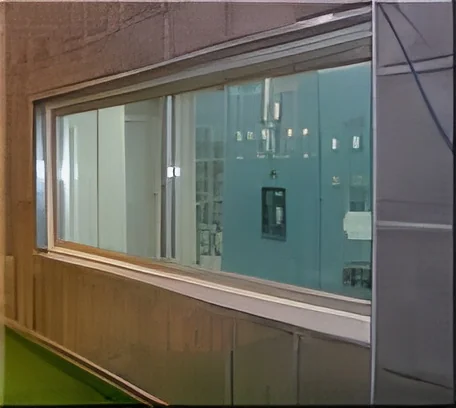
These materials are intended to block sound transmission between spaces. They are commonly used in walls, floors, and ceilings to create quieter environments in residential and commercial buildings.
Acoustic Ceiling Tiles
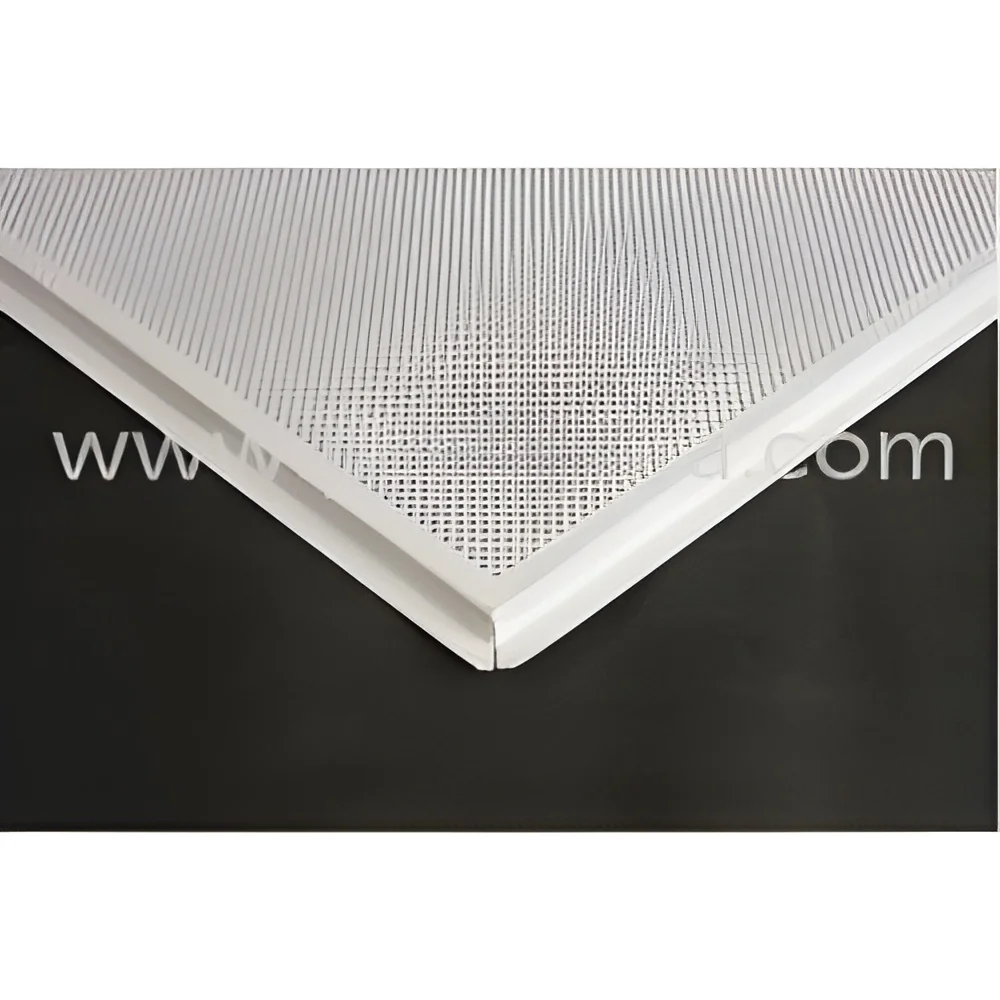
These tiles are specifically designed for installation in ceilings to enhance sound quality and control noise levels. They are often used in open office environments and conference rooms.
Benefits and Advantages
Acoustic Solution Providers offer several notable benefits that businesses can leverage to improve their environments.
1. Enhanced Sound Quality: Acoustic solutions help create clearer and more pleasant auditory experiences, reducing echoes and enhancing speech intelligibility.
2. Noise Reduction: Implementing these solutions significantly minimizes unwanted noise, improving comfort and productivity in various settings.
3. Improved Focus: By managing sound levels, businesses can create environments that foster concentration, benefiting both employees and customers.
4. Compliance with Regulations: Acoustic solutions help businesses meet local noise regulations, avoiding potential fines and legal issues.
5. Increased Property Value: Well-designed acoustic treatments can enhance the overall value of a property by improving its usability and appeal.
6. Customization Flexibility: Many providers offer tailored solutions that can be adapted to fit unique project requirements, ensuring optimal performance.
Buying Guide for B2B Buyers
When sourcing Acoustic Solution Providers, there are several important factors to consider to ensure effective solutions.
1. Quality Assessment: Buyers should evaluate the quality of materials and performance ratings. Look for products that comply with relevant standards and have positive user reviews.
2. Supplier Verification: It is essential to vet suppliers for reliability and reputation. This can include checking references, industry certifications, and previous project portfolios.
3. Pricing and MOQ: Understand the pricing structures and minimum order quantities (MOQ) to align with budget constraints while meeting project needs.
4. Delivery and Lead Times: Assess logistics and delivery timelines to ensure that products can be obtained when needed without delays impacting project schedules.
5. Compliance Requirements: Ensure that suppliers meet any necessary regulatory standards or certifications relevant to the industry, guaranteeing product safety and performance.
Compliance and Certifications
Acoustic Solution Providers must adhere to several relevant quality standards and certifications to ensure product effectiveness and safety.
ISO 9001 is a widely recognized quality management standard that ensures providers maintain consistent quality in their products and services. Compliance with this standard can indicate a commitment to quality and customer satisfaction.
CE certification is crucial for products sold in European markets. This certification demonstrates compliance with health, safety, and environmental protection standards.
In addition to these certifications, acoustic products may be subject to specific safety and testing requirements depending on their applications. These can include fire safety tests, sound absorption tests, and environmental impact assessments.
Regional compliance considerations may also play a role, particularly for businesses operating in multiple countries. It is essential to ensure that products meet local regulations and standards to avoid legal challenges.
Why Source Acoustic Solution Providers from Pepagora?
Pepagora provides a trusted platform for sourcing Acoustic Solution Providers with several key advantages that enhance the purchasing experience.
Verified Supplier Network: Pepagora features a comprehensive network of verified suppliers, ensuring that buyers can find reputable providers with a proven track record. This verification process helps to mitigate risks associated with sourcing.
Streamlined RFQ Process: The platform offers a user-friendly request for quotation (RFQ) process, allowing buyers to easily submit their requirements and receive competitive quotations from multiple suppliers. This efficiency simplifies the decision-making process.
Trade Assurance and Support: Pepagora prioritizes buyer protection through trade assurance mechanisms. This ensures that transactions are secure and that support is readily available should any issues arise during the purchasing process.
Regional Coverage: With a strong presence in India, the Gulf Cooperation Council (GCC) countries, and Southeast Asia, Pepagora provides extensive regional coverage. This ensures buyers can access local suppliers who understand regional market dynamics and requirements.
In conclusion, utilizing Pepagora for sourcing Acoustic Solution Providers offers a reliable and efficient way for businesses to find high-quality acoustic solutions tailored to their specific needs.

 IN
IN