What are Gypsum & Cement Board Partitions?
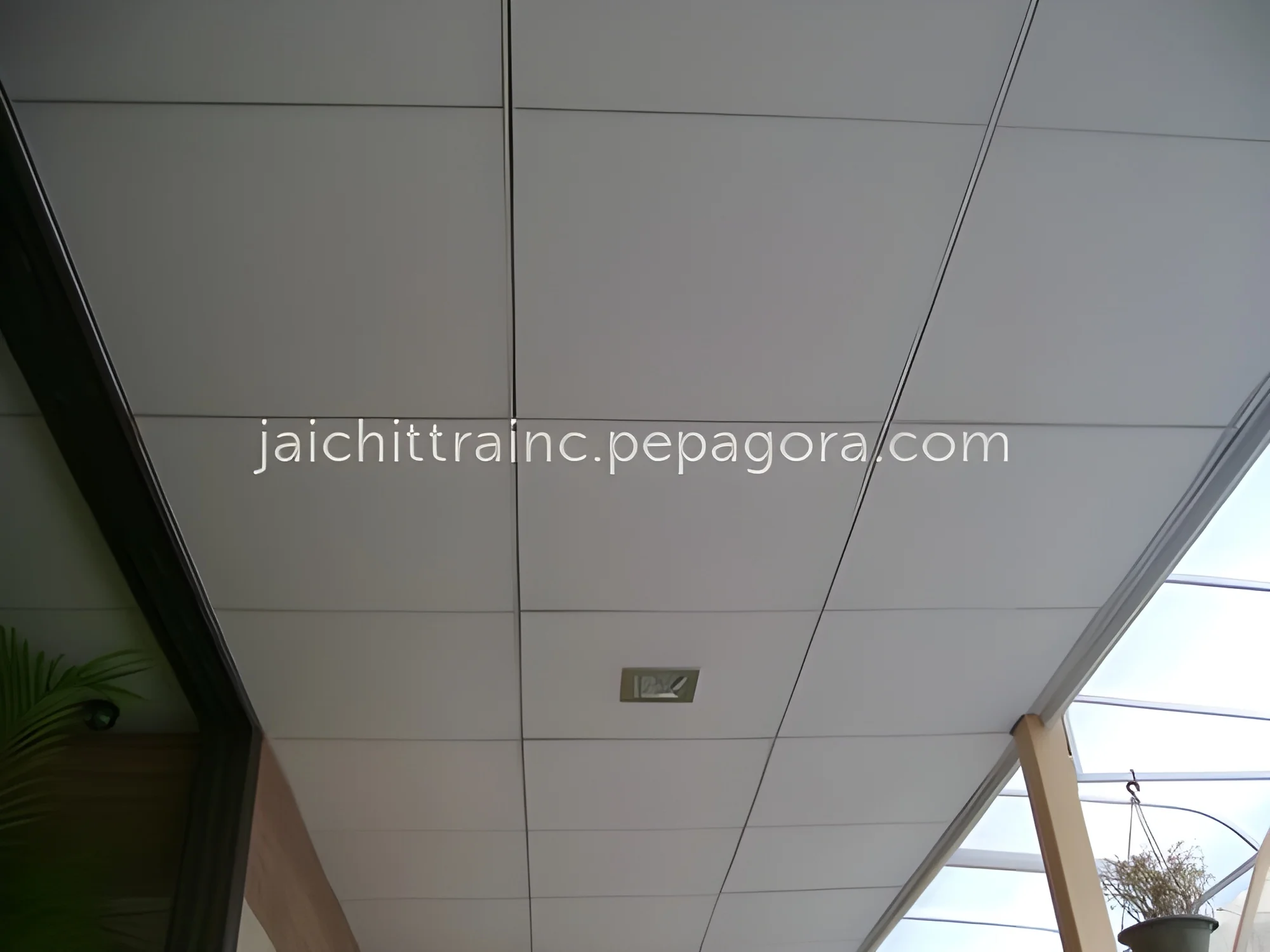
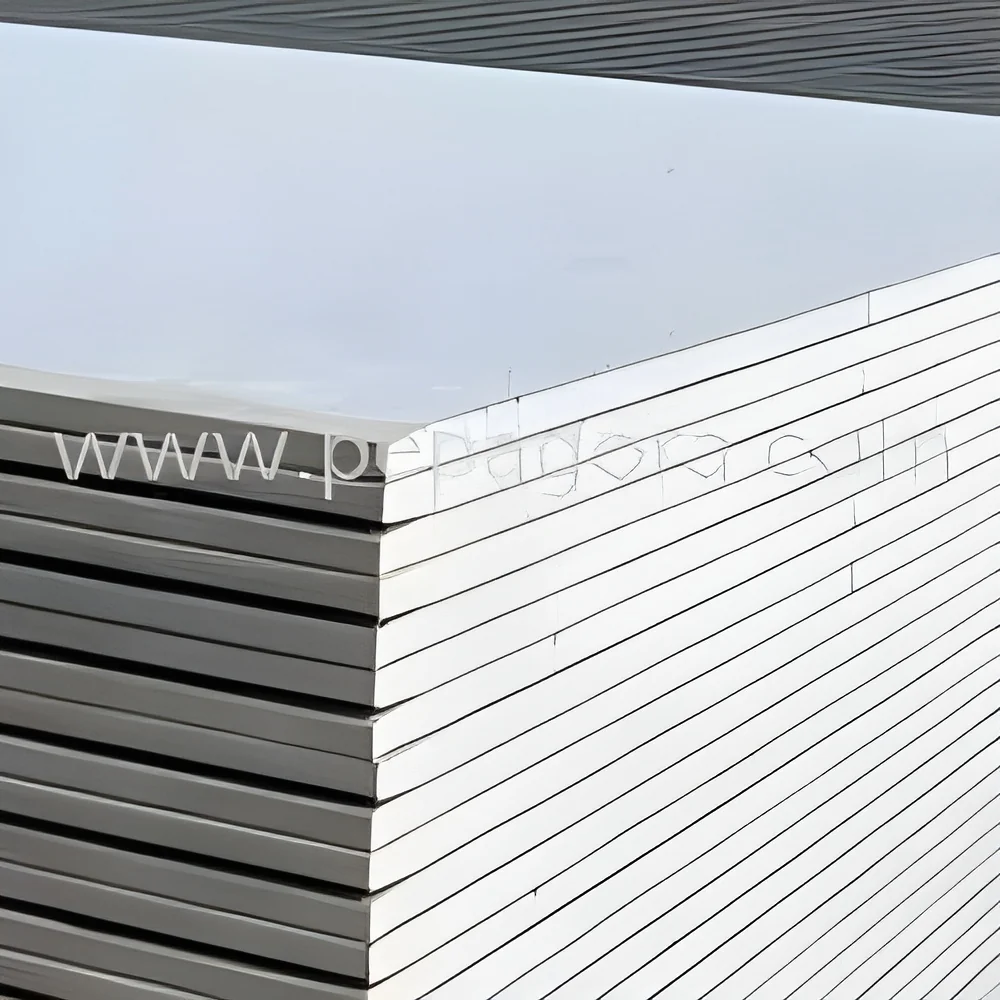
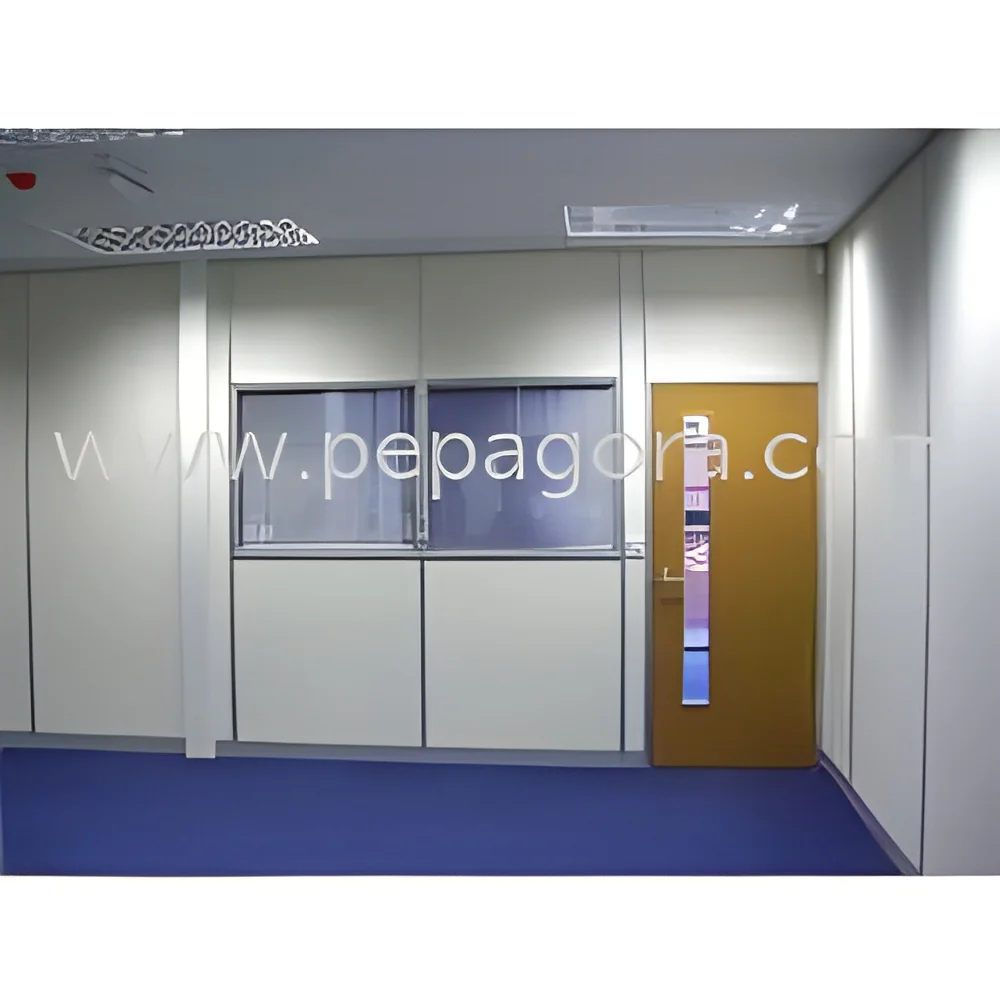
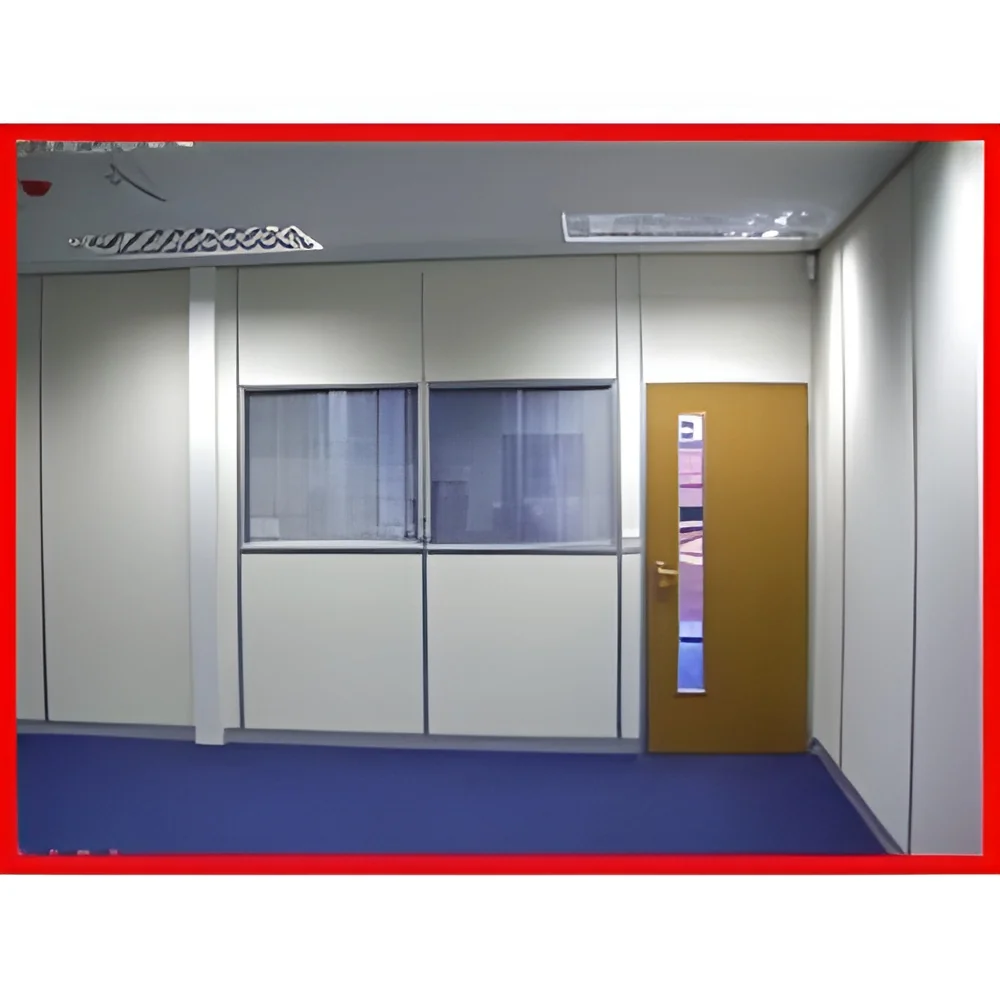
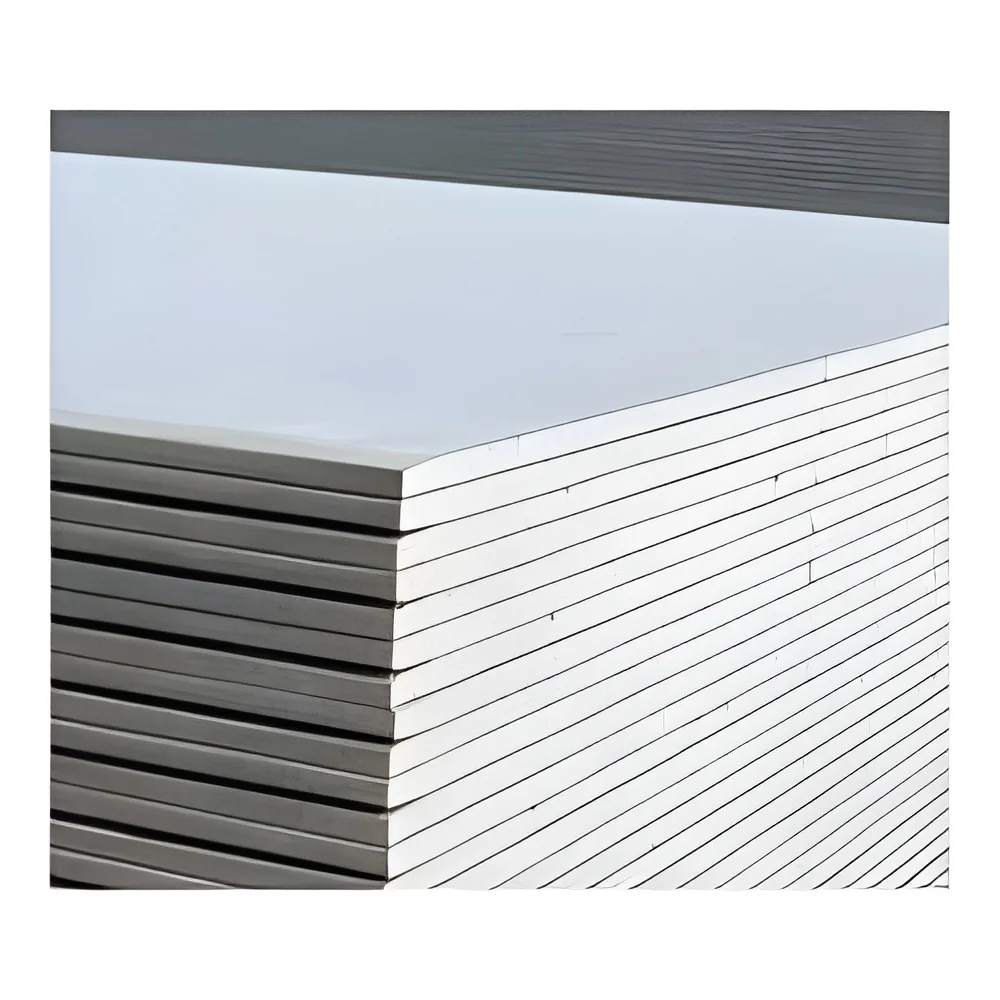
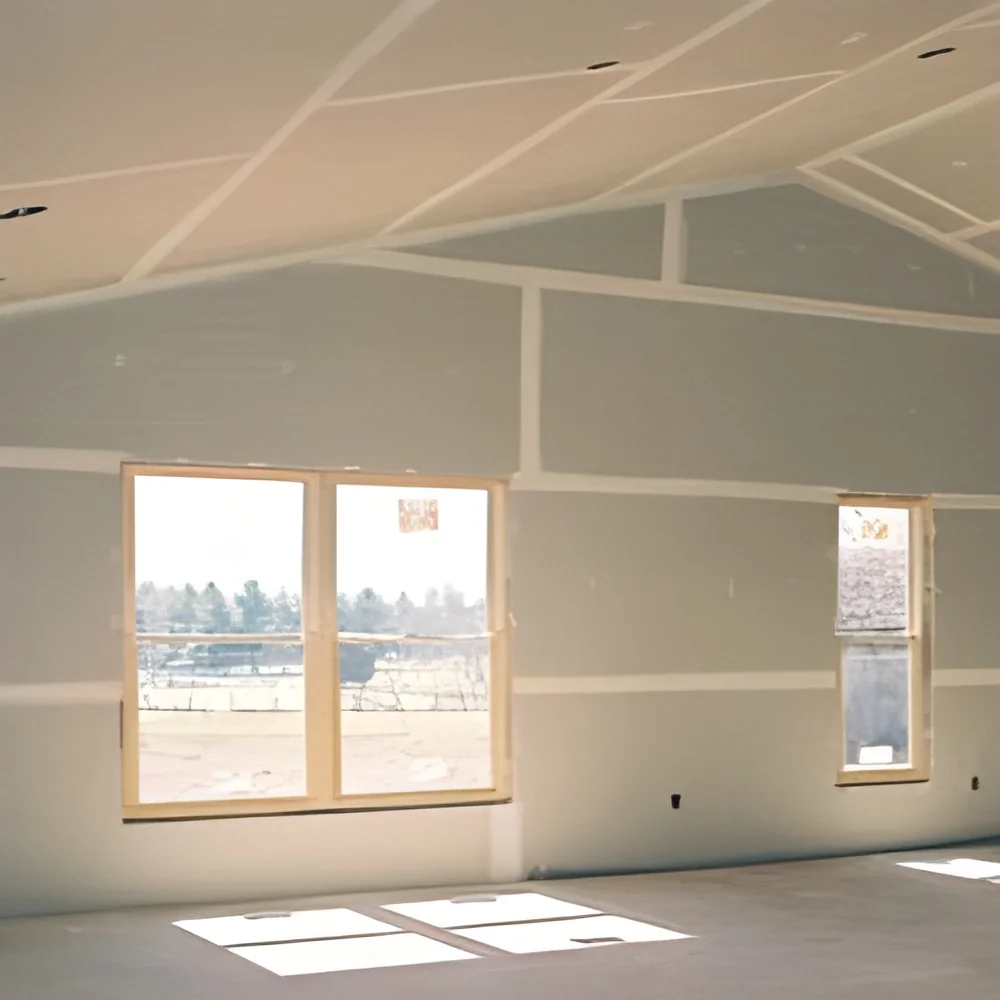
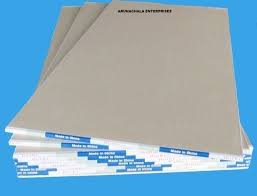
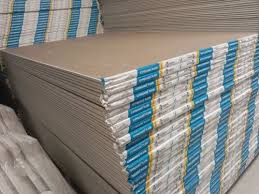
Gypsum and cement board partitions are interior wall systems composed primarily of gypsum and cement materials. These boards are used to create non-load-bearing walls that help define spaces within buildings. They are lightweight, durable, and provide excellent sound insulation, making them ideal for various applications in commercial and industrial settings.
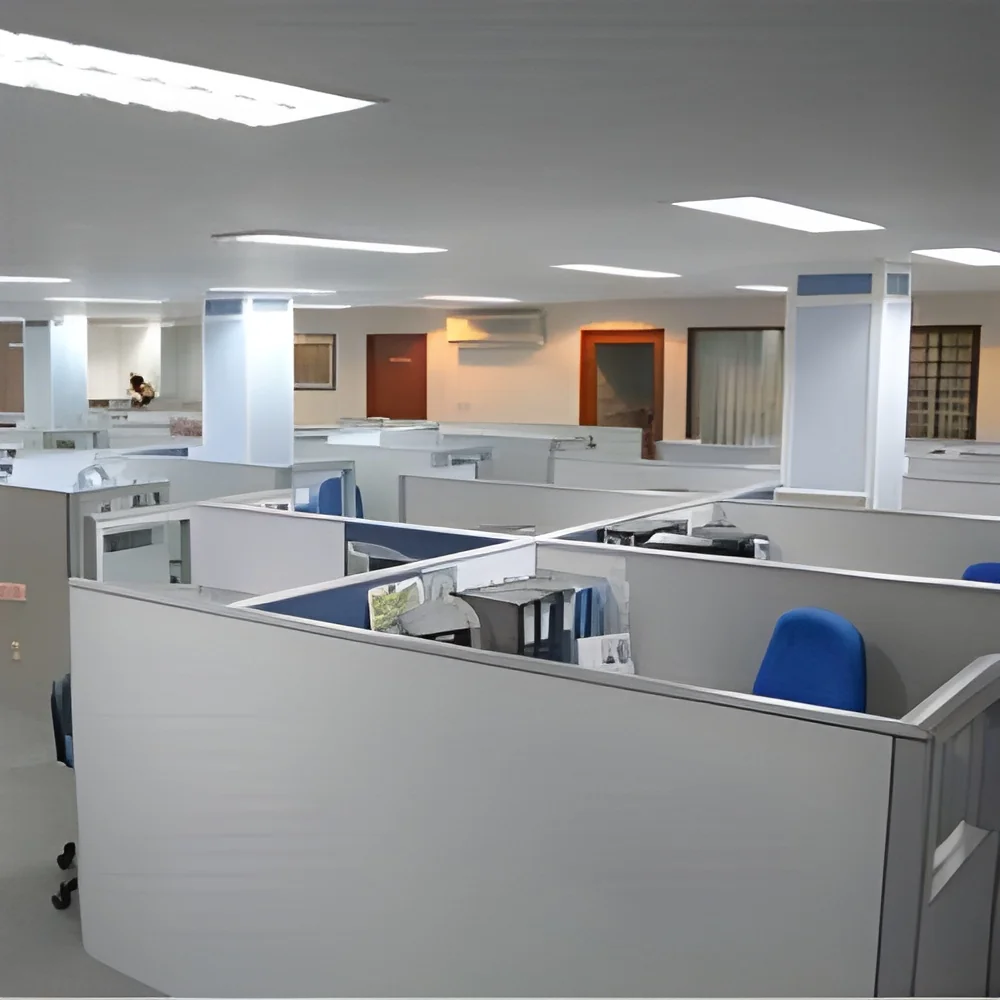
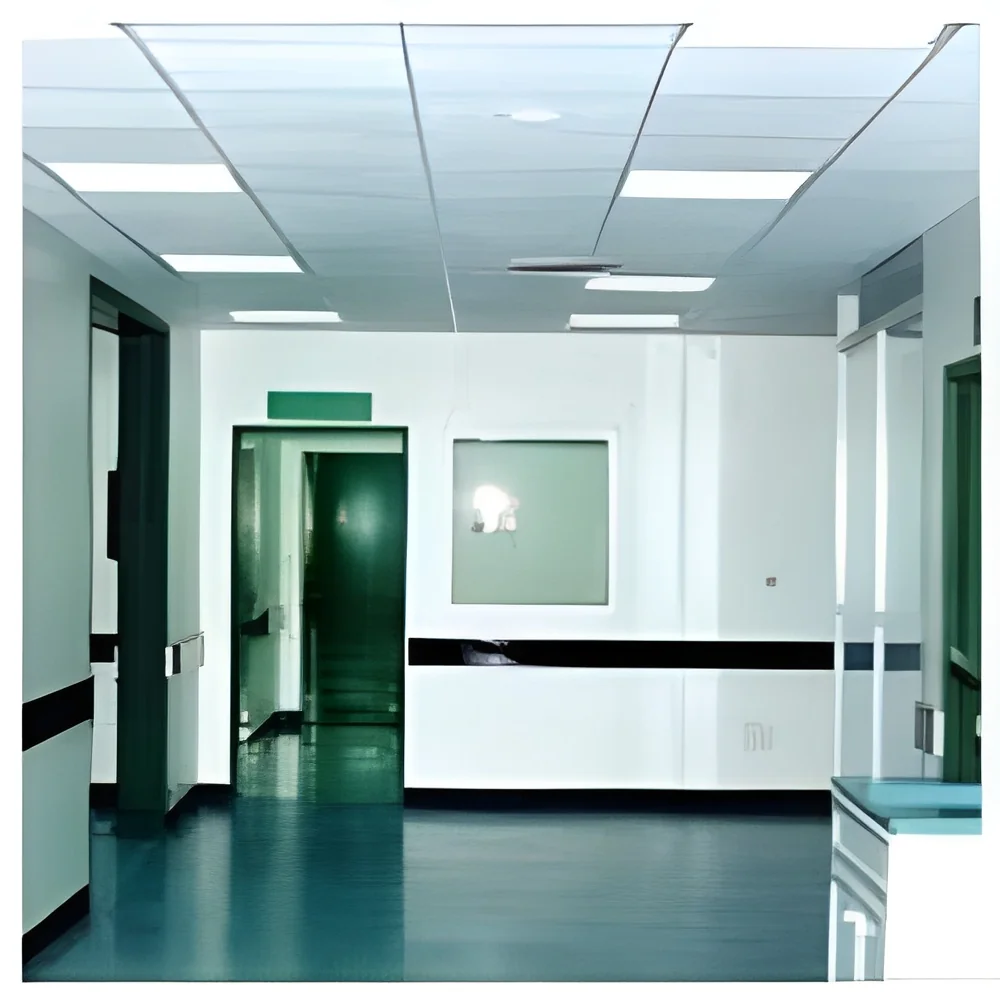
These partitions are commonly used in office buildings, schools, hospitals, and other facilities where space flexibility and quick installation are essential. They can easily be customized to accommodate various designs and layouts. The use of gypsum and cement boards allows for efficient construction processes while ensuring safety and durability. Given the growing demand for sustainable building materials, these partitions have become increasingly relevant in the construction industry.
Key Features and Specifications
Gypsum and cement board partitions offer numerous features that make them suitable for various applications. They are designed to meet specific performance criteria, including fire resistance, sound insulation, and moisture resistance.
Key specifications include:
1. Fire Resistance
- Gypsum boards typically have a fire rating of up to 1 hour.
- Cement boards can offer increased fire resistance based on composition.
2. Sound Insulation
- Provides STC ratings ranging from 30 to 55, depending on the assembly.
- Effective in reducing noise transmission in busy environments.
3. Moisture Resistance
- Gypsum boards can be treated for moisture resistance.
- Cement boards are inherently moisture-resistant, suitable for humid environments.
4. Weight
- Standard gypsum boards weigh approximately 2.6 lbs per square foot.
- Cement boards weigh around 3.5 lbs per square foot, providing added durability.
5. Dimensions
- Common sizes include 4x8 feet and 4x10 feet sheets.
- Thicknesses typically range from 1/2 inch to 1 inch.
6. Installation Ease
- Lightweight design facilitates quick and easy installation.
- Can be cut and shaped with standard tools.
7. Environmental Impact
- Gypsum boards are made from natural gypsum, a sustainable resource.
- Cement boards can be manufactured using recycled materials.
In summary, gypsum and cement board partitions offer a range of features that enhance their usability in different environments while meeting industry standards.
Common Applications and Use Cases
Gypsum and cement board partitions are highly versatile and serve various industries effectively.
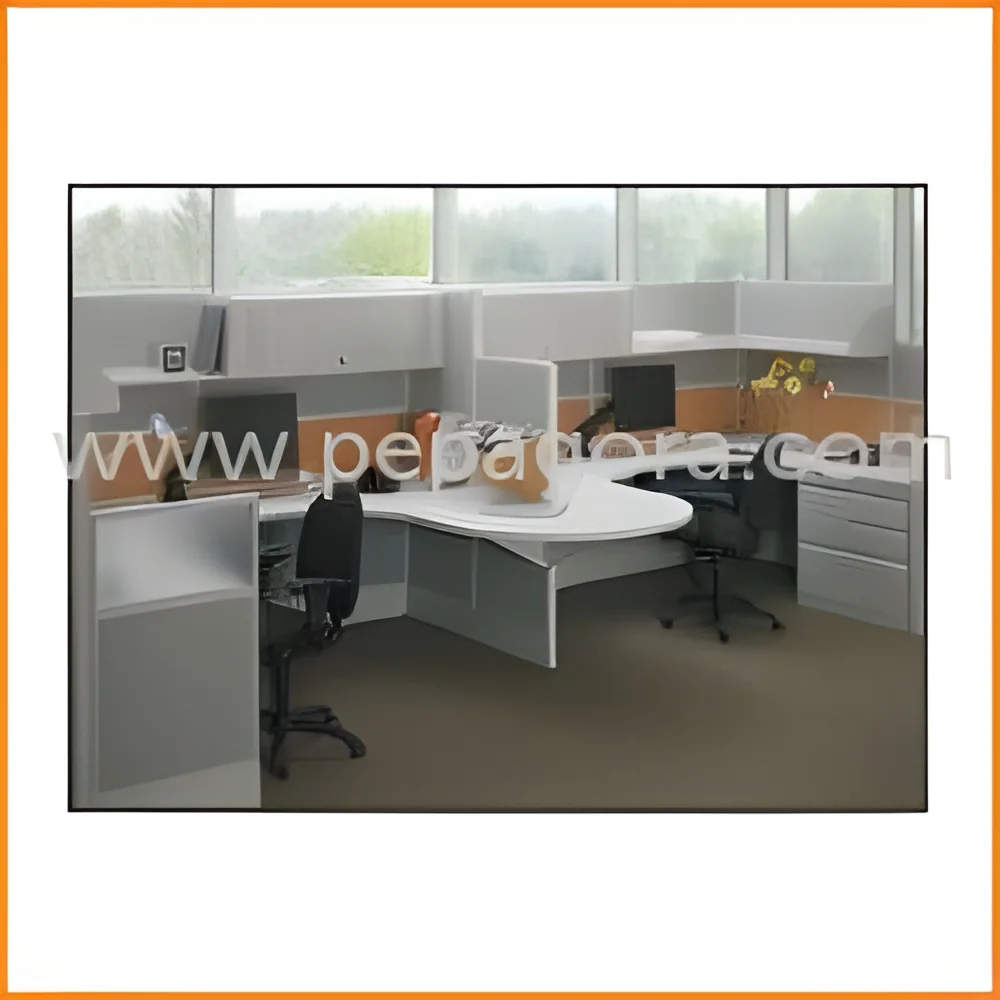
1. Commercial Offices: These partitions create flexible workspaces and can be easily reconfigured as needed.
2. Education: Used in schools for classrooms and administrative areas, allowing for sound insulation and fire safety.
3. Healthcare: Essential in hospitals for patient rooms and waiting areas, providing privacy and infection control.
4. Retail: Used in stores to create fitting rooms and display areas, enhancing customer experience.
5. Hospitality: Commonly applied in hotels for guest room partitions, ensuring comfort and noise reduction.
6. Industrial: Used in warehouses for office spaces and break rooms, providing durable and low-maintenance walls.
7. Residential: Increasingly popular in modern homes for creating distinct living spaces without major renovations.
Product Variants and Subcategories
Gypsum and cement board partitions come in various forms to meet specific construction needs.
Standard Gypsum Board
This variant is widely used for interior partitions due to its lightweight nature and ease of installation. It is suitable for spaces that require sound insulation and fire resistance.
Moisture-Resistant Gypsum Board
Designed for areas with high humidity, such as bathrooms and kitchens, this board has special additives to enhance moisture resistance.
Cement Board
This variant is favored for its durability and moisture resistance, making it ideal for exterior applications or areas exposed to water.
Flexible Gypsum Board
Used for curved walls or architectural features, this board can bend easily while maintaining structural integrity.
Benefits and Advantages
The use of gypsum and cement board partitions offers several significant benefits.
1. Cost-Effectiveness: These partitions are generally more affordable compared to traditional wall systems, reducing overall construction costs.
2. Quick Installation: Their lightweight nature allows for faster installation, minimizing labor costs and time on site.
3. Design Flexibility: These boards can be easily cut and shaped, enabling diverse architectural designs.
4. Fire Safety: Many gypsum boards have inherent fire-resistant properties, enhancing safety in commercial and residential buildings.
5. Acoustic Performance: With their sound insulation capabilities, these partitions create quieter environments, which is crucial in offices and healthcare settings.
6. Sustainability: Made from natural materials, these boards contribute to eco-friendly building practices.
Buying Guide for B2B Buyers
When sourcing gypsum and cement board partitions, it is essential to consider several factors to ensure quality and suitability for your project.
1. Quality Assessment: Look for products that meet industry standards and have certifications such as CE. Conduct tests for durability, fire resistance, and moisture control.
2. Supplier Verification: Vet suppliers thoroughly to confirm their reliability and reputation in the market. Check reviews and request references to ensure they deliver quality products consistently.
3. Pricing and MOQ: Understand the pricing structure and minimum order quantities required by suppliers. Compare costs among different providers to secure the best deal.
4. Delivery and Lead Times: Confirm the supplier's ability to meet your delivery timelines. Factor in lead times when planning your project to avoid delays.
5. Compliance Requirements: Ensure that the products comply with local building codes and regulations. Familiarize yourself with necessary certifications to avoid potential legal issues.
Compliance and Certifications
Gypsum and cement board partitions must adhere to various quality standards to ensure safety and performance. Relevant standards include ISO 9001, which focuses on quality management systems, and CE certification, indicating compliance with European safety standards.
Additionally, safety and testing requirements are essential in the manufacturing process. This ensures that the products can withstand specific environmental conditions, such as fire and moisture.
Regional compliance considerations may vary, so it is crucial to stay informed about local regulations and industry standards in your area. Ensuring compliance helps mitigate risks and enhances the overall quality of the partitions used in construction projects.
Why Source Gypsum & Cement Board Partitions from Pepagora?
Pepagora provides a trusted platform for sourcing gypsum and cement board partitions, offering several key advantages to B2B buyers.
Verified Supplier Network: Pepagora connects you with a network of verified suppliers who have been vetted for quality and reliability. This ensures that you receive high-quality products that meet your expectations.
Streamlined RFQ Process: The request for quotation process is designed to be efficient, allowing you to receive multiple quotations from suppliers quickly. This helps in comparing options and making informed purchasing decisions.
Trade Assurance and Support: Buyers benefit from trade assurance policies that protect their purchases. Dedicated support from Pepagora ensures you have assistance throughout the sourcing process.
Regional Coverage: Pepagora’s geographic reach includes India, the GCC, and Southeast Asia. This wide coverage allows you to access a diverse range of suppliers and products tailored to your local market needs.

 IN
IN