What are Grid & Tile Ceilings?
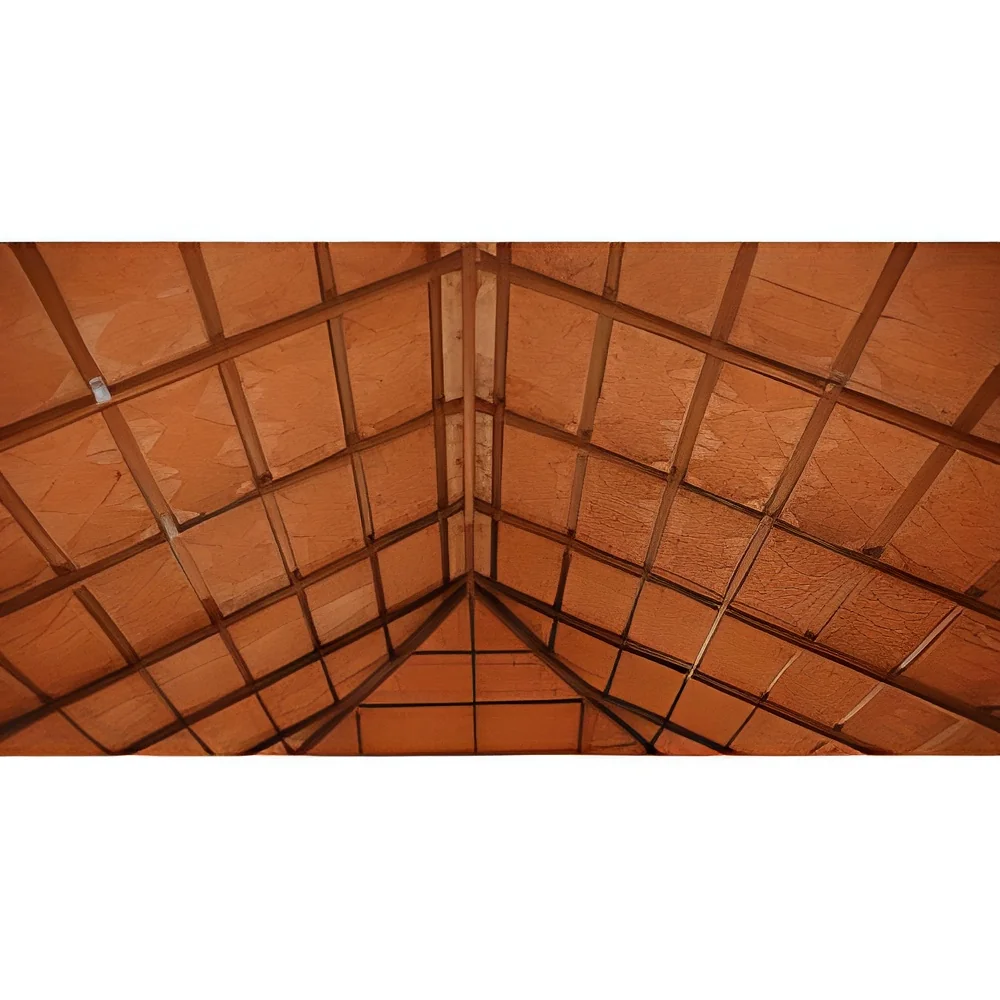
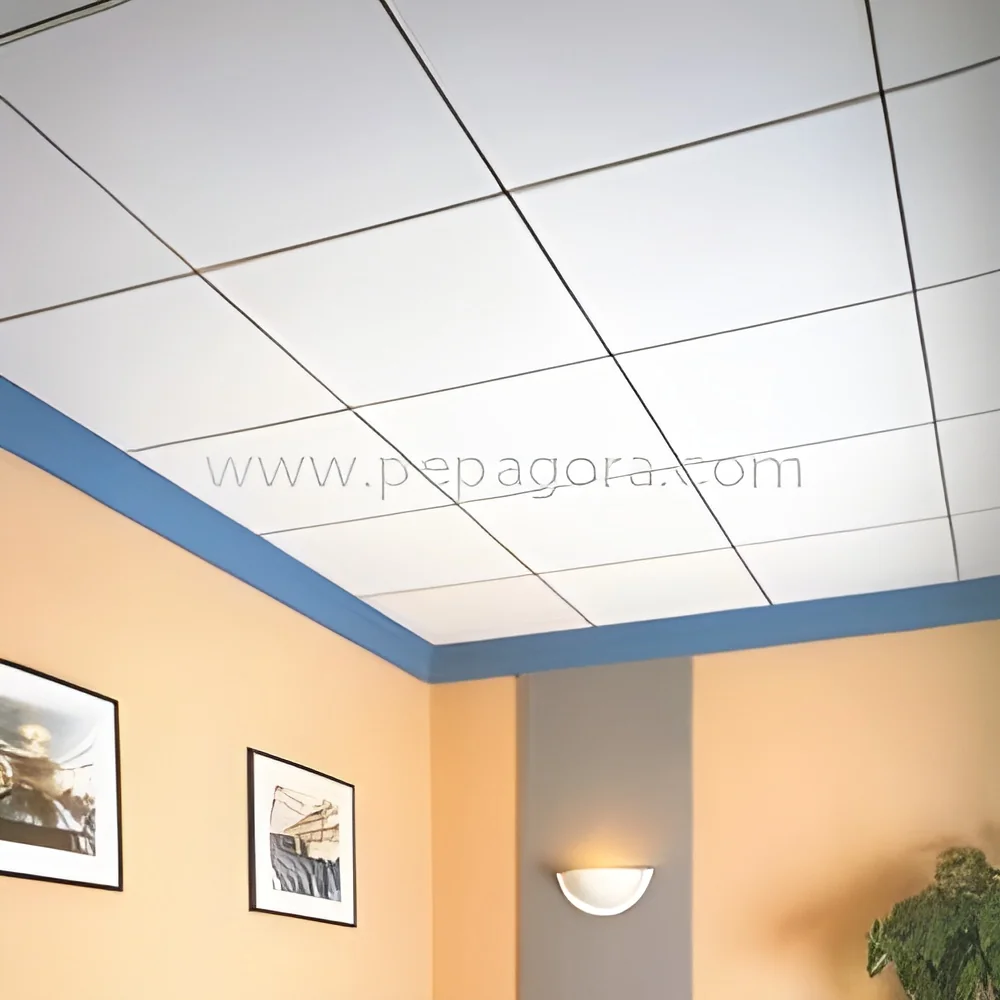
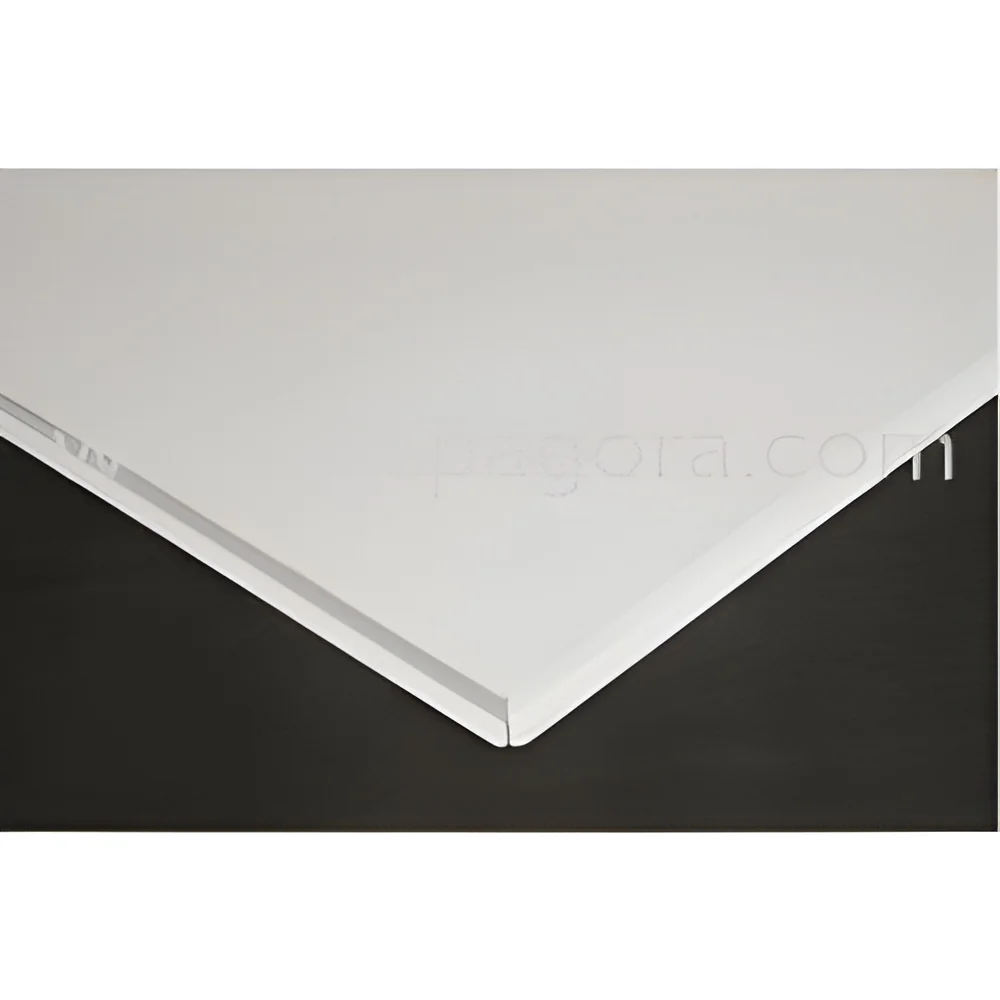
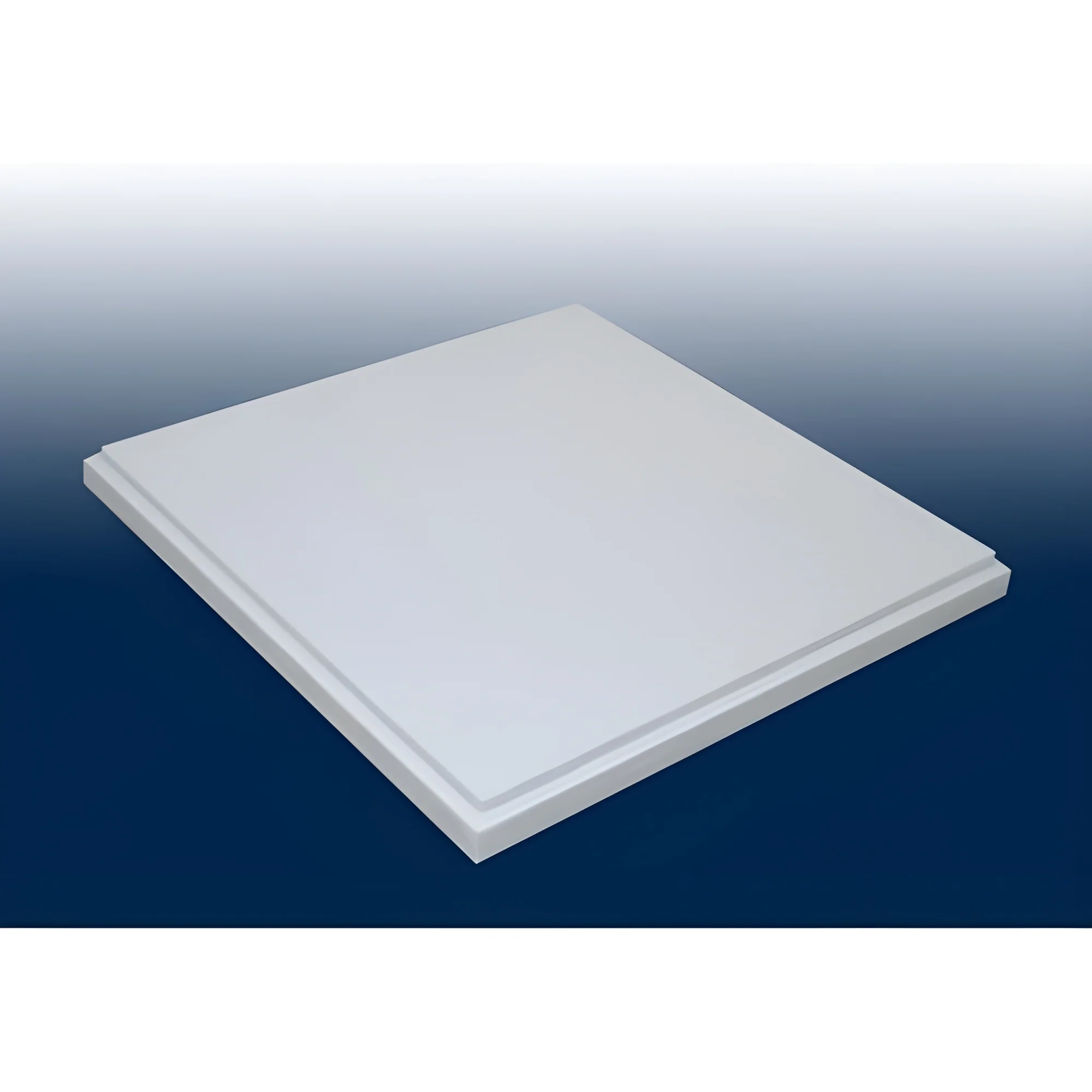
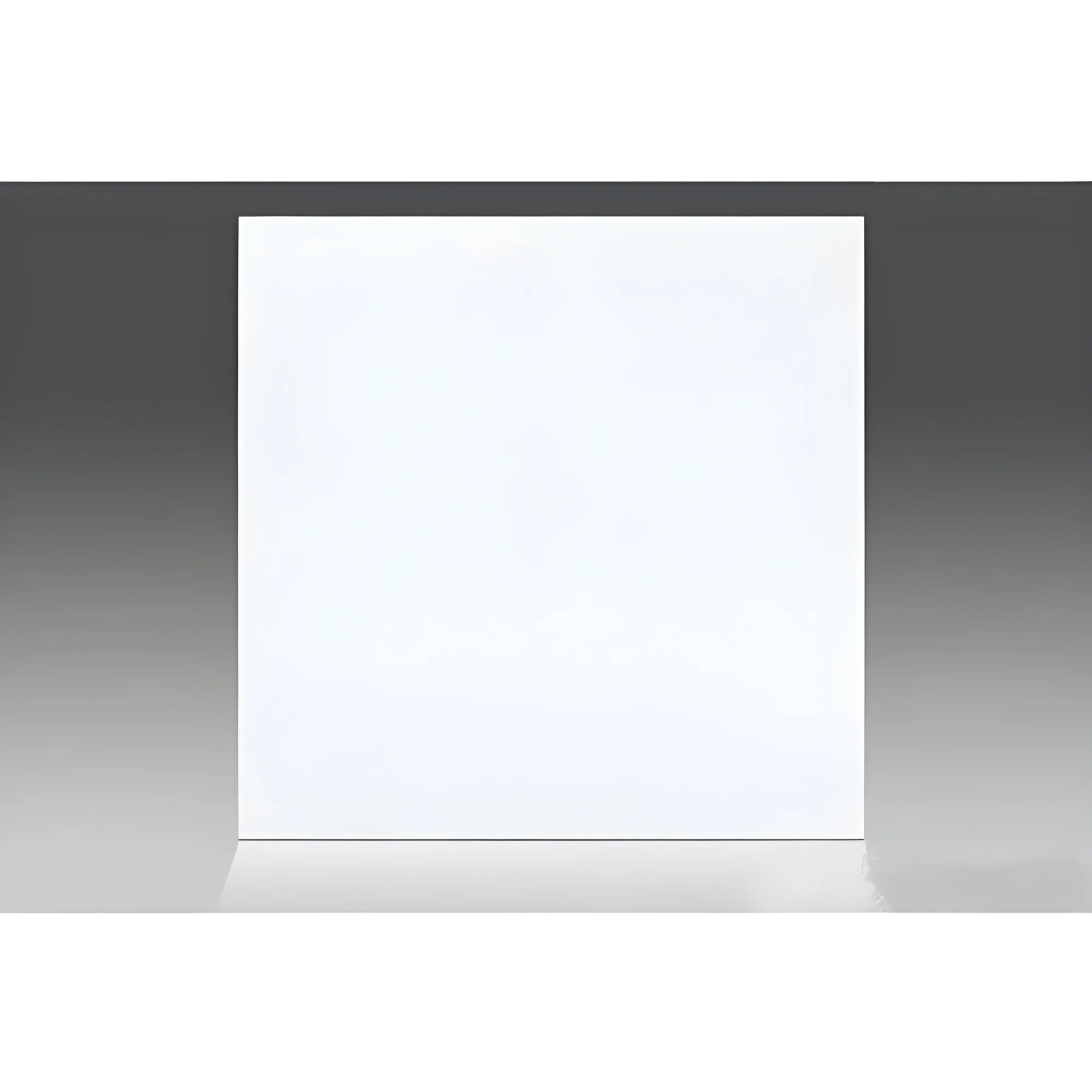
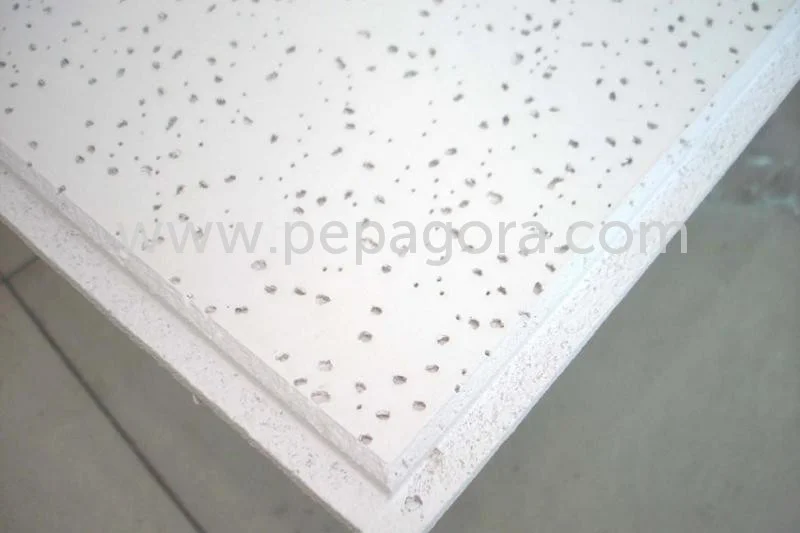
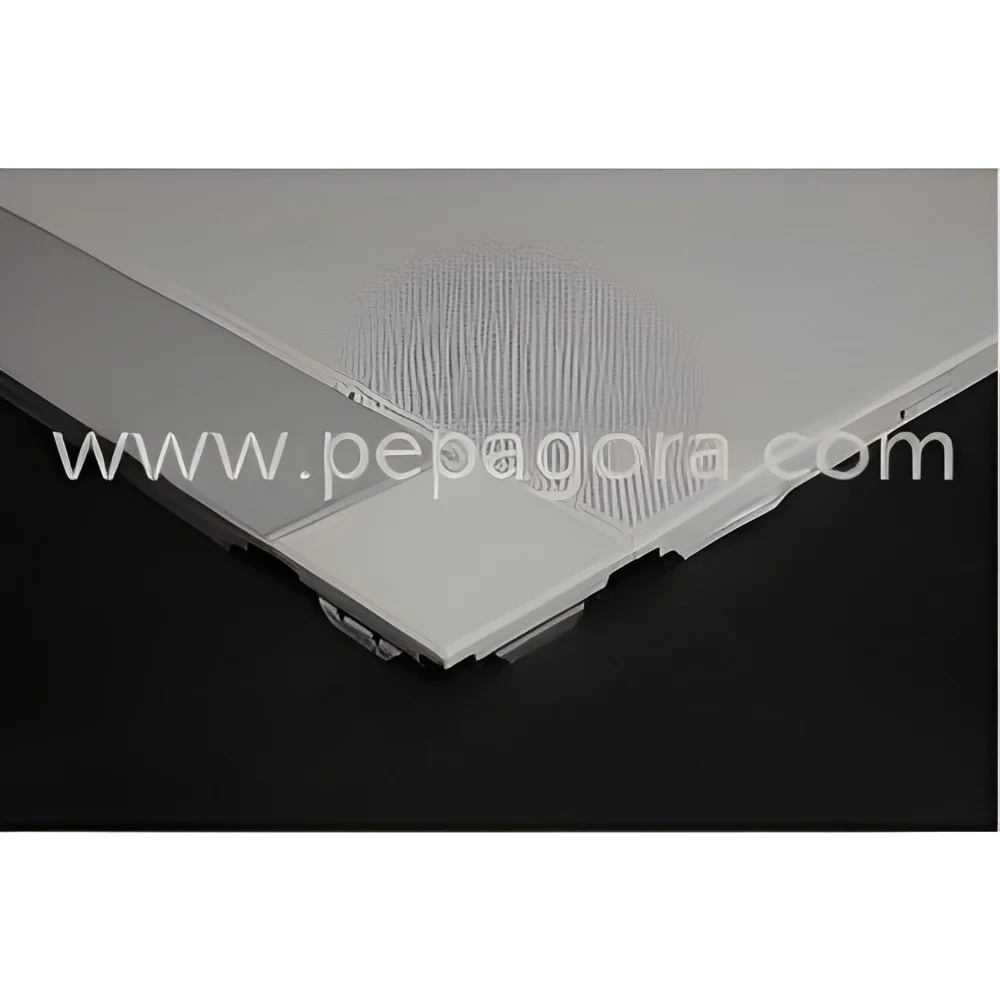
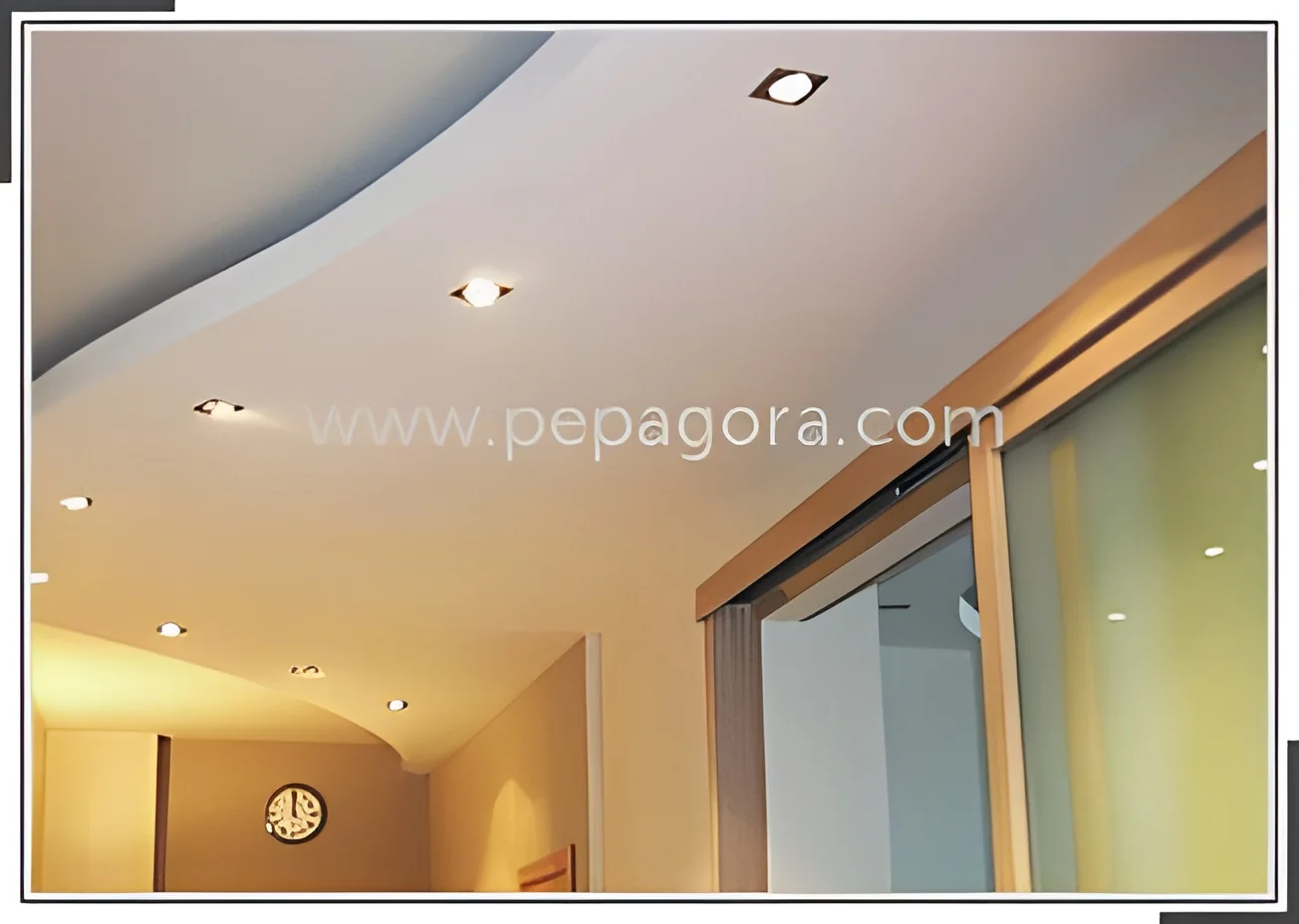
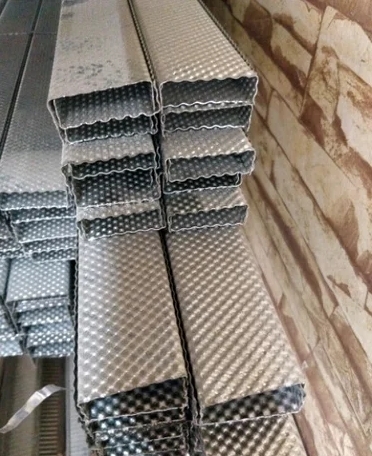
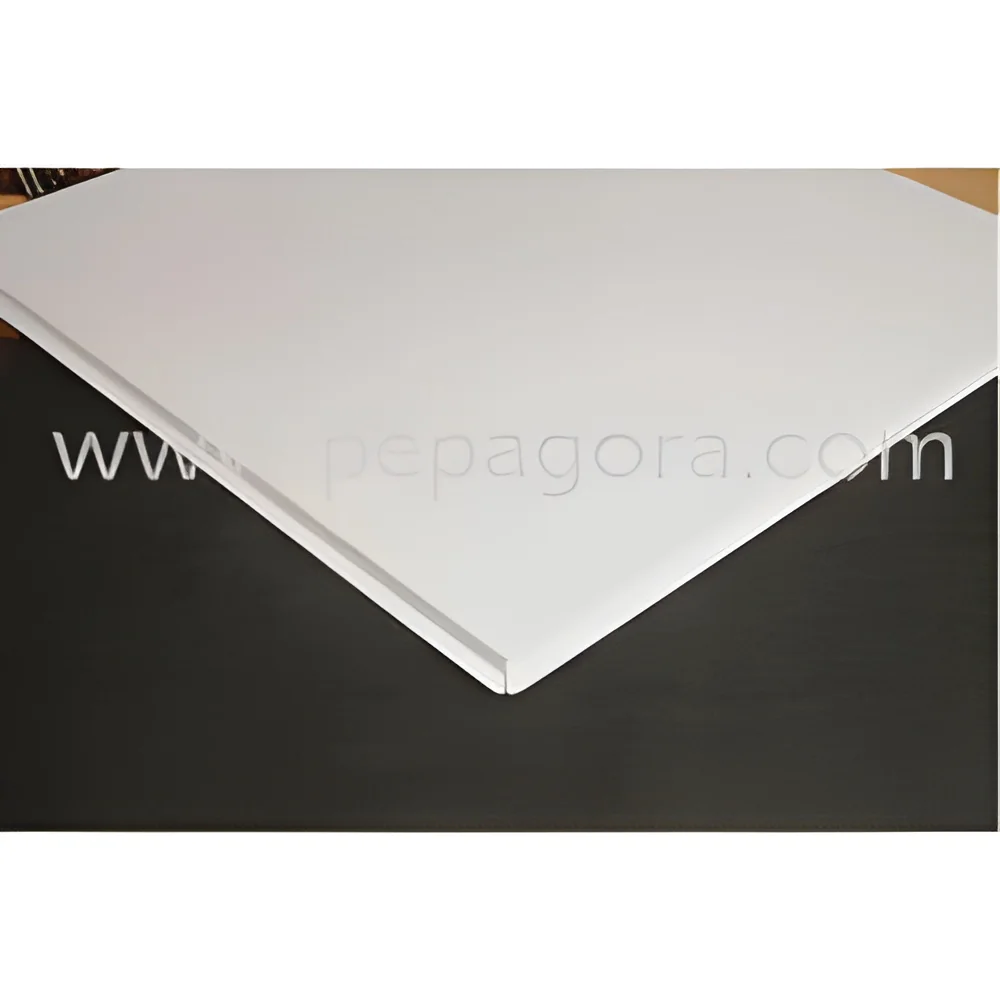
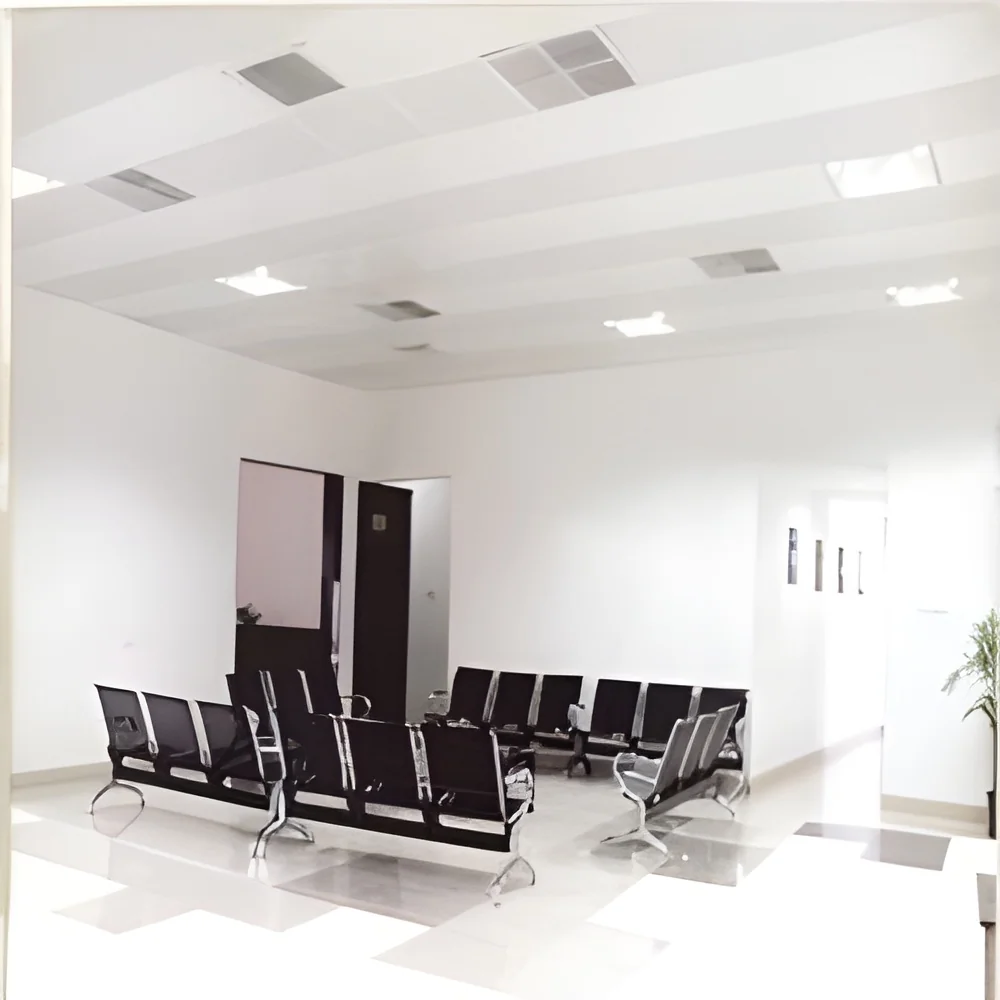
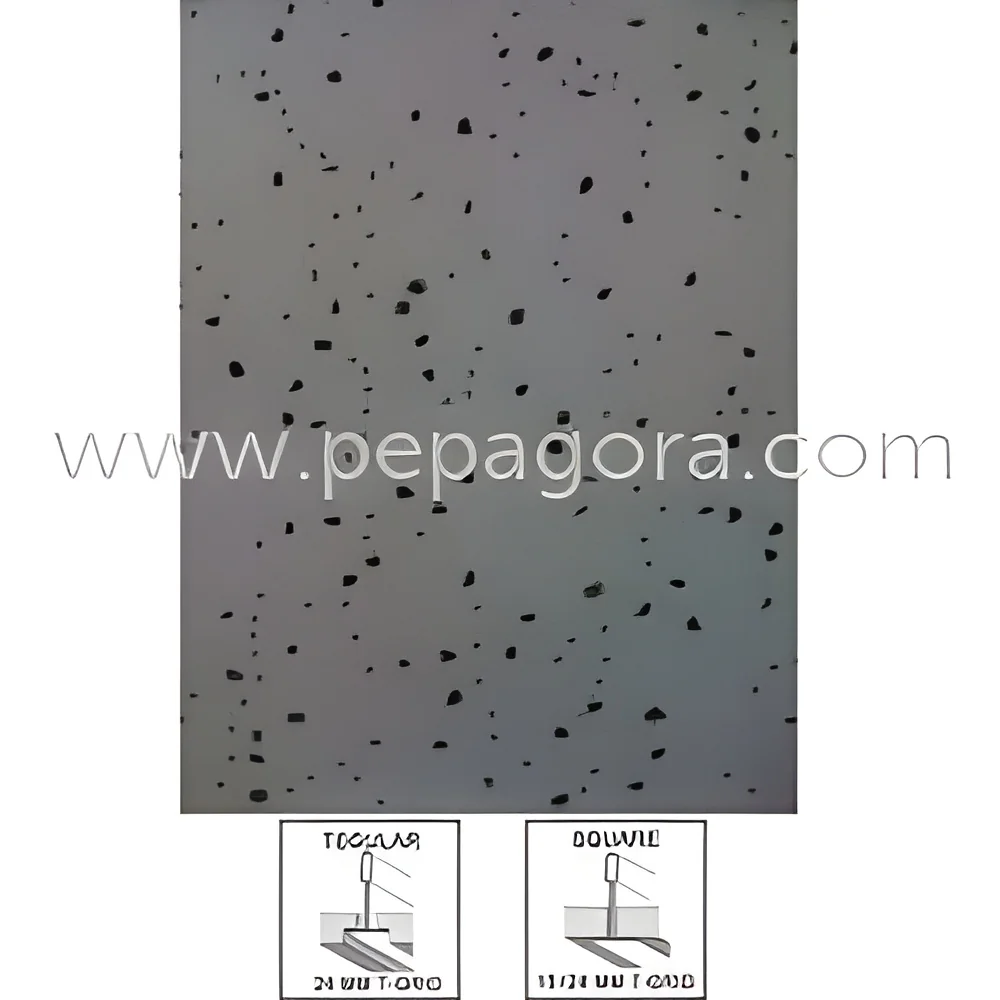
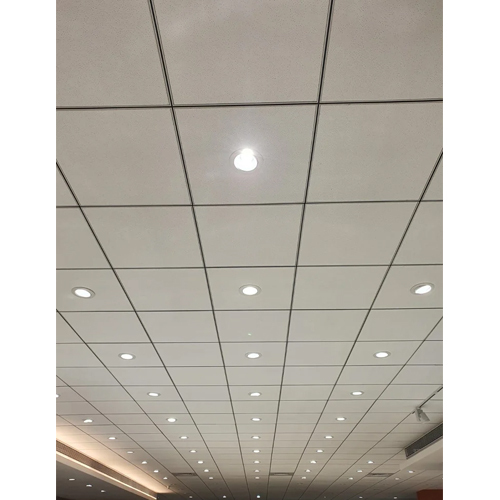
Grid and tile ceilings, also known as suspended ceilings or drop ceilings, consist of a framework of metal grids that support lightweight tiles. These tiles can be made from various materials such as mineral fiber, fiberglass, or metal, and are designed to fit into the grid system. This type of ceiling provides a clean, modern appearance while allowing for easy access to the space above for maintenance or installation of lighting and HVAC systems.
Primary uses of grid and tile ceilings include commercial spaces such as offices, retail stores, and educational institutions. They are particularly favored in environments where aesthetics and acoustics are important. In these settings, grid and tile ceilings can reduce noise levels and enhance the overall design. Their versatility and practicality make them a popular choice in various industries, contributing to their growing relevance in the construction market.
The demand for grid and tile ceilings has been increasing due to their cost-effectiveness and ease of installation. As industries focus more on creating functional and visually appealing spaces, grid and tile ceilings play an essential role in modern architectural design. This market is expected to continue growing as businesses prioritize efficient space management and aesthetic appeal.
Key Features and Specifications
Grid and tile ceilings offer a variety of features that make them suitable for numerous applications. The specifications can vary based on material type, design, and intended use. Below are some key specifications to consider.
Key specifications include:
1. Material Composition
- Common materials include mineral fiber, fiberglass, and metal.
- Each material offers unique properties such as sound absorption and moisture resistance.
2. Tile Dimensions
- Standard tile sizes often include 2x2 feet and 2x4 feet.
- Custom sizes may also be available to meet specific project needs.
3. Acoustic Performance
- Tiles may be rated for sound absorption (NRC ratings).
- High NRC ratings indicate better sound dampening capabilities.
4. Fire Resistance Rating
- Many tiles come with a Class A fire rating.
- This classification indicates they are less likely to contribute to fire spread.
5. Weight Capacity
- The grid system is designed to support a certain weight per square foot.
- This should be considered when planning for additional fixtures.
6. Humidity Control
- Some tile options feature moisture-resistant properties.
- Ideal for environments with high humidity levels.
7. Aesthetic Options
- Tiles are available in various finishes, colors, and textures.
- This diversity allows customization to match interior design themes.
8. Installation Method
- Installation can be either standard grid layout or specialty systems.
- Options may include accessible ceilings for maintenance purposes.
In summary, grid and tile ceilings provide a range of features tailored to different business needs. Their versatility in material and design, combined with functional benefits, makes them an ideal choice for many commercial applications.
Common Applications and Use Cases
Grid and tile ceilings are utilized across various industries due to their functional and aesthetic benefits.
1. Office Spaces: These ceilings enhance the acoustic environment, reducing noise distractions in open-plan offices. They also allow for easy integration of lighting and HVAC systems.
2. Retail Stores: Retail environments benefit from flexible design options that enhance visual merchandising. The ceilings can be customized to fit the brand's image.
3. Educational Institutions: Schools and universities often use grid and tile ceilings to improve acoustics in classrooms and lecture halls, creating better learning environments.
4. Healthcare Facilities: Hospitals and clinics utilize these ceilings for their hygiene benefits and ease of access for maintenance of overhead systems.
5. Hospitality Sector: Hotels and restaurants use grid and tile ceilings to create inviting atmospheres while managing sound levels effectively.
6. Manufacturing Facilities: These ceilings can be designed to withstand industrial conditions while providing easy access to utilities.
In conclusion, the diverse applications of grid and tile ceilings make them a valuable solution for various sectors, contributing to both functionality and design.
Product Variants and Subcategories
Grid and tile ceilings come in several variants, each designed to meet specific needs within various environments.
Acoustic Ceiling Tiles: These tiles are specifically engineered to absorb sound and reduce noise levels. They are ideal for environments like offices and schools where sound control is a priority.
Moisture-Resistant Ceiling Tiles: Designed for high-humidity areas such as kitchens and bathrooms, these tiles prevent mold and mildew growth, ensuring a safer environment.
Mineral Fiber Ceiling Tiles: Known for their excellent acoustic properties, mineral fiber tiles are lightweight and easy to install, making them a popular choice for commercial spaces.
Metal Ceiling Tiles: Offering a modern aesthetic, metal tiles provide durability and are often used in upscale retail environments or corporate offices.
Architectural Ceiling Tiles: These tiles provide unique designs and patterns that enhance the visual appeal of a space, often found in hospitality and high-end retail settings.
Benefits and Advantages
Grid and tile ceilings offer numerous benefits to businesses, making them a preferred choice in various applications.
Key benefits include:
1. Cost-Effective: These ceilings are generally less expensive to install and maintain compared to traditional plaster ceilings.
2. Easy Installation: The grid system allows for quick installation and modification, reducing downtime during renovations.
3. Improved Acoustics: Many tiles are designed to minimize sound transmission, creating a more comfortable environment.
4. Accessibility: The suspended design allows for easy access to utilities above the ceiling, simplifying maintenance.
5. Aesthetic Flexibility: Available in various styles and finishes, these ceilings can be customized to match any interior design.
6. Enhanced Energy Efficiency: Some tiles are designed to improve thermal insulation, contributing to energy savings over time.
In summary, the benefits of grid and tile ceilings make them a versatile solution for businesses looking to improve both functionality and aesthetics.
Buying Guide for B2B Buyers
When sourcing grid and tile ceilings, B2B buyers should consider several critical factors to ensure they make informed decisions.
1. Quality Assessment: Buyers should evaluate the quality of materials used in the tiles and grids. Look for certifications that indicate high manufacturing standards.
2. Supplier Verification: It is essential to vet suppliers by checking their reputation, customer reviews, and past project experience to ensure reliability.
3. Pricing and MOQ: Understand the pricing structures and minimum order quantities (MOQ) required by suppliers to plan budgets effectively.
4. Delivery and Lead Times: Confirm delivery schedules and lead times to avoid project delays and ensure timely installation.
5. Compliance Requirements: Verify that the products meet all local and industry-specific compliance and safety standards to avoid legal issues.
Compliance and Certifications
Grid and tile ceilings must adhere to various compliance and certification standards to ensure safety and quality.
Relevant quality standards such as ISO 9001 ensure that manufacturers maintain consistent quality management systems. This certification is crucial for buyers seeking reliable products.
Industry certifications like CE indicate that the products meet European safety and environmental requirements. This certification is essential for products marketed in the European market.
Safety and testing requirements are paramount, especially for products used in commercial and public spaces. Manufacturers must conduct thorough testing for fire resistance, acoustic performance, and durability.
Regional compliance considerations may vary, so it is vital to understand local regulations that apply to grid and tile ceilings. Ensuring compliance helps mitigate risks and ensures customer safety.
Why Source Grid & Tile Ceilings from Pepagora?
Pepagora provides a trusted platform for sourcing grid and tile ceilings, offering several key advantages to B2B buyers.
Verified Supplier Network: Pepagora ensures that all suppliers are thoroughly vetted, providing buyers with confidence in the reliability and quality of the products offered.
Streamlined RFQ Process: The platform features a user-friendly request for quotation (RFQ) system that simplifies the process of obtaining quotes from multiple suppliers, saving time and effort.
Trade Assurance and Support: Pepagora offers buyer protection mechanisms that safeguard transactions, ensuring that purchases meet quality expectations and providing support if issues arise.
Regional Coverage: With a focus on India, the GCC, and Southeast Asia, Pepagora connects buyers with suppliers across these regions, facilitating access to a diverse range of grid and tile ceiling products.
In summary, choosing Pepagora as a sourcing solution for grid and tile ceilings enhances the overall procurement experience, providing buyers with quality products and reliable support.

 IN
IN