
 IN
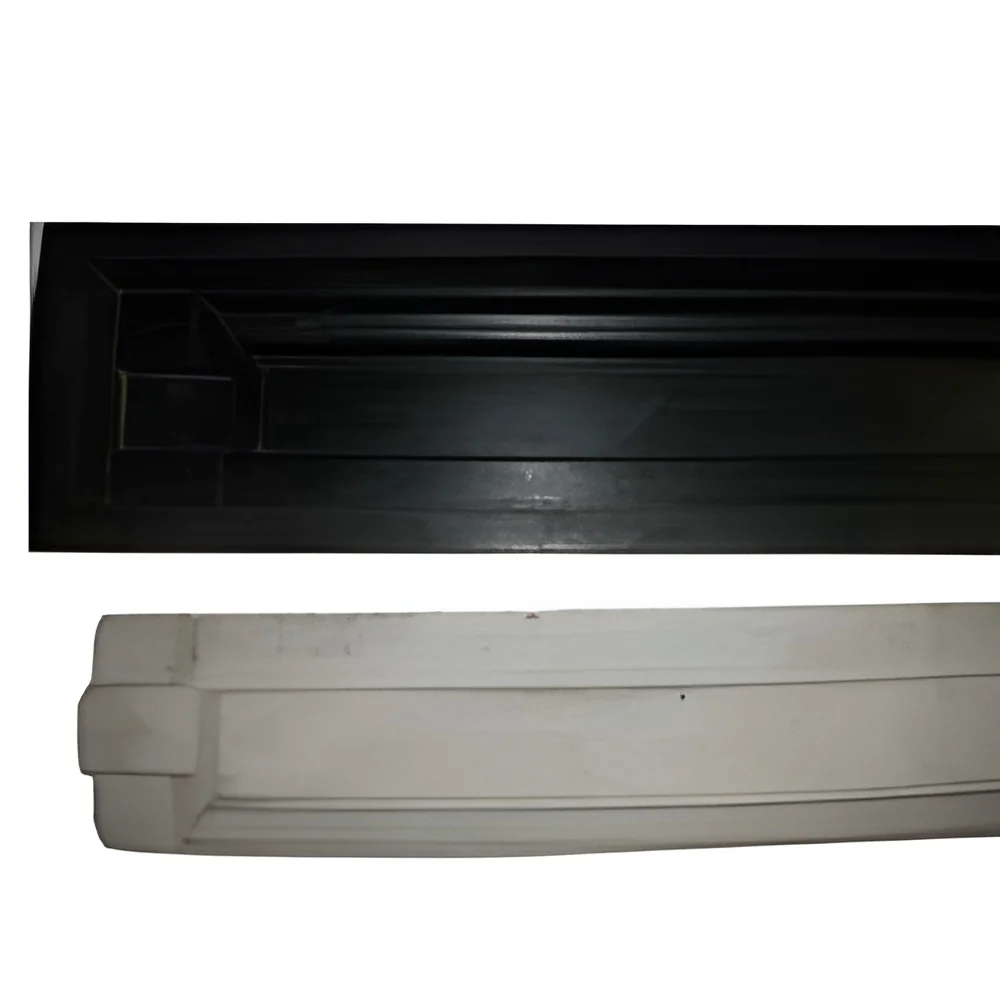
INWooden Door Frames (Sal, Teak, Pine)
28 products available
Key Features and Specifications
Common Applications and Use Cases
Product Variants and Subcategories
Benefits and Advantages
Buying Guide for B2B Buyers
Compliance and Certifications



 India
India

 India
India
 India
India

 India
India
 India
India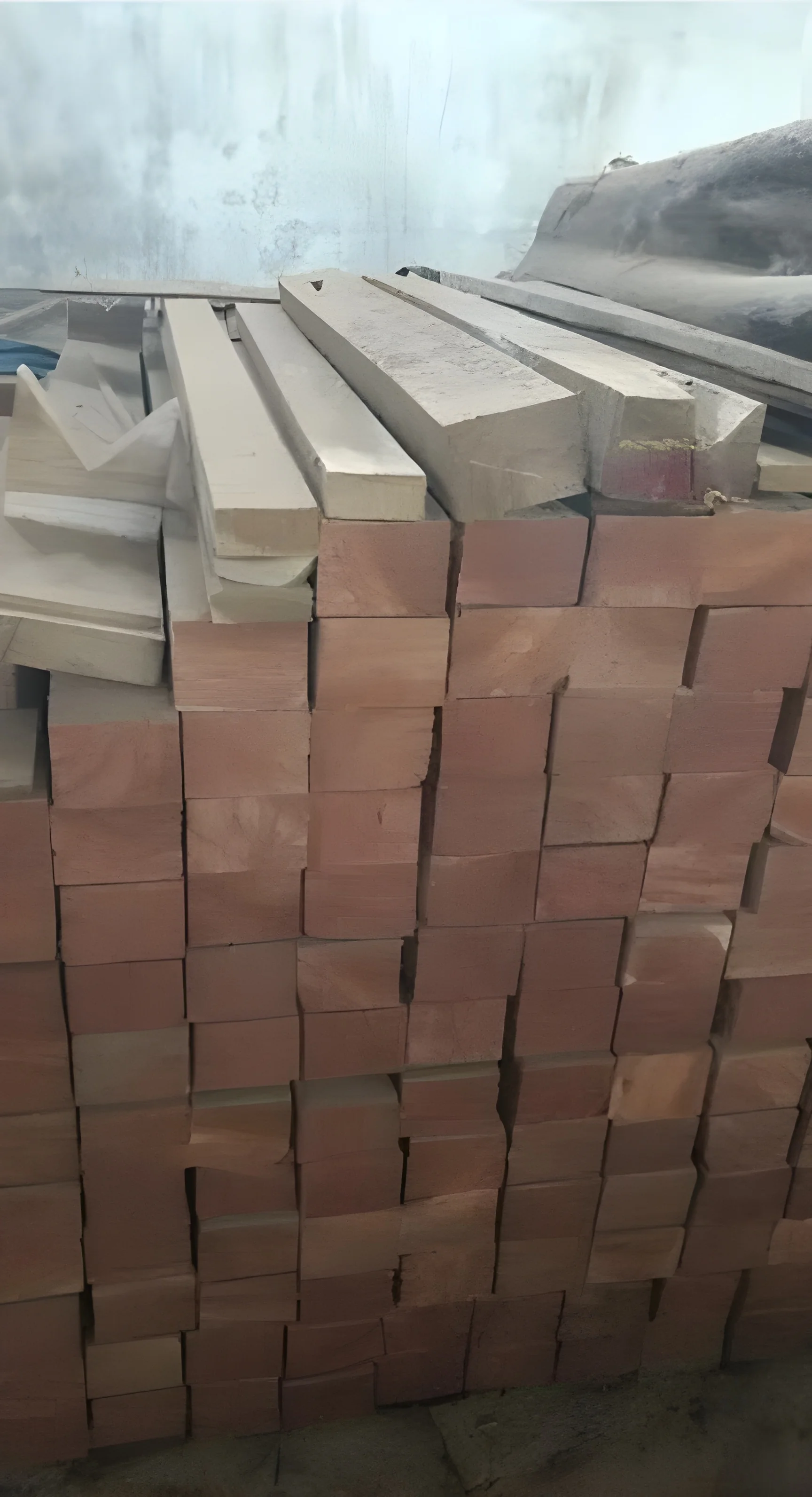 India
India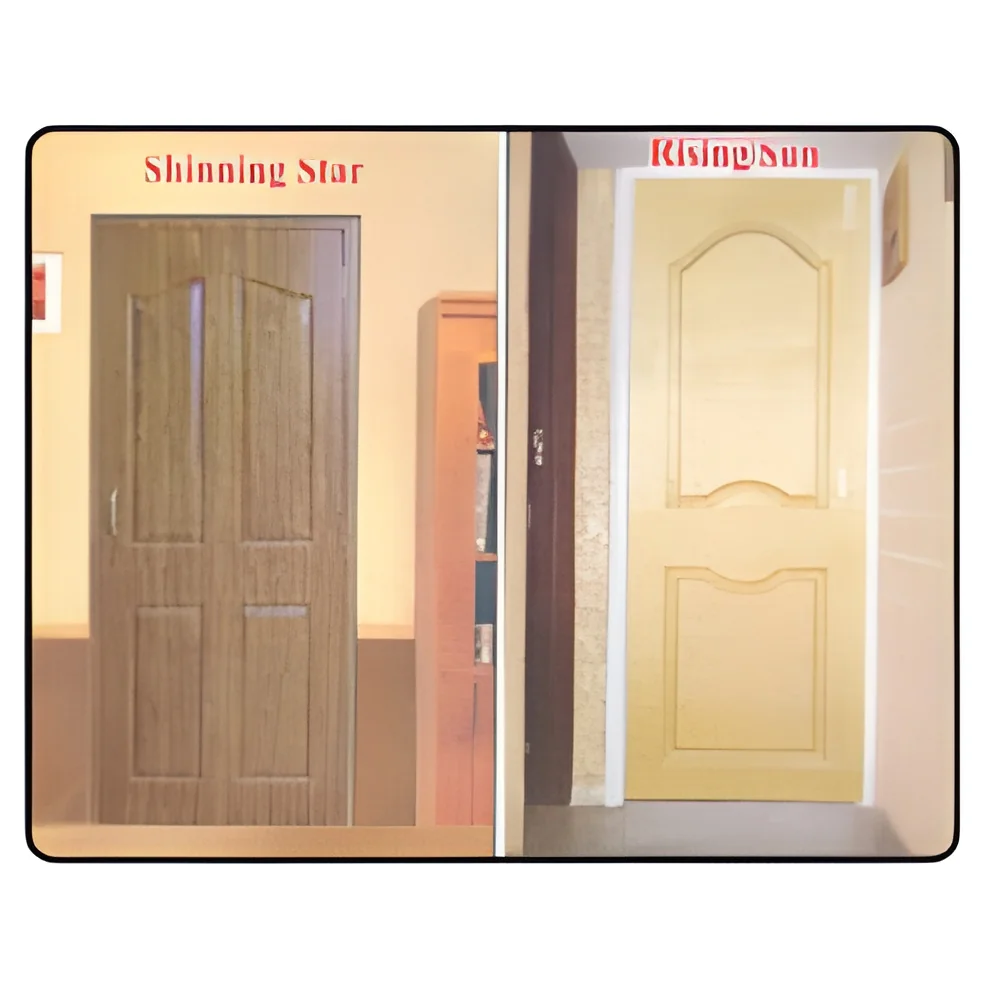


 India
India
 India
India
 India
India India
India India
India India
India

 India
India

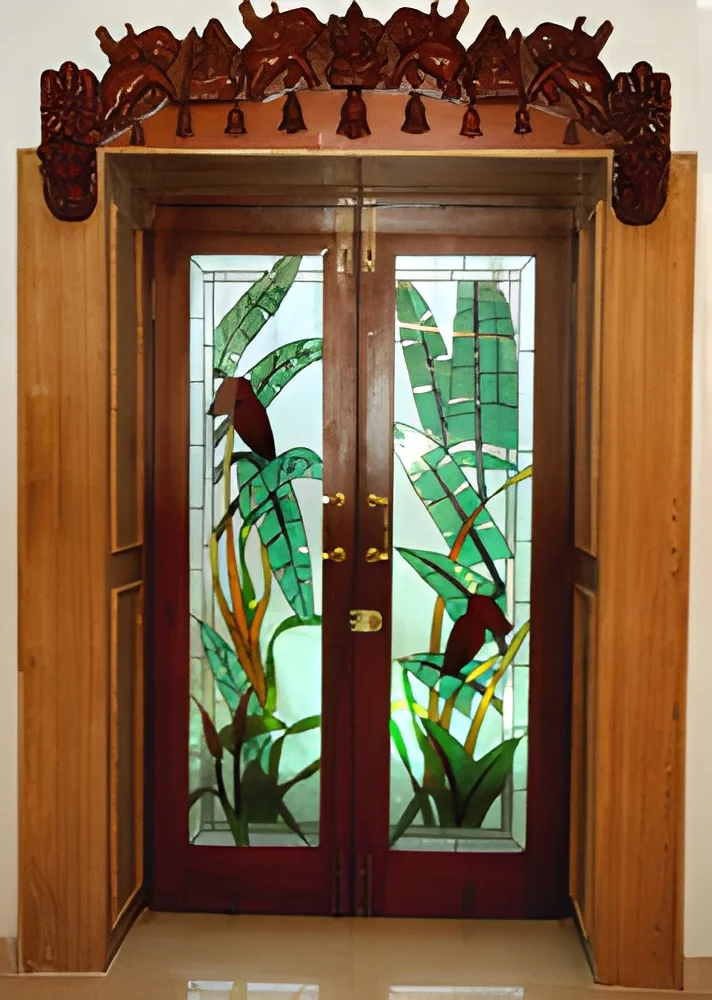
Frequently Asked Questions
What are Wooden Door Frames (Sal, Teak, Pine)?
Wooden Door Frames (Sal, Teak, Pine) are structural components made from various types of wood used to support doors. Sal wood is known for its durability, Teak for its water resistance and aesthetic appeal, and Pine for its affordability and ease of use. Each type offers unique benefits suitable for different applications.
What are the different types of Wooden Door Frames (Sal, Teak, Pine)?
The main types of Wooden Door Frames include those made from Sal, Teak, and Pine wood. Sal frames are robust and often used in heavy-duty applications, Teak frames are prized for their rich color and resistance to decay, while Pine frames are lightweight and cost-effective, suitable for interior use.
How do I choose the right Wooden Door Frames (Sal, Teak, Pine)?
Choosing the right Wooden Door Frame involves considering factors such as the location of use, durability requirements, and aesthetic preferences. For external doors, Teak or Sal may be preferable due to their strength and resistance to weather, while Pine could be suitable for interior applications where cost is a concern.
What are the standard specifications for Wooden Door Frames (Sal, Teak, Pine)?
Standard specifications for Wooden Door Frames typically include dimensions, thickness, and treatment specifications. Common dimensions include height and width that match the door size, with thicknesses usually ranging from 3 to 6 inches depending on the type of wood and application.
What is the price range for Wooden Door Frames (Sal, Teak, Pine)?
The price range for Wooden Door Frames varies based on the type of wood and quality. Sal frames can be more expensive due to their durability, typically ranging from INR 2,500 to INR 5,000, while Teak frames may range from INR 3,000 to INR 6,000, and Pine frames are generally more affordable, starting around INR 1,500.
What quality standards apply to Wooden Door Frames (Sal, Teak, Pine)?
Quality standards for Wooden Door Frames include adherence to moisture content, dimensional stability, and structural integrity. The wood should be properly treated to prevent pest infestation and decay, and frames are often certified by standards such as IS 1003 for wood-based products in India.
Where can I find Wooden Door Frames (Sal, Teak, Pine) suppliers in India?
You can find Wooden Door Frames suppliers in India through B2B marketplaces like Pepagora.com, local timber yards, and specialty wood suppliers. Online platforms provide a vast selection of manufacturers and enable comparisons to find the best options for your needs.
Can Wooden Door Frames (Sal, Teak, Pine) be customized?
Yes, Wooden Door Frames can often be customized to meet specific design requirements and dimensions. Many manufacturers offer customization options such as size, finish, and additional features to match the architectural style of your project.
What is the typical minimum order quantity for Wooden Door Frames (Sal, Teak, Pine)?
The typical minimum order quantity (MOQ) for Wooden Door Frames varies by supplier but generally ranges from 10 to 50 units. Custom orders may have different MOQs based on the specific requirements and production capabilities of the manufacturer.
What is the typical lead time for Wooden Door Frames (Sal, Teak, Pine)?
The typical lead time for Wooden Door Frames can vary depending on the supplier and whether the frames are standard or customized. Generally, you can expect a lead time of 2 to 6 weeks for standard frames, while customized orders may take longer.
Why Businesses Trust Pepagora
Thousands of companies trust Pepagora to source smarter and sell faster
Expand Your Sales Globally

Source Smarter,Grow Faster
