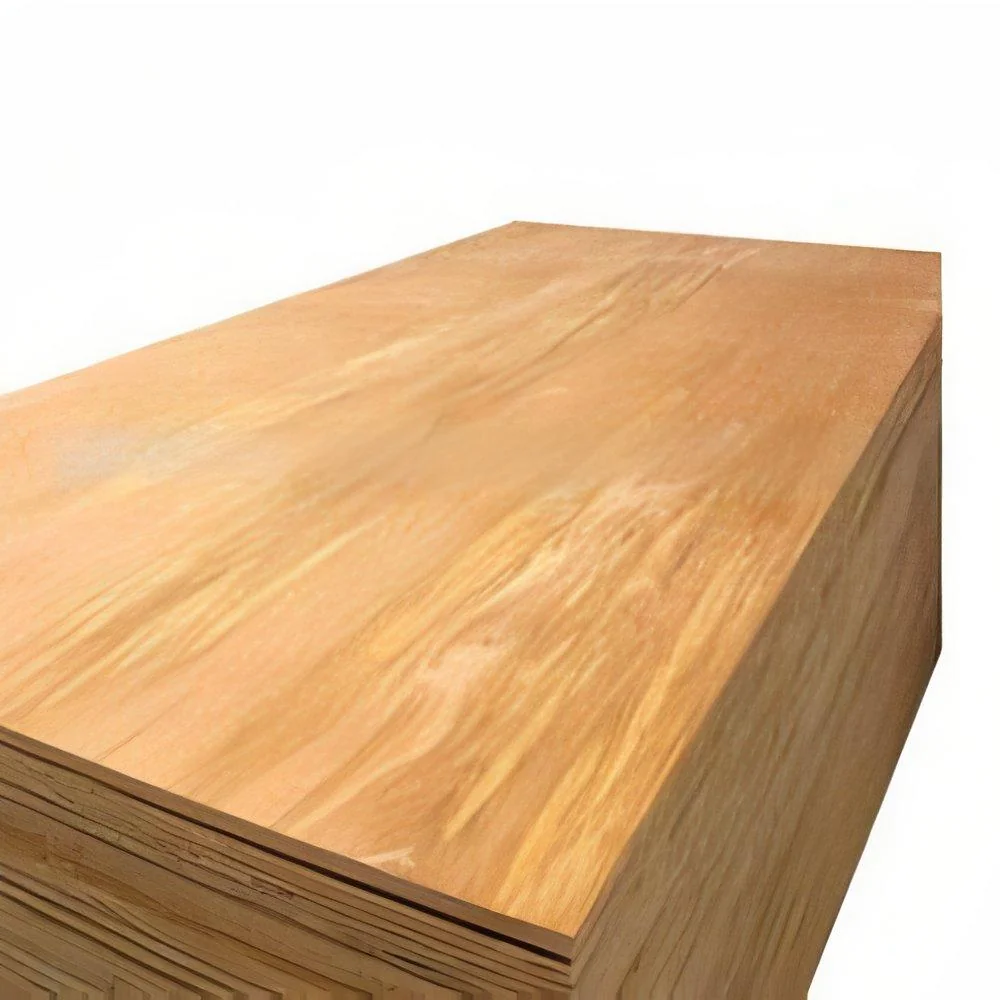
What are Commercial Plywood?
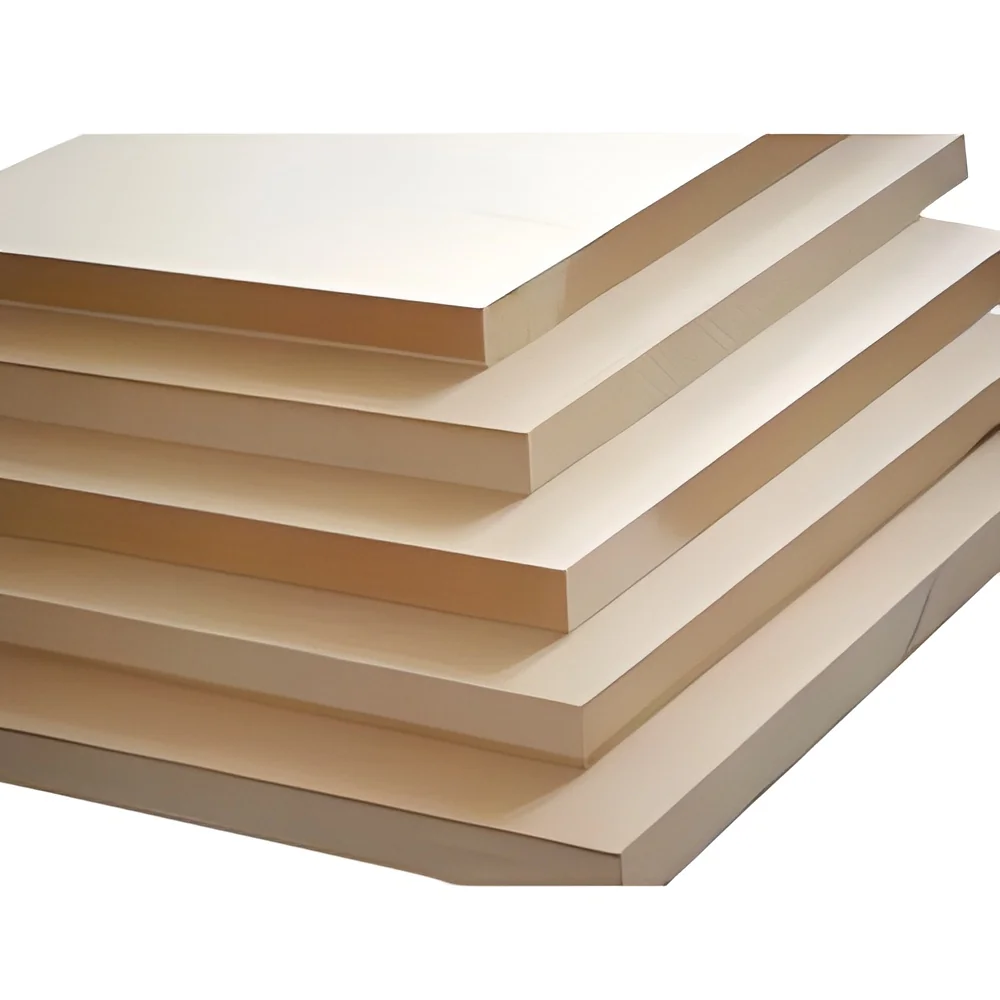
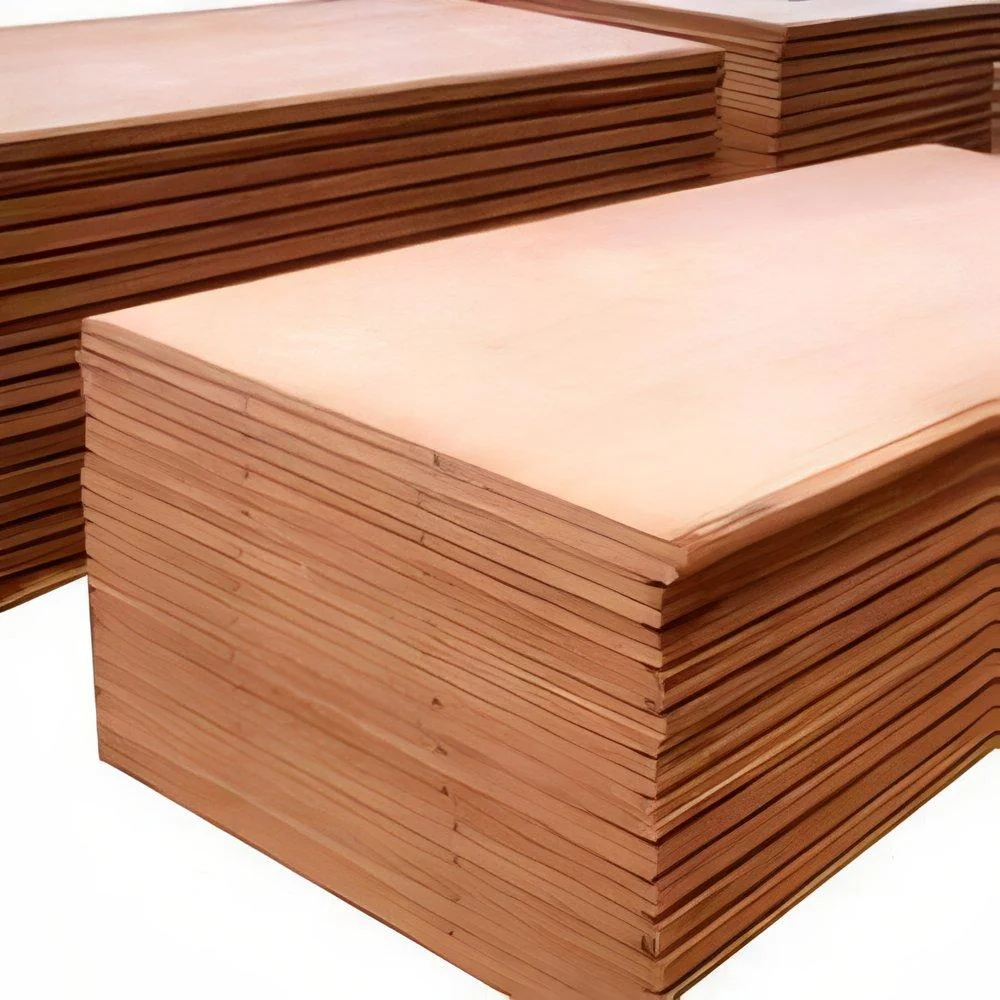
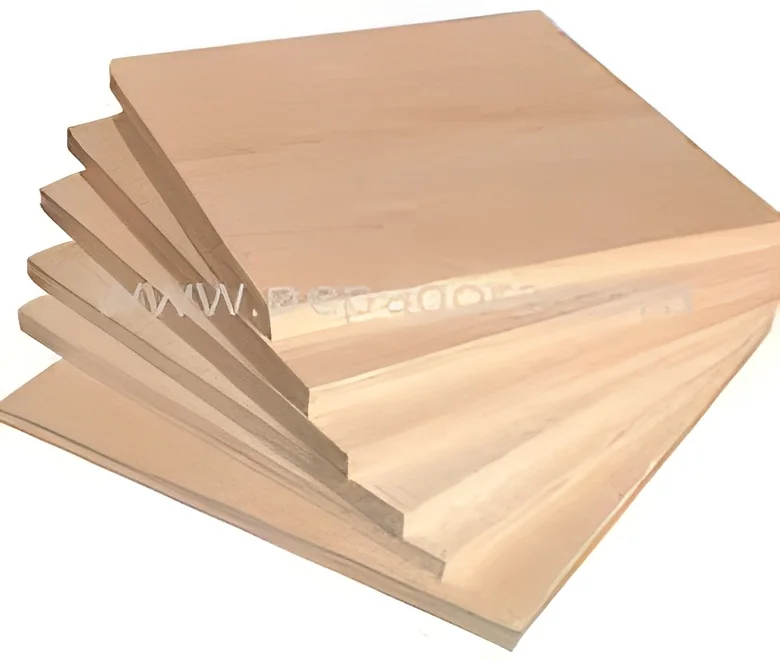
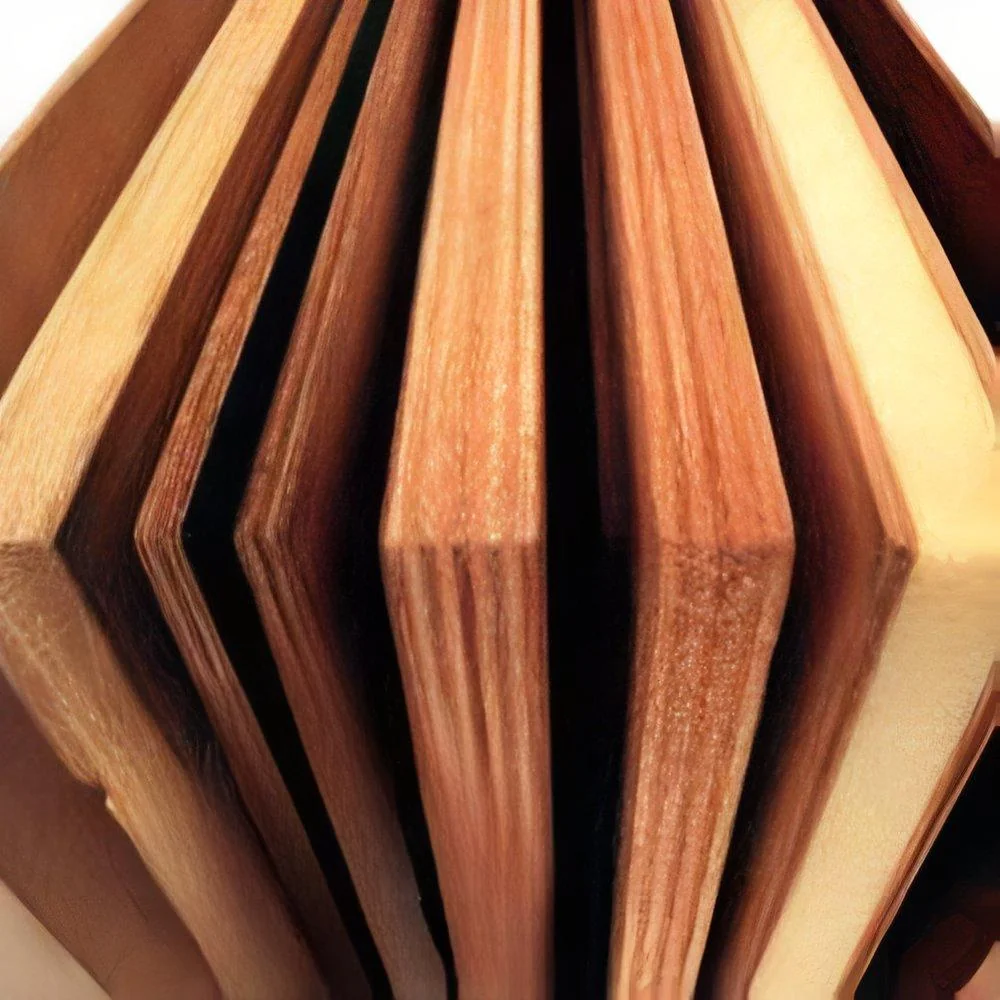
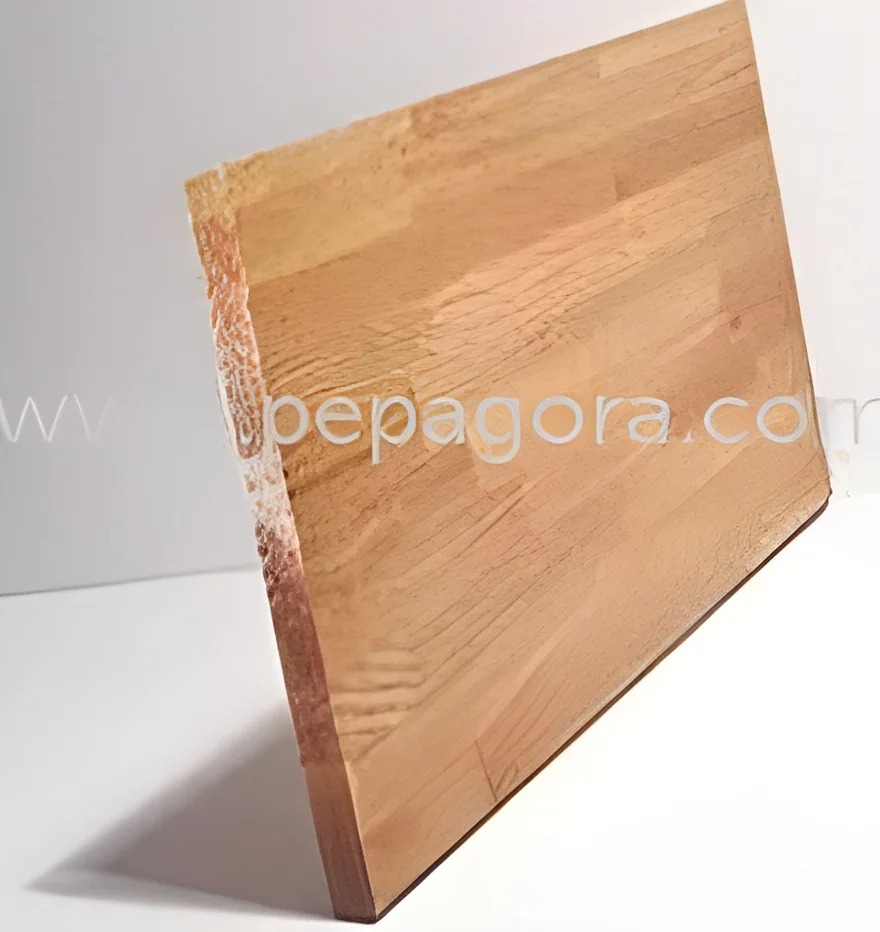
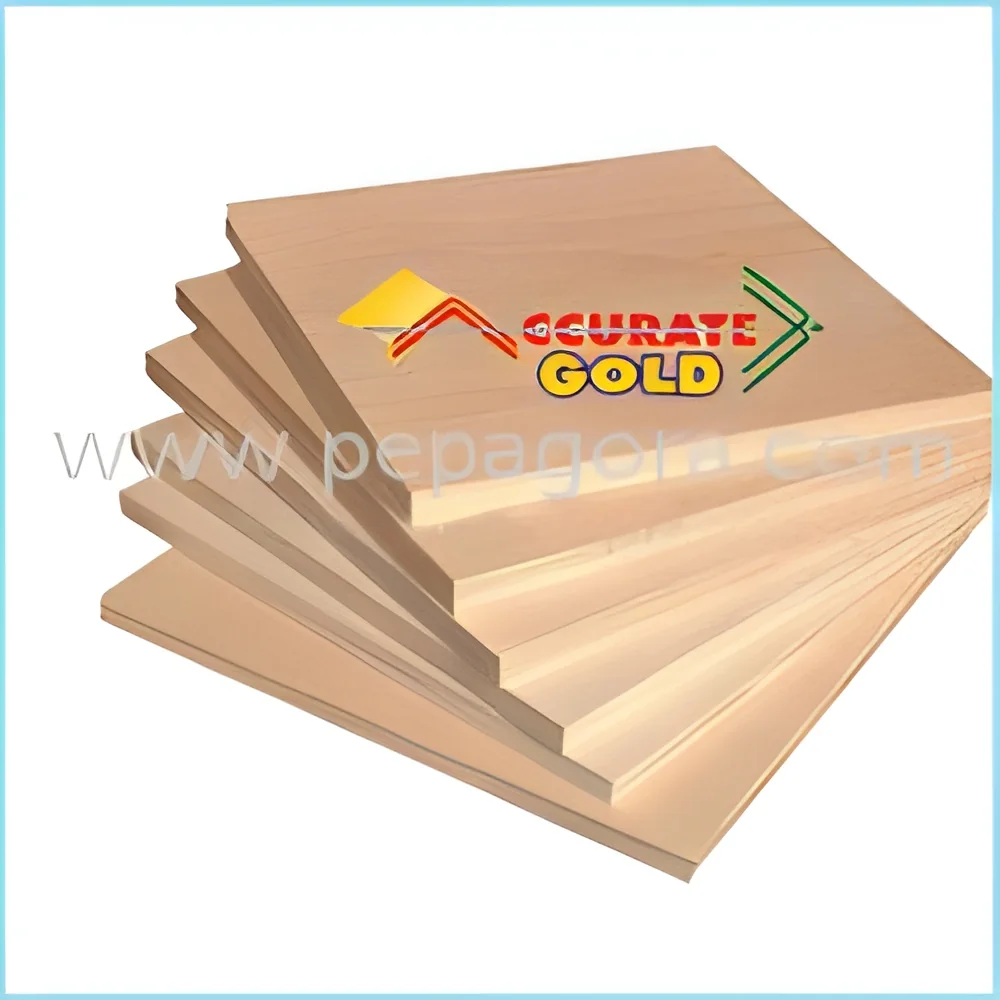
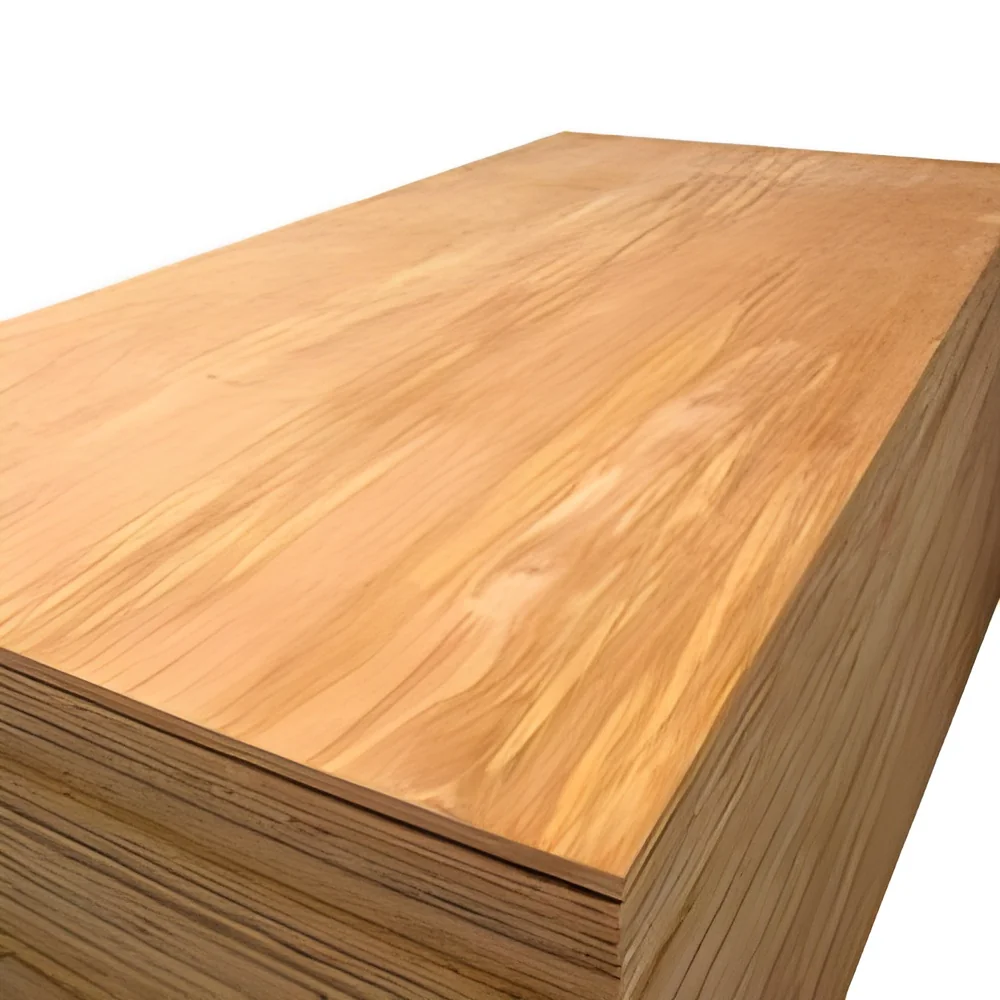
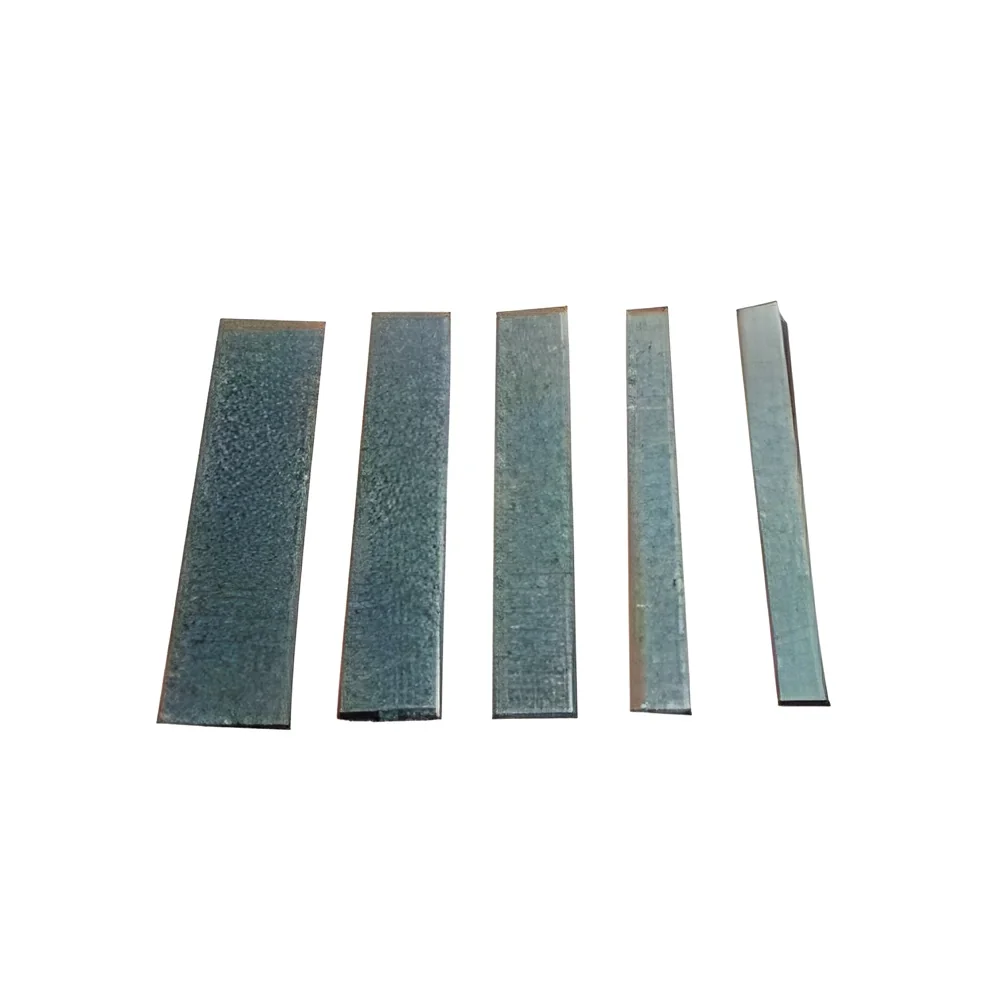
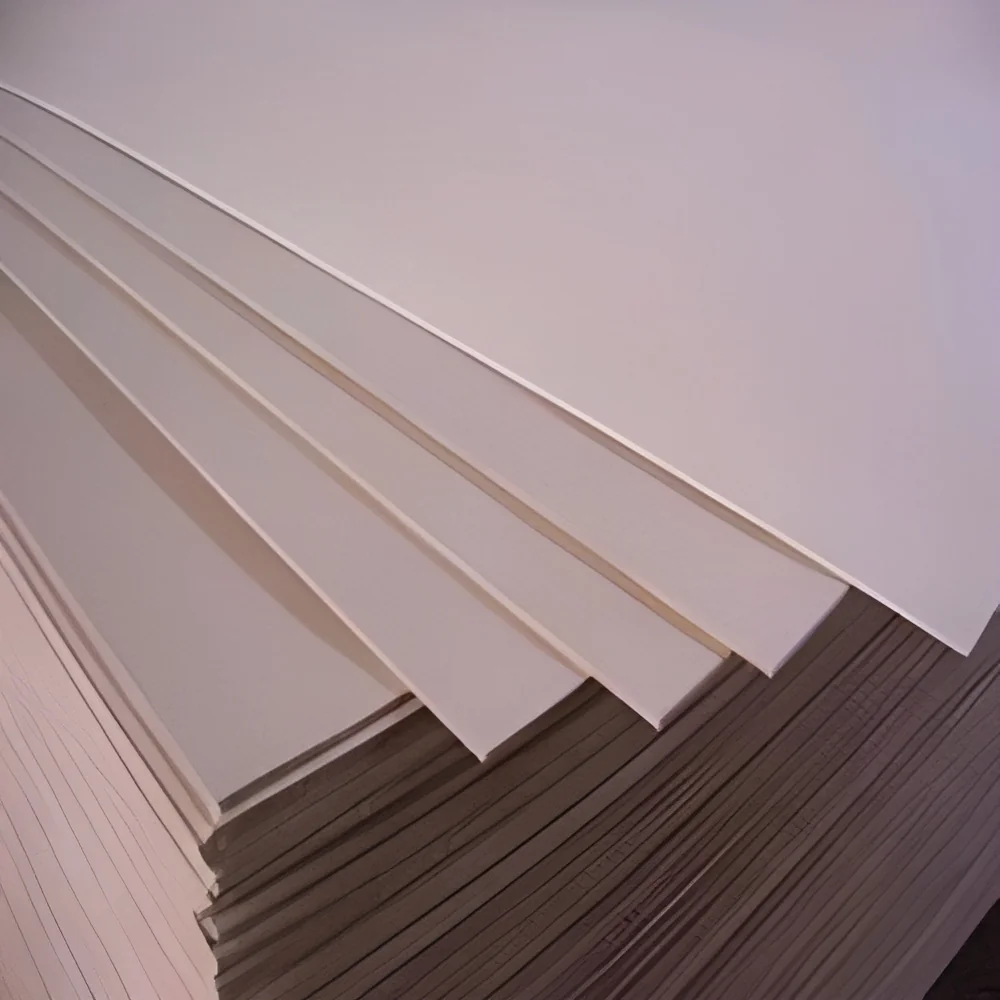
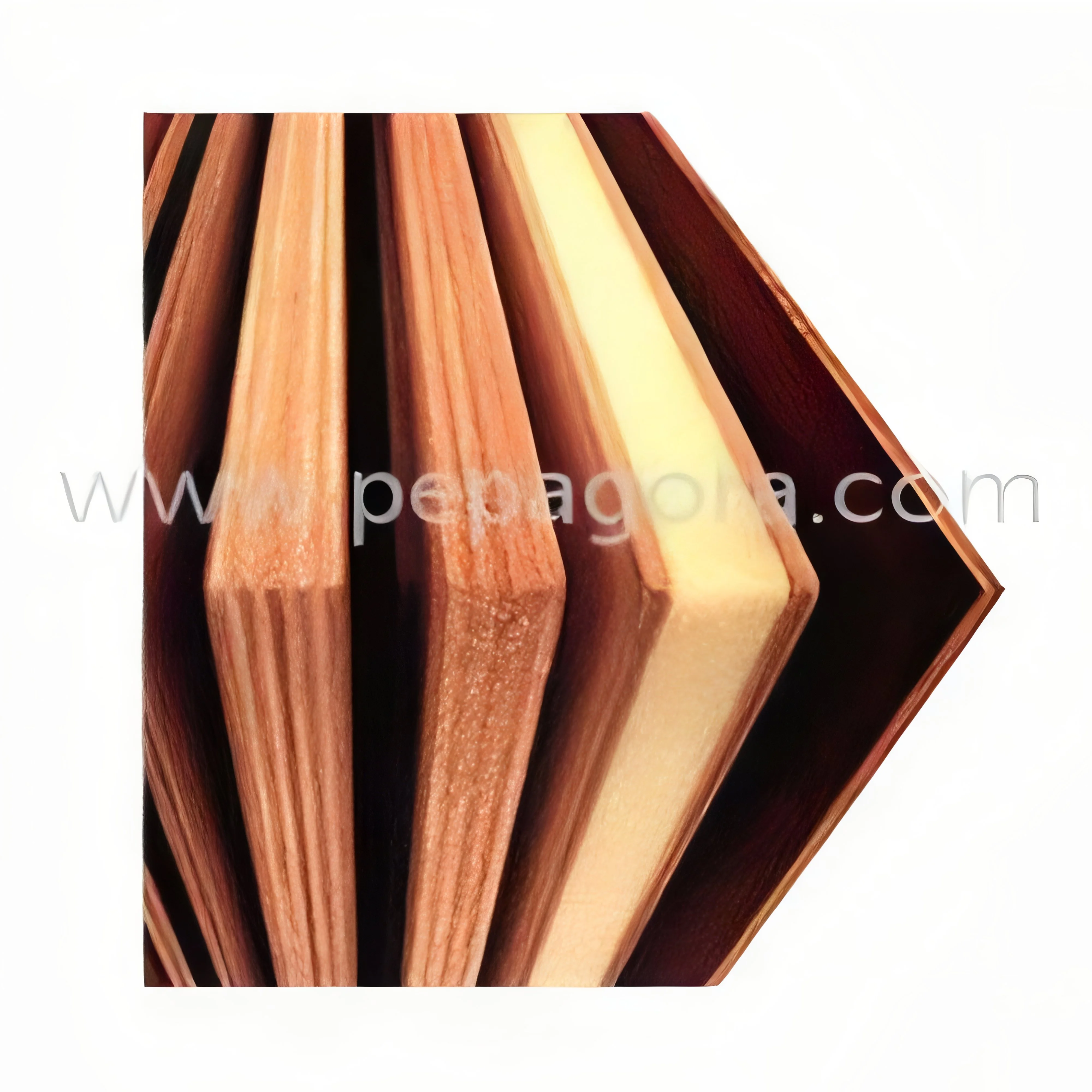
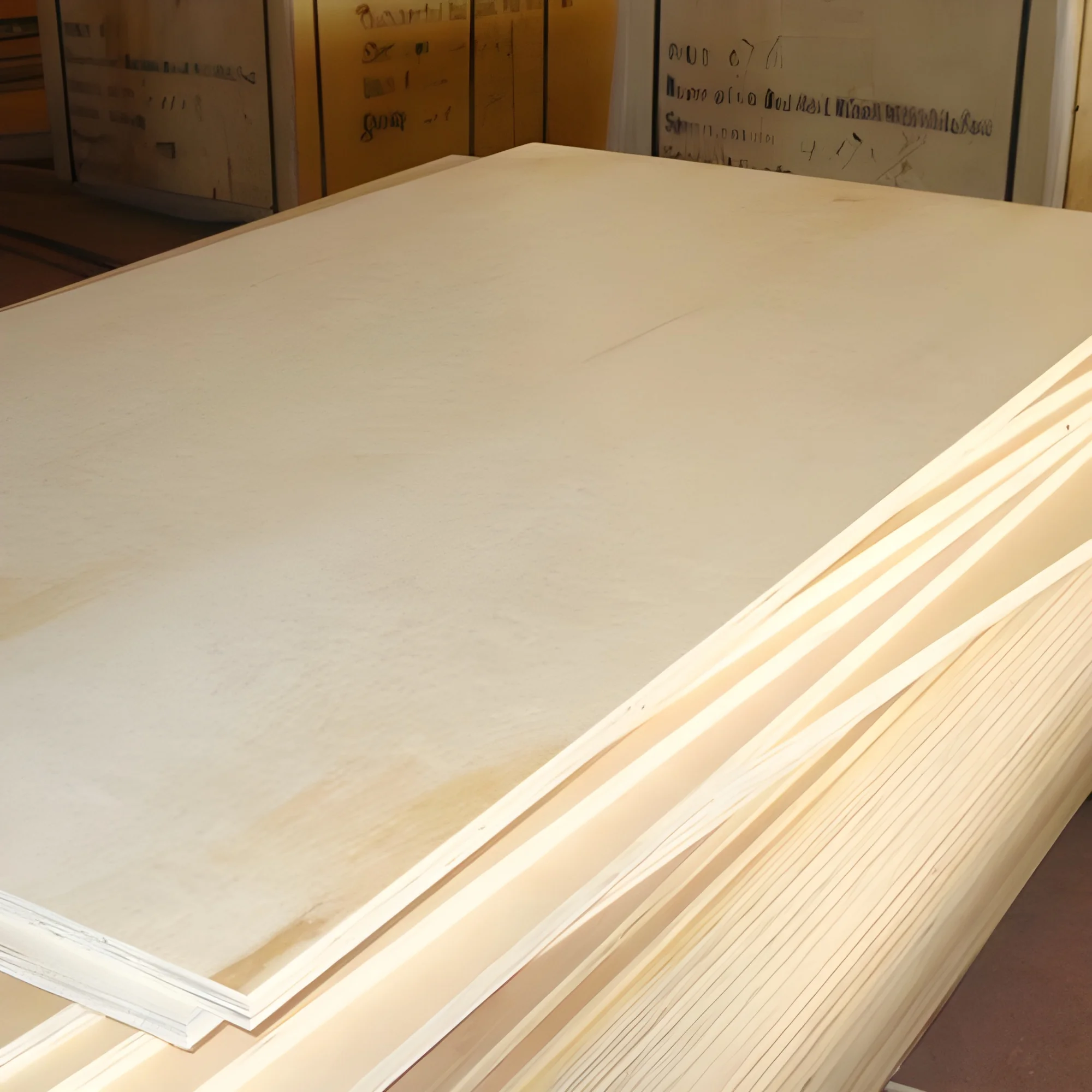
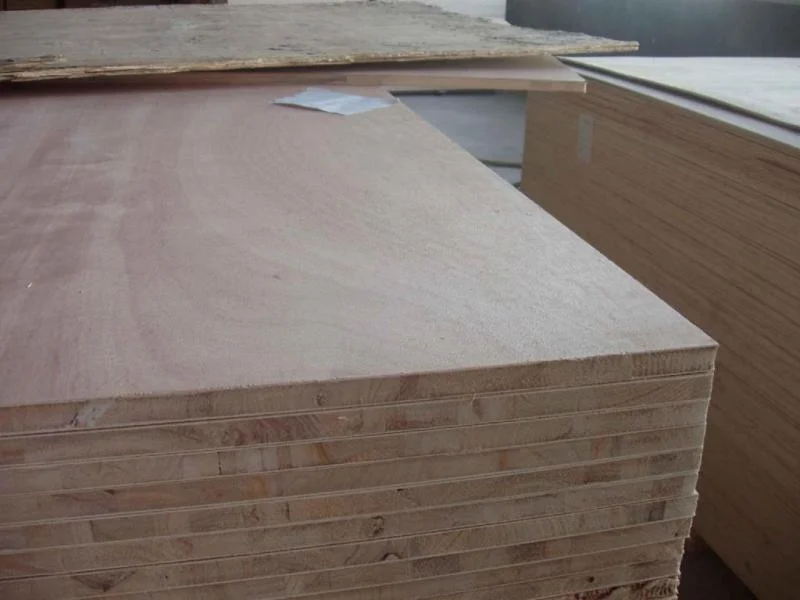
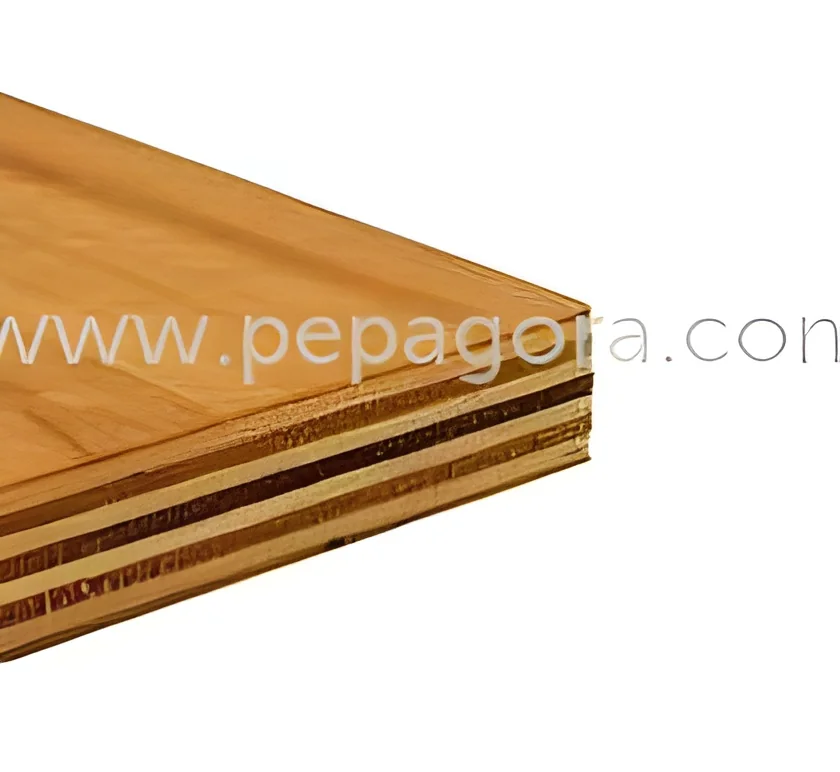
Commercial plywood is a versatile engineered wood product made from thin layers of veneer that are glued together. This construction method enhances its strength and durability compared to solid wood. The veneers are typically made from high-quality hardwood or softwood, allowing for a strong yet lightweight material that can be used in various applications.
This product is primarily used in construction, furniture making, and interior design. It serves as a reliable material for building structures, creating cabinetry, and crafting decorative elements. Commercial plywood is favored for its uniform appearance, ease of handling, and ability to be finished in multiple ways. As industries continue to evolve, the demand for commercial plywood remains strong due to its adaptability and reliability in meeting various design and structural needs.
In the context of the market, commercial plywood plays a significant role in the building materials industry. It is a preferred choice for contractors, architects, and furniture manufacturers who seek quality and cost-effectiveness. The ongoing development of sustainable practices and eco-friendly materials also influences the market dynamics, making plywood a relevant choice in modern construction and manufacturing.
Key Features and Specifications
Commercial plywood offers distinct features and specifications that make it suitable for a wide range of applications. Its construction provides a unique combination of strength, flexibility, and aesthetic appeal. The specifications can vary based on the intended use, but the following are essential considerations.
Key specifications include:
1. Thickness
- Commonly available in thicknesses ranging from 3mm to 25mm
- Thickness affects strength and application suitability
2. Grade
- Typically categorized into grades A, B, C, and D
- Higher grades indicate better appearance and fewer defects
3. Surface Finish
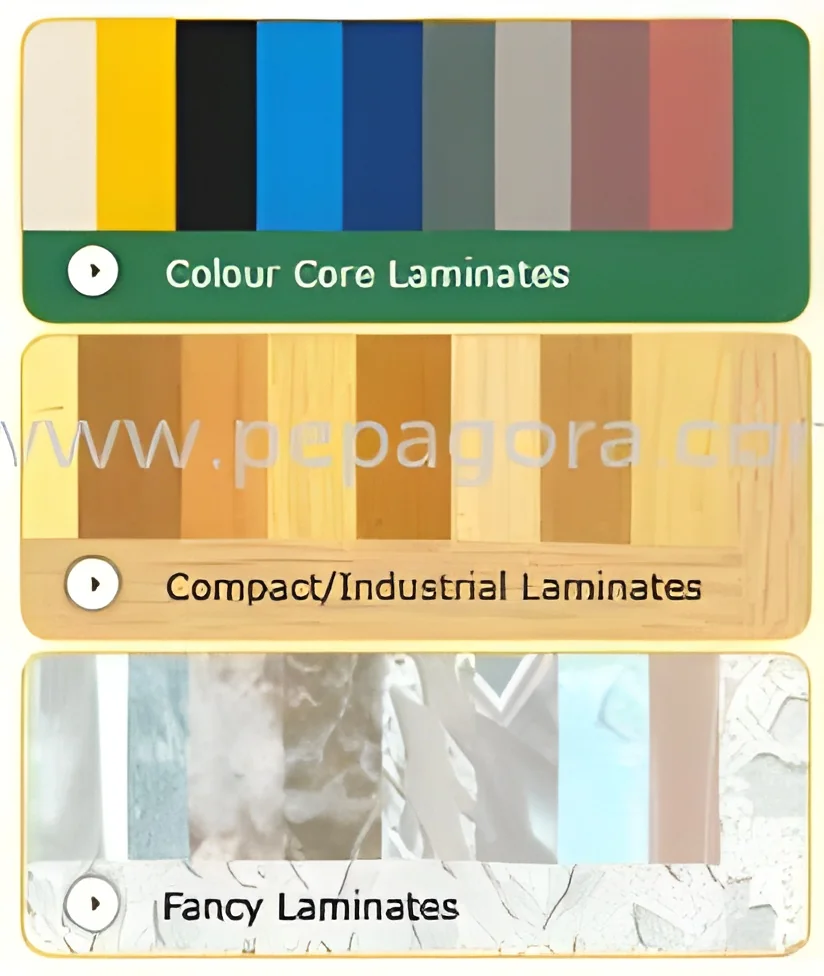
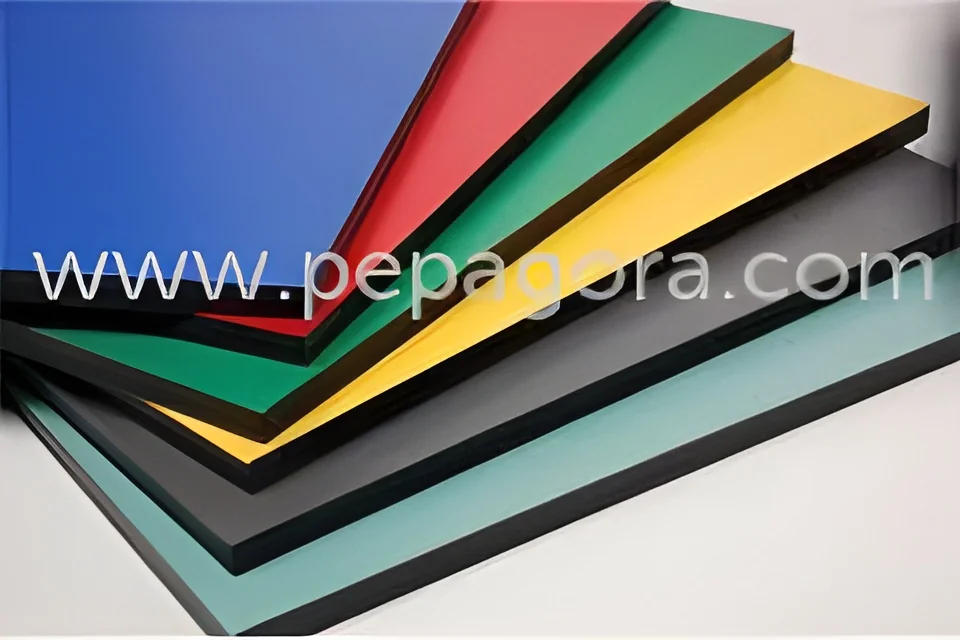
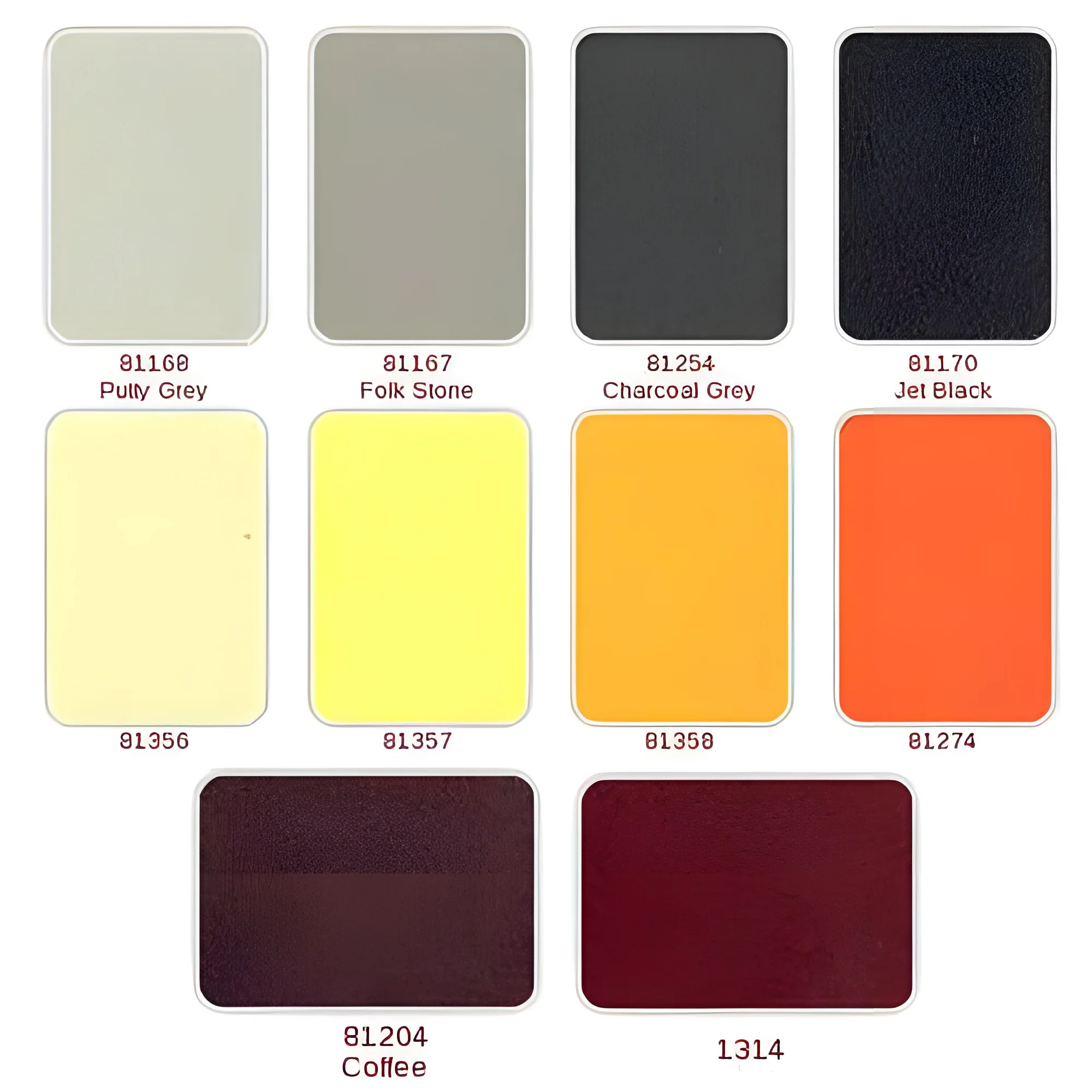
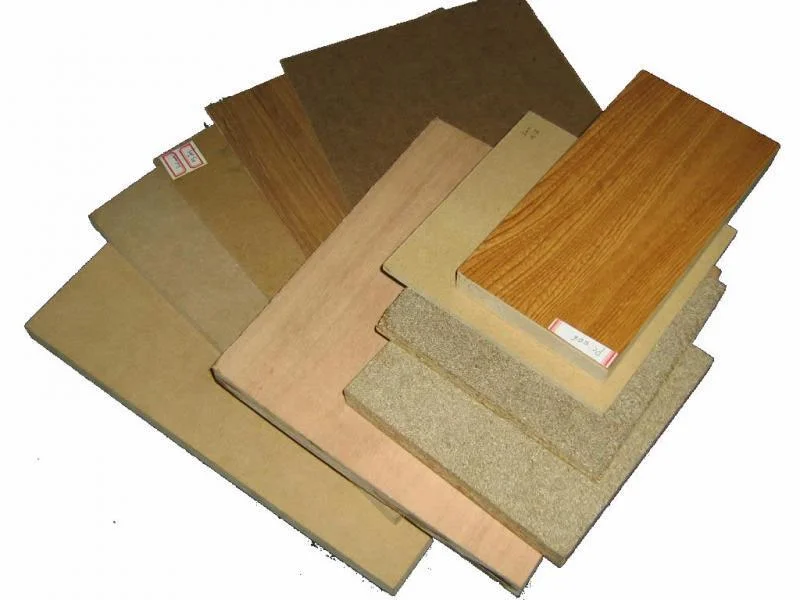
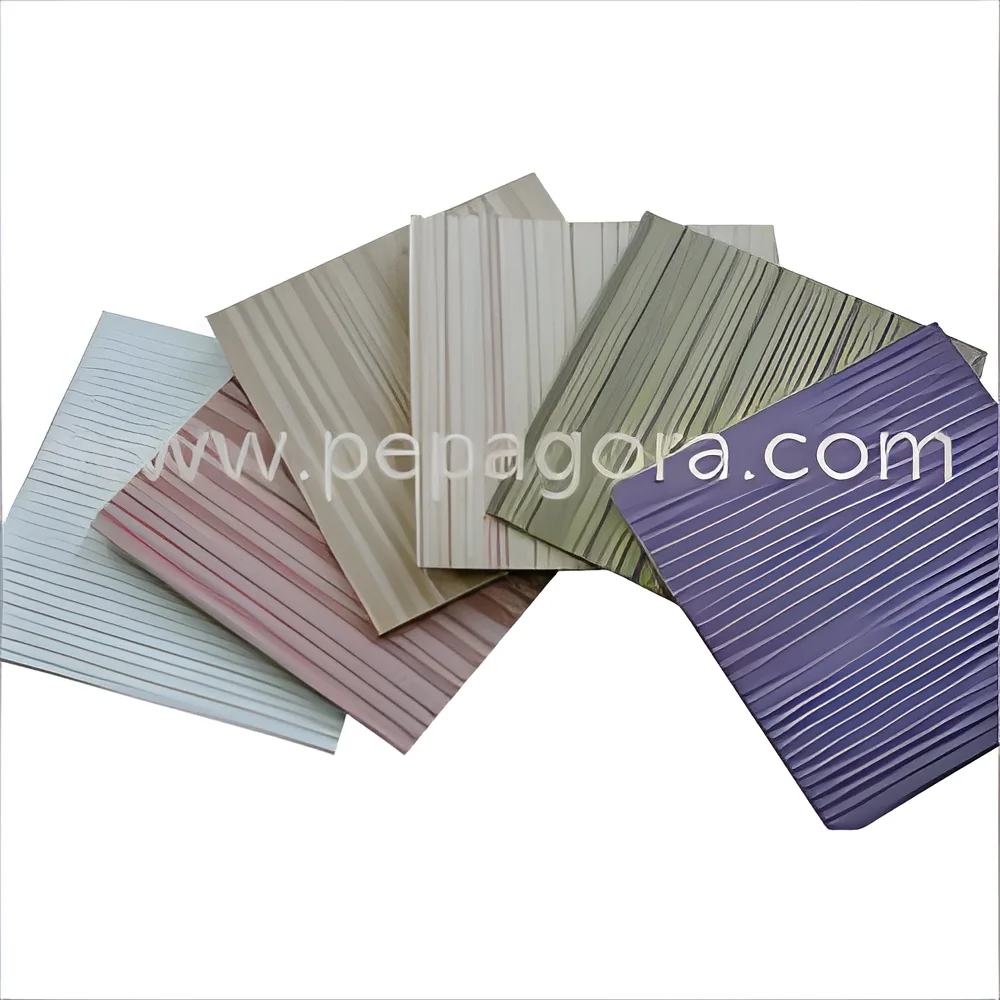
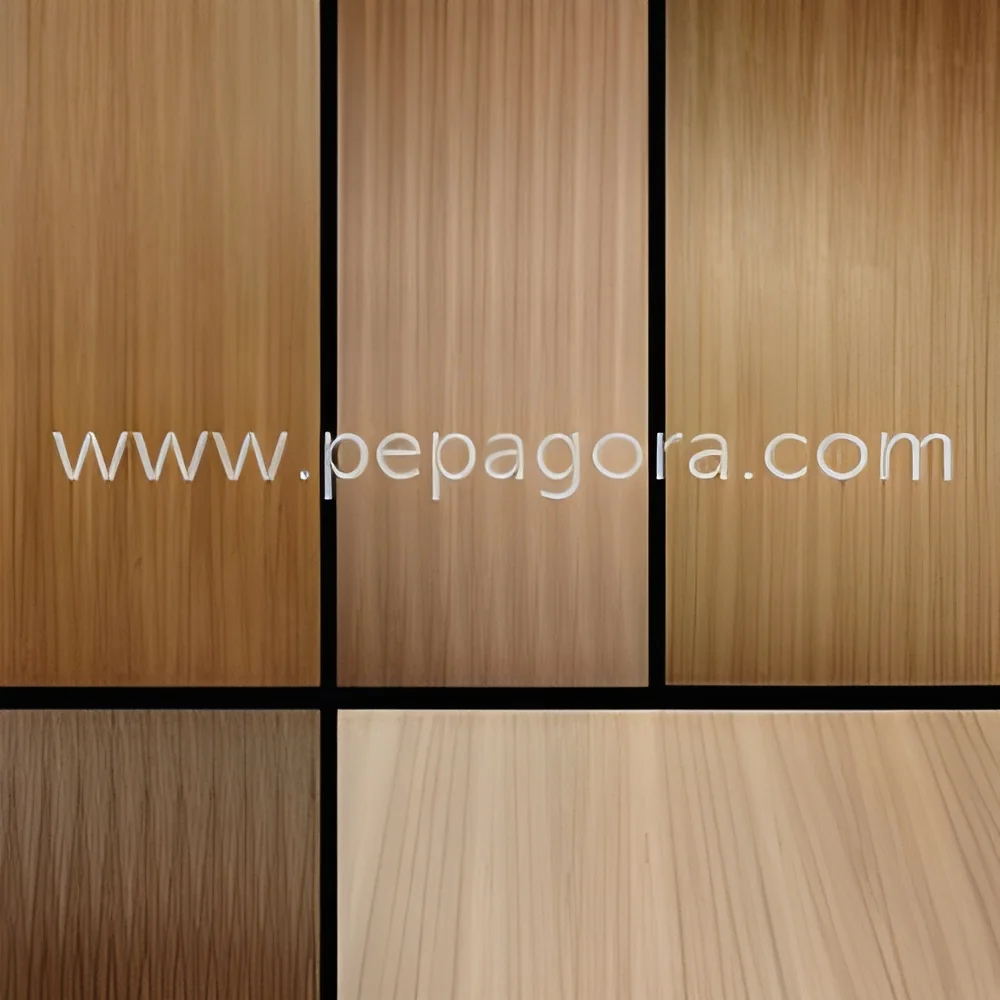
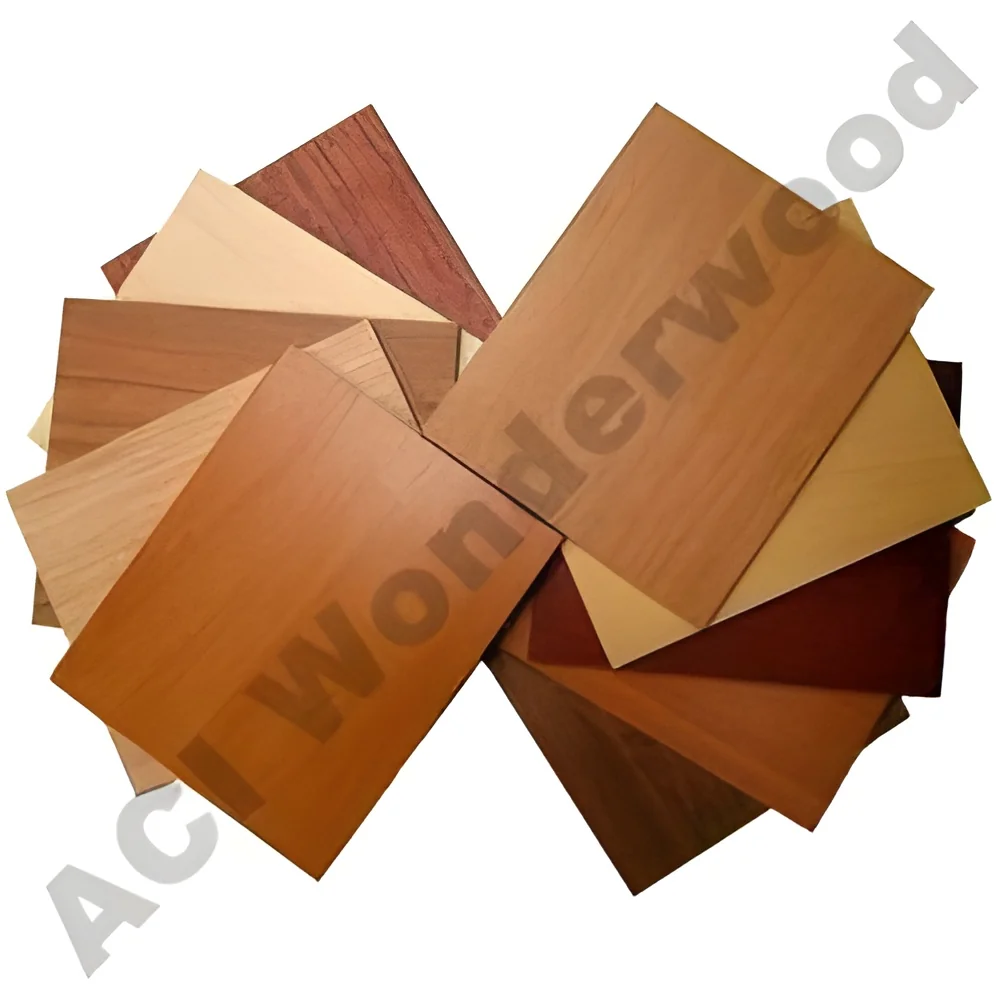
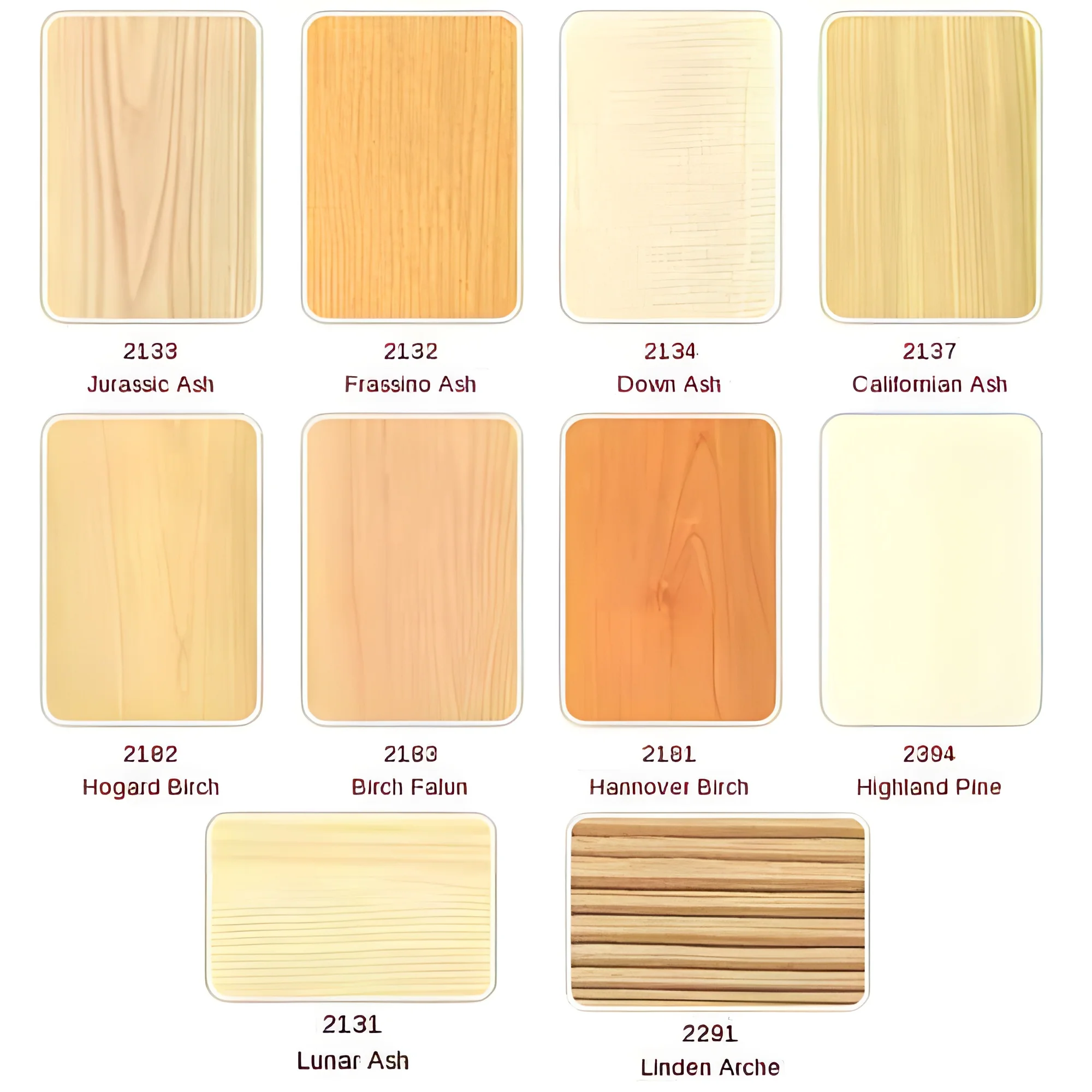
- Available in various surface finishes, including natural, laminated, and veneered
- Finish impacts usability and aesthetic appeal
4. Bonding Type
- Uses waterproof or moisture-resistant adhesives
- Important for applications exposed to high humidity or water
5. Dimensions
- Standard sheet sizes include 4x8 feet and 4x10 feet
- Custom sizes can be provided based on project requirements
6. Weight
- Varies depending on thickness and type of wood used
- Important for transportation and installation considerations
7. Load-Bearing Capacity
- Capable of supporting significant weight based on thickness and quality
- Essential for structural applications
In summary, the specifications of commercial plywood are crucial for determining its suitability for specific projects. Understanding these features helps buyers make informed decisions based on their requirements.
Common Applications and Use Cases
Commercial plywood serves various industries with its adaptability and strength. Its applications are broad, making it a staple in different sectors.
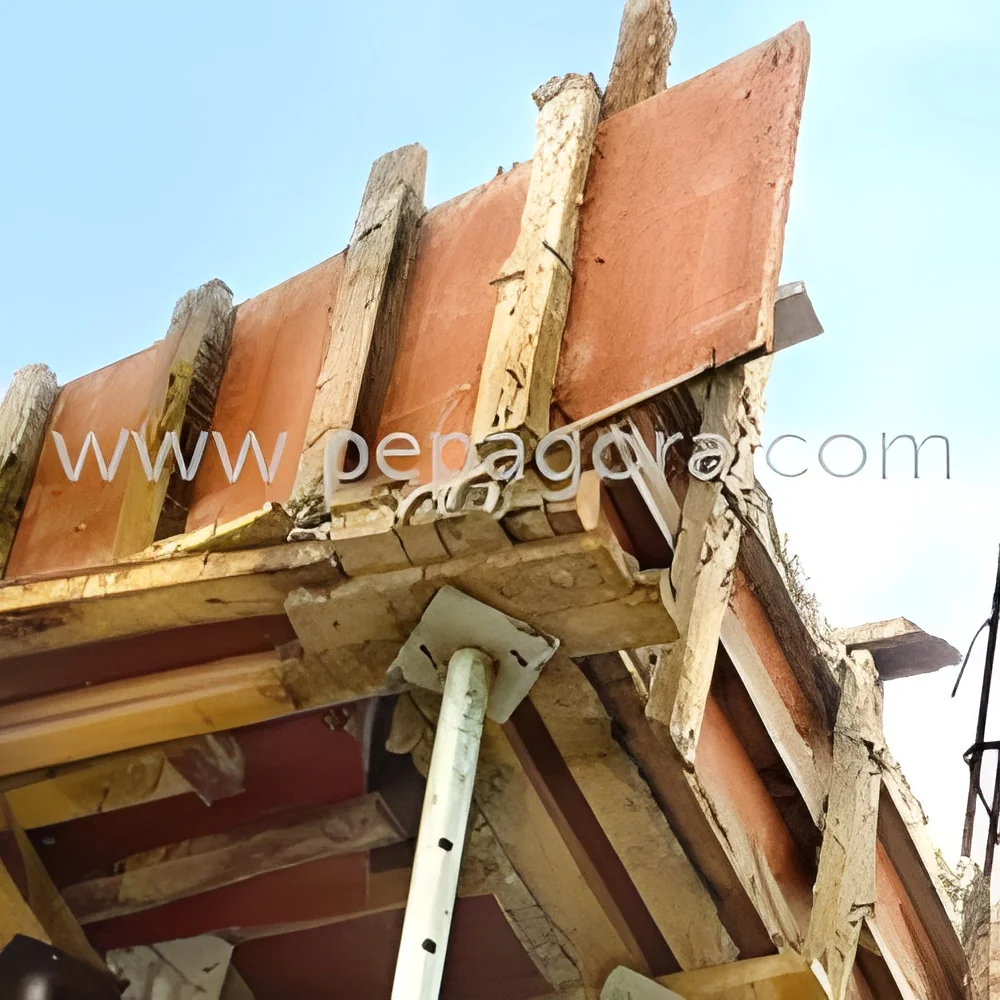
1. Construction: In the construction industry, commercial plywood is used for structural components, including walls, roofs, and flooring. Its durability and load-bearing ability make it an ideal choice for building frameworks.
2. Furniture Manufacturing: Plywood is widely used in crafting furniture such as tables, chairs, and cabinets. Its versatility allows for a range of designs and finishes, catering to different aesthetic preferences.
3. Interior Design: In interior design, commercial plywood is used for wall paneling, cabinetry, and decorative elements. Its smooth surface and availability in various finishes enhance the visual appeal of spaces.
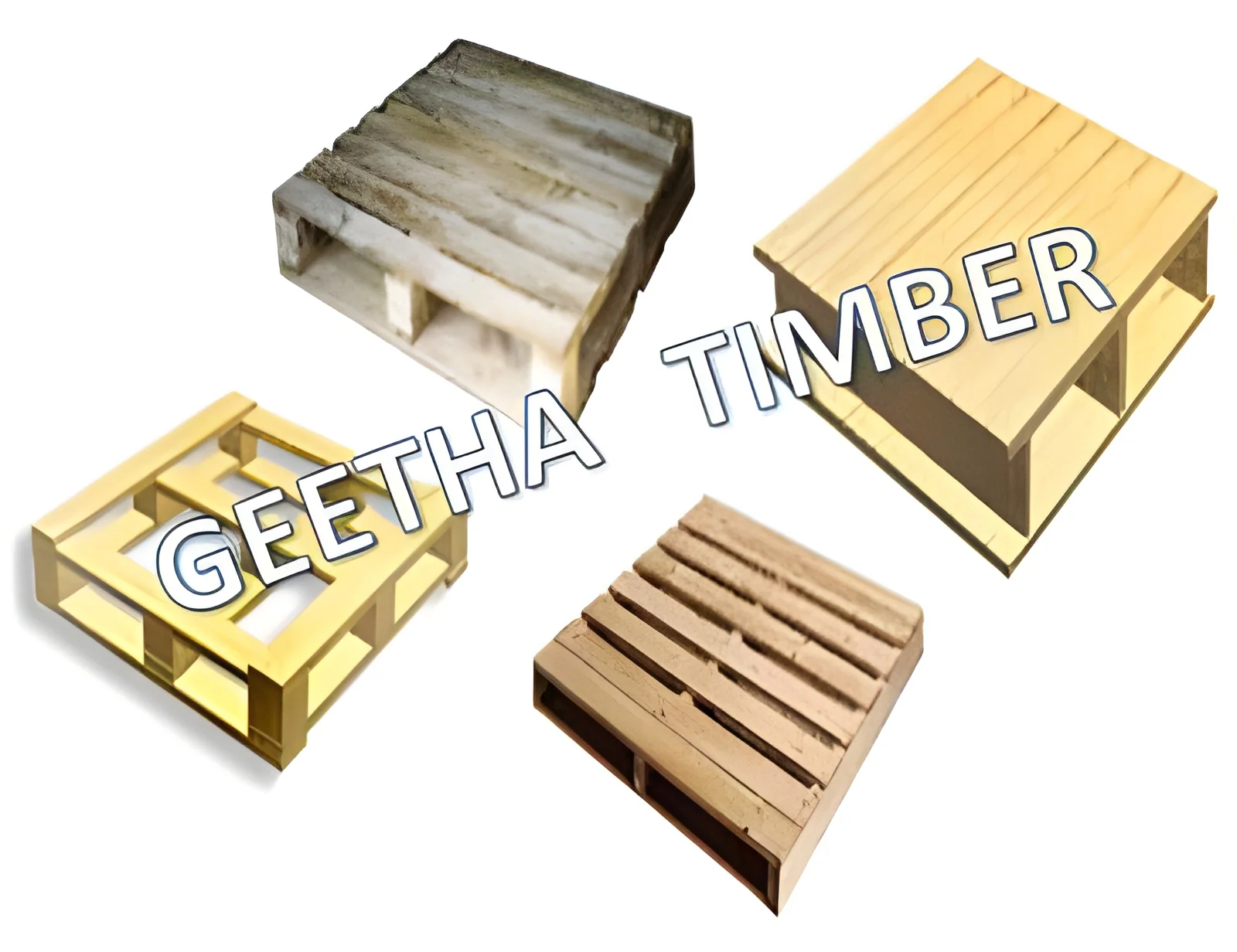
4. Packaging: Plywood is often utilized in the packaging industry for creating crates and pallets, providing a sturdy solution for transporting goods.
5. Automotive: In the automotive sector, plywood is used in vehicle interiors and paneling, offering lightweight yet durable options for manufacturers.
6. Marine Applications: Some types of commercial plywood are treated for water resistance, making them suitable for boat building and other marine applications.
7. Arts and Crafts: Artists and hobbyists often use plywood for creative projects such as sculptures and custom furniture, thanks to its ease of manipulation.
Product Variants and Subcategories
Commercial plywood is a diverse product with various types tailored for specific applications.
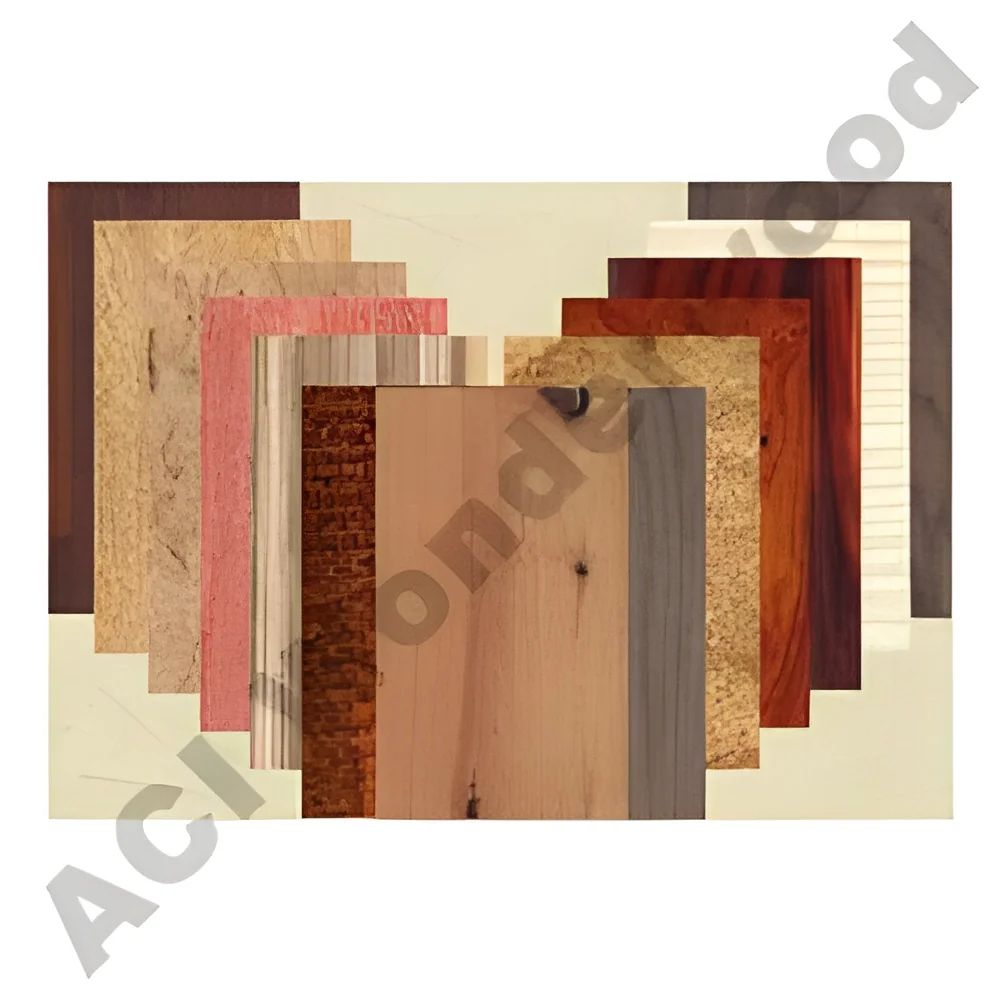
Veneered Plywood
This variant features a thin layer of high-quality veneer on the surface, providing an attractive finish while maintaining structural integrity. It is often used in furniture and cabinetry.
Marine Plywood
Designed for use in wet environments, marine plywood is treated to resist moisture and prevent warping. It is ideal for boat building and other marine-related applications.
Structural Plywood
This type is engineered for high load-bearing applications, making it suitable for construction and heavy-duty uses. Its strength is a key factor in building frameworks.
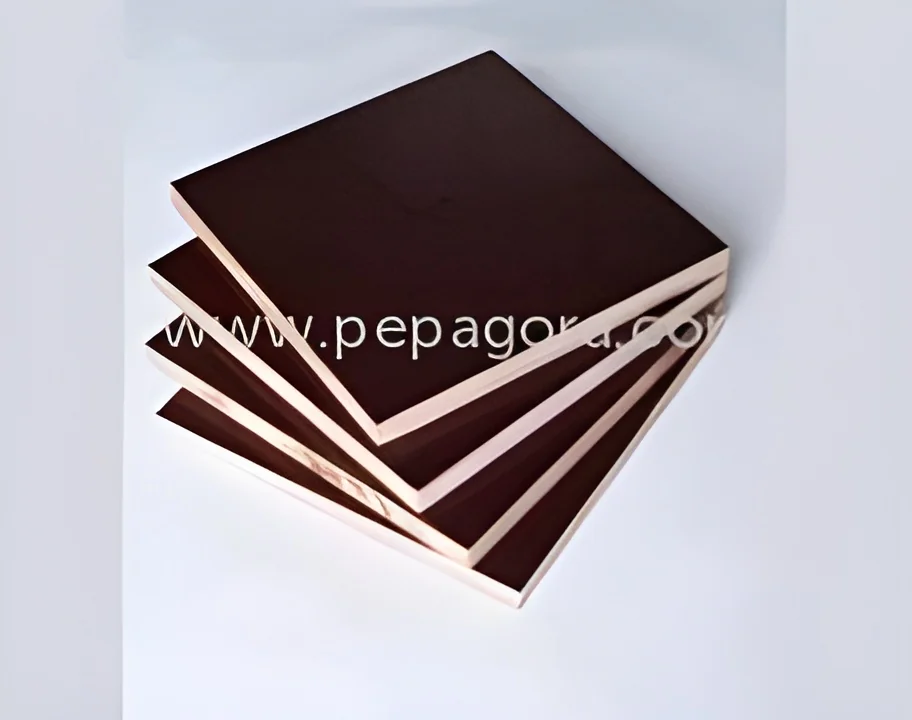
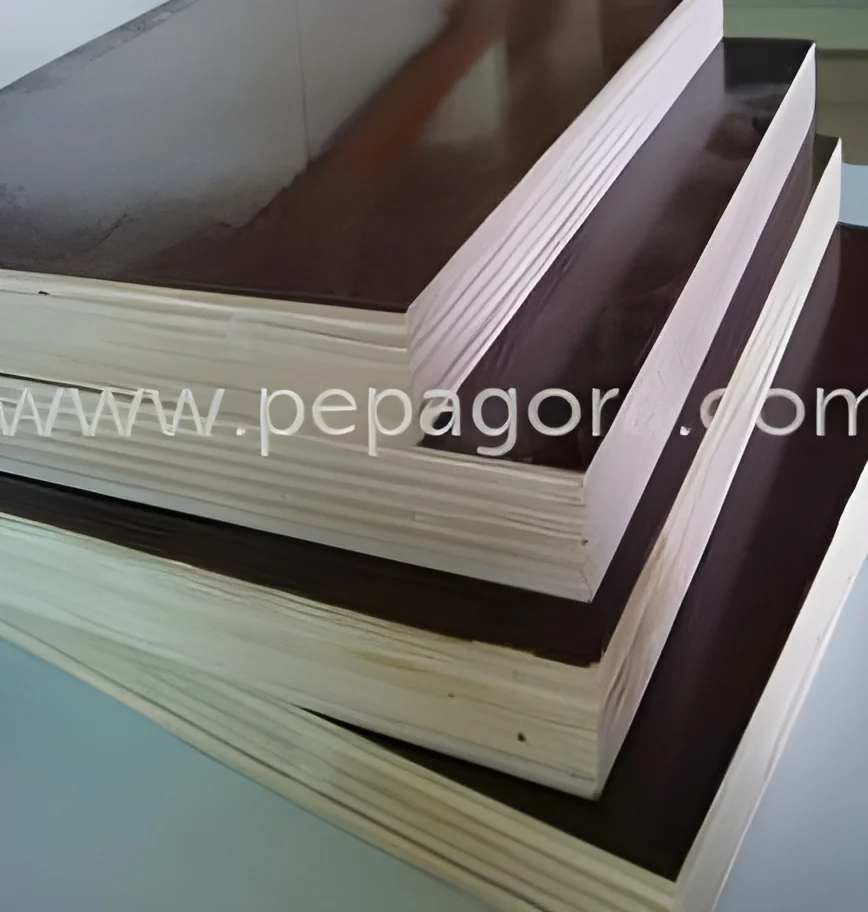
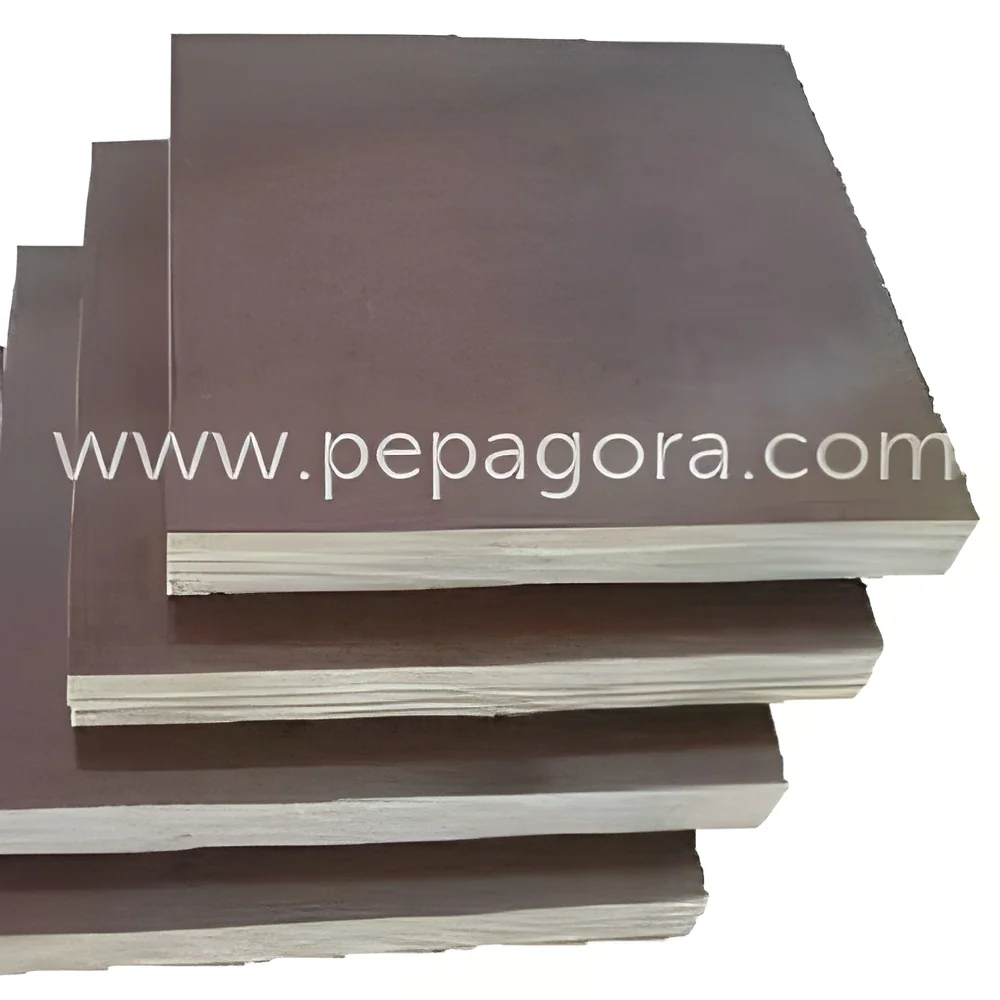
Film-Faced Plywood
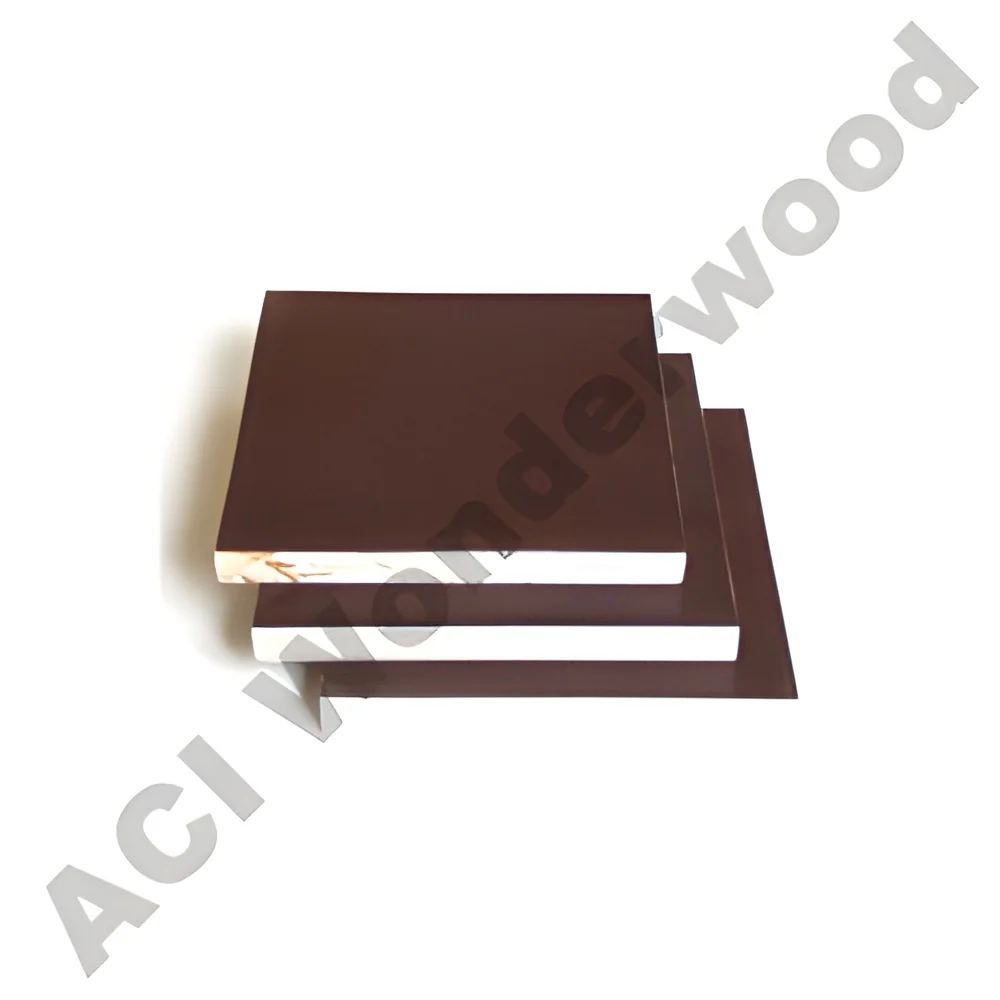
Commonly used in concrete formwork, film-faced plywood has a durable surface that resists moisture and damage, making it suitable for repeated use in construction projects.
Benefits and Advantages
Commercial plywood offers numerous benefits that contribute to its popularity among builders and manufacturers.
Key benefits include:
1. Strength and Durability: The layered construction of plywood provides exceptional strength while keeping the material lightweight, making it ideal for various structural applications.
2. Versatility: Plywood can be easily customized for different applications, from furniture to construction, offering flexibility for designers and builders.
3. Cost-Effectiveness: Compared to solid wood, commercial plywood is often more affordable, allowing businesses to reduce material costs without compromising quality.
4. Eco-Friendly Options: Many manufacturers offer sustainable plywood options sourced from responsibly managed forests, appealing to environmentally conscious buyers.
5. Easy to Work With: Plywood can be cut, shaped, and finished easily, making it a preferred choice for carpenters and fabricators.
6. Aesthetic Appeal: With various finishes available, plywood can be used in visible applications, providing an attractive look for furniture and interiors.
Buying Guide for B2B Buyers
When sourcing commercial plywood, B2B buyers should consider several critical factors to ensure they select the right product for their needs.
1. Quality Assessment: Evaluate the quality of the plywood based on its grade, thickness, and surface finish. Higher grades typically offer better durability and appearance.
2. Supplier Verification: Vet suppliers thoroughly to ensure they provide high-quality products. Look for certifications and customer reviews to confirm their reliability.
3. Pricing and MOQ: Understand the pricing structure and minimum order quantities. This information helps in budgeting and aligning with project requirements.
4. Delivery and Lead Times: Inquire about delivery schedules and lead times to ensure that the plywood can be sourced in a timely manner for project needs.
5. Compliance Requirements: Be aware of any industry-specific compliance requirements or certifications needed for the plywood to ensure it meets safety and quality standards.
Compliance and Certifications
Commercial plywood must adhere to various quality standards and certifications to ensure safety and reliability. Relevant standards include ISO 9001, which focuses on quality management systems, ensuring that manufacturers meet customer and regulatory requirements.
In addition, certifications such as CE indicate that the product conforms to European safety, health, and environmental protection standards. Compliance with these standards is crucial for manufacturers and builders, as it assures the quality and safety of the products they use.
Safety and testing requirements also play a significant role in the production of commercial plywood. This includes testing for moisture resistance, bonding strength, and overall durability.
Regional compliance considerations may vary, so it is essential for buyers to be aware of local regulations that could impact the sourcing and use of commercial plywood in their projects.
Why Source Commercial Plywood from Pepagora?
Pepagora provides a trusted platform for sourcing commercial plywood, offering several key advantages to buyers in the B2B space.
First, Pepagora has established a verified supplier network, ensuring that all suppliers meet strict quality standards. This verification process provides peace of mind for buyers, knowing they are working with reputable manufacturers.
Additionally, Pepagora features a streamlined request for quotation (RFQ) process. This system allows buyers to easily communicate their needs and receive competitive pricing from multiple suppliers, facilitating informed decision-making.
Trade assurance and support are also key features of Pepagora. The platform offers buyer protection, ensuring that transactions are secure and that buyers receive the products as expected.
Finally, Pepagora boasts regional coverage across India, the GCC, and Southeast Asia, making it a convenient option for businesses in these areas looking for reliable sources of commercial plywood. This geographic reach allows for easier access to quality materials, supporting businesses in various industries.

 IN
IN