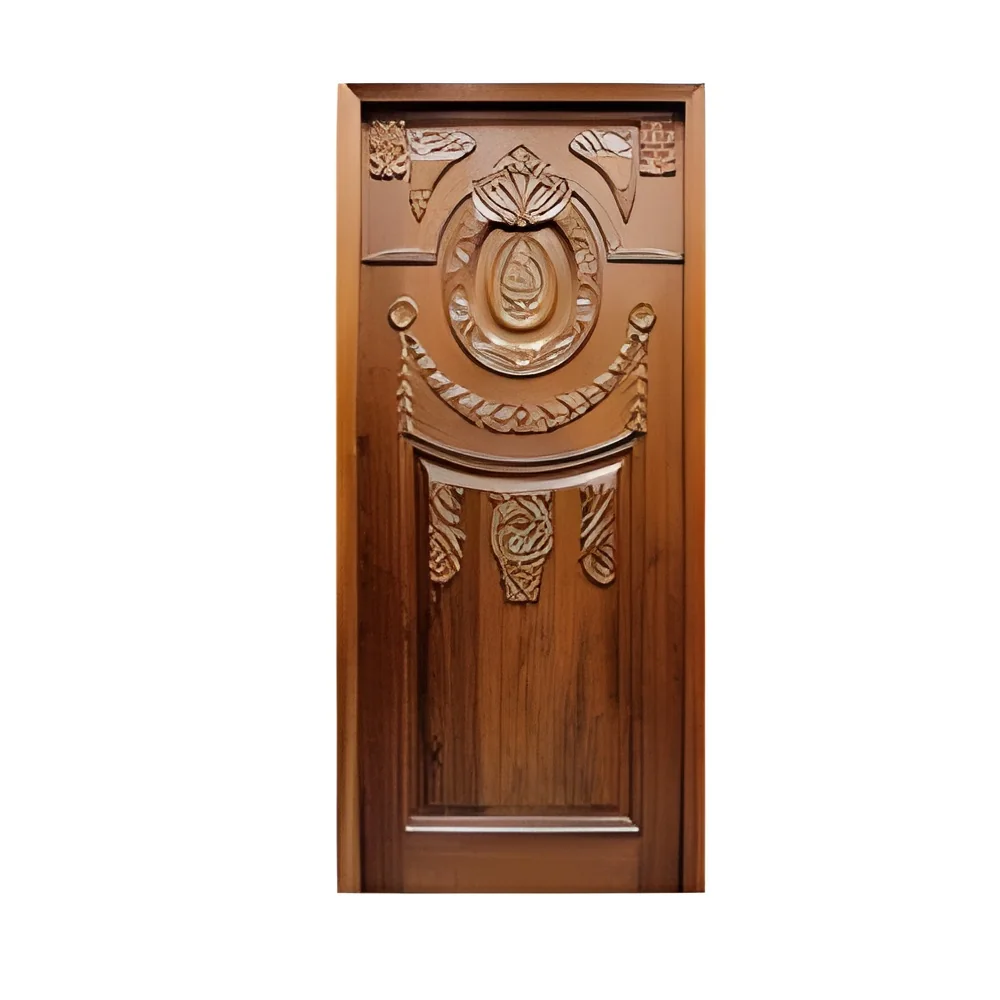
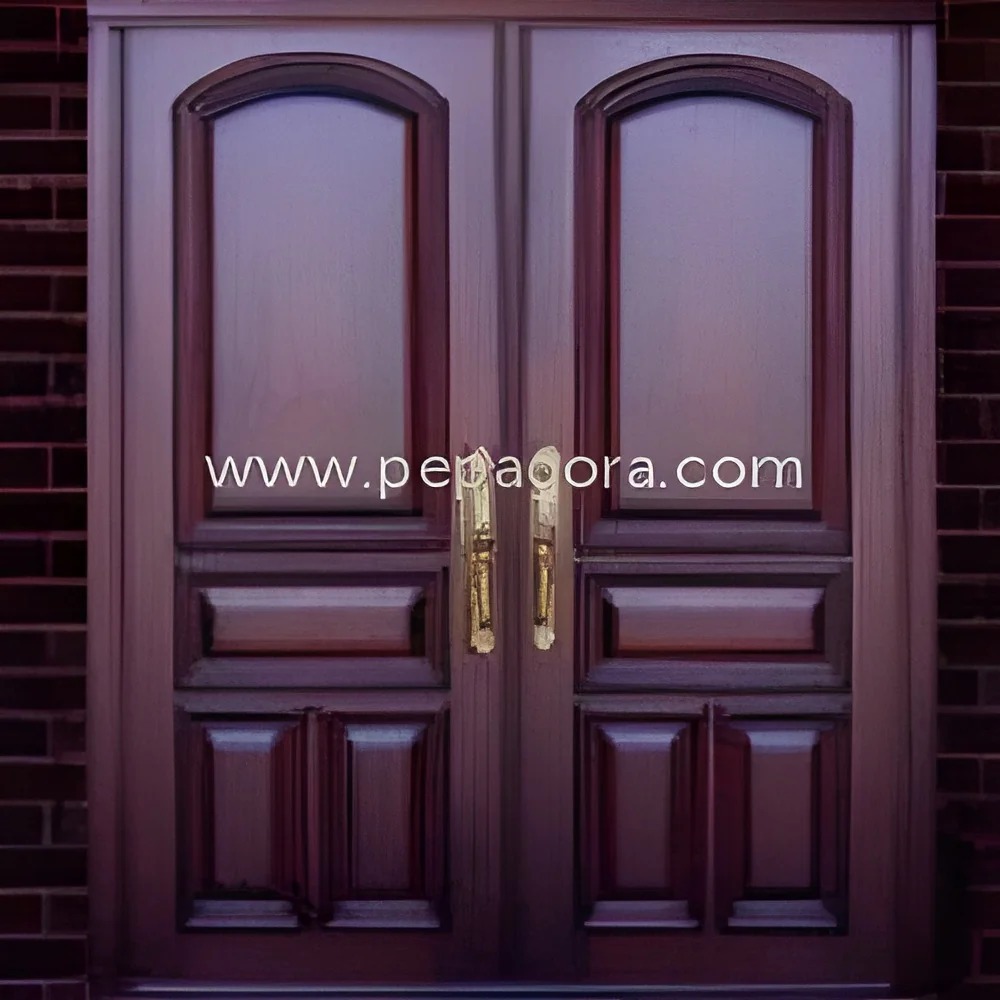
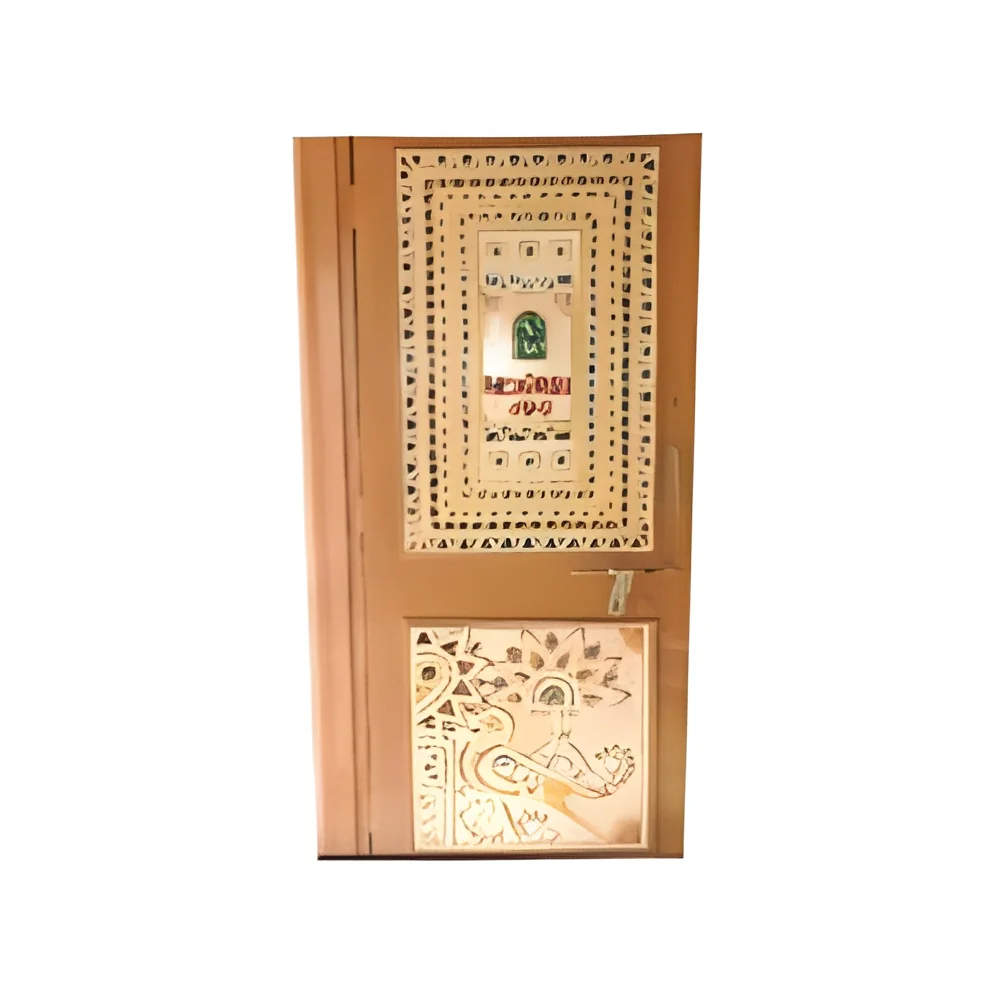
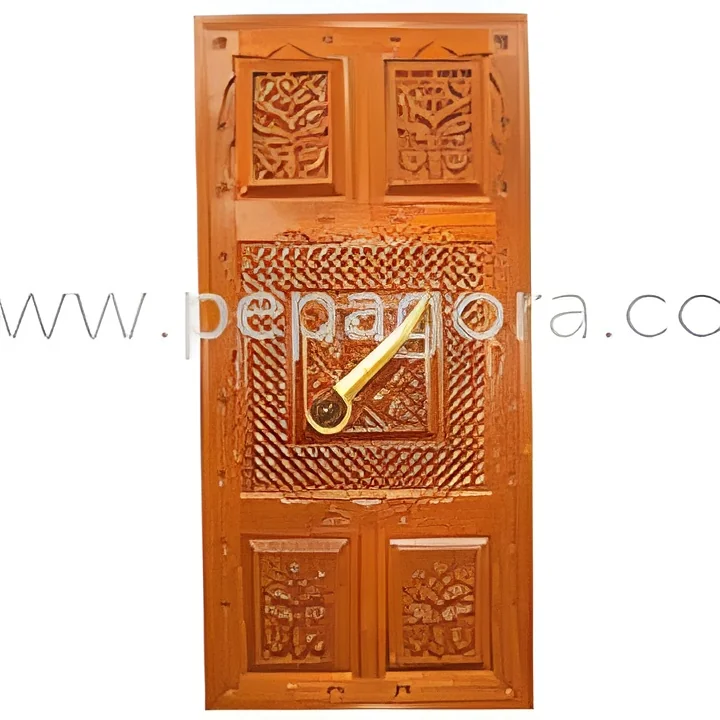
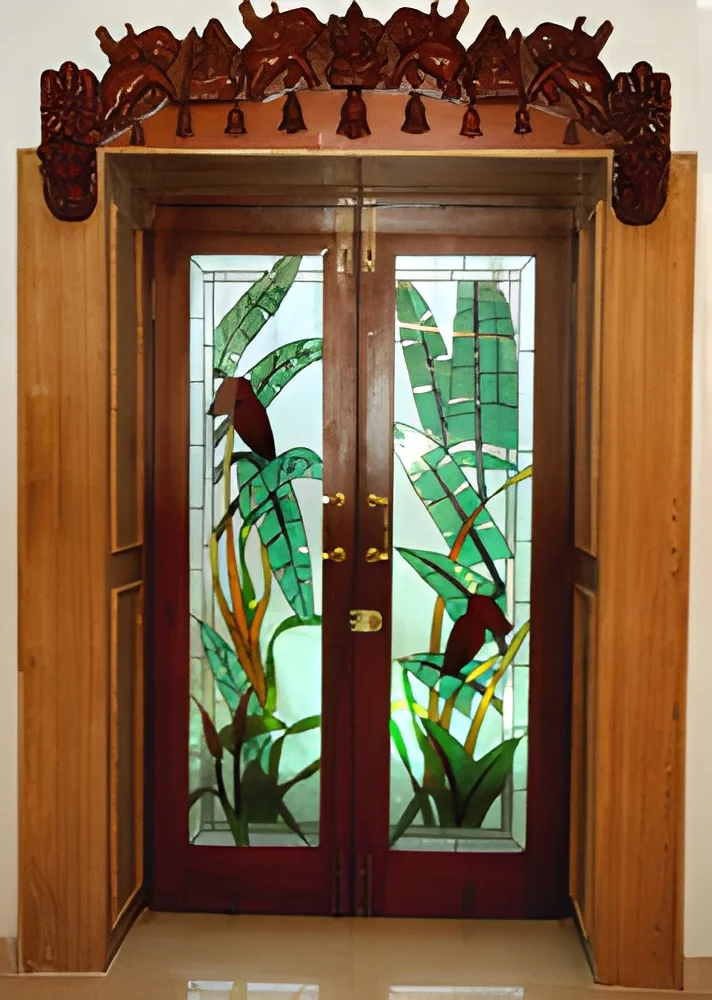
What are Wooden Door Frames (Sal, Teak, Pine)?
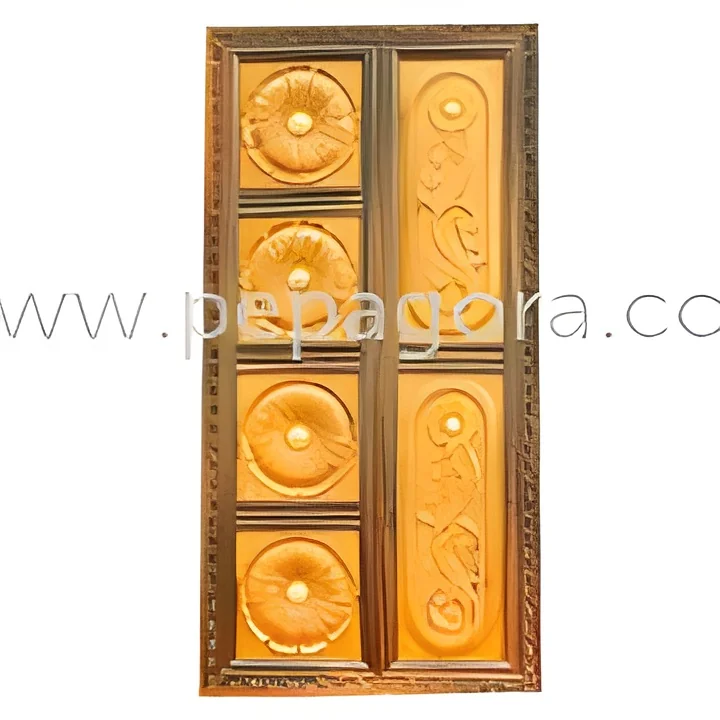
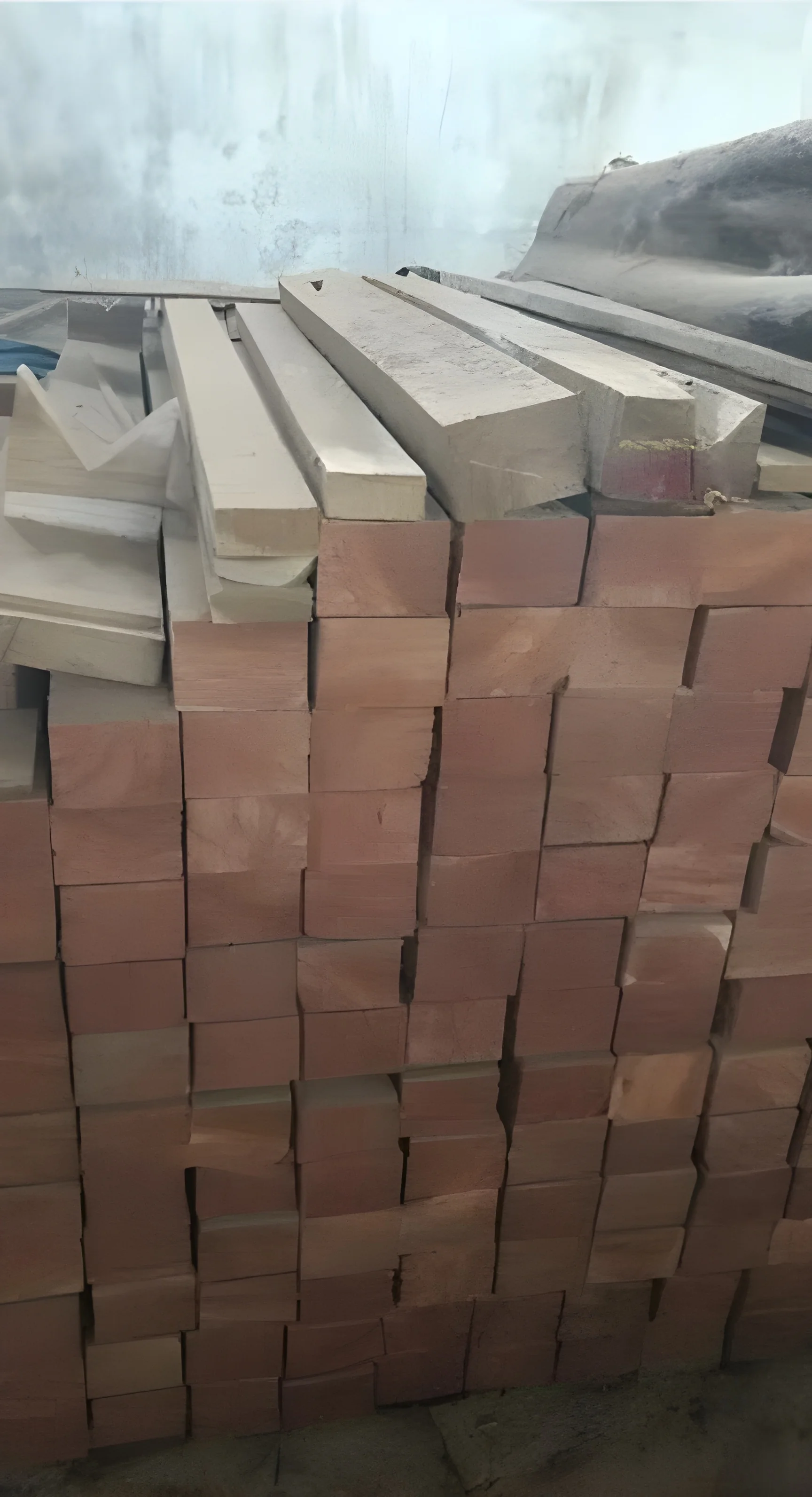
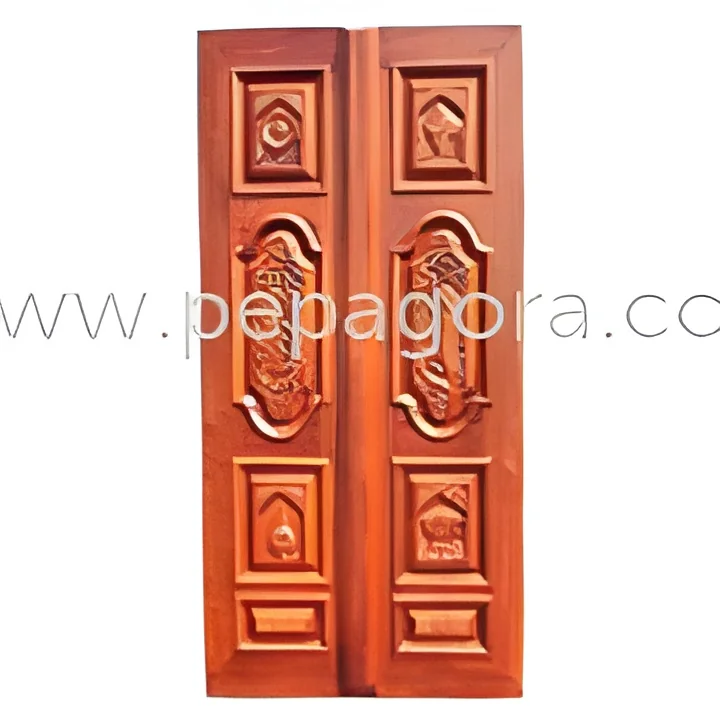
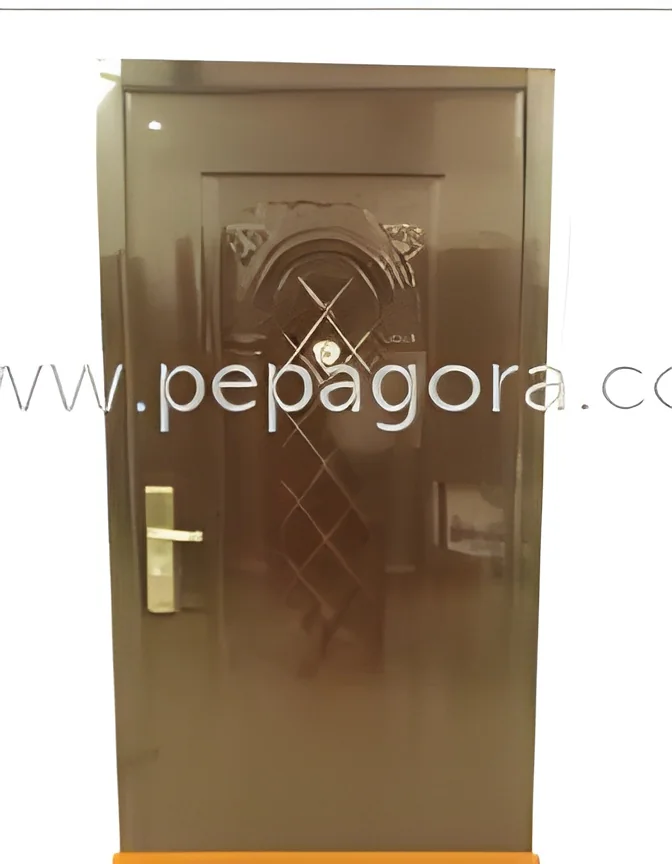
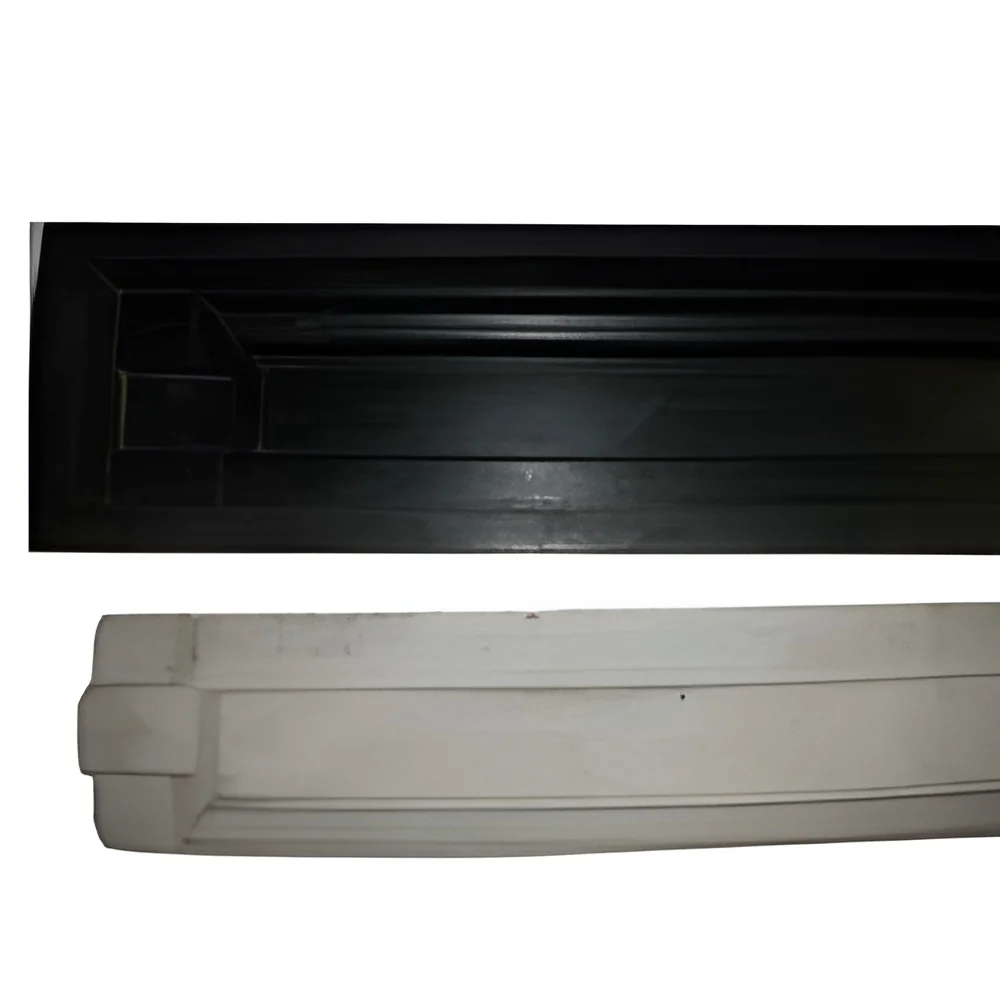
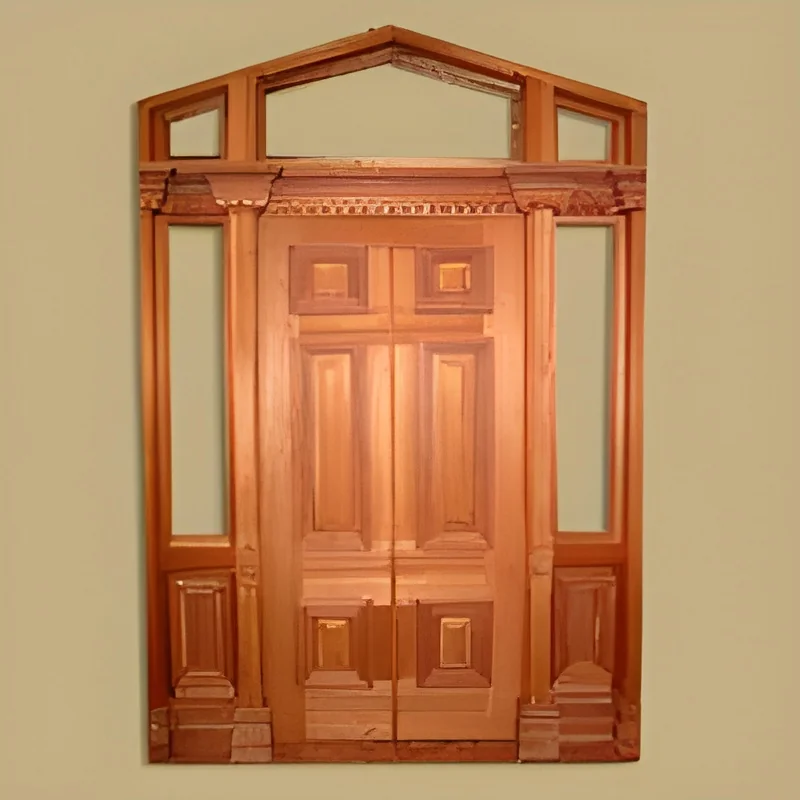
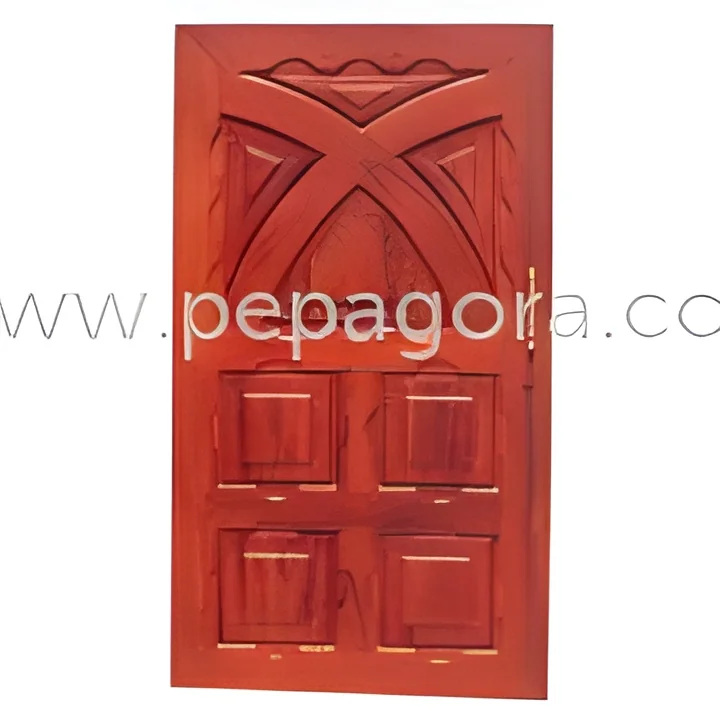
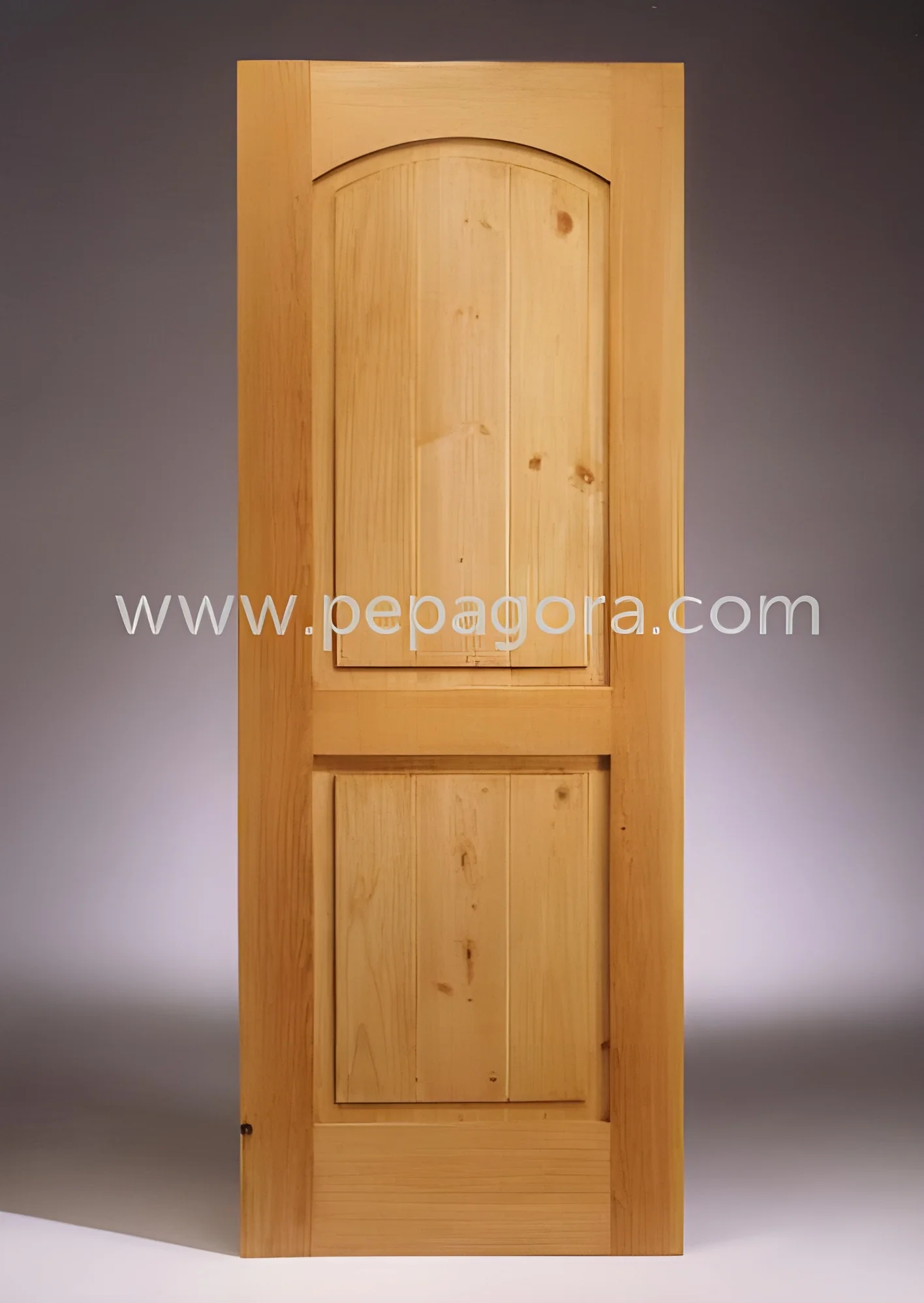
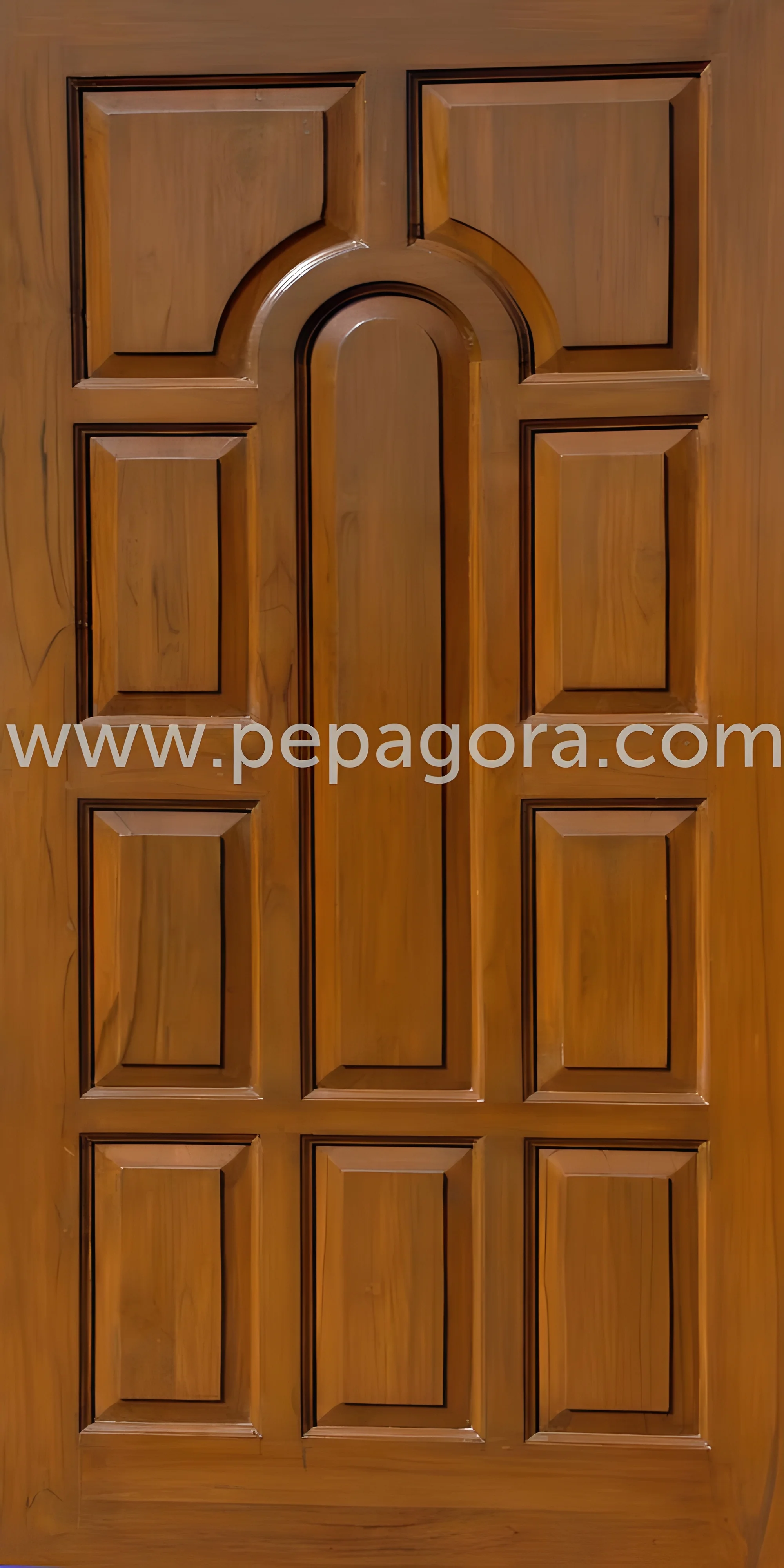
Wooden door frames made from Sal, Teak, and Pine are essential components in the construction and furnishing of buildings. These frames provide structural support for doors, ensuring proper alignment and functionality. The choice of wood affects both the aesthetic appeal and durability of the door frame. Sal wood is known for its strength and resistance to decay, making it suitable for heavy-duty applications. Teak wood, with its natural oils, offers excellent weather resistance and an attractive finish. Pine is lighter and more cost-effective, making it a popular choice for residential projects.
These wooden door frames are widely used across various sectors, including residential, commercial, and industrial applications. They are commonly found in homes, offices, hotels, and retail spaces. Their versatility allows for customization in design and size to meet specific architectural requirements. The relevance of wooden door frames in the construction industry remains strong, with ongoing demand for quality materials that enhance both functionality and aesthetics.
šš²š šš²š®šššæš²š š®š»š± š¦š½š²š°š¶š³š¶š°š®šš¶š¼š»š
Wooden door frames are characterized by their durability, aesthetics, and structural integrity. When selecting a wooden door frame, it is essential to consider specific features and specifications that align with project requirements.
Key specifications include:
1. Material Type
- Sal, Teak, or Pine wood
- Each type has distinct properties, such as strength and resistance to environmental factors.
2. Dimensions
- Available in various heights and widths
- Custom sizes can be manufactured to meet specific needs.
3. Finish
- Can be left natural or treated with varnish or paint
- Finishing options enhance appearance and durability.
4. Moisture Resistance
- Varies by wood type
- Teak has the highest moisture resistance, while Pine may require additional treatment.
5. Load-Bearing Capacity
- Determines the maximum weight the frame can support
- Sal wood typically offers the highest load-bearing capacity.
6. Installation Method
- Can be installed using traditional methods or modern techniques
- Compatibility with various door types is crucial.
7. Cost Range
- Prices vary based on wood type and customization
- Teak frames are generally more expensive than Pine.
8. Environmental Considerations
- Sourced from sustainable forests where applicable
- Compliance with environmental regulations.
In summary, understanding these specifications helps buyers choose the right wooden door frame for their projects.
šš¼šŗšŗš¼š» šš½š½š¹š¶š°š®šš¶š¼š»š š®š»š± šØšš² šš®šš²š
Wooden door frames find applications across a wide range of industries, reflecting their versatility and importance.
1. Residential Construction: Wooden door frames are commonly used in homes for interior and exterior doors. Their aesthetic appeal enhances the overall design of living spaces.
2. Commercial Buildings: In offices and retail spaces, wooden door frames provide a professional look while ensuring durability and security.
3. Hospitality Industry: Hotels and restaurants utilize wooden door frames for guest rooms and dining areas, creating a warm and inviting atmosphere.
4. Educational Institutions: Schools and universities often use wooden door frames in classrooms and administrative offices, combining functionality with style.
5. Healthcare Facilities: Hospitals and clinics benefit from the sturdiness of wooden door frames, which can withstand frequent use while maintaining a welcoming environment.
6. Industrial Applications: Some industrial facilities use wooden door frames in administrative areas where aesthetics are important, balancing functionality with design.
7. Government Buildings: Wooden door frames are often selected for historical and government buildings to maintain architectural integrity.
š£šæš¼š±šš°š š©š®šæš¶š®š»šš š®š»š± š¦ššÆš°š®šš²š“š¼šæš¶š²š
Wooden door frames come in various forms, catering to different needs and preferences.
Sal Wood Frames
Sal wood frames are renowned for their robustness and resistance to pests and decay. They are ideal for heavy-duty applications and are often used in commercial settings where strength is paramount.
Teak Wood Frames
Teak wood frames are prized for their natural beauty and durability. They are commonly used in high-end residential and commercial projects, benefiting from their weather resistance and appealing finish.
Pine Wood Frames
Pine wood frames are lightweight and cost-effective, making them suitable for budget-conscious projects. They are often used in residential settings and can be easily painted or stained to match decor.
šš²š»š²š³š¶šš š®š»š± šš±šš®š»šš®š“š²š
Choosing wooden door frames provides several key benefits that enhance both functionality and design.
1. Aesthetic Appeal: Wooden door frames add warmth and character to spaces, complementing various architectural styles.
2. Durability: High-quality wood types like Sal and Teak offer long-lasting performance, reducing the frequency of replacements.
3. Customization Options: Wooden frames can be tailored in size, design, and finish, meeting specific project requirements.
4. Sustainability: When sourced responsibly, wooden door frames can be an eco-friendly choice, supporting sustainable forestry practices.
5. Insulation Properties: Wood provides natural insulation, contributing to energy efficiency in buildings.
6. Versatility: Suitable for various applications, wooden door frames can be used in different environments, from homes to commercial spaces.
šššš¶š»š“ ššš¶š±š² š³š¼šæ šš®š šššš²šæš
When sourcing Wooden Door Frames (Sal, Teak, Pine), it is essential to consider several factors to ensure a successful purchase.
1. Quality Assessment: Evaluate the wood quality by examining grain patterns and moisture content. High-quality wood will be uniform with minimal knots or defects.
2. Supplier Verification: Vet suppliers to ensure they provide reliable products and services. Look for reviews, certifications, and industry experience.
3. Pricing and MOQ: Understand the cost structures and minimum order quantities required by suppliers. This can greatly influence project budgets.
4. Delivery and Lead Times: Factor in logistics and delivery schedules when planning your project timeline. Ensure suppliers can meet your deadlines.
5. Compliance Requirements: Be aware of any regulatory standards that apply to wooden door frames, including safety and environmental considerations.
šš¼šŗš½š¹š¶š®š»š°š² š®š»š± šš²šæšš¶š³š¶š°š®šš¶š¼š»š
Compliance with industry standards is crucial when sourcing wooden door frames. Relevant quality standards include ISO 9001, which ensures consistent quality management practices. Additionally, certifications such as CE indicate compliance with European safety and performance standards.
Safety and testing requirements are also important, as they ensure the products meet necessary guidelines for durability and safety. Regional compliance considerations may vary, so it is essential to check local regulations regarding the use of wooden materials in construction.
Why Source Wooden Door Frames (Sal, Teak, Pine) from Pepagora?
Pepagora offers a reliable platform for sourcing high-quality Wooden Door Frames (Sal, Teak, Pine) with numerous advantages.
Verified Supplier Network: Pepagora connects buyers with a network of verified suppliers, ensuring that products meet quality standards and comply with industry regulations.
Streamlined RFQ Process: The platform facilitates an efficient request for quotation process, allowing buyers to quickly compare offers from multiple suppliers.
Trade Assurance and Support: Buyers can benefit from trade assurance features that protect transactions and provide support throughout the purchasing process.
Regional Coverage: Pepagora has a strong presence in regions such as India, GCC, and Southeast Asia, making it easier for businesses to find local suppliers and reduce shipping times.
With these advantages, sourcing wooden door frames through Pepagora can enhance the purchasing experience and ensure quality outcomes for projects.