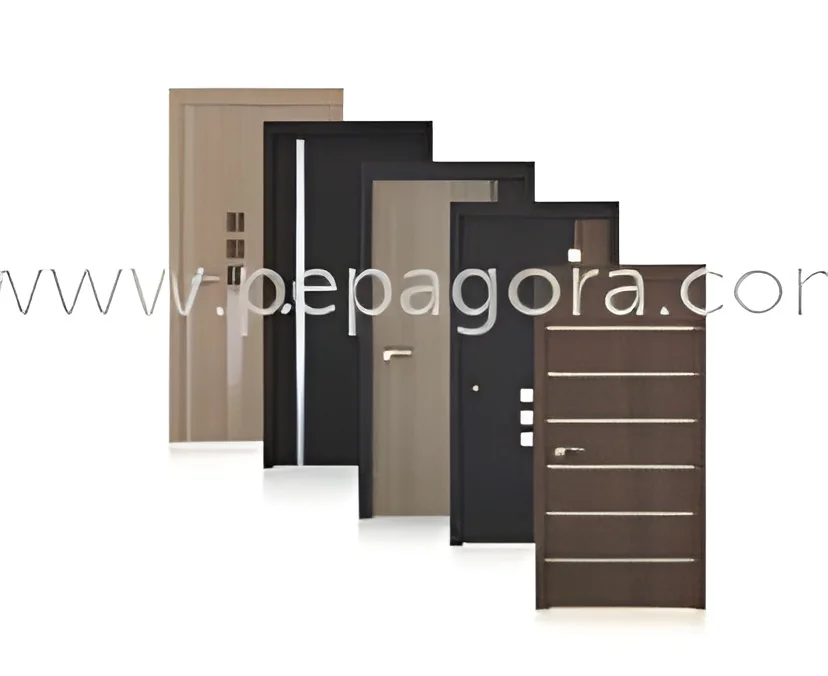
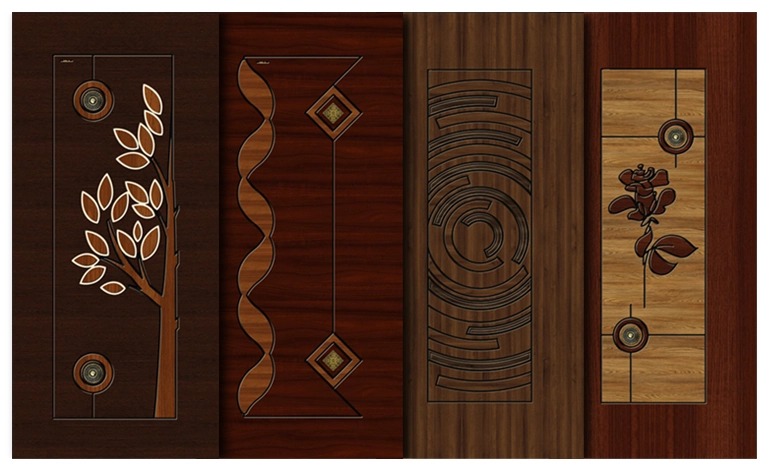
What are Laminated & Veneered Doors?
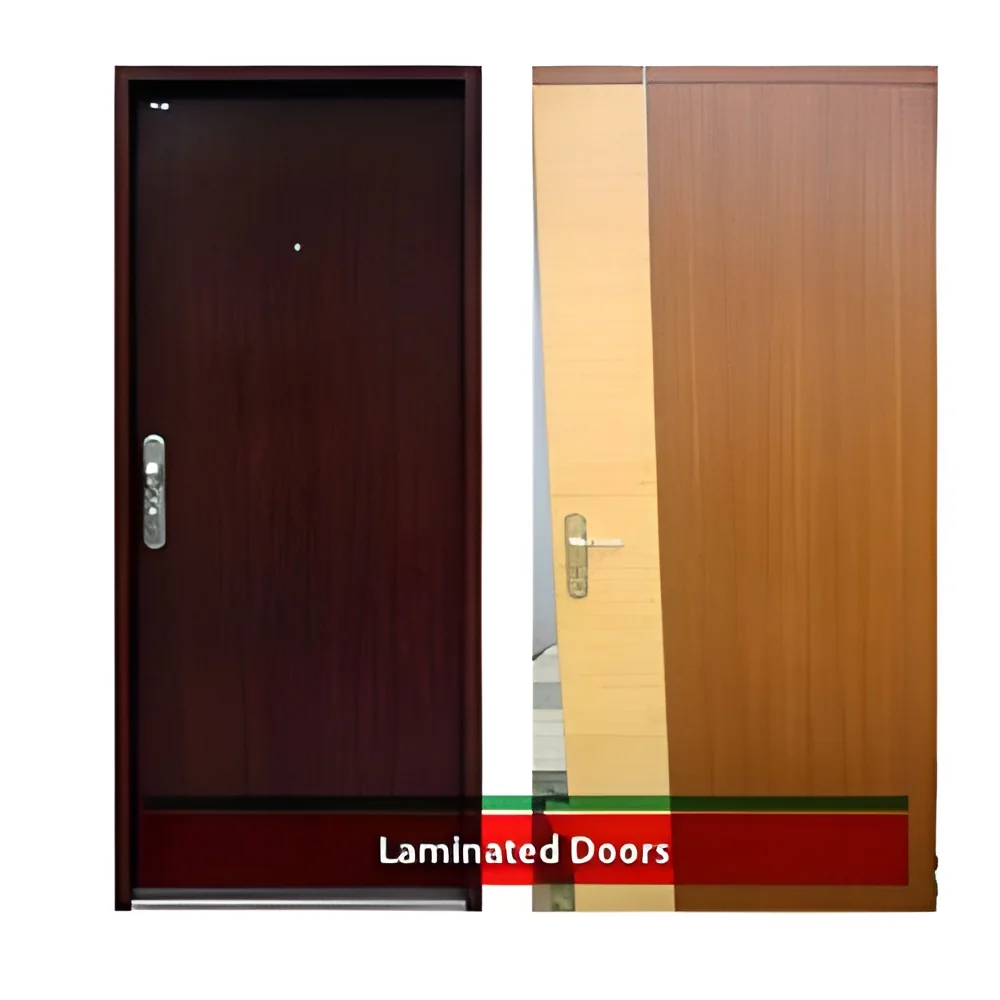
Laminated and veneered doors are engineered wooden doors that offer aesthetic appeal and durability. Laminated doors are made by bonding layers of material together, often using high-pressure techniques, which results in a strong and moisture-resistant product. Veneered doors, on the other hand, consist of a thin layer of natural wood veneer applied over a core material, providing the look of solid wood while being more cost-effective. Both types serve as excellent options in various commercial and residential applications.
These doors are widely used in the construction and interior design industries, particularly in settings where visual appeal and practicality are essential. Common applications include offices, retail spaces, hotels, and residential buildings. Their versatility in design allows architects and designers to achieve specific aesthetics while maintaining functionality. The market for laminated and veneered doors is growing due to increasing demand for sustainable building materials and the evolving trends in interior design.
The relevance of laminated and veneered doors in today's market cannot be overstated. As more businesses focus on sustainable practices, these doors provide an eco-friendly alternative to solid wood without compromising quality or appearance. Their widespread acceptance across various sectors indicates a robust market potential, making them a valuable component in any B2B supplier's portfolio.
Key Features and Specifications
Laminated and veneered doors are characterized by several key features that enhance their functionality and appeal. Understanding these specifications is crucial for making informed purchasing decisions.
Key specifications include:
1. Material Composition
- Laminated doors typically consist of multiple layers of materials, including MDF or particleboard.
- Veneered doors feature a thin layer of natural wood veneer over a composite base.
2. Surface Finish
- Options include high gloss, matte, and textured finishes.
- Finishes enhance aesthetics and provide resistance to wear and tear.
3. Dimensions
- Standard sizes generally range from 30 inches to 36 inches in width and 80 inches in height.
- Custom sizes may be available depending on supplier capabilities.
4. Thickness
- Common thicknesses range from 1 3/8 inches to 1 3/4 inches.
- Thickness affects durability and insulation properties.
5. Fire Rating
- Some laminated doors are available with fire-resistant ratings that comply with local building codes.
- Fire ratings enhance safety in commercial spaces.
6. Acoustic Properties
- Certain models offer soundproofing capabilities, making them suitable for offices and conference rooms.
- Acoustic ratings are often expressed in STC (Sound Transmission Class) values.
7. Environmental Credentials
- Many products are certified as environmentally friendly, adhering to sustainability standards.
- Look for certifications such as FSC (Forest Stewardship Council) or similar.
8. Warranty
- Manufacturers typically offer warranties ranging from 1 to 10 years, depending on the product and supplier.
- A warranty can provide peace of mind regarding product longevity.
In summary, laminated and veneered doors combine functionality with aesthetic appeal, making them a preferred choice in various applications. Understanding the specifications can help buyers choose the right product for their needs.
Common Applications and Use Cases
Laminated and veneered doors find applications across a range of industries, thanks to their versatility and durability.
1. Commercial Offices: These doors are commonly used in office partitions and conference rooms, where a professional appearance is essential.
2. Retail Spaces: In stores, laminated and veneered doors enhance the customer experience by providing attractive entryways and display areas.
3. Hospitality: Hotels and restaurants utilize these doors for guest rooms and dining areas, balancing style and functionality.
4. Residential Buildings: Homeowners appreciate the aesthetic appeal and affordability of laminated and veneered doors for interior applications.
5. Educational Institutions: Schools and universities benefit from their durability and ease of maintenance in classrooms and administrative offices.
6. Healthcare Facilities: In hospitals and clinics, these doors are often used where hygiene and safety are priorities.
7. Industrial Settings: Some industries use these doors in administrative offices within manufacturing environments, offering a professional look while enduring heavy usage.
Product Variants and Subcategories
Laminated and veneered doors come in various variants to cater to different needs and preferences.
Standard Laminated Doors
These doors offer a cost-effective solution with high moisture resistance and a wide range of finishes. They are ideal for commercial and residential uses where durability is a priority.
Decorative Veneered Doors
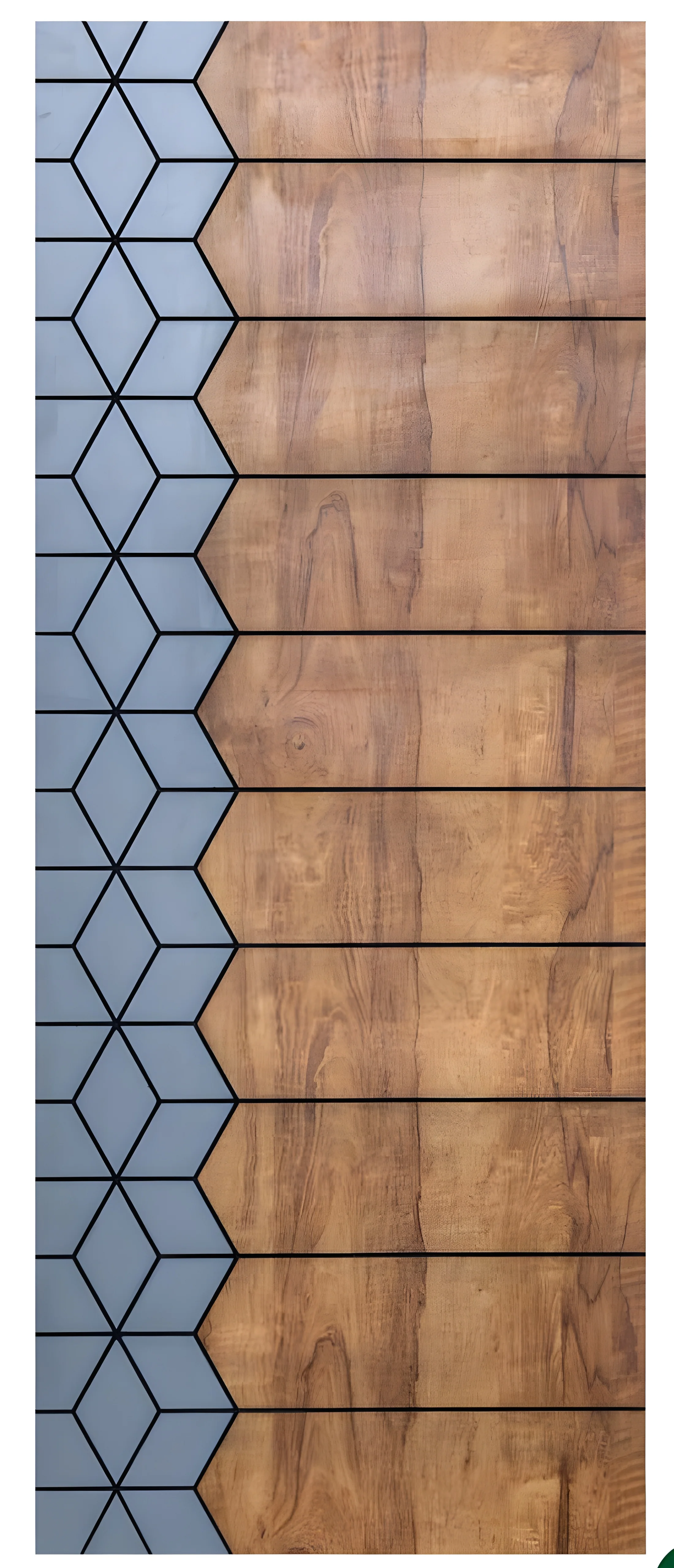
These doors showcase the natural beauty of wood grains, making them perfect for high-end applications. They add elegance to spaces such as luxury hotels and upscale offices.
Fire-Rated Laminated Doors
Designed to meet specific safety standards, these doors provide essential fire protection without compromising on style, making them suitable for commercial buildings.
Acoustic Laminated Doors
Engineered for soundproofing, these doors are ideal for offices and recording studios where noise control is critical.
Benefits and Advantages
Choosing laminated and veneered doors offers numerous advantages for businesses and contractors.
1. Cost-Effective: These doors are generally less expensive than solid wood options, allowing for budget-friendly projects without sacrificing quality.
2. Durability: Laminated doors are resistant to warping and moisture, making them suitable for various environments.
3. Aesthetic Variety: With numerous finishes and styles, businesses can select doors that match their branding and design preferences.
4. Easy Maintenance: Most laminated and veneered doors require minimal upkeep, saving time and resources in the long run.
5. Environmental Sustainability: Many products are made from eco-friendly materials, appealing to businesses focused on sustainability.
6. Customization: Suppliers often offer customizable options to ensure the doors meet specific project requirements.
Buying Guide for B2B Buyers
When sourcing laminated and veneered doors, it is essential to consider several key factors to ensure a successful purchase.
1. Quality Assessment: Evaluate the quality of materials used in the doors. Look for reputable certifications and reviews from previous buyers.
2. Supplier Verification: Vet suppliers for reliability and past performance. Check their reputation in the industry and their history of timely deliveries.
3. Pricing and MOQ: Understand the pricing structure and minimum order quantities. Compare different suppliers to find the best value for your budget.
4. Delivery and Lead Times: Inquire about delivery schedules and lead times. Ensure that the supplier can meet your project deadlines.
5. Compliance Requirements: Verify that the doors meet all relevant quality and safety standards for your industry. This may include local building codes and environmental regulations.
Compliance and Certifications
Laminated and veneered doors must adhere to various compliance and certification standards to ensure quality and safety.
One important standard is ISO 9001, which focuses on quality management systems. Adhering to this standard ensures that manufacturers maintain consistent quality in their products.
Another relevant certification is CE marking, which indicates compliance with European health, safety, and environmental protection standards. This certification is significant for businesses importing or selling products in the European market.
Safety and testing requirements also play a crucial role in the compliance landscape. Manufacturers must ensure their products are tested for fire resistance, durability, and other essential factors.
In addition, regional compliance considerations can vary. Depending on the market, regulations might dictate specific material standards or environmental impact assessments.
Why Source Laminated & Veneered Doors from Pepagora?
Pepagora stands out as a reliable platform for sourcing laminated and veneered doors, offering several key advantages to B2B buyers.
Verified Supplier Network: Pepagora ensures that all suppliers are thoroughly vetted, providing buyers with a network of trustworthy manufacturers. This reduces the risk of sourcing from unreliable vendors.
Streamlined RFQ Process: The platform simplifies the request for quotation (RFQ) process, allowing buyers to easily compare prices and specifications from multiple suppliers. This efficiency saves time and enhances decision-making.
Trade Assurance and Support: Pepagora offers trade assurance, protecting buyers against unforeseen issues during the purchasing process. This support builds confidence in transactions and promotes long-term relationships.
Regional Coverage: With a strong presence in India, the GCC, and Southeast Asia, Pepagora provides extensive geographic reach. This allows buyers to connect with suppliers in their desired regions, catering to localized needs and preferences.

 IN
IN