
 IN
Solid Core & Honeycomb Core Doors
9 products available
What are Solid Core & Honeycomb Core Doors?
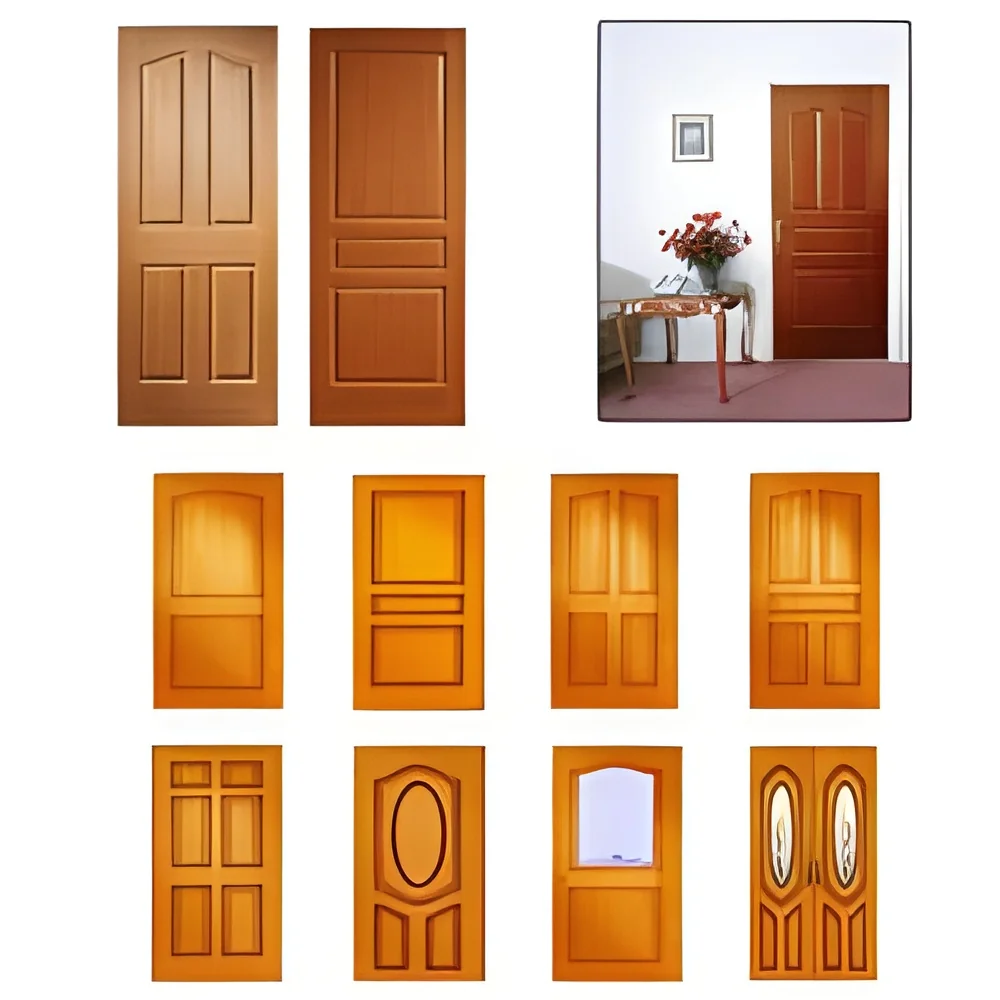
Solid core and honeycomb core doors are two types of doors commonly used in commercial and industrial settings. Solid core doors are constructed with a solid material, providing enhanced durability and sound insulation. Honeycomb core doors, on the other hand, feature a lightweight honeycomb structure sandwiched between two outer layers. This design offers a balance between weight and strength, making these doors an economical option for many applications.
These doors are primarily used for interior applications in offices, hotels, hospitals, and educational institutions. They are ideal for environments that require soundproofing, fire resistance, and security. The lightweight nature of honeycomb core doors makes them easy to install, while solid core doors are favored for their robustness in high-traffic areas. With the increasing demand for energy efficiency and sustainable building materials, both types of doors are gaining traction in the market.
In today’s competitive industry, understanding the differences between solid core and honeycomb core doors can help businesses make informed decisions. As construction standards evolve, these doors are becoming essential components in modern building practices, catering to a wide array of industry needs.
Key Features and Specifications
Solid core and honeycomb core doors have distinct features that cater to various requirements in commercial and industrial settings. These features contribute to their functionality, durability, and overall performance.
Key specifications include:
1. Construction Type
- Solid core doors are made from solid wood or composite materials.
- Honeycomb core doors have a lightweight honeycomb structure for reduced weight.
2. Thickness
- Typical thickness ranges from 1 3/8 inches to 2 inches for solid core doors.
- Honeycomb doors usually range from 1 3/8 inches to 1 3/4 inches in thickness.
3. Fire Rating
- Solid core doors can achieve fire ratings of up to 90 minutes.
- Honeycomb core doors may also be available with fire resistance ratings.
4. Sound Transmission Class (STC)
- Solid core doors typically have an STC rating of 30-40.
- Honeycomb doors generally have lower STC ratings, suitable for less demanding environments.
5. Finish Options
- Solid core doors can be stained or painted with various finishes.
- Honeycomb core doors typically come with a smooth surface for easy painting.
6. Weight
- Solid core doors are heavier, providing sturdiness.
- Honeycomb core doors are lightweight, making installation easier.
7. Environmental Attributes
- Solid core doors can be made from sustainable materials.
- Honeycomb doors often use recycled materials in their construction.
8. Customization
- Both door types can be customized in size, finish, and security features.
In summary, understanding the features and specifications of solid core and honeycomb core doors helps businesses select the right product for their needs, ensuring functionality and compliance with industry standards.
Common Applications and Use Cases
Solid core and honeycomb core doors serve a wide range of industries, each with specific applications.
1. Commercial Offices: These doors are commonly used in office buildings for meeting rooms and private offices, where sound insulation is essential.
2. Hospitality: Hotels often utilize solid core doors for guest room entrances to enhance privacy and security.
3. Healthcare: Hospitals and clinics benefit from solid core doors due to their fire resistance and durability, making them suitable for patient rooms and waiting areas.
4. Educational Institutions: Schools and universities use honeycomb core doors in classrooms and hallways for lightweight yet durable solutions.
5. Retail Spaces: Both types of doors can be found in retail environments, providing aesthetic appeal while serving functional purposes.
6. Industrial Facilities: Solid core doors are preferred in warehouses and manufacturing plants for their strength and ability to withstand heavy use.
7. Residential Buildings: Honeycomb core doors are often used in multifamily housing for interior applications due to their cost-effectiveness.
Product Variants and Subcategories
Solid core and honeycomb core doors come in various forms to meet different needs in construction and design.
Solid Core Doors
These doors are known for their robust construction, offering excellent sound insulation and security features. They are often used in high-traffic areas such as offices and hotels, where durability is crucial.
Honeycomb Core Doors
Lightweight and economical, honeycomb core doors are designed for ease of installation and efficiency. They are suitable for applications where weight reduction is important, such as in educational institutions and residential buildings.
Benefits and Advantages
Choosing solid core and honeycomb core doors comes with numerous advantages for businesses.
1. Durability: Both types of doors are built to withstand wear and tear, making them suitable for high-traffic environments.
2. Sound Insulation: Solid core doors provide superior soundproofing, enhancing privacy in offices and hotels.
3. Fire Resistance: Many solid core doors offer fire ratings, improving safety in commercial buildings.
4. Cost-Effectiveness: Honeycomb core doors are an economical choice, providing value without compromising quality.
5. Lightweight Design: Honeycomb core doors are easier to handle and install, reducing labor costs.
6. Customization Options: Both door types can be tailored to meet specific aesthetic and functional requirements.
Buying Guide for B2B Buyers
When sourcing solid core and honeycomb core doors, it is important to consider several key factors.
1. Quality Assessment: Evaluate the materials and construction methods used to ensure the doors meet industry standards for durability and performance.
2. Supplier Verification: Conduct thorough research on potential suppliers, checking their reputation and customer feedback to ensure reliability.
3. Pricing and MOQ: Understand pricing structures and minimum order quantities to align with budgetary constraints and project needs.
4. Delivery and Lead Times: Clarify delivery schedules to ensure timely receipt of doors, which is critical for project timelines.
5. Compliance Requirements: Familiarize yourself with local regulations and standards to ensure that the doors meet necessary compliance and safety requirements.
Compliance and Certifications
Compliance and certifications are critical in ensuring the safety and quality of solid core and honeycomb core doors. Relevant quality standards include ISO 9001, which ensures that manufacturers adhere to high-quality management practices. Additionally, HACCP and GDP standards may apply in specific industries, ensuring that products are safe and reliable.
Industry certifications, such as CE marking, indicate compliance with European safety standards, which can enhance marketability. Safety testing requirements may include fire resistance and durability tests to evaluate performance under various conditions.
Regional compliance considerations are also important. Different markets may have specific codes and regulations that manufacturers must follow to ensure their products are suitable for use in those areas.
Why Source Solid Core & Honeycomb Core Doors from Pepagora?
Pepagora offers a reliable platform for sourcing solid core and honeycomb core doors, providing several key advantages to buyers.
Verified Supplier Network: Pepagora connects buyers with a network of verified suppliers, ensuring that all listed manufacturers meet stringent quality and reliability standards.
Streamlined RFQ Process: The platform simplifies the request for quotation process, allowing buyers to receive competitive pricing and quick responses from multiple suppliers.
Trade Assurance and Support: Pepagora offers trade assurance, protecting buyers' investments and ensuring that orders are fulfilled as promised. Their support team is available to assist with any inquiries or concerns.
Regional Coverage: With a strong presence in India, the GCC, and Southeast Asia, Pepagora facilitates access to quality products across diverse markets, helping businesses source doors that meet their specific needs.

Frequently Asked Questions
What are Solid Core & Honeycomb Core Doors?
Solid Core & Honeycomb Core Doors are types of doors designed for durability and sound insulation. Solid core doors have a solid inner core made of materials like particleboard, while honeycomb core doors feature a lightweight honeycomb structure sandwiched between two outer layers, providing a balance between strength and weight.
What are the different types of Solid Core & Honeycomb Core Doors?
The main types of Solid Core & Honeycomb Core Doors include solid core wooden doors, hollow core doors, and honeycomb core doors made with MDF or plywood. Each type varies in terms of weight, soundproofing capabilities, and cost, catering to different application needs.
How do I choose the right Solid Core & Honeycomb Core Doors?
When selecting the right Solid Core & Honeycomb Core Doors, consider factors such as the intended use, required sound insulation, and aesthetic preferences. Additionally, assess the door's material, thickness, and fire rating to ensure it meets your specific requirements.
What are the standard specifications for Solid Core & Honeycomb Core Doors?
Standard specifications for Solid Core & Honeycomb Core Doors may include thicknesses ranging from 1.25 to 2 inches, various widths and heights according to building codes, and fire ratings if required. Materials used can include solid wood, particleboard, or MDF, depending on the door type.
What is the price range for Solid Core & Honeycomb Core Doors?
The price range for Solid Core & Honeycomb Core Doors typically varies between INR 2,000 to INR 15,000 per door, depending on the type, size, and customization options. Higher quality materials and additional features, such as fire resistance, can increase the cost.
What quality standards apply to Solid Core & Honeycomb Core Doors?
Quality standards for Solid Core & Honeycomb Core Doors include compliance with IS (Indian Standards) for durability, fire resistance, and dimensional accuracy. Manufacturers often adhere to these standards to ensure safety and performance in various applications.
Where can I find Solid Core & Honeycomb Core Doors suppliers in India?
You can find Solid Core & Honeycomb Core Doors suppliers in India through online B2B marketplaces like Pepagora.com, trade shows, and industry directories. Local hardware stores and manufacturers may also provide options for sourcing these doors.
Can Solid Core & Honeycomb Core Doors be customized?
Yes, Solid Core & Honeycomb Core Doors can often be customized in terms of size, finish, and design. Many manufacturers offer customization options to meet specific project requirements or aesthetic preferences.
What is the typical minimum order quantity for Solid Core & Honeycomb Core Doors?
The typical minimum order quantity (MOQ) for Solid Core & Honeycomb Core Doors generally ranges from 10 to 50 units, depending on the manufacturer and the specific door type. It's advisable to check with suppliers for their specific MOQ policies.
What is the typical lead time for Solid Core & Honeycomb Core Doors?
The typical lead time for Solid Core & Honeycomb Core Doors can range from 2 to 6 weeks, depending on factors such as order volume, customization, and supplier capabilities. It's recommended to confirm lead times with the supplier when placing an order.
Why Businesses Trust Pepagora
Thousands of companies trust Pepagora to source smarter and sell faster
Expand Your Sales Globally

Source Smarter,Grow Faster
