What are Wood Mouldings & Skirting?
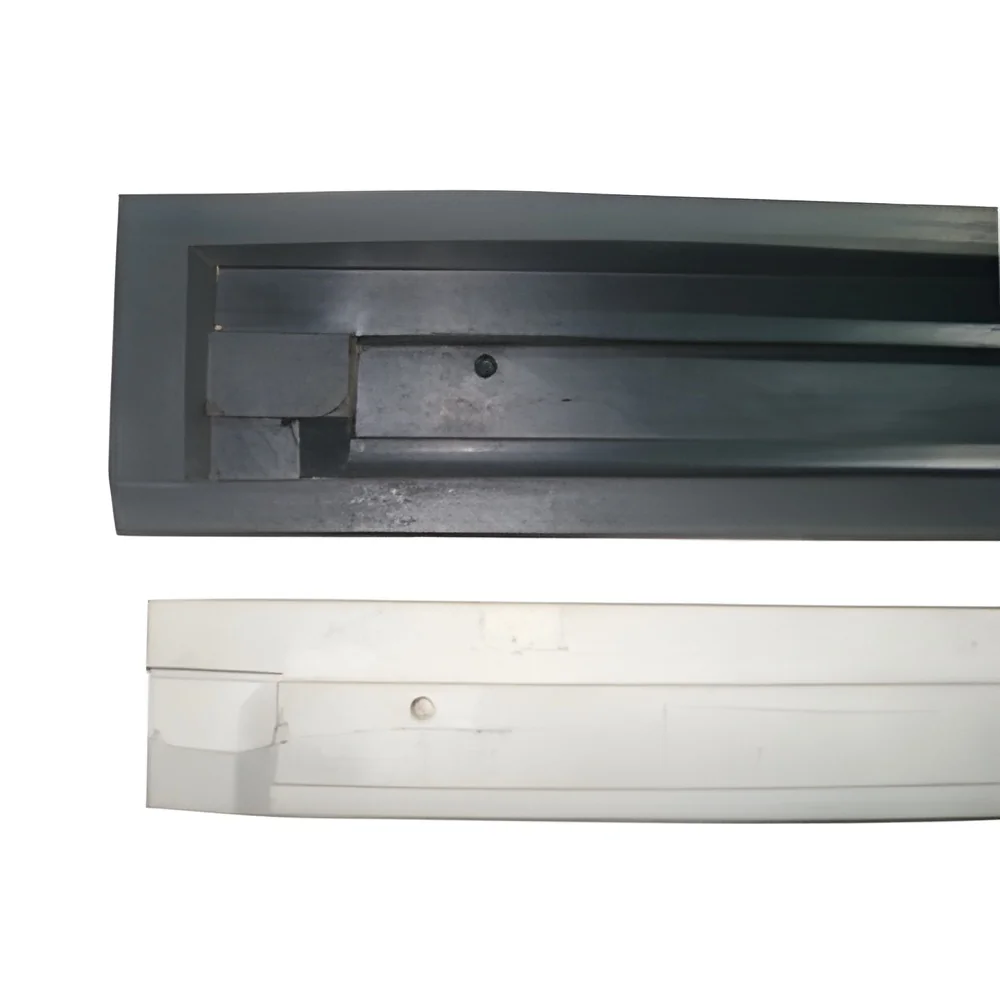
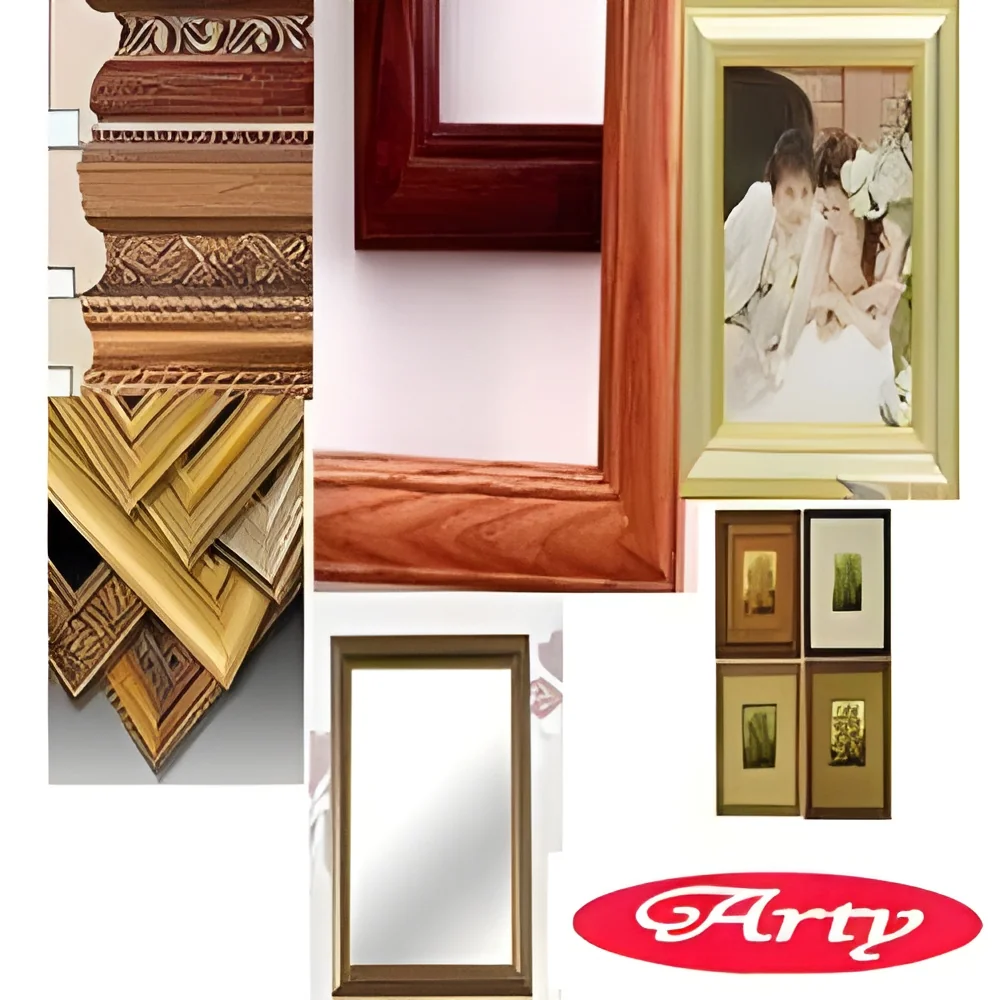
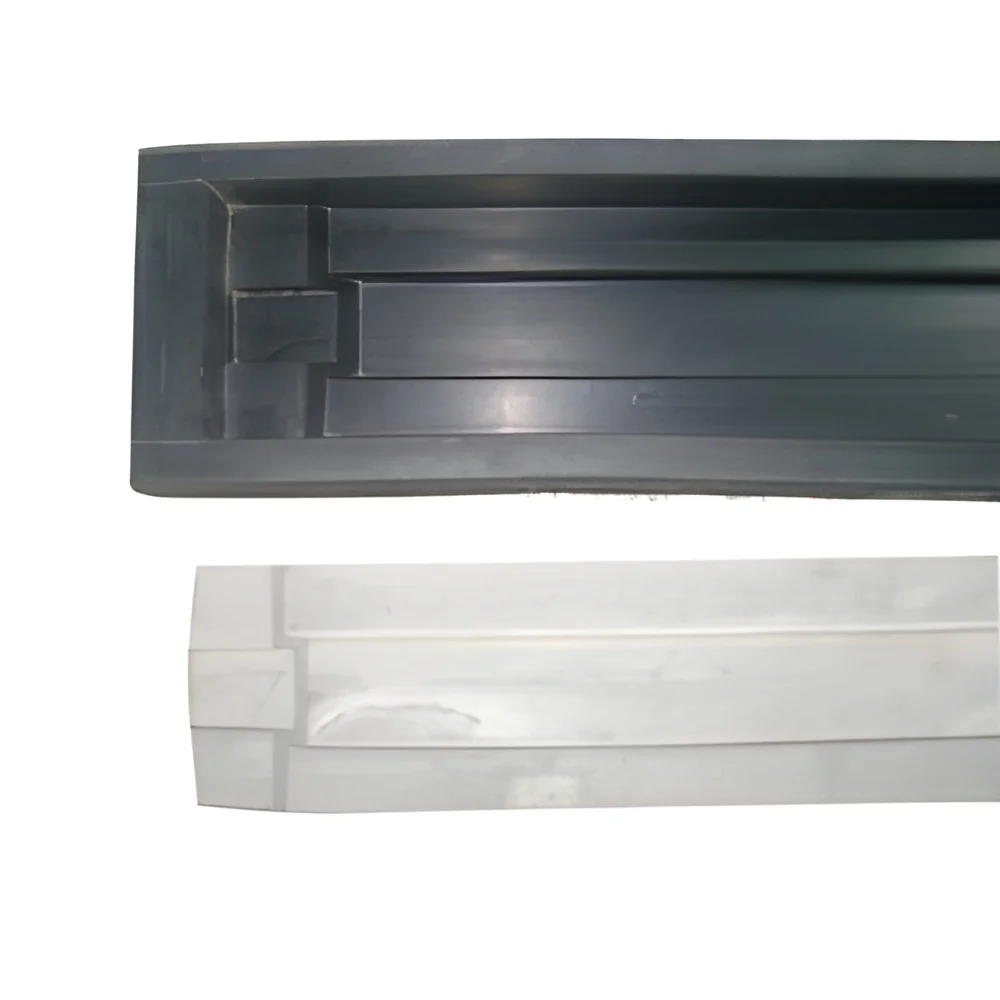
Wood mouldings and skirting are architectural elements made from wood that serve both functional and aesthetic purposes in construction and interior design. Mouldings refer to decorative strips that are used to enhance transitions between surfaces, such as walls, ceilings, and floors. Skirting, often referred to as baseboards, are mouldings that run along the bottom of walls, providing a finished look while also protecting the wall from damage.
These products find primary applications in residential, commercial, and industrial settings. In homes, they provide a decorative finish and cover gaps between the wall and floor. In commercial spaces, they can play a role in branding and design aesthetics. Moreover, in industrial environments, they may be used for functional purposes, such as protecting walls from wear and tear in high-traffic areas.
In terms of market context, wood mouldings and skirting are essential components in the construction industry. They are frequently utilized by contractors, architects, and designers who aim to create visually appealing and durable spaces. The demand for these products is influenced by trends in interior design and construction materials, making them relevant in various industrial contexts.
Key Features and Specifications
Wood mouldings and skirting come with a range of features and specifications that cater to diverse applications. When selecting these products, it is essential to consider their characteristics to ensure they meet project requirements.
Key specifications include:
1. Material Type
- Common materials include solid wood, MDF (medium-density fiberboard), and plywood.
- Each material offers different durability and aesthetic qualities.
2. Dimensions
- Available in various heights and widths to suit different design needs.
- Standard sizes typically range from 2 to 8 inches in height.
3. Profiles
- Various decorative profiles are available, including colonial, modern, and traditional styles.
- Profiles can enhance architectural aesthetics and design themes.
4. Finishes
- Can be painted, stained, or left natural depending on the desired look.
- Finishing options affect durability and maintenance requirements.
5. Installation Methods
- Can be installed using adhesive, nails, or screws.
- Installation methods may vary based on the material and intended application.
6. Moisture Resistance
- Some products are treated for moisture resistance, making them suitable for high-humidity areas.
- Important for applications in kitchens and bathrooms.
7. Fire Resistance
- Certain mouldings and skirting may have fire-retardant properties.
- Compliance with safety standards is crucial for commercial applications.
8. Customization Options
- Many manufacturers offer custom sizes and profiles to meet specific project needs.
- Customization can enhance design flexibility.
In summary, understanding the key features and specifications of wood mouldings and skirting is vital for making informed decisions in sourcing and application.
Common Applications and Use Cases
Wood mouldings and skirting are versatile products used across various industries, each with unique applications.
1. Residential: In homes, mouldings and skirting enhance the overall aesthetic appeal. They are used in living rooms, bedrooms, and hallways to create a polished look.
2. Commercial: Retail spaces often use decorative mouldings to enhance branding and customer experience. Skirting protects walls in high-traffic areas from wear and tear.
3. Hospitality: Hotels and restaurants utilize mouldings to create a warm and inviting atmosphere. They are often used in dining areas and lobbies.
4. Office: In corporate settings, mouldings provide a professional finish to conference rooms and reception areas. They can also help in sound insulation.
5. Healthcare: Hospitals and clinics use mouldings to maintain hygiene standards. They can be easily cleaned and help reduce wall damage.
6. Educational: Schools and universities employ mouldings in classrooms and auditoriums to improve acoustics and aesthetics.
7. Industrial: In warehouses and manufacturing facilities, mouldings serve protective functions, preventing damage to walls from equipment and foot traffic.
Product Variants and Subcategories
Wood mouldings and skirting come in a variety of types, allowing for flexibility in design and application.
Crown Moulding
Crown moulding is typically used where walls meet ceilings. It adds elegance and helps transition between surfaces. Available in various styles, it can be used in both traditional and modern designs.
Baseboards
Baseboards, or skirting boards, run along the bottom of walls. They provide a clean finish while protecting walls from damage. Different heights and profiles are available to suit various interior styles.
Chair Rails
Chair rails are decorative mouldings installed at a height that protects walls from damage caused by chairs. They are often used in dining rooms and formal areas.
Window and Door Casings
These mouldings frame windows and doors, adding visual interest and detail. They can be simple or ornate, depending on the design theme.
Benefits and Advantages
Choosing wood mouldings and skirting offers numerous benefits that enhance both functionality and aesthetic appeal.
1. Aesthetic Enhancement: Mouldings and skirting add visual interest and elegance to any space, improving overall interior design.
2. Wall Protection: They help protect walls from scuffs, dents, and damage, particularly in high-traffic areas.
3. Increased Property Value: Well-installed mouldings can enhance the resale value of a property by improving its aesthetic appeal.
4. Design Versatility: Available in various styles, sizes, and materials, they can be tailored to suit different architectural themes.
5. Easy Installation: Many wood mouldings and skirting products are designed for easy installation, reducing labor costs and project timelines.
6. Customization Options: Custom sizes and designs are available, allowing businesses to meet specific project needs and preferences.
Buying Guide for B2B Buyers
When sourcing wood mouldings and skirting, it is important for B2B buyers to consider several factors to ensure the best outcome for their projects.
1. Quality Assessment: Evaluate the quality of materials used. Look for products that are durable and meet aesthetic requirements.
2. Supplier Verification: Vet suppliers for reliability and track record. Seeking references and reviewing past projects can help ensure quality.
3. Pricing and MOQ: Consider the pricing structure and minimum order quantities. Understanding these factors can help in budgeting for large projects.
4. Delivery and Lead Times: Discuss logistics with suppliers to ensure timely delivery. Delays can impact project schedules, so clarity on lead times is essential.
5. Compliance Requirements: Ensure that the products meet local and international regulations. Check for relevant certifications that guarantee safety and quality.
Compliance and Certifications
Compliance with industry standards is crucial for wood mouldings and skirting products. Key quality standards include ISO 9001, which ensures consistent quality management systems in manufacturing.
Additionally, certifications such as CE and UL indicate that products meet specific safety and performance standards. These certifications provide assurance to buyers about the reliability of the materials.
Safety and testing requirements are also important, particularly in environments like healthcare and education where safety is paramount. Regular testing for durability and performance can help maintain compliance.
Regional compliance considerations may vary, so it is important for buyers to understand local regulations regarding materials and installation practices.
Why Source Wood Mouldings & Skirting from Pepagora?
Pepagora offers a reliable platform for sourcing wood mouldings and skirting, providing several advantages to B2B buyers.
Verified Supplier Network: Pepagora connects buyers with verified suppliers, ensuring that they receive high-quality products from trusted manufacturers. This network offers peace of mind when sourcing materials.
Streamlined RFQ Process: The platform features an efficient Request for Quotation (RFQ) process, simplifying the way buyers obtain pricing and product details from multiple suppliers simultaneously.
Trade Assurance and Support: Buyers benefit from trade assurance, which provides protection throughout the purchasing process. Support is available for any queries or issues that may arise.
Regional Coverage: Pepagora has a broad geographic reach, serving markets in India, the GCC, and Southeast Asia. This extensive network allows buyers to find local suppliers that meet their specific needs while ensuring logistical efficiency.

 IN
IN