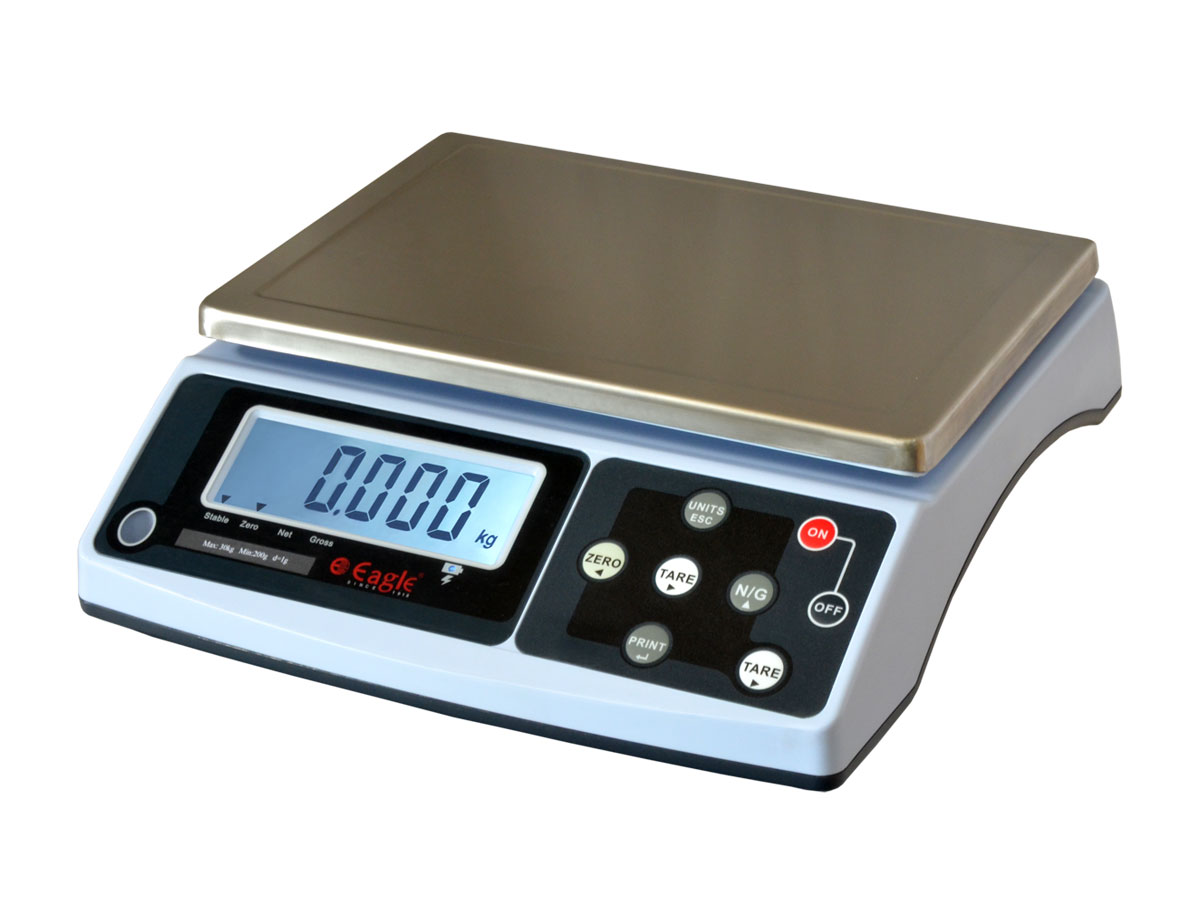
𝗪𝗵𝗮𝘁 𝗮𝗿𝗲 𝗪𝗲𝗶𝗴𝗵𝗶𝗻𝗴 𝗦𝗰𝗮𝗹𝗲𝘀 𝗳𝗼𝗿 𝗟𝗶𝘃𝗲𝘀𝘁𝗼𝗰𝗸?
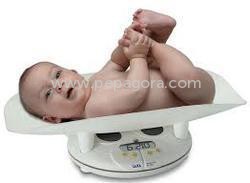
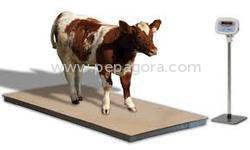
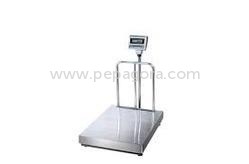
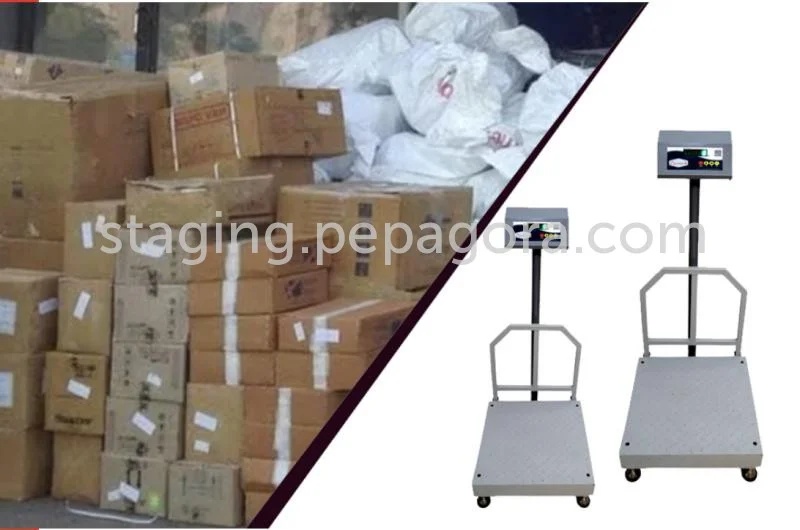
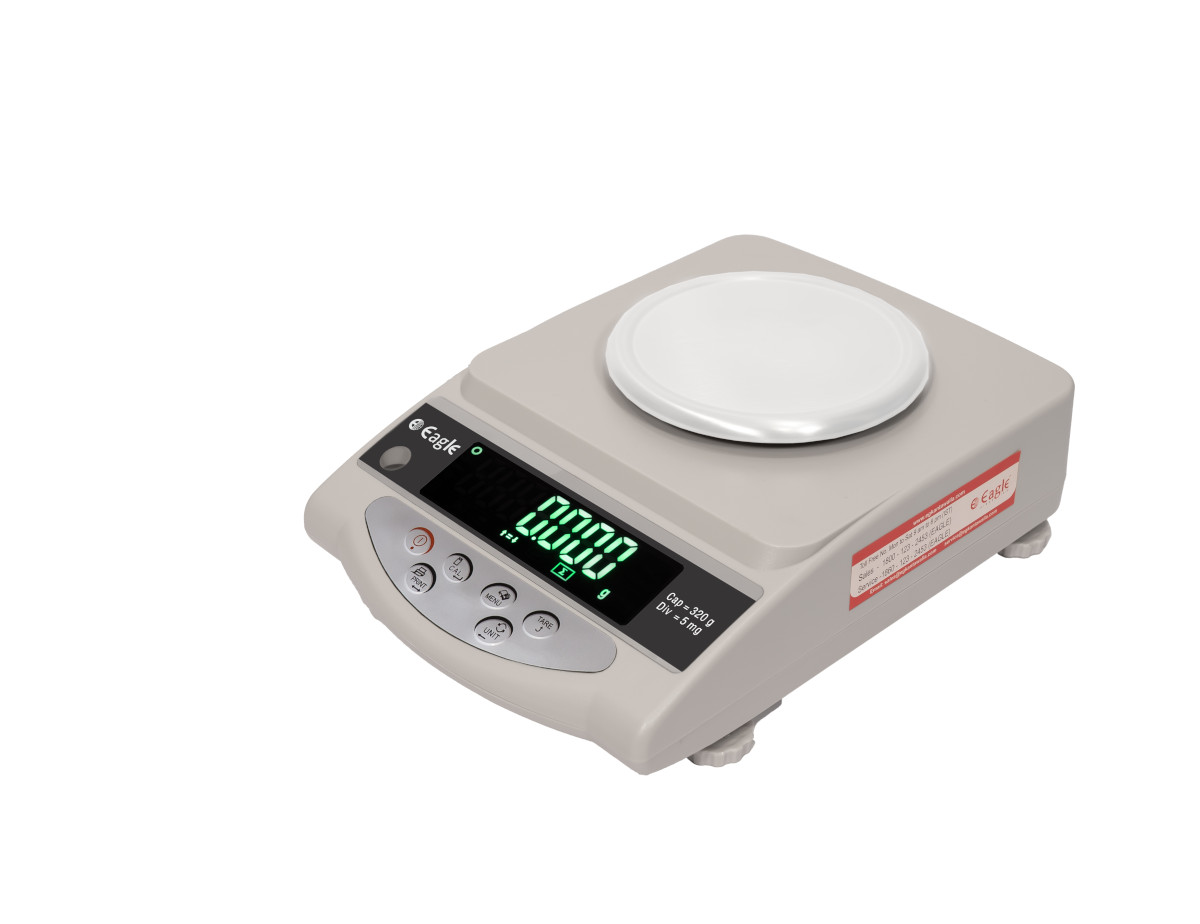
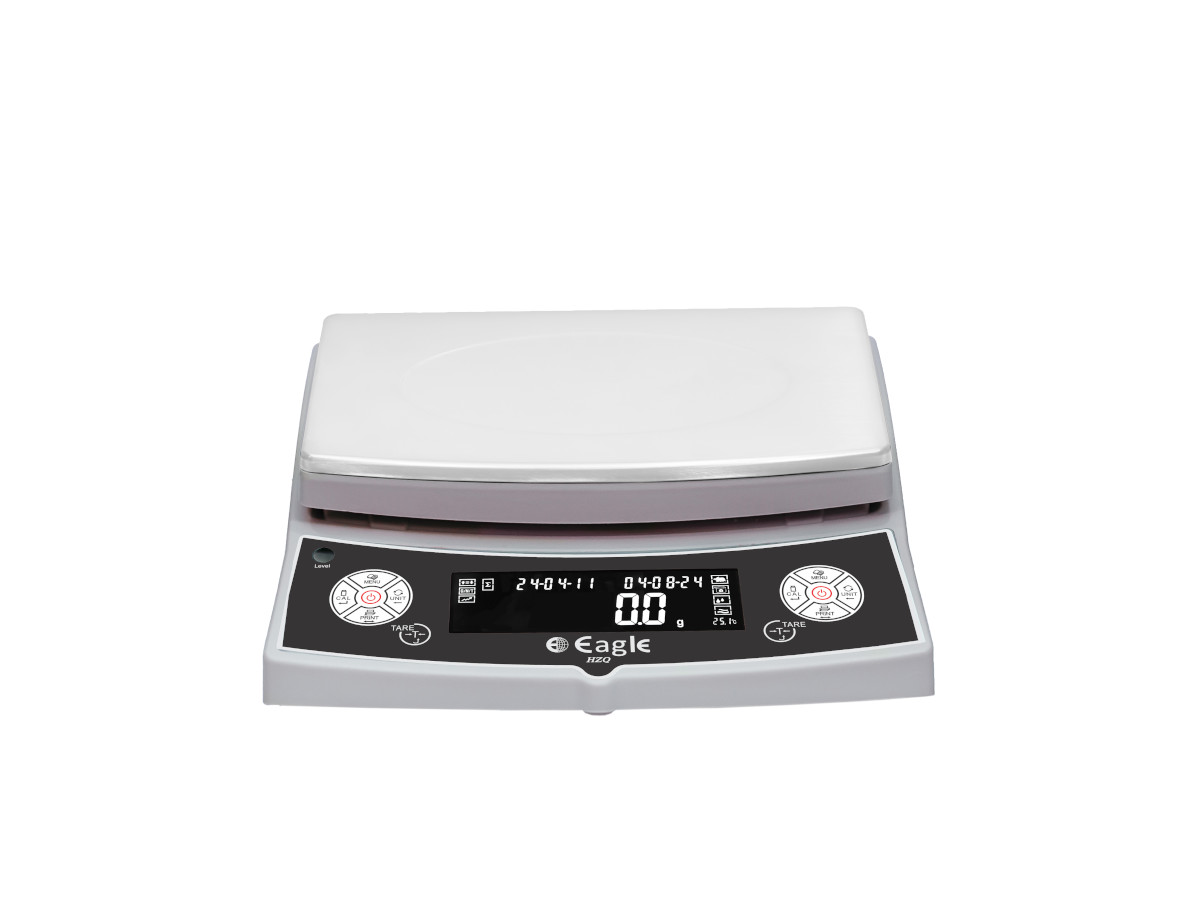
Weighing scales for livestock are specialized devices designed to accurately measure the weight of farm animals. These scales are essential tools in the agricultural sector, helping farmers and ranchers manage their livestock effectively. By providing precise weight measurements, these scales enable users to ensure optimal feeding, monitor health, and assess market readiness.
The primary uses of weighing scales for livestock include tracking growth rates, managing feed efficiency, and making informed breeding decisions. They play a critical role in livestock management by allowing producers to monitor the condition of their animals and adjust care as necessary. In the competitive agricultural market, having reliable data on livestock weights can significantly impact profitability and operational efficiency.
As the livestock industry continues to evolve, the demand for accurate weighing solutions grows. The integration of technology in these scales offers enhanced features, improving usability and data collection. This trend reflects the increasing importance of data-driven decision-making in agriculture, making weighing scales for livestock a vital investment for modern operators.
𝗞𝗲𝘆 𝗙𝗲𝗮𝘁𝘂𝗿𝗲𝘀 𝗮𝗻𝗱 𝗦𝗽𝗲𝗰𝗶𝗳𝗶𝗰𝗮𝘁𝗶𝗼𝗻𝘀
Weighing scales for livestock come equipped with various features and specifications tailored to meet the needs of farmers and ranchers. Understanding these specifications is crucial for selecting the right equipment for specific applications.
Key specifications include:
1. Capacity
- The maximum weight the scale can measure, typically ranging from 500 kg to 3,000 kg, depending on the model.
2. Accuracy
- The precision level of the scale, often within ±0.1% to ±0.5% of the measured weight.
3. Platform Size
- The dimensions of the weighing platform, which can vary from 1 meter by 1 meter to 2 meters by 3 meters to accommodate different livestock sizes.
4. Power Source
- Options include battery-operated, solar-powered, or plug-in models, providing flexibility for use in various environments.
5. Display Type
- Digital displays are standard, featuring easy-to-read screens that may include backlighting for visibility in low-light conditions.
6. Connectivity
- Many scales offer Bluetooth or USB connectivity, allowing for data transfer to computers or mobile devices for record-keeping.
7. Durability
- Built to withstand harsh outdoor conditions, materials often include heavy-duty steel or corrosion-resistant alloys.
8. Calibration
- Scales should allow for easy recalibration to ensure ongoing accuracy over time.
These specifications ensure that livestock weighing scales meet the diverse needs of agricultural operations.
𝗖𝗼𝗺𝗺𝗼𝗻 𝗔𝗽𝗽𝗹𝗶𝗰𝗮𝘁𝗶𝗼𝗻𝘀 𝗮𝗻𝗱 𝗨𝘀𝗲 𝗖𝗮𝘀𝗲𝘀
Weighing scales for livestock serve a variety of industries and applications, enabling better livestock management and operational efficiency.
1. Dairy Farming: Accurate weight measurements help dairy farmers monitor the health and growth of cows, ensuring optimal milk production.
2. Beef Cattle Operations: Producers track weight gain to determine the best time for market readiness and improve feed conversion ratios.
3. Poultry Farms: Scales are used to weigh feed and birds to manage growth rates and overall flock health.
4. Sheep Farming: Farmers rely on scales to monitor weight gain in sheep, particularly for breeding and market timing.
5. Swine Production: Weighing scales assist in tracking the growth of pigs, allowing for better feed allocation and health management.
6. Veterinary Practices: Animal clinics utilize scales for health assessments and treatment plans for various livestock.
7. Auction Houses: Weighing scales are essential in livestock auctions to provide accurate assessments for buyers and sellers.
𝗣𝗿𝗼𝗱𝘂𝗰𝘁 𝗩𝗮𝗿𝗶𝗮𝗻𝘁𝘀 𝗮𝗻𝗱 𝗦𝘂𝗯𝗰𝗮𝘁𝗲𝗴𝗼𝗿𝗶𝗲𝘀
Weighing scales for livestock come in various models to suit different needs and preferences in the agricultural sector.
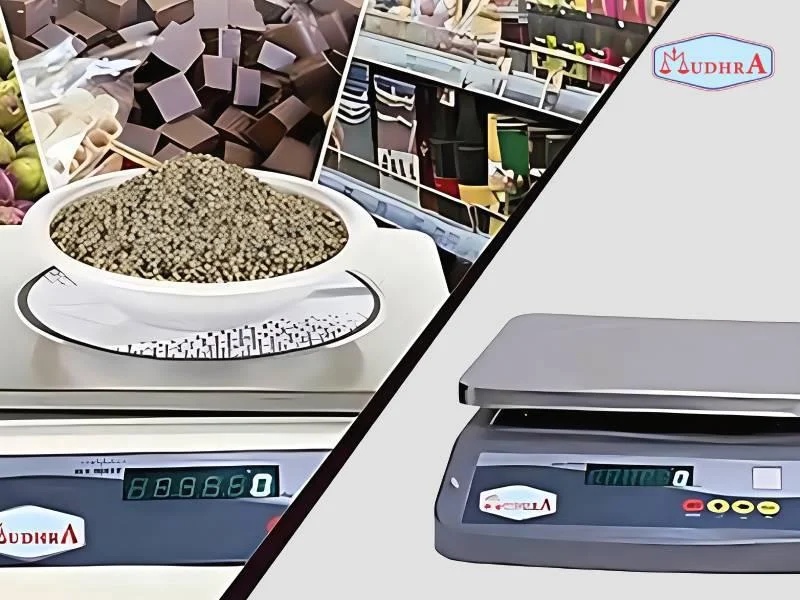
Digital Livestock Scales: These scales provide real-time weight measurements and often include features such as data logging and connectivity options. They are ideal for modern farms looking to integrate technology into their operations.
Mechanical Livestock Scales: Typically more straightforward and durable, these scales do not require a power source and are often less expensive. They are suitable for farms seeking reliable, no-frills weighing solutions.
Portable Livestock Scales: Designed for ease of transport, these scales are lightweight and often foldable. They are perfect for farmers who need to weigh animals in different locations.
Heavy-Duty Livestock Scales: Built for larger operations, these scales can handle higher capacities and are constructed with robust materials to withstand the rigors of frequent use.
𝗕𝗲𝗻𝗲𝗳𝗶𝘁𝘀 𝗮𝗻𝗱 𝗔𝗱𝘃𝗮𝗻𝘁𝗮𝗴𝗲𝘀
Investing in weighing scales for livestock offers numerous benefits that enhance productivity and efficiency.
1. Improved Animal Health: Regular weight monitoring helps in early detection of health issues, allowing for timely interventions.
2. Enhanced Feed Management: Accurate weight data facilitates better feed planning and allocation, optimizing feed costs.
3. Increased Profitability: By tracking growth and market readiness, producers can make informed decisions that lead to higher sales prices.
4. Streamlined Operations: Scales enable faster and more efficient animal management processes, saving time and labor.
5. Data-Driven Decisions: The ability to track and analyze weight data empowers farmers to make strategic decisions regarding breeding and feeding practices.
6. Compliance with Standards: Accurate weighing helps meet industry standards and regulations, ensuring quality and safety in livestock production.
𝗕𝘂𝘆𝗶𝗻𝗴 𝗚𝘂𝗶𝗱𝗲 𝗳𝗼𝗿 𝗕𝟮𝗕 𝗕𝘂𝘆𝗲𝗿𝘀
When sourcing weighing scales for livestock, buyers should consider several critical factors to ensure they select the right equipment for their needs.
1. Quality Assessment: Evaluate the build quality and reliability of the scales. Look for reputable brands and reviews from other users to ensure you are investing in a durable product.
2. Supplier Verification: Vet potential suppliers by checking their credentials, customer feedback, and industry reputation to ensure you are dealing with a trustworthy source.
3. Pricing and MOQ: Understand the pricing structure and any minimum order quantities (MOQ) that may apply. This will help you budget effectively and avoid unexpected costs.
4. Delivery and Lead Times: Inquire about delivery schedules and lead times to ensure timely receipt of your equipment, especially during peak seasons.
5. Compliance Requirements: Be aware of any industry-specific regulations or certifications required for livestock scales, such as CE certification for safety and reliability standards.
𝗖𝗼𝗺𝗽𝗹𝗶𝗮𝗻𝗰𝗲 𝗮𝗻𝗱 𝗖𝗲𝗿𝘁𝗶𝗳𝗶𝗰𝗮𝘁𝗶𝗼𝗻𝘀
Compliance and certification are critical aspects of selecting weighing scales for livestock. Many scales adhere to international quality standards, such as ISO 9001, ensuring consistent quality management systems. Other relevant standards may include HACCP and GDP, which focus on food safety and traceability in agricultural practices.
The CE certification is particularly important for weighing equipment sold in Europe, indicating compliance with health, safety, and environmental protection standards. Safety and testing requirements are also essential for ensuring that the scales operate reliably under various conditions.
Buyers should also consider regional compliance requirements, as different countries may have specific regulations governing agricultural equipment. Understanding these requirements helps ensure that the scales meet local standards and can be used without legal issues.
𝗪𝗵𝘆 𝗦𝗼𝘂𝗿𝗰𝗲 𝗪𝗲𝗶𝗴𝗵𝗶𝗻𝗴 𝗦𝗰𝗮𝗹𝗲𝘀 𝗳𝗼𝗿 𝗟𝗶𝘃𝗲𝘀𝘁𝗼𝗰𝗸 𝗳𝗿𝗼𝗺 𝗣𝗲𝗽𝗮𝗴𝗼𝗿𝗮?
Pepagora provides a trusted platform for sourcing weighing scales for livestock, offering several key advantages to B2B buyers.
Verified Supplier Network: Pepagora ensures that all suppliers are thoroughly vetted, providing buyers with confidence in the quality and reliability of the products offered.
Streamlined RFQ Process: The platform simplifies the request for quotation (RFQ) process, allowing buyers to easily compare prices and specifications from multiple suppliers.
Trade Assurance and Support: Pepagora offers trade assurance, providing buyers protection and support throughout the purchasing process. This includes assistance with any issues that may arise post-purchase.
Regional Coverage: With a strong presence in India, the Gulf Cooperation Council (GCC), and Southeast Asia, Pepagora serves a broad market, making it easier for buyers to find local suppliers and streamline logistics.
By choosing Pepagora, buyers can benefit from a comprehensive and efficient sourcing experience for weighing scales for livestock, ensuring they meet their operational needs effectively.

 IN
IN

 India
India