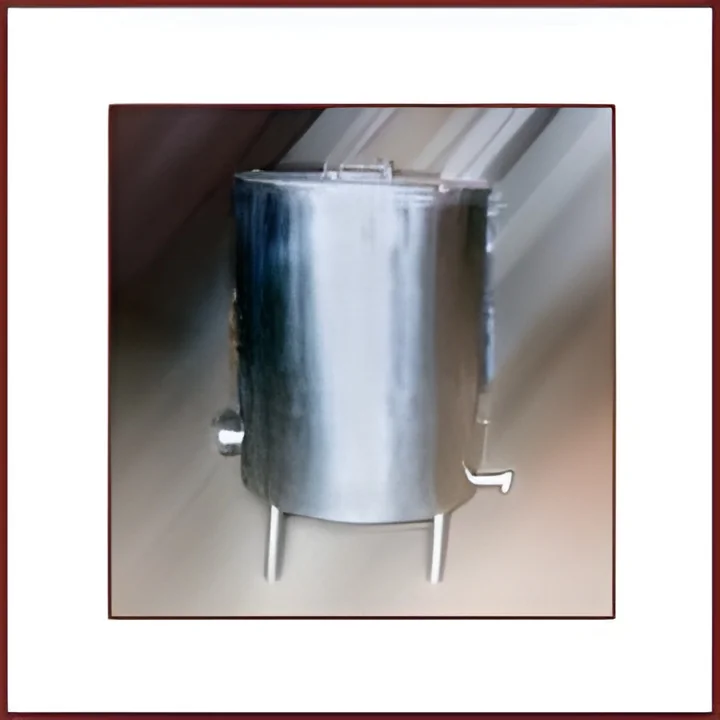
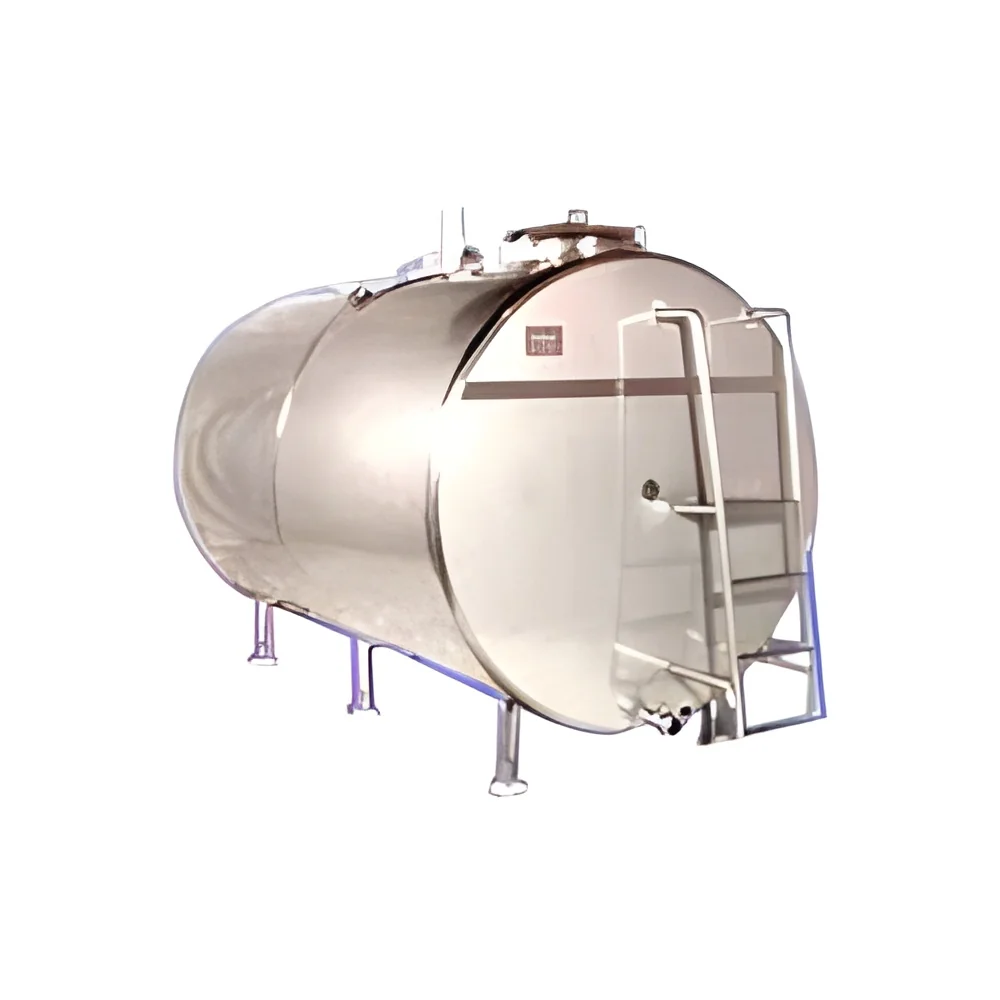
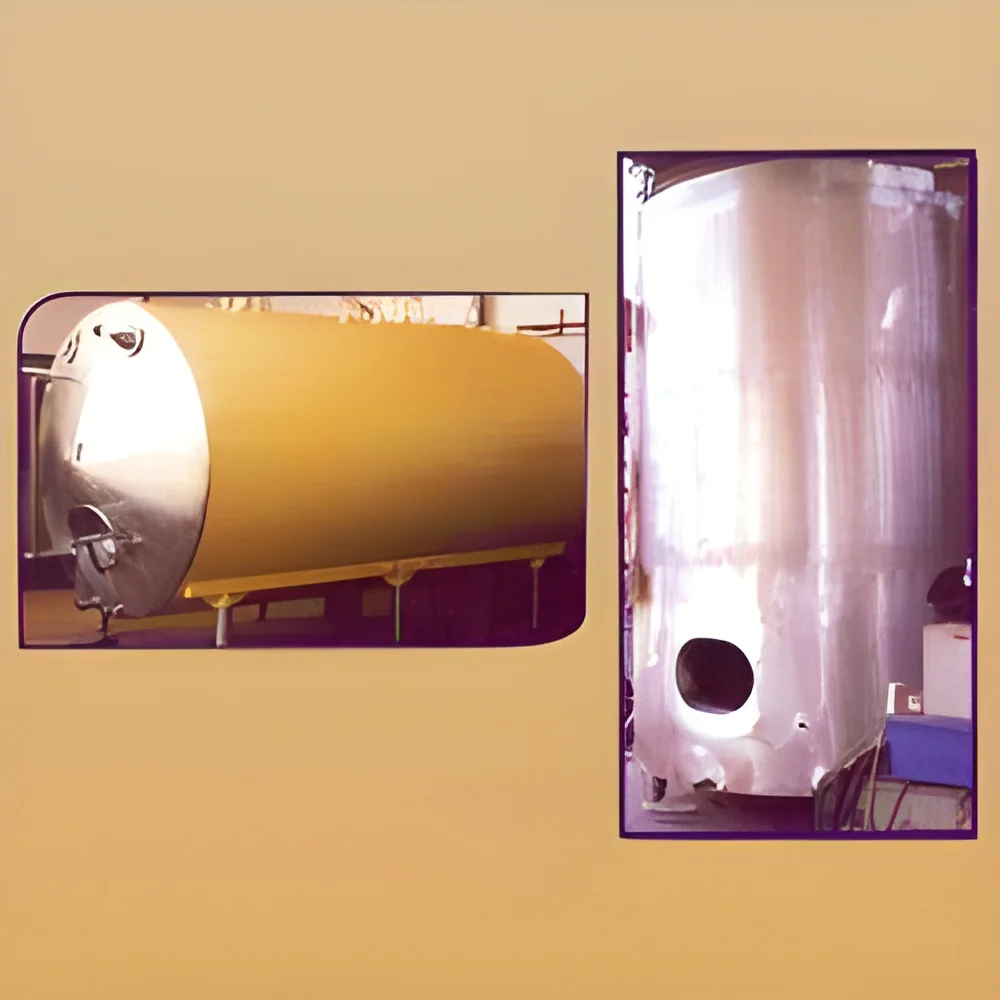
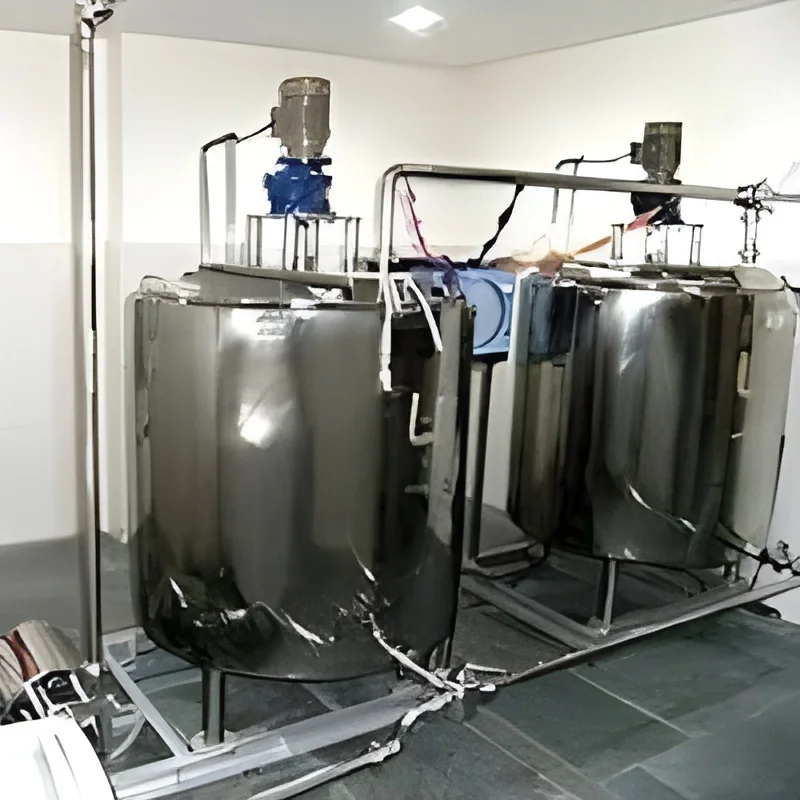
What are Milk Filters & Cooling Tanks?
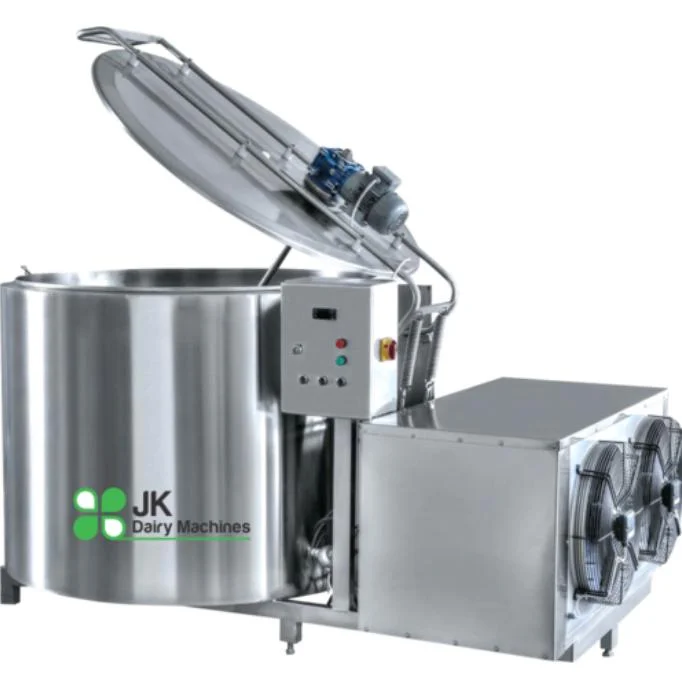
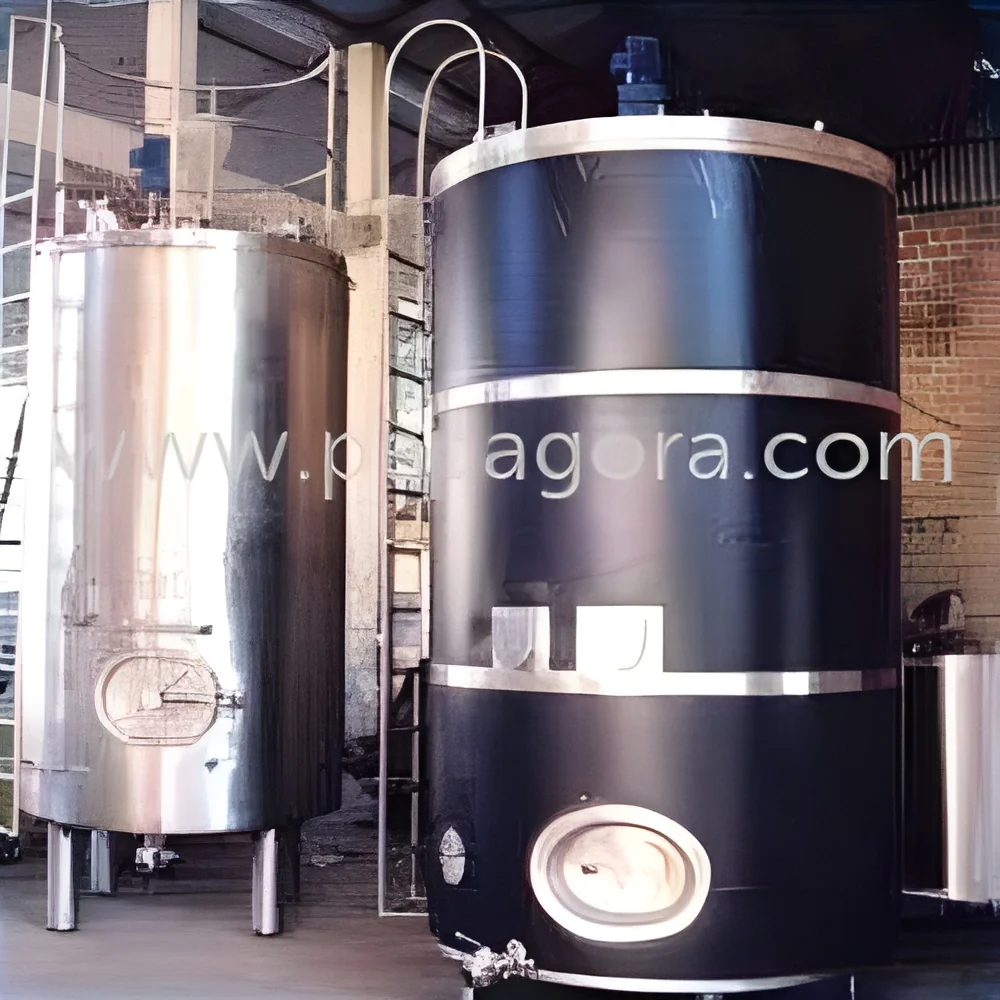
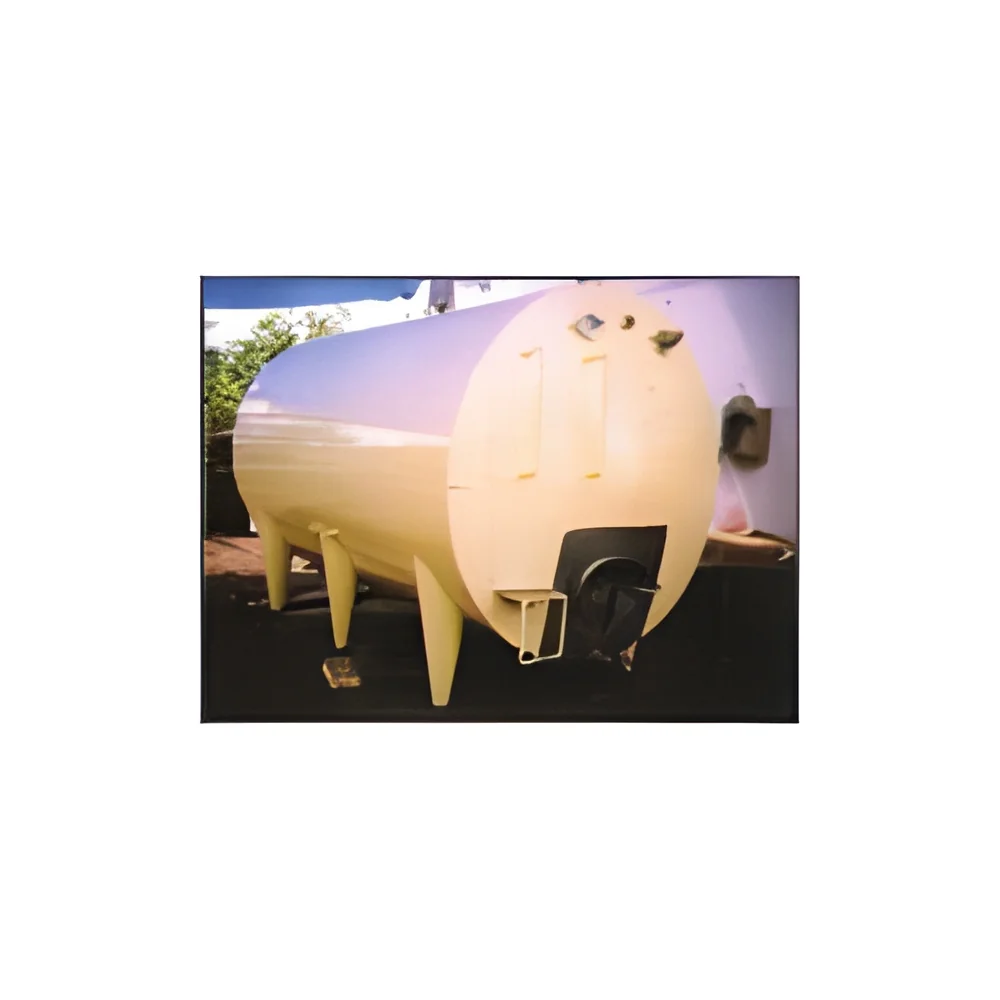
Milk filters and cooling tanks are essential components in the dairy processing industry. Milk filters are designed to remove impurities and particulate matter from raw milk, ensuring that the product meets quality standards before further processing. Cooling tanks, on the other hand, are used to lower the temperature of milk quickly after milking, preserving its freshness and preventing bacterial growth. Together, these products play a vital role in maintaining the quality and safety of dairy products.
The primary uses of milk filters and cooling tanks span across various stages of milk production and processing. Dairy farms utilize these systems to ensure that the milk collected is free of contaminants and is stored at optimal temperatures. This not only helps in extending the shelf life of the milk but also plays a crucial role in adhering to health regulations and standards set by industry bodies. As the dairy industry continues to grow, the demand for efficient milk filtration and cooling solutions is on the rise.
In the current market context, milk filters and cooling tanks are increasingly relevant due to the heightened focus on food safety and quality assurance in the dairy sector. With stricter regulations and consumer awareness regarding food quality, manufacturers are investing in advanced technologies for milk filtration and cooling. This trend emphasizes the importance of reliable equipment in maintaining the integrity of dairy products from farm to table.
Key Features and Specifications
Milk filters and cooling tanks offer a range of features that enhance their performance and reliability. Understanding these specifications is crucial for businesses looking to invest in high-quality equipment.
Key specifications include:
1. Filtration Efficiency
- Ability to remove particles as small as 20 microns
- Ensures compliance with health standards
2. Cooling Capacity
- Range of cooling capacities from 500 to 10,000 liters
- Designed to rapidly cool milk to temperatures below 4 degrees Celsius
3. Material Construction
- Typically made from stainless steel for durability and hygiene
- Resistant to corrosion and easy to clean
4. Size and Dimensions
- Available in various sizes to accommodate different production scales
- Compact designs for space-saving installations
5. Temperature Control
- Equipped with temperature monitoring systems
- Automatic controls for maintaining desired temperature levels
6. User-Friendly Design
- Easy-to-operate interfaces for monitoring and adjustments
- Minimal maintenance requirements
7. Compliance Standards
- Meets international safety and quality standards like CE certification
In summary, these key features highlight the importance of investing in milk filters and cooling tanks that ensure efficiency, safety, and ease of use.
Common Applications and Use Cases
Milk filters and cooling tanks serve various industries beyond just dairy farming. They are integral in many applications.
1. Dairy Farms: Used to filter raw milk and cool it immediately after milking, ensuring freshness and quality.
2. Dairy Processing Plants: Employed in the processing of milk into various products like cheese and yogurt, facilitating quality control.
3. Ice Cream Manufacturing: Essential for cooling and preserving milk before it undergoes the freezing process.
4. Beverage Industry: Utilized in the production of dairy-based drinks, ensuring product quality and safety.
5. Research Laboratories: Used for experiments requiring high-purity milk samples, emphasizing the need for filtration.
6. Food Safety Compliance: Critical for operations that require adherence to strict hygiene and safety regulations in food production.
7. Retail Dairy Outlets: Applied in storage and handling of milk products for sale, maintaining quality until point of sale.
Product Variants and Subcategories
Milk filters and cooling tanks come in various configurations to meet specific operational needs. These variations allow businesses to choose the most suitable products for their requirements.
Standard Milk Filter
This variant is designed for efficient filtration of raw milk. It features a high filtration capacity and is easy to clean, making it suitable for large-scale dairy operations.
Plate Cooler
This variant utilizes a plate heat exchanger to cool milk efficiently. It provides quick cooling times and is ideal for farms with high milk output.
Bulk Milk Cooler
Designed for larger quantities, this cooler can handle significant volumes of milk while maintaining optimal temperatures. It is perfect for dairy processing plants.
Inline Filter System
This system offers continuous filtration during milk transfer, ensuring that milk remains free of impurities throughout the processing stages.
Benefits and Advantages
Investing in milk filters and cooling tanks offers numerous benefits for dairy operations.
1. Improved Milk Quality: These systems ensure that milk is free from contaminants, enhancing product safety and quality.
2. Extended Shelf Life: Proper cooling and filtration help preserve milk freshness, reducing spoilage rates.
3. Regulatory Compliance: Using certified equipment ensures adherence to food safety standards, minimizing legal risks.
4. Enhanced Efficiency: Automated systems streamline operations, saving time and labor costs in milking and processing.
5. Cost Savings: Reducing spoilage and improving product quality can lead to significant long-term savings for dairy businesses.
6. Reliable Performance: High-quality materials and construction ensure durability and effective operation, even in demanding environments.
Buying Guide for B2B Buyers
When sourcing milk filters and cooling tanks, it is essential for B2B buyers to consider multiple factors to ensure a successful purchase.
1. Quality Assessment: Evaluate the build quality and materials used in the filters and tanks. Look for certifications that confirm adherence to industry standards.
2. Supplier Verification: Research potential suppliers to ensure they have a good reputation and reliable customer service. Verify their experience in the industry.
3. Pricing and MOQ: Understand the pricing structure and minimum order quantities. Compare quotes from different suppliers to find the best value.
4. Delivery and Lead Times: Consider logistics and delivery timelines. Ensure suppliers can meet your production schedule and provide timely deliveries.
5. Compliance Requirements: Be aware of local regulatory needs that your equipment must meet. Ensure the products adhere to necessary safety and quality standards.
Compliance and Certifications
Compliance and certifications are critical aspects of milk filters and cooling tanks. Manufacturers are expected to meet rigorous quality standards to ensure product safety and efficiency.
Relevant quality standards include ISO 9001, which focuses on effective quality management systems. This certification ensures that manufacturers follow best practices in quality assurance.
HACCP, or Hazard Analysis and Critical Control Points, is another important standard that emphasizes food safety. Equipment that meets HACCP requirements helps in identifying and controlling potential hazards in dairy processing.
Industry certifications like CE indicate that the products conform to health, safety, and environmental protection standards set by the European Union.
Safety and testing requirements are also crucial, as they ensure that equipment is safe for use in food processing environments. Regular inspections and testing of equipment help maintain compliance.
Regional compliance considerations may vary, and businesses should be aware of local laws and regulations related to dairy processing equipment.
Why Source Milk Filters & Cooling Tanks from Pepagora?
Pepagora provides a trusted platform for sourcing milk filters and cooling tanks with several key advantages.
Verified Supplier Network: Pepagora connects buyers with a network of verified suppliers. This ensures that businesses can find reliable partners who meet quality and compliance standards.
Streamlined RFQ Process: The platform offers an efficient request for quotation system, allowing buyers to solicit multiple quotes from suppliers easily. This simplifies the procurement process.
Trade Assurance and Support: Pepagora provides trade assurance, protecting buyers against potential risks. Their dedicated support team is available to assist with any queries or issues.
Regional Coverage: With a strong presence in India, the GCC, and Southeast Asia, Pepagora facilitates access to quality products across multiple regions. This geographic reach allows businesses to find suitable solutions for their needs.

 IN
IN