What are Automated Feeding Systems?
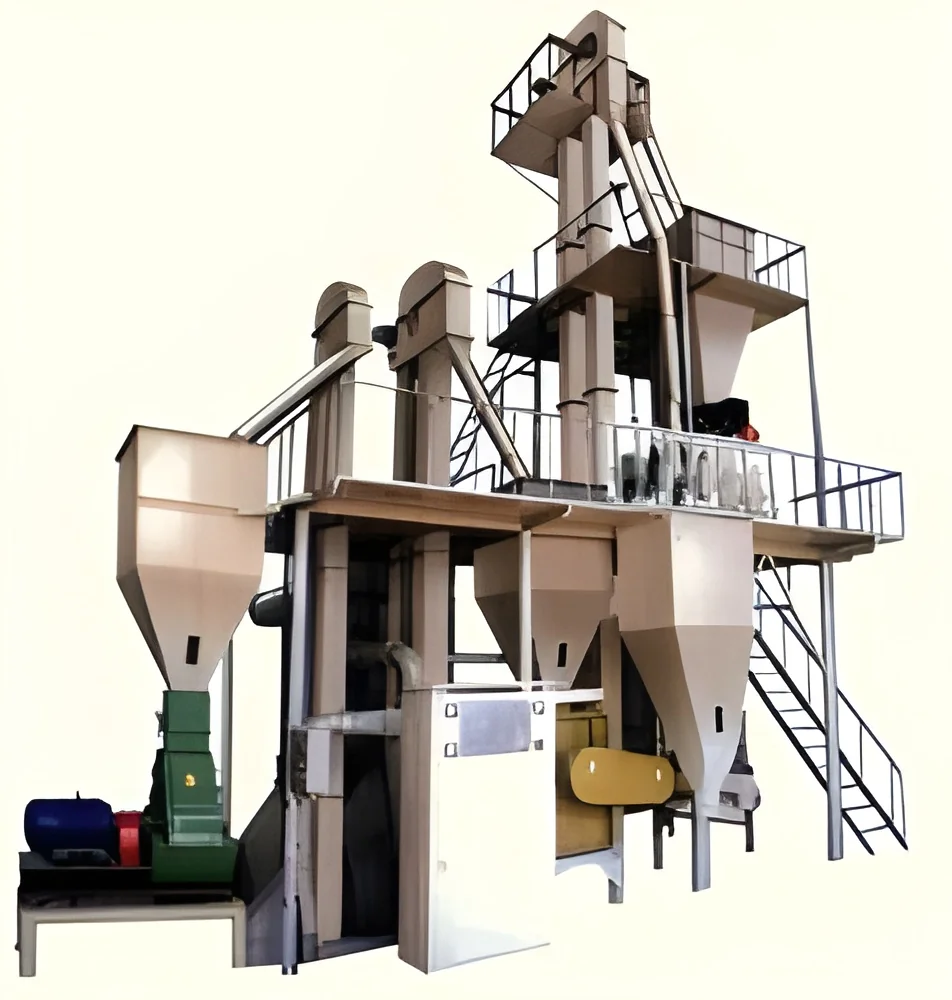
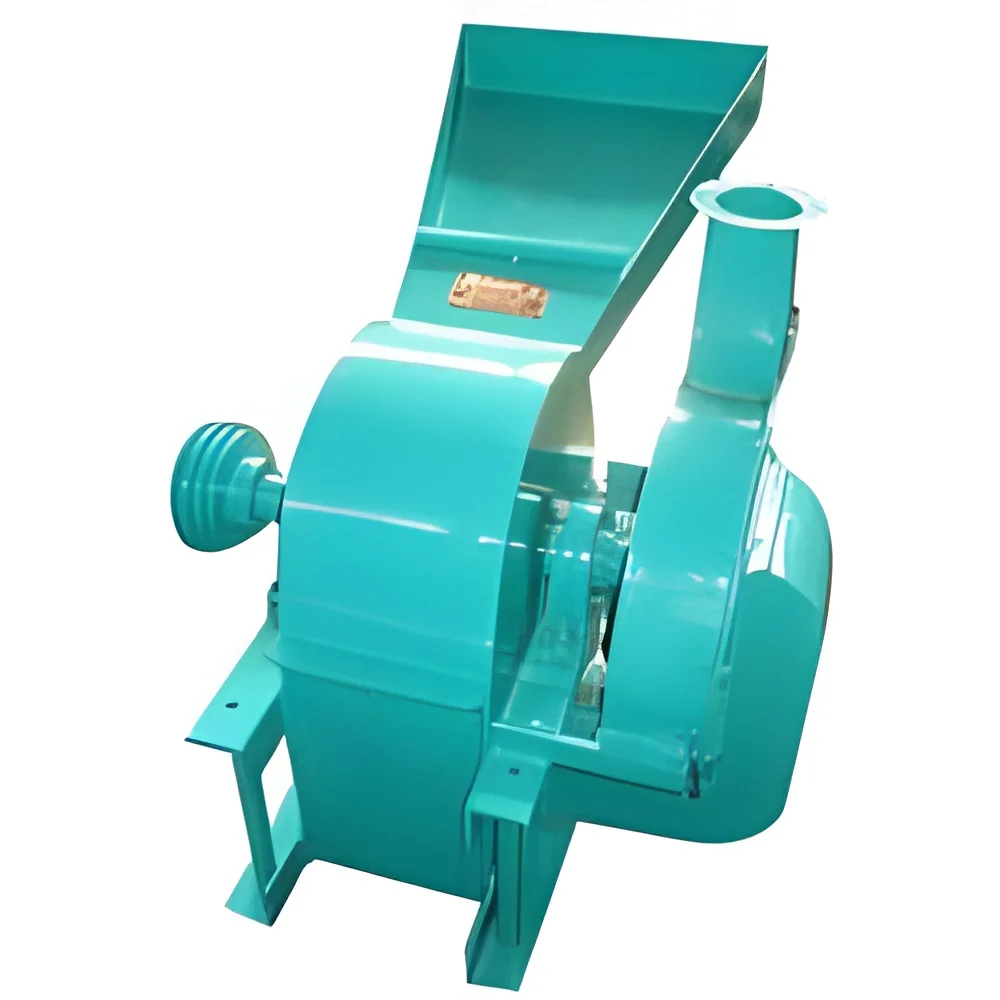
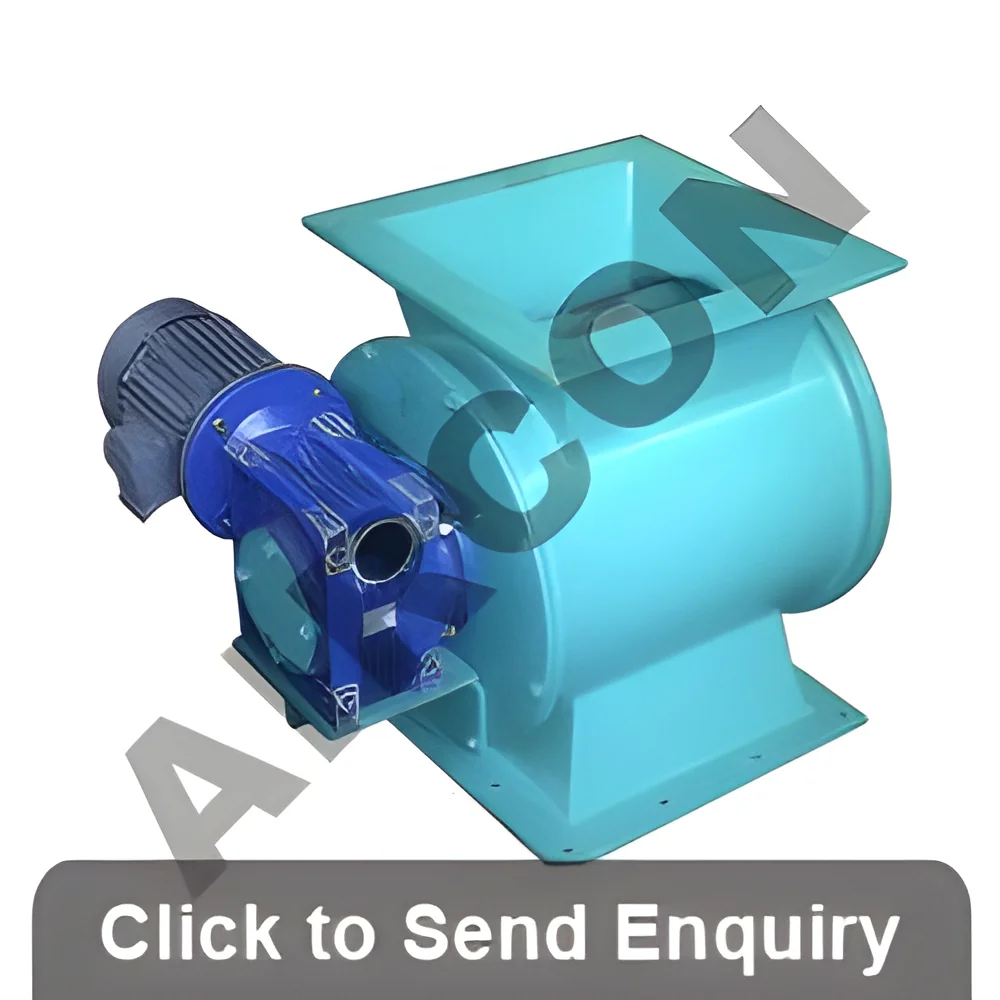
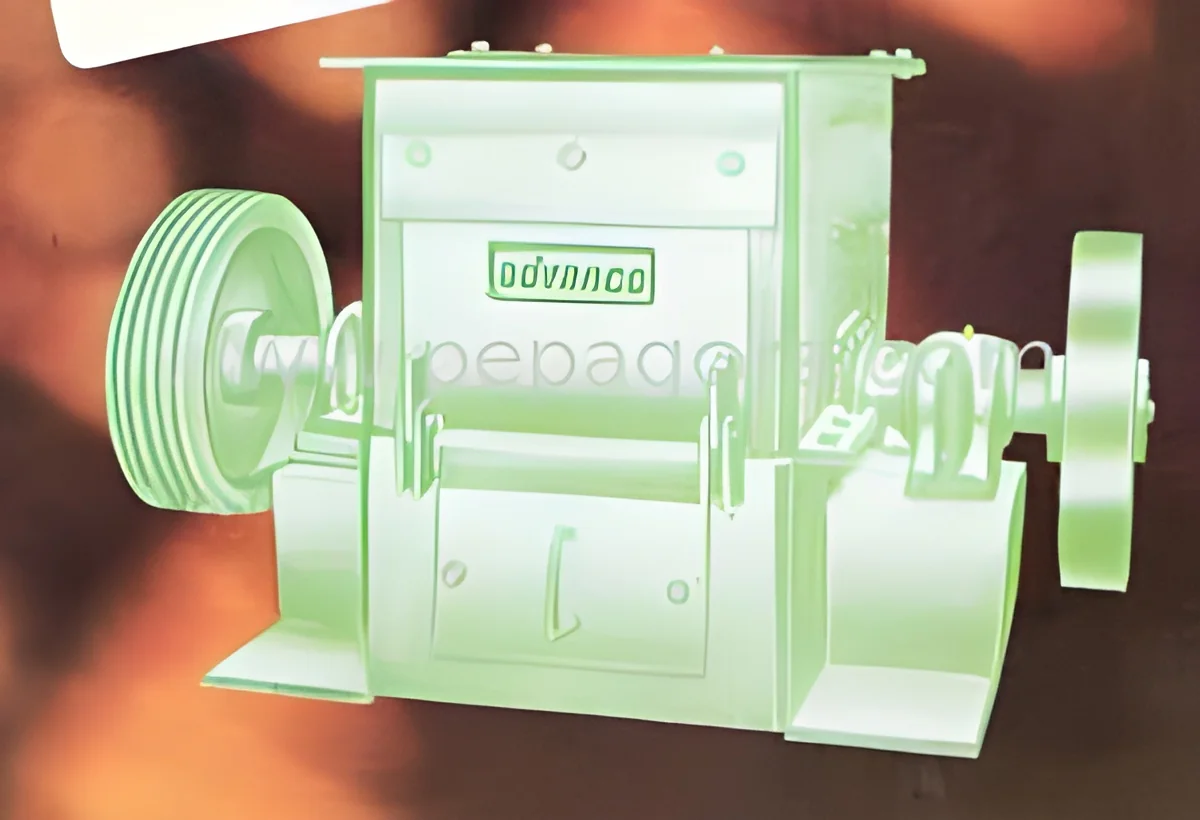
Automated Feeding Systems are advanced machinery designed to efficiently dispense feed to livestock or other applications in various industries. These systems utilize technology to automate the feeding process, ensuring precise delivery of materials while reducing manual labor. By integrating sensors, conveyors, and programmable controls, these systems can operate continuously and adapt to varying conditions, making them a key asset in modern production environments.
These systems find primary applications in sectors such as agriculture, aquaculture, and food processing. In agriculture, they streamline the feeding of animals, enhancing growth rates and overall productivity. In aquaculture, they ensure that fish receive the right amount of feed at the right time, improving health and yield. With the growing emphasis on efficiency and sustainability, Automated Feeding Systems are increasingly relevant in industries that prioritize resource optimization and cost reduction.
The market for Automated Feeding Systems is expanding, driven by technological advancements and a rising demand for automation in production processes. As industries seek to improve operational efficiency and maintain competitive advantages, these systems are becoming essential tools in achieving those goals. The relevance of Automated Feeding Systems is underscored by their ability to enhance productivity, reduce waste, and improve the overall quality of output.
Key Features and Specifications
Automated Feeding Systems incorporate various features and specifications that enhance their performance and adaptability across different applications. Understanding these specifications is crucial for making informed purchasing decisions.
Key specifications include:
1. Control Systems
- Programmable logic controllers (PLCs) for precise feed management
- User-friendly interfaces for easy operation and monitoring
2. Feed Dispensing Capacity
- Varies based on system type and design
- Typically ranges from small batch sizes to large-scale continuous feeding
3. Integration Capabilities
- Compatibility with existing production equipment
- Ability to connect with sensors for automated adjustments
4. Material Handling
- Systems designed for various feed types, such as pellets, liquids, or powders
- Robust construction to handle different material characteristics
5. Monitoring and Feedback Systems
- Sensors for tracking feed levels and consumption rates
- Data logging capabilities for performance analysis
6. Safety Features
- Emergency stop mechanisms to ensure operator safety
- Compliance with industry safety standards
7. Energy Efficiency
- Low power consumption designs
- Options for renewable energy integration
8. Maintenance Requirements
- Easy access for routine maintenance and cleaning
- Minimal downtime for repairs or adjustments
In summary, these features and specifications contribute significantly to the efficiency, reliability, and effectiveness of Automated Feeding Systems. Choosing the right system involves considering these technical aspects to ensure optimal performance in specific applications.
Common Applications and Use Cases
Automated Feeding Systems are versatile and applicable across several industries. Their ability to streamline the feeding process provides significant advantages in various settings.
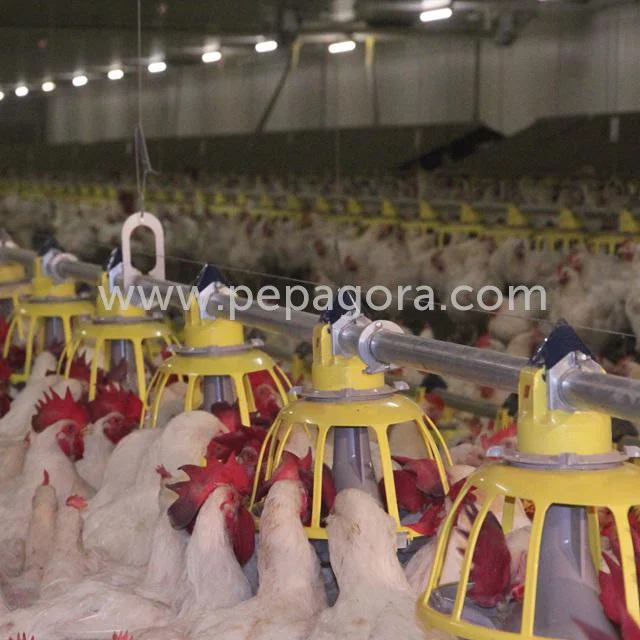
1. Agriculture: In livestock farming, these systems automate the feeding of cattle, pigs, and poultry, improving growth rates and reducing labor costs.
2. Aquaculture: In fish farming, Automated Feeding Systems ensure that fish receive consistent and accurate amounts of feed, enhancing growth and health while minimizing waste.
3. Food Processing: These systems are used in the production of pet foods and other processed foods, ensuring uniform ingredient mixing and precise portion control.
4. Dairy Farming: Automated feeding solutions assist in managing feed distribution, improving nutrition management for dairy cattle, and optimizing milk production.
5. Greenhouses: In horticulture, these systems can deliver nutrients to plants, ensuring optimal growth conditions and reducing manual labor.
6. Research Facilities: Automated Feeding Systems are utilized in laboratories for animal husbandry, providing controlled feeding for experimental studies.
7. Nutraceuticals: In the production of health supplements, these systems ensure precise ingredient measurements, enhancing product quality and consistency.
Product Variants and Subcategories
Automated Feeding Systems come in various designs and configurations to suit different operational needs. This diversity allows businesses to choose the system that best aligns with their specific requirements.
Batch Feeding Systems
These systems are designed for precise dispensing of feed in predetermined amounts. They are ideal for operations requiring flexibility in feed types and quantities, making them suitable for smaller farms or research facilities.
Continuous Feeding Systems
Engineered for high-capacity operations, these systems provide a constant supply of feed. They are particularly beneficial in large-scale agricultural or aquaculture settings where consistent feeding is critical for productivity.
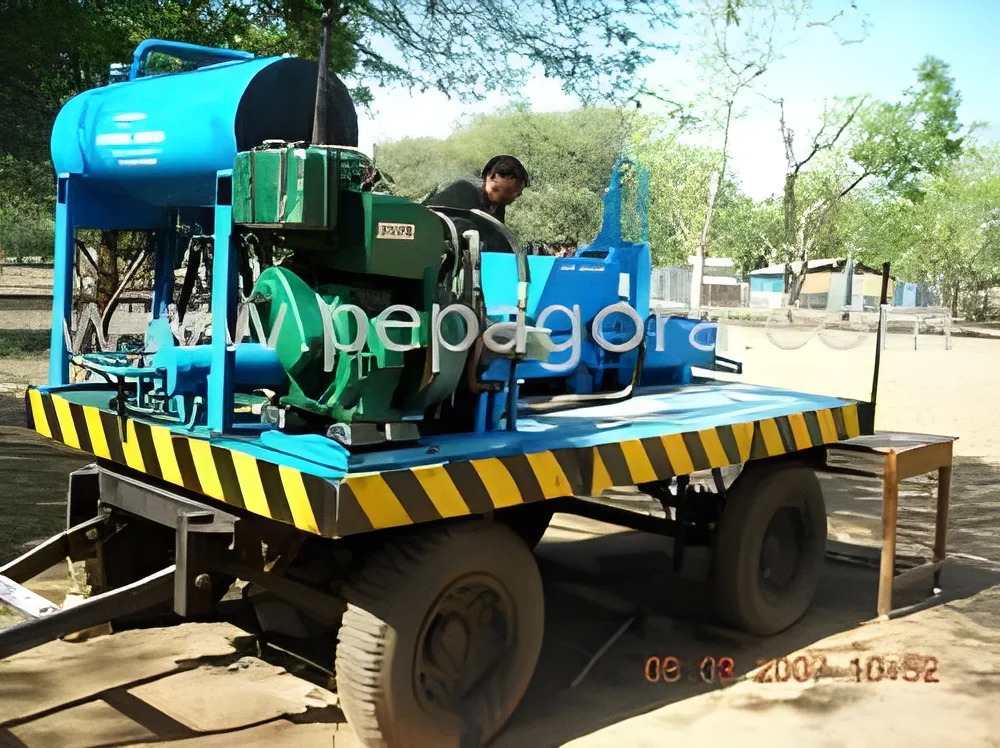
Mobile Feeding Systems
These systems offer portability and flexibility, allowing users to move the feeding unit to different locations as needed. They are commonly used in environments where feed distribution needs vary frequently.
Benefits and Advantages
Investing in Automated Feeding Systems offers numerous advantages that can significantly impact operations.
1. Increased Efficiency: These systems reduce labor costs and time spent on manual feeding, allowing for more streamlined operations.
2. Consistent Feed Delivery: Automated systems ensure accurate and consistent feed distribution, promoting better animal health and productivity.
3. Reduced Waste: By optimizing feed delivery, these systems minimize waste, leading to cost savings and improved sustainability.
4. Enhanced Monitoring: Integrated sensors provide real-time data on feed consumption, enabling better management and adjustments.
5. Improved Safety: Automation reduces the risk of workplace injuries associated with manual feeding processes.
6. Scalability: Automated Feeding Systems can be tailored to fit the growing needs of a business, allowing for easy expansion as operations scale.
Buying Guide for B2B Buyers
When considering the purchase of Automated Feeding Systems, various factors should be evaluated to ensure the best fit for your operational needs.
1. Quality Assessment: Evaluate the materials and construction quality of the systems. Look for manufacturers that comply with industry standards and have a reputation for reliability.
2. Supplier Verification: Research potential suppliers to ensure they have a history of providing quality products. Check for customer reviews and industry certifications.
3. Pricing and MOQ: Understand the pricing structure and minimum order quantities required. This will help in budgeting and ensuring you meet your operational needs.
4. Delivery and Lead Times: Inquire about lead times for delivery and installation. Timely delivery is crucial for maintaining production schedules.
5. Compliance Requirements: Ensure that the systems meet relevant regulatory standards, such as safety and environmental compliance, specific to your industry.
Compliance and Certifications
Automated Feeding Systems must adhere to various quality and safety standards to ensure reliability and efficiency. Relevant quality standards such as ISO 9001 ensure that manufacturers maintain consistent quality management processes. Additionally, HACCP principles may be applied to ensure food safety in systems used in food processing applications.
In the European market, certification such as CE indicates compliance with safety and environmental protection requirements. It is essential for buyers to verify that the systems they consider meet these certifications to ensure safety and compliance.
Regional compliance considerations may vary, and it is crucial to understand local regulations that may affect system design and operation. This ensures that the Automated Feeding Systems function effectively within the regulatory framework of the respective market.
Why Source Automated Feeding Systems from Pepagora?
Pepagora offers a trusted platform for sourcing Automated Feeding Systems, providing several key advantages for B2B buyers.
Verified Supplier Network: Pepagora ensures that all suppliers are verified, providing buyers with confidence in the quality of the products offered. This network includes manufacturers and distributors known for their reliability and industry expertise.
Streamlined RFQ Process: The request for quotation process on Pepagora is designed to be user-friendly, allowing buyers to quickly and efficiently obtain competitive quotes from multiple suppliers. This simplifies decision-making and enhances procurement efficiency.
Trade Assurance and Support: Pepagora provides trade assurance, offering protection for buyers against risks associated with transactions. The platform also offers support throughout the purchasing process, ensuring that any concerns are addressed promptly.
Regional Coverage: With a strong presence in India, the GCC, and Southeast Asia, Pepagora facilitates access to a wide range of suppliers and products. This geographic reach ensures that buyers can find suitable Automated Feeding Systems tailored to their specific regional needs and market conditions.

 IN
IN