What are Automatic Water Bowls?
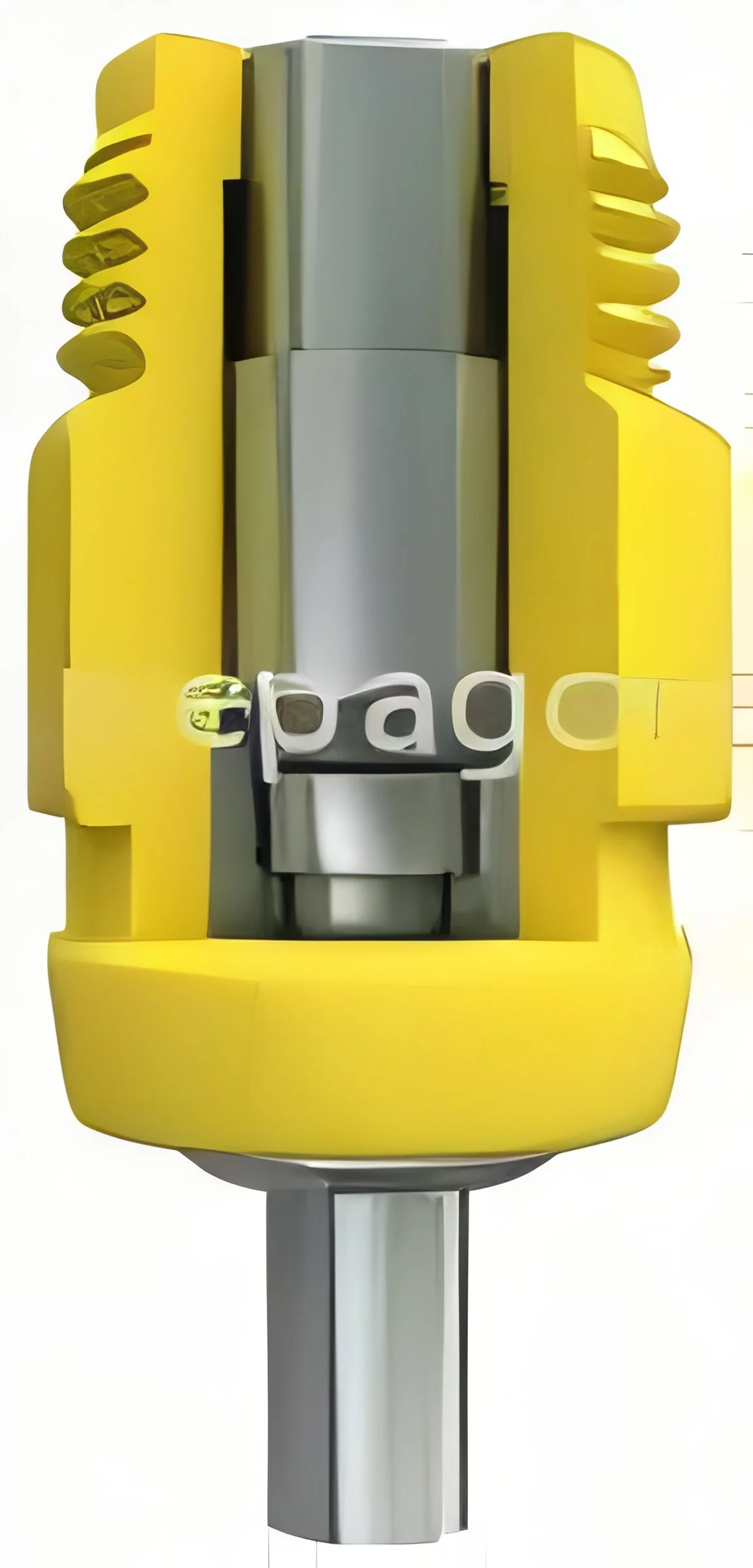
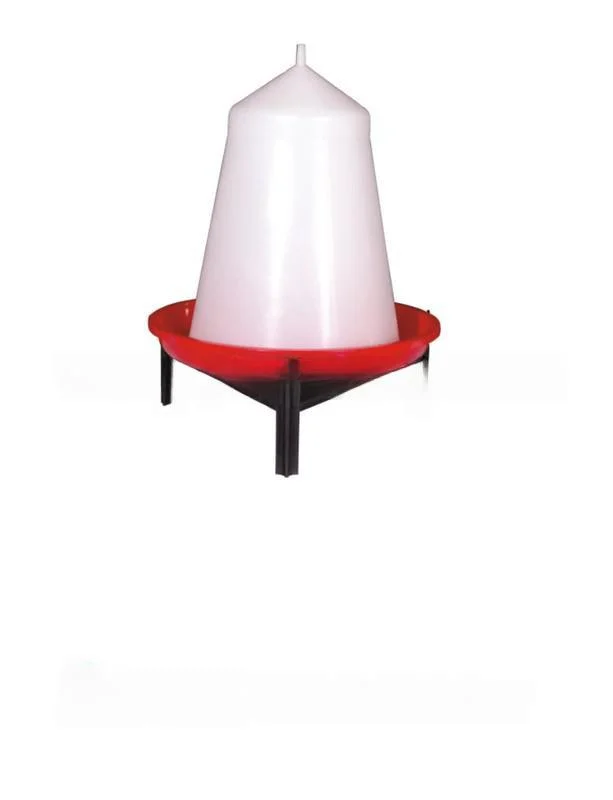
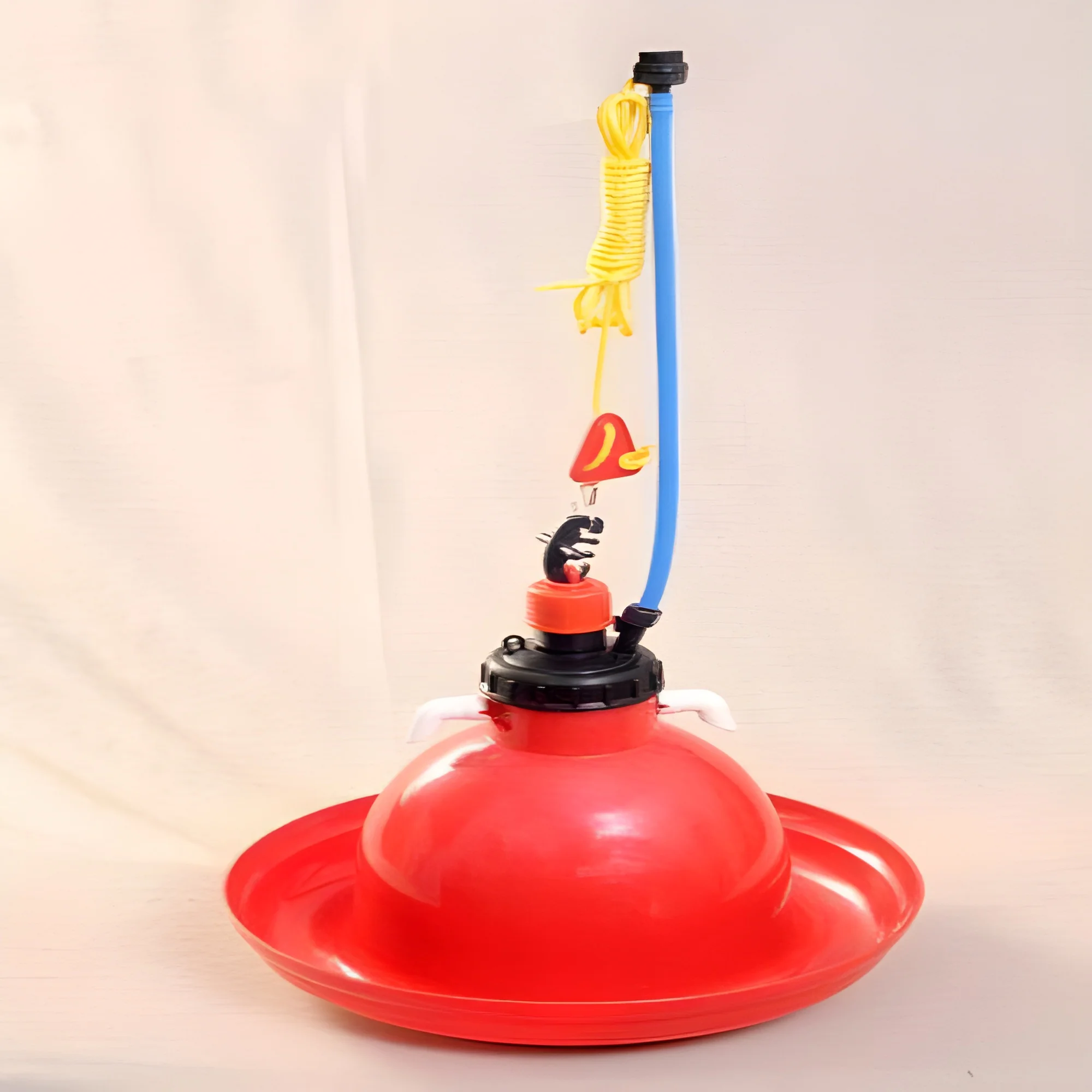
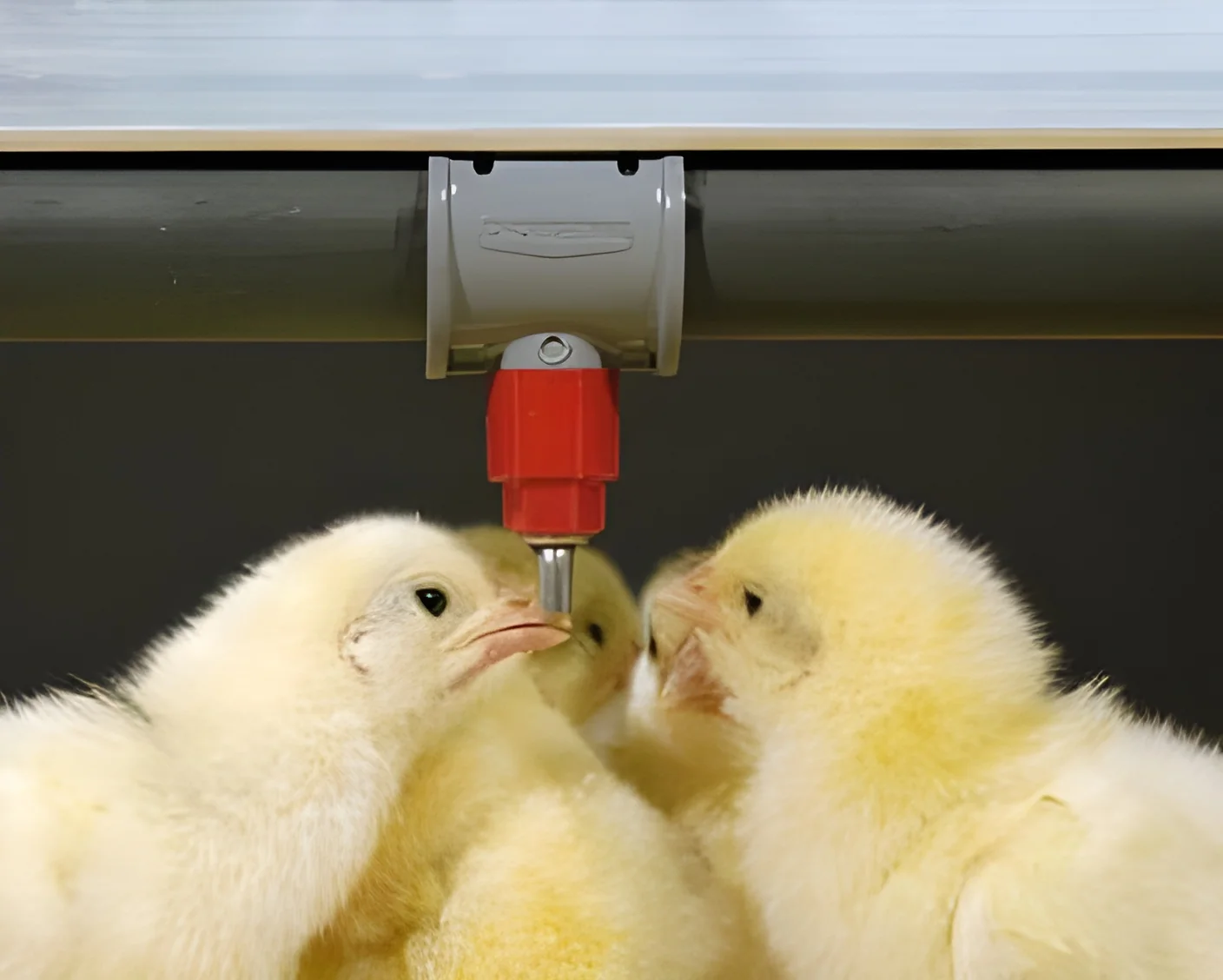
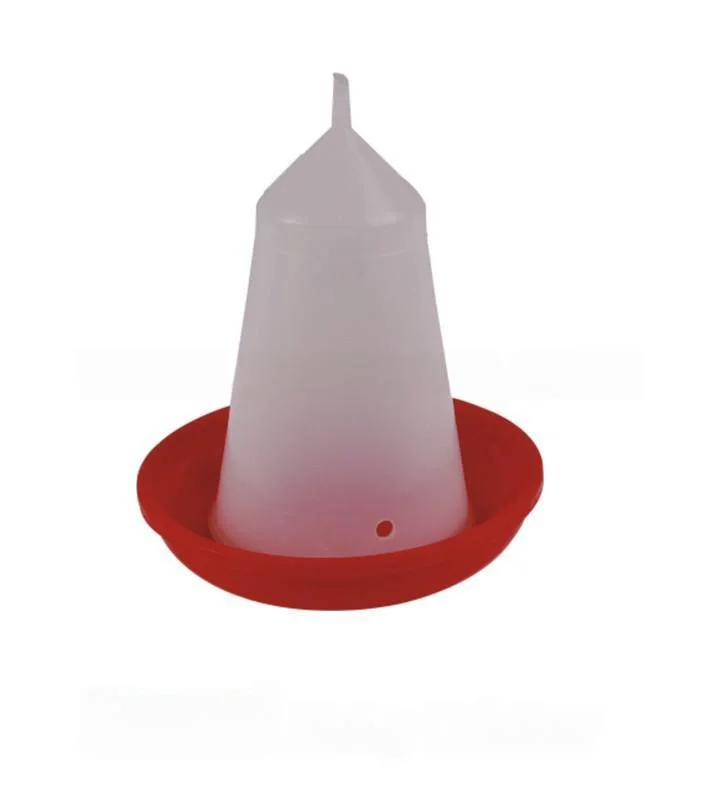
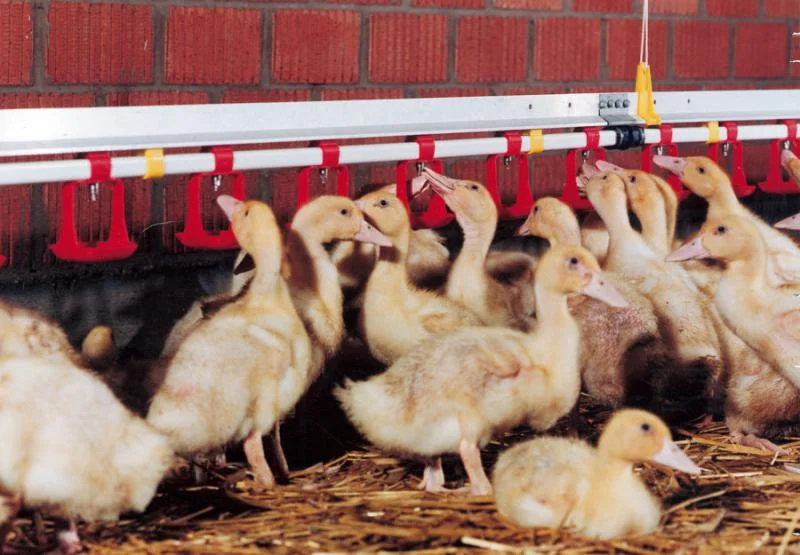
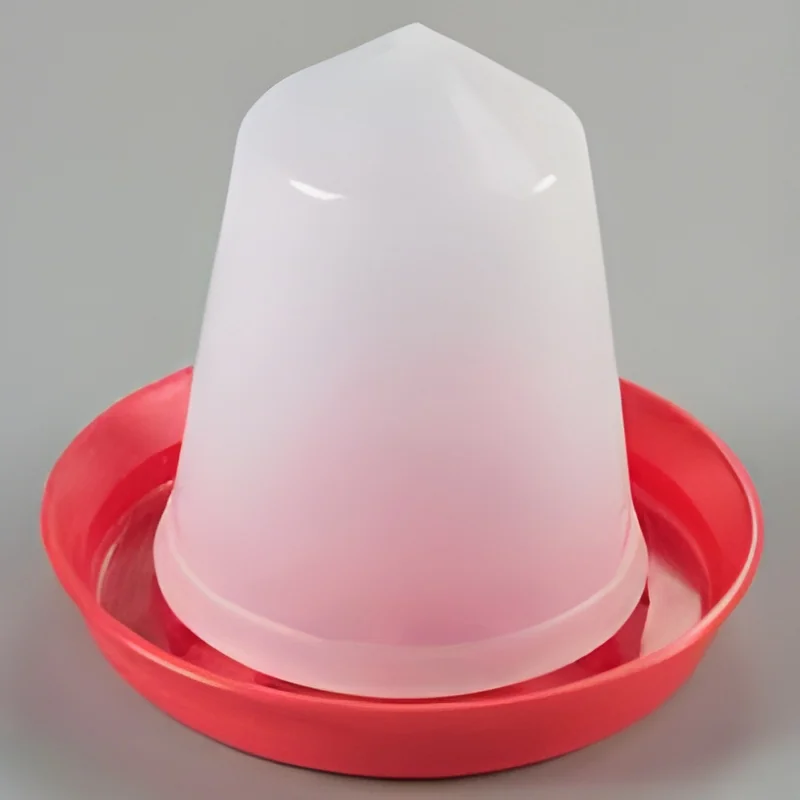
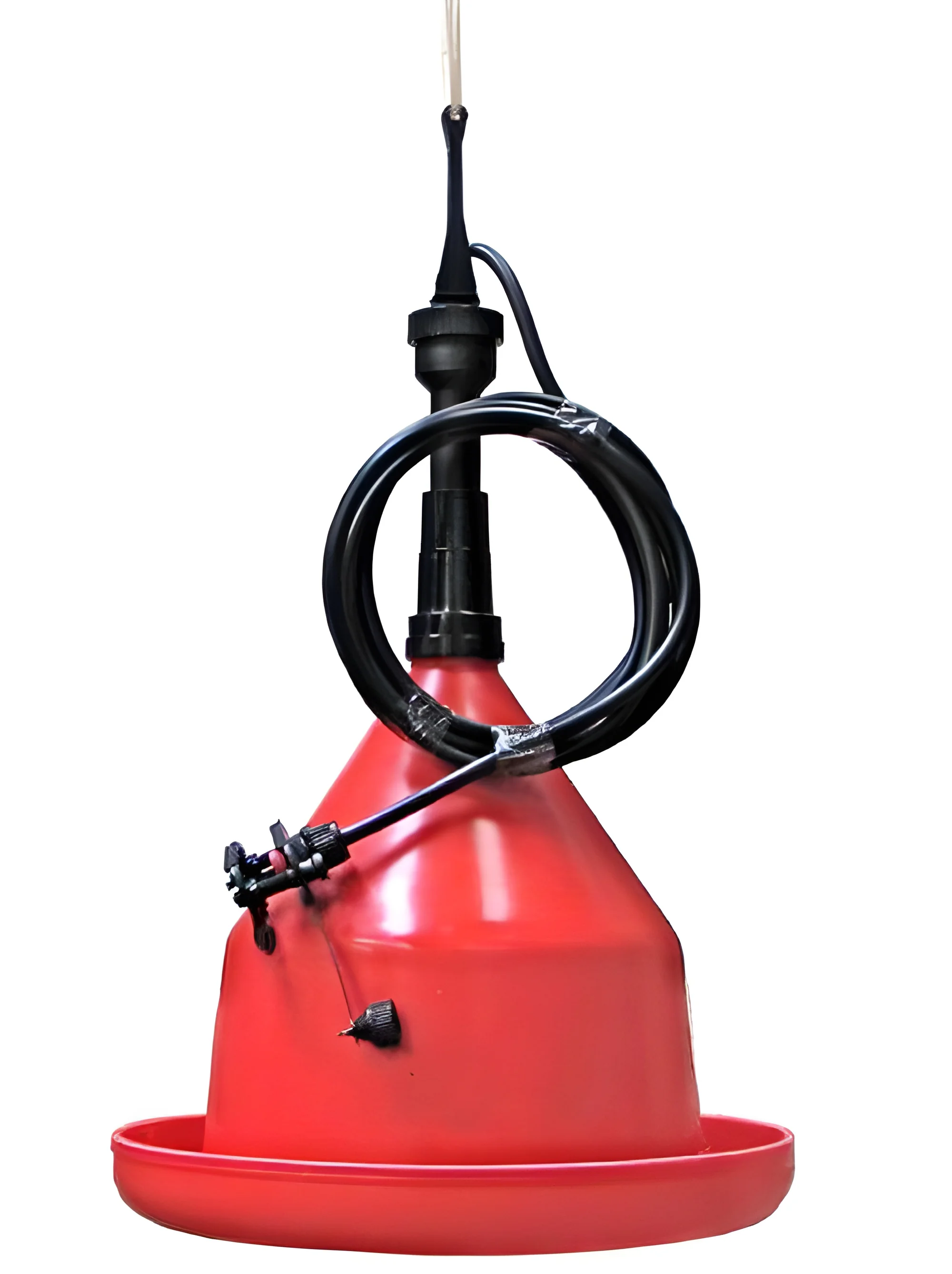
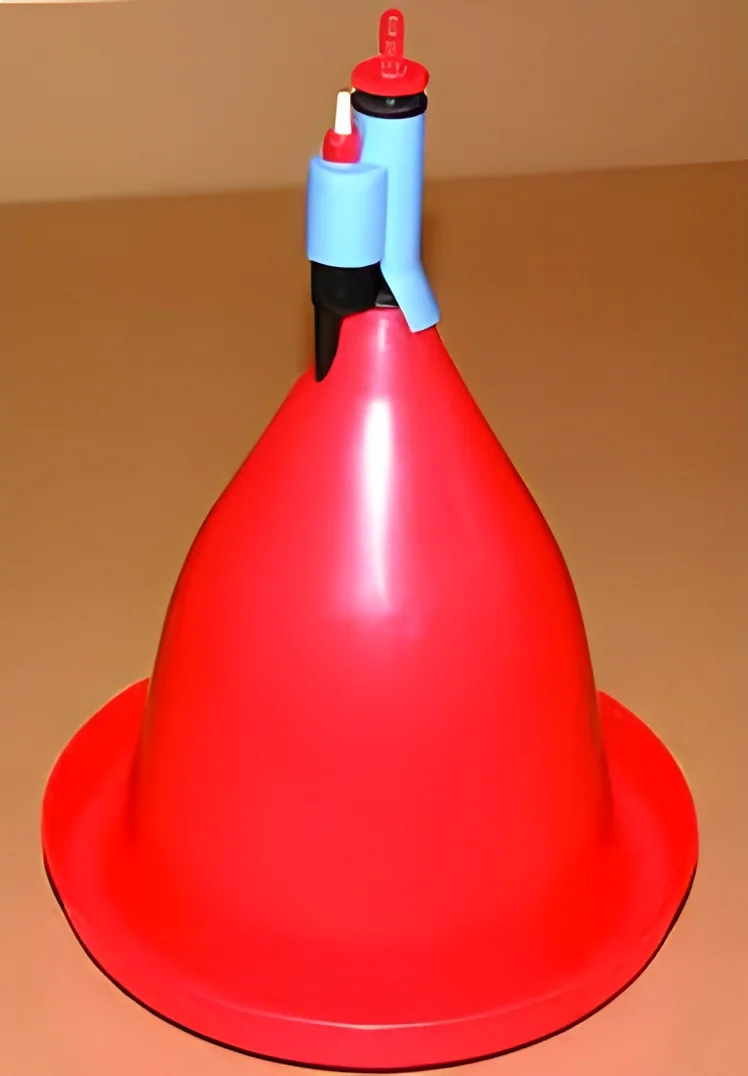
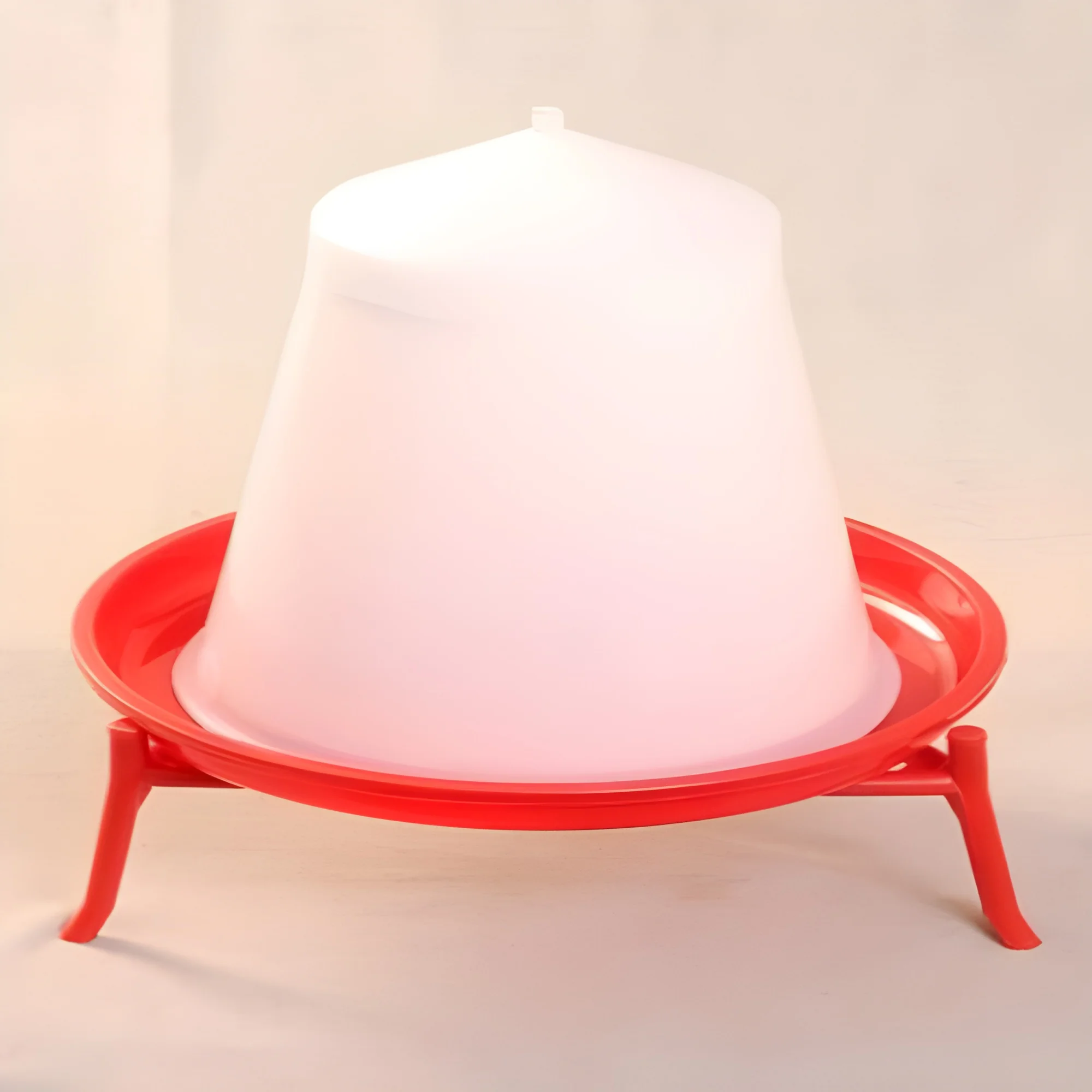
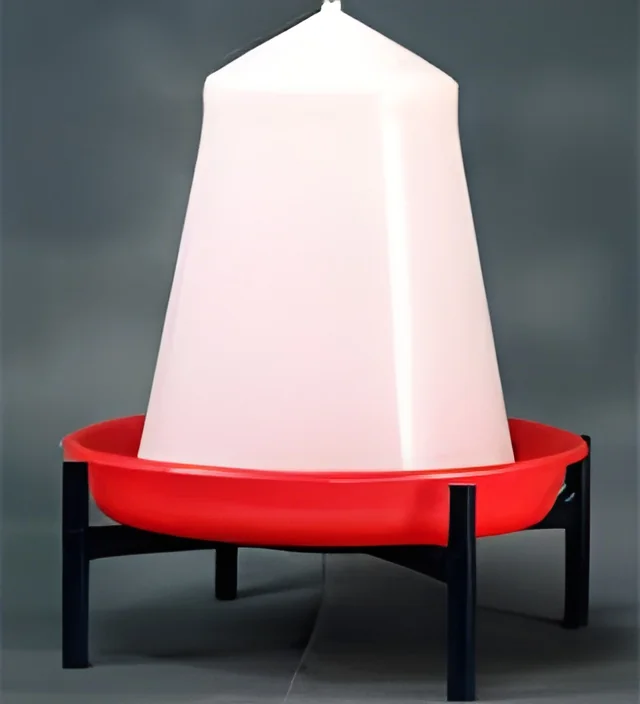
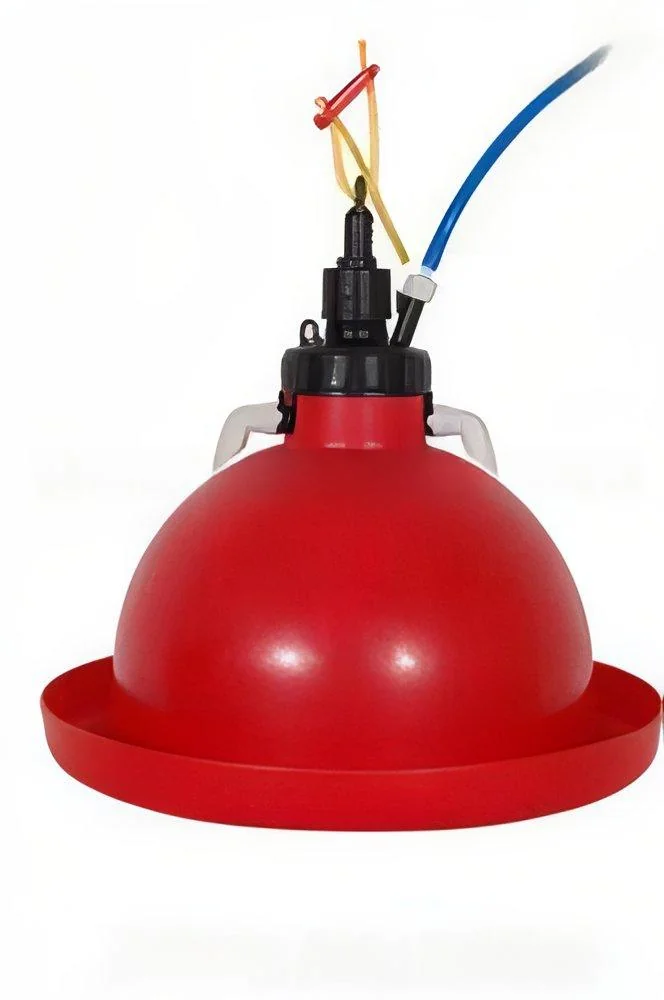
Automatic water bowls are innovative devices designed to provide a continuous supply of water to animals, ensuring they have access to hydration at all times. These bowls are equipped with mechanisms that automatically refill as the water level decreases, eliminating the need for manual refilling. They are typically made from durable materials that withstand various environmental conditions and are often designed for easy cleaning.
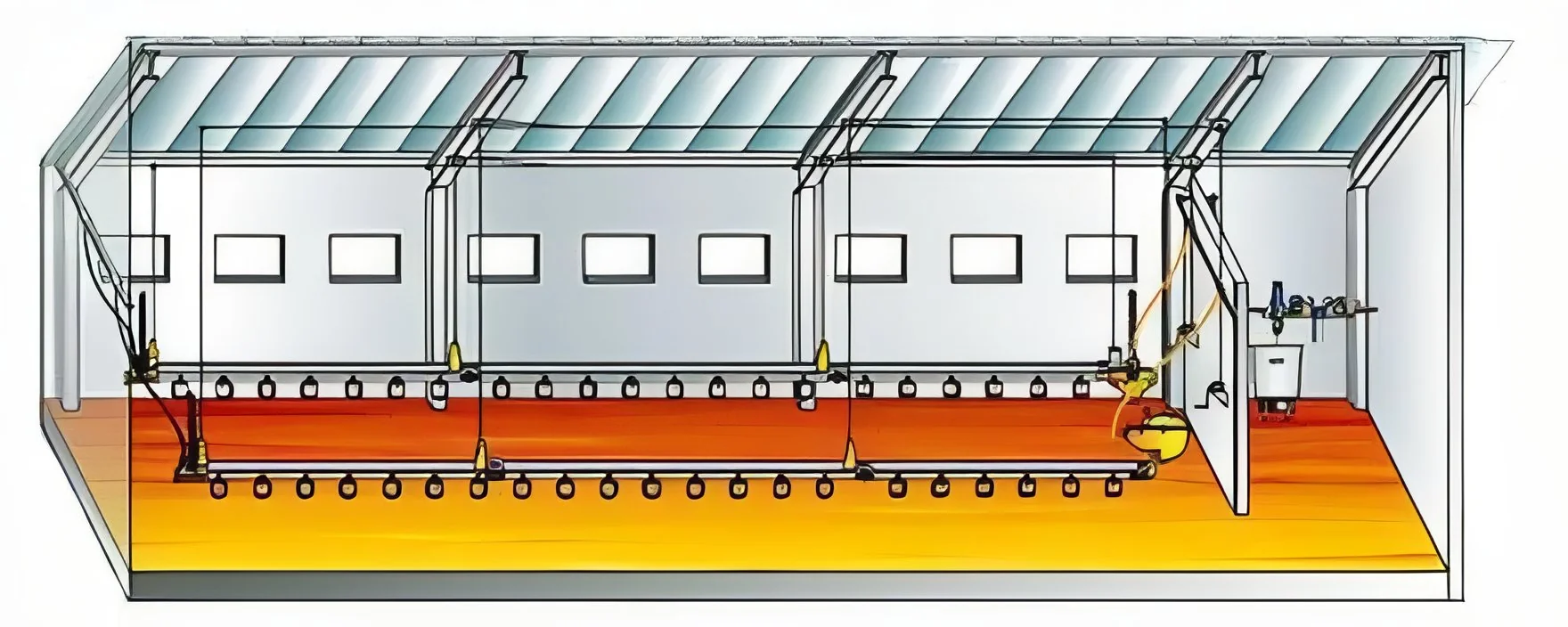
The primary uses of automatic water bowls include applications in agricultural settings, veterinary clinics, and pet care facilities. They are particularly valuable in environments where multiple animals are kept, such as farms or zoos, as they help maintain consistent hydration levels for livestock or exotic species. In these settings, the automatic functioning of these bowls reduces labor costs and ensures that animals receive adequate water intake, which is crucial for their health and well-being.
In today's market, the relevance of automatic water bowls is growing as awareness of animal welfare increases. Many businesses are seeking efficient solutions that enhance the quality of care provided to animals. With the rise in livestock farming and pet ownership, the demand for reliable watering solutions continues to expand, making automatic water bowls an essential component in various industries.
Key Features and Specifications
Automatic water bowls come with a range of features designed to enhance functionality and ease of use. These features ensure that they meet the diverse needs of businesses and organizations that rely on them.
Key specifications include:
1. Material Composition
- Made from high-quality, durable materials to withstand wear and tear.
- Common materials include stainless steel and heavy-duty plastic.
2. Capacity
- Varies depending on the model, accommodating different sizes of animals.
- Typical capacities range from 1 gallon to over 10 gallons.
3. Refill Mechanism
- Incorporates automatic refill systems that activate as water levels drop.
- Mechanisms can include float valves or pressure systems.
4. Cleaning Features
- Designed for easy disassembly and cleaning to maintain hygiene.
- Some models may have removable parts for thorough cleaning.
5. Installation Options
- Can be installed indoors or outdoors, with various mounting options.
- Some models are portable, allowing for flexibility in placement.
6. Temperature Resistance
- Built to withstand varying temperatures, ensuring functionality in diverse climates.
- Specific temperature ranges are not specified but should be suitable for outdoor use.
7. Safety Features
- Designed with non-toxic materials to ensure animal safety.
- Some models include anti-spill features to prevent water wastage.
In summary, automatic water bowls offer a combination of durability, functionality, and ease of use, making them an ideal choice for businesses looking to provide reliable hydration solutions for animals.
Common Applications and Use Cases
Automatic water bowls serve various industries, adapting to different needs and requirements.
1. Agriculture: In farms, automatic water bowls are used to ensure livestock such as cattle and sheep have constant access to fresh water, promoting better health and productivity.
2. Veterinary Clinics: These bowls are commonly found in veterinary settings, providing hydration for animals in recovery or those awaiting treatment, ensuring their comfort and health.
3. Zoos and Wildlife Parks: Automatic water bowls are essential in these environments, catering to the hydration needs of various species, including both large mammals and smaller animals.
4. Pet Care Facilities: In kennels and pet daycare centers, these bowls help maintain a clean and efficient water supply for multiple animals, reducing the effort required for manual refills.
5. Residential Use: Homeowners with pets can benefit from automatic water bowls, ensuring that their pets always have access to fresh water while minimizing the need for constant supervision.
6. Aquaculture: In fish farming, automatic water bowls can be adapted to provide a continuous supply of water, ensuring optimal conditions for aquatic life.
7. Research Facilities: Used in laboratories and research settings, these bowls provide hydration for test animals, ensuring they are well-cared for during studies.
Product Variants and Subcategories
Automatic water bowls come in various designs and configurations to meet specific needs.
Heavy-Duty Automatic Water Bowls
These variants are designed for larger animals or high-volume use. They typically have larger capacities and robust materials to withstand the demands of agricultural settings.
Portable Automatic Water Bowls
Ideal for temporary setups or travel, these bowls are lightweight and easy to transport. They often include features for quick setup and operation.
Wall-Mounted Automatic Water Bowls
Designed for fixed installations, these bowls are securely mounted to walls, making them suitable for veterinary clinics and pet care facilities where space is at a premium.
Heated Automatic Water Bowls
These bowls are equipped with heating elements to prevent water from freezing in colder climates. They ensure that animals have access to liquid water year-round.
Benefits and Advantages
Automatic water bowls offer numerous benefits that enhance animal welfare and operational efficiency.
1. Labor Savings: By automating the watering process, businesses can reduce the time and effort required for manual refilling.
2. Increased Hydration: Continuous access to fresh water encourages animals to drink more, promoting better health and reducing the risk of dehydration.
3. Improved Hygiene: Many automatic water bowls are designed for easy cleaning, helping to maintain a hygienic environment for animals.
4. Reliability: The automatic refill systems ensure that water levels remain consistent, providing peace of mind for caretakers.
5. Versatility: These bowls are suitable for a variety of animals, making them a flexible option for diverse settings.
6. Cost-Effectiveness: By reducing water waste and labor costs, automatic water bowls can lead to significant cost savings over time.
Buying Guide for B2B Buyers
When sourcing automatic water bowls, several factors should be considered to ensure you make the right choice for your business needs.
1. Quality Assessment: Evaluate the materials and construction of the water bowls to ensure durability and longevity. Look for products that meet industry standards for quality.
2. Supplier Verification: It is essential to vet suppliers thoroughly. Check for reviews, certifications, and their track record in providing reliable products.
3. Pricing and MOQ: Understand the pricing structure and minimum order quantities. Compare options from different suppliers to find a solution that fits your budget.
4. Delivery and Lead Times: Inquire about logistics and delivery times to ensure that you receive your products when needed. This is crucial for maintaining operations.
5. Compliance Requirements: Ensure that the products comply with relevant regulations and standards in your industry, which may include safety and health certifications.
Compliance and Certifications
Automatic water bowls must adhere to various quality standards and certifications to ensure safety and effectiveness in their applications.
Relevant quality standards may include ISO 9001, which ensures consistent quality management systems. Additionally, compliance with HACCP (Hazard Analysis Critical Control Point) principles is essential in food-related environments to ensure safe water for animals.
Certifications such as CE confirm that the products meet European safety and health standards, providing assurance to buyers that they are investing in safe and reliable equipment.
Safety and testing requirements are critical for ensuring that the materials used are non-toxic and suitable for animal consumption. Manufacturers should provide documentation of compliance with these standards.
Regional compliance considerations may vary, so it is important for buyers to be aware of local regulations regarding animal welfare and equipment safety.
Why Source Automatic Water Bowls from Pepagora?
Pepagora provides a trusted platform for sourcing automatic water bowls, offering several key advantages to B2B buyers.
The verified supplier network ensures that all listed suppliers have undergone rigorous checks, providing buyers with confidence in their sourcing decisions. This reduces the risk of purchasing inferior products and helps maintain high standards.
The streamlined RFQ process simplifies the way buyers can request quotations from multiple suppliers. This allows businesses to compare offers quickly and efficiently, ensuring they receive the best possible deal.
Trade assurance and support are integral features of the Pepagora platform. Buyers are protected through various measures that ensure their transactions are secure and satisfactory, fostering a trustworthy purchasing environment.
Additionally, Pepagora's regional coverage extends beyond India, including the GCC and Southeast Asia. This broad geographic reach allows buyers to connect with suppliers across different markets, facilitating easier access to quality products.

 IN
IN