
 IN
Livestock Pens & Panels
4 products available
What are Livestock Pens & Panels?
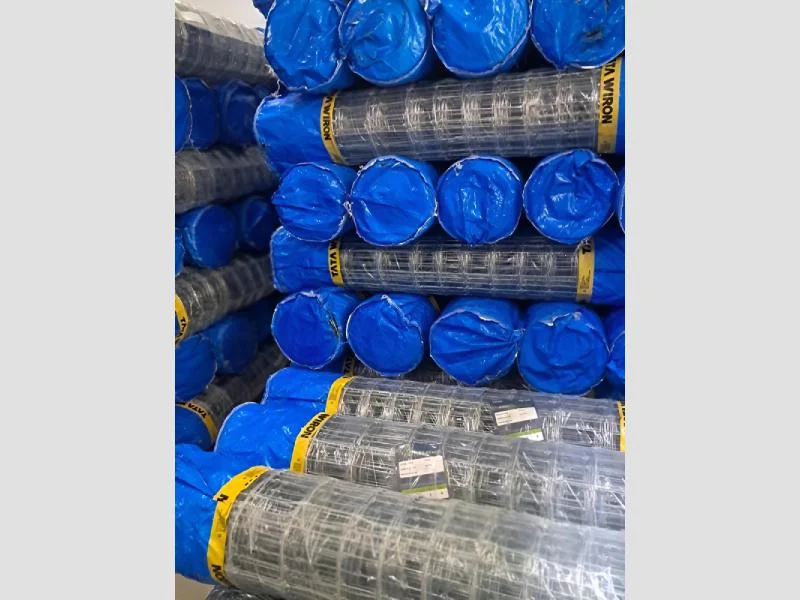
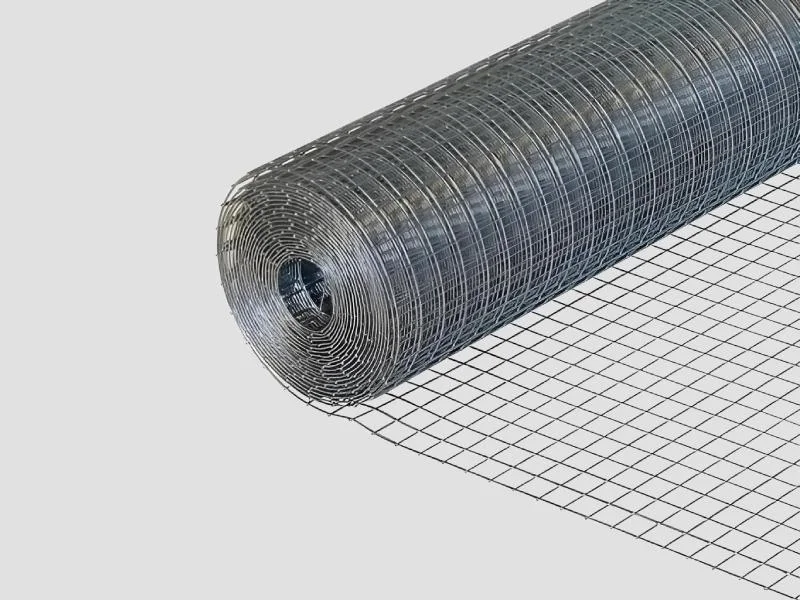
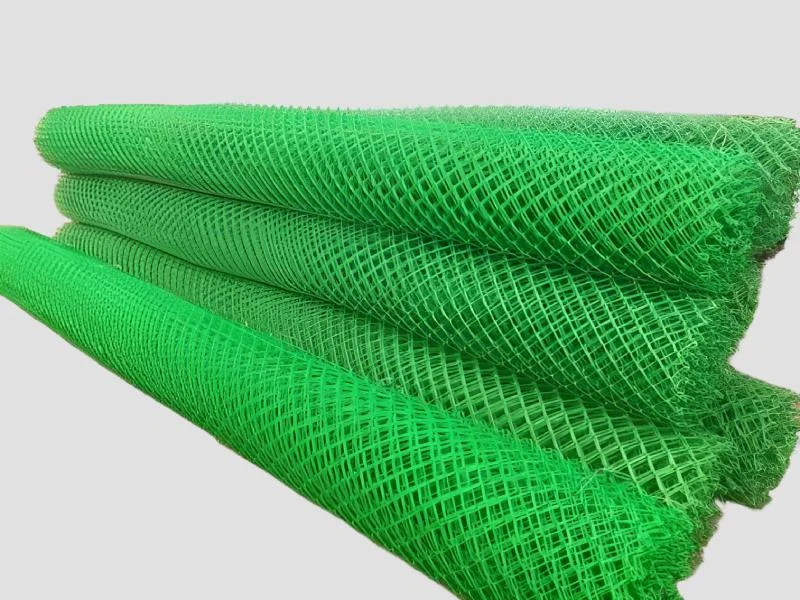
Livestock pens and panels are essential structures used in the farming industry for the management and containment of animals. They provide a secure and organized environment for livestock, allowing farmers to efficiently handle, feed, and monitor their animals. These panels can be made from various materials, including steel, plastic, or wood, and are designed to facilitate the movement of animals while ensuring their safety and comfort.
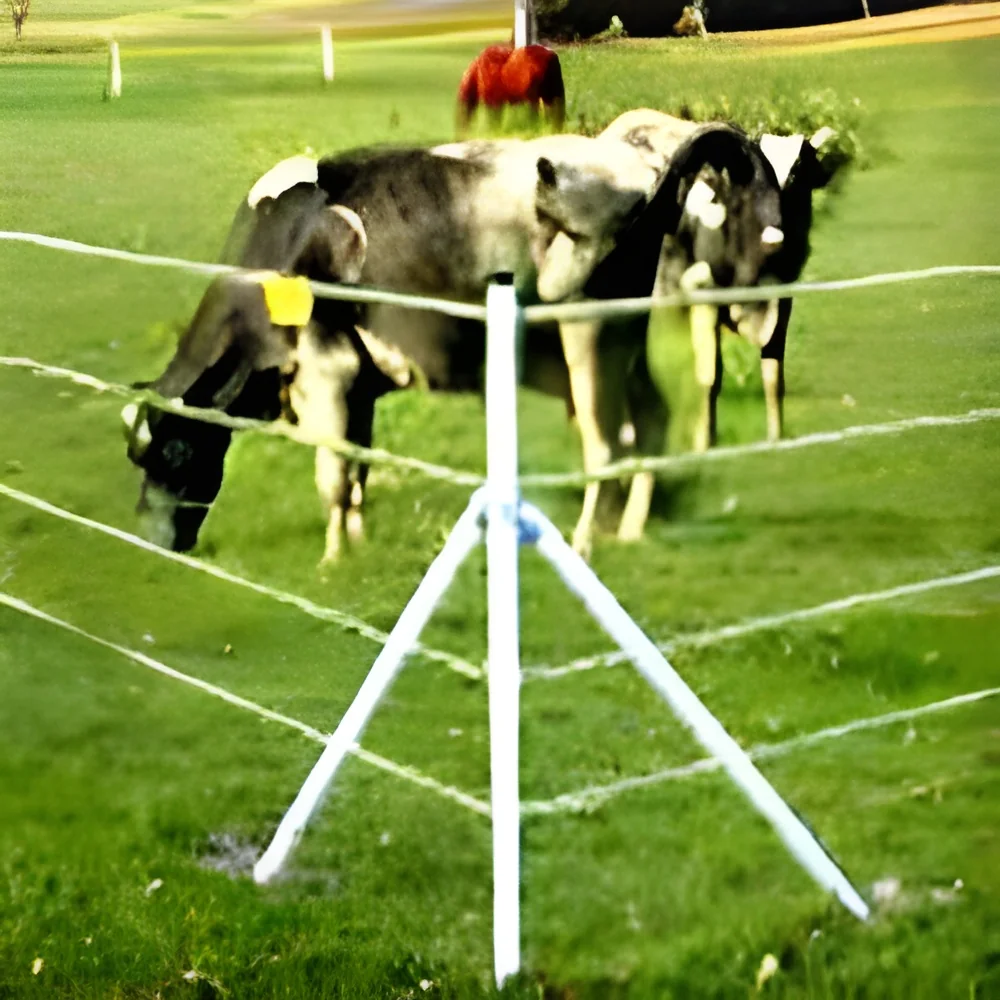
The primary uses of livestock pens and panels include creating temporary or permanent enclosures for cattle, sheep, goats, and other farm animals. They are often utilized during feeding, breeding, and veterinary procedures, as well as for transportation purposes. Additionally, livestock pens are crucial for controlling animal behavior and protecting crops from damage. Given the increasing demand for sustainable farming practices, these products play a vital role in modern agricultural operations.
In the current market context, livestock pens and panels are gaining relevance due to the growing focus on animal welfare and biosecurity. Farmers are investing in high-quality equipment to enhance productivity and ensure compliance with regulatory standards. As more agricultural businesses seek reliable solutions for livestock management, the demand for durable and efficient pens and panels is expected to rise.
Key Features and Specifications
Livestock pens and panels come with various features designed to meet the specific needs of farmers and livestock handlers. Their construction quality, material selection, and design are critical factors that influence their performance and longevity.
Key specifications include:
1. Material Type
- Common materials include galvanized steel, aluminum, and heavy-duty plastic.
- Durability and resistance to weather conditions are vital.
2. Panel Size
- Available in various dimensions to suit different livestock types.
- Standard heights range from 4 to 6 feet, accommodating various livestock sizes.
3. Panel Weight
- Weight varies depending on the material and design.
- Heavier panels provide more stability and security.
4. Customization Options
- Many manufacturers offer options for custom sizes and designs.
- Custom features may include gates, latches, and additional reinforcement.
5. Assembly Requirements
- Most panels are designed for easy assembly and disassembly.
- Tools needed are often minimal, allowing for quick setup.
6. Corrosion Resistance
- Many panels come with protective coatings to prevent rust and corrosion.
- Essential for longevity in harsh outdoor conditions.
7. Safety Features
- Smooth edges and rounded corners to prevent injuries.
- Secure locking mechanisms to minimize escapes.
In summary, livestock pens and panels are designed with a focus on durability, safety, and functionality to meet the diverse needs of farmers.
Common Applications and Use Cases
Livestock pens and panels are versatile products used across various industries. Their applications extend beyond basic animal containment.
1. Agriculture: Livestock pens are primarily used to manage cattle, sheep, and goats during feeding and breeding activities, ensuring safe handling and care.
2. Veterinary Clinics: They create controlled environments for animal examinations and treatments, facilitating easier access for veterinarians.
3. Rodeos and Events: Temporary pens are set up for events, providing safe enclosures for animals in competition or exhibition settings.
4. Aquaculture: Similar systems are used in fish farming to contain and manage aquatic livestock effectively.
5. Research Institutions: Researchers utilize livestock panels to study animal behavior and health in controlled environments.
6. Wildlife Conservation: Panels can help in the rehabilitation of wildlife by providing safe areas for recovery and monitoring.
7. Zoos and Sanctuaries: Used to create habitats for animals, ensuring their safety and well-being in captivity.
Product Variants and Subcategories
Livestock pens and panels come in various designs, catering to different requirements and preferences in the livestock industry.
Portable Panels
These are lightweight and easy to transport, making them ideal for temporary setups. They are often used during events or when managing livestock in different locations.
Fixed Panels
Designed for permanent installations, fixed panels offer enhanced stability and security. They are typically used in larger farming operations for long-term livestock management.
Adjustable Panels
These panels can be customized in size and shape according to specific needs. They provide flexibility for farmers who may require different configurations for various situations.
Panel and Gate Sets
These combined systems include panels with matching gates for easy access. They are perfect for creating complete enclosures with convenient entry points.
Benefits and Advantages
Investing in livestock pens and panels provides numerous advantages for farmers and livestock handlers.
Key benefits include:
1. Enhanced Animal Welfare: Proper enclosures contribute to the health and safety of livestock, reducing stress and injury risks.
2. Improved Efficiency: Streamlined management processes allow for quicker feeding, handling, and monitoring of animals.
3. Cost-Effectiveness: Durable panels reduce the need for frequent replacements, saving long-term costs associated with livestock management.
4. Flexibility: Various designs and customization options allow farmers to adapt their setups based on operational needs.
5. Compliance Support: Using high-quality pens and panels helps farmers meet regulatory requirements related to animal welfare and safety.
6. Safety and Security: Robust construction minimizes the risk of escapes and ensures the safety of both animals and handlers.
Buying Guide for B2B Buyers
When sourcing livestock pens and panels, several factors should be considered to ensure the best purchase decision.
1. Quality Assessment: Evaluate the materials used and overall construction quality. Look for panels that offer durability and resistance to environmental factors.
2. Supplier Verification: Research suppliers to ensure they have a good reputation and provide high-quality products. Check for reviews and testimonials from previous clients.
3. Pricing and MOQ: Understand the pricing structure and minimum order quantities. Compare offers from different suppliers to find the best deal.
4. Delivery and Lead Times: Inquire about logistics and delivery schedules. Ensure that suppliers can meet your timelines for when you need the panels.
5. Compliance Requirements: Familiarize yourself with any regulations that may apply to your purchase. This includes safety standards and certifications relevant to your region.
Compliance and Certifications
Livestock pens and panels must adhere to certain quality standards and regulations to ensure safety and performance.
Relevant quality standards include ISO 9001, which focuses on quality management systems. This standard ensures that products meet customer and regulatory requirements consistently.
Industry certifications like CE indicate compliance with European safety standards. This certification assures buyers that the panels have been tested for safety and performance.
Safety and testing requirements may vary by region but often include assessments for structural integrity and material safety.
In addition, regional compliance considerations may affect the purchase and use of livestock pens. Buyers should be aware of any specific regulations in their area that govern livestock management practices.
Why Source Livestock Pens & Panels from Pepagora?
Pepagora provides a trusted platform for sourcing livestock pens and panels, offering numerous advantages for B2B buyers.
Verified Supplier Network: Pepagora connects buyers with a network of verified suppliers, ensuring that all products meet industry standards for quality and safety. This verification process helps buyers make informed decisions based on reliability.
Streamlined RFQ Process: The platform simplifies the request for quotation process, allowing buyers to quickly receive competitive quotes from multiple suppliers. This efficiency saves time and facilitates better pricing negotiations.
Trade Assurance and Support: Pepagora offers trade assurance to protect buyers during transactions. This includes support for dispute resolution and guidance throughout the purchasing process.
Regional Coverage: With a broad geographic reach that includes India, the GCC, and Southeast Asia, Pepagora enables buyers to access local suppliers and products. Their extensive network helps facilitate smoother transactions and delivery logistics.
In summary, sourcing livestock pens and panels from Pepagora not only provides access to high-quality products but also ensures a reliable and efficient purchasing experience.


Frequently Asked Questions
What are Livestock Pens & Panels?
Livestock pens and panels are structures designed to confine and manage farm animals safely. They are typically made from materials such as wood, metal, or plastic and can be used for various purposes, including feeding, breeding, and shelter.
What are the different types of Livestock Pens & Panels?
There are several types of livestock pens and panels, including portable pens, fixed panels, and round pens. Each type serves different functions, such as facilitating movement, providing shelter, or enabling easier handling of livestock.
How do I choose the right Livestock Pens & Panels?
Choosing the right livestock pens and panels depends on factors such as the type of livestock, the space available, and the intended purpose. It is important to consider durability, ease of setup, and maintenance requirements when making your selection.
What are the standard specifications for Livestock Pens & Panels?
Standard specifications for livestock pens and panels vary based on the type of animals being contained, but generally include height, material thickness, and weight capacity. Panels should be robust enough to withstand the pressure from livestock while ensuring safety and comfort.
What is the price range for Livestock Pens & Panels?
The price range for livestock pens and panels can vary widely, typically starting from a few thousand rupees to several tens of thousands, depending on the material, size, and manufacturer. Custom options may also affect the pricing.
What quality standards apply to Livestock Pens & Panels?
Quality standards for livestock pens and panels often include durability, resistance to weather elements, and safety features to prevent injury to animals. Compliance with local agricultural guidelines can also be a factor.
Where can I find Livestock Pens & Panels suppliers in India?
You can find livestock pens and panels suppliers in India through various online B2B marketplaces, agricultural expos, and local manufacturers. Platforms like Pepagora.com provide a comprehensive directory of suppliers and manufacturers.
Can Livestock Pens & Panels be customized?
Yes, many manufacturers offer customization options for livestock pens and panels to meet specific needs. Custom features may include dimensions, materials, and design modifications to enhance functionality.
What is the typical minimum order quantity for Livestock Pens & Panels?
The typical minimum order quantity (MOQ) for livestock pens and panels can vary by supplier, but it generally ranges from a few units to several dozen, depending on the product and manufacturer.
What is the typical lead time for Livestock Pens & Panels?
The typical lead time for livestock pens and panels varies based on production schedules and order sizes, usually ranging from a few weeks to a couple of months. Custom orders may require additional time for design and manufacturing.
Why Businesses Trust Pepagora
Thousands of companies trust Pepagora to source smarter and sell faster
Expand Your Sales Globally

Source Smarter,Grow Faster
