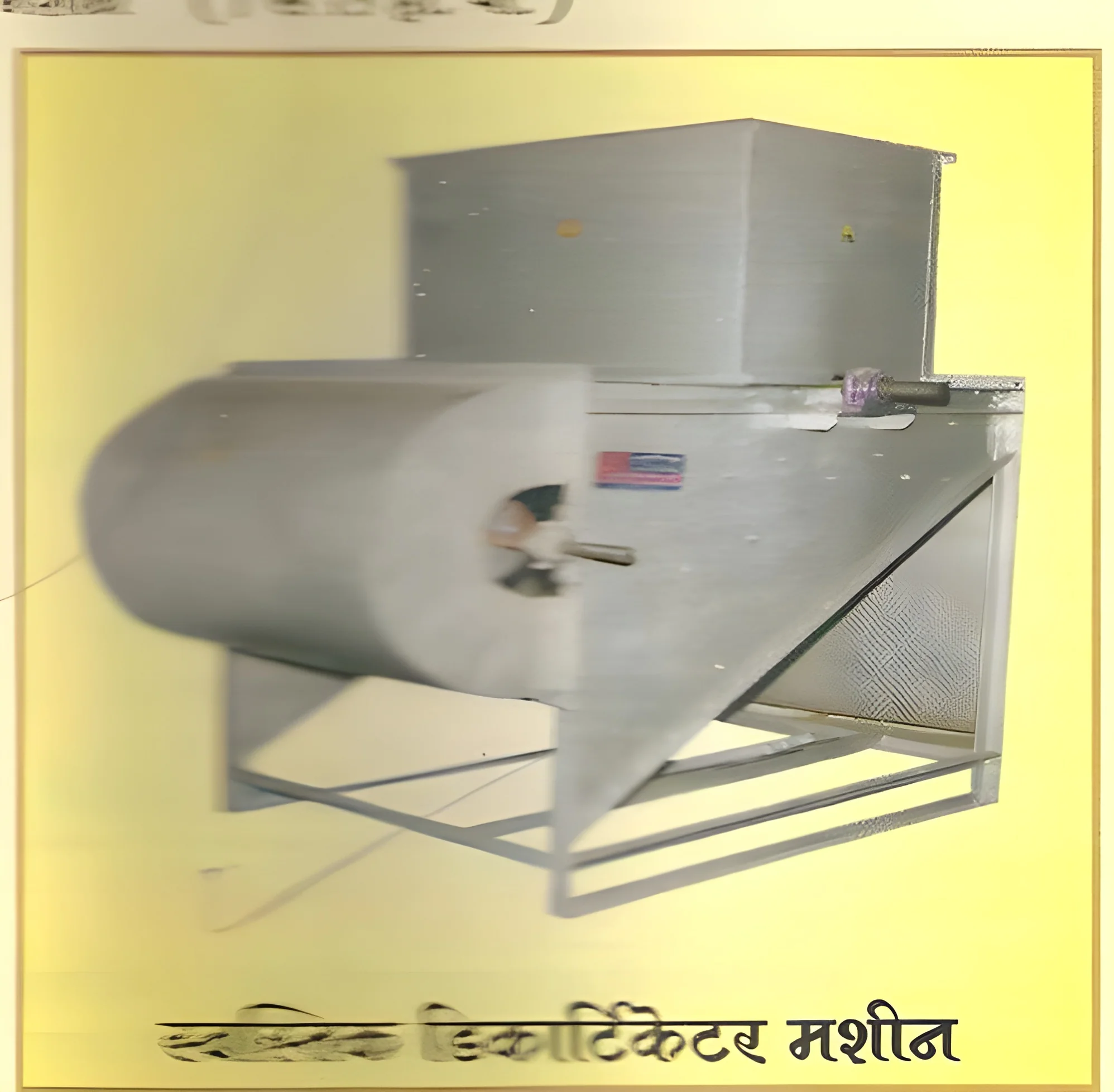
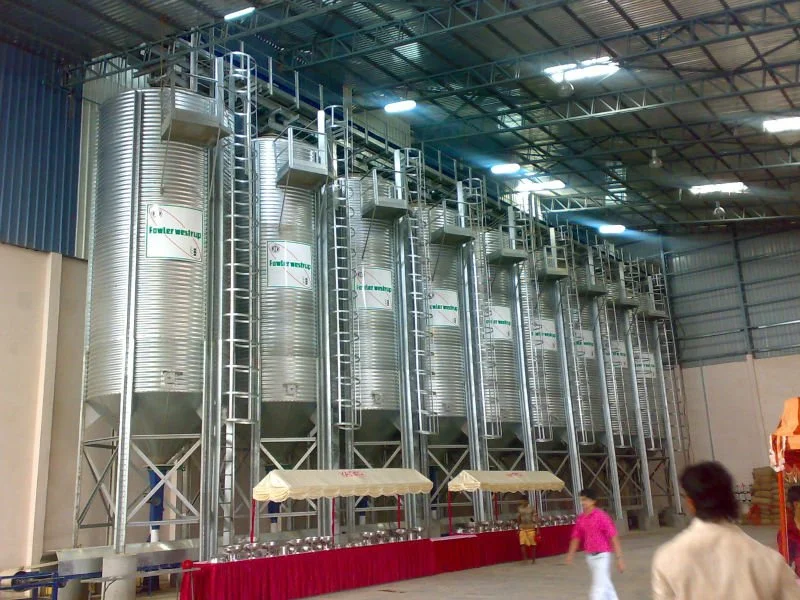
What are Grain Crushers & Mixers?
Grain Crushers and Mixers are essential industrial machines used to process grains and other raw materials. These machines crush grains into smaller particles, which enhances their mixability and digestibility. They play a vital role in various sectors such as agriculture, animal feed production, and food processing. By ensuring that grains are uniformly mixed and adequately broken down, these machines contribute significantly to the efficiency and quality of the final products.
The primary uses of Grain Crushers and Mixers include preparing animal feed, producing flour, and creating specialized mixes for various food products. In the agricultural sector, they are crucial for preparing feed that meets specific nutritional requirements for livestock. In food processing, these machines help in creating consistent blends that are essential for baking and other culinary applications. Overall, they are integral to industries that rely on efficient grain processing to meet production demands.
Grain Crushers and Mixers are highly relevant in today's market, where quality and efficiency are critical. As food safety regulations tighten and consumer preferences shift towards higher quality products, these machines have gained importance. Industries are investing in advanced technologies to improve processing capabilities and meet the evolving needs of the market.
Key Features and Specifications
When evaluating Grain Crushers and Mixers, it is essential to consider their features and specifications. High-quality machines are designed for durability, efficiency, and ease of use. Understanding the specifications can help businesses select the right equipment for their needs.
Key specifications include:
1. Capacity
- This specification refers to the volume of grain the machine can process per hour, often ranging from small-scale units (hundreds of kilograms) to large industrial machines (tons per hour).
2. Power Consumption
- This indicates the amount of energy required to operate the machine, typically measured in kilowatts. Efficient models have lower power consumption while maintaining high output.
3. Construction Material
- Grain Crushers and Mixers are commonly made from stainless steel or other corrosion-resistant materials to ensure longevity and hygiene.
4. Size and Dimensions
- The physical size of the machine affects its placement in a facility. Dimensions vary significantly based on capacity and design, making space considerations essential.
5. Noise Level
- The operational noise level is an important factor, especially in settings where noise pollution regulations apply. Many modern machines are designed to operate quietly.
6. Automation Features
- Some models come equipped with automated controls for ease of use, allowing for precise settings and monitoring during operation.
7. Maintenance Requirements
- Different machines have varying maintenance needs, affecting operational downtime and overall productivity.
In summary, understanding these specifications helps businesses make informed decisions based on their specific processing needs and operational requirements.
Common Applications and Use Cases
Grain Crushers and Mixers are utilized across various industries, each with distinct applications.
1. Agriculture: Farmers and feed producers use these machines to create customized animal feed blends, ensuring livestock receive balanced nutrition tailored to their growth stages.
2. Food Processing: In bakeries and food production facilities, grain crushers and mixers are essential for producing flour and other mixes that require consistent texture and flavor.
3. Brewing Industry: Grain Crushers are crucial for malt preparation in breweries, where grains must be crushed to release sugars during fermentation.
4. Pet Food Manufacturing: These machines help produce high-quality pet food by evenly mixing grains with proteins and other nutrients.
5. Biofuel Production: Some facilities use grain crushers to process grains for biofuel, optimizing the conversion of biomass into energy.
6. Snack Food Industry: Grain mixers are used to create blends for snacks, ensuring the right balance of flavors and textures.
7. Nutraceuticals: Companies manufacturing health supplements often use grain crushers to prepare raw materials for blending into health products.
Product Variants and Subcategories
Grain Crushers and Mixers come in various types and models to meet diverse processing needs. Each variant is designed with specific features that cater to different applications.
Hammer Mill Crushers: These machines utilize rotating hammers to crush grains into fine particles. They are ideal for producing animal feed and flour, offering versatility in grain size.
Roller Mill Mixers: These mixers employ rollers to crush grains, providing a more uniform particle size. They are commonly used in flour milling and other food processing industries.
Batch Mixers: Designed for smaller operations, batch mixers allow users to process specific quantities of grain at a time, ensuring quality control and flexibility.
Continuous Mixers: These machines provide ongoing processing capabilities, suitable for larger enterprises that require steady output.
Benefits and Advantages
Investing in Grain Crushers and Mixers provides numerous advantages for businesses.
1. Enhanced Efficiency: These machines significantly reduce processing time, allowing for faster production cycles and improved output.
2. Improved Product Quality: Consistent particle size and thorough mixing lead to higher quality end products that meet industry standards.
3. Cost-Effectiveness: By optimizing grain processing, businesses can reduce waste and lower operational costs over time.
4. Versatility: Many models can handle various types of grains and materials, making them suitable for multiple applications across industries.
5. Easy Maintenance: Modern machines are designed for user-friendly maintenance, reducing downtime and keeping operations running smoothly.
6. Compliance with Standards: High-quality machines often meet industry regulations, ensuring that processed products adhere to safety and quality requirements.
Buying Guide for B2B Buyers
When sourcing Grain Crushers and Mixers, several factors should be considered to ensure the best investment.
1. Quality Assessment: Evaluating the build quality and performance standards is crucial. Look for machines with robust construction and a track record of reliability.
2. Supplier Verification: It is essential to vet suppliers thoroughly. Check their reputation, customer reviews, and compliance with industry standards to ensure you are working with a trustworthy partner.
3. Pricing and MOQ: Understand the pricing structure and minimum order quantities. This knowledge will help you budget effectively and negotiate better terms.
4. Delivery and Lead Times: Consider logistics and delivery schedules when planning your operations. Ensure the supplier can meet your timelines to avoid disruptions.
5. Compliance Requirements: Verify that the machines meet applicable regulatory and safety standards. This is particularly important for food-related applications.
Compliance and Certifications
Grain Crushers and Mixers must adhere to various quality standards to ensure safety and performance. Key standards include ISO 9001, which focuses on quality management systems, and HACCP, which emphasizes food safety.
Certifications such as CE indicate that the products meet European safety, health, and environmental protection standards. These certifications are crucial for businesses that require compliance with stringent regulations.
Safety testing is also a critical aspect of compliance. Machines must undergo thorough testing to ensure they operate safely and do not pose risks to operators or the environment.
Regional compliance considerations vary, so it is essential to understand local regulations when sourcing these machines. This ensures that the equipment meets all necessary legal requirements for operation in specific markets.
Why Source Grain Crushers & Mixers from Pepagora?
Pepagora offers a reliable platform for sourcing Grain Crushers and Mixers, providing several key advantages for B2B buyers.
Verified Supplier Network: Pepagora maintains a rigorous vetting process for suppliers, ensuring that buyers have access to reputable manufacturers with a history of quality and reliability.
Streamlined RFQ Process: The request for quotation (RFQ) process is designed for efficiency, allowing buyers to quickly obtain competitive quotes from multiple suppliers, facilitating informed purchasing decisions.
Trade Assurance and Support: Pepagora prioritizes buyer protection through trade assurance policies. These policies ensure that buyers receive the products as promised and have recourse in case of disputes.
Regional Coverage: With a strong presence in India, the GCC, and Southeast Asia, Pepagora provides access to a wide range of suppliers, making it easier for businesses to find the right Grain Crushers and Mixers for their needs.
By choosing Pepagora, businesses can enhance their procurement process and ensure they acquire high-quality equipment that meets their operational requirements.

 IN
IN