What are Water Troughs & Tanks?
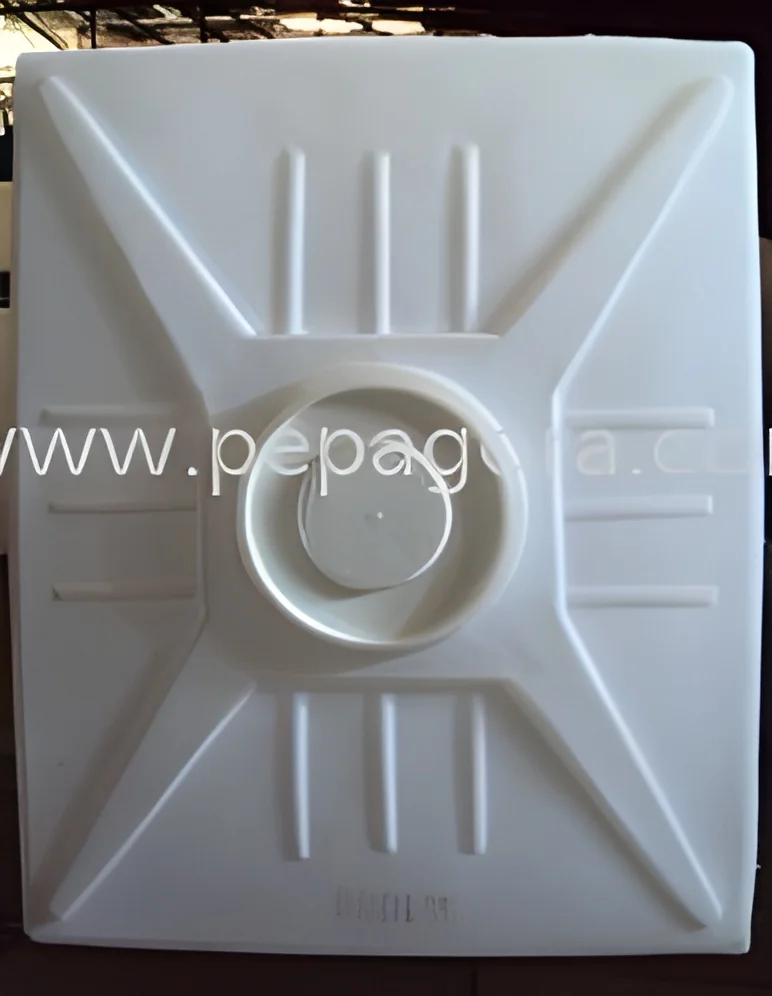
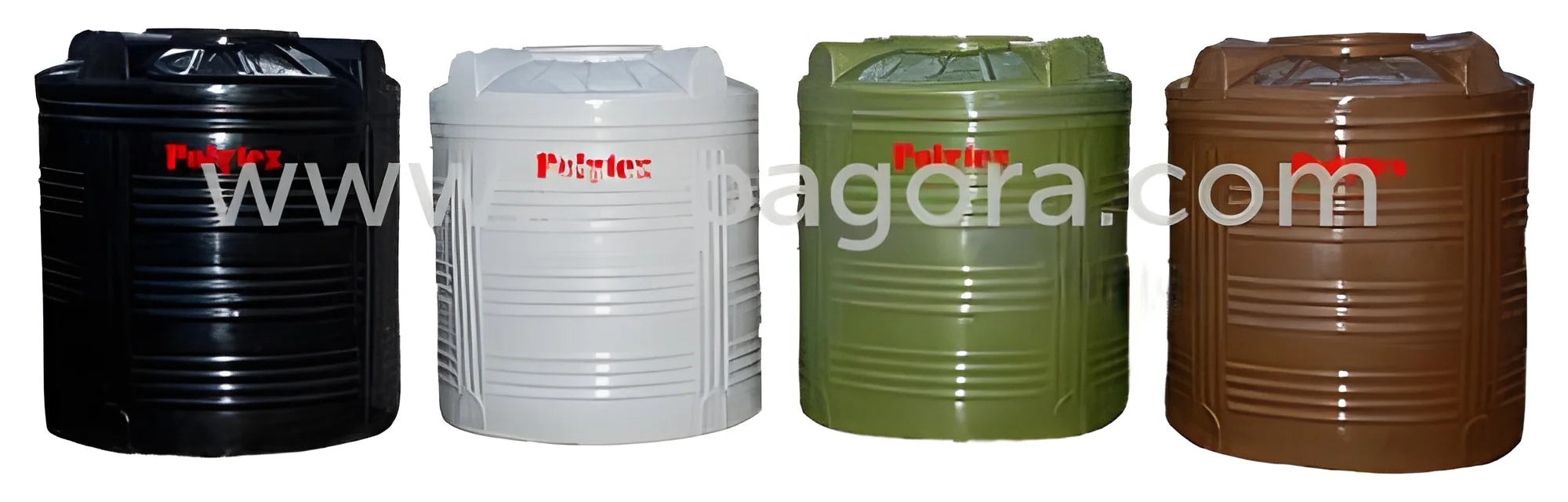
Water troughs and tanks are essential storage solutions designed for various applications involving water management. These structures are typically made from durable materials such as plastic, metal, or concrete, allowing them to withstand environmental stressors. Water troughs are often shallow, long containers that hold water for livestock, while tanks are generally taller, enclosed structures used for larger volumes of water storage.
The primary uses of water troughs and tanks span across several industries, including agriculture, construction, and municipal water supply systems. In agriculture, they provide a reliable water source for livestock, ensuring proper hydration and feeding. In construction, water tanks are often used to store water on-site for various activities, such as mixing concrete or controlling dust. Additionally, municipal systems utilize these products to manage water distribution and storage efficiently.
Water troughs and tanks play a crucial role in the market due to increasing demand for sustainable water management solutions. As industries seek to optimize resource use and improve efficiency, the need for robust and reliable water storage options continues to grow. This trend is further supported by advancements in technology and materials that enhance the performance and longevity of these products.
Key Features and Specifications
Water troughs and tanks come equipped with various features designed to enhance their usability and durability. It is important to consider these specifications when selecting the right product for your needs.
Key specifications include:
1. Material Type
- Common materials include polyethylene, fiberglass, and steel.
- Each material offers different durability, weight, and environmental resistance.
2. Capacity
- Ranges from small troughs holding 50 gallons to large tanks exceeding 10,000 gallons.
- Selection depends on the intended use and required volume.
3. Dimensions
- Available in various lengths, widths, and heights to fit specific space requirements.
- Custom sizing options may also be available.
4. Insulation
- Some tanks feature insulation to maintain water temperature.
- Insulated options are beneficial in extreme weather conditions.
5. Drainage Features
- Integrated drainage systems facilitate easy cleaning and maintenance.
- Proper drainage prevents stagnant water and contamination.
6. UV Resistance
- Many tanks and troughs are designed with UV-resistant materials.
- This feature extends the lifespan by preventing degradation from sunlight exposure.
7. Portability
- Certain models are designed to be lightweight and easily transportable.
- Portability is ideal for temporary installations or mobile applications.
8. Compliance with Standards
- Many products adhere to industry regulations and safety standards.
- Compliance ensures reliability and quality assurance.
In summary, understanding the features and specifications of water troughs and tanks is essential for making informed purchasing decisions.
Common Applications and Use Cases
Water troughs and tanks are utilized across a wide range of industries, each with specific applications.
1. Agriculture: Water troughs provide essential hydration for livestock, promoting animal health and productivity. Tanks are used for irrigation systems to ensure crops receive adequate water.
2. Construction: Water tanks serve as on-site reservoirs for various activities, including concrete mixing and dust control. They ensure that construction sites have a consistent water supply.
3. Municipal Water Supply: Tanks are integral to municipal water distribution systems, storing water for residential and commercial use. They help manage water pressure and supply during peak demand.
4. Aquaculture: Tanks are used in fish farming operations to maintain water quality and provide a controlled environment for aquatic life.
5. Industrial Applications: Various industries use tanks for storing chemicals and other liquids, ensuring safe handling and compliance with regulations.
6. Fire Protection Systems: Water tanks are often part of fire suppression systems, providing a reliable water source for firefighting operations.
7. Recreational Use: Tanks can be used for swimming pools, decorative ponds, or water features in landscaping projects.
Product Variants and Subcategories
Water troughs and tanks come in various forms to suit different applications and requirements.
Plastic Water Tanks: These tanks are lightweight and resistant to corrosion. They are ideal for agricultural and residential use due to their affordability and ease of installation.
Metal Water Tanks: Constructed from steel or aluminum, these tanks offer enhanced durability and can withstand harsh environmental conditions. They are commonly used in industrial applications.
Fiberglass Water Tanks: Known for their strength and resistance to chemicals, fiberglass tanks are suitable for both water storage and industrial applications.
Collapsible Water Tanks: These tanks are designed for easy transport and storage. They can be deployed quickly in emergencies or temporary setups.
Benefits and Advantages
Investing in water troughs and tanks offers numerous benefits to businesses.
1. Durability: Most water troughs and tanks are constructed from tough materials that withstand environmental stress, ensuring long-term use.
2. Versatility: These products can be employed across various industries, making them suitable for multiple applications.
3. Cost-Effectiveness: By providing a reliable water source, these tanks help reduce water costs and improve operational efficiency.
4. Easy Maintenance: Many models feature drainage systems and UV resistance, simplifying upkeep and extending product life.
5. Customization Options: Businesses can often find tailored solutions designed to meet specific needs, enhancing functionality.
6. Regulatory Compliance: Many products adhere to industry standards, ensuring safe and reliable operation.
Buying Guide for B2B Buyers
When sourcing water troughs and tanks, it is essential to consider several critical factors to ensure you make an informed decision.
1. Quality Assessment: Evaluate the materials and manufacturing processes used to ensure that the products meet your durability and safety standards. Look for certifications that indicate compliance with relevant regulations.
2. Supplier Verification: Vetting suppliers is crucial for ensuring reliability. Research their reputation, customer reviews, and history in the industry to establish trust.
3. Pricing and MOQ: Understand the pricing structure and minimum order quantities required by suppliers. Compare costs to ensure that you are getting value for your investment.
4. Delivery and Lead Times: Consider logistics when placing orders. Assess the supplier's ability to meet your deadlines to avoid delays in your operations.
5. Compliance Requirements: Be aware of any regulatory needs specific to your industry and region. Ensure that the products you select comply with these standards to avoid potential legal issues.
Compliance and Certifications
Water troughs and tanks are subject to various quality standards and certifications that ensure safety and reliability. Notable standards include ISO 9001, which focuses on quality management systems, and HACCP, which emphasizes food safety management in relevant applications.
Industry certifications such as CE indicate that products meet European safety and environmental requirements. These certifications are essential for assuring customers of the quality and reliability of the products they are purchasing.
Safety and testing requirements are also critical. Manufacturers often conduct rigorous testing to ensure that their products can withstand environmental challenges and meet industry standards. Regional compliance considerations may vary based on local regulations, so it is essential to stay informed about specific requirements in your area.
Why Source Water Troughs & Tanks from Pepagora?
Pepagora provides a trusted platform for sourcing water troughs and tanks, offering several key advantages to B2B buyers.
Verified Supplier Network: Our platform connects you with a network of verified suppliers who have undergone thorough checks to ensure reliability and quality. This reduces the risk of sourcing subpar products.
Streamlined RFQ Process: We offer a simplified Request for Quotation (RFQ) process that allows buyers to easily communicate their needs and receive competitive quotes from multiple suppliers.
Trade Assurance and Support: Pepagora provides buyer protection through trade assurance, ensuring that your investments are safeguarded. Our support team is available to assist with any inquiries or concerns during the purchasing process.
Regional Coverage: With a strong presence in India, the GCC, and Southeast Asia, Pepagora facilitates access to a wide range of suppliers, making it easier for businesses to find suitable products regardless of their location.
In summary, Pepagora is committed to helping businesses efficiently source water troughs and tanks while ensuring quality and reliability.

 IN
IN