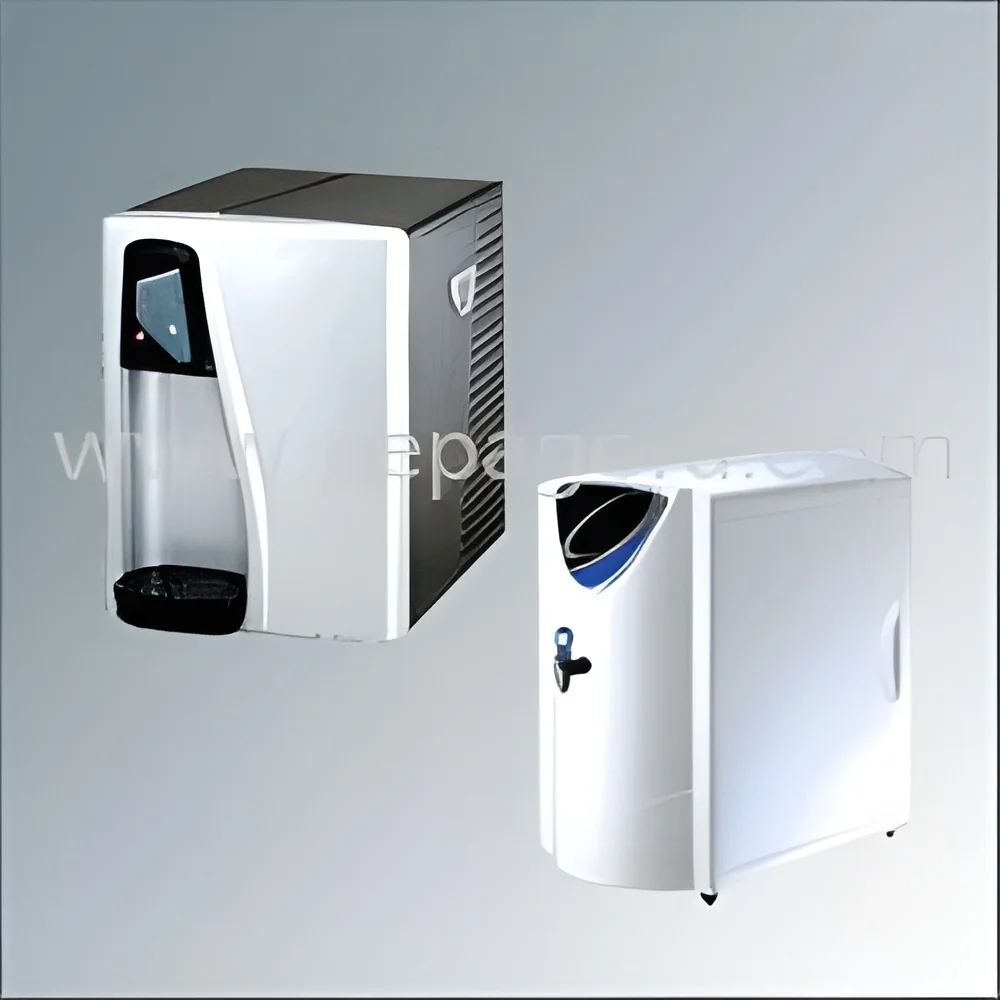
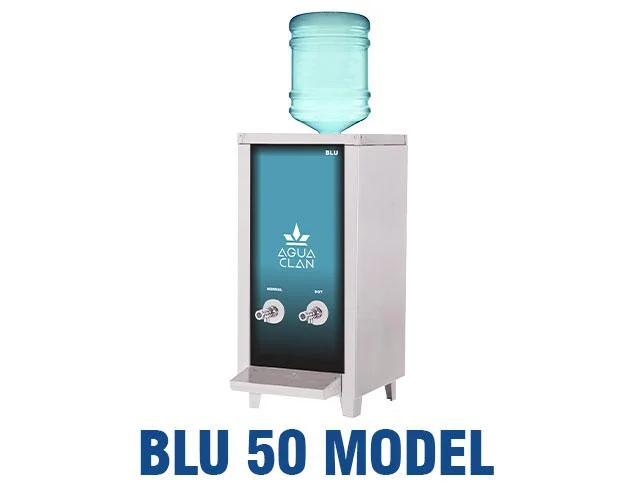
What are Water Dispensers?
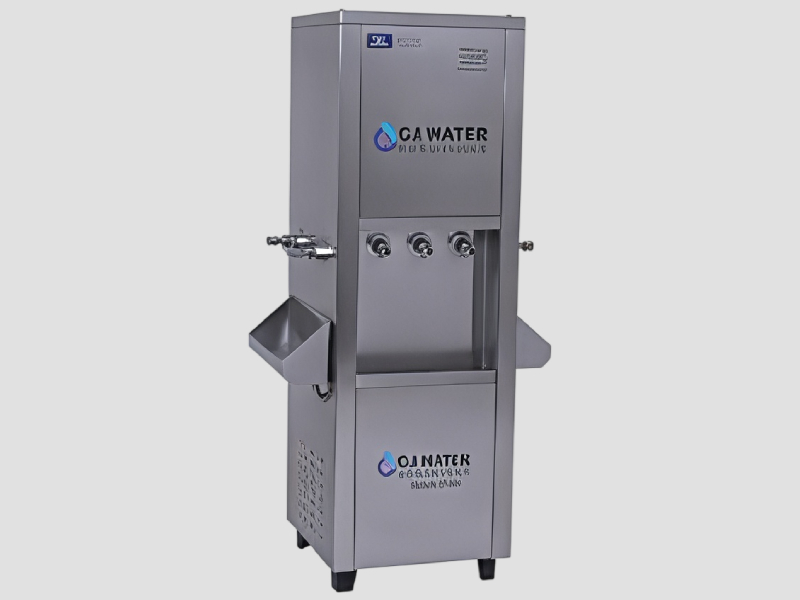
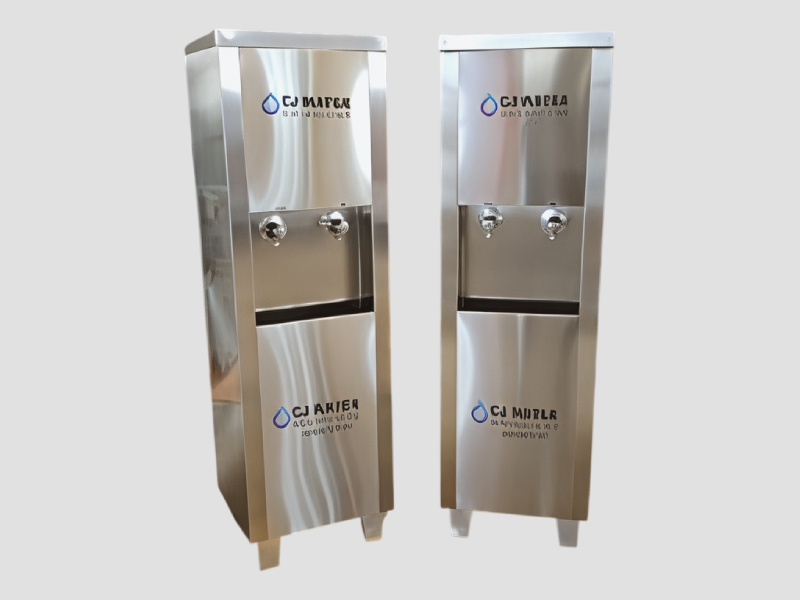
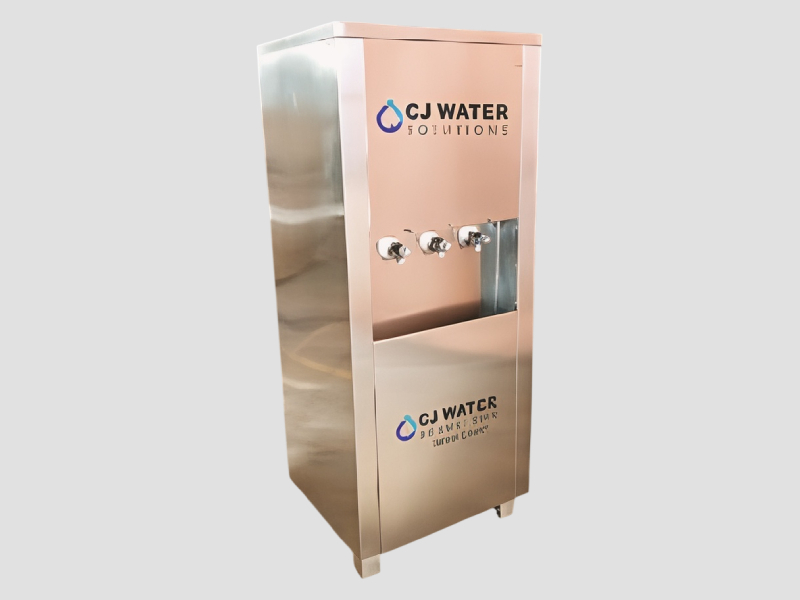
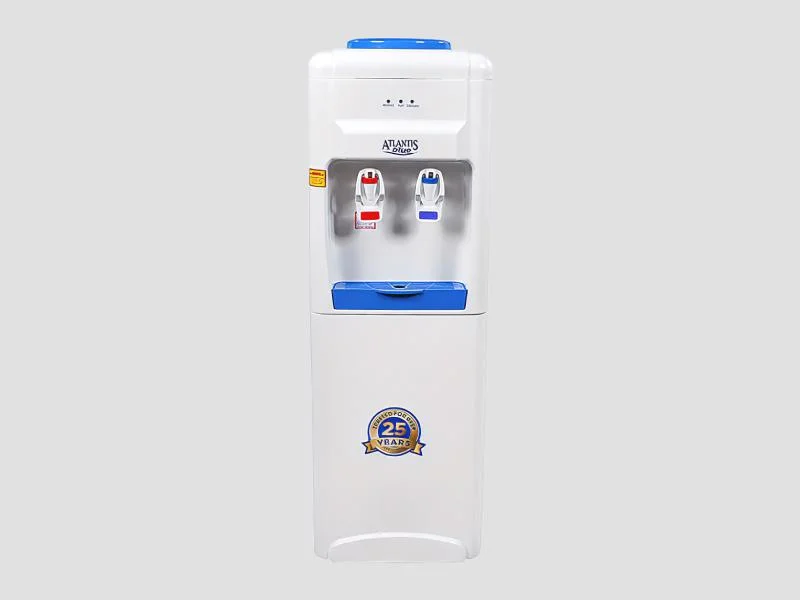
Water dispensers are appliances designed to dispense water in a convenient and efficient manner. They are often used in both commercial and industrial settings to provide easy access to drinking water. These dispensers can utilize bottled water or connect directly to a water supply, ensuring a consistent supply of clean water for various applications.
In business environments, water dispensers serve numerous functions, ranging from providing hydration for employees to supporting food service operations. They are commonly found in offices, factories, schools, and healthcare facilities. The ability to offer chilled, hot, or room temperature water makes them a versatile solution for different needs.
The relevance of water dispensers in today’s market cannot be overstated. With a growing focus on health and wellness, businesses are increasingly investing in water dispensers to promote hydration among their workforce. The market is expanding, driven by technological advancements, environmental considerations, and the demand for convenient hydration solutions.
Key Features and Specifications
Water dispensers come equipped with a variety of features that enhance their functionality. Understanding these specifications is crucial for buyers looking to make informed decisions.
Key specifications include:
1. Temperature Control
- Provides options for hot and cold water.
- Typically ranges from 4°C to 85°C for varied temperature needs.
2. Capacity
- Refers to the amount of water the dispenser can hold.
- Common sizes range from 2 to 5 gallons for bottled models.
3. Filtration System
- Some models include built-in filtration to enhance water quality.
- May feature carbon or reverse osmosis filters.
4. Energy Efficiency
- Many dispensers are designed to consume less power.
- Look for models with energy-saving ratings.
5. Dispensing Method
- Can be manual or touchless, with options for push buttons or sensors.
- Touchless models reduce contamination risks.
6. Material and Build Quality
- High-grade plastics or stainless steel are standard materials.
- Durable construction is essential for long-term use.
7. Maintenance Requirements
- Easy-to-clean components and filter replacement schedules.
- Some models offer self-cleaning features.
8. Portability
- Some dispensers are designed to be mobile.
- Features like wheels or lightweight design enhance maneuverability.
In summary, selecting a water dispenser involves considering various specifications that align with specific business needs and operational requirements.
Common Applications and Use Cases
Water dispensers are integral to many industries, enhancing convenience and promoting hydration.
1. Office Environments: In workplaces, water dispensers provide employees with easy access to drinking water, promoting health and productivity.
2. Manufacturing Facilities: These dispensers ensure that workers have a reliable hydration source, especially in settings where physical labor is involved.
3. Educational Institutions: Schools and universities utilize water dispensers to provide students with clean drinking water throughout the day.
4. Healthcare Facilities: Hospitals and clinics rely on dispensers to ensure both staff and patients have access to safe drinking water.
5. Hospitality Industry: Hotels and restaurants use water dispensers to enhance customer service by offering refreshing beverages.
6. Retail Spaces: Retailers often install dispensers to keep both employees and customers hydrated while shopping.
7. Events and Conferences: Temporary installations of water dispensers at events encourage attendees to stay hydrated.
Product Variants and Subcategories
Water dispensers come in a range of variants to meet diverse needs. Each variant offers unique features tailored to specific applications.
Bottled Water Dispenser
This variant uses large bottles of water and is ideal for locations lacking direct water supply. It is easy to set up and replace bottles, making it a popular choice for offices.
Point-of-Use Water Dispenser
These dispensers connect directly to a water line, providing an unlimited supply of filtered water. They are suitable for high-demand environments, reducing the need for bottled water.
Countertop Water Dispenser
Designed for smaller spaces, these dispensers sit on countertops and are perfect for home offices or small businesses. They are compact yet efficient.
Freestanding Water Dispenser
Freestanding models are versatile and can be placed anywhere. They typically have a larger capacity and are suitable for high-traffic areas.
Benefits and Advantages
Investing in water dispensers offers numerous advantages for businesses.
1. Improved Employee Health: Access to clean drinking water promotes hydration, leading to better overall health and productivity.
2. Cost-Effective Solution: Many businesses find that using water dispensers reduces the costs associated with purchasing bottled water regularly.
3. Environmental Impact: Water dispensers can help reduce plastic waste by minimizing the need for single-use plastic bottles.
4. Convenience and Accessibility: Employees can easily access water at any time, which encourages regular hydration throughout the day.
5. Customization Options: Many dispensers offer features like adjustable temperature and filtration systems, allowing businesses to tailor their hydration solutions.
6. Enhanced Professional Image: Providing water dispensers can improve the workplace environment, making it more appealing to employees and clients.
Buying Guide for B2B Buyers
When sourcing water dispensers, businesses should consider several key factors to ensure they select the right model.
1. Quality Assessment: Evaluate the materials and construction of the dispenser. Look for high-quality brands known for durability and performance.
2. Supplier Verification: Conduct thorough research on suppliers. Check for reviews and ratings to ensure they have a good reputation and reliable service.
3. Pricing and MOQ: Understand the pricing structure and minimum order quantities (MOQ) set by suppliers. This helps in budgeting and ensuring you meet order requirements.
4. Delivery and Lead Times: Confirm delivery options and lead times with suppliers to align with your operational needs. Timely delivery is crucial for maintaining workflow.
5. Compliance Requirements: Ensure that the selected dispensers meet local regulations and industry standards. This is essential for safety and operational compliance.
Compliance and Certifications
Compliance with quality standards is crucial for water dispensers to ensure safety and functionality. Key standards include ISO 9001, which outlines quality management systems, and HACCP for food safety management.
Additionally, CE certification is essential for products sold in the European market, ensuring they meet health, safety, and environmental protection standards.
Water dispensers must also adhere to safety and testing requirements, which can include assessments for electrical safety and material safety.
Regional compliance considerations may vary, so businesses should ensure that their products meet local regulations, which can affect installation and usage.
Why Source Water Dispensers from Pepagora?
Pepagora offers a reliable platform for businesses looking to source water dispensers with several notable advantages.
The verified supplier network at Pepagora ensures that buyers can connect with reputable manufacturers and suppliers. This verification process adds a layer of trust, allowing businesses to make informed purchasing decisions.
The streamlined RFQ process simplifies the quotation system, enabling buyers to receive competitive quotes quickly and efficiently. This saves time and allows for better budgeting and planning.
Pepagora also provides trade assurance and support, protecting buyers during transactions. This buyer protection fosters confidence in sourcing products.
Additionally, Pepagora has a wide regional coverage, serving markets in India, the GCC, and Southeast Asia. This extensive reach allows businesses to access products and suppliers that meet their specific needs.

 IN
IN

 India
India