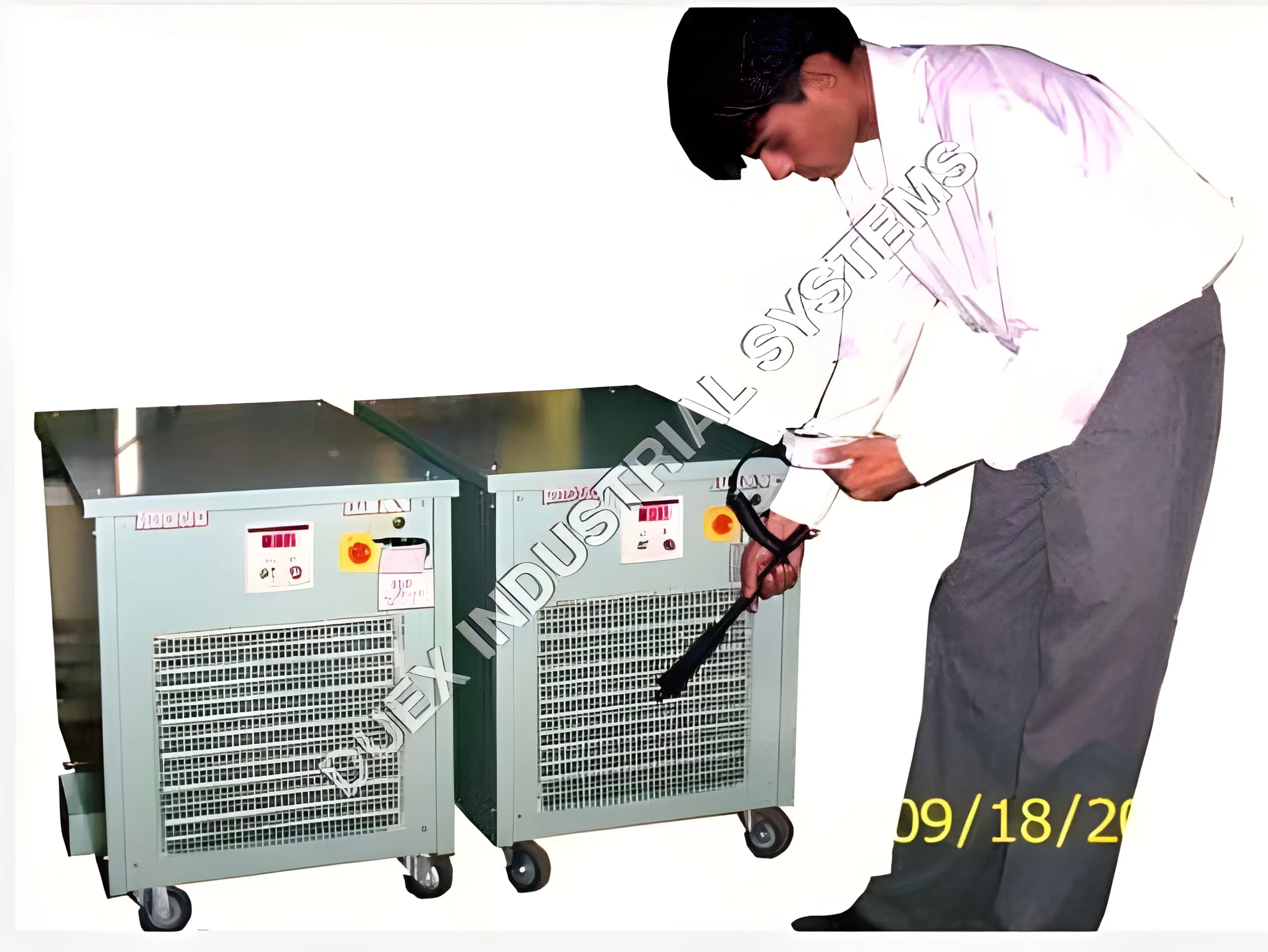
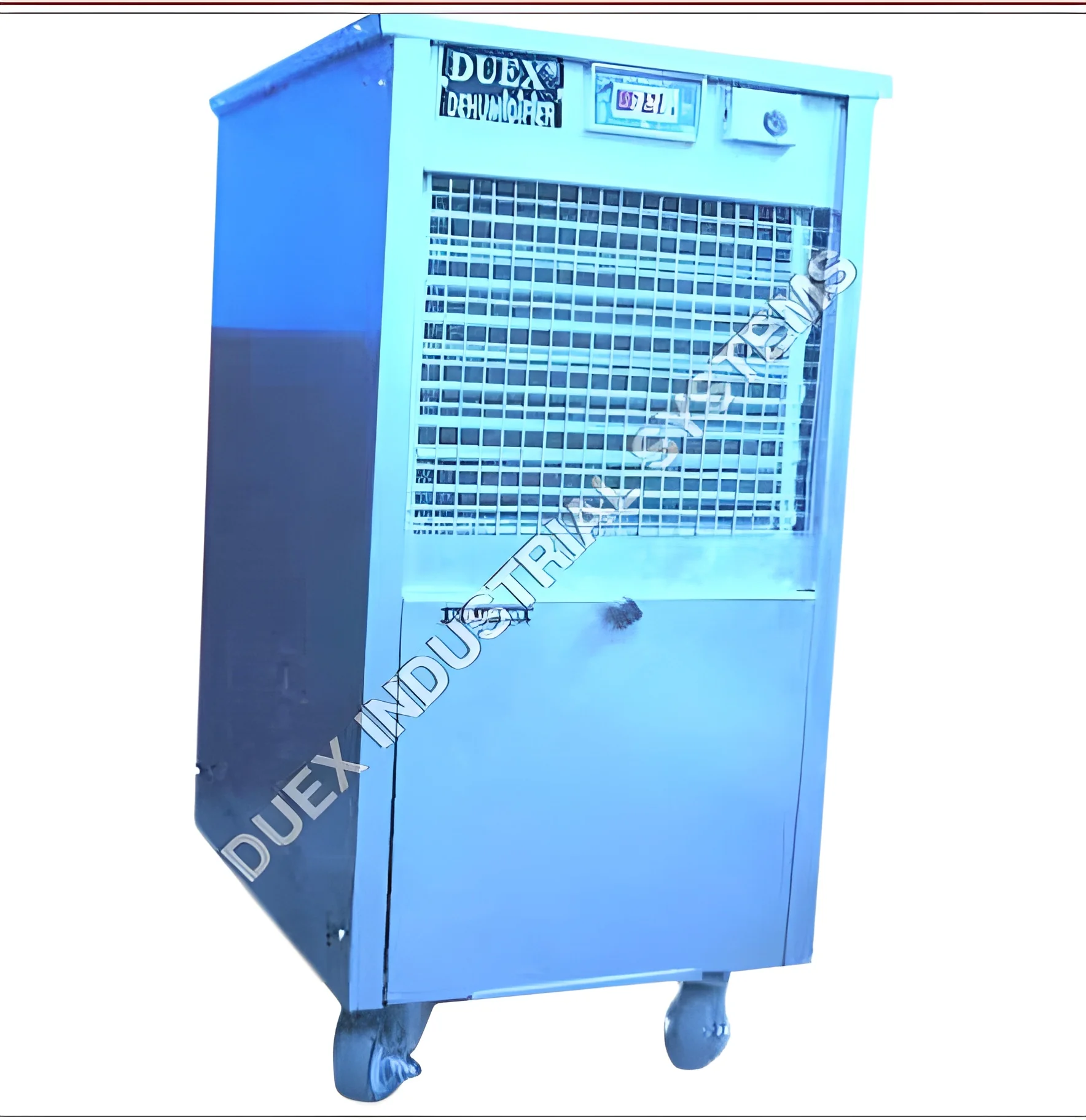
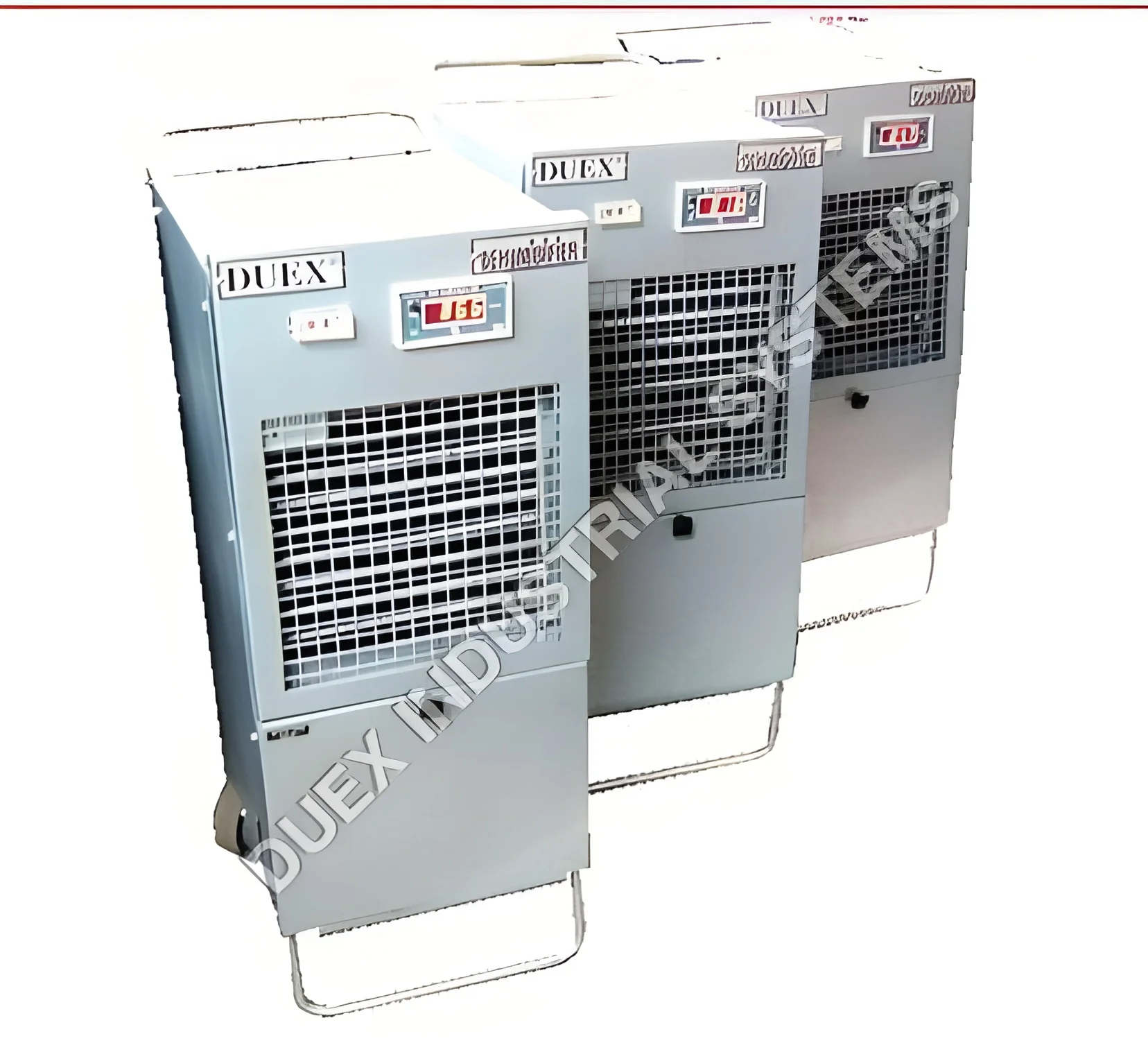
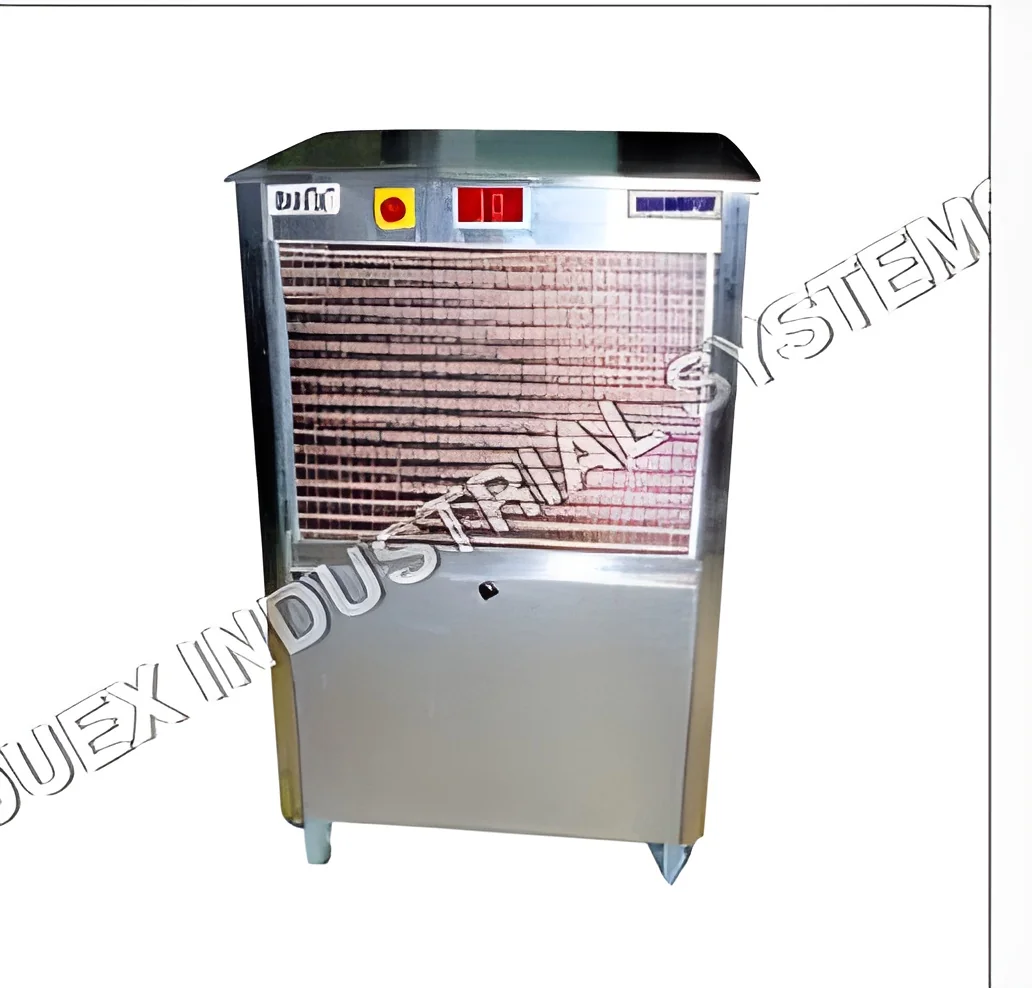
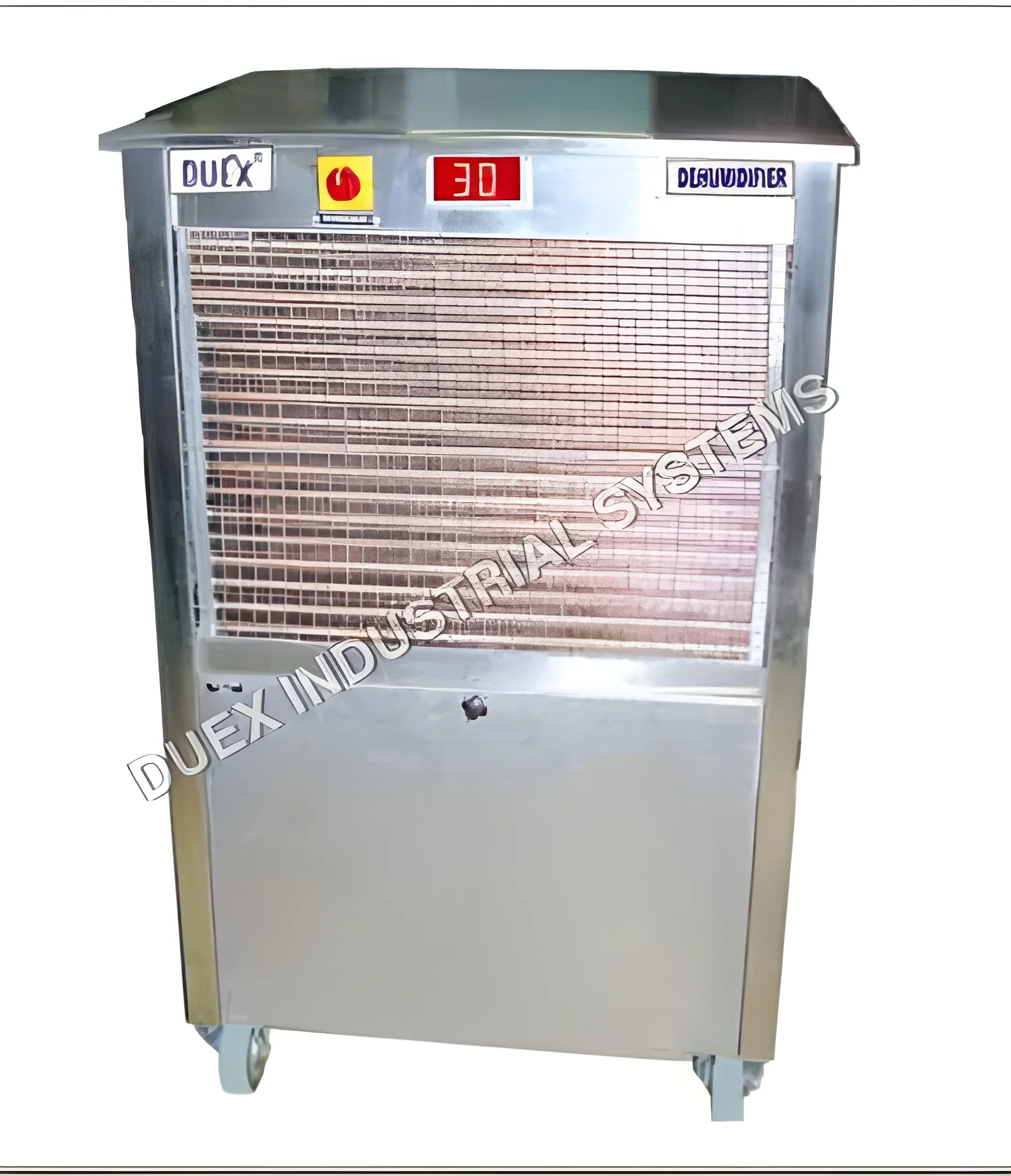
What are Dehumidifiers?
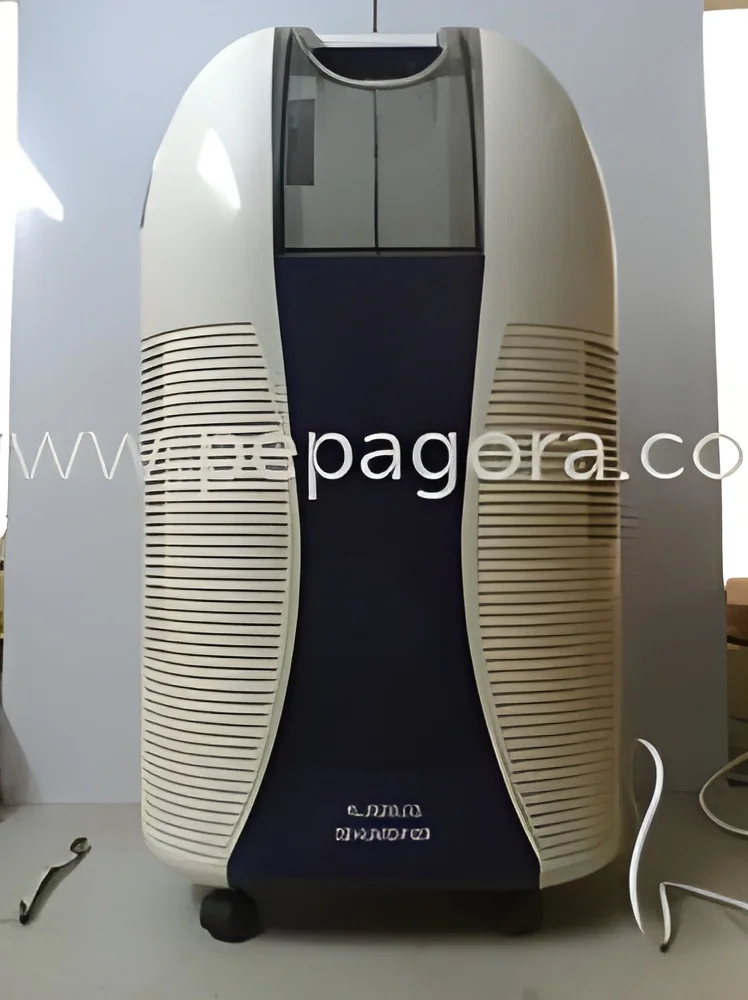
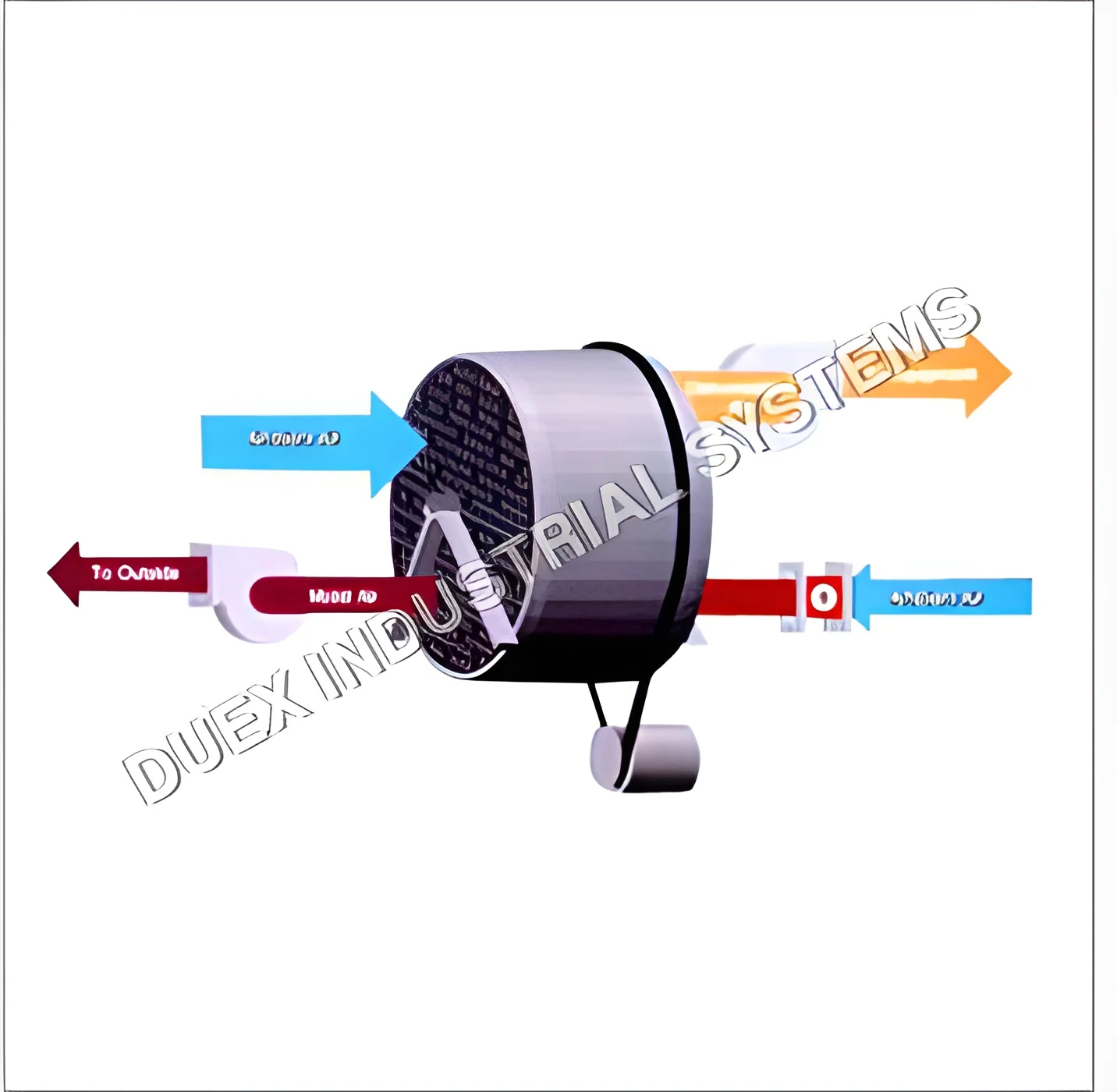
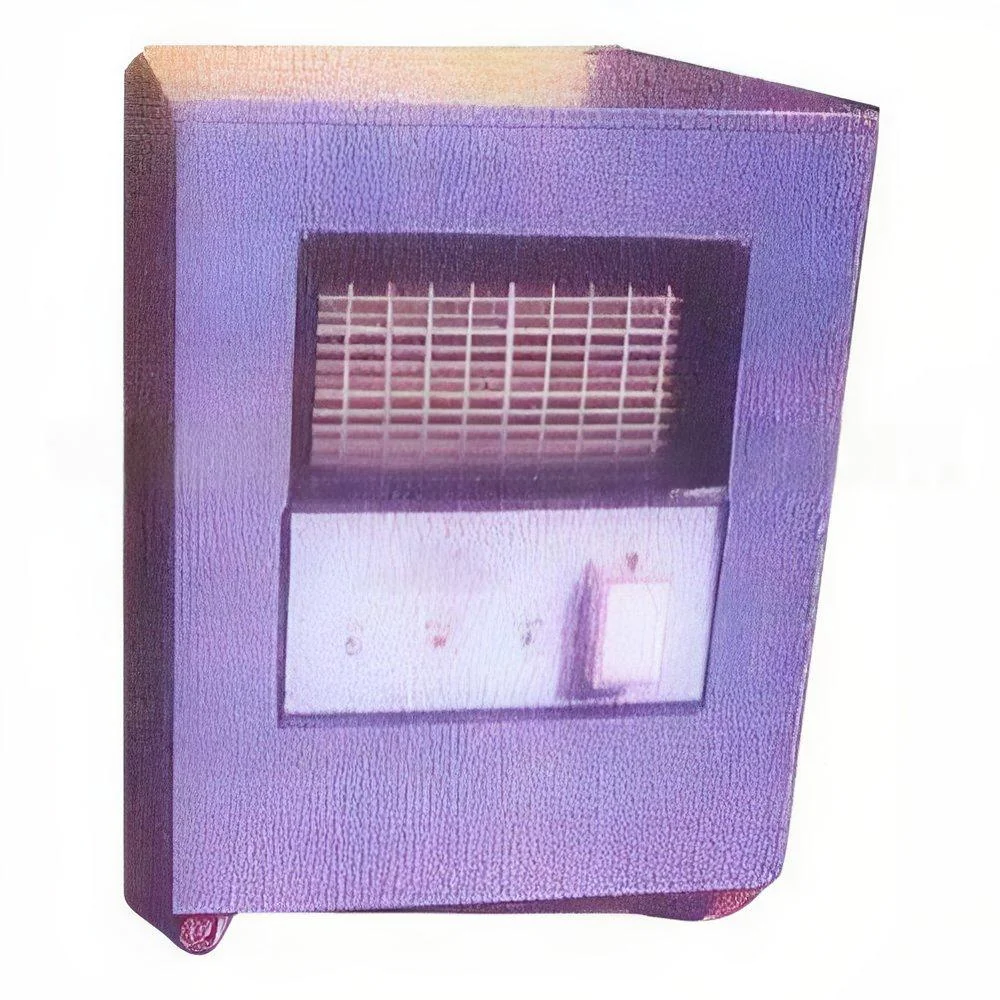
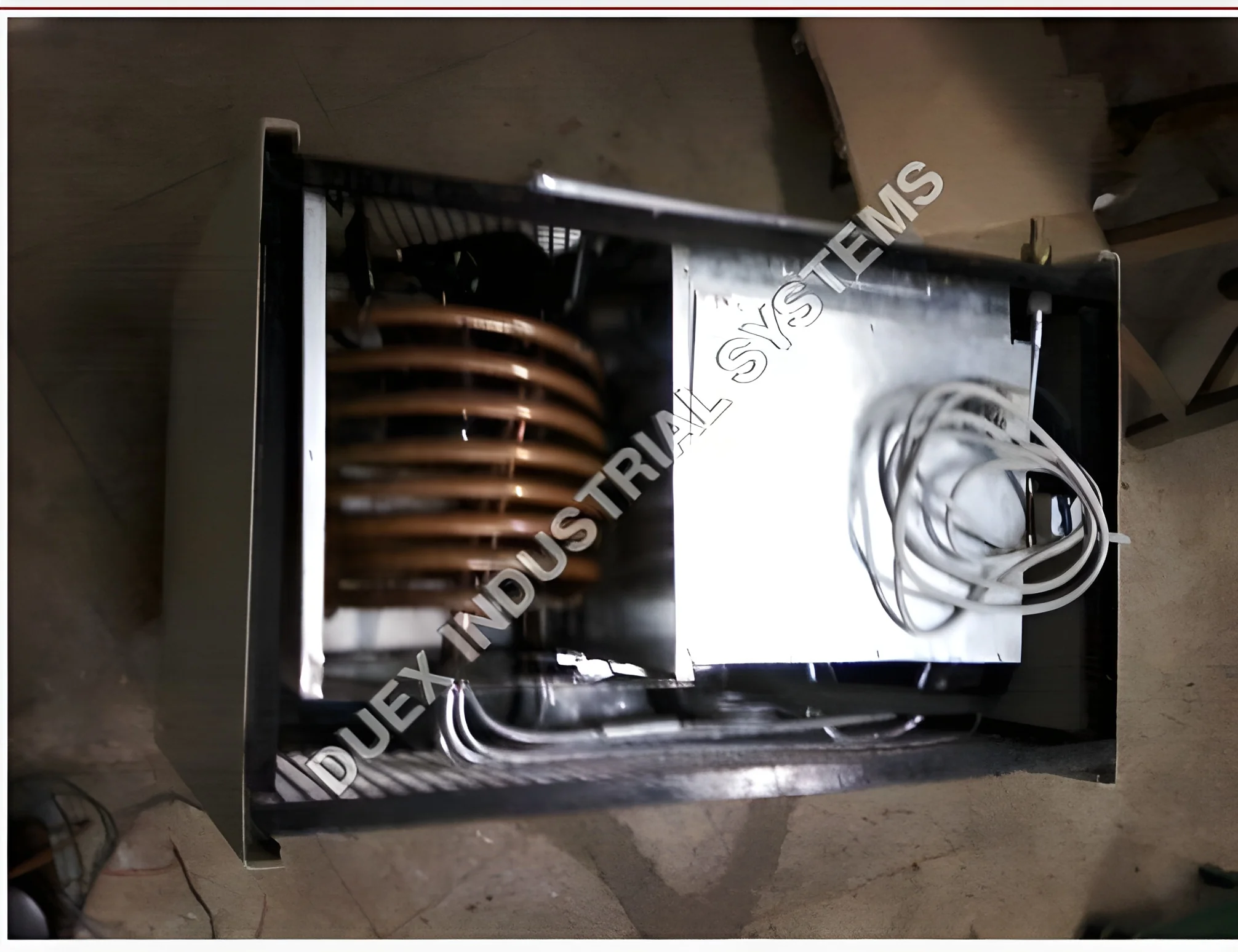
Dehumidifiers are devices designed to reduce and maintain humidity levels in the air. By removing excess moisture, they help to create a more comfortable and healthier environment. These units work by drawing in humid air, cooling it to condense the moisture, and then releasing drier air back into the space. This process not only improves air quality but also helps to prevent the growth of mold, mildew, and other allergens.
In commercial and industrial applications, dehumidifiers play a crucial role in various settings. They are commonly used in warehouses, manufacturing facilities, and agricultural environments to protect products and equipment from moisture damage. Additionally, they are essential in areas prone to high humidity, such as basements and swimming pools, where they help to maintain optimal conditions. As businesses increasingly prioritize air quality and equipment longevity, the demand for effective dehumidification solutions continues to grow.
The market for dehumidifiers is expanding, driven by advancements in technology and a heightened awareness of indoor air quality. Industries such as pharmaceuticals, food processing, and data centers are particularly relevant as they require strict humidity control to ensure compliance with regulatory standards. As a result, dehumidifiers have become indispensable tools for businesses looking to optimize their operations and enhance product quality.
Key Features and Specifications
Dehumidifiers come equipped with various features that enhance their efficiency and usability. Understanding these specifications is key for businesses looking to invest in the right unit. The following key specifications highlight important aspects of dehumidifiers that buyers should consider.
Key specifications include:
1. Capacity
- Measured in pints per day, this specification indicates how much moisture the unit can remove from the air daily.
- Typical capacity ranges from 30 to 70 pints per day, depending on the model.
2. Energy Efficiency Ratio (EER)
- This ratio measures the energy efficiency of the dehumidifier, providing insight into operational costs.
- Higher EER values indicate lower energy consumption.
3. Noise Level
- Measured in decibels (dB), this specification indicates how loud the unit operates.
- Most units operate between 35 to 50 dB, which is relatively quiet for indoor use.
4. Humidity Control Settings
- Many dehumidifiers offer adjustable humidity settings, allowing users to set their desired humidity level.
- This feature enhances user control and comfort.
5. Auto-Restart Function
- This feature allows the dehumidifier to resume operation automatically after a power outage.
- It ensures continuous humidity control without manual intervention.
6. Drainage Options
- Dehumidifiers can include built-in pumps or gravity drainage systems for continuous water removal.
- This flexibility caters to different installation needs and environments.
7. Filter Type
- Most units come with washable or replaceable filters to ensure clean air output.
- Regular maintenance of filters is crucial for optimal performance.
8. Size and Portability
- Dehumidifiers vary in size, with options for portable or permanent installation.
- The choice may depend on the application and available space.
In summary, understanding these key features and specifications helps businesses select the right dehumidifier that meets their specific needs and operational requirements.
Common Applications and Use Cases
Dehumidifiers are versatile devices used across various industries to combat excess moisture. Their applications help maintain optimal conditions for products, processes, and environments.
1. Warehousing: Dehumidifiers are essential in warehouses to protect stored goods from moisture damage, particularly in locations with high humidity levels.
2. Manufacturing: In manufacturing facilities, controlling humidity is critical to maintaining product quality and preventing equipment corrosion.
3. Agriculture: Farmers use dehumidifiers to manage humidity in storage areas for grains and produce, ensuring freshness and preventing spoilage.
4. Food Processing: In food processing plants, maintaining proper humidity levels is vital for food safety and compliance with health regulations.
5. Pharmaceuticals: Dehumidifiers help pharmaceutical companies maintain strict environmental controls, ensuring that products are produced and stored under optimal conditions.
6. Healthcare: Hospitals and clinics utilize dehumidifiers to enhance indoor air quality and prevent the spread of infections in humid environments.
7. Construction: During construction projects, dehumidifiers aid in drying out building materials, reducing the risk of mold and improving the curing process.
Product Variants and Subcategories
Dehumidifiers are available in various forms to cater to different needs and environments.
Portable Dehumidifiers
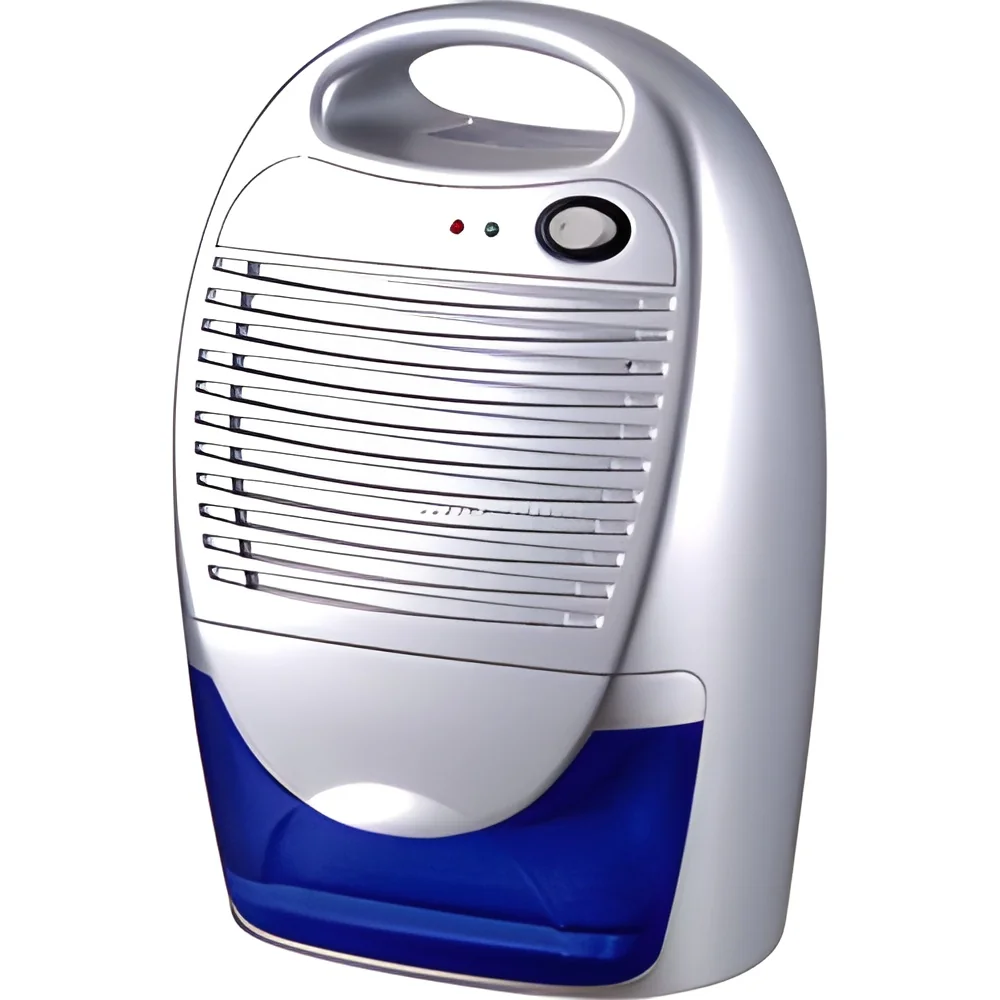
These units are designed for easy movement and can be used in multiple locations. They are suitable for residential and small commercial applications, providing flexibility in humidity control.
Whole-House Dehumidifiers
These systems are integrated into a building's HVAC system and are designed to manage humidity levels throughout an entire structure. They are ideal for larger spaces and offer a more permanent solution.
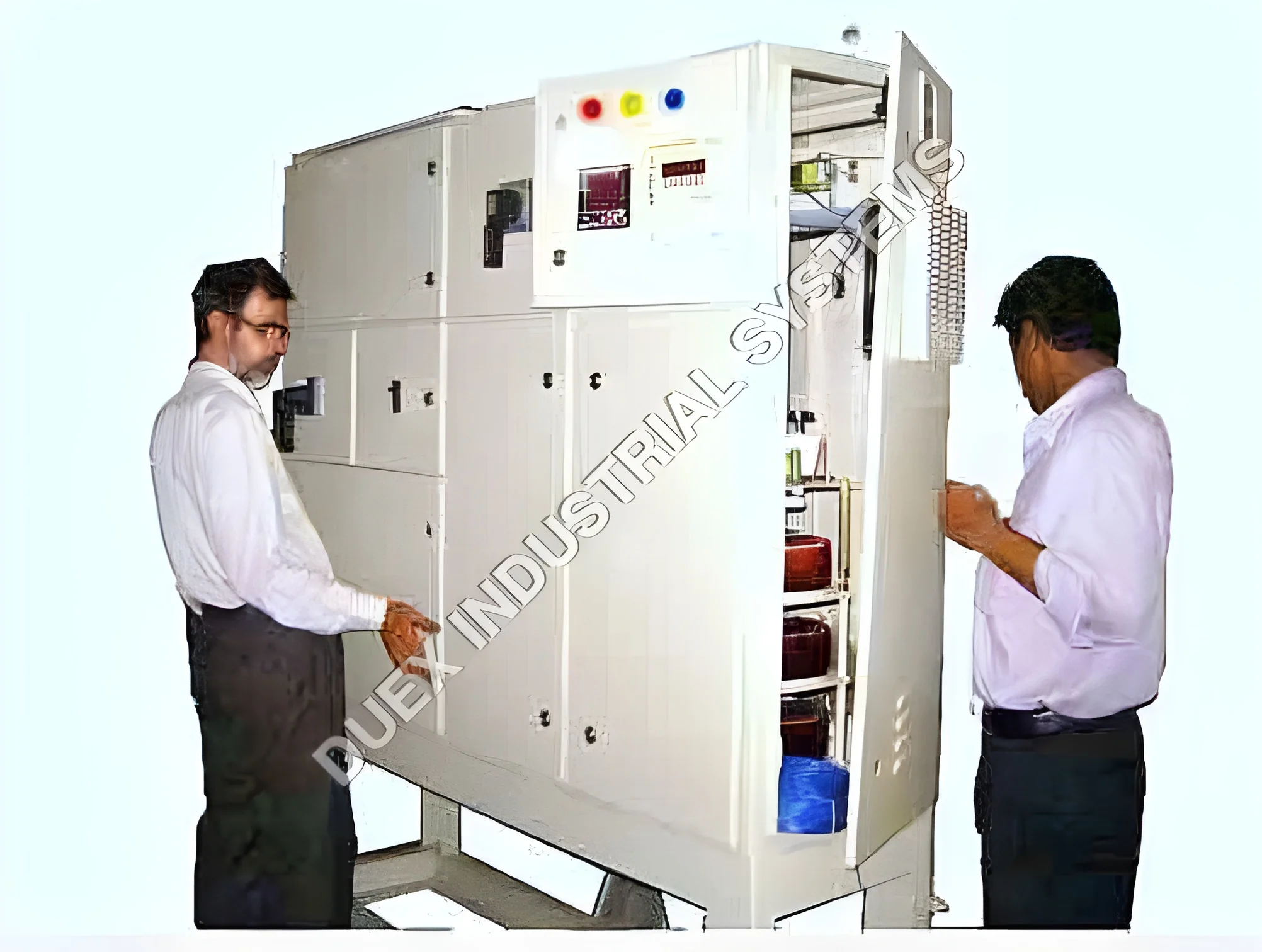
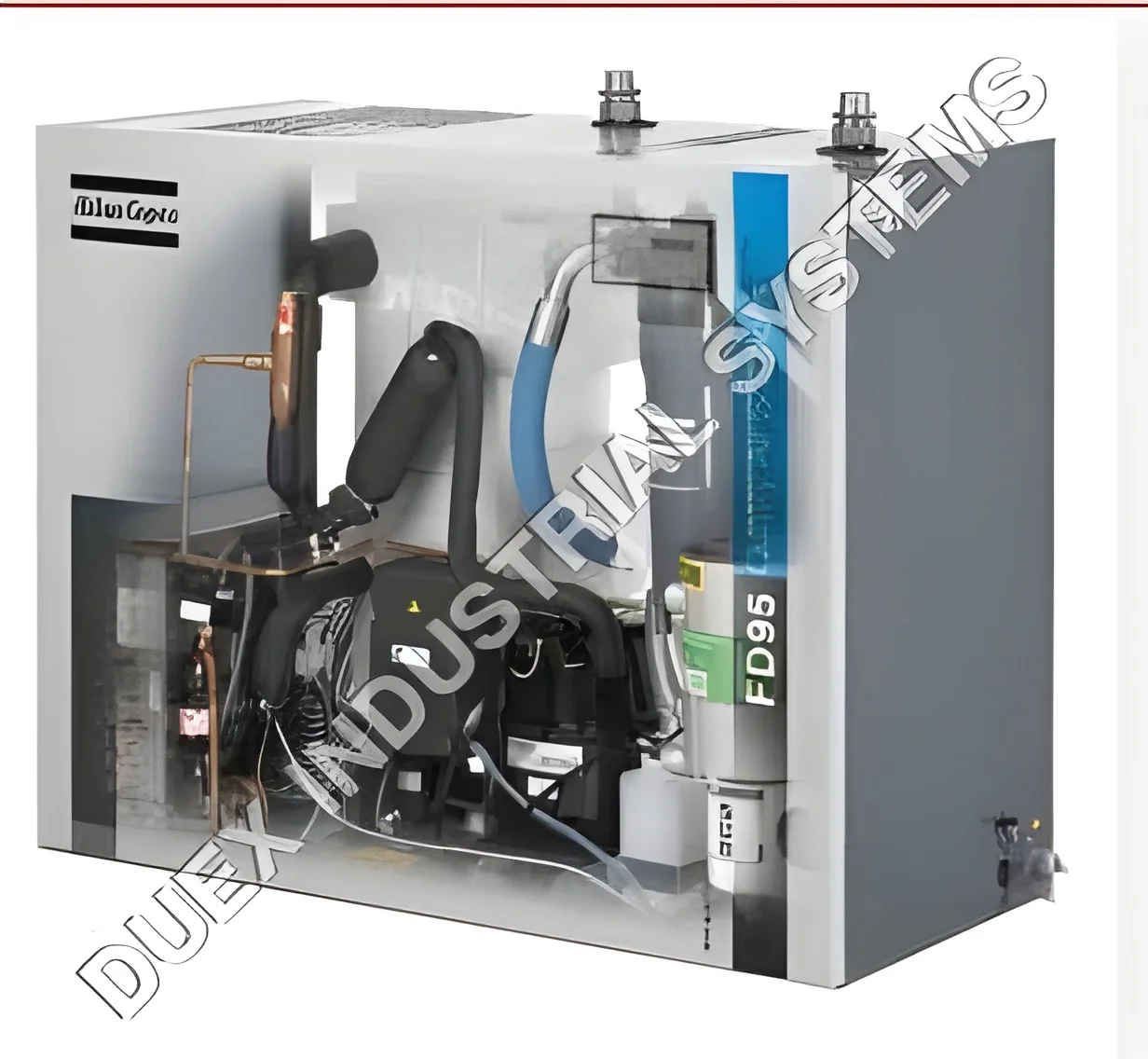
Industrial Dehumidifiers
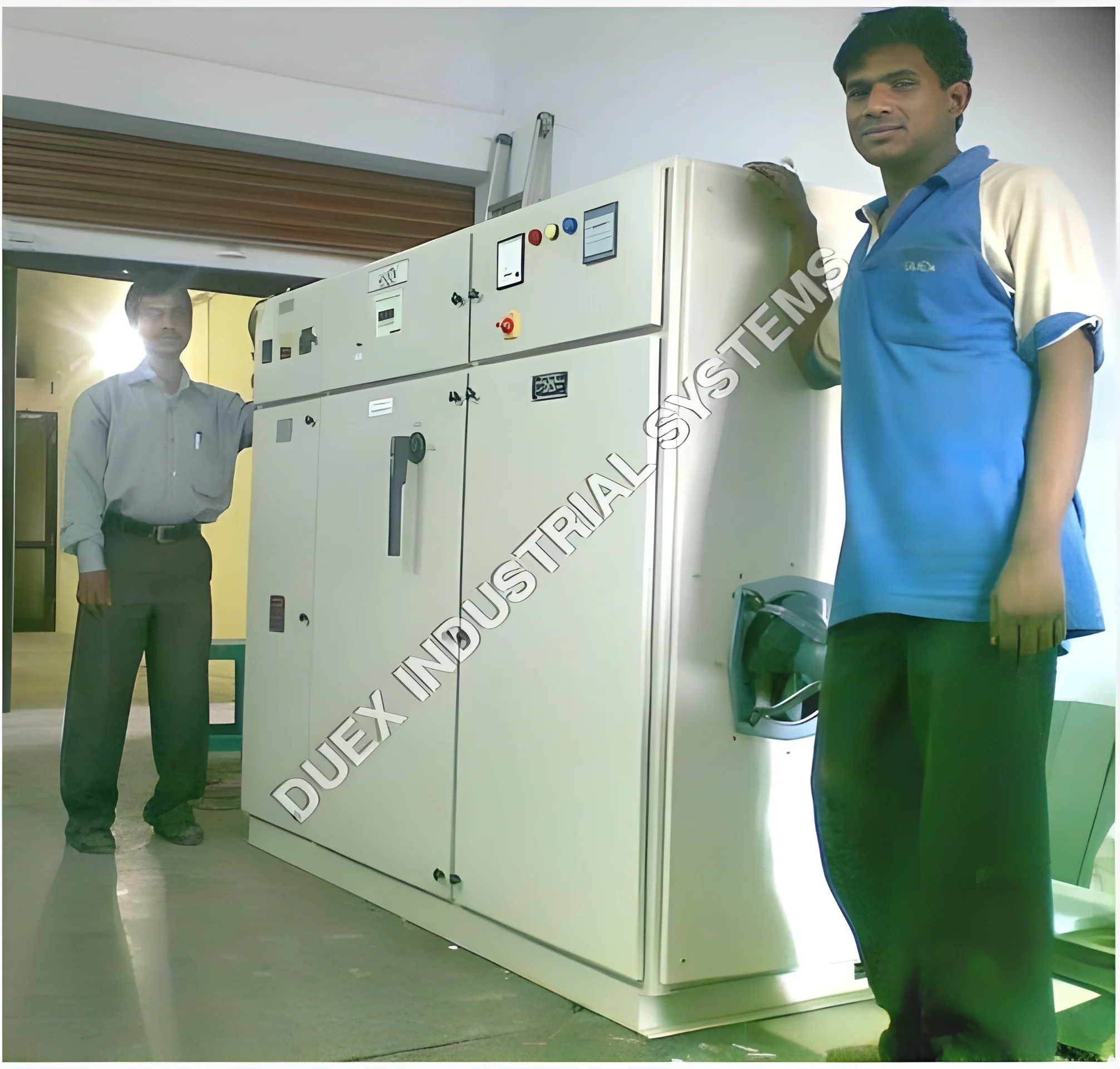
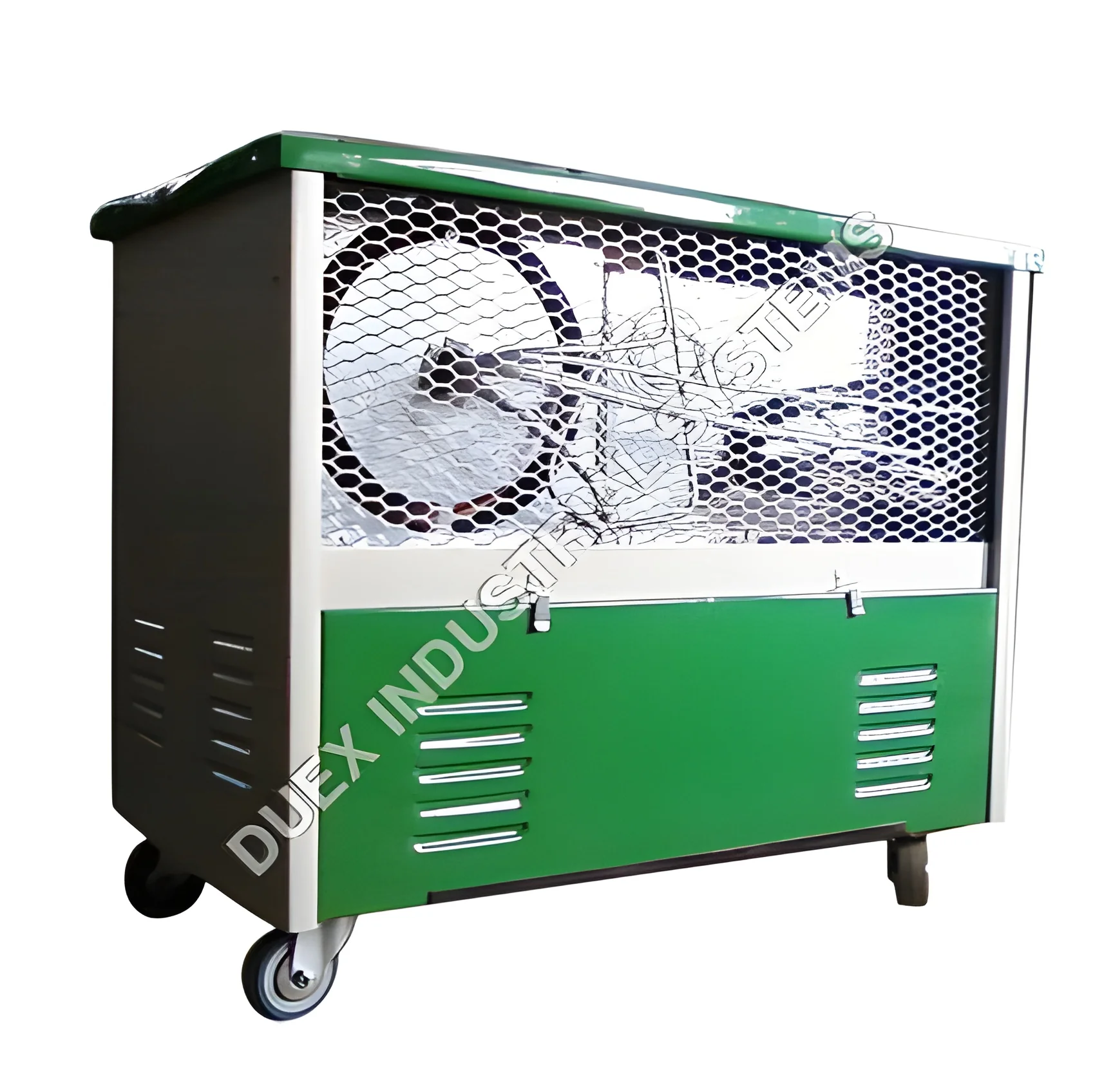
Engineered for high-capacity moisture removal, these units are used in large-scale operations such as manufacturing and warehousing. They are built to withstand demanding conditions and provide continuous operation.
Benefits and Advantages
Investing in dehumidifiers provides numerous advantages for businesses aiming to improve their operational efficiency.
Key benefits include:
1. Improved Air Quality: By reducing humidity, dehumidifiers help to eliminate allergens, dust mites, and mold, creating a healthier environment for employees and customers.
2. Equipment Longevity: Lower humidity levels help protect machinery and equipment from moisture damage, reducing maintenance costs and extending lifespan.
3. Enhanced Product Quality: In industries like food and pharmaceuticals, maintaining optimal humidity is crucial for product integrity, ensuring higher quality standards.
4. Energy Efficiency: Modern dehumidifiers are designed to operate efficiently, reducing energy costs while effectively managing humidity levels.
5. Increased Comfort: For businesses in hospitality or retail, maintaining comfortable humidity levels improves customer satisfaction and experience.
6. Regulatory Compliance: In many industries, adhering to specific humidity levels is a regulatory requirement. Dehumidifiers help ensure compliance with these standards.
Buying Guide for B2B Buyers
When sourcing dehumidifiers, B2B buyers should consider several critical factors to ensure they select the right equipment for their needs.
1. Quality Assessment: Evaluate the build quality and reliability of the units. Look for certifications and reviews from other businesses to gauge performance and durability.
2. Supplier Verification: It is vital to vet suppliers by checking their credentials and reputation in the market. Reliable suppliers should provide warranties and support services.
3. Pricing and MOQ: Understand the pricing structure and any minimum order quantities that may apply. This information helps in budgeting and planning purchases.
4. Delivery and Lead Times: Discuss delivery schedules with suppliers to ensure timely acquisition of equipment. This aspect is crucial for project planning and operational continuity.
5. Compliance Requirements: Ensure that the dehumidifiers comply with relevant industry standards and regulations. This consideration is particularly important in regulated industries such as pharmaceuticals and food processing.
Compliance and Certifications
Dehumidifiers must adhere to various compliance standards and certifications to ensure safety and effectiveness.
Relevant quality standards such as ISO 9001 provide a framework for quality management systems, helping manufacturers meet customer and regulatory requirements. Compliance with HACCP (Hazard Analysis Critical Control Point) is also critical for industries like food processing, where controlling humidity is essential for food safety.
Industry certifications, such as CE marking, indicate that the product meets European Union safety, health, and environmental protection standards. This certification is crucial for products sold in European markets.
Safety and testing requirements vary by region and application. It is essential for manufacturers to conduct rigorous testing to ensure that their dehumidifiers perform reliably under specified conditions. Additionally, businesses should be aware of regional compliance considerations, as regulations may differ across countries.
Why Source Dehumidifiers from Pepagora?
Pepagora is a trusted platform for sourcing dehumidifiers, offering several key advantages to B2B buyers.
Verified Supplier Network: Pepagora connects buyers with a network of verified suppliers who meet stringent quality and reliability standards. This network ensures that buyers can source high-quality products with confidence.
Streamlined RFQ Process: The platform features a user-friendly Request for Quotation (RFQ) process, allowing buyers to easily compare offers from multiple suppliers. This efficiency helps businesses make informed purchasing decisions.
Trade Assurance and Support: Pepagora provides trade assurance services that protect buyers' investments. This support includes dispute resolution and buyer protection, ensuring a secure purchasing experience.
Regional Coverage: With a presence in markets like India, the GCC, and Southeast Asia, Pepagora offers extensive regional coverage. This reach enables businesses to connect with local suppliers and meet their specific needs effectively.

 IN
IN