What are Ceiling & Pedestal Fans?
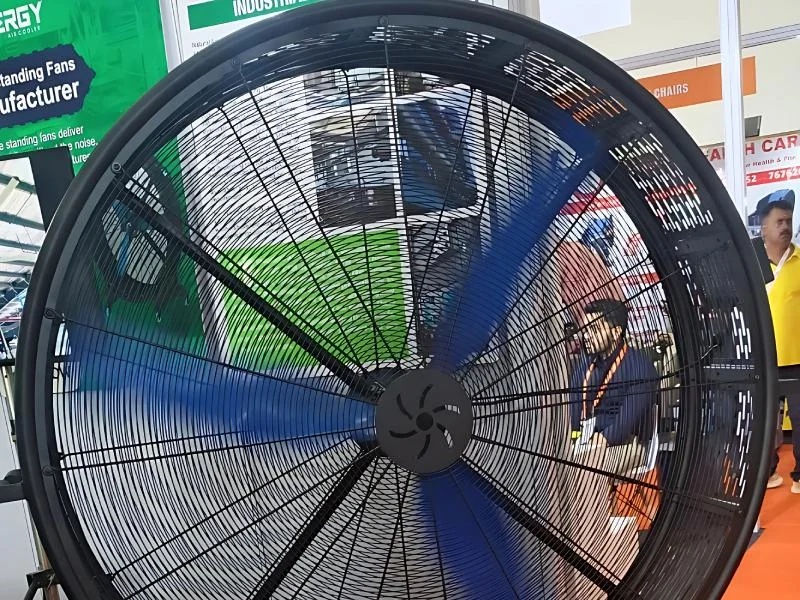
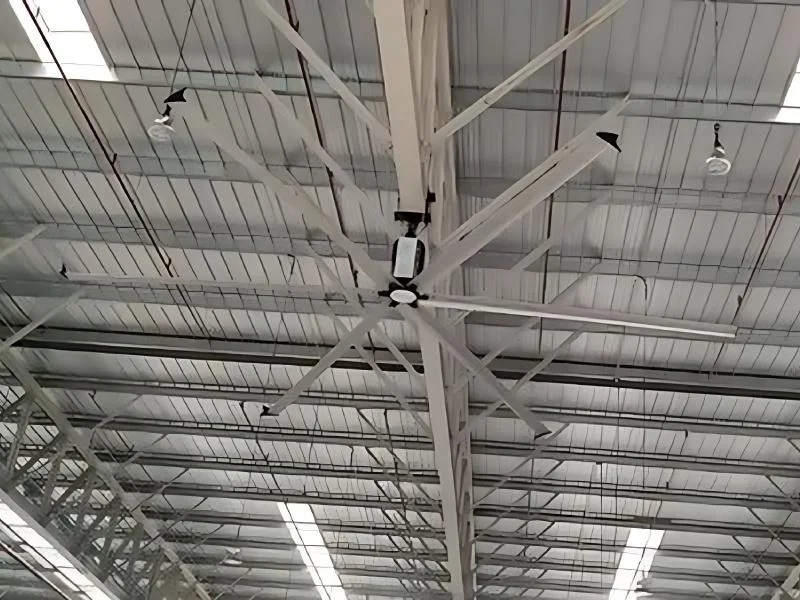
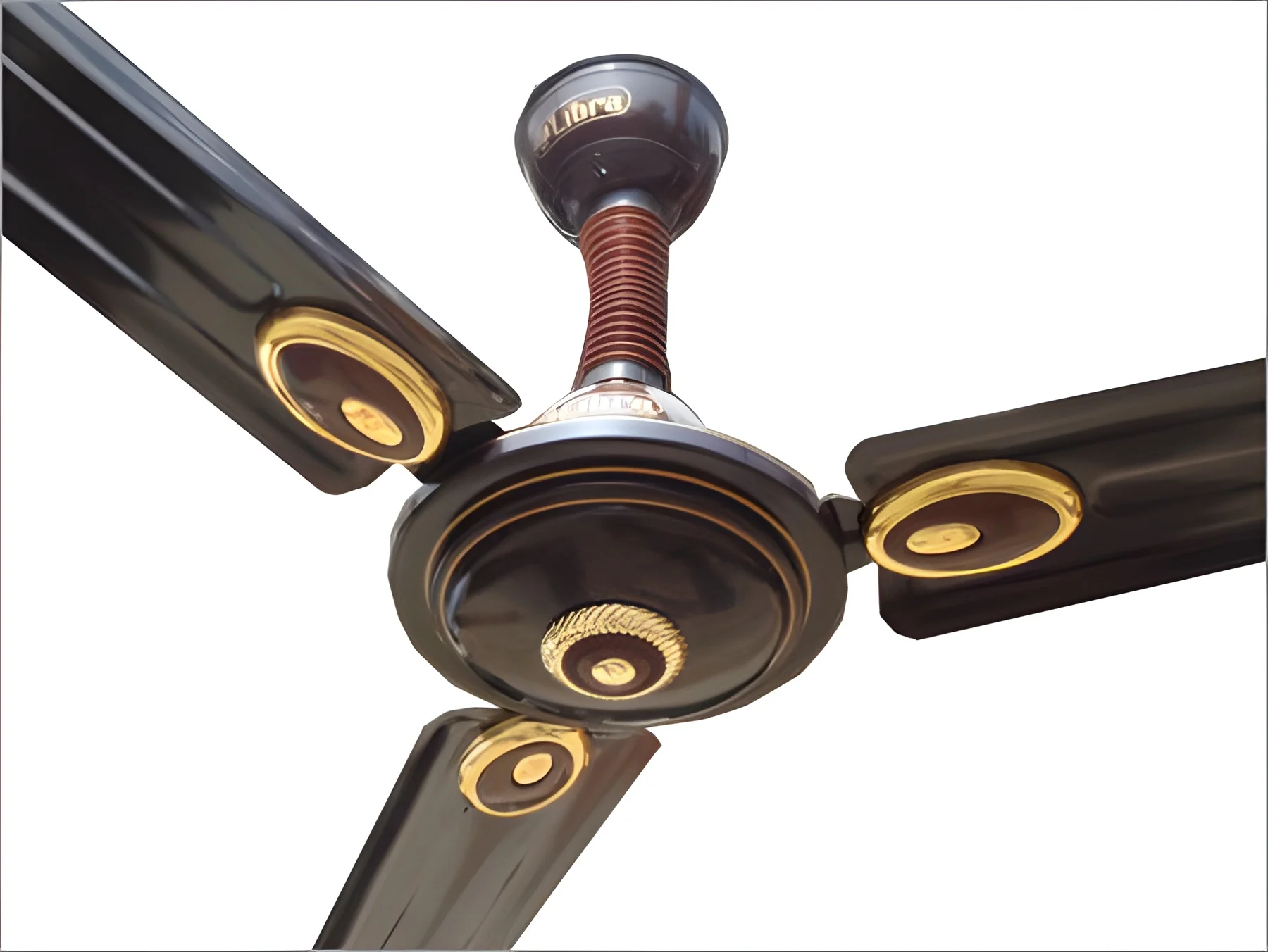
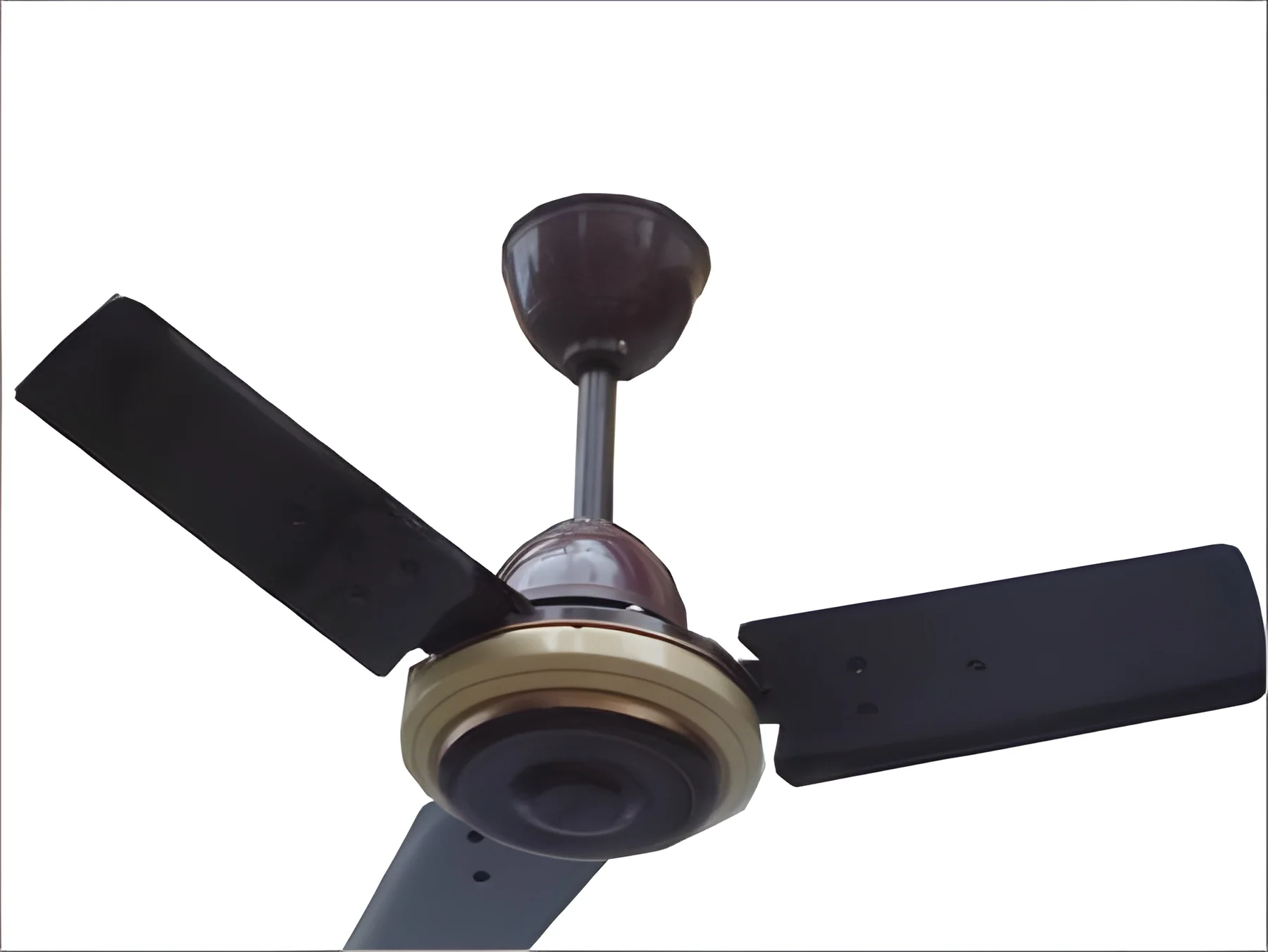
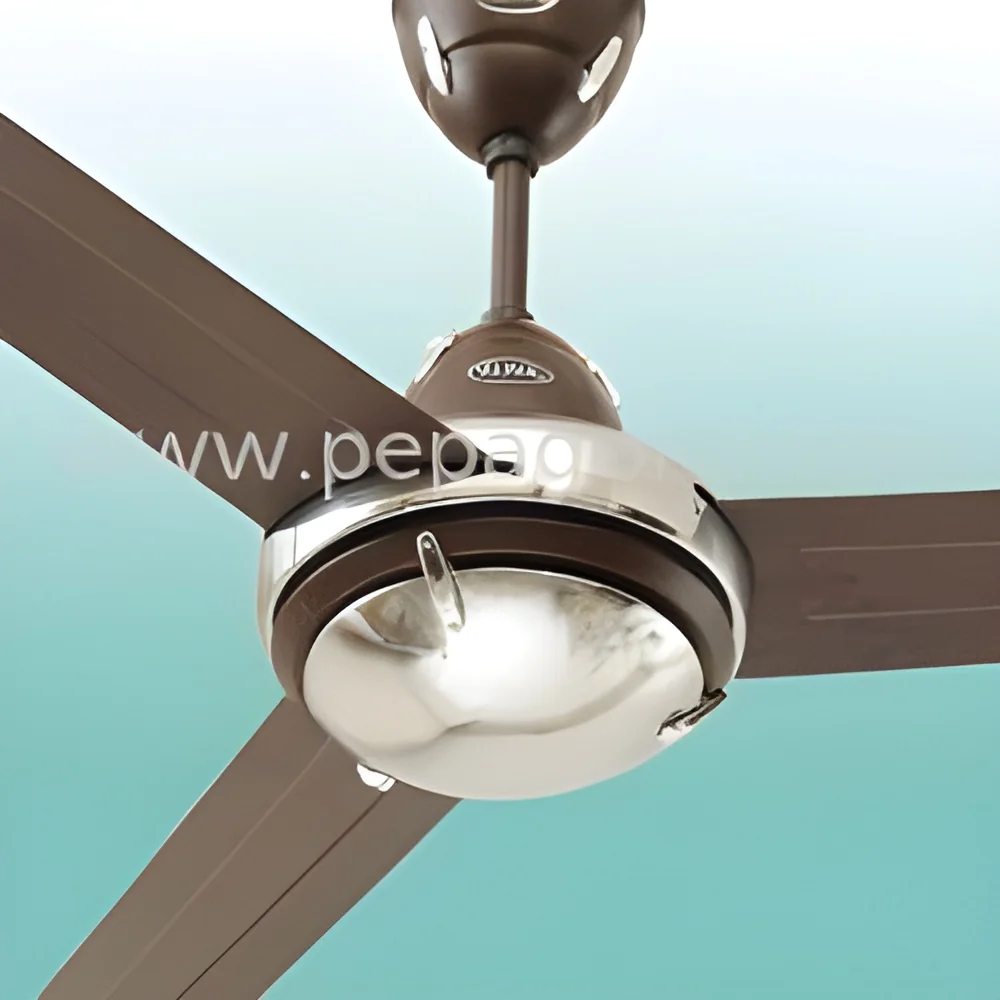
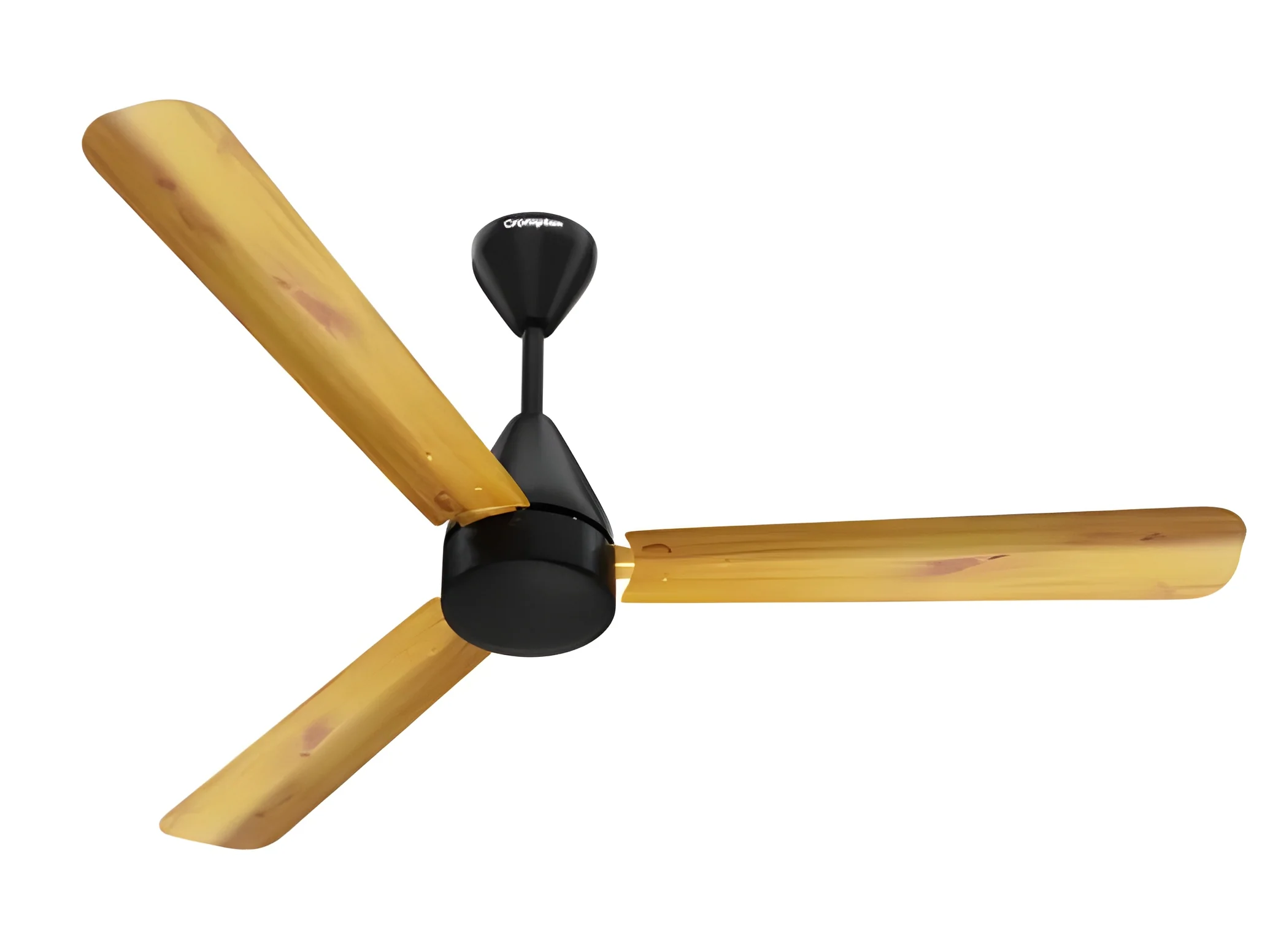
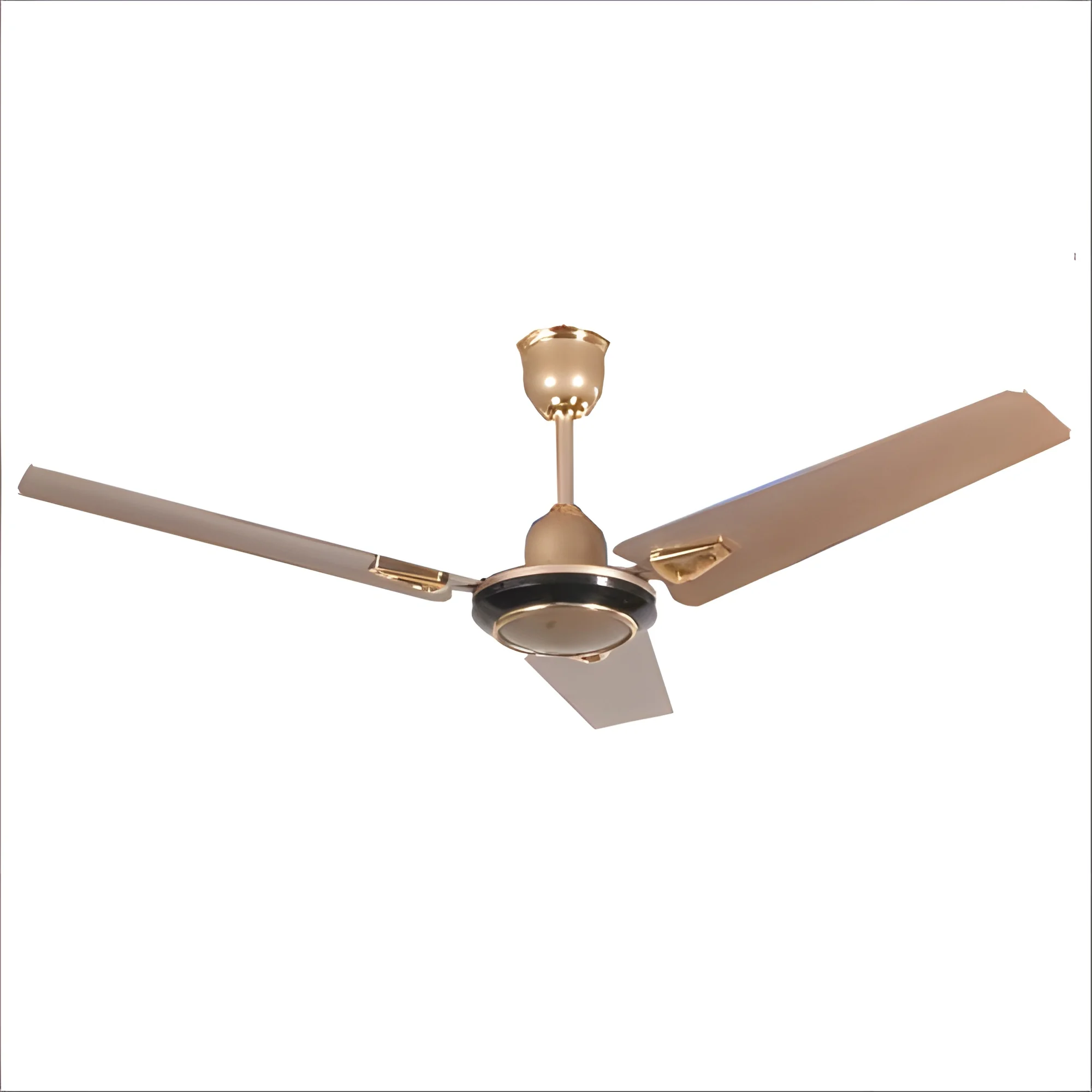
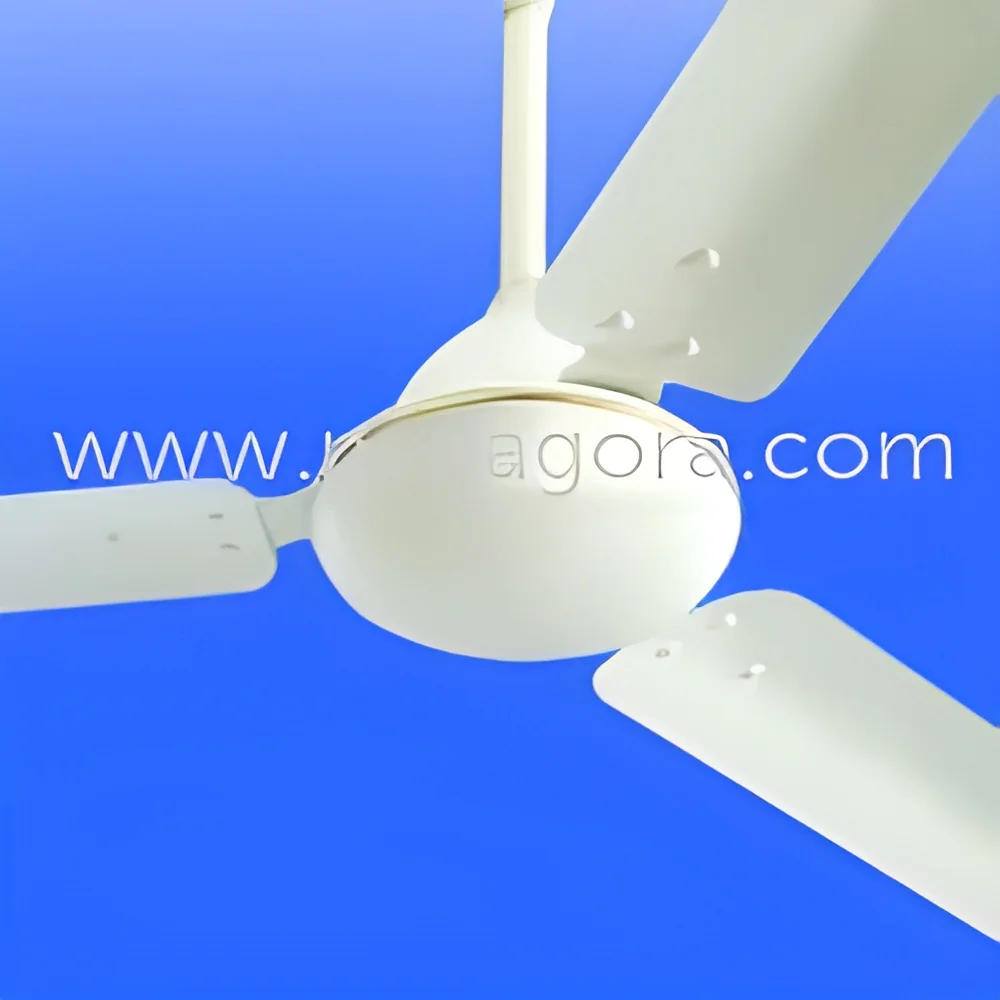
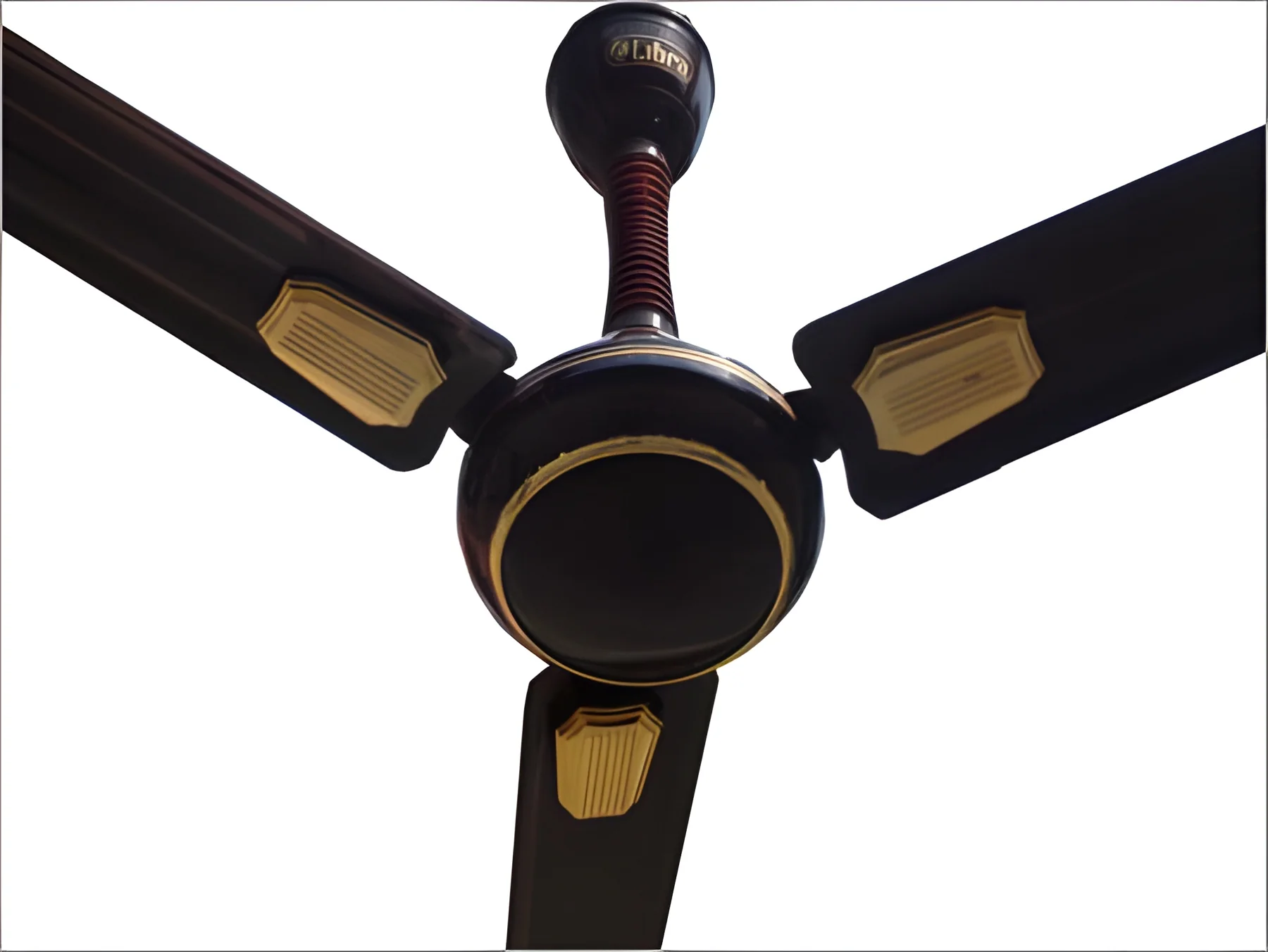
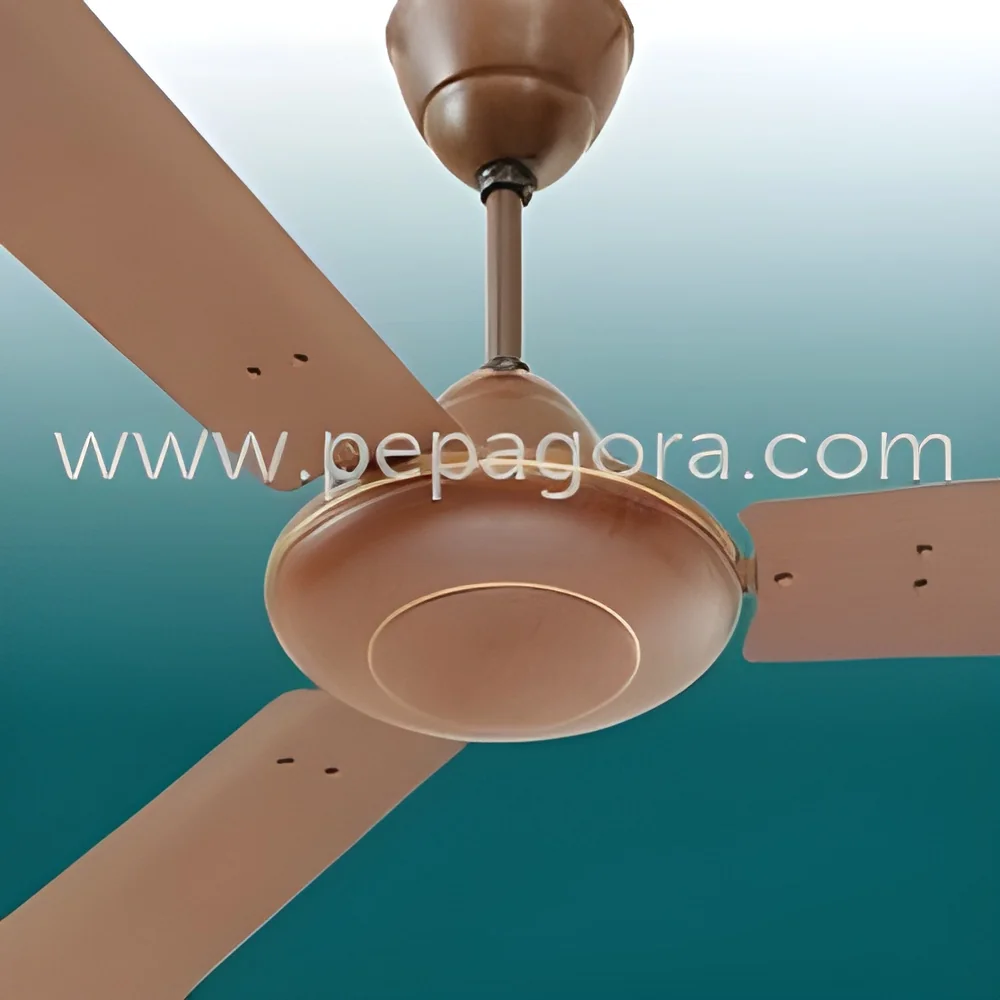
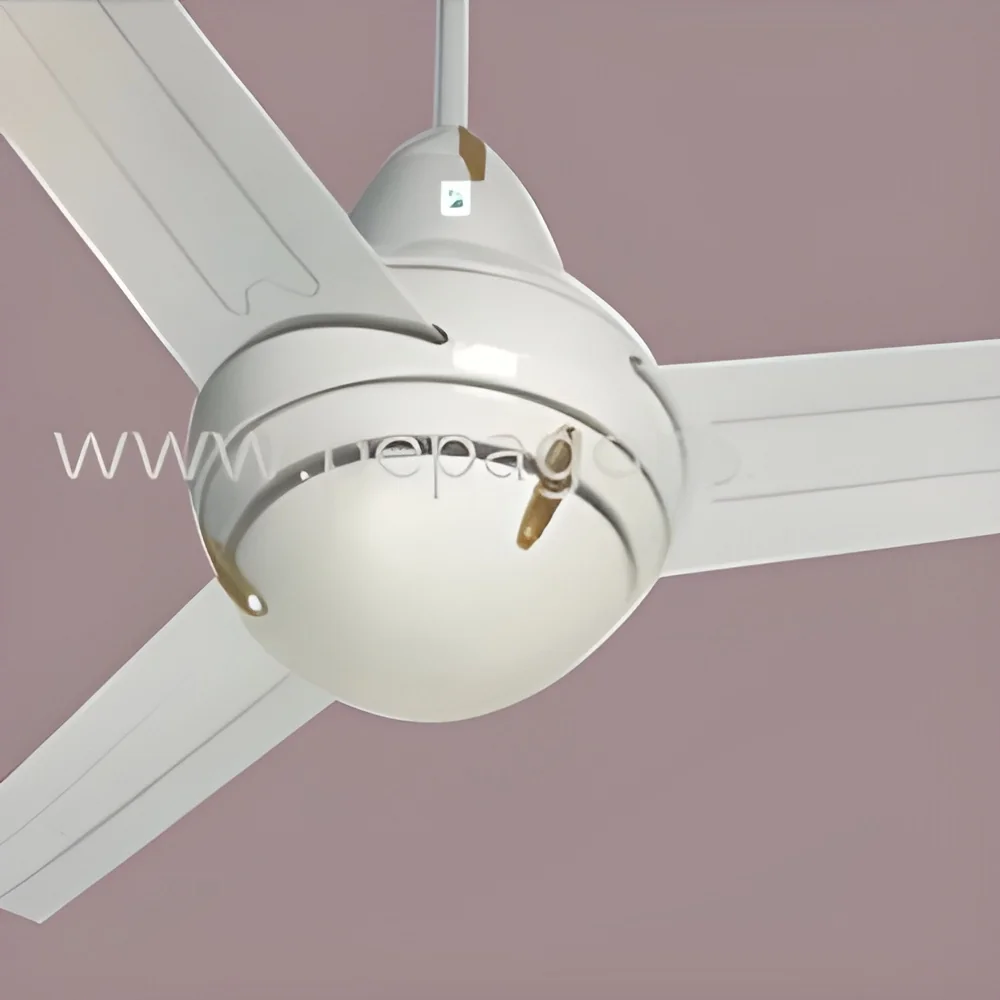
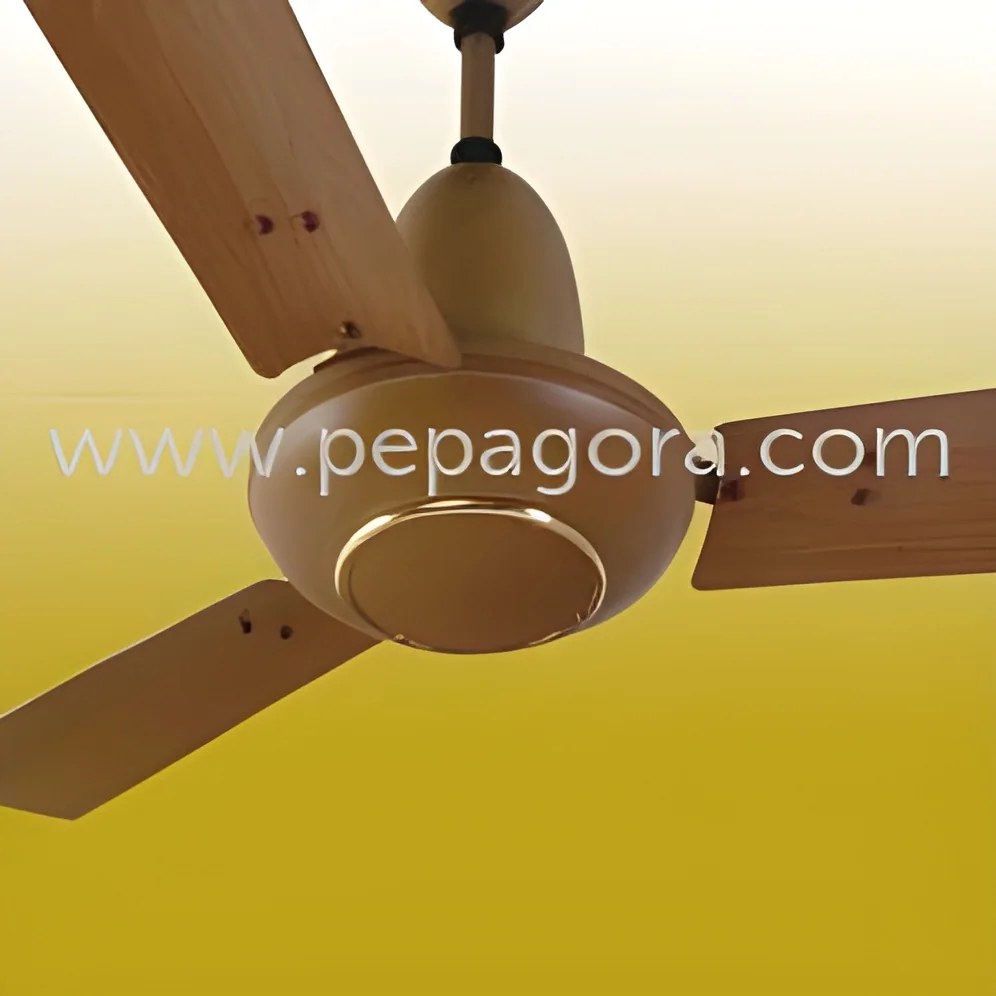
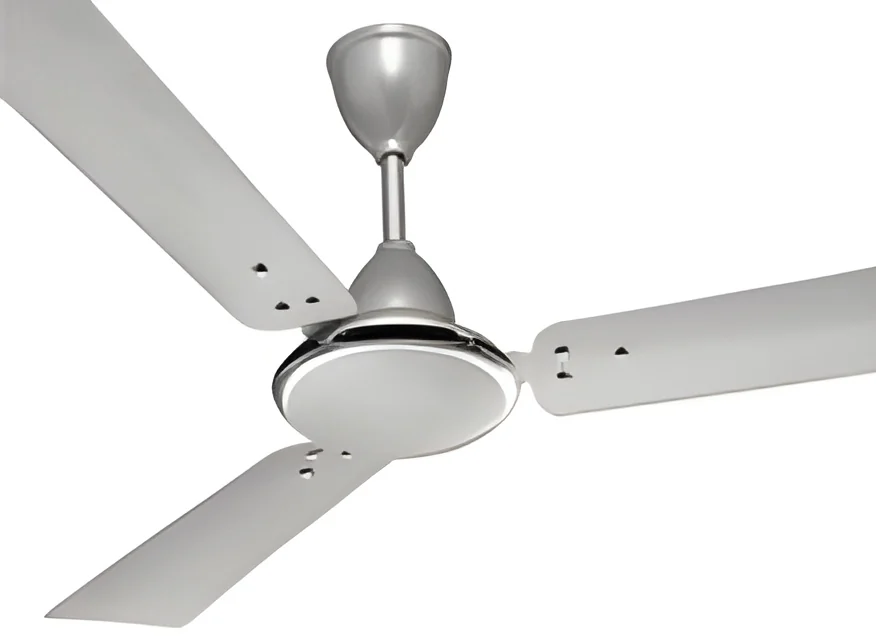
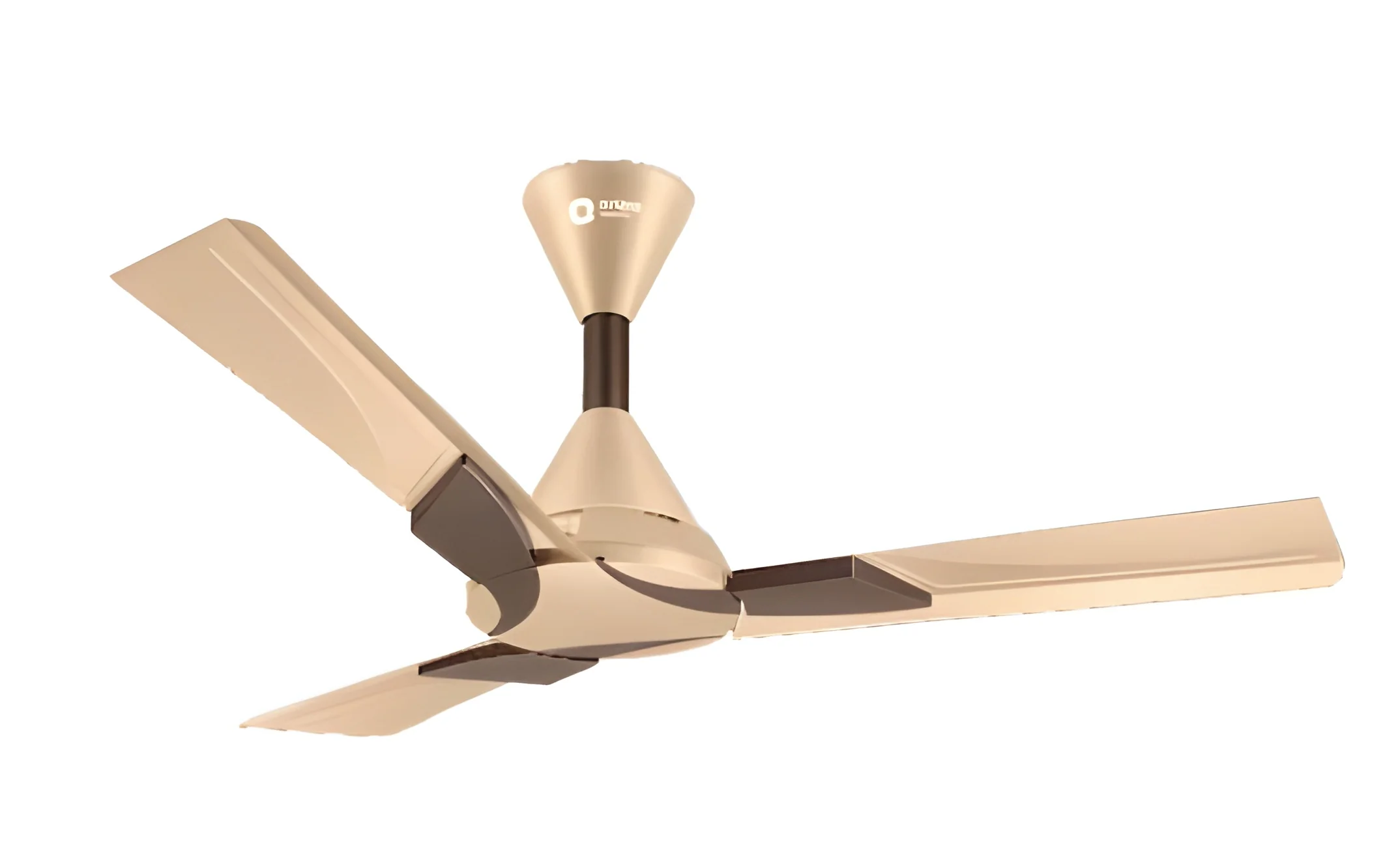
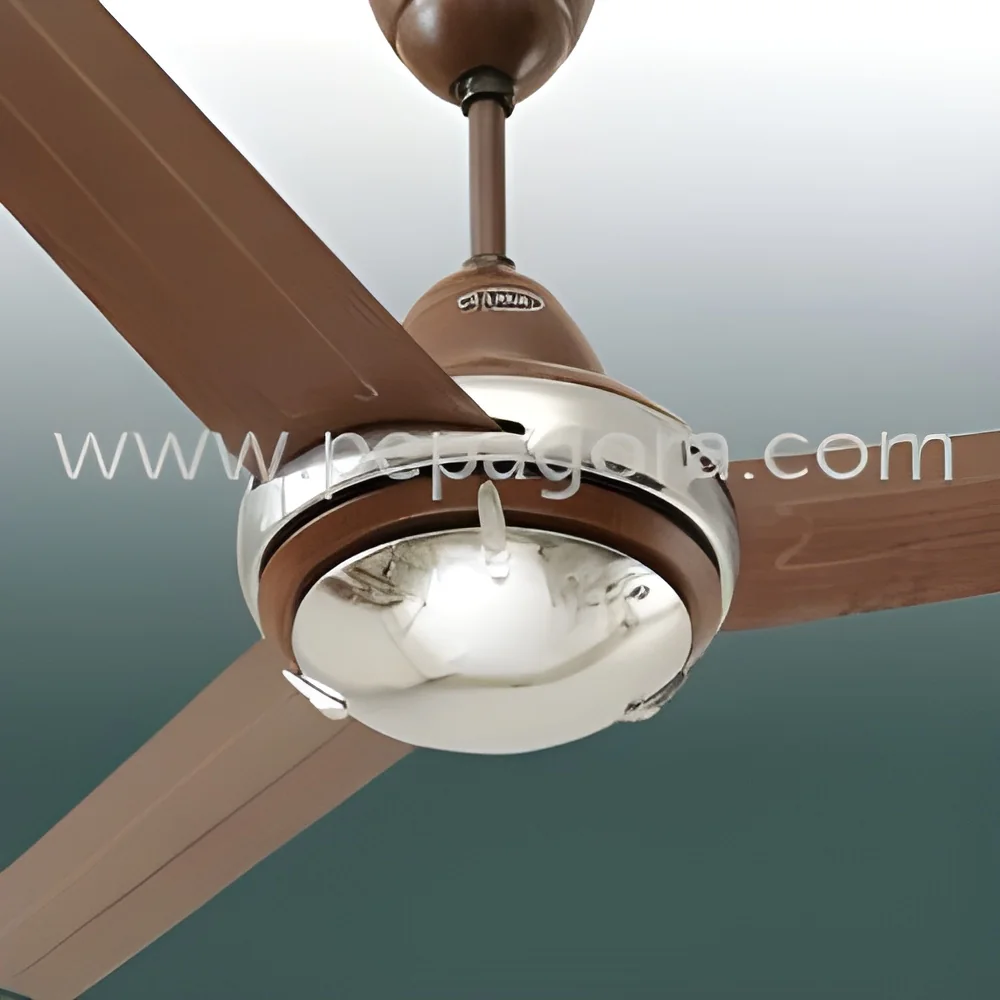
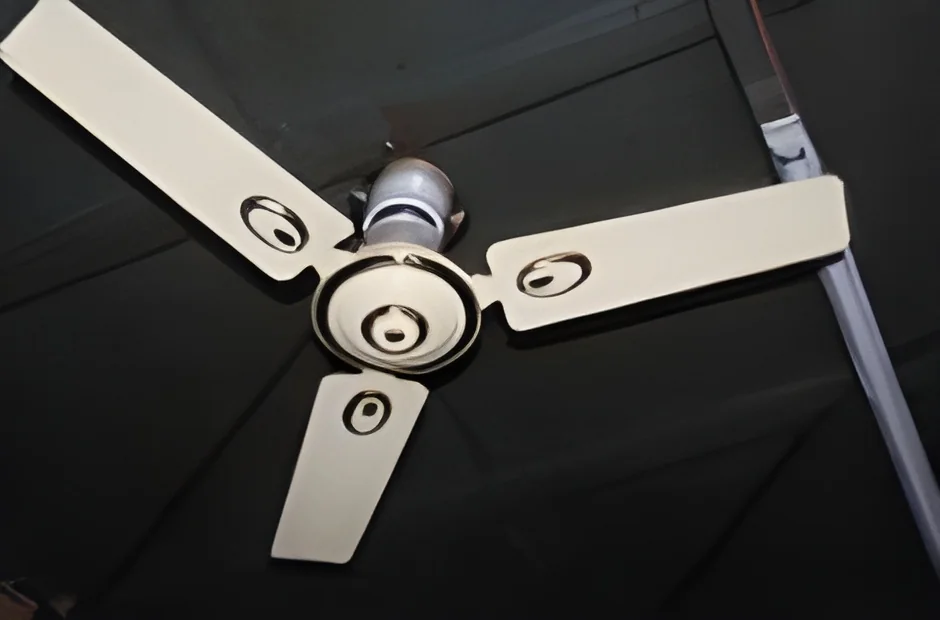
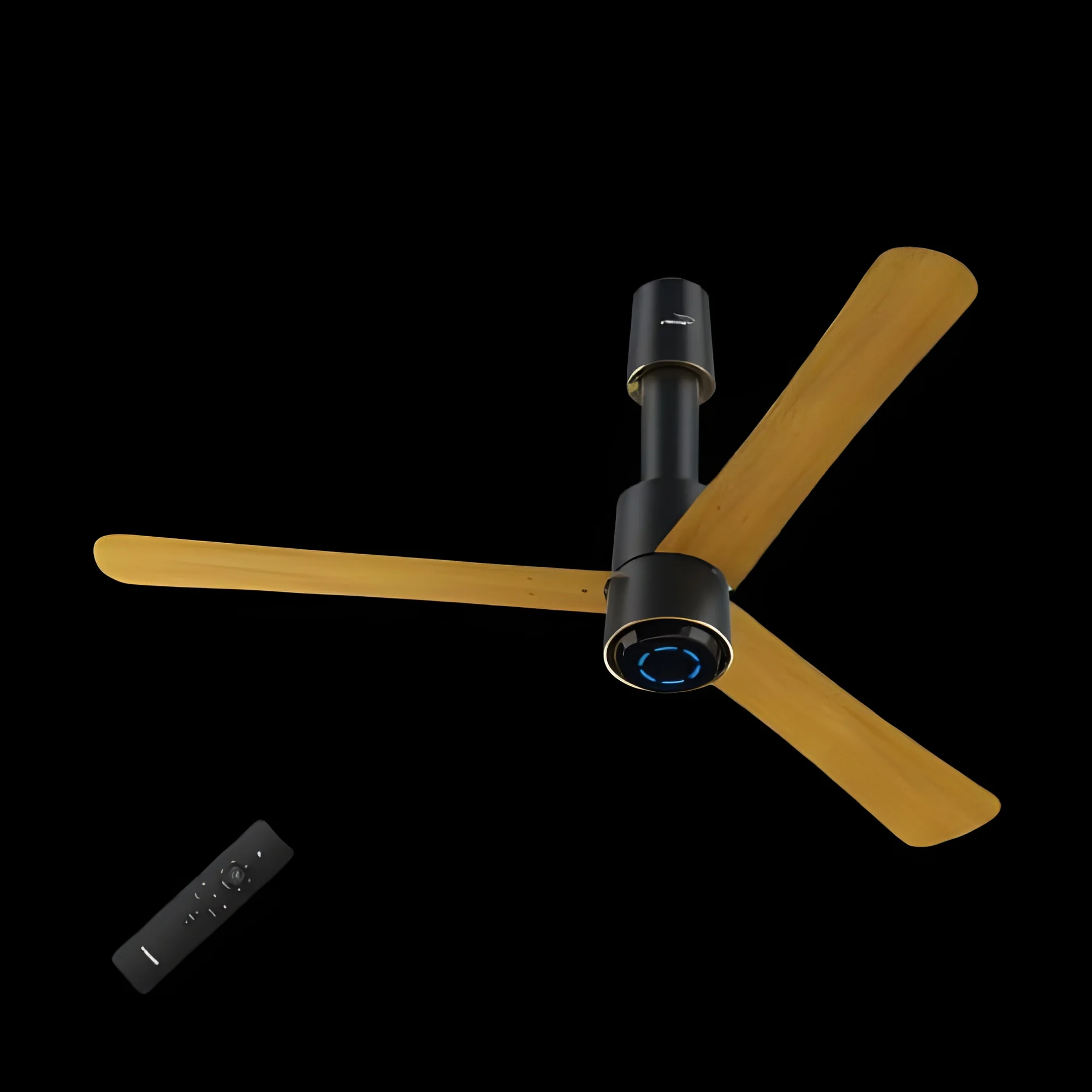
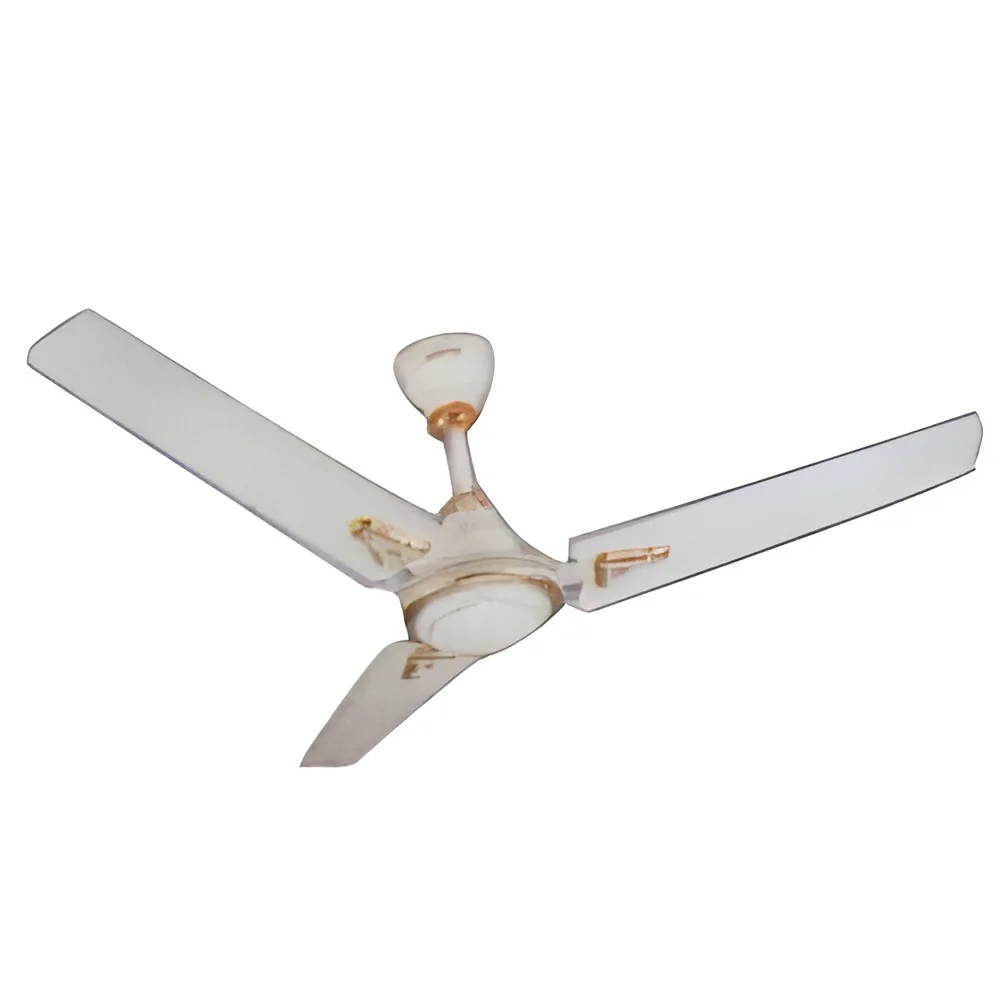
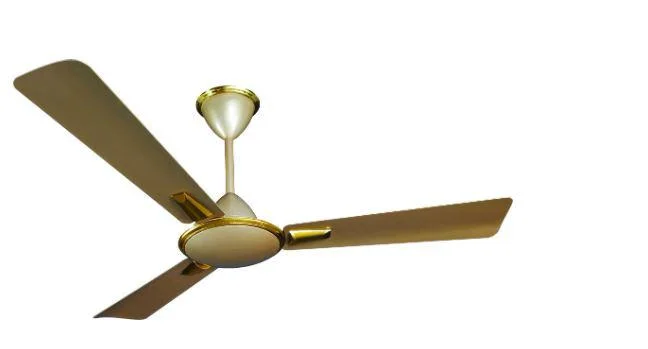
Ceiling and pedestal fans are essential appliances designed to improve air circulation and enhance comfort in various environments. Ceiling fans are typically mounted on the ceiling and come with blades that rotate to create a cooling breeze, while pedestal fans are freestanding units that can be adjusted in height and angle. Both types of fans are engineered to provide effective airflow, making them popular choices for both residential and commercial spaces.
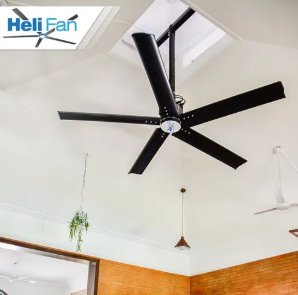
These fans are primarily used in settings such as offices, warehouses, retail spaces, and homes. They help maintain a comfortable atmosphere, particularly in warm climates. In addition to cooling, they can also be utilized for air circulation during winter months, supporting heating systems by distributing warm air more evenly. The relevance of ceiling and pedestal fans in today’s market is significant, especially as businesses focus on energy efficiency and cost-effective climate control solutions.
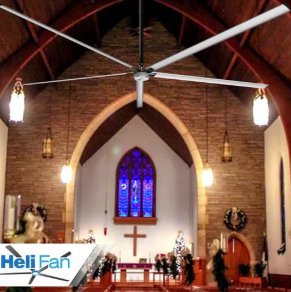
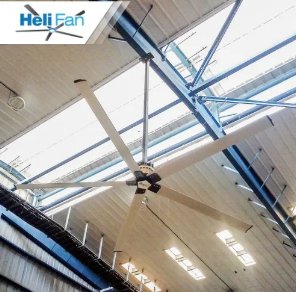
The industrial sector particularly benefits from these fans, as they can reduce reliance on air conditioning systems while maintaining a comfortable working environment. With advancements in technology, modern ceiling and pedestal fans are designed to be energy-efficient and equipped with various features, catering to the specific needs of different industries.
Key Features and Specifications
Ceiling and pedestal fans come with a range of features designed to enhance functionality and user experience. Understanding these specifications is crucial for making informed purchasing decisions.
Key specifications include:
1. Power Consumption
- Typically ranges from 50 to 100 watts for ceiling fans.
- Pedestal fans may vary, often falling between 40 to 75 watts.
2. Blade Size
- Ceiling fans usually have blade lengths ranging from 36 to 60 inches.
- Pedestal fans generally feature blades that are 12 to 20 inches in diameter.
3. Speed Settings
- Most fans offer multiple speed settings, often ranging from three to five speeds.
- This allows users to customize airflow based on their comfort needs.
4. Noise Levels
- Designed for quiet operation, noise levels typically range from 30 to 50 decibels.
- Ideal for use in offices and residential areas where noise is a concern.
5. Material Construction
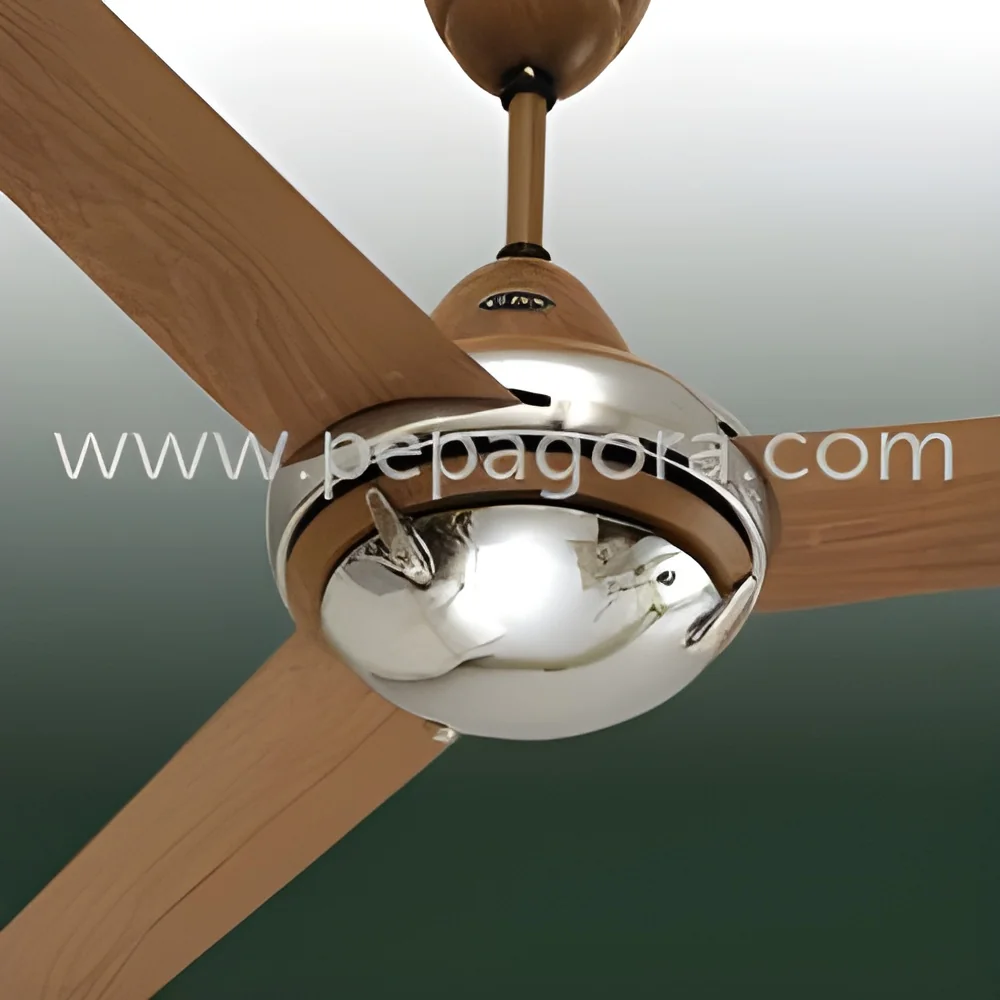
- Blades may be made from wood, metal, or plastic, impacting durability and aesthetics.
- Motor housings are often constructed from robust materials to ensure longevity.
6. Control Options
- Ceiling fans may come with remote controls or wall switches for easy operation.
- Pedestal fans often feature adjustable height and oscillation capabilities for versatile use.
7. Energy Efficiency Ratings
- Many fans meet energy efficiency standards, often rated for their performance.
- Look for models with high ratings to reduce operational costs.
8. Design Variations
- Available in various styles, colors, and finishes to complement different decors.
- Some models are designed specifically for outdoor use, featuring weather-resistant materials.
Choosing the right specifications based on business needs can lead to improved comfort and efficiency.
Common Applications and Use Cases
Ceiling and pedestal fans serve a wide array of industries, enhancing air circulation and comfort.
1. Commercial Offices: Fans are frequently used to improve air circulation in office spaces, reducing reliance on air conditioning and creating a pleasant work environment.
2. Retail Stores: In retail settings, ceiling fans help maintain a comfortable atmosphere for shoppers, encouraging longer visits and increased sales.
3. Warehouses: These fans are employed in warehouses to provide consistent airflow, ensuring a safe and comfortable working environment for employees.
4. Hospitality: Hotels and restaurants utilize fans to enhance guest comfort, particularly in outdoor dining areas and lobbies.
5. Manufacturing Facilities: In manufacturing settings, ceiling and pedestal fans help regulate temperature and improve air quality, contributing to employee productivity.
6. Residential Spaces: Homeowners often install ceiling fans in living rooms, bedrooms, and outdoor patios to improve comfort and reduce energy costs.
7. Fitness Centers: Gyms use pedestal fans to keep air circulating, providing a more pleasant workout environment for members.
Product Variants and Subcategories
Ceiling and pedestal fans come in various designs to cater to different user preferences and needs.
Ceiling Fan Variants
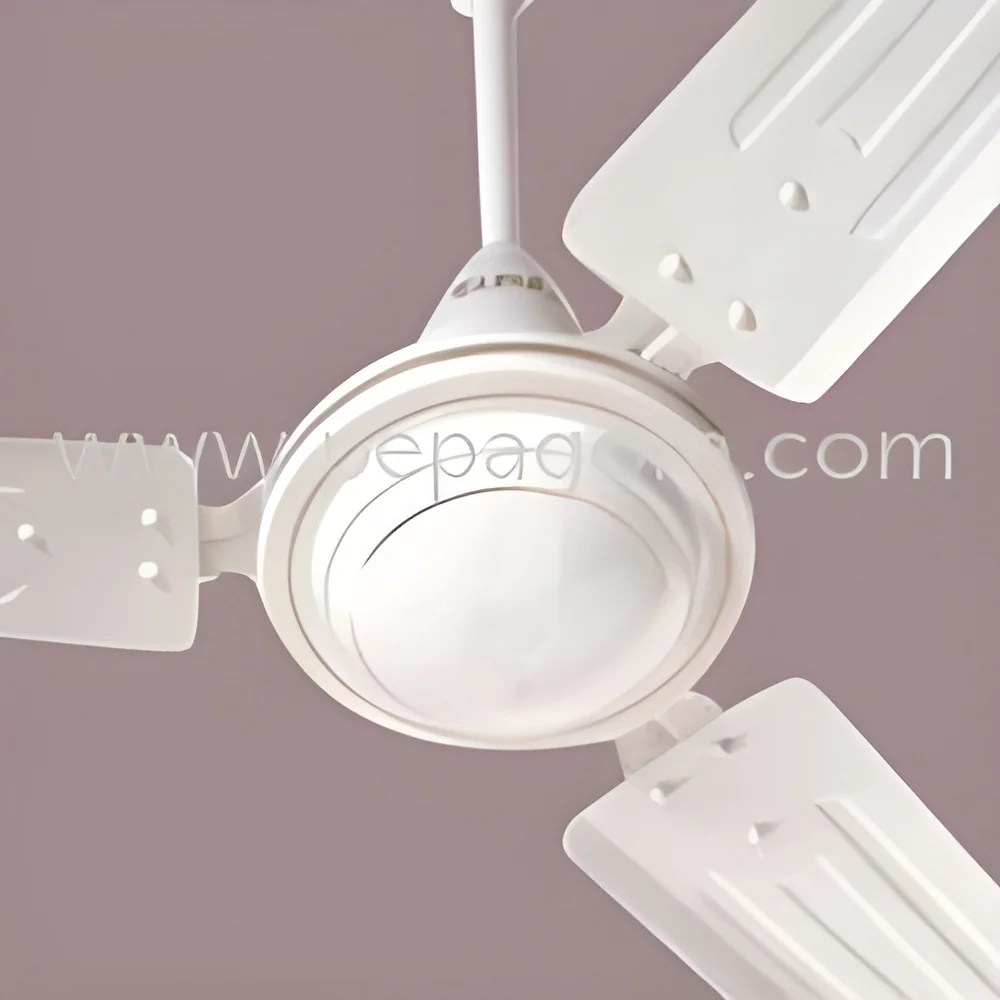
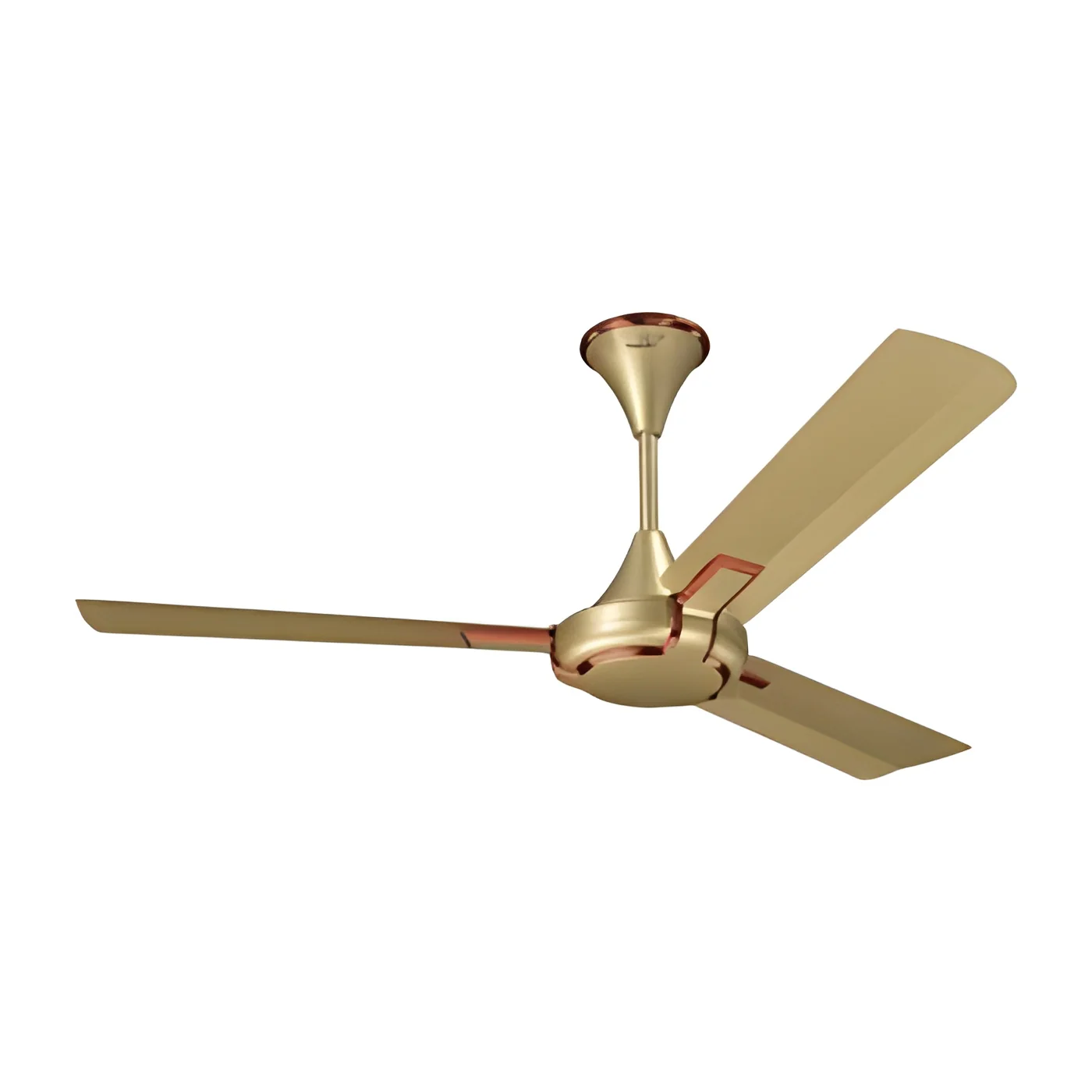
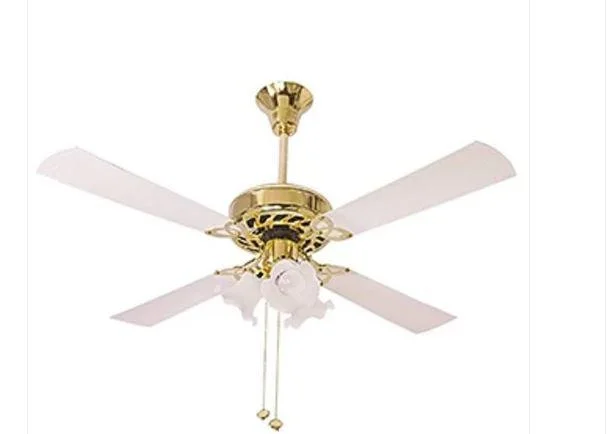
These fans are designed for permanent installation on ceilings. They come with features such as multiple speed settings, remote controls, and stylish designs to complement interior aesthetics.
Pedestal Fan Variants
Freestanding and adjustable in height, pedestal fans are versatile for various applications. They often feature oscillation and tilt options, making them ideal for cooling larger spaces.
Benefits and Advantages
Investing in ceiling and pedestal fans offers numerous advantages for businesses.
1. Energy Efficiency: These fans are designed to operate using minimal electricity, contributing to lower energy bills compared to air conditioning systems.
2. Improved Air Circulation: They enhance airflow in any space, helping to maintain a comfortable environment year-round.
3. Cost-Effective Solutions: Fans provide an economical method to cool spaces without the high costs associated with installing HVAC systems.
4. Versatility: Ceiling and pedestal fans can be used in numerous settings, from homes to industrial environments, making them a flexible choice.
5. Aesthetic Appeal: With a variety of styles and finishes available, fans can enhance the visual appeal of a space while remaining functional.
6. Easy Installation and Maintenance: Many fans are straightforward to install and require minimal maintenance, allowing for hassle-free operation.
Buying Guide for B2B Buyers
When sourcing ceiling and pedestal fans for business needs, several factors should be considered.
1. Quality Assessment: Evaluate the quality of materials and construction. Look for fans with durable components that can withstand continuous use.
2. Supplier Verification: Research and vet suppliers to ensure they are reputable and provide reliable products. Check for reviews and references.
3. Pricing and MOQ: Understand pricing structures and minimum order quantities. Negotiate terms that align with your budget and needs.
4. Delivery and Lead Times: Assess the supplier’s ability to meet delivery timelines. Timely delivery is critical for maintaining operational efficiency.
5. Compliance Requirements: Ensure that the fans comply with relevant safety and industry standards. This may include certifications and regulatory guidelines specific to your region.
Compliance and Certifications
Compliance with industry standards is essential for ensuring safety and reliability in ceiling and pedestal fans. Relevant quality standards include ISO 9001, which focuses on effective quality management systems. This certification assures buyers that the products meet international quality assurance requirements.
Additionally, CE certification is crucial, particularly for products sold in Europe. This certification indicates that the fans meet safety, health, and environmental protection standards.
Safety testing requirements must also be considered, as they ensure that the fans operate safely under designated conditions. Understanding regional compliance considerations is important, as regulations may vary significantly across different markets.
Why Source Ceiling & Pedestal Fans from Pepagora?
Pepagora provides a trusted platform for sourcing ceiling and pedestal fans with multiple advantages for B2B buyers.
Verified Supplier Network: Pepagora connects buyers with a network of verified suppliers, ensuring reliability and quality in the sourcing process. Each supplier undergoes rigorous checks to maintain high standards.
Streamlined RFQ Process: The Request for Quotation (RFQ) process is simplified, allowing buyers to receive quotes from multiple suppliers efficiently. This saves time and helps in making informed purchasing decisions.
Trade Assurance and Support: Buyers benefit from trade assurance measures, providing protection for transactions. Pepagora offers support throughout the purchasing process to address any concerns.
Regional Coverage: With a presence in India, the GCC, and Southeast Asia, Pepagora offers extensive geographic reach, helping businesses find local suppliers while ensuring access to a broad range of products.

 IN
IN