What are Refrigerators & Freezers?
Refrigerators and freezers are essential appliances used to preserve food and other perishable goods by maintaining a controlled low temperature. Refrigerators operate at temperatures above freezing, generally between 0 to 4 degrees Celsius, while freezers function at temperatures below freezing, typically around -18 degrees Celsius or lower. These appliances utilize a refrigeration cycle to remove heat from the interior, ensuring that items stored inside remain fresh and safe for consumption.
In a business context, refrigerators and freezers are critical in various industries, including food service, healthcare, and retail. They are commonly used in restaurants to store ingredients, in grocery stores to display frozen foods, and in medical facilities to keep pharmaceuticals at safe temperatures. The ability to maintain specific temperature ranges makes them vital for compliance with health regulations and food safety standards.
The market for refrigerators and freezers is expanding, driven by increasing consumer demand for fresh and frozen products. The rise in the food delivery sector and the need for efficient storage solutions in various industries underscore their relevance. As businesses seek to optimize their operations and meet regulatory demands, investing in high-quality refrigeration solutions becomes increasingly essential.
Key Features and Specifications
Refrigerators and freezers come with a range of features and specifications that cater to different business needs. Understanding these specifications helps buyers select the right unit for their operations.
Key specifications include:
1. Temperature Control
- Offers precise temperature settings for optimal preservation
- Typically ranges from -18 to 4 degrees Celsius for refrigerators and below -18 degrees Celsius for freezers
2. Capacity
- Refers to the interior space available for storage
- Measured in liters or cubic feet, suitable for various business scales
3. Energy Efficiency
- Indicates the energy consumption of the unit
- Often rated with energy star certifications for sustainability and cost savings
4. Durability
- Constructed with materials that withstand heavy use
- Ensures long-lasting performance in demanding environments
5. Humidity Control
- Maintains moisture levels to protect food quality
- Essential for certain food items that require specific storage conditions
6. Monitoring Features
- Equipped with alarms and sensors to alert users of temperature fluctuations
- Enhances food safety by ensuring consistent conditions
7. Design and Layout
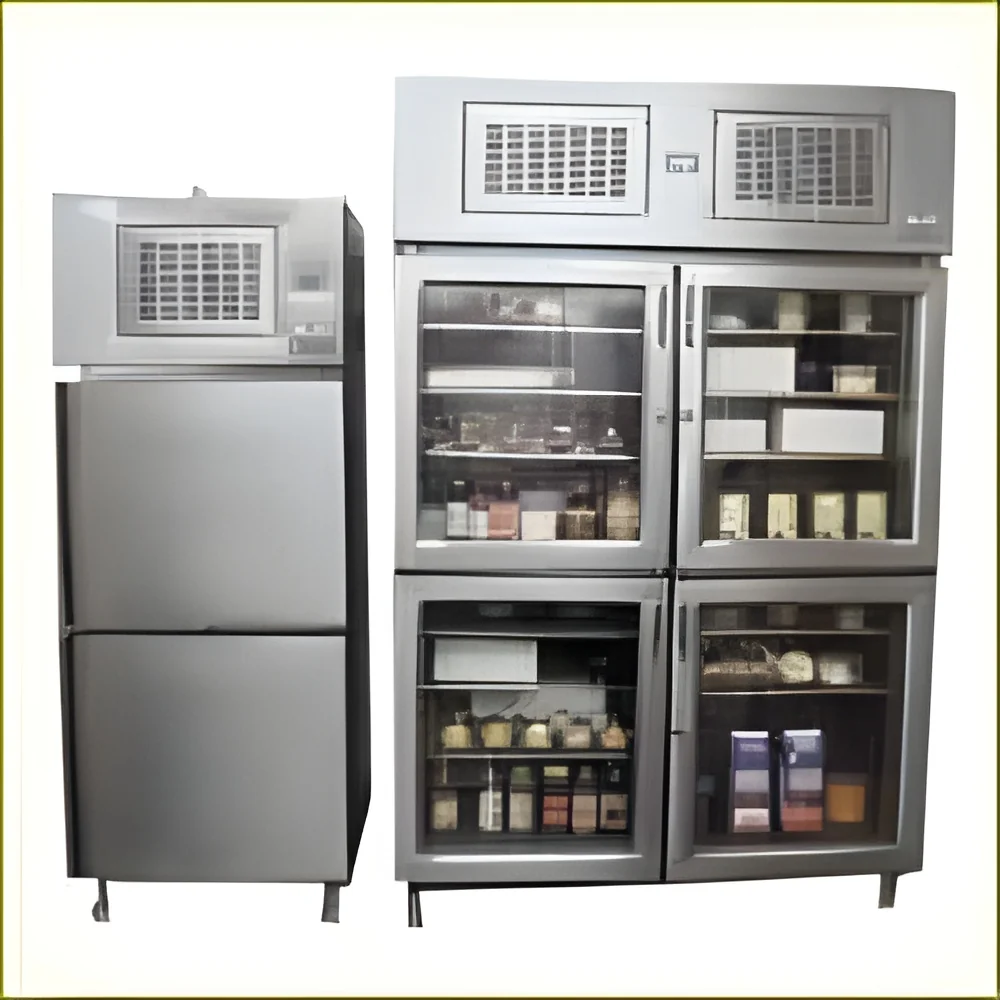
- Includes options for upright, chest, or display configurations
- Facilitates ease of use and accessibility based on location
8. Customization Options
- Allows businesses to tailor specifications to their unique needs
- Can include adjustable shelving, color choices, and branding options
In summary, the right combination of features and specifications ensures that refrigerators and freezers effectively meet the demands of various industries, enhancing operational efficiency and food safety.
Common Applications and Use Cases
Refrigerators and freezers serve diverse industries, each with unique requirements and applications.
1. Food Service Industry: Restaurants and catering services utilize refrigerators for ingredient storage and freezers for frozen goods. These appliances help maintain food quality and safety.
2. Retail Sector: Supermarkets and grocery stores rely on display refrigerators and freezers to showcase products. They play a crucial role in attracting customers and facilitating sales.
3. Healthcare: Hospitals and pharmacies use specialized refrigerators to store vaccines and medications, ensuring they remain within safe temperature ranges.
4. Hospitality: Hotels and resorts depend on refrigerators to keep beverages and perishables for guests. Proper storage enhances guest satisfaction.
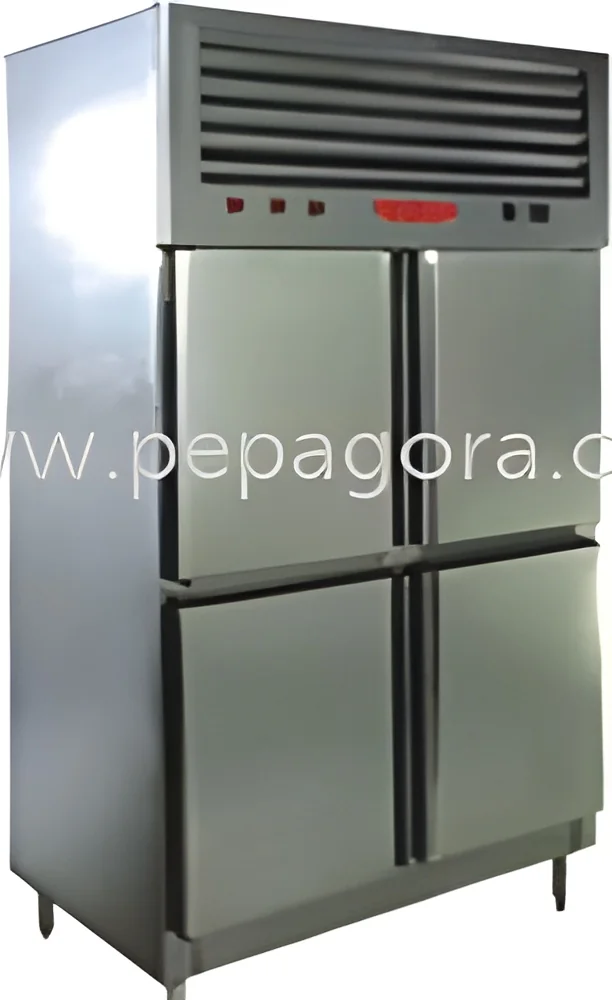
5. Food Processing: Manufacturers require industrial-grade freezers for bulk storage of raw materials and finished products, ensuring product integrity during distribution.
6. Laboratories: Research facilities use refrigerators for preserving biological samples and chemicals, which is critical for experimental integrity.
7. Catering: Mobile catering businesses rely on portable refrigerators and freezers to transport perishable items, ensuring freshness during events.
Product Variants and Subcategories
Refrigerators and freezers come in various forms to accommodate diverse business needs. Each variant is designed with specific features and applications in mind.
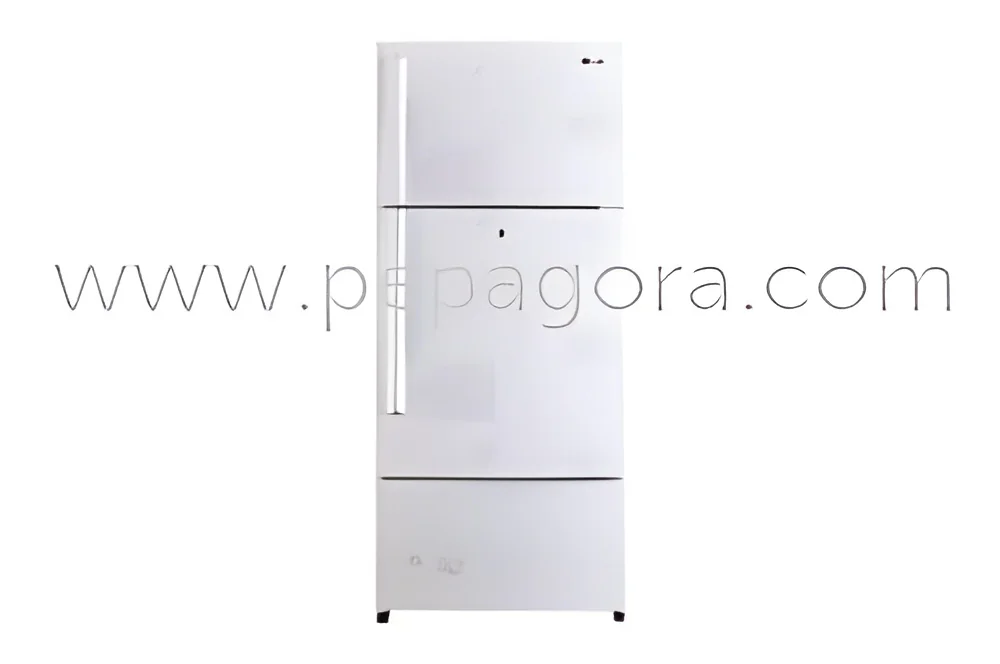
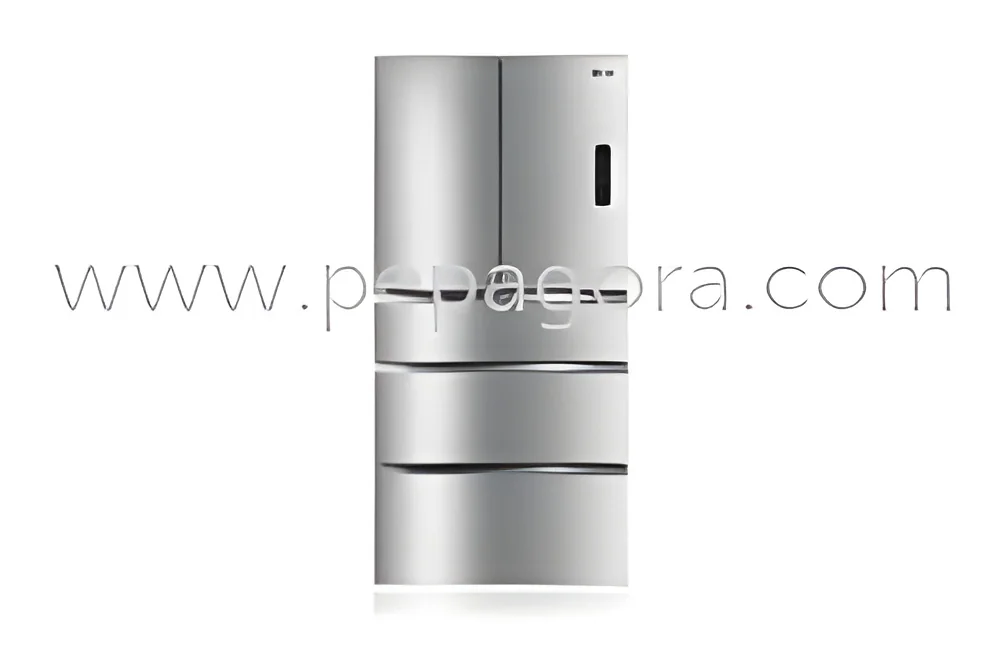
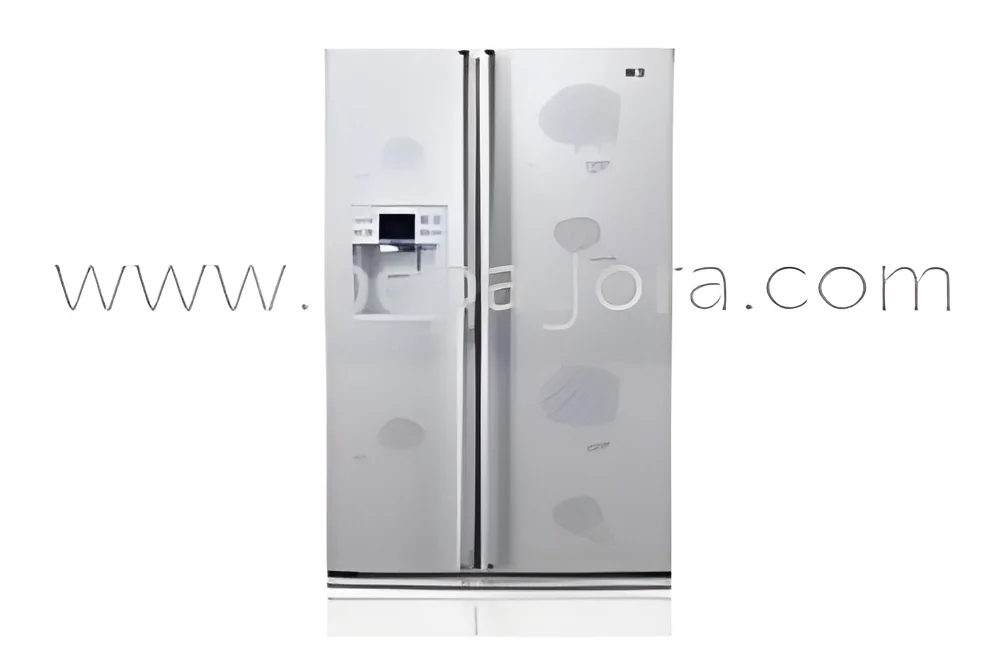
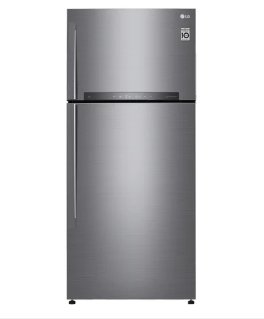
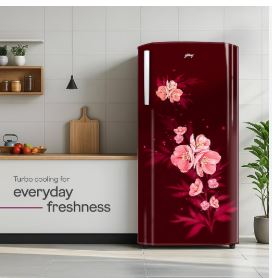
Upright Refrigerators
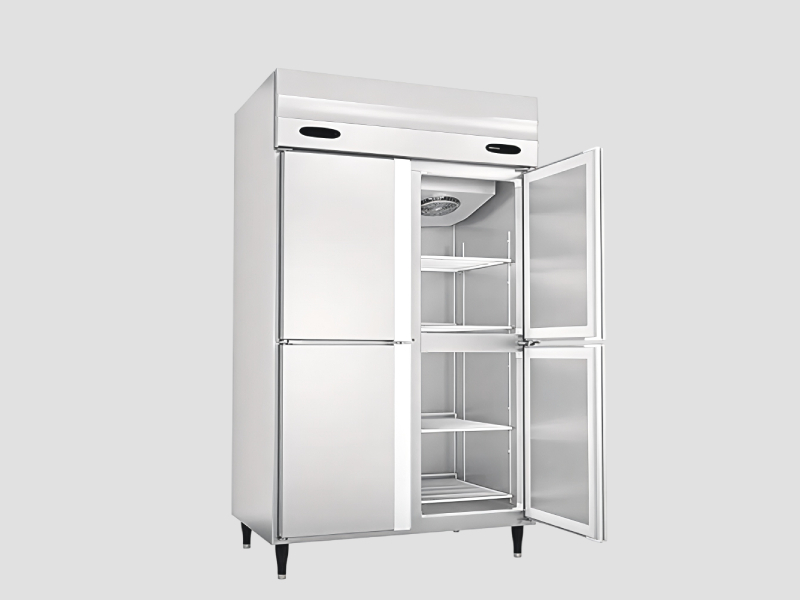
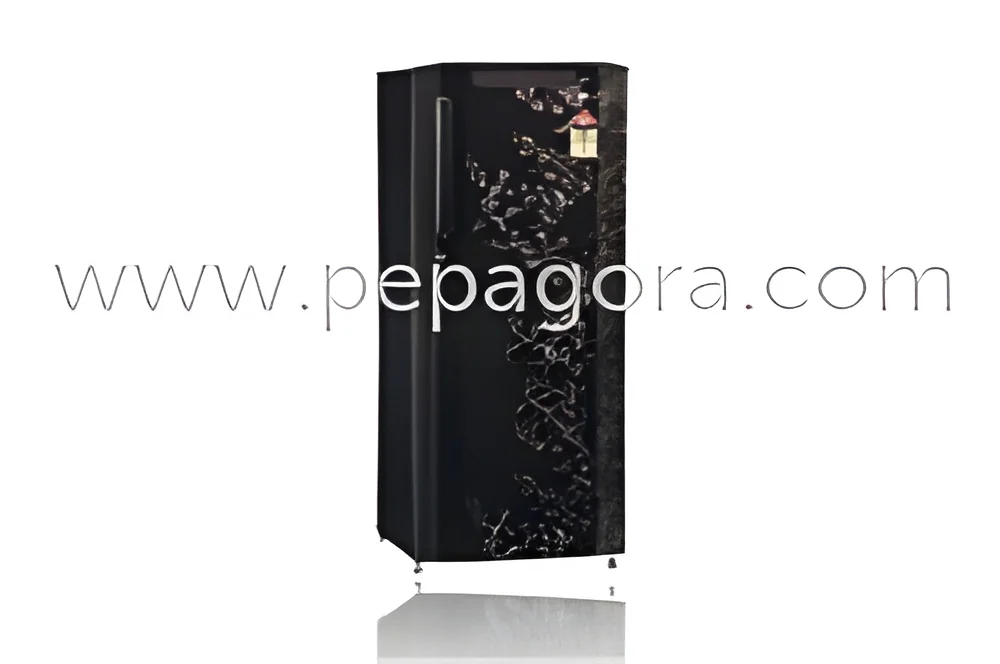
These units are designed for easy access and efficient organization. They often feature adjustable shelving and clear visibility, making them suitable for both commercial kitchens and retail environments.
Chest Freezers
Chest freezers provide ample storage space and are ideal for bulk storage needs. They are energy-efficient and designed to maintain cold temperatures even during power outages, making them a popular choice for food processing and storage businesses.
Display Freezers
These units are designed for retail environments, showcasing products while keeping them at optimal temperatures. They are often glass-fronted for visibility and are used in supermarkets and convenience stores.
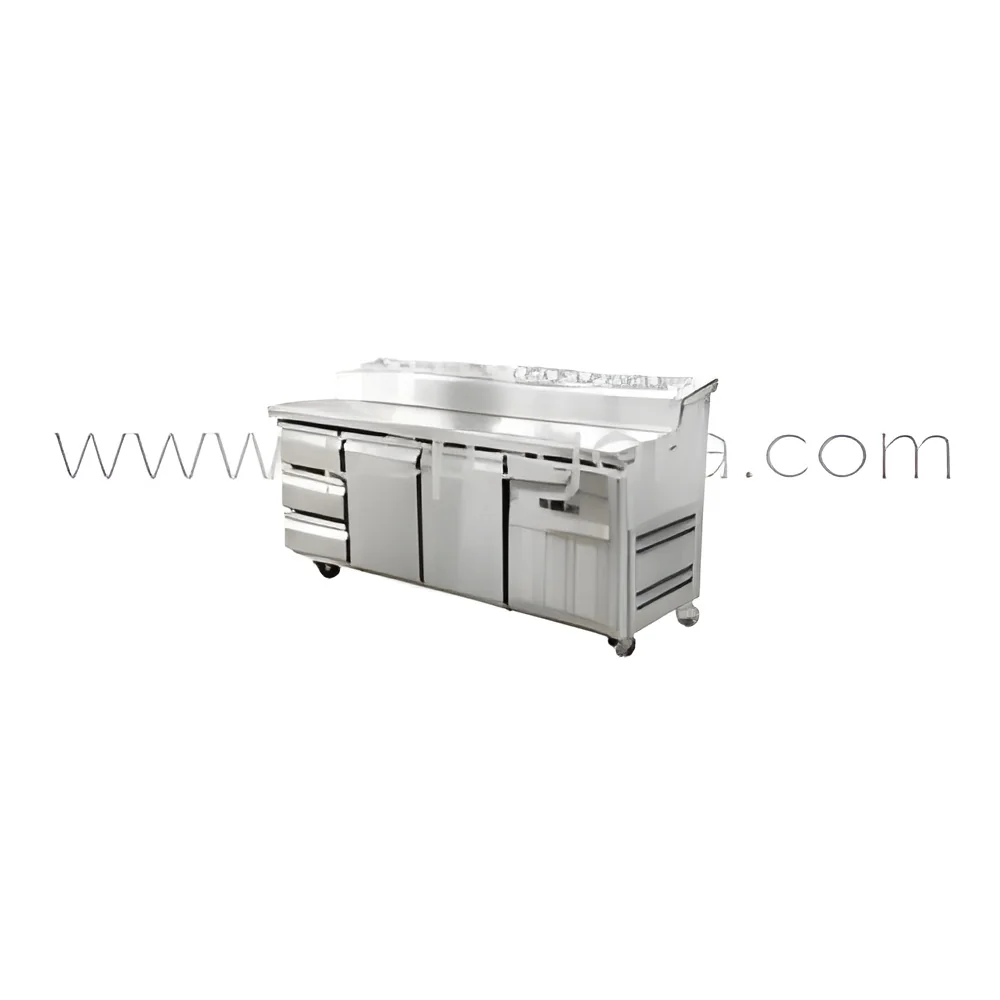
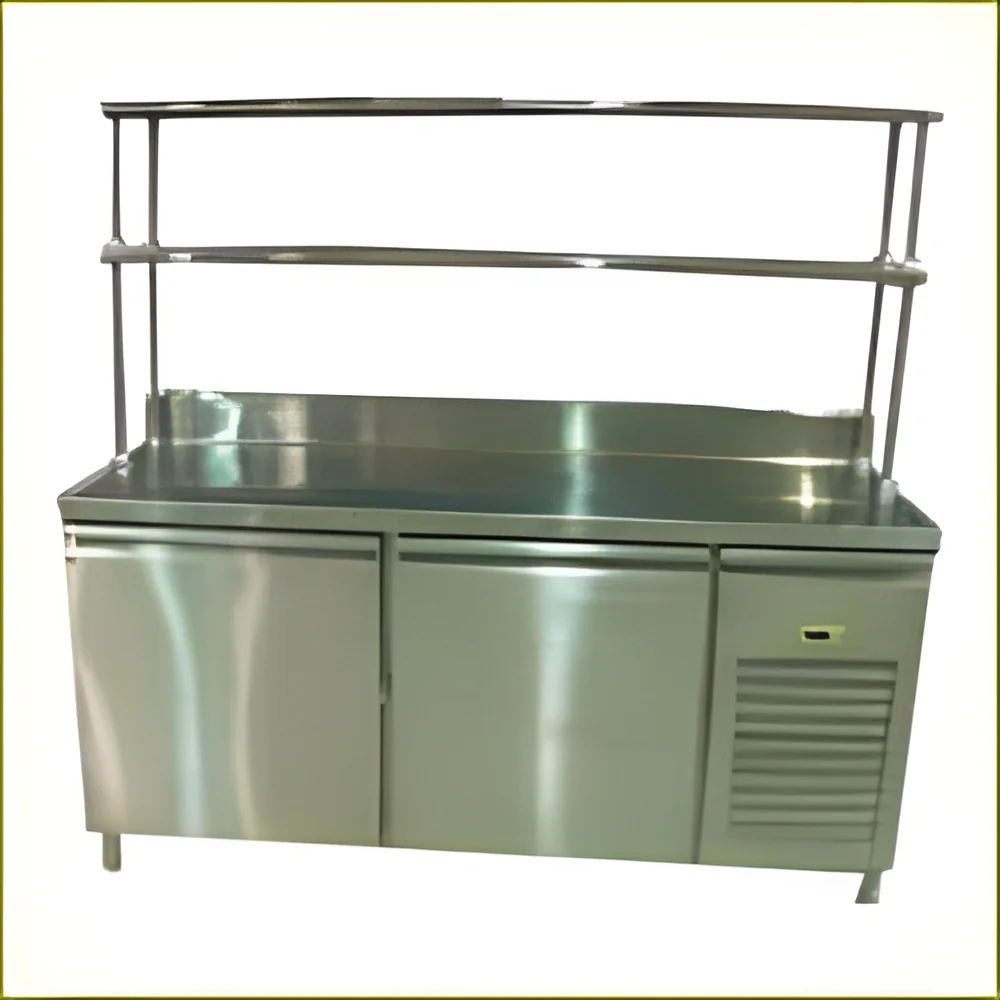
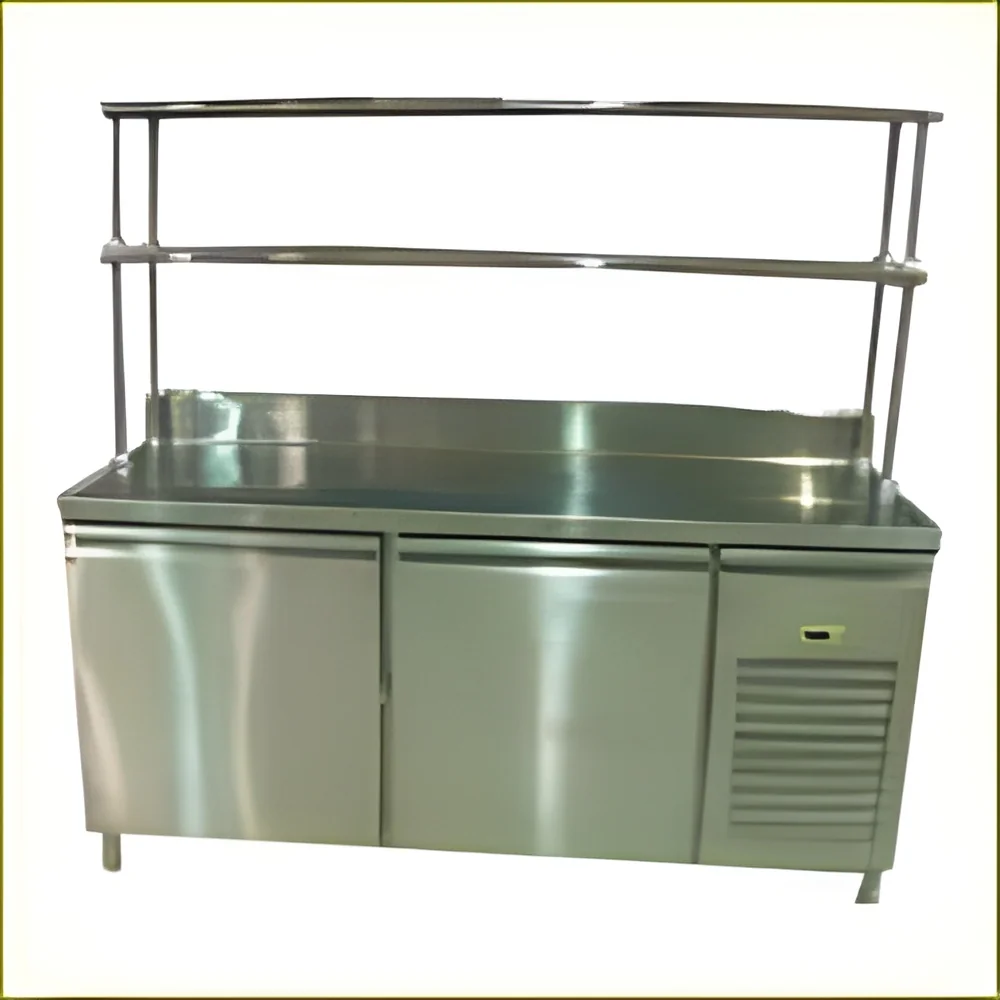
Undercounter Refrigerators
These compact units fit under countertops, making them suitable for kitchens with limited space. They provide convenient access to chilled items without occupying valuable floor space.
Benefits and Advantages
Investing in high-quality refrigerators and freezers offers numerous advantages for businesses.
Key benefits include:
1. Enhanced Food Safety: Maintaining proper temperatures helps prevent spoilage and foodborne illnesses, ensuring compliance with health regulations.
2. Cost Savings: Energy-efficient models reduce electricity costs, offering long-term savings for businesses.
3. Increased Shelf Life: Proper storage extends the shelf life of perishable goods, reducing waste and maximizing profitability.
4. Improved Organization: Features like adjustable shelving and compartments help businesses organize their inventory efficiently.
5. Versatility: Available in various sizes and configurations, these appliances can meet the specific needs of different industries.
6. User-Friendly: Many units come with digital controls and monitoring systems, making them easy to operate and maintain.
Buying Guide for B2B Buyers
When sourcing refrigerators and freezers for business, several key factors should be considered to ensure the right choice.
1. Quality Assessment: Evaluate the build quality and reliability of the appliances. Look for models that comply with industry standards and have a proven track record of performance.
2. Supplier Verification: Research and vet suppliers to ensure they have a good reputation and provide quality products. Consider suppliers with positive reviews and industry certifications.
3. Pricing and MOQ: Analyze pricing structures and minimum order quantities. Understand the total cost of ownership, including maintenance and energy consumption.
4. Delivery and Lead Times: Confirm the delivery timelines and logistics involved. Ensure that suppliers can meet your deadlines to avoid disruptions in operations.
5. Compliance Requirements: Be aware of local regulations and safety standards that apply to refrigeration equipment. Ensure that the units purchased comply with all necessary guidelines.
Compliance and Certifications
Compliance with industry standards and certifications is crucial for ensuring the safety and reliability of refrigerators and freezers.
Relevant quality standards include ISO 9001, which ensures consistent quality management systems, and HACCP, which outlines food safety management processes. Many businesses also adhere to Good Distribution Practices (GDP) to maintain product quality during transport and storage.
Industry certifications, such as CE marking, indicate that products meet European health, safety, and environmental protection standards. This certification is particularly important for businesses exporting goods to Europe.
Additionally, manufacturers must adhere to safety and testing requirements, ensuring that their products are rigorously inspected and tested for reliability. Regional compliance considerations may vary, so businesses should familiarize themselves with local regulations that affect their operations.
Why Source Refrigerators & Freezers from Pepagora?
Pepagora provides a trusted platform for sourcing refrigerators and freezers, offering several key advantages to B2B buyers.
Verified Supplier Network: The platform connects buyers with a network of verified suppliers, ensuring quality and reliability. Each supplier undergoes rigorous verification processes, giving buyers confidence in their purchases.
Streamlined RFQ Process: Pepagora features an efficient Request for Quotation (RFQ) system, simplifying the procurement process. Buyers can easily request quotes from multiple suppliers, facilitating comparisons and informed decision-making.
Trade Assurance and Support: Buyers benefit from trade assurance programs that protect their purchases. Pepagora offers support throughout the buying process, ensuring that any issues are addressed swiftly and effectively.
Regional Coverage: Pepagora has a broad geographic reach, catering to businesses in India, the GCC, and Southeast Asia. This regional coverage ensures that local businesses have access to quality refrigeration solutions tailored to their specific needs.

 IN
IN