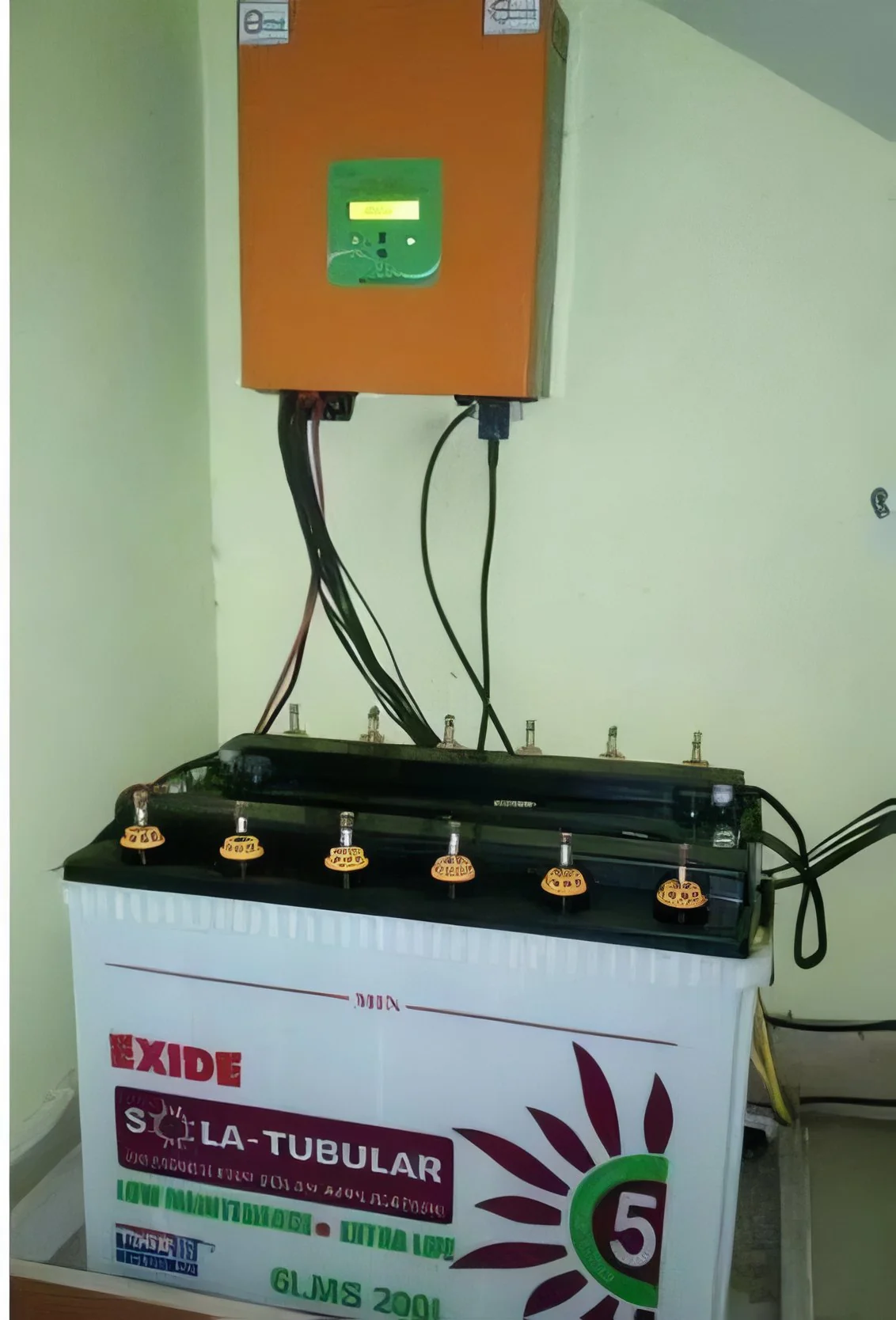
What are Power Backup Solutions for Appliances?
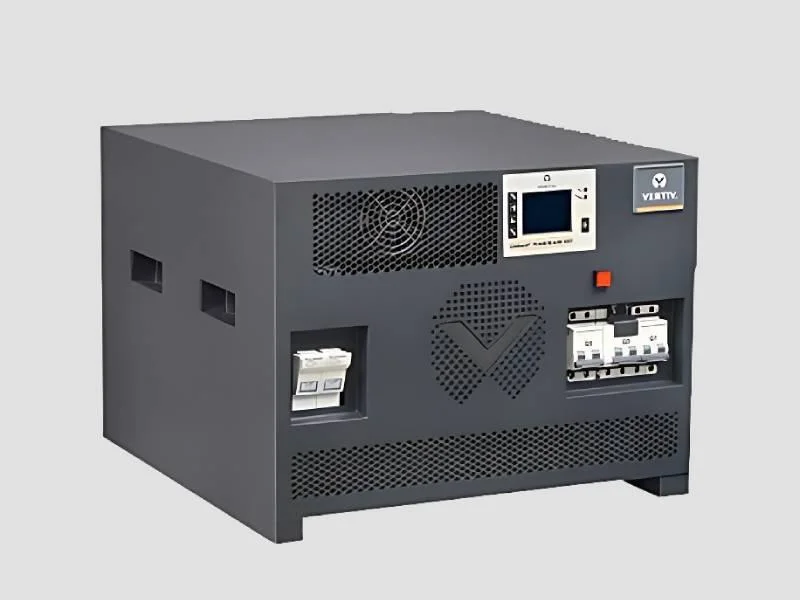
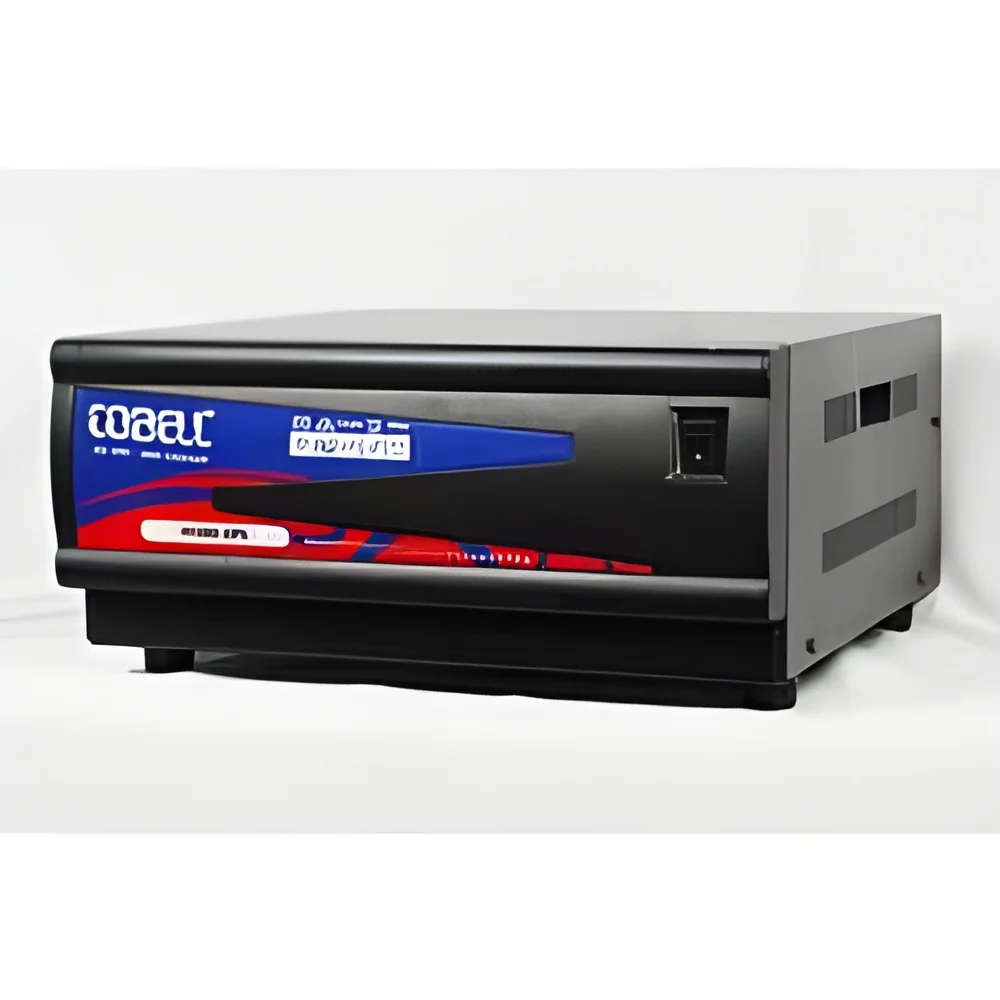
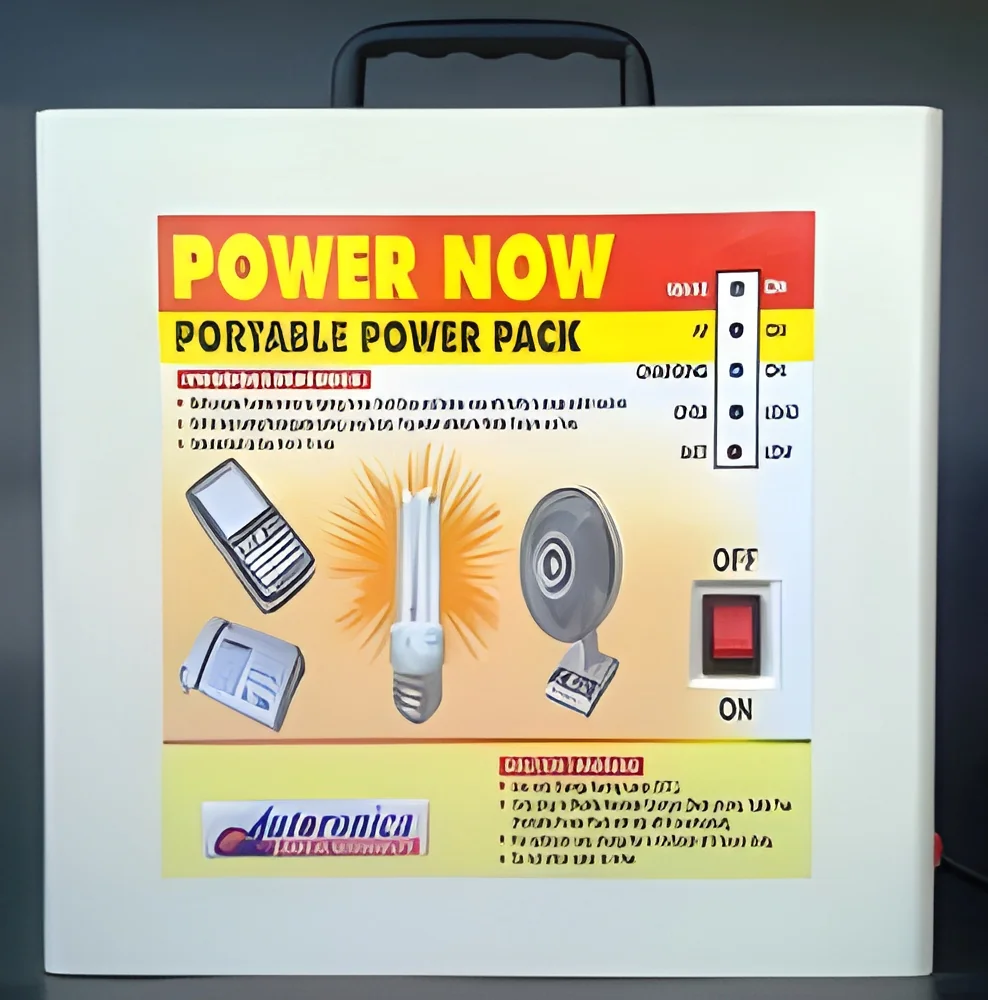
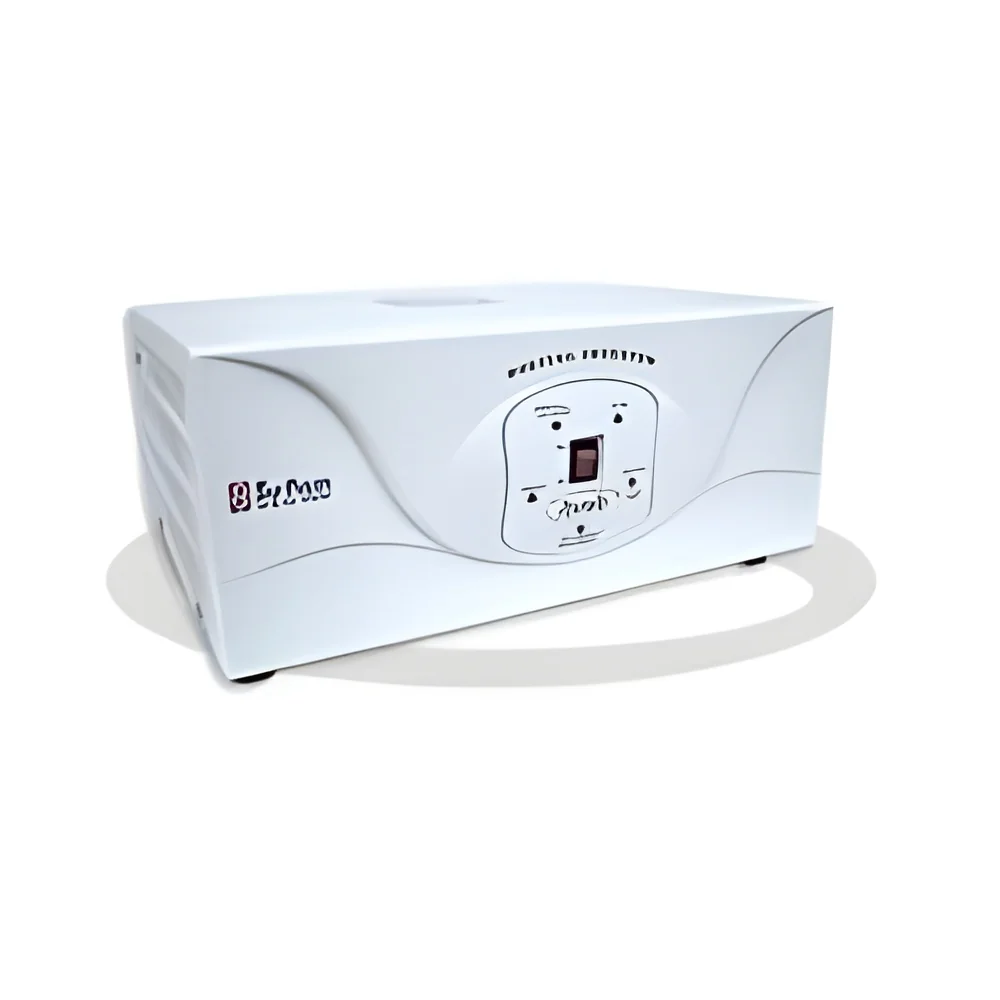
Power backup solutions for appliances are systems designed to maintain the operation of electrical devices during power outages or fluctuations. They provide a reliable source of energy, ensuring that critical equipment continues to function without interruption. These solutions can include uninterruptible power supplies (UPS), backup generators, and battery storage systems. Their primary role is to safeguard sensitive appliances and prevent data loss, equipment damage, and operational downtime.
Businesses across various sectors implement power backup solutions to enhance efficiency and safeguard their operations. For example, healthcare facilities rely on these systems to ensure that life-saving equipment remains operational during outages. Similarly, manufacturing plants use backup solutions to prevent production halts, while data centers depend on them to protect against data loss. As the demand for uninterrupted power grows, the market for power backup solutions is rapidly expanding, driven by technological advancements and increasing reliance on electronic devices across industries.
Key Features and Specifications
Power backup solutions are equipped with various features designed to enhance performance and reliability. Understanding the specifications is critical for businesses to choose the right solution.
Key specifications include:
1. Power Capacity
- This specification determines the total power output the system can provide.
- Measured in kilowatts (kW) or kilovolt-amperes (kVA).
2. Runtime Duration
- This refers to how long the system can operate on backup power.
- Typically expressed in minutes or hours, depending on the load.
3. Input Voltage Range
- Indicates the range of voltage the system can accept for charging.
- Commonly found in ranges like 110V to 240V.
4. Output Voltage
- This is the voltage supplied to the connected appliances.
- Often standardized at 120V or 230V.
5. Transfer Time
- The time taken for the system to switch from main power to backup power.
- Generally ranges from a few milliseconds to a few seconds.
6. Battery Type
- Indicates the type of battery used (e.g., lead-acid, lithium-ion).
- Affects charging time, lifespan, and overall efficiency.
7. Dimensions and Weight
- Important for installation considerations.
- Varies widely based on capacity and design.
8. Monitoring Features
- Some systems come with built-in monitoring to track performance.
- Can include remote access capabilities for real-time updates.
In summary, selecting the right power backup solution involves understanding these specifications to ensure it meets the specific needs of the business.
Common Applications and Use Cases
Power backup solutions for appliances are utilized across various industries, providing essential support during power interruptions.
1. Healthcare: Hospitals and clinics use power backup systems to keep critical medical equipment running, ensuring patient safety and care continuity.
2. Manufacturing: Production facilities depend on backup solutions to prevent costly downtime and maintain operational efficiency during power outages.
3. Data Centers: These facilities require uninterrupted power to protect sensitive information and maintain server functionality.
4. Retail: Stores use backup systems to ensure point-of-sale systems remain operational, preventing revenue loss during outages.
5. Telecommunications: Telecom companies rely on power backups to maintain service availability and support communication networks during disruptions.
6. Food and Beverage: Restaurants and food processing plants use backup solutions to protect perishable items and maintain operations during power failures.
7. Education: Schools and universities implement backup systems to support technology and maintain a conducive learning environment during outages.
Product Variants and Subcategories
Power backup solutions come in various forms to address different needs and applications.
Uninterruptible Power Supply (UPS)
UPS systems provide immediate backup power during outages, making them ideal for critical applications like computers and medical equipment. They ensure a seamless transition without any interruption.
Backup Generators
These generators are designed to provide power during extended outages. They are suitable for larger operations, such as hospitals and manufacturing plants, where extended downtime is not an option.
Battery Storage Systems
These systems store energy for later use, often paired with renewable energy sources. They are gaining popularity among businesses looking to enhance energy efficiency and sustainability.
Benefits and Advantages
Power backup solutions offer numerous benefits that enhance operational resilience and efficiency.
1. Continuous Operation: They ensure that critical equipment remains operational during power outages, minimizing downtime.
2. Equipment Protection: By providing stable power, these solutions protect appliances from damage caused by power fluctuations.
3. Data Security: Power backup systems safeguard sensitive data from loss during outages, crucial for data-dependent businesses.
4. Cost Savings: Preventing downtime can lead to significant cost savings, especially in industries where operational efficiency is key.
5. Enhanced Safety: They help maintain safety systems, particularly in healthcare and manufacturing environments, ensuring compliance and safety regulations are met.
6. Flexibility: Various options and configurations allow businesses to tailor solutions to their specific needs, enhancing overall effectiveness.
Buying Guide for B2B Buyers
When sourcing power backup solutions for appliances, businesses should consider several key factors to ensure they make informed decisions.
1. Quality Assessment: Evaluate the quality of the products by checking certifications and customer reviews. High-quality solutions typically come with reliable warranties and support.
2. Supplier Verification: Vet suppliers based on their track record, customer service, and ability to meet delivery timelines. Ensure they have a robust reputation in the industry.
3. Pricing and MOQ: Analyze pricing structures and minimum order quantities. Compare costs across suppliers to find the best deal while ensuring quality.
4. Delivery and Lead Times: Understand logistics and lead times for delivery. Timely access to backup solutions is critical for ensuring preparedness.
5. Compliance Requirements: Verify that solutions meet industry standards and regulations. Compliance with safety and operational standards is essential.
Compliance and Certifications
Power backup solutions for appliances must adhere to various quality standards and certifications to ensure reliability and safety.
Relevant quality standards such as ISO 9001 help ensure consistent quality management systems are in place. This standard underscores the importance of quality assurance in manufacturing processes.
Industry certifications, including CE, indicate that the products meet European health, safety, and environmental protection standards. This compliance assures businesses of the product's reliability and safety.
Safety and testing requirements are crucial for power backup solutions, as they must undergo rigorous testing to ensure they operate effectively under various conditions.
Additionally, regional compliance considerations can vary, making it important for businesses to understand local regulations regarding electrical products and safety standards.
Why Source Power Backup Solutions for Appliances from Pepagora?
Pepagora stands out as a leading platform for sourcing power backup solutions for appliances, offering several key advantages for businesses.
Verified Supplier Network: Pepagora provides access to a network of verified suppliers, ensuring that buyers can source high-quality products from reputable manufacturers. This verification process enhances trust in the sourcing process.
Streamlined RFQ Process: The platform simplifies the request for quotation (RFQ) process, allowing buyers to easily connect with suppliers and receive competitive quotes. This efficiency saves time and effort in procurement.
Trade Assurance and Support: Pepagora offers trade assurance, providing buyers with protection and support throughout the purchasing process. This assurance fosters confidence in transactions and encourages secure sourcing.
Regional Coverage: With a strong presence in markets like India, GCC, and Southeast Asia, Pepagora offers extensive geographic reach. This enables businesses to find suitable suppliers that can meet their regional needs effectively.

 IN
IN