What are Air Conditioners (Window, Split, Portable)?
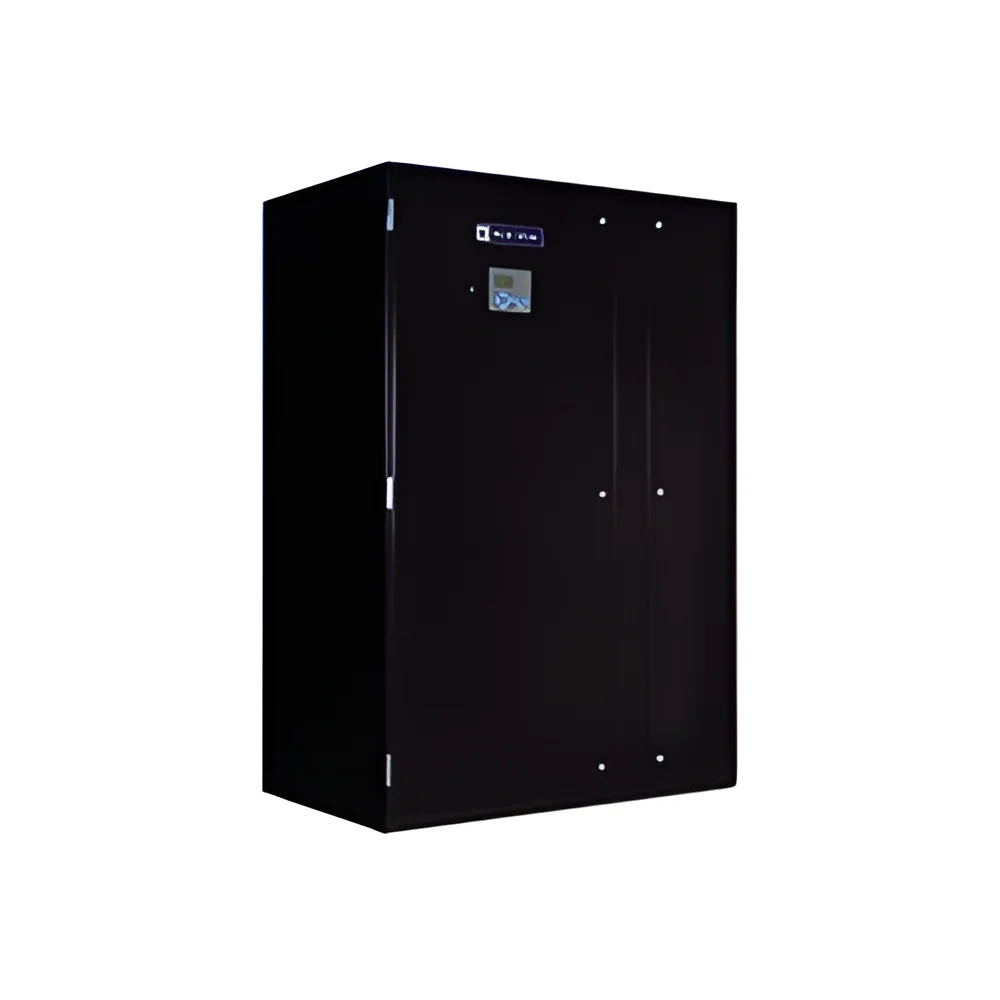
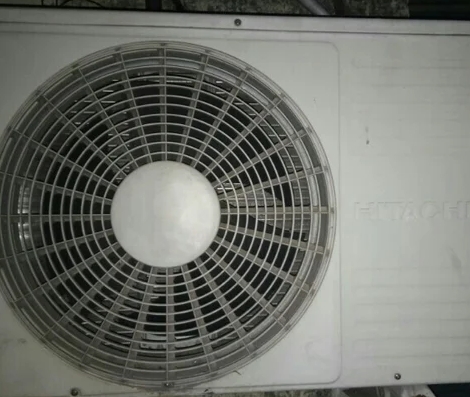
Air conditioners are essential appliances used to regulate indoor temperatures, ensuring comfort in various settings. They work by removing heat and humidity from the air, providing a cooler environment. There are three main types of air conditioners: window units, split systems, and portable models. Each type has unique features and installation requirements, catering to different needs and spaces.
In business applications, air conditioners are vital for maintaining optimal temperature conditions in workplaces, warehouses, and retail spaces. They help improve employee productivity, protect sensitive equipment, and enhance customer experiences. The demand for energy-efficient cooling solutions has led to innovation in air conditioning technology, making them more relevant in today's market where energy costs and environmental concerns are paramount.
𝗞𝗲𝘆 𝗙𝗲𝗮𝘁𝘂𝗿𝗲𝘀 𝗮𝗻𝗱 𝗦𝗽𝗲𝗰𝗶𝗳𝗶𝗰𝗮𝘁𝗶𝗼𝗻𝘀
Understanding the key features and specifications of air conditioners is crucial for making informed purchasing decisions. The specifications often determine the efficiency, performance, and suitability of the unit for specific applications.
Key specifications include:
1. Cooling Capacity
- Measured in BTUs (British Thermal Units), this indicates the cooling power of the unit.
- Typically ranges from 5,000 to 30,000 BTUs for commercial units.
2. Energy Efficiency Ratio (EER)
- This ratio measures the efficiency of the cooling process.
- Higher EER values indicate more energy-efficient units.
3. Noise Levels
- Expressed in decibels (dB), this indicates the sound produced by the unit during operation.
- Units typically range from 40 dB (quiet) to 60 dB (moderate).
4. Airflow Rate
- Measured in cubic feet per minute (CFM), this indicates the volume of air the unit can circulate.
- Typical ranges vary based on unit size and application.
5. Refrigerant Type
- The type of refrigerant used can impact efficiency and environmental friendliness.
- Common types include R-410A and R-22.
6. Installation Type
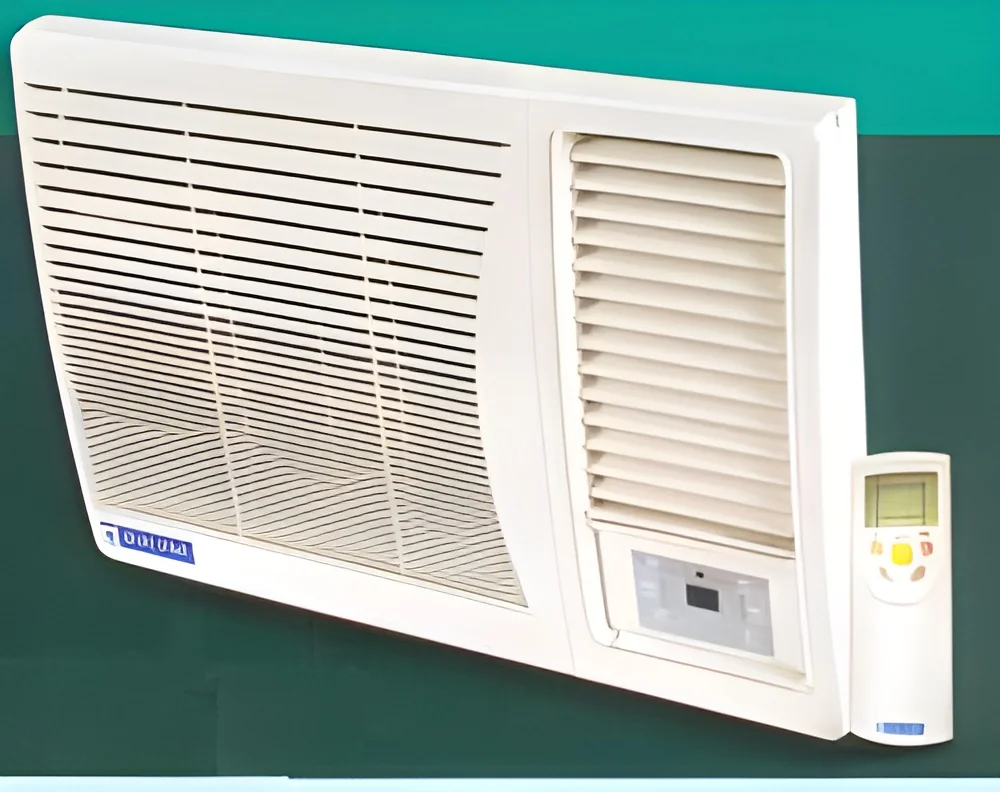
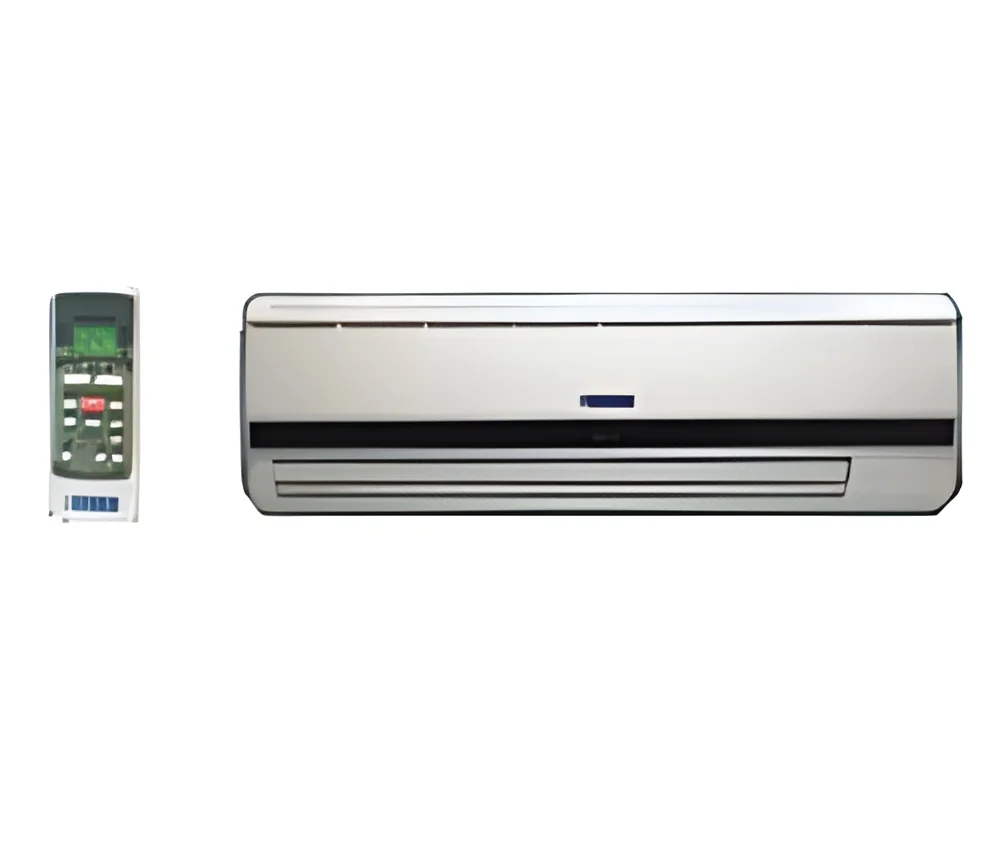
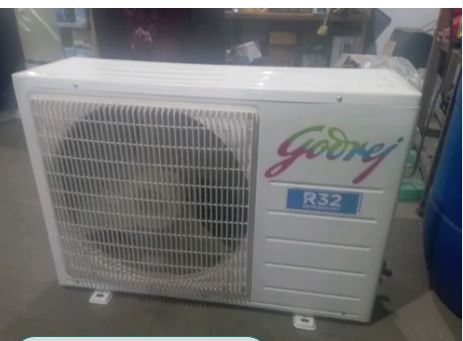
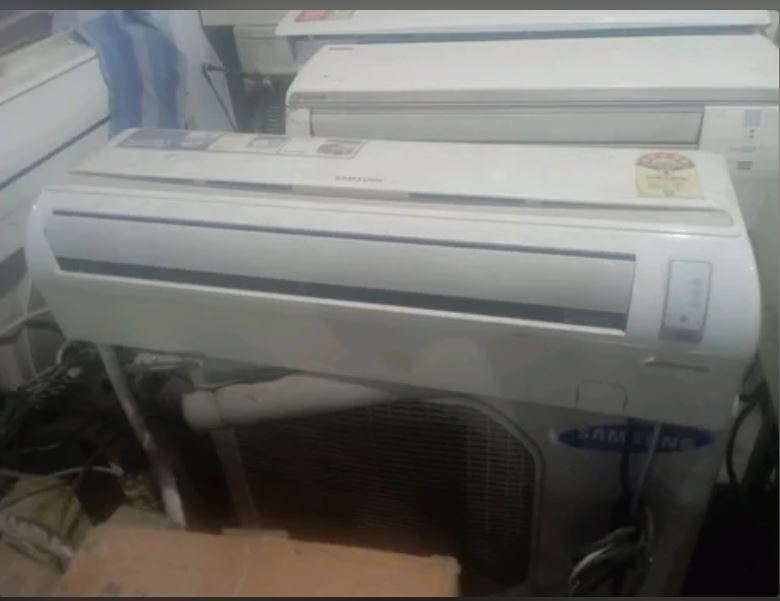
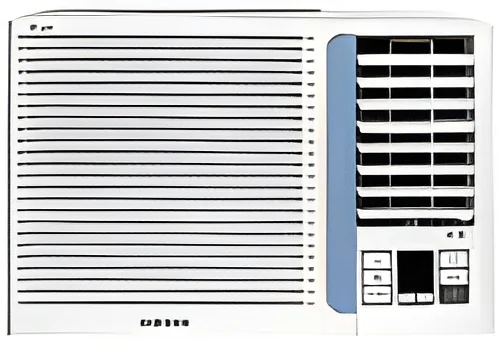
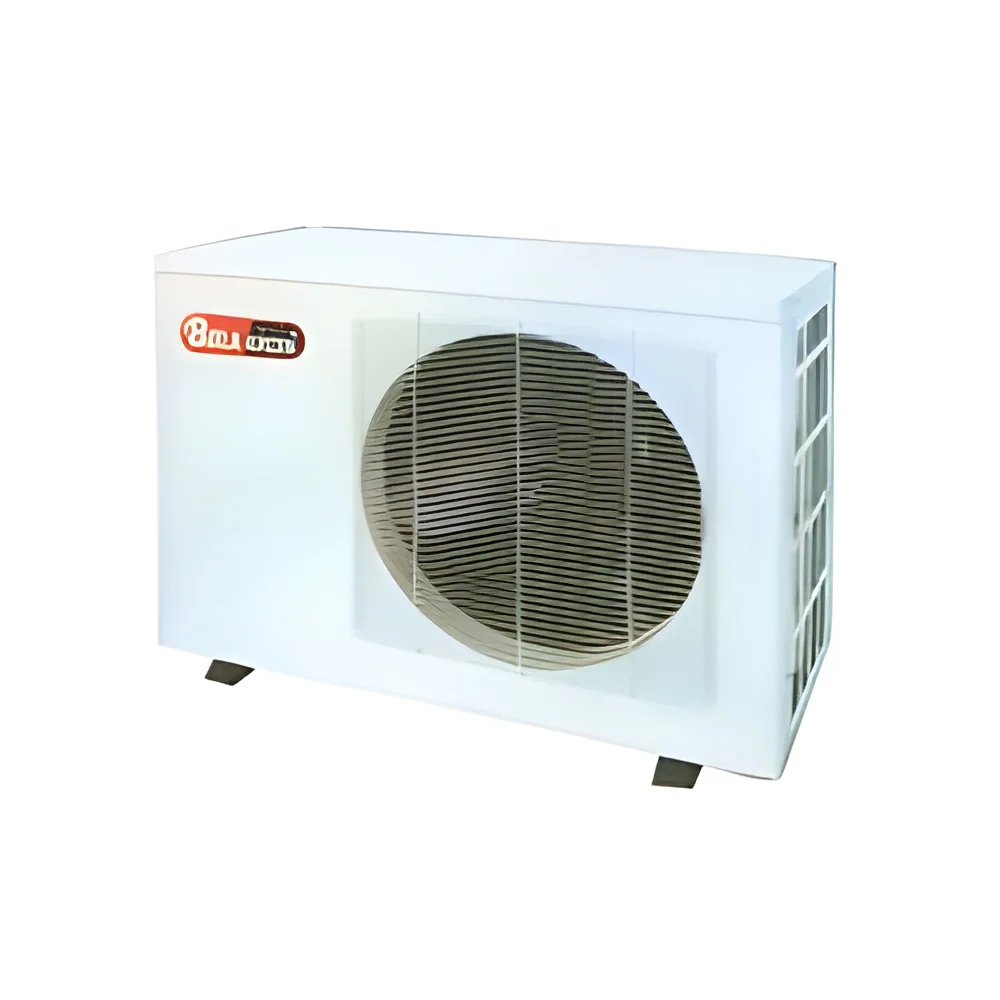
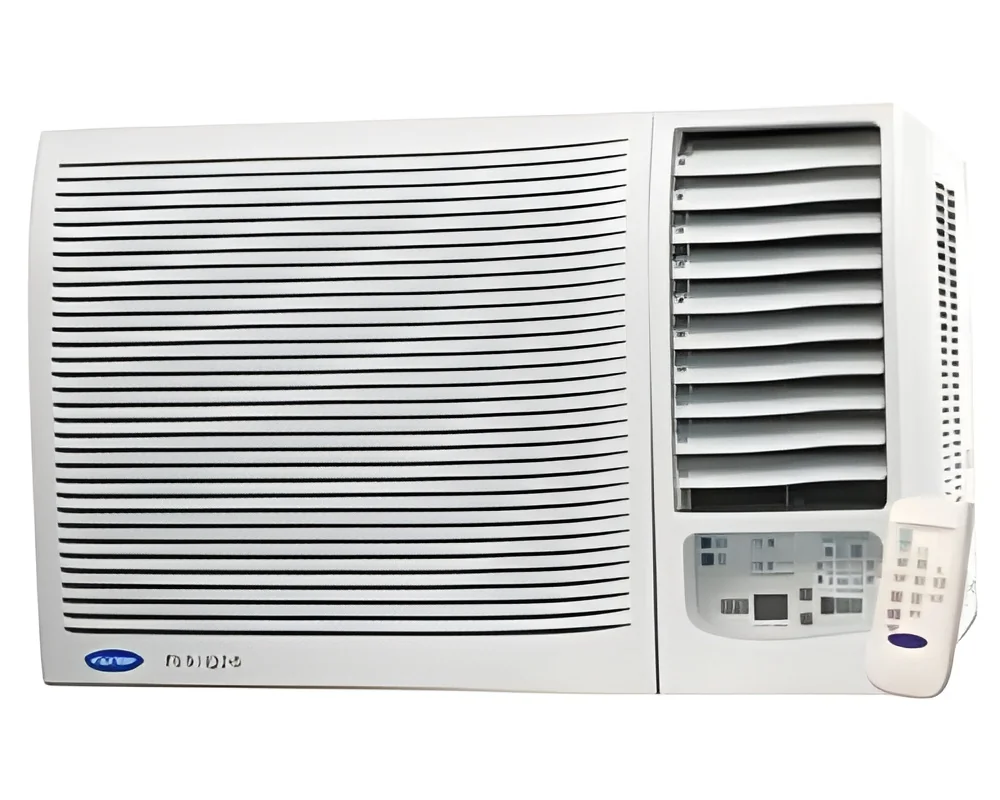
- Window units are installed in a window frame, split systems consist of an indoor and outdoor unit, and portable units can be moved as needed.
7. Controls and Features
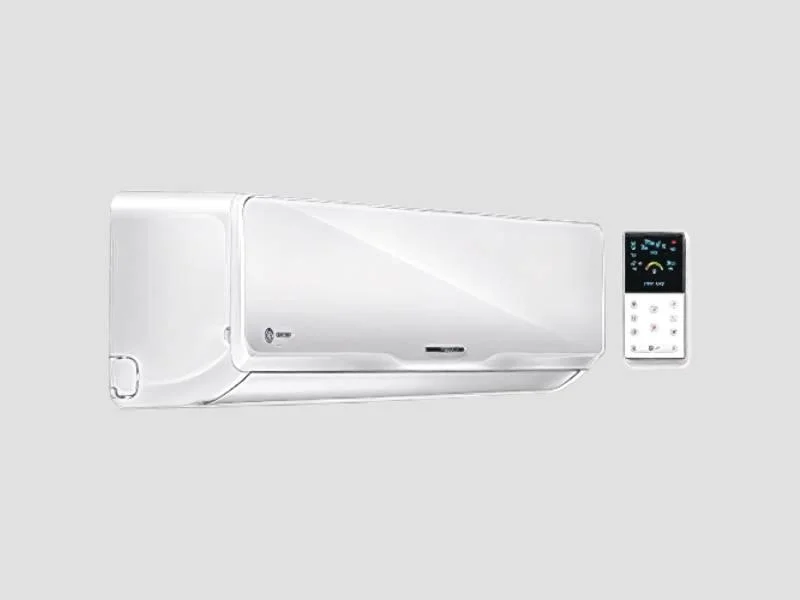
- Many units come with digital thermostats, remote controls, and programmable settings.
8. Warranty and Support
- Manufacturers often provide varying warranty periods, reflecting their confidence in the product’s durability.
Understanding these specifications helps buyers select the right air conditioning solution for their specific needs.
𝗖𝗼𝗺𝗺𝗼𝗻 𝗔𝗽𝗽𝗹𝗶𝗰𝗮𝘁𝗶𝗼𝗻𝘀 𝗮𝗻𝗱 𝗨𝘀𝗲 𝗖𝗮𝘀𝗲𝘀
Air conditioners are utilized across various industries, serving specific needs based on the environment and application.
1. Commercial Office Spaces: Air conditioners create a comfortable working environment for employees, enhancing productivity and job satisfaction.
2. Retail Stores: Maintaining a pleasant shopping atmosphere is crucial; air conditioners help regulate temperature and humidity levels.
3. Warehouses: Air conditioning protects stored goods and equipment from heat damage and ensures the safety of workers.
4. Hospitality Industry: Hotels and restaurants rely on air conditioners to provide comfort to guests, contributing to a positive experience.
5. Healthcare Facilities: Air conditioning is essential for patient comfort and for maintaining strict climate control in sensitive medical environments.
6. Manufacturing Plants: Temperature regulation is critical for machinery performance and worker safety in industrial settings.
7. Educational Institutions: Classrooms and auditoriums benefit from air conditioning to create conducive learning environments.
𝗣𝗿𝗼𝗱𝘂𝗰𝘁 𝗩𝗮𝗿𝗶𝗮𝗻𝘁𝘀 𝗮𝗻𝗱 𝗦𝘂𝗯𝗰𝗮𝘁𝗲𝗴𝗼𝗿𝗶𝗲𝘀
Air conditioners come in a variety of forms to meet diverse customer needs.
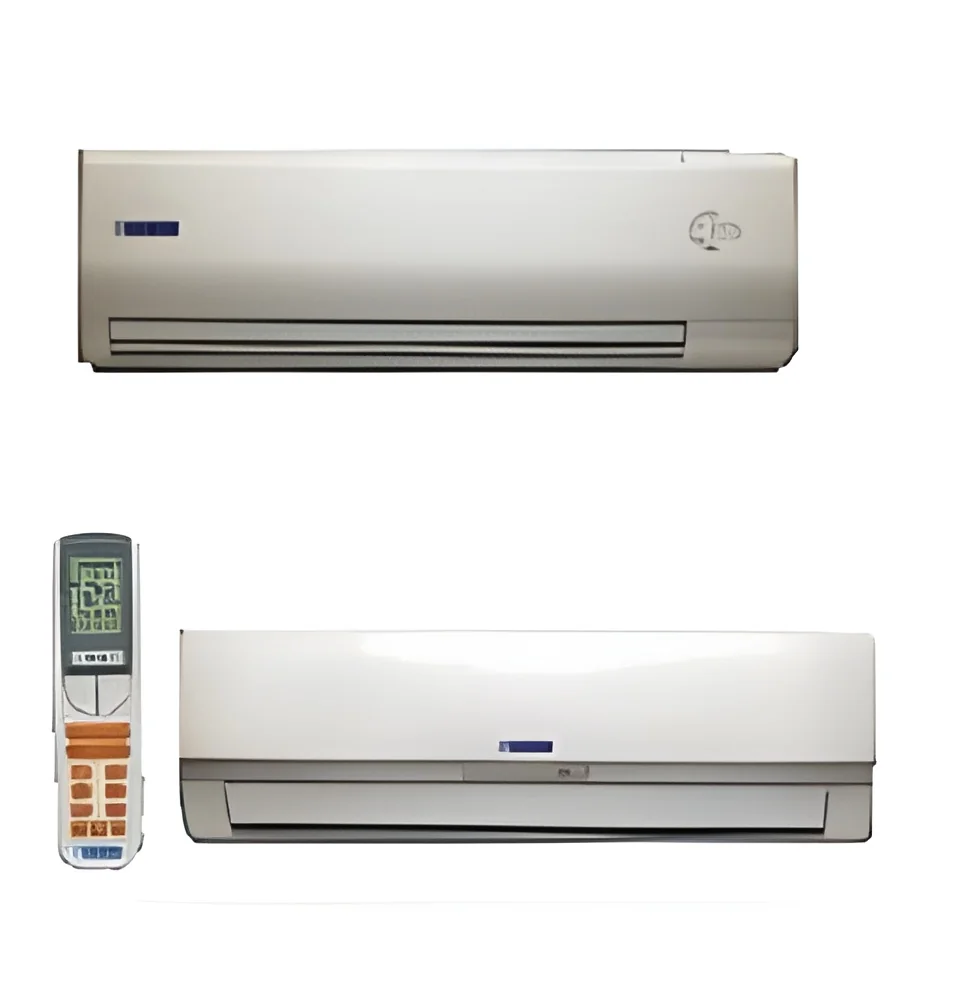
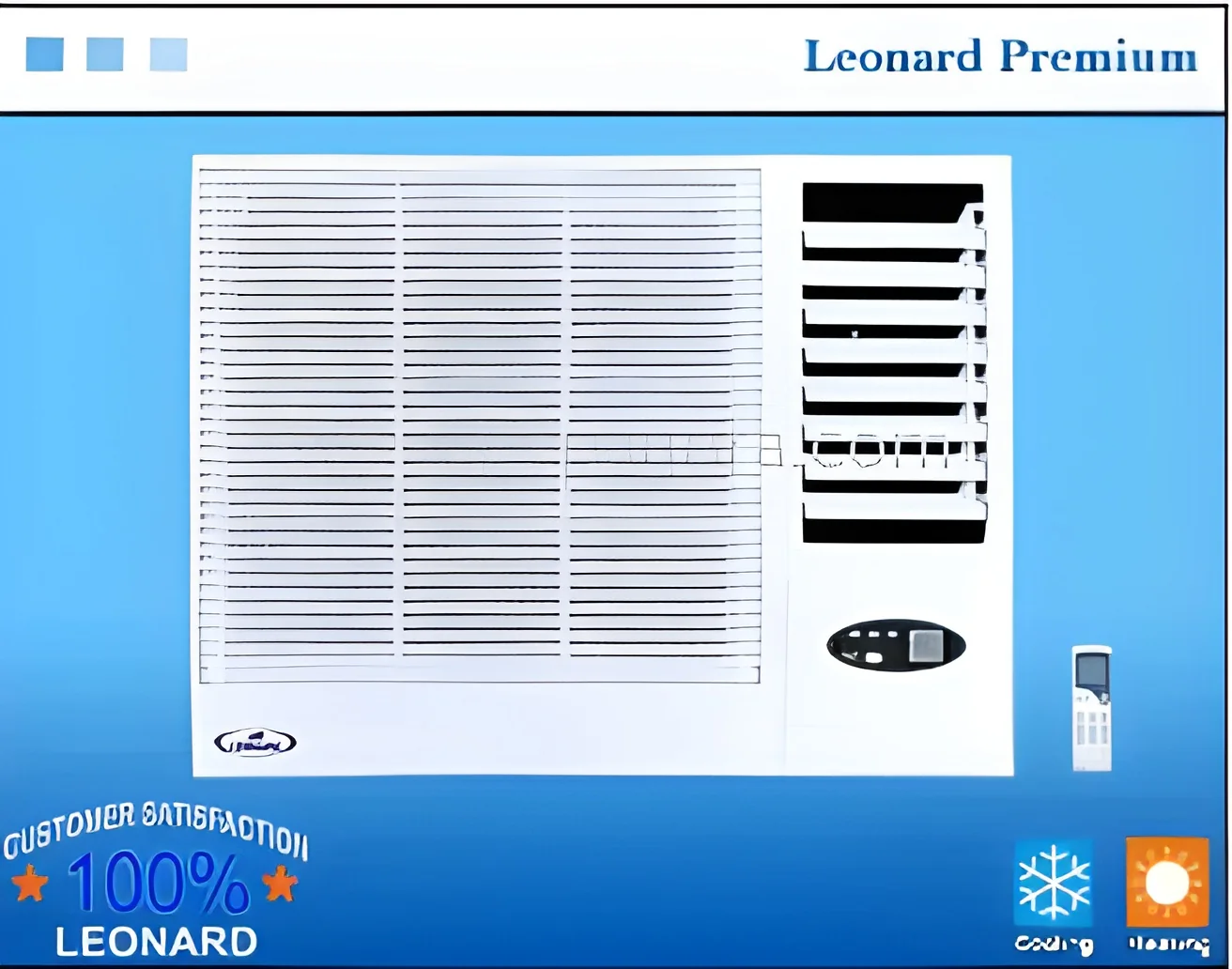
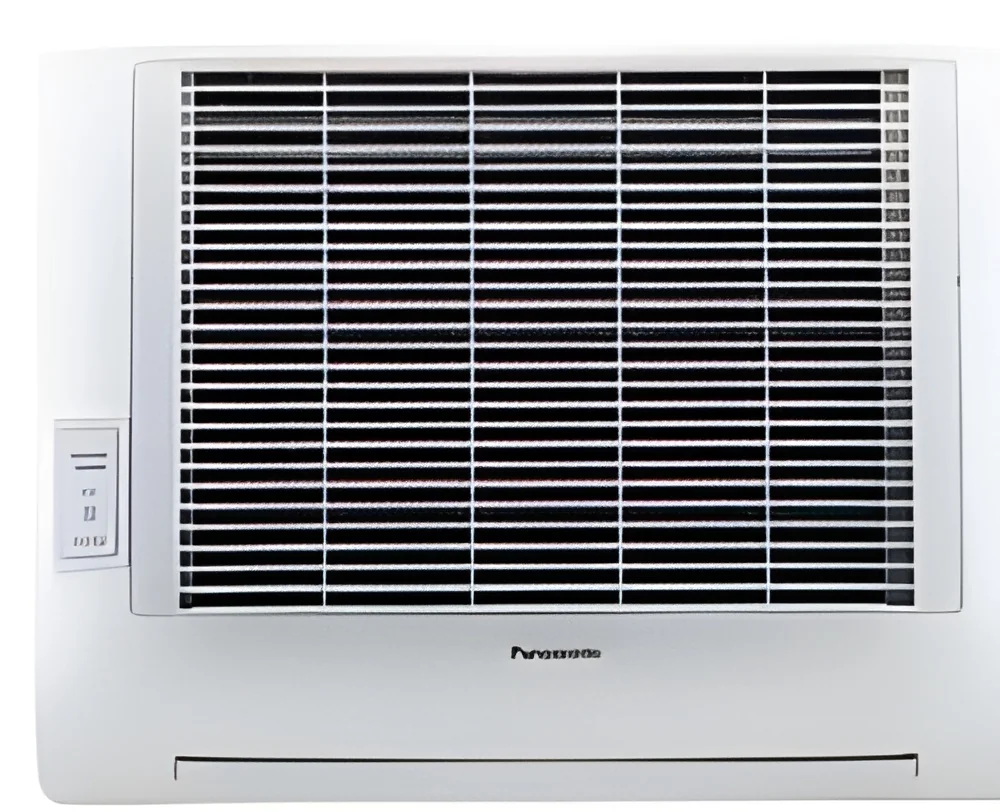
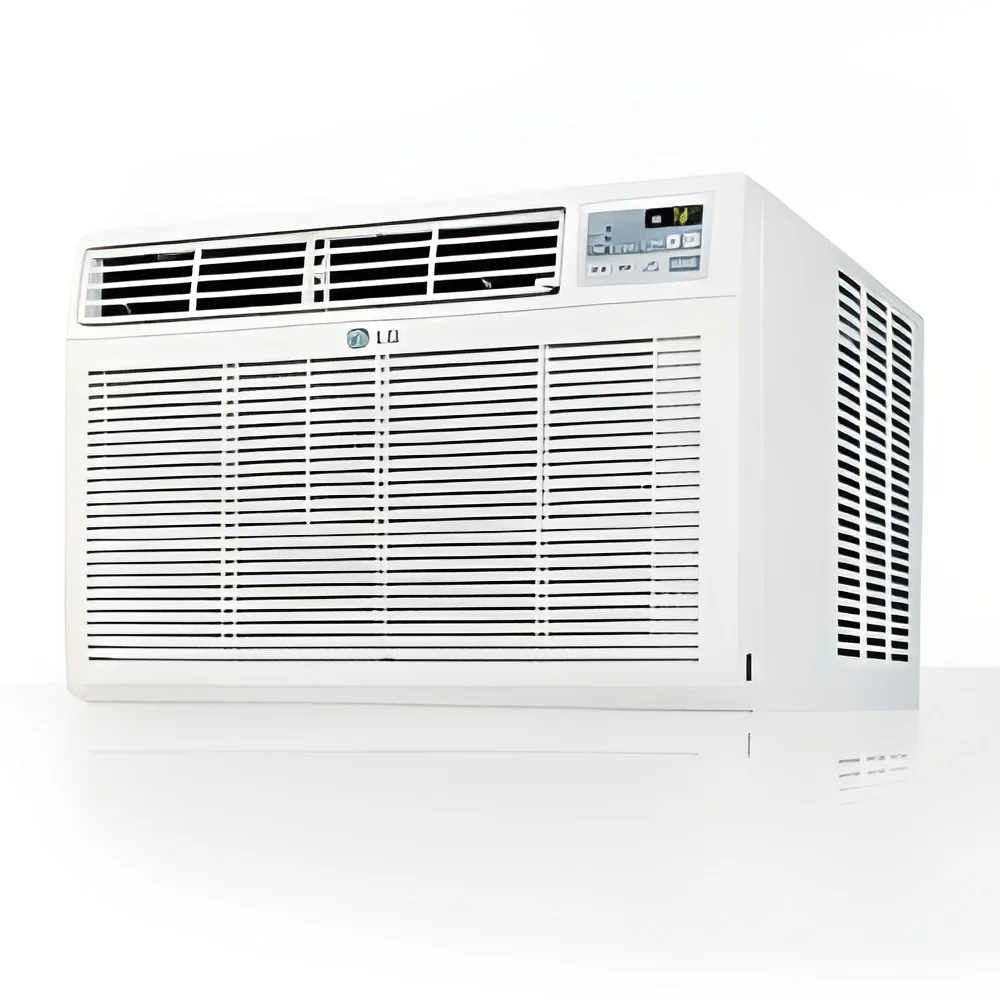
Window Air Conditioners: These units are compact and fit into window frames, making them ideal for smaller spaces. They are often more affordable and easier to install, suitable for homes and small offices.
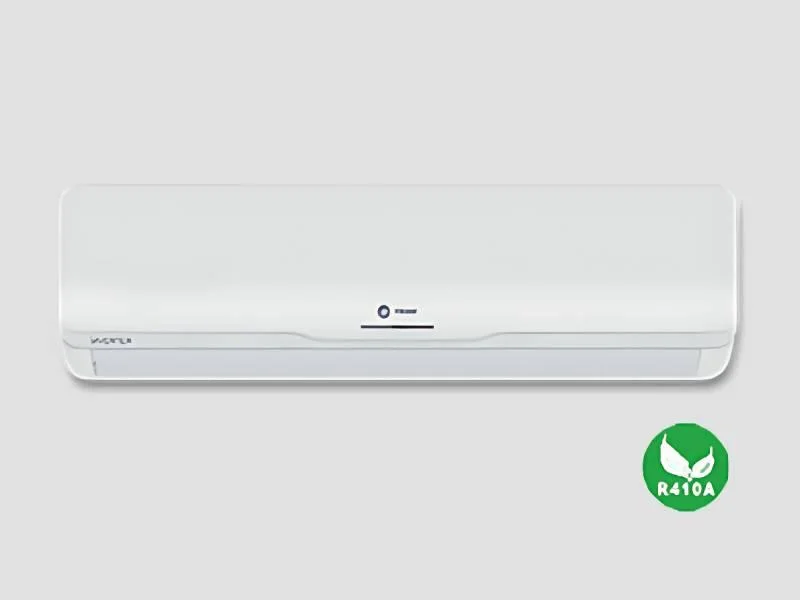
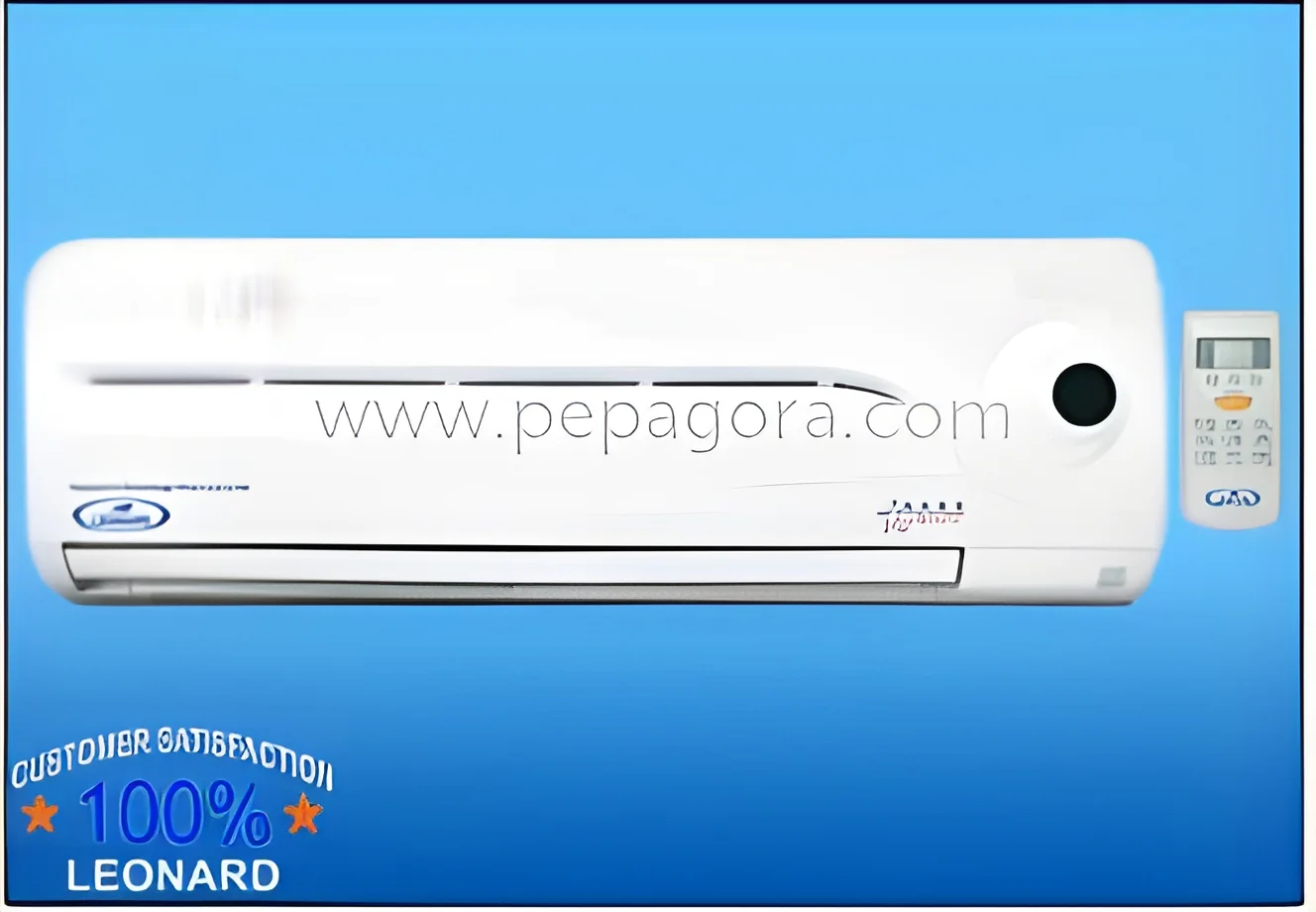
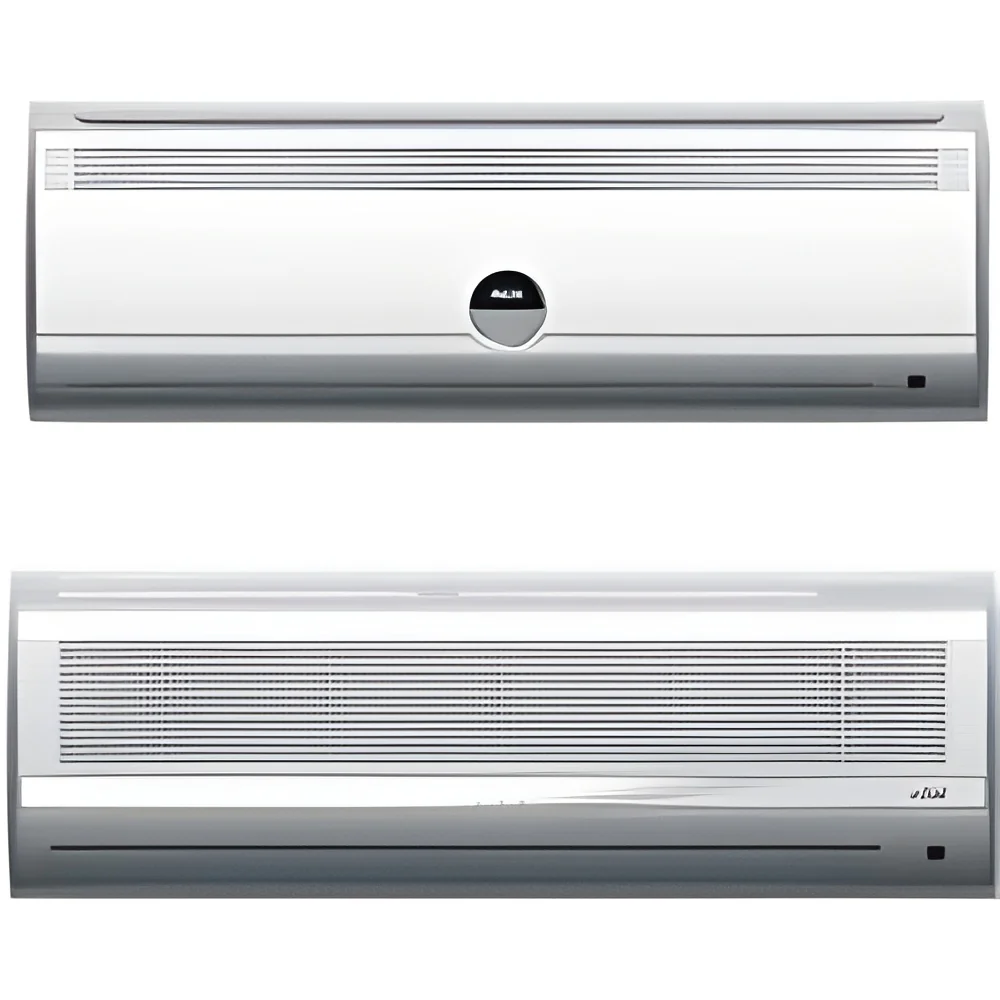
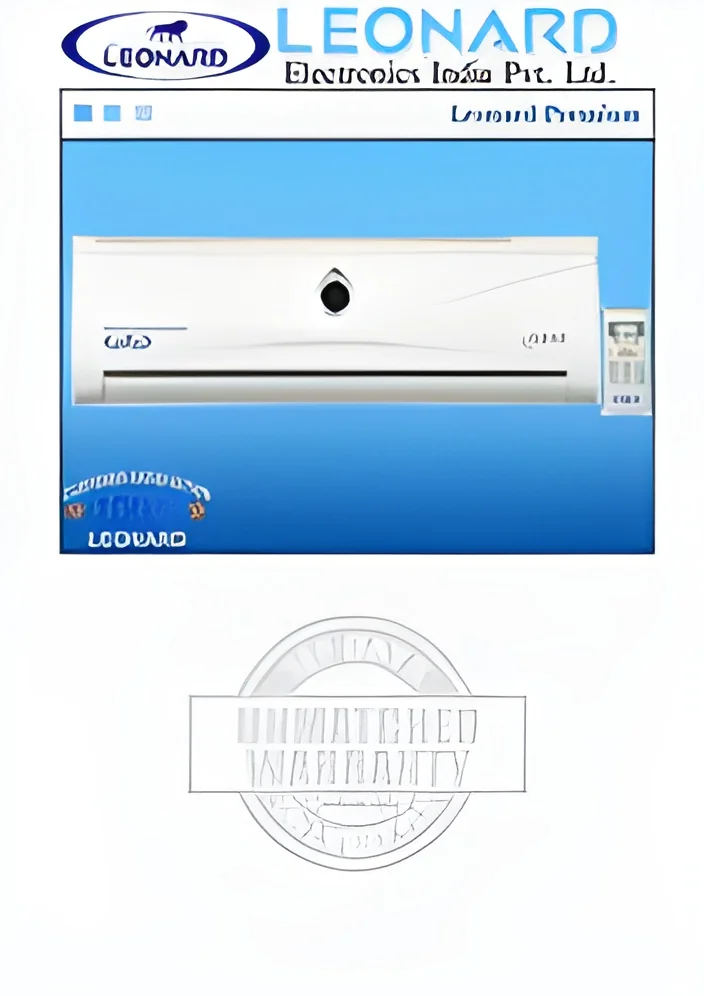
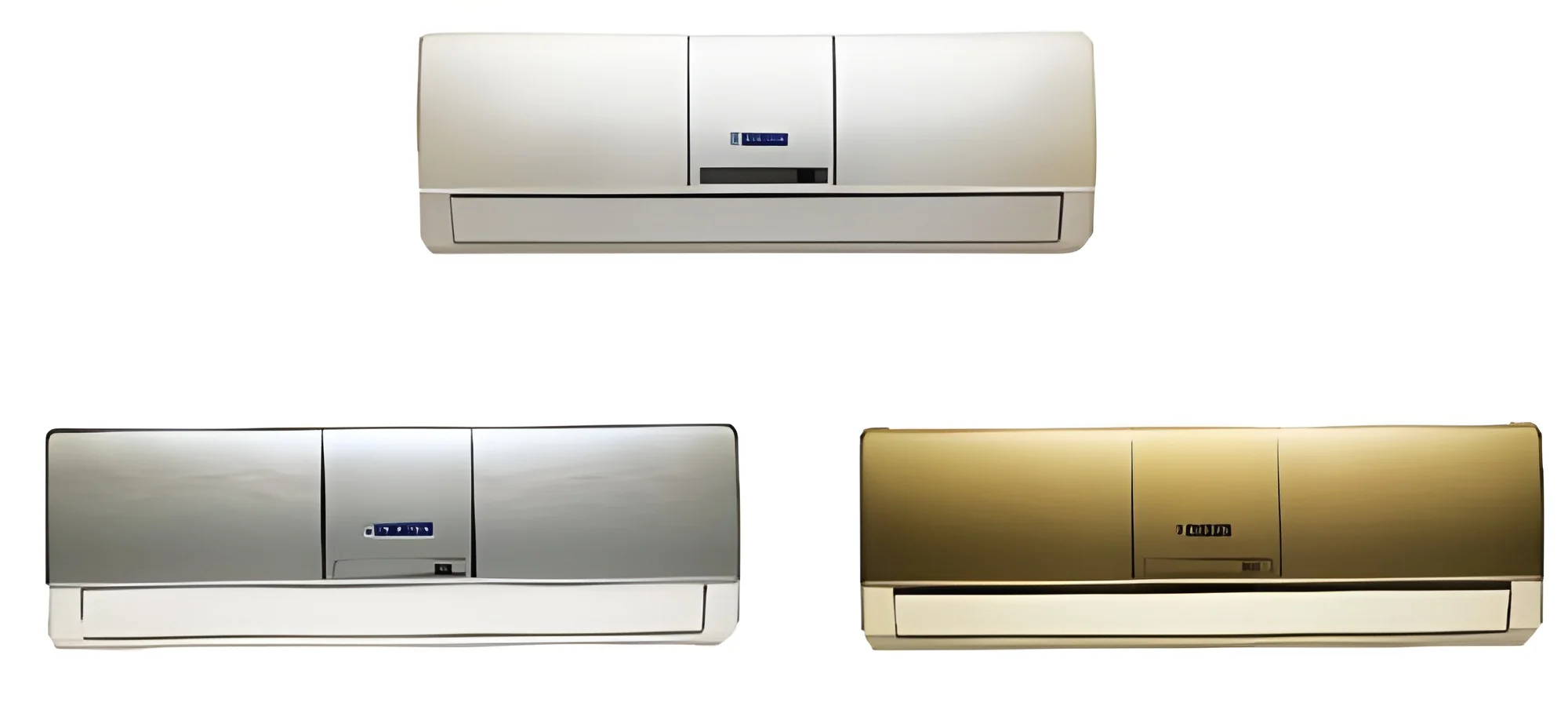
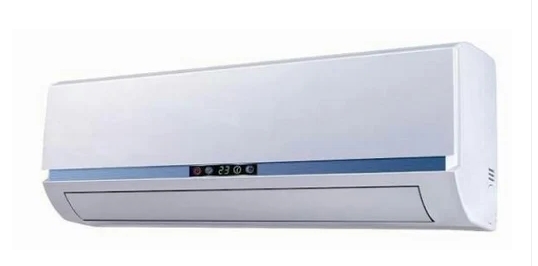
Split Air Conditioners: Comprised of indoor and outdoor units, split air conditioners offer efficient cooling for larger areas. They provide quieter operation and aesthetic flexibility, making them popular in commercial buildings.
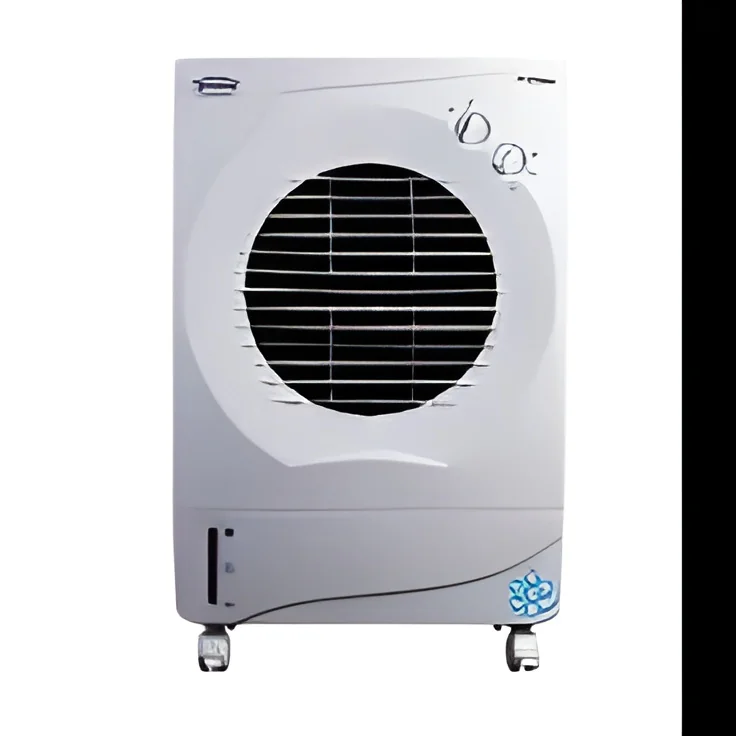
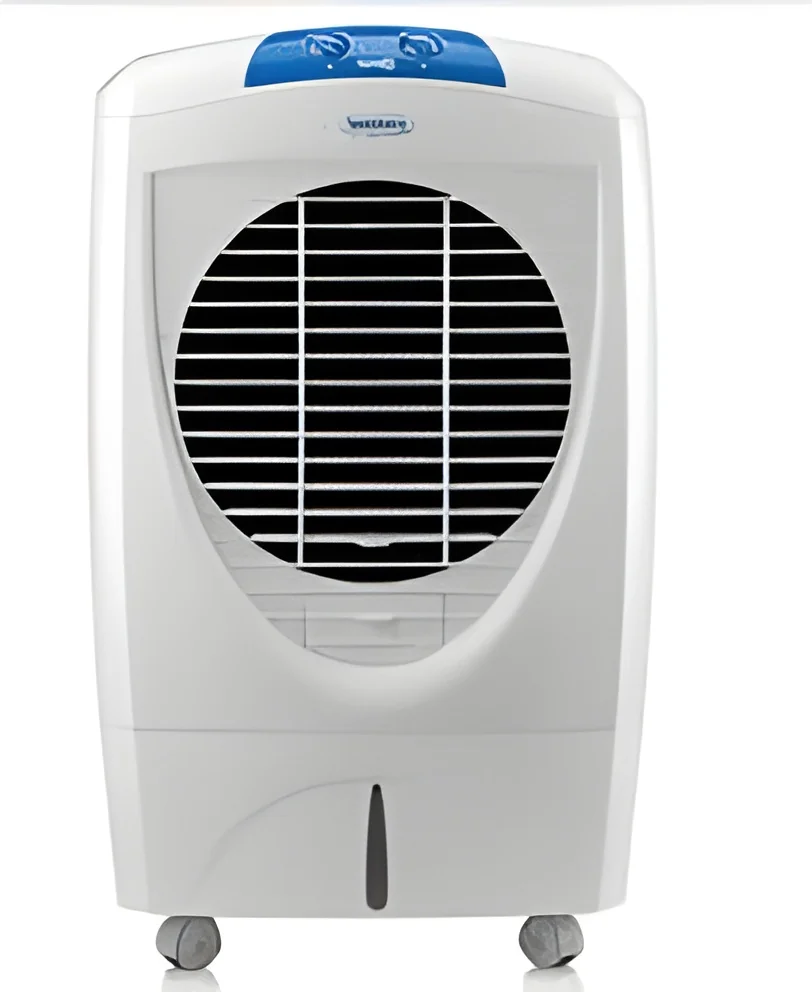
Portable Air Conditioners: These units are mobile and can be easily moved from room to room. They are particularly useful in spaces where permanent installation is not feasible, such as temporary offices or rental properties.
𝗕𝗲𝗻𝗲𝗳𝗶𝘁𝘀 𝗮𝗻𝗱 𝗔𝗱𝘃𝗮𝗻𝘁𝗮𝗴𝗲𝘀
Choosing the right air conditioning solution offers several benefits for businesses.
1. Enhanced Comfort: Air conditioners create a comfortable environment for employees and customers, leading to increased productivity and satisfaction.
2. Energy Efficiency: Modern air conditioners often come with high EER ratings, helping businesses save on energy costs.
3. Improved Air Quality: Many units include advanced filtration systems that remove pollutants and allergens from the air, promoting a healthier environment.
4. Temperature Control: Air conditioners allow precise temperature settings, ensuring consistency throughout the space.
5. Versatility: With options for window, split, and portable units, businesses can select the type that best fits their specific environment and needs.
6. Increased Equipment Longevity: Proper temperature regulation prevents overheating of machinery and electronic devices, extending their lifespan.
𝗕𝘂𝘆𝗶𝗻𝗴 𝗚𝘂𝗶𝗱𝗲 𝗳𝗼𝗿 𝗕𝟮𝗕 𝗕𝘂𝘆𝗲𝗿𝘀
When sourcing air conditioners, several factors should be considered to ensure the best purchase decision.
1. Quality Assessment: Evaluate the quality of the units based on customer reviews and performance ratings. Look for air conditioners that meet industry standards for efficiency and reliability.
2. Supplier Verification: Vet suppliers by checking their credentials, certifications, and customer feedback to ensure they are reputable and capable of fulfilling orders.
3. Pricing and MOQ: Compare prices across different suppliers and understand the minimum order quantities. This helps in budgeting and finding the best deals.
4. Delivery and Lead Times: Consider logistics and delivery schedules to ensure timely availability of the units, especially during peak seasons.
5. Compliance Requirements: Ensure that the air conditioners meet local regulatory standards and certifications, such as CE, to avoid compliance issues.
𝗖𝗼𝗺𝗽𝗹𝗶𝗮𝗻𝗰𝗲 𝗮𝗻𝗱 𝗖𝗲𝗿𝘁𝗶𝗳𝗶𝗰𝗮𝘁𝗶𝗼𝗻𝘀
Air conditioners must adhere to various quality standards and certifications to ensure safety and efficiency.
Relevant quality standards, such as ISO 9001, ensure that manufacturers maintain consistent quality management systems. Compliance with HACCP and GDP standards is essential for units used in sensitive environments, such as food storage and healthcare.
Industry certifications like CE indicate that products meet European safety, health, and environmental protection standards. These certifications provide assurance to buyers about the reliability of the units.
Additionally, safety and testing requirements ensure that air conditioners operate efficiently without posing risks to users. Regional compliance considerations may vary, so it's important to understand local regulations to ensure all products meet necessary criteria.
Why Source Air Conditioners (Window, Split, Portable) from Pepagora?
Pepagora offers a reliable platform for sourcing air conditioners, providing several key advantages to buyers.
Verified Supplier Network: Pepagora maintains a network of verified suppliers, ensuring that businesses have access to trusted manufacturers and quality products.
Streamlined RFQ Process: The request for quotation process is straightforward, allowing buyers to easily compare options and receive competitive pricing from multiple suppliers.
Trade Assurance and Support: Pepagora offers trade assurance, providing buyers with protection during the transaction process. This includes support for any issues that may arise post-purchase.
Regional Coverage: With a presence in India, the GCC, and Southeast Asia, Pepagora caters to a broad geographical area, ensuring that businesses in these regions can find suitable air conditioning solutions tailored to their needs.